
Reviewed · ASAKUSA TOURS
Guided Tour of Walking and Photography in Asakusa in kimono
Kimono photos in Asakusa feel effortless. This tour is interesting because the day starts with a proper kimono fitting and ends with landmark backdrops you’ll actually be able to photograph. I like that the guide has both kimono-dressing skills and tour-guide credentials, so your look stays photo-ready without guessing.
I also love the photo guidance. The guide steers you to spots where the kimono works with the scenery, and they’ll take pictures for you using your camera. One consideration: the $116 covers the kimono’s standard fee and guiding, but extra costs like kimono upgrades, entrance fees, transport, and food are not included.
You’ll be in a small group (up to 7), which keeps things calm when streets get crowded. Guides such as Emiko are known for being kind, helpful with culture, and quick to assist with practical questions so you don’t feel lost between photo stops.
In This Review
- Key highlights worth knowing
- Why Asakusa in kimono makes the photos look different
- Kimono fitting: the real start of the experience
- Meeting at Asakusa Station without stress
- From Kaminarimon to Nakamise: where your kimono belongs
- Senso-ji Temple: pagoda views, prayers, and pause time
- Sumida River Terrace and the Skytree-cherry blossom framing
- How the guide handles photos (and what you should do)
- Practical comfort tips for walking in kimono
- Price and value: is $116 a good deal?
- Who should book this walking-and-photo kimono tour
- Should you book it?
- FAQ
- How long is the Guided Tour of Walking and Photography in Asakusa in kimono?
- How much does it cost?
- What’s included in the price?
- What isn’t included?
- How many people are in the group?
- Where do we meet?
- What languages does the guide speak?
- Will the guide take photos for you?
- When will the guide contact you about the kimono?
- Is there a cancellation refund?
Key highlights worth knowing
- Kimono fitting that’s built into the tour: about an hour spent selecting your kimono, choosing a hairstyle, and getting it adjusted.
- Photo spots chosen for kimono style: you’ll hit classic Asakusa angles like Kaminarimon and then move toward river views.
- Your camera stays in your hands—sort of: the guide takes photos for you with your camera, so you don’t have to bounce between framing and instructions.
- A smart mix of temple + shopping + river: Senso-ji, Nakamise shopping street, and Sumida River terrace aren’t random stops.
- Small-group attention: max 7 people means you’re more likely to get help when you want a different pose or angle.
More mornings around Senso-ji and the old town
- Tokyo: Japanese Dance Cabaret Theater Asakusa-Kaguwa Ticket★ 4.8 · 2,270 reviews
- Tokyo: Asakusa Walking Tour with Sensoji Temple Visit★ 4.8 · 1,583 reviews
- Tokyo Asakusa Rickshaw Tour★ 5.0 · 1,375 reviews
Why Asakusa in kimono makes the photos look different
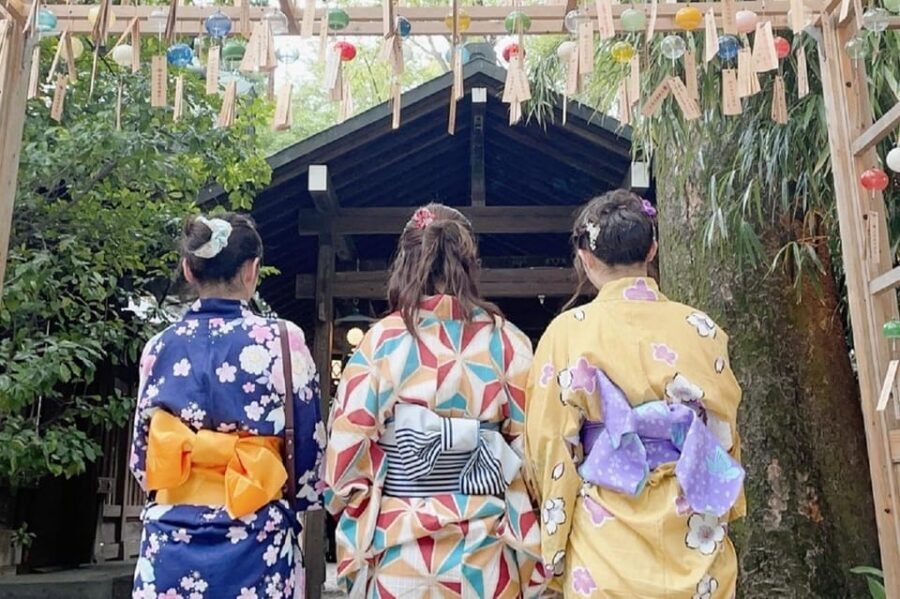
Asakusa is one of those Tokyo areas where the setting already has a “story” look. Put a kimono on top, and your photos stop feeling like generic sightseeing shots. You get clothing that belongs on the street, plus the landmarks people come to see—Senso-ji, Kaminarimon, Nakamise shopping street—so your images look intentionally composed, not accidental.
This is also a practical choice for photos. Self-guided walking is easy, but getting the right photo timing and angles while you’re managing a kimono is not. Here, you’re guided through the places where the kimono blends with the background, and you’re given direction on where to stand before you lift your camera.
The tour runs about 4 hours, so you’re not spending a whole day tied to one area. That matters because kimono comfort and weather can both be real factors. Shorter often means you’re more willing to keep moving and enjoying it.
Kimono fitting: the real start of the experience
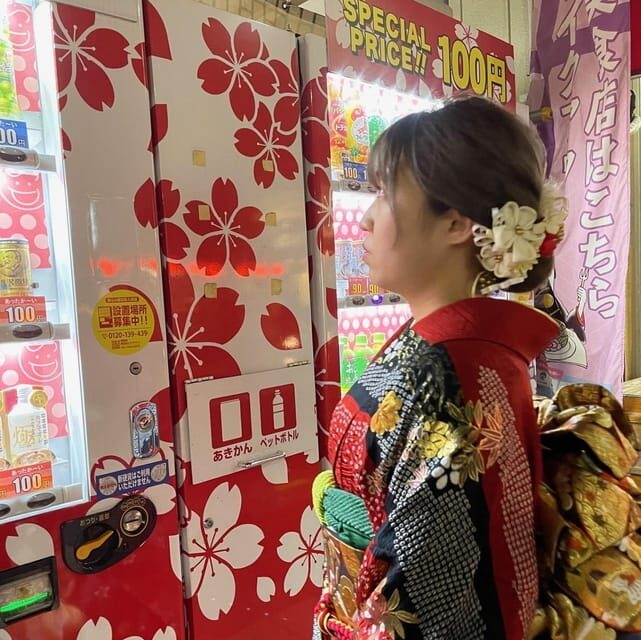
The tour begins at Asakusa Station, then you head toward the kimono shop portion where you’ll handle the styling. Plan on about one hour for the kimono process. You’ll select a kimono, choose a hairstyle option, and then get it adjusted so it sits correctly on your body.
What I like about this setup is that it’s not just pick-a-robes-and-hope. The guide advises from a Japanese cultural perspective while you’re getting dressed. That’s useful because kimono aren’t “costume random.” Even if you don’t know the rules, you’ll feel the difference when someone explains what to notice and how to carry yourself in the outfit.
Comfort matters too. Once the kimono is fitted, you’ll move into sightseeing mode right away. You’ll want to keep your walking pace steady and avoid rushing. If you’re the type who forgets you’re wearing something different until you hit a photo spot—this tour helps you not do that.
Meeting at Asakusa Station without stress
Your meeting point is at Asakusa Station (Ginza line), Exit 1 gate. The guide stands holding a sign with the company logo in orange (Lightspeedstar).
This is one of those details that prevents headaches. Asakusa Station can feel like a maze, especially when you’re already dressed in a kimono. Give yourself extra time to find the right gate and confirm you’ve got the correct guide, so you can start the fitting part relaxed rather than hurried.
The tour is designed as a walk-heavy experience on foot afterward. That means arriving on time matters—there isn’t space for long delays, and the rules note that late arrival or no-show won’t be refunded.
From Kaminarimon to Nakamise: where your kimono belongs
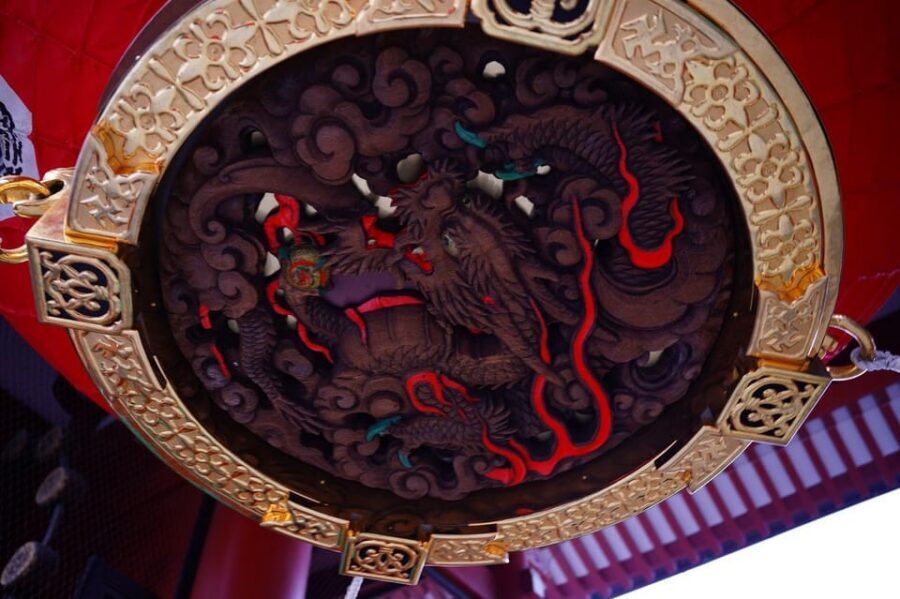
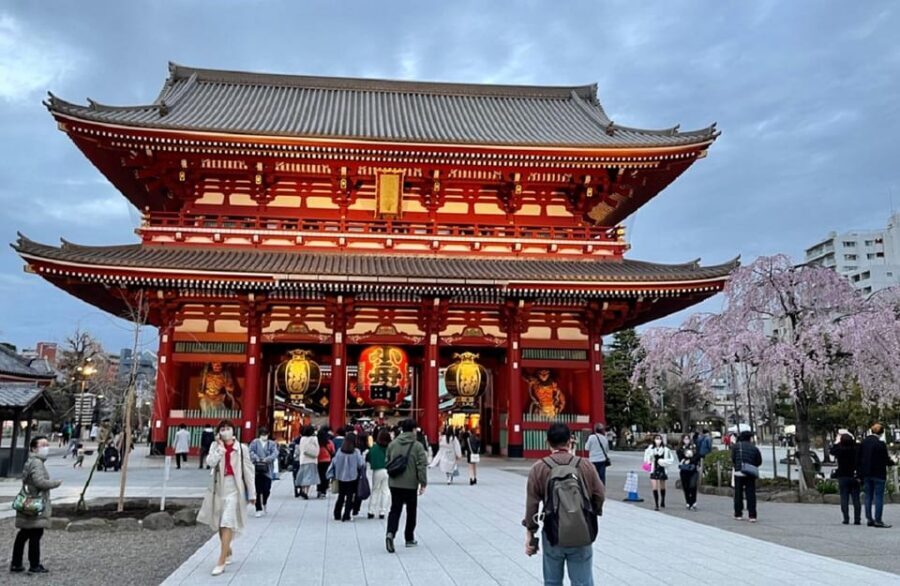
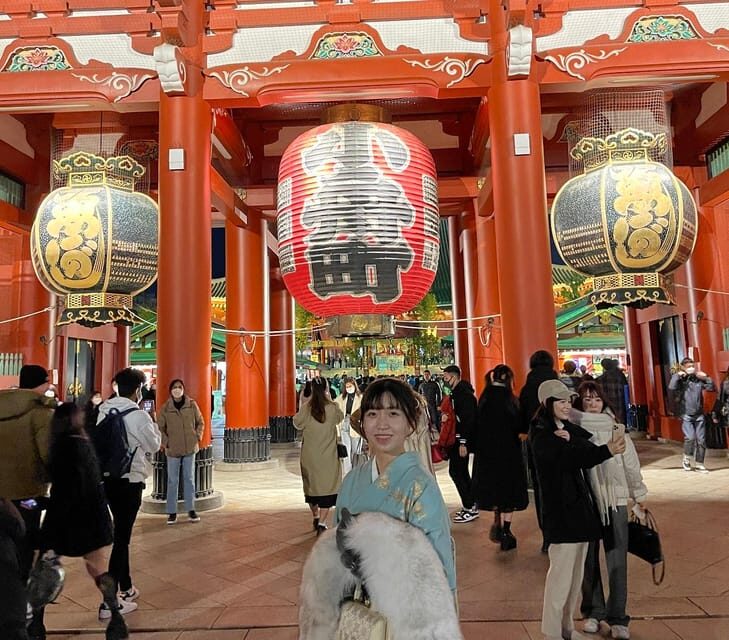
After the fitting, you’ll start sightseeing with quick orientation built in. One of the first iconic targets is Kaminarimon Gate (the main gate of Senso-ji, also called Kaminari Gate). You’ll visit and get a short walk through the area, with time set aside for photos and looking around.
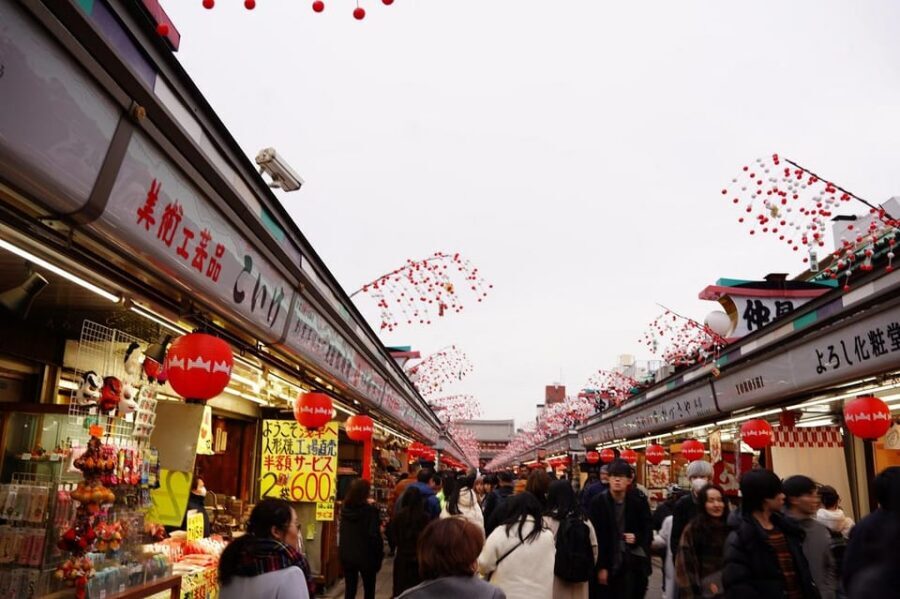
Then it’s on to Asakusa Nakamise Shopping Street. This street is known for long-established shops and popular souvenir stops. The value of having a guide here is that you’re not only shopping—you’re also learning how to move through the space while staying photo-friendly. Kimono photography isn’t just about standing somewhere scenic. You need manageable angles, background control, and timing so your shot includes the right parts of the street.
You also avoid the “I’m holding a camera but I’m not sure where to aim” problem. The guide’s job is to keep you from wasting prime moments.
Tokyo at walking pace, a few more ways
Senso-ji Temple: pagoda views, prayers, and pause time
Next comes Senso-ji Temple itself, with time for sightseeing and walking. You can offer prayers there, and you’ll also take in the main visual anchors visitors look for—especially the five-story pagoda that often shows up as the Asakusa symbol.
Senso-ji works well in kimono for two reasons. First, the temple architecture gives you strong lines and texture, which helps your kimono look intentional. Second, the area is a classic “frame” environment: it’s easy to create a portrait shot without chasing random backgrounds.
One smart piece is the way the tour schedules photo opportunities around major motifs. You get a first Kaminarimon moment, then more temple time, then later a return near Kaminarimon for free time. That means you’re not locked into one perfect photo attempt and then left with nothing if it doesn’t work.
If you want a more relaxed visit, use the short free time to take a slower look—then take your camera out once you feel ready.
Sumida River Terrace and the Skytree-cherry blossom framing
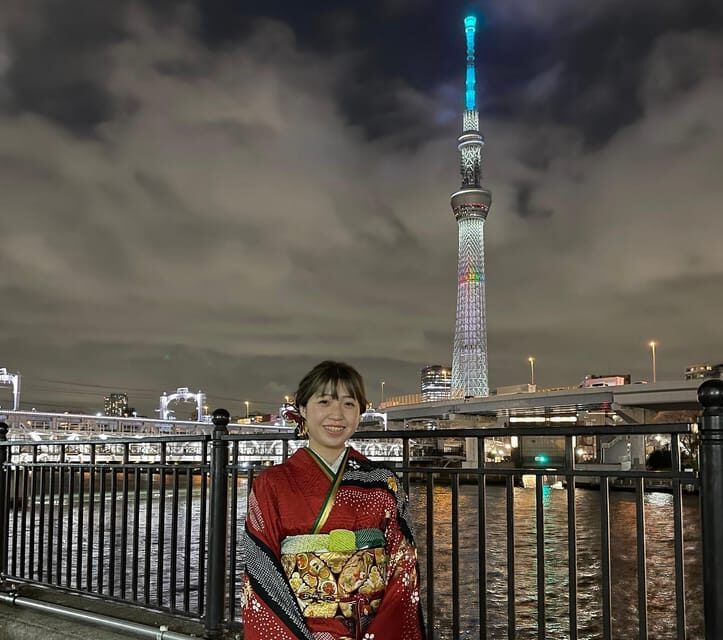
After temple and shopping, the tour heads toward Sumida River Terrace on the left bank, downstream near Shirahige Bridge. This is where your photos can shift from “temple streets” into “big skyline with water.”
You’ll specifically aim for shots that can include Tokyo Skytree together with seasonal cherry blossoms. The key here is composition. In the city, background clutter can ruin a kimono portrait. The river terrace gives you a wider, cleaner stage where tall landmarks can appear behind you without the frame becoming messy.
This is also a good moment for a different pose style. On temple streets, you tend to face structures. Near the river, you can angle for depth—kimono in the foreground, sky and landmark behind. The guide helps you get those angles right, and you can also ask for another attempt if the first background doesn’t align.
If you’re visiting outside peak blossom season, you’ll still get the river terrace setting and landmark backdrop. Just don’t expect the cherry blossoms to be guaranteed on every date.
How the guide handles photos (and what you should do)
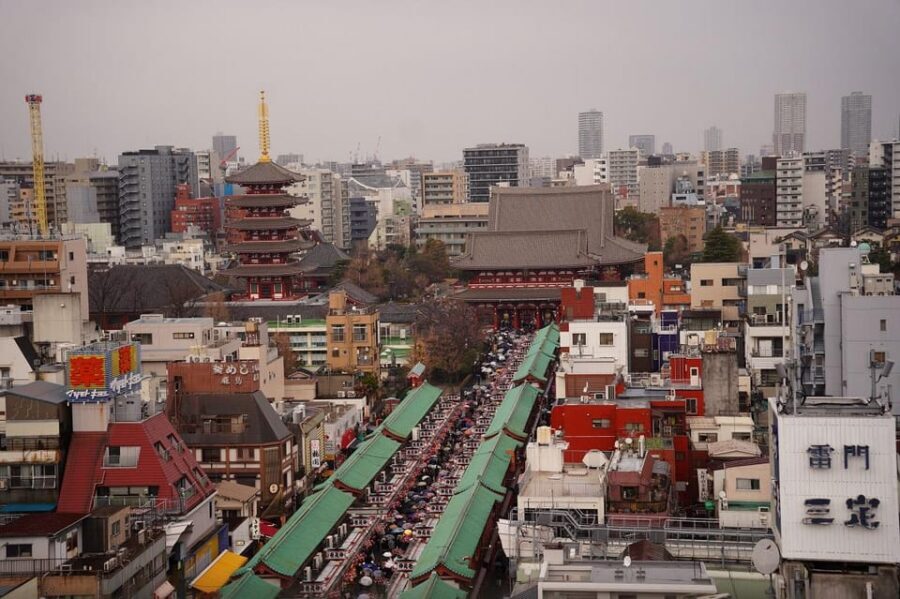
This tour is built around the fact that you want photos without being the only person doing all the work. The guide will tell you the best places to take photos that blend well with kimonos. They’ll also take pictures for you using your camera, which is a huge help when your hands and posture are busy with a kimono outfit.
Here’s what you should do to get the most out of it:
- Have your camera ready before you stop moving. The best moments are usually the shortest.
- If you’re using a phone, make sure it’s charged and unlocked before the photo cue.
- Be ready to follow simple instructions about where to stand. You’re trading control for better framing.
Also, treat this as a “photo coaching” tour, not just a walking tour. If you ask for one extra angle—left side profile, straight-on, or a more relaxed stance—the guide’s directions are what make those shots look like they belong in a set.
Practical comfort tips for walking in kimono
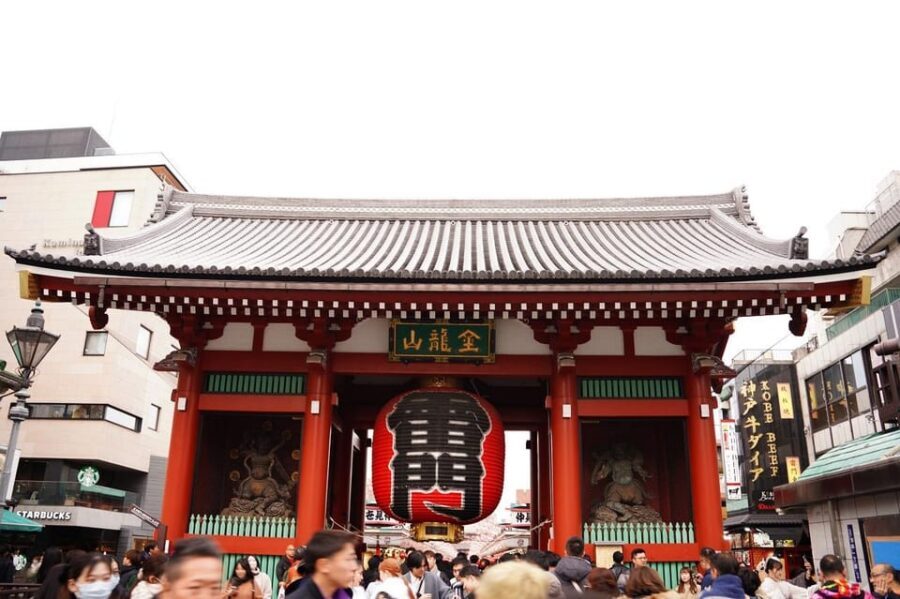
A kimono is gorgeous, but it changes your movement. For a 4-hour tour, that’s manageable if you plan smart.
- Wear footwear you can rely on. Kimono look best when your step is confident and steady.
- Bring a small bag. You’ll need a place for essentials so you’re not holding everything in your hands during photo time.
- Expect weather reality. If it rains, you’ll still want photos, but your comfort may change.
The tour is wheelchair accessible, which is good to know if you’re planning for mobility needs. Still, temple areas and busy shopping streets can bring uneven walking conditions, so it’s worth bringing up your needs with the operator ahead of time.
Price and value: is $116 a good deal?
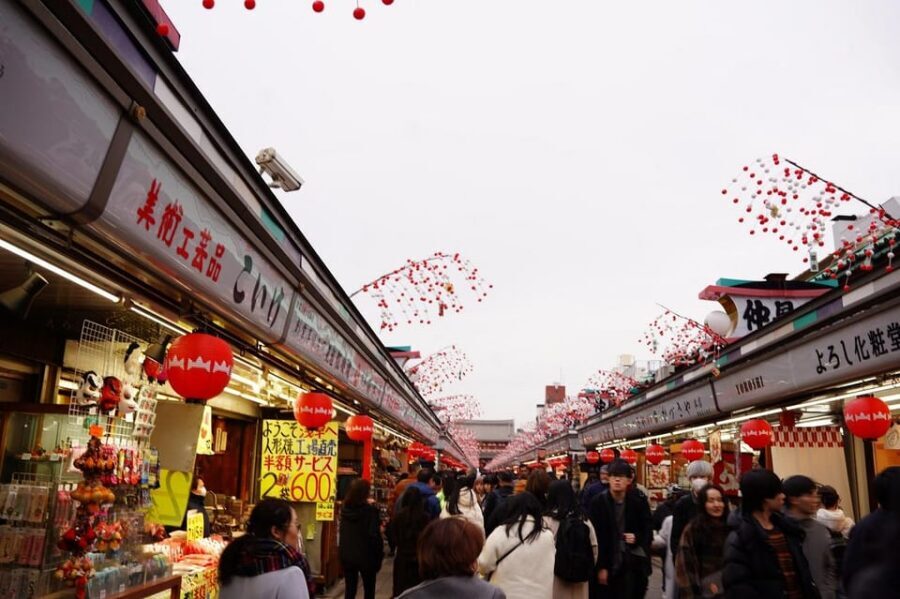
At $116 per person for a 4-hour experience, the value comes from three things bundled together:
- Kimono’s fixed standard fee (included).
- A qualified guide who manages both kimono dressing and guiding.
- Photo support, including the guide taking pictures for you with your camera and steering you to the best kimono-friendly spots.
What you should budget separately:
- Kimono option fees (upgrades).
- Entrance fees to facilities and tourist spots.
- Transportation expenses.
- Food and drinks.
- Other personal expenses.
So, is it worth it? If you want kimono for the look, don’t want to handle dressing complexity on your own, and you care about getting good photos at the right landmarks, the bundle can be a very efficient way to do it. If you already planned to visit Senso-ji and Nakamise on your own and you’re comfortable renting a kimono independently, then you’ll want to compare how much you’d spend on those components separately.
Either way, think of the $116 as paying for your time, your photo results, and your guidance—rather than paying only for “being in Asakusa.”
Who should book this walking-and-photo kimono tour
This is a strong fit if you:
- Want an easy way to experience Asakusa without navigating photo spots yourself.
- Care about getting photos where your kimono blends with the environment.
- Prefer a small group (up to 7) so the guide can focus on each person.
It’s also appealing for families. One guide experience I saw highlighted how helpful and kind the guide was with a young child, which suggests the tour can work even when you need patience and support. Still, since it’s a walking-focused outing, bring snacks and plan for breaks if your group needs them.
Couples and solo travelers often like this setup too. You get a structured loop of sights, plus you don’t have to hand your camera off to strangers.
Should you book it?
Book this tour if you want kimono as part of the experience—not just a quick rental—and you want photos that look planned, not accidental. The combination of guided fitting time, photo coaching, and landmark stops makes it feel like a “photo plan” plus sightseeing.
Skip it (or adjust expectations) if you’re trying to keep costs ultra-low, since kimono upgrades, entrance fees, and transport are extra. Also, if you’re very independent and don’t care about guided photo spots, you might save money by going on your own.
If you want the classic Asakusa look with your kimono and you value getting pictures taken for you, this is a smart use of half a day.
FAQ
How long is the Guided Tour of Walking and Photography in Asakusa in kimono?
It lasts about 4 hours.
How much does it cost?
The price is $116 per person.
What’s included in the price?
The price includes the kimono’s fixed standard fee and an English-speaking guided tour.
What isn’t included?
Kimono option fees, entrance fees to facilities and tourist spots, transportation expenses, food and drinks, and other personal expenses are not included.
How many people are in the group?
The group is small, limited to 7 participants.
Where do we meet?
Meet at Asakusa Station (Ginza line), 1 gate. The guide will stand with the company Lightspeedstar logo in orange.
What languages does the guide speak?
The tour guide is available in English, Chinese, and Japanese.
Will the guide take photos for you?
Yes. The guide will take pictures for you using your camera.
When will the guide contact you about the kimono?
The guide contacts you about 7 days before the date about your kimono, and you can reach them via WhatsApp.
Is there a cancellation refund?
You can cancel up to 24 hours in advance for a full refund. No refund is provided for no-shows or late coming.
More Tours in Tokyo




More Tour Reviews in Tokyo




Around Senso-ji: More Asakusa Picks
Fresh reviews from around Tokyo






Asakusa Tours, compared.
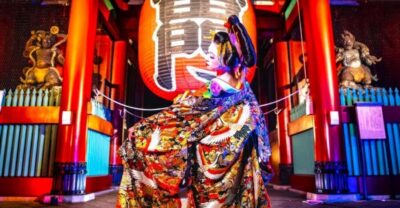 ★ 4.8Japanese Dance Cabaret Theater Asakusa-Kaguwa TicketFrom $492,270 reviews
 ★ 4.7Meiji Shrine, Asakusa, Skytree Bus Tour and CruiseFrom $1221,986 reviews
 ★ 4.8Asakusa Walking Tour with Sensoji Temple VisitFrom $221,583 reviews
 ★ 5.0Tokyo Asakusa Rickshaw TourFrom $421,375 reviews
 ★ 4.5Tokyo Panoramic 1 Day: Meiji Shrine, Asakusa, Odaiba and SKYTREE®From $851,222 reviews
 ★ 4.8Samurai Ninja Museum Asakusa: Samurai Sword Lesson & TourFrom $63306 reviews
Asakusa Sightseeing Tour by RickshawFrom $35195 reviews
Asakusa Kimono Dressing and Matcha ExperienceFrom $56173 reviews
★ 4.8Samurai Ninja Museum Asakusa: Samurai Sword Lesson & TourFrom $63306 reviews
Asakusa Sightseeing Tour by RickshawFrom $35195 reviews
Asakusa Kimono Dressing and Matcha ExperienceFrom $56173 reviews
Browse the lists this tour appears in