
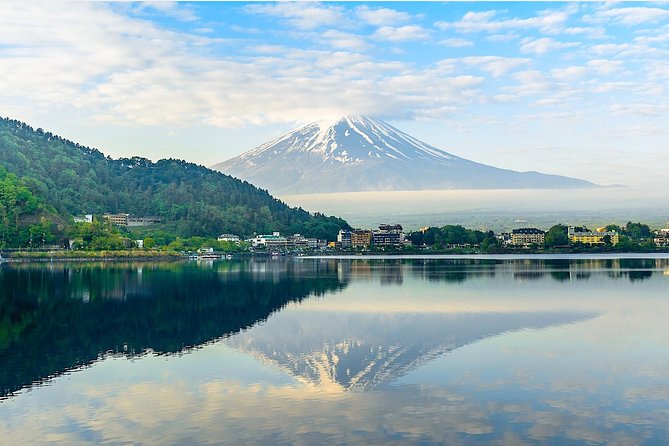
Reviewed · TOKYO
Experience the Stunning Nature of Mt.Fuji – Private Tour
Mt. Fuji days can be surprisingly hard. This one is built for a smooth flow from Tokyo to the Fuji Five Lakes area, with private transport and an English-speaking guide to keep the timing sane. I like how the route mixes big mountain views with calmer lake moments and a couple of very different cultural stops.
I also like the food-and-nature pacing: you get hoto noodles near Lake Kawaguchiko and then move outdoors again, including time around the water and in flower gardens. One drawback to plan for: the main attractions have extra tickets, like the ropeway and some site entrance fees, and the day really depends on good weather.
In This Review
- Key highlights at a glance
- From Tokyo at 8:00 to the Fuji Five Lakes: why this day feels manageable
- Mt. Fuji Panoramic Ropeway to Tenjoyama Park: the view that makes the day click
- Hototo/hoto noodles lunch at Kawaguchiko: comfort food with local logic
- Lake Kawaguchiko by bike, then Oishi Park: a scenic change of pace
- Lake Saiko: quiet water near Aokigahara’s edge
- Iyashi no Sato Nemba: tradition rebuilt after the 1966 landslide
- Fugaku Wind Cave in Aokigahara: the cold stop that makes the day memorable
- Price and logistics: what $1,248.07 buys your group
- Who should book this Mt. Fuji private day
- Should you book the Mt. Fuji Private Tour?
- FAQ
- What time does the tour start?
- Is hotel pick-up and drop-off included?
- How long does the tour last?
- What’s included in the tour price?
- Do I need to pay extra for the Mt. Fuji ropeway?
- Is lunch included?
- Are entrance fees included for Iyashi no Sato and the Ice Cave?
- Do I need good weather for this tour?
- Is this a private tour for just your group?
Key highlights at a glance
- Private group, up to 7: Your own vehicle and guide, which helps the day stay flexible.
- Tenjoyama Ropeway to Mt. Tenjo: 1,075m up for wide Lake Kawaguchiko views.
- Hoto noodles lunch near Kawaguchiko: A local specialty, hearty and very Fuji-five-lakes flavored.
- Lake Kawaguchiko by bike: Easy cycling time around the water, then a short hop to Oishi Park.
- Lake Saiko + Iyashi no Sato + Fugaku Wind Cave: Quiet lakeside calm, a rebuilt village, and a cold cave stop.
Before you commit, see how this one stacks up against a few Tokyo favourites:
- Mt Fuji and Hakone 1-Day Bus Tour Return by Bullet Train★ 5.0 · 26,383 reviews
- 1-Day Tokyo Bus Tour★ 5.0 · 14,250 reviews
- Tokyo: teamLab Planets TOKYO Digital Art Museum Entry Ticket★ 4.6 · 9,779 reviews
From Tokyo at 8:00 to the Fuji Five Lakes: why this day feels manageable
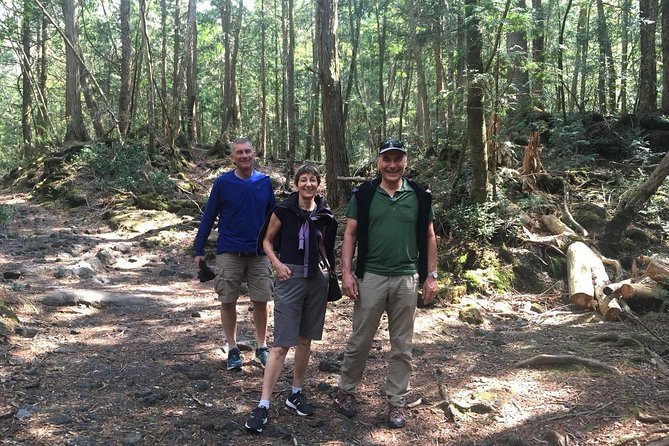
A lot of Mt. Fuji day trips fail because logistics eat the whole day. Here, you start at 8:00am with hotel pick-up and drop-off in Tokyo, plus an air-conditioned vehicle and parking taken care of. That means you’re spending your energy on the sights, not on schedules, transfers, and figuring out the last bus that somehow leaves early.
The tour is designed for a private group (up to 7), so it doesn’t run like a cattle line. You get an English-speaking guide, and that matters because you’ll be bouncing between views, food, gardens, and a couple of sites that are easier to enjoy with context. Even better, there’s a mobile ticket included, so you’re not juggling paper confirmations.
The total time is roughly 11 to 12 hours, which is long, but it also reflects how spread out the best Fuji Five Lakes stops really are. For a day this full, the most important practical note is physical pace: you should have moderate physical fitness, since you’ll be walking in multiple places and riding the ropeway up before doing outdoor time.
Mt. Fuji Panoramic Ropeway to Tenjoyama Park: the view that makes the day click
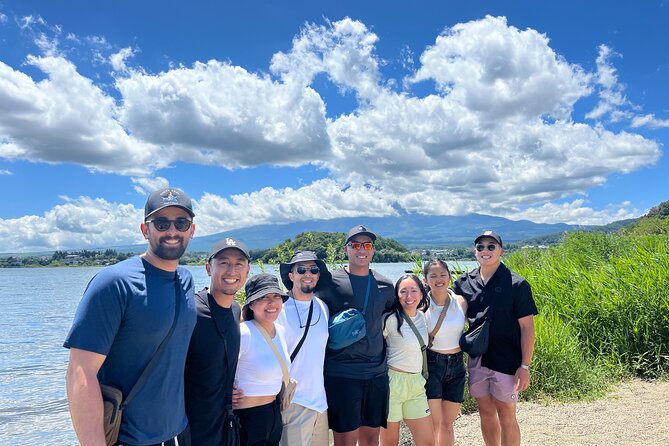
The day’s visual payoff starts with the Mt. Fuji Panoramic Ropeway. You ride up to Mt. Tenjo, gaining about 1,075 meters, and your reward is the kind of sweeping panorama the Fuji area is famous for—especially views over Lake Kawaguchiko.
What I like about this approach is that it buys altitude fast. If you’ve ever watched the day slip away while you hunt for the best photo angles by car or on foot, you’ll appreciate how the ropeway compresses the “get up high” part into a clean, guided moment. Tenjoyama Park is also where you’ll stroll along a hydrangea-lined path on the way down, which is a charming detail if the seasonal flowers are in bloom.
One key detail: the ropeway ticket is not included. The cost is listed as ¥1,000 per person, so budget for that in your total planning. Admission is separate, and it’s worth factoring that the ropeway time is only part of the stop—what you really get is a high-view window that sets the tone for everything afterward.
Hototo/hoto noodles lunch at Kawaguchiko: comfort food with local logic
After the ropeway, your stomach starts negotiating. That’s why the lunch choice near Lake Kawaguchiko works so well in the flow of the day. You’ll stop at Hotokura Funari Kawaguchiko for hoto noodles, one of the region’s signature dishes.
Here’s what makes hoto worth caring about: it’s like a thicker, heartier take on udon. The noodles are served hot in a stew-style pot with vegetables, so you’re not just grabbing calories—you’re getting something genuinely tied to the Kawaguchiko area’s food identity. The lunch stop is scheduled for about 45 minutes, which is a good amount of time to eat without turning lunch into its own mini-trip.
Lunch itself is not included in the tour price, so expect to pay for your meal on-site. If you have picky eaters or food preferences, this is where having a guide helps a lot—someone who can steer you toward a practical, kid-friendly table or a faster-serving option can save real time. The tour format also keeps you from wasting energy searching for a place after you’ve already been outside most of the morning.
Lake Kawaguchiko by bike, then Oishi Park: a scenic change of pace
Once lunch settles, the tour shifts from “viewpoints” to “moving through the scenery.” You’ll rent bicycles at Shiki no Yado Fujisan hotel and cycle about 2.9km around Lake Kawaguchiko. Then you drop the bikes at Kawaguchiko Boathouse, and you’re driven a short distance to Oishi Park.
This part is smart because it gives you variety. Standing still at a lookout is great, but cycling along the lake helps you experience the area at human speed. It’s also one of the easiest ways to feel like you’re actually in the Fuji Five Lakes region rather than just passing through it by car.
The Oishi Park stop is specifically described as flower-filled, which adds a seasonal splash to balance out the earlier mountain-focused moments. You’ll want to be ready for outdoor walking again, though the overall timing for this block is about 45 minutes, so it’s not an all-day pedal tour.
A practical consideration: bicycle time assumes you’re comfortable riding in a calm, scenic environment. If you’re not keen on cycling, you might still enjoy the Oishi Park portion, but the tour schedule is built around the bike activity. Moderate physical fitness is the main guideline for a reason.





Lake Saiko: quiet water near Aokigahara’s edge
If you want one place in the Fuji area that feels like a breather, it’s Lake Saiko. This lake is often described as the most tranquil of the Fuji Five Lakes, with crystal-clear blue water and a setting beside the Aokigahara forest. You get a short stop here—about 10 minutes—and it’s meant to be a pause, not a full activity.
What I like about this quick stop is how it changes the mood of the day. After ropeway views, a meal, and bike time, Lake Saiko gives you a chance to slow down and take in the stillness. Even if you don’t swim or boat (the tour notes it’s a best place for those activities), seeing that clarity in person is the kind of reset you can actually feel.
The lake stop is marked as admission-free, which is a nice bonus—no extra ticket hurdle for this particular moment. Still, keep your time eyes open: you’ll be in and out, and the value is in the atmosphere, not in lingering for hours.
Iyashi no Sato Nemba: tradition rebuilt after the 1966 landslide
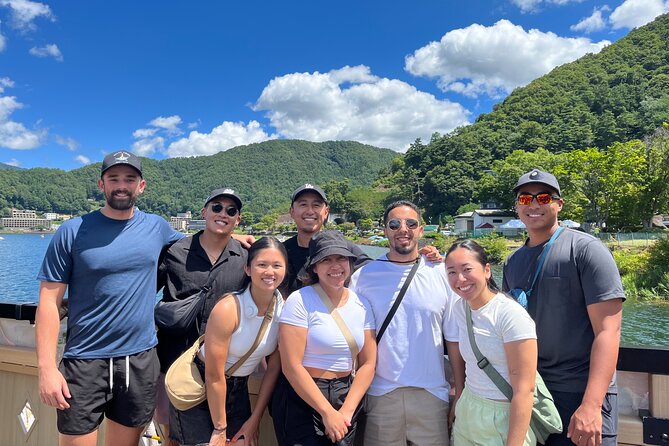
Next comes something very different from “nature stops”: Iyashi no Sato Nemba, a recreated traditional farming village near Lake Saiko. This place has a clear reason for being here, and the story helps you connect what you’re seeing to the region’s real-life past.
The village was destroyed in a landslide in 1966, then reconstructed in 2006 as an open-air village. That reconstruction detail matters because it’s not just decorative. You’re seeing a curated way of preserving rural heritage and rebuilding community memory after disaster.
The visit is about 1 hour, so you’re not rushed through doorways—you have time to stroll and observe how the village layout feels like a working past. Entrance is not included, so you’ll pay a site fee on arrival.
The practical tip here: wear shoes you can walk in comfortably. Open-air village spaces tend to involve uneven ground, and you’ll want your feet happy so you can focus on the textures of old-style life rather than on where the next step is.
Fugaku Wind Cave in Aokigahara: the cold stop that makes the day memorable
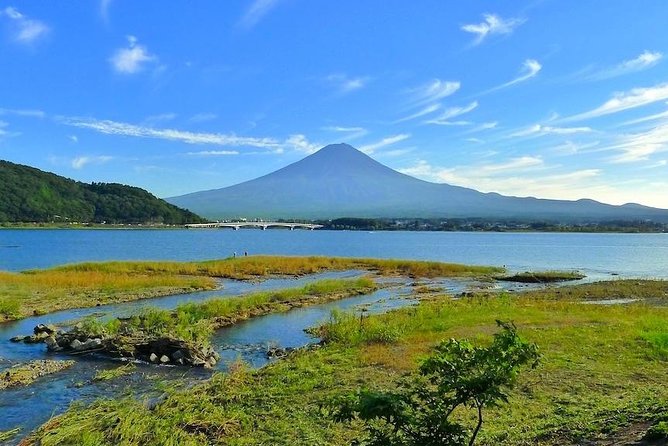
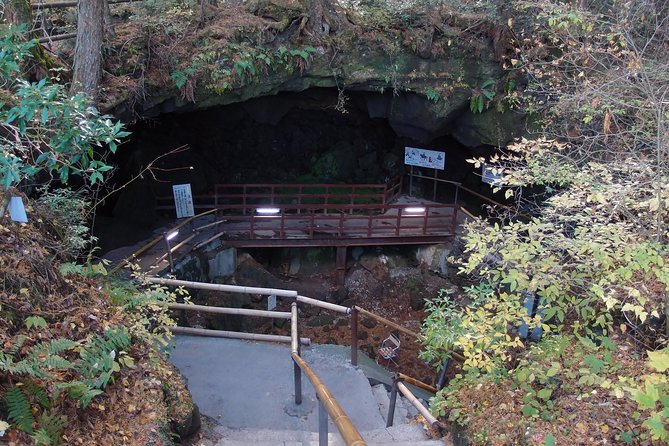
To finish with something memorable, the tour goes to Fugaku Wind Cave, located in the Aokigahara forest area. This is described as an “Ice Cave,” because it stays at freezing temperatures even in summer. Historically, it was used for storing ice for warmer months, which is a fascinating bit of regional ingenuity.
This is the kind of stop you’ll appreciate even if you’re not the type who normally goes for caves. The contrast alone helps: you’re moving from lake air and village calm into a naturally chilled environment that makes your body notice the difference right away. The cave time is about 35 minutes, which is long enough to feel like more than a quick glance.
Entrance fees for the cave are not included, so plan for additional payment. If you run warm, bring a light layer anyway; even if it feels like a short visit, the temperature drop is part of what makes the cave worth doing.
Price and logistics: what $1,248.07 buys your group
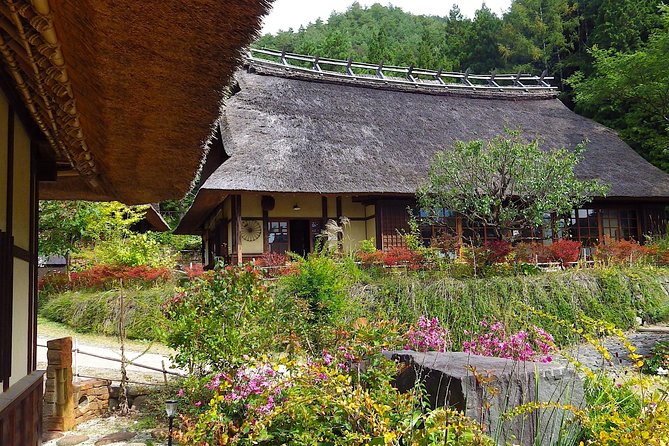
The price is $1,248.07 per group, up to 7 people. That means it can work out surprisingly reasonable if you truly fill the vehicle. If you max out at 7, you’re roughly in the neighborhood of about $180 per person for the private car, guide, and park-to-park routing. If you’re a smaller group, the per-person cost rises, so this is best for families, small friend groups, or anyone who wants privacy enough to justify the math.
What’s included is meaningful: private transportation, air-conditioned vehicle, parking fees, and a fuel surcharge, plus an English-speaking guide and hotel pick-up/drop-off in Tokyo. This is the stuff that’s hard to DIY without spending half your day commuting and negotiating tiny timing problems.
What’s not included is also worth noticing. You’ll pay for lunch, Mt. Fuji Panoramic Ropeway tickets, and entrance fees for Iyashi no Sato Nemba and Fugaku Wind Cave. Budget for those extra costs so they don’t surprise you later. The day also runs best with good weather, and the experience provider notes it’s designed around that reality.
A small but practical note: you’ll want moderate physical fitness because the route includes walking and at least one cycling activity. If your group has mobility limits, it’s still doable for many people, but it’s not built as a “sit in the car the whole time” kind of trip.
Who should book this Mt. Fuji private day
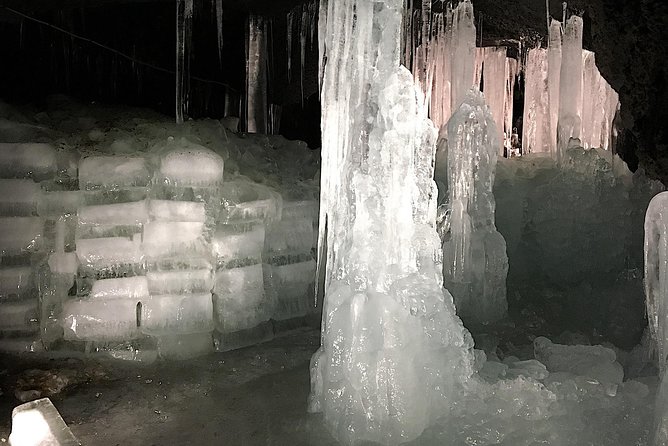
This tour fits best if you want a structured Fuji day without having to research every leg. The private setup plus the English guide helps a lot when you’re trying to balance nature, food, and cultural stops without turning the day into a spreadsheet.
You’ll likely love it if:
- You’re doing Mt. Fuji as a first big highlight and want a classic Fuji Five Lakes mix.
- Your group values a bit of variety: ropeway views, lake biking, flowers, a rebuilt village, and a cold cave.
- You want time-efficient sightseeing, since the day is planned into roughly 11 to 12 hours.
It may not be ideal if:
- You expect everything to be fully included. The ropeway and site entrance costs are separate.
- Your group hates any outdoor walking or isn’t comfortable with the cycling portion.
Should you book the Mt. Fuji Private Tour?
My take: book it if you want a private, organized Fuji day where the routing is handled and you get multiple “types” of experiences instead of only viewpoints. The ropeway-to-lakes rhythm plus the stop at Fugaku Wind Cave gives the day a strong shape, and having a guide like Yahiro (who’s been praised for being kind and answering lots of questions) is a real plus for keeping things smooth.
Book with realistic expectations: the weather matters, and you’ll pay for tickets and entrances at certain stops. If that doesn’t bother you, this is the kind of Mt. Fuji day that turns the scenery into an actual plan, not just a long drive.
FAQ
What time does the tour start?
The tour starts at 8:00am.
Is hotel pick-up and drop-off included?
Yes. Hotel pick-up and drop-off in Tokyo is included.
How long does the tour last?
The duration is about 11 to 12 hours.
What’s included in the tour price?
Included are a private transportation vehicle, air-conditioning, parking fees, fuel surcharge, and an English-speaking guide, plus hotel pick-up and drop-off.
Do I need to pay extra for the Mt. Fuji ropeway?
Yes. The Mt. Fuji Panoramic Ropeway ticket is ¥1,000 per person and is not included.
Is lunch included?
No. Lunch is not included.
Are entrance fees included for Iyashi no Sato and the Ice Cave?
No. Entrance fees for Iyashi no Sato Nemba and Fugaku Wind Cave are not included.
Do I need good weather for this tour?
Yes. The experience requires good weather. If it’s canceled due to poor weather, you’ll be offered a different date or a full refund.
Is this a private tour for just your group?
Yes. It’s private, and only your group participates (up to 7 people).
More Tour Reviews in Tokyo



Fresh reviews from around Tokyo






Tokyo, compared.
 ★ 5.0Mt Fuji and Hakone 1-Day Bus Tour Return by Bullet TrainFrom $16326,383 reviews
 ★ 5.01-Day Tokyo Bus TourFrom $12914,250 reviews
 ★ 4.6teamLab Planets TOKYO Digital Art Museum Entry TicketFrom $259,779 reviews
 ★ 4.0Mt Fuji & Hakone Cruise, Drum Show Bullet Train 1 Day from TokyoFrom $1497,413 reviews
 ★ 5.0Shinjuku Food Tour (13 Dishes at 4 Local Eateries)From $866,603 reviews
 ★ 4.4Tokyo Mt Fuji 5th St & Hakone Cruise Bus Tour w/Bullet TrainFrom $1545,024 reviews
 ★ 5.0Flagship 2-Hours Official Street Go-Kart Tour – Tokyo Bay ShopFrom $644,974 reviews
 ★ 4.5From Tokyo: Mount Fuji Full-Day Sightseeing TripFrom $684,970 reviews