
Reviewed · TSUKIJI FISH MARKET TOURS
Tsukiji Food and Toyosu Market with Government-Licensed Guide
Some mornings in Tokyo feel designed for you.
This private tour links Toyosu Market and Tsukiji Fish Market into one smooth, 4-hour food-culture circuit with a government-licensed English guide. I like that it’s not just wandering: you get a plan for where to go, what to look for, and how to handle the crowds and noise. Names you’ll hear from guides along the way include Toyo, Yasuho Suzuki, Mina, Koji, and Shuji, and the shared theme is simple—helping you get your bearings fast so you can taste more and stress less.
Two things I really like: first, the guide connection. When you’re in places like Tsukiji, the difference between aimless walking and knowing where to stand, what to ask, and how to move through the stalls is huge. Second, the pairing of “old” and “new” fish-market styles—Tsukiji’s retail-and-snack energy next to Toyosu’s larger, modern wholesale footprint, plus a couple of calm spiritual stops to reset your brain.
One consideration: this is a walking tour with limited time inside each area. If you’re set on seeing everything including the full tuna-auction spectacle, this isn’t the right fit—this tour is explicitly not the tuna auction version, and some Toyosu areas can feel less active if your timing is later in the day.
In This Review
- Key Things to Know Before You Go
- Tsukiji and Toyosu Together: The Best Way to Understand Tokyo’s Fish World
- The Licensed Guide Edge: Where Your Time Actually Goes
- Toyosu Market Stop: Modern Wholesale Layout in a Short Hour
- Tsukiji Fish Market Stop: Retail + Snacks, With Cultural Stops Woven In
- Quick note on the tuna auction dream
- Namiyoke Inari Shrine: A Sea-Wave Reminder in the Middle of Seafood Territory
- Tsukiji Hongwanji Temple: Buddhism Close to the Market Grind
- Food and Shopping Reality: How to Plan Snacks and Lunch Without Wasting Time
- Getting Between Toyosu and Tsukiji: Public Transport, Organized by Your Guide
- Price and Value: Is $109.01 Worth It for This 4-Hour Market Plan?
- Who Should Book This Market Tour (and Who Should Not)
- Should You Book This Tsukiji and Toyosu Guided Tour?
- FAQ
- Is the tuna auction included in this tour?
- How long is the tour?
- Do I need to pay for admission fees?
- Is this a private tour?
- How do you travel between Toyosu and Tsukiji?
- Where does the tour start and end?
Key Things to Know Before You Go
- Licensed, English-speaking guide for a fast orientation: your guide helps you navigate so you don’t waste your short market window.
- Two major markets in one: you see both Toyosu and Tsukiji instead of choosing just one.
- Shrine and temple stops included: Namiyoke Inari Shrine and Tsukiji Hongwanji Temple add context and a breather.
- Public transit between markets is organized (but not free): you’ll pay transport fares yourself.
- Toyosu entry may cost extra: Toyosu admission isn’t included, while Tsukiji is listed as free.
- Not the tuna auction tour: if you want the auction, you need a different booking.
Still hungry? More Tsukiji breakfasts and market walks
- Tokyo Tsukiji Fish Market Food and Culture Walking Tour★ 5.0 · 3,184 reviews
- Tokyo: Tsukiji Fish Market Food and Walking tour★ 5.0 · 1,724 reviews
- Tokyo: Tsukiji Fish Market Guided Walking Tour★ 4.9 · 1,397 reviews
Tsukiji and Toyosu Together: The Best Way to Understand Tokyo’s Fish World
Doing only Tsukiji is like visiting one chapter of a book. Doing only Toyosu is the same. The reason this combo works is that it shows you how Tokyo’s seafood business has shifted—old-school market lanes and shopping energy at Tsukiji, then the newer, more purpose-built wholesale world at Toyosu, opened on October 11, 2018.
In just about 4 hours, you’re not expected to become a fisheries historian. Instead, you get a curated path that helps you see the key “how it works” differences. And the private format matters: you can ask questions at the speed you need, whether that’s about what you’re seeing, how vendors operate, or what’s worth buying.
Also, the tour includes a meeting point that keeps you from searching around the entrances. You start around Toyosu Market (6-chōme-6-1 Toyosu), and the tour ends at the Fish Market Tsukiji Outer Market area. That matters because both markets are sprawling, and time is the one thing you can’t buy back.
The Licensed Guide Edge: Where Your Time Actually Goes
The big value here is not that someone talks during the tour. The value is that you’re paying for decision-making help. In markets, that’s everything.
A pattern I liked in the guide feedback I saw is that guides don’t just point at stalls. They also help you choose where to go for better food access and better viewing angles. For example, one guest credited their guide with getting them to a non-tourist section for items like tuna and crab. Another said the guide shared street-food and restaurant picks that would have been hard to find alone.
Practical upside: many guides also help with the stuff that stalls your day—like transit friction. One guest specifically mentioned getting help with IC cards (including recharging), and another talked about using a Suica card to make train travel painless. So if you’re arriving with a new transit card or a phone-only setup, this kind of guidance can save time and keep you from improvising in a rush.
Toyosu Market Stop: Modern Wholesale Layout in a Short Hour
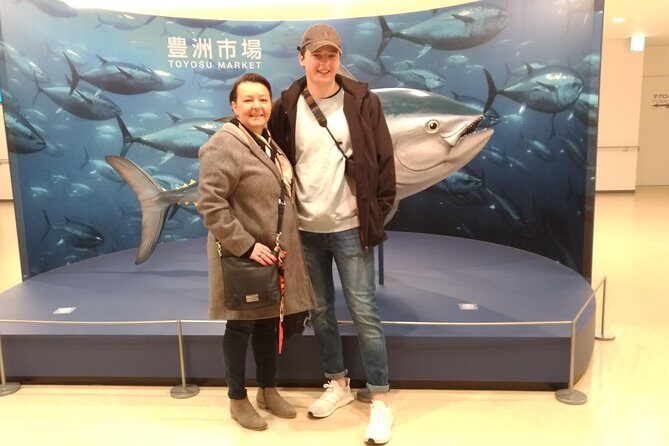
Toyosu Market (Toyosu Shijō) is the newer wholesale center on Tokyo’s bay-side reclaimed island. Your tour schedules about 1 hour here, and Toyosu is listed as admission ticket not included, so plan on paying that extra cost if it applies on your day.
What to expect in that hour: Toyosu feels more organized in layout than the older market areas. You’ll likely spend time figuring out where things flow—how the market functions at wholesale scale—rather than trying to “eat your way through” every counter. If you only have one market to learn from, Toyosu helps you understand the bigger engine behind the sushi and seafood you’ll eat later.
One practical warning: if your Toyosu timing lands closer to noon, it’s possible some stalls or sections feel less active. One review noted the new food market had limited visibility when they went later in the day. So if your goal is to maximize food sampling options, aim for an earlier start when you can.
Tsukiji Fish Market Stop: Retail + Snacks, With Cultural Stops Woven In
After Toyosu, the tour transitions to Tsukiji, which is where many people first fall in love with Tokyo’s market vibe. This stop is listed at about 2 hours, and Tsukiji’s admission is marked as free.
You meet your guide at Tsukiji Honganji Temple, just outside the market’s main gate. That’s a smart detail. Tsukiji can feel like a maze, and “meeting at the main gate” is exactly the kind of clarity you want when you’re trying to enjoy rather than hunt for people.
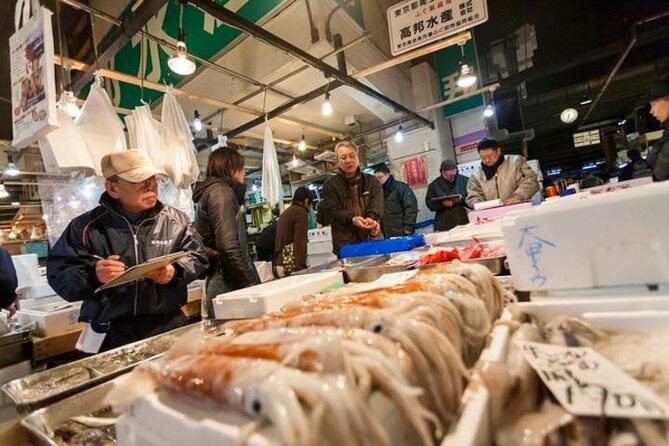
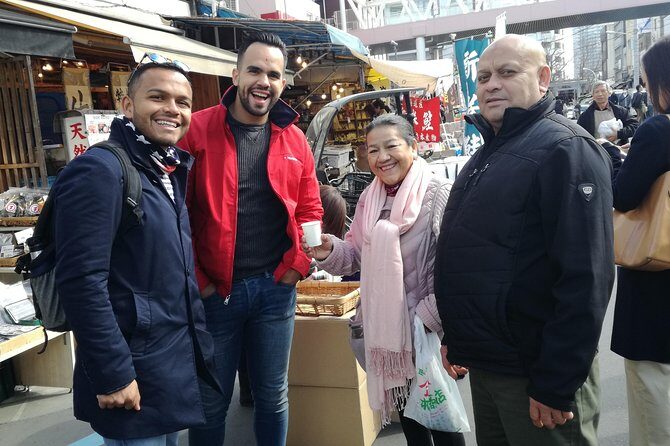
In Tsukiji, you’re not just looking at fish. You’re walking through the mix of wholesale remnants, retail stalls, and snack-level food culture. The crowd is real. The lanes are tight. But that’s also why having a guide matters: they help you move through efficiently and identify what’s actually worth your money and your appetite.
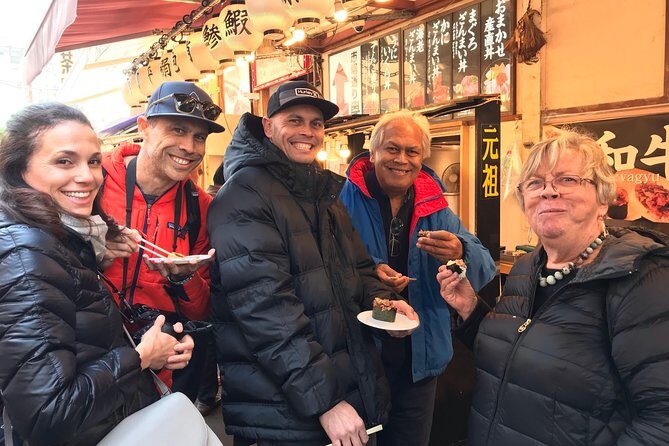
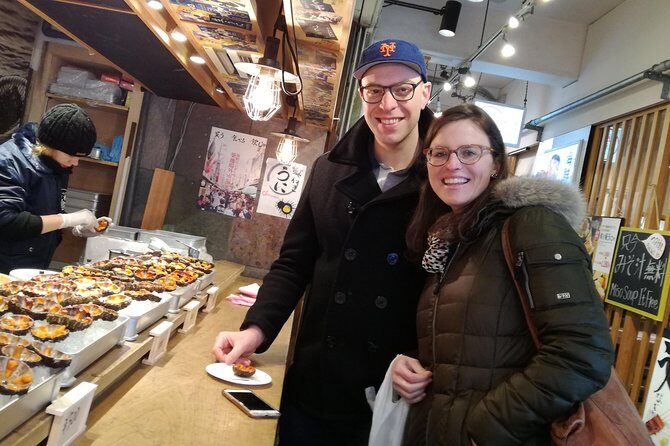
One guest described enjoying fresh items like sea urchin and barbecue eels at the Tsukiji Outer Market area. That’s the kind of experience that’s hard to optimize alone—because you can easily wander into expensive or low-yield choices when you don’t know the setup.
Other plates worth crossing Tokyo for


Quick note on the tuna auction dream
This tour is not the tuna auction experience. The listing explicitly points you to a different option if you want the auction. If the auction is your #1 reason for coming, don’t gamble—book the correct tuna-auction tour instead.
Namiyoke Inari Shrine: A Sea-Wave Reminder in the Middle of Seafood Territory
Right after you move through Tsukiji’s market area, the itinerary includes Namiyoke Inari Shrine for about 15 minutes. Admission is listed as free.
This shrine connects to Tsukiji’s story as land reclaimed from the sea. You don’t come here to learn seafood technique—you come here for perspective. It’s a short stop that helps you understand how people historically viewed the risks of the water around reclaimed areas, and how that shows up in shrine culture.
In a tour that’s mostly sensory (smells, sounds, crowds, food), this kind of pause helps you reset. You’ll appreciate it more if you’re prone to sensory overload in busy Tokyo streets.
Tsukiji Hongwanji Temple: Buddhism Close to the Market Grind
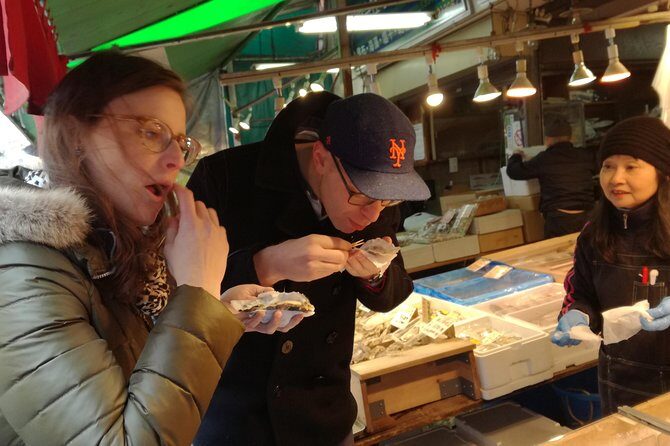
The tour adds Tsukiji Hongwanji Temple for about 30 minutes, also free. Buddhism has deep roots in Japan, and this stop gives you a calmer break between the market intensity and the shopping-and-eating time.
What you’ll get here is context: how religion and daily life sit side by side in Tokyo. You’re still near the market world, but the tone shifts. It’s not a long sightseeing detour. It’s more like a cultural “breather” that makes the rest of the morning feel more meaningful.
From a pacing point of view, I like including a temple stop in a food tour. It keeps the experience from turning into only transaction and consumption. You get a sense of place, not just a list of foods.
Food and Shopping Reality: How to Plan Snacks and Lunch Without Wasting Time
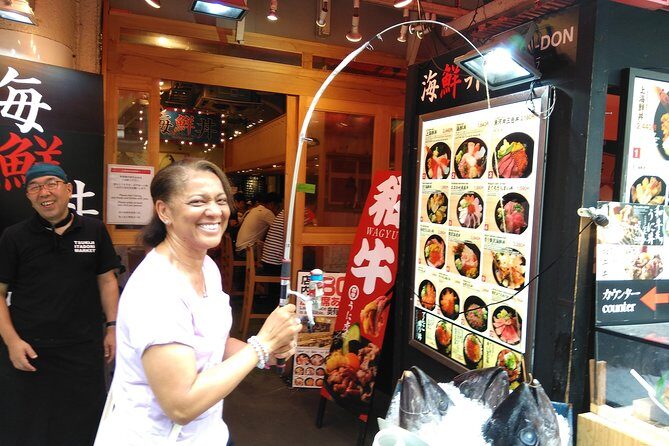
You can stay after and eat breakfast or lunch if you like, but food costs are own expense. That’s normal for markets, but it’s worth planning for because time inside the markets is limited.
Here’s the strategy I’d use:
- Treat the tour time as sampling + orientation, not a full meal plan.
- Keep cash or cards ready because market vendors may have different payment preferences.
- If you want a proper sit-down lunch, consider doing it after the tour rather than trying to force it into the middle.
One review mentioned that there isn’t much time to grab something while the tour is moving, but it can be perfect to end at a food court if you book early. So if food is your goal, booking earlier in the morning can make a noticeable difference in what’s available and how relaxed you feel while choosing.
Also, think beyond just sushi. Tsukiji’s food culture includes street-style bites and quick seafood-forward options. A guide can help you avoid the trap of ordering the most touristy thing when a nearby stall has a better payoff.
Getting Between Toyosu and Tsukiji: Public Transport, Organized by Your Guide
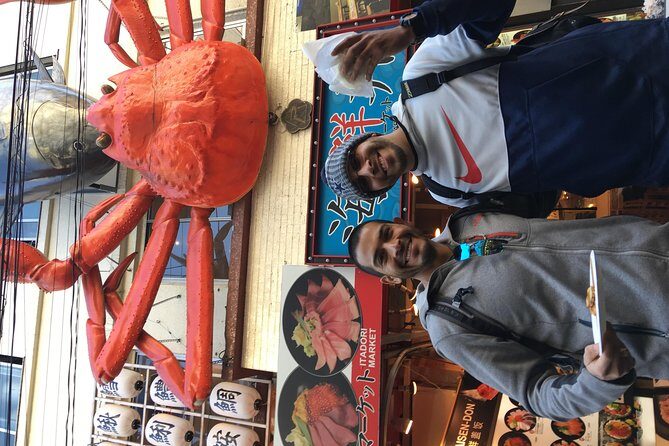
The tour includes travel between markets using public transport organized by your guide, but transportation fees are listed as extra. So budget for transit fares.
This is where timing and prep matter. Tokyo transit is easy once you know the system, but it can feel intimidating your first morning. Multiple guests said their guides helped with transit basics like using and recharging IC cards such as Suica. If you don’t yet have a loaded transit card, you’ll want to sort that early so you’re not doing it in the middle of a busy morning.
Bring comfy walking shoes. The tour is described as a walking tour with pickup/drop-off on foot. That means you’ll be moving a lot, and you’ll appreciate footwear that you can trust for long stretches.
Price and Value: Is $109.01 Worth It for This 4-Hour Market Plan?
At $109.01 per person for about 4 hours, you’re paying for several things working together:
- a government-licensed English-speaking local guide
- a private group experience (only your party participates)
- a structured route through Toyosu + Tsukiji plus shrine and temple context
- help navigating what could otherwise become a scattered, crowded morning
If you were doing this yourself, your biggest costs would be time and mistakes—wandering into the wrong sections, missing key areas, and losing the chance to ask vendors smart questions. The guide component is what you’re buying here: making sure your limited morning hours turn into actual market value.
The admission situation also affects perceived value. Tsukiji is listed as free entry, but Toyosu admission is not included. So the true total spend depends on what the Toyosu admission requires on your day. Still, for many people, the guide’s navigation help plus the “two markets in one” format is what makes it feel fair.
Finally, the tour is private. That’s often where “market regret” fades. In a guided private format, you can move at your pace, and you don’t have to wait for a larger group to finish bottlenecking everyone in line.
Who Should Book This Market Tour (and Who Should Not)
This is a strong choice if:
- you want a stress-free way to see Tokyo’s seafood markets without getting lost
- you like food culture and you want a bit of shrine/temple context
- you prefer a private tour so you can ask questions and tailor your pace
- you’re visiting for a limited time and want Toyosu + Tsukiji together
You may want to skip it if:
- your #1 goal is the tuna auction itself (this tour is not the auction version)
- you dislike walking in crowds and prefer slower, more spaced sightseeing
- you’re planning a super late morning and you’re hoping for maximum food-market activity at Toyosu
Should You Book This Tsukiji and Toyosu Guided Tour?
I’d book it if you want a guided morning that turns the markets from chaotic into understandable. The strongest reason is the licensed guide plus a route that actually uses your time well—Toyosu for the modern wholesale view, Tsukiji for the retail-and-snack experience, then Namiyoke Inari and Tsukiji Hongwanji to ground it all in place and culture.
Skip or switch tours if tuna auction viewing is your top priority. And if you want the widest array of food stalls at Toyosu, book earlier when possible so you don’t end up staring at closed sections.
If you go in with comfy shoes, a transit-ready plan (IC card help can be a plus), and a willingness to spend a bit on snacks at your own expense, this is the kind of Tokyo morning that feels like it pays you back.
FAQ
Is the tuna auction included in this tour?
No. This experience is not the tuna auction tour. If you want the tuna auction, you’ll need to book the separate Toyosu Market morning tuna auction option.
How long is the tour?
It’s listed at about 4 hours.
Do I need to pay for admission fees?
Tsukiji Fish Market is listed as admission free. Toyosu Market lists admission ticket not included, so you should expect an extra cost there.
Is this a private tour?
Yes. Only your group participates.
How do you travel between Toyosu and Tsukiji?
The itinerary says public transport is organized by your guide, but transportation fees are extra.
Where does the tour start and end?
The experience lists Toyosu Market as the start location (6-chōme-6-1 Toyosu) and Fish Market Tsukiji Outer Market as the end area. For the Tsukiji portion, it also notes meeting your guide at Tsukiji Honganji Temple just outside the main gate.
Eat Your Way Round Tokyo
More Tour Reviews in Tokyo





Back to the Market: More Tsukiji Tours

Fresh reviews from around Tokyo






Tsukiji Fish Market Tours, compared.
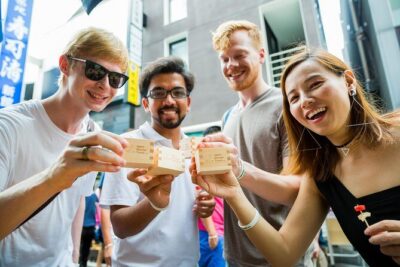 ★ 5.0Tokyo Tsukiji Fish Market Food and Culture Walking TourFrom $993,184 reviews
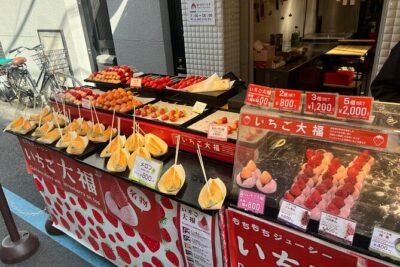 ★ 5.0Tsukiji Fish Market Food and Walking tourFrom $301,724 reviews
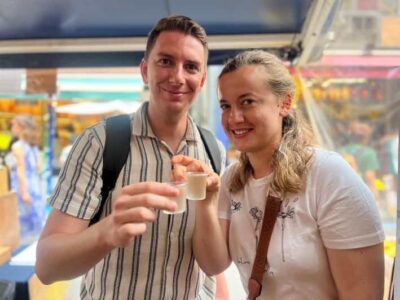 ★ 4.9Tsukiji Fish Market Guided Walking TourFrom $221,397 reviews
 ★ 5.0Tokyo Sushi Making Class in Tsukiji with Professional ChefFrom $491,177 reviews
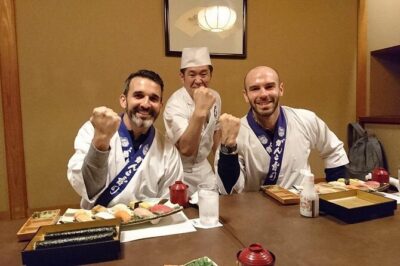 ★ 5.0Tsukiji Fish Market Guided Tour and Sushi Making with Pro ChefFrom $104775 reviews
★ 4.7Tsukiji Fish Market Food and Culture Walking TourFrom $96757 reviews
★ 5.0Tsukiji Fish Market Guided Tour and Sushi Making with Pro ChefFrom $104775 reviews
★ 4.7Tsukiji Fish Market Food and Culture Walking TourFrom $96757 reviews
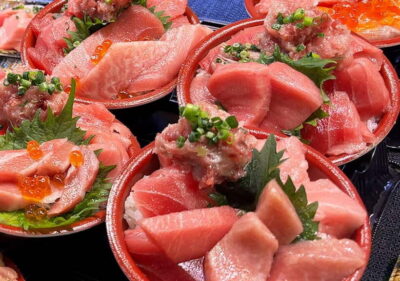 ★ 5.0Tsukiji Fish Market: Street Food & Culture Walking TourFrom $33669 reviews
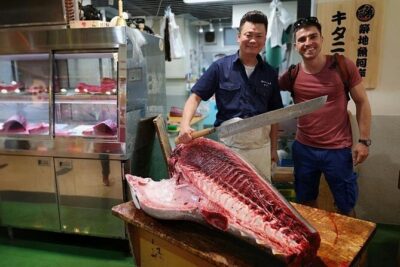 ★ 5.0Tsukiji Fish Market Small-Group Food Walking TourFrom $87621 reviews
Browse the lists this tour appears in