
Reviewed · TOKYO
Licensed Guide Shinjuku Underground Mall Tour (Tokyo)
Tokyo gets magical underfoot.
This 3-hour Shinjuku Station Underground Mall tour turns a place that can feel impossible to navigate into a calm, guided walk through shops, shortcuts, and photo stops. You’ll move through the station-area underground and beyond, with a licensed guide-interpreter keeping things clear, plus a mobile ticket for easy entry.
What I like most is the mix of big views and small moments. You get the Tokyo Metropolitan Government Building observation decks with guide context, and you also get shrine time that feels real, not staged, including the roof shrine at Isetan and Hanazono Shrine. In past tours, guides like Shimmy and Nao have been praised for strong English and for helping with the rituals, like showing you how to make an offering and even guiding people through shrine fortunes.
One thing to consider: not everything costs zero. The Tokyo Metropolitan Government Building is free, and several stops are free too, but the Isetan roof stop has admission not included, so plan for a small extra expense. Also, the observation decks have specific Tuesday closures (first and third Tuesday), so your route may shift on those dates.
In This Review
- Key highlights you’ll actually feel on the walk
- Shinjuku Station Underground: why this tour works
- Starting at Doutor in Kabukicho: the meeting point you’ll find fast
- Tokyo Metropolitan Government Building decks: big views with a schedule note
- Isetan Shinjuku rooftop shrine and the underground shopping rush
- From the bus terminal to Golden Gai: photos and atmosphere in short doses
- Hanazono Shrine: how to participate, not just look
- Shinjuku West Square event corner, Southern Terrace, and Marui Annex rooftop garden
- Food in Shinjuku Station: how to sample without losing the plot
- What you’re paying for: value at about $32.58
- Guides matter here: how names like Nao and Shimmy reflect the style
- Who should book this Shinjuku Underground Mall tour
- A few practical tips before you go
- Should you book this tour or go on your own?
- FAQ
- How much does the Licensed Guide Shinjuku Underground Mall Tour cost?
- How long is the tour?
- Where does the tour meet, and when does it start?
- What does the itinerary include?
- Are admission tickets included?
- Is the tour private?
- Is there a mobile ticket?
- Are there any day-of-week changes?
- What is the cancellation policy?
Key highlights you’ll actually feel on the walk
- Roof-shrine moments at Isetan and proper shrine etiquette at Hanazono
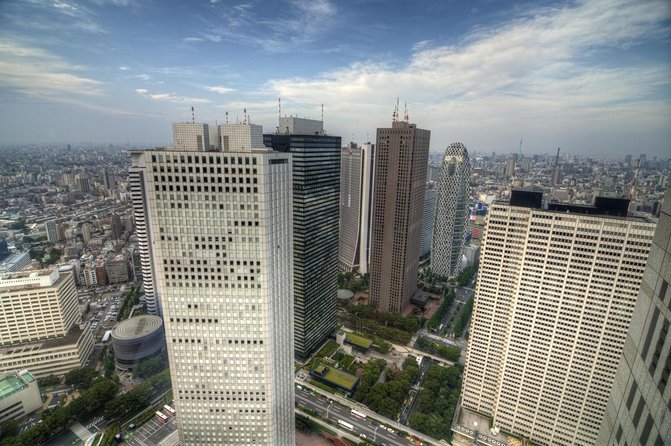
- Tokyo skyline views from the Tokyo Metropolitan Government Building observation decks
- A smart route through Shinjuku Station area that keeps you from getting lost
- Photo-friendly stops like the Shinjuku Expressway Bus Terminal and Golden Gai
- Your guide can help with Japanese manners and basics, not just sightseeing
- All-weather practicality, since you’re spending lots of time in and around the station
Before you commit, see how this one stacks up against a few Tokyo favourites:
- Mt Fuji and Hakone 1-Day Bus Tour Return by Bullet Train★ 5.0 · 26,383 reviews
- 1-Day Tokyo Bus Tour★ 5.0 · 14,250 reviews
- Tokyo: teamLab Planets TOKYO Digital Art Museum Entry Ticket★ 4.6 · 9,779 reviews
Shinjuku Station Underground: why this tour works
Shinjuku Station is not a station the way you might picture it back home. It’s more like a vertical city with corridors, escalators, and detours that can eat an afternoon. That’s exactly why a licensed local guide makes sense here.
The tour is built around the idea that you shouldn’t spend your first trip to Shinjuku wrestling maps and signage. Instead, you get a guided route through the area’s levels—underground shopping and restaurant zones, plus key outdoor viewpoints and neighborhood texture. On a day when the weather is hot, rainy, or just annoying, the underground portion helps you keep moving without stopping every ten minutes.
You’ll also get context as you go. The point isn’t only where to stand for photos. It’s why certain spots exist where they do—like a shrine tucked into a department store roof, or the way Golden Gai fits into the larger Shinjuku story.
Starting at Doutor in Kabukicho: the meeting point you’ll find fast
You’ll meet at Doutor coffee shop on Yasukuni-dori in Kabukichō (Shinjuku Yasukuni-dori 1-chōme-23-15). The start time is listed as 3:30 pm, and the tour ends back at the meeting point.
That return to the start matters more than it sounds. Shinjuku can make you feel turned around quickly, so closing the loop keeps the experience easy to use with dinner plans after. It also helps you avoid that late-walk scramble where you’re suddenly hunting for the right train line.
This is also a private tour/activity, so it’s only for your group. That generally means you can ask questions and move at a pace that fits your comfort level, especially if your group is making photos a priority or wants more time at shrine steps.
Tokyo Metropolitan Government Building decks: big views with a schedule note
One of the first stops is the Tokyo Metropolitan Government Building observation decks. It’s free, and it’s a classic way to orient yourself to Tokyo’s scale—Tokyo as a grid of directions, not just a blur of buildings.
Your guide-interpreter provides the explanation, which helps a lot if you’re looking at distance and trying to connect it to what you’ll see later around Shinjuku. You can use this moment to figure out what’s north/south in your brain before the rest of the walk gets complicated.
Timing note: the decks are off on the first Tuesday and the third Tuesday. If your visit lands on one of those days, you should expect the tour to adjust. If skyline views are a must for your group, check the calendar before you lock in plans.
Isetan Shinjuku rooftop shrine and the underground shopping rush

Next comes Isetan Shinjuku. The highlight here is a shrine on the roof—surprisingly, beautifully placed in a part of Tokyo that you might assume is strictly shopping and fashion. It’s one of those moments where Tokyo makes sense only after you experience it.
You’ll also spend time in the Isetan underground mall area. This is where Shinjuku turns into hands-on Tokyo: browsing, snacking, and finding items that you might not see in typical tourist corridors. The tour description points out that there are things you can only buy there, which is exactly why this stop is worth the extra attention.
The tricky part is money. The itinerary says the Isetan roof stop has admission not included. So treat that as your one planned extra cost, then enjoy the rest of the tour knowing many other stops are free.
Practical tip: give your guide a minute early in this section to ask how much time you want underground versus rooftop. Some people love the roof view and want more time there; others prefer browsing below. Because it’s a private tour, you can often fine-tune without feeling rushed.





From the bus terminal to Golden Gai: photos and atmosphere in short doses
You’ll also stop at the Shinjuku Expressway Bus Terminal, where the setting is visually strong and very photogenic. Even if you don’t take buses, the terminal gives you a look at Tokyo’s practical side—movement, scale, and signage that tells you how the city routes people.
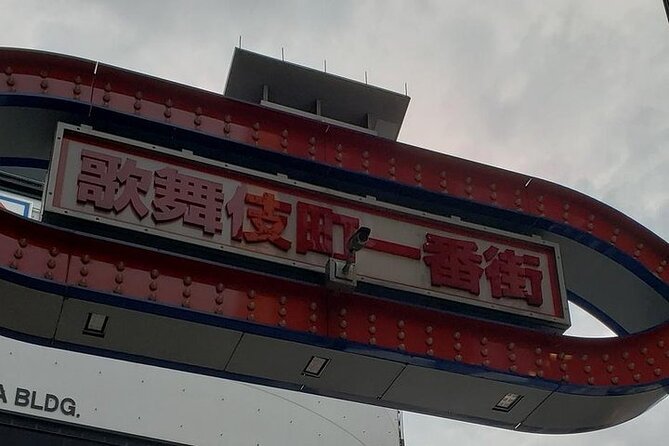
From there, the tour shifts to Golden Gai, a bar area famous for its dense cluster of small venues. This is brief—just about 15 minutes on the schedule—but that short stop is enough to understand the vibe without turning it into a full night commitment.
Why I like this structure: it gives you atmosphere without forcing you into something that doesn’t match your energy level. You get to see the style of the district and then decide later if you want to return at your own pace.
If your group is into nightlife photography or just wants a quick taste of how neighborhoods differ inside Shinjuku, this is the right pacing. If your group prefers quiet sightseeing over bar streets, you can still get value from the photo stops and the walk itself.
Hanazono Shrine: how to participate, not just look
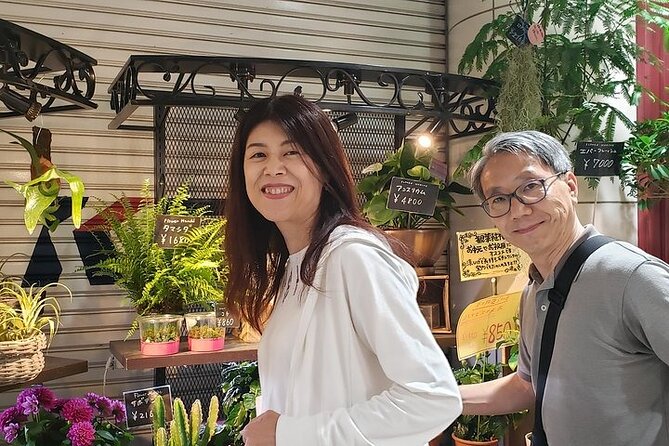
Hanazono Shrine is one of the most meaningful stops on the route. The tour description calls it the best shrine stop, and it’s not only about the place—it’s about what you do there.
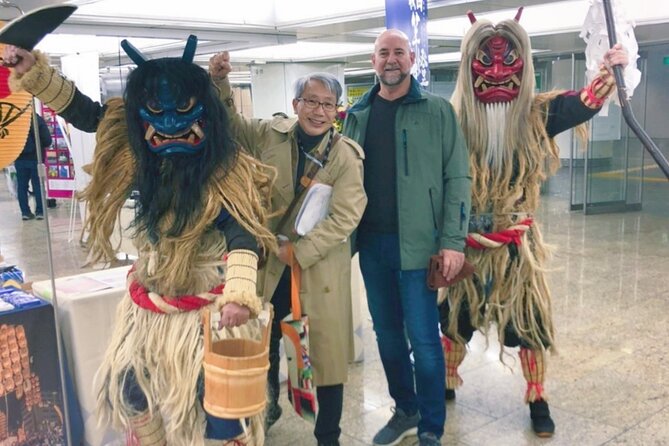
Your guide helps you learn the process. In past tours, guides have been praised for teaching how to make an offering and how to pray properly. That turns a shrine visit from a quick sightseeing checkbox into a real cultural moment where you know what you’re doing.
There’s also room for surprise details. One guide even read a fortune from a fortune paper someone received at Hanazono Shrine. The point for you is simple: if you pick up a fortune paper, ask your guide how to understand it. Even if you’re not fluent in Japanese, you’ll get the meaning behind the tradition.
Time on this stop is about 15 minutes. That’s not long enough to become a full ritual participant, but it’s enough for first-timers to do things respectfully. It’s also a strong stop for groups who want culture but don’t want hours of formal ceremony.
Shinjuku West Square event corner, Southern Terrace, and Marui Annex rooftop garden

After the shrine section, you’ll see several Shinjuku “public space” stops that show how the city mixes retail, transit, and everyday life.
The event corner at Shinjuku Station West Square is short—about 5 minutes. It’s described as an event area that used to be a parking lot, which is a neat reminder that Tokyo keeps reshaping spaces based on what people need now.
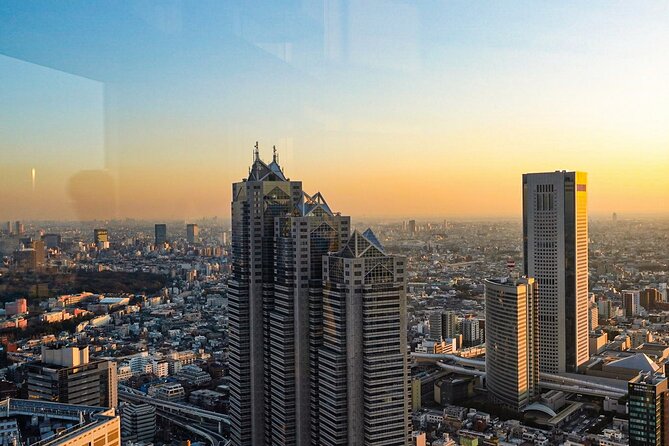
Then you head to Shinjuku Southern Terrace, where you can enjoy views including Takashimaya and a few recognizable landmarks like a penguin statue and a Starbucks. This isn’t just about seeing the view—it’s also about giving your eyes a rest. After walking crowds and levels underground, this is a breather point with natural light and wide sightlines.
Finally, you end at Shinjuku Marui Annex, known for the rooftop garden. A rooftop garden is a favorite kind of Tokyo contrast: dense city below, calmer green space above. The time here is about 15 minutes, which works well if you want to relax your pace before the tour finishes back where you started.
Food in Shinjuku Station: how to sample without losing the plot
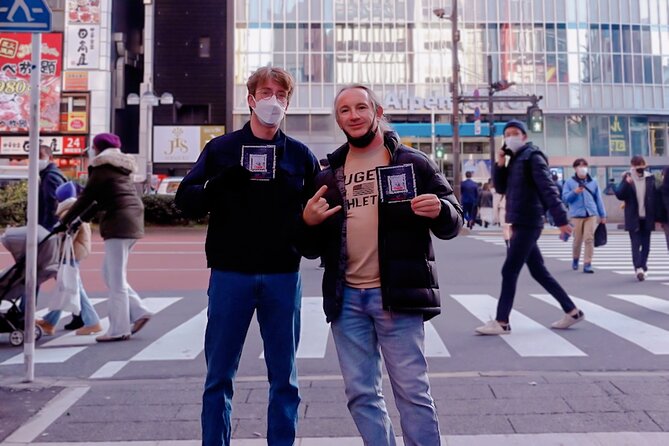
This tour is marketed around tasting Shinjuku Station food delicacies. The exact menu options aren’t listed, so you should think of this as a guided strategy for eating well in an environment that can be overwhelming.
Here’s how I’d use the experience to your advantage:
- Ask your guide what’s easiest to try in the time you have.
- Pick one “local snack” priority, then one optional second item, rather than trying to buy everything.
- Keep an eye on what you can eat while moving, because you’re walking between levels and landmarks.
Shinjuku is famous for variety, and that can turn into decision fatigue. A guide can shorten the process by steering you toward places that match your timing and tastes. Even if you’re not a big foodie, the food stops are a practical way to understand Shinjuku’s daily rhythms.
What you’re paying for: value at about $32.58
At $32.58 per person for around 3 hours, this is mostly paying for time saved and guidance that prevents missteps. Many of the stops are listed as free: the observation decks are free, plus several other stops don’t require admission.
The one built-in cost to expect is the Isetan stop where admission is not included. So your out-of-pocket cost is probably not just the tour price—you may also pay a ticket for that specific rooftop segment.
That said, the value logic still holds. In an area like Shinjuku, a local guide can help you:
- move efficiently through the underground levels,
- hit the key cultural moments (like the shrine etiquette at Hanazono),
- and avoid spending your energy on getting lost.
Also, this tour is commonly booked about 46 days in advance on average. That doesn’t mean you can’t find space later, but it’s a sign that the timing sells out occasionally, especially during peak travel seasons.
Guides matter here: how names like Nao and Shimmy reflect the style
The tour has standout guide feedback tied to communication and warmth. You’ll see praise for guides like Shimmy, Nao, and Terry/Terri, with comments that they are friendly, professional, and thorough.
The practical takeaway for you is that this isn’t a strict lecture tour. People describe help with basic Japanese phrases and manners, plus guidance that includes photos. One person noted that their guide took lots of pictures, which tells you the guide is likely watching composition as you move through the different stops.
If your group is shy about asking questions, a guide who is comfortable teaching basics reduces stress fast. If your group loves photos, a guide who knows good angles can save you time where you’d otherwise stand awkwardly and try to figure it out alone.
Who should book this Shinjuku Underground Mall tour
You’ll probably love this tour if:
- you’re short on time and want a high-efficiency Shinjuku introduction,
- you want shrine culture, but with step-by-step help,
- you like mixing “viewpoints” with real city details,
- and you’d rather follow a local route than fight Shinjuku’s complexity.
This tour may feel less ideal if your group hates walking (even though it’s structured, it’s still Shinjuku walking), or if you prefer deep, long stays in one place instead of a schedule of multiple stops.
It also helps if you like variety. This itinerary has everything from department-store rooftop shrines to a bar district street vibe to rooftop garden calm.
A few practical tips before you go
Wear comfortable shoes. Shinjuku moves you through stairs, escalators, and levels even when you’re staying in an underground-centric route.
Bring your curiosity. The most rewarding parts are the ones where you participate a little more than you expected—like learning offering steps at Hanazono Shrine or understanding how shrine fortunes work if you receive one.
And plan for an extra cost at Isetan. The tour includes multiple free stops, but the Isetan roof admission is specifically noted as not included. That way there are no surprises on the day.
If you’re traveling on a Tuesday, check whether it’s the first Tuesday or third Tuesday. That matters for the Tokyo Metropolitan Government Building observation decks.
Should you book this tour or go on your own?
Book it if you want a fast, guided Shinjuku orientation with real cultural participation. The combination of licensed guide-interpreter, rooftop shrine moments, skyline orientation, and shrine etiquette gives you more than just a walk through shops.
Skip it (or choose something else) if you already have a strong plan for Shinjuku and you’re comfortable navigating it without help. Also, if you’d rather spend a long time shopping, this tour is structured around many stops, so it won’t be a full shopping spree.
With a 4.9 rating and a recommendation rate of 100%, it’s a safe pick for first-timers who want Shinjuku’s best parts without the stress.
FAQ
How much does the Licensed Guide Shinjuku Underground Mall Tour cost?
The tour costs $32.58 per person.
How long is the tour?
It runs for about 3 hours.
Where does the tour meet, and when does it start?
You meet at Doutor coffee shop Shinjuku Yasukuni-dori 1-chōme-23-15, Kabukichō, Shinjuku City, Tokyo. The start time is 3:30 pm.
What does the itinerary include?
You’ll see stops that include the Tokyo Metropolitan Government Building observation decks, Isetan Shinjuku (including its rooftop shrine), Shinjuku Expressway Bus Terminal, Shinjuku Golden Gai, Hanazono Shrine, Shinjuku Station West Square event corner, Shinjuku Southern Terrace, and Shinjuku Marui Annex.
Are admission tickets included?
Several stops are listed as free, including the observation decks, but the Isetan Shinjuku roof stop has admission not included.
Is the tour private?
Yes. It is listed as a private tour/activity, meaning only your group participates.
Is there a mobile ticket?
Yes. The experience features a mobile ticket.
Are there any day-of-week changes?
The Tokyo Metropolitan Government Building observation decks are off on the first Tuesday and the third Tuesday, so the tour may not include that stop on those days.
What is the cancellation policy?
Cancellation is free. You can cancel up to 24 hours in advance for a full refund.
More Tour Reviews in Tokyo



Fresh reviews from around Tokyo






Tokyo, compared.
 ★ 5.0Mt Fuji and Hakone 1-Day Bus Tour Return by Bullet TrainFrom $16326,383 reviews
 ★ 5.01-Day Tokyo Bus TourFrom $12914,250 reviews
 ★ 4.6teamLab Planets TOKYO Digital Art Museum Entry TicketFrom $259,779 reviews
 ★ 4.0Mt Fuji & Hakone Cruise, Drum Show Bullet Train 1 Day from TokyoFrom $1497,413 reviews
 ★ 5.0Shinjuku Food Tour (13 Dishes at 4 Local Eateries)From $866,603 reviews
 ★ 4.4Tokyo Mt Fuji 5th St & Hakone Cruise Bus Tour w/Bullet TrainFrom $1545,024 reviews
 ★ 5.0Flagship 2-Hours Official Street Go-Kart Tour – Tokyo Bay ShopFrom $644,974 reviews
 ★ 4.5From Tokyo: Mount Fuji Full-Day Sightseeing TripFrom $684,970 reviews