
Reviewed · TSUKIJI FISH MARKET TOURS
Dive into Tsukiji Fish Market Walking Friendly Food Tour
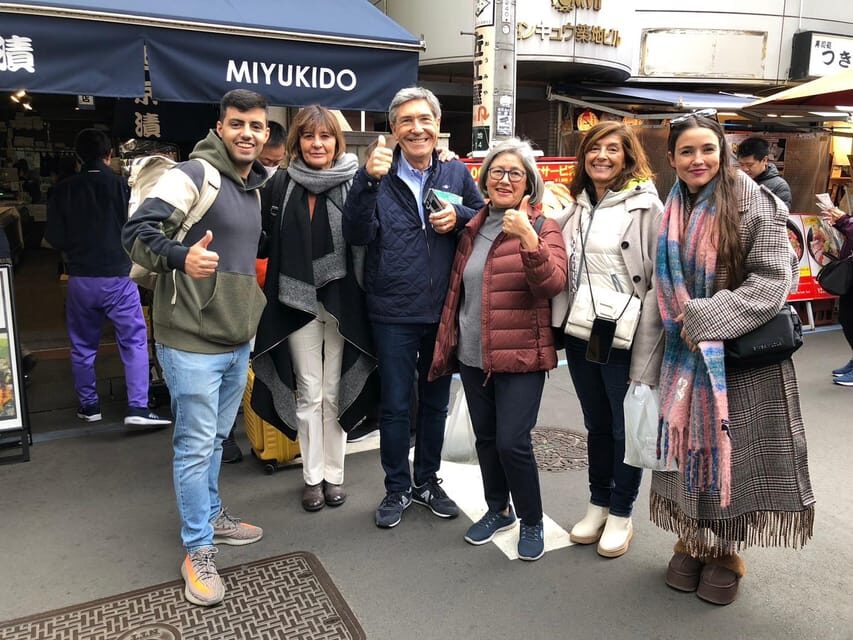
Fish smells, temple bells, and serious tasting. This small-group Tsukiji Outer Market tour turns seafood shopping and sightseeing into a 4-hour walking plan, starting at Tsukiji Hongwanji Temple and moving through the outer market streets. I like that you get guided context for what you’re seeing, and I like that the food lineup covers raw, grilled, and egg dishes so it feels like a real culinary lesson, not just “snack and go.” One thing to consider: the market area can feel crowded and tight at street level, so plan for a lot of walking.
Guides can make or break a market day, and this one has a good reputation for adapting to the group. In past feedback, names like Amber and Akira came up for being thoughtful, flexible, and clear about what’s happening around you.
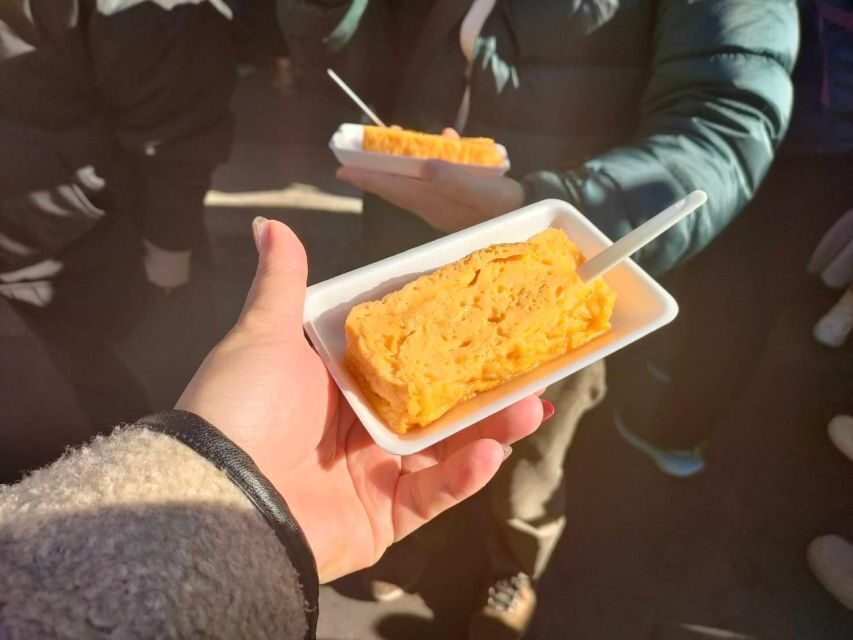
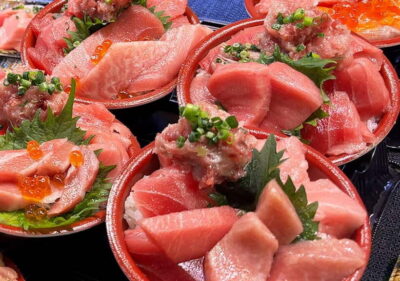
You’ll be eating as you go: sushi, grilled tuna and salmon, tamagoyaki, grilled oysters, and fresh sashimi, plus desserts and snacks. You’ll also have two soft drinks and water included, with alcohol available to purchase if you want it.
In This Review
- Key Things to Know Before You Go
- Tsukiji Outer Market: Why Food Here Actually Teaches Tokyo
- Meeting at Tsukiji Hongwanji Temple: Your Best Starting Line
- Tsukiji Hongan-ji: The First 30 Minutes Set the Tone
- The Outer Market Walk: 400 Shops, Tools, and Real Seafood Energy
- Kachidoki Bridge Stop: A Change of Scene Mid-Tour
- Namiyoke Inari Jinja: The Shrine Pause That Feels Like Local Life
- What You Actually Eat: Sushi, Grilled Seafood, Egg, and Sashimi
- Price and Value: What $173 Covers in Real Terms
- Group Size and Guide Style: Why Up to 10 Matters
- Who This Tour Fits Best
- Should You Book This Tsukiji Walking Food Tour?
- FAQ
- How long is the Tsukiji Fish Market Walking Friendly Food Tour?
- What size is the group?
- Where do I meet for the tour?
- What food is included?
- Are drinks included?
- Is the tour guided, and what languages are offered?
- What stops are included during the tour?
- Is cancellation allowed, and how does payment work?
Key Things to Know Before You Go
- Small group capped at 10: easier questions, less rushing, and a more personal pace.
- Start at Tsukiji Hongwanji Temple: you begin with cultural context before you hit the seafood action.
- Outer Market guided walk plus shopping time: see the main sights, then choose what to buy.
- Food tastings that mix styles: sushi, sashimi, grilled seafood, and tamagoyaki so you experience texture differences.
- Kachidoki Bridge and Namiyoke Inari Jinja stops: brief guided breaks that add variety beyond stalls.
Still hungry? More Tsukiji breakfasts and market walks
- Tokyo Tsukiji Fish Market Food and Culture Walking Tour★ 5.0 · 3,184 reviews
- Tokyo: Tsukiji Fish Market Food and Walking tour★ 5.0 · 1,724 reviews
- Tokyo: Tsukiji Fish Market Guided Walking Tour★ 4.9 · 1,397 reviews
Tsukiji Outer Market: Why Food Here Actually Teaches Tokyo
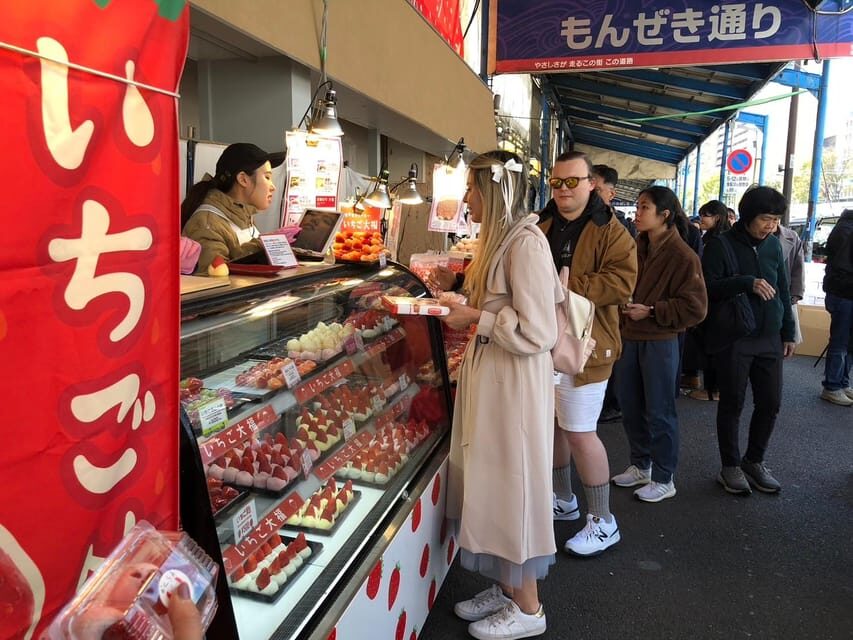
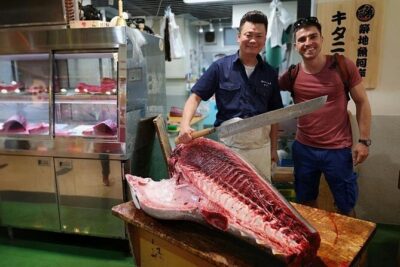
Tsukiji is one of the biggest fish market areas in Japan, and it sits in the center of Tokyo. What I like about doing a guided visit here is that it connects the dots between food and the city that eats it. You’ll pass a long row of shops—about 400 along the streets—selling fresh foods and kitchen utensils, which is a big clue that Tsukiji is as much about everyday cooking as it is about seafood drama.
This tour is focused on the outer area, where you can learn the rhythm of the market without trying to figure it out alone. You’ll also hear how Tsukiji fits into Japanese culinary culture and Tokyo’s history. And because it’s an 80-year-old market, the vibe isn’t a theme park. It’s a working food district with plenty of talent showing up to shop—this setting is known for Michelin-starred chefs coming in for ingredients.
Meeting at Tsukiji Hongwanji Temple: Your Best Starting Line
The meeting point is simple and very specific: Tsukiji Hongwanji Temple. If you’re coming from Tsukiji Station (Hibiya Line), use Exit A1, turn left, and walk about 50 meters (55 yards) to the temple entrance.
Starting at a temple is a smart move. It gives you a calmer first stop and helps you get oriented before you plunge into the shopping streets. It also makes the tour feel like a walking loop: you start there, you come back there at the end. That matters when you’re dealing with dense streets and lots of tempting storefronts.
If you prefer an organized day, this setup helps you focus on the experience instead of navigation. You’re not trying to “win” by arriving early and decoding the area on your own.
Tsukiji Hongan-ji: The First 30 Minutes Set the Tone
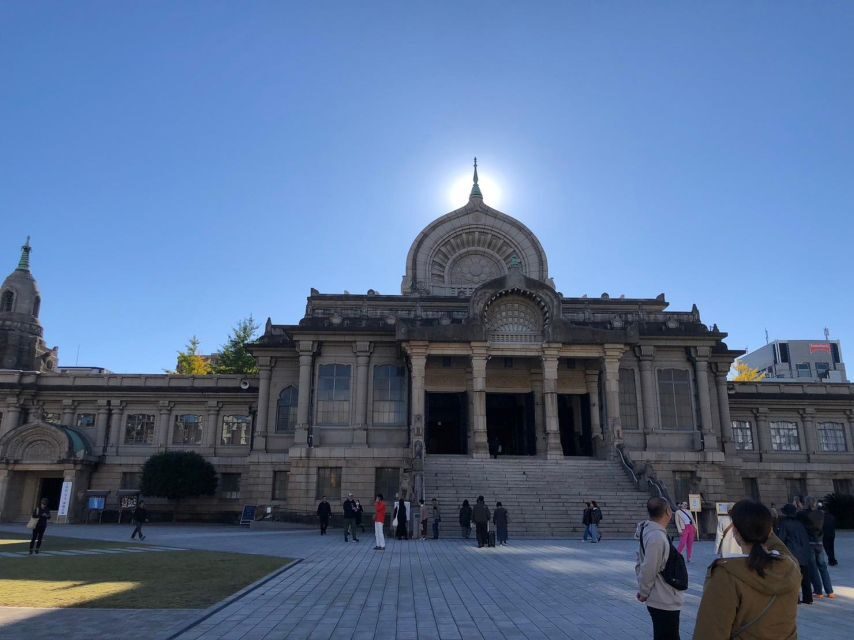
Your first stop is Tsukiji Hongan-ji with a guided tour for about 30 minutes. Even if you’re not the biggest temple person, this time works because it changes your mindset. Before seafood tasting and fast shopping decisions, you’re getting context for the neighborhood and the traditions tied to it.
This also helps with jet lag pacing. You get a structured start with a guide, so you’re not immediately sprinting from stall to stall. Instead, you’re easing into the day with something slower and more explanatory—then the market hits harder after.
The Outer Market Walk: 400 Shops, Tools, and Real Seafood Energy
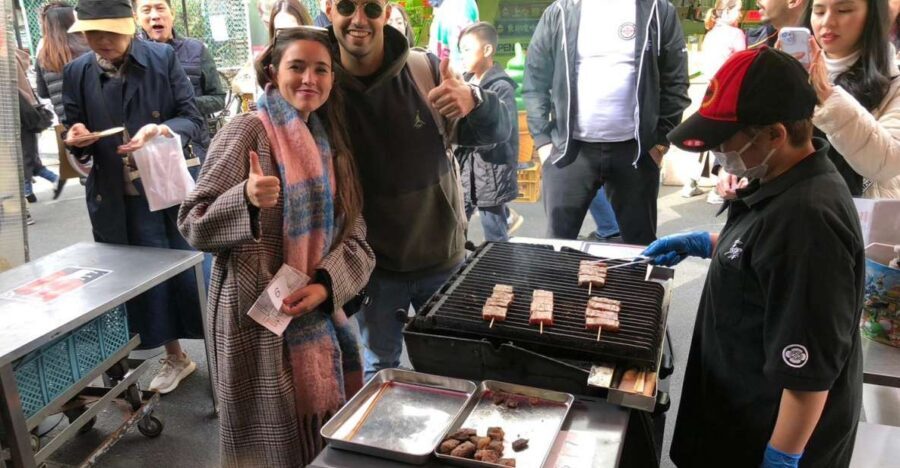
After the temple, you’ll head into the Tsukiji Outer Market area for a guided walk and then shopping time. The plan gives you two chunks: a guided tour (about 30 minutes) and then shopping (another 30 minutes), plus a second shopping block later.
That matters. Markets can overwhelm you fast. By splitting it into guided viewing and then time to browse, you’re more likely to buy something you actually want, rather than grabbing the first souvenir that looks cool.
Here’s what makes the outer market especially interesting: you’re not only scanning food stands. You’re also seeing kitchen utensils sold along the street. That’s useful if you’re curious about how Japanese home cooking—or professional kitchens—actually works. And yes, the focus is seafood, so you’ll see plenty of fresh ingredients and the trade ecosystem behind them.
You’ll also be in an environment where top chefs are known to shop for ingredients. Even if you don’t see a chef in motion, the point is that the market is treated like a serious sourcing place, not just a tourist attraction.
Practical note: this is a walking-heavy experience. Build in energy, keep your phone charged for photos, and plan to move at market pace for the day’s total walking time.
Tokyo at walking pace, a few more ways
Kachidoki Bridge Stop: A Change of Scene Mid-Tour
Halfway energy can drop in long food days. That’s why the Kachidoki Bridge guided stop (about 30 minutes) is valuable. It gives you a break from stall walls and narrow storefronts and shifts you into a more open viewpoint area.
Even though you’re still in the same market district world, this stop adds perspective. It helps you connect what you taste to the broader setting that supports the whole seafood supply chain. Think of it as a mental reset: look, listen, breathe, then get back to food and shopping.
This kind of scenery change is more than sightseeing decoration. It makes the tour feel like a full route instead of one long line of shops.
Namiyoke Inari Jinja: The Shrine Pause That Feels Like Local Life
Next up is Namiyoke Inari Jinja with another guided tour for about 30 minutes. Having a shrine stop during a food tour does two helpful things.
First, it slows your pace. You’re already walking for hours, so a cultural pause helps your legs and your brain. Second, it adds a local layer to the day. Markets are intense, but Tokyo life includes spiritual and community spaces right alongside daily commerce.
You’re not just learning what to eat. You’re learning how the area holds meaning beyond seafood.
What You Actually Eat: Sushi, Grilled Seafood, Egg, and Sashimi
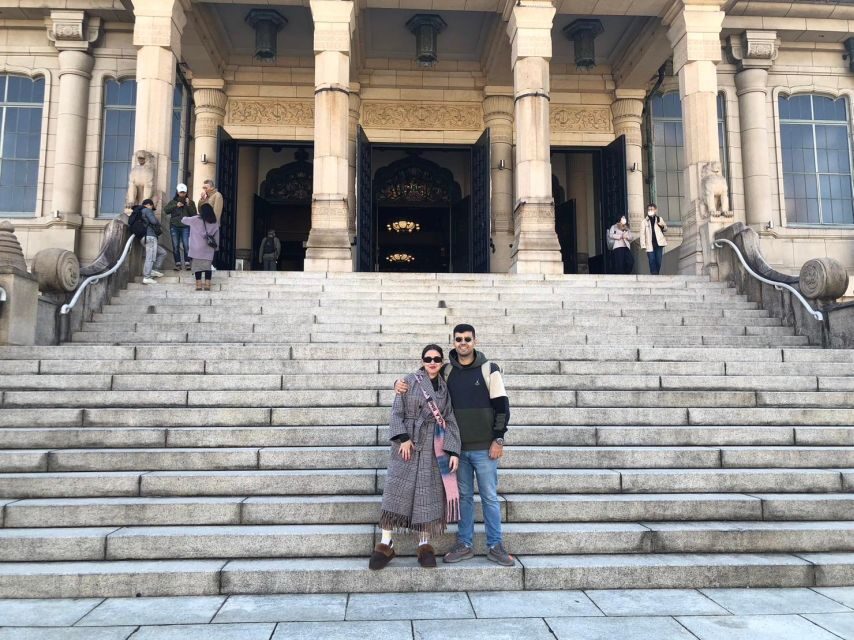
The biggest reason people book a food tour is simple: will you eat well? This one includes a full tasting lineup plus snacks and drinks.
Here’s what’s included:
- Sushi
- Grilled tuna and salmon
- Tamagoyaki
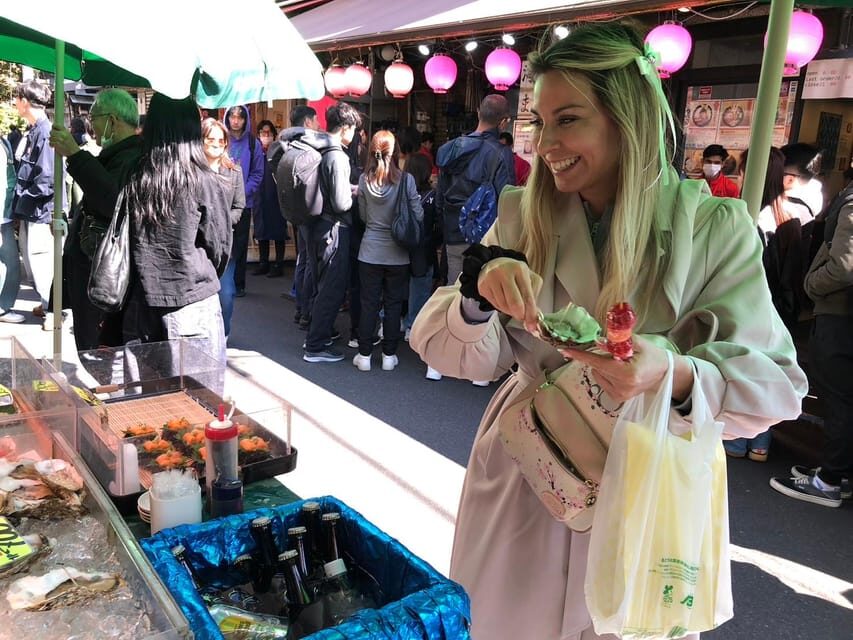
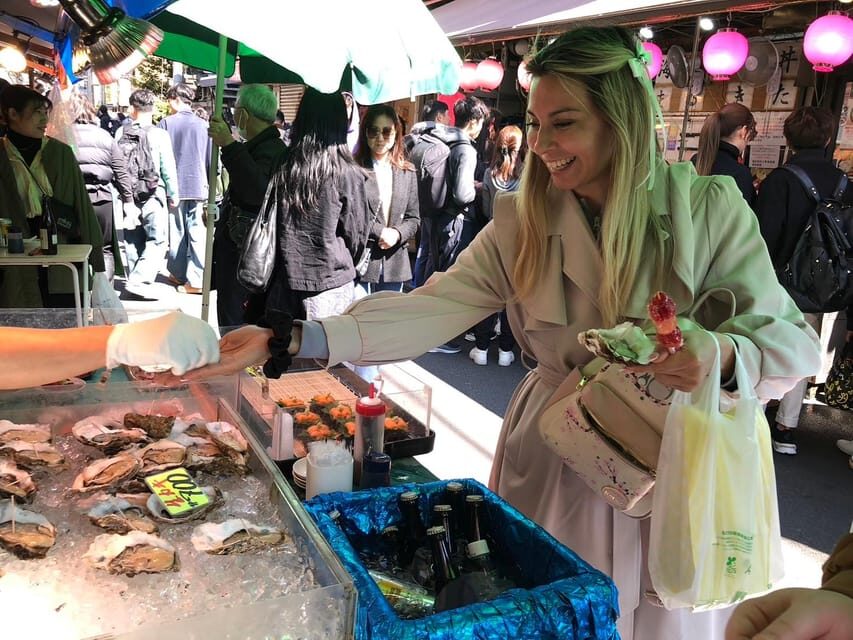
- Grilled oysters
- Fresh sashimi
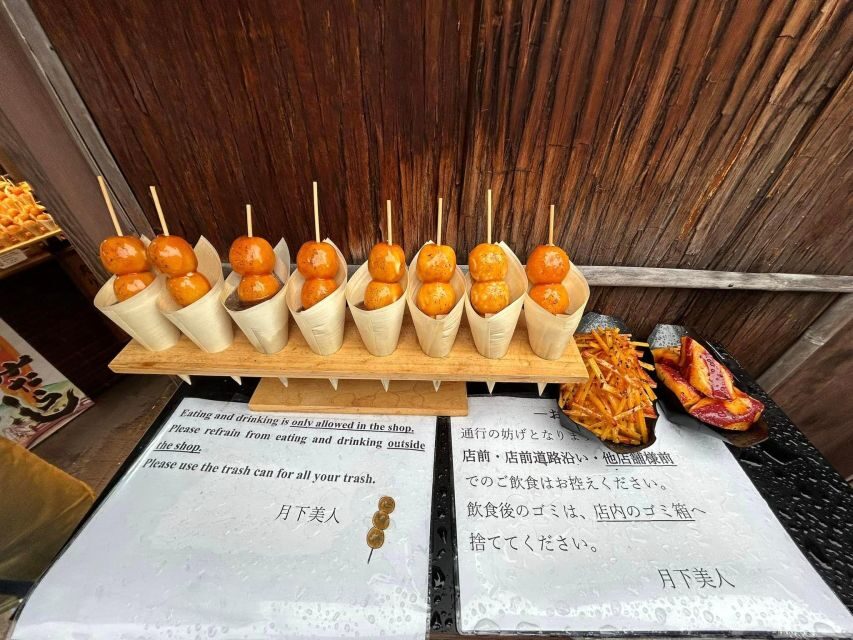
- Desserts and snacks
- Two soft drinks and water
That mix is more balanced than many market tastings. You’re getting:
- Raw seafood (sashimi),
- Rice-based bites (sushi),
- Grilled protein (tuna, salmon, oysters),
- And an egg dish (tamagoyaki) for a non-seafood palate reset.
Alcohol is not included, but it is available to purchase. That’s a helpful detail because it keeps the main tour price focused on food and guidance, and you can decide for yourself whether you want a drink with your tastings.
If you’re a seafood fan, this lineup gives you a practical “compare and contrast” day. And if you’re not fully comfortable with raw fish, the grilled items and tamagoyaki help you keep the taste experience varied.
Price and Value: What $173 Covers in Real Terms
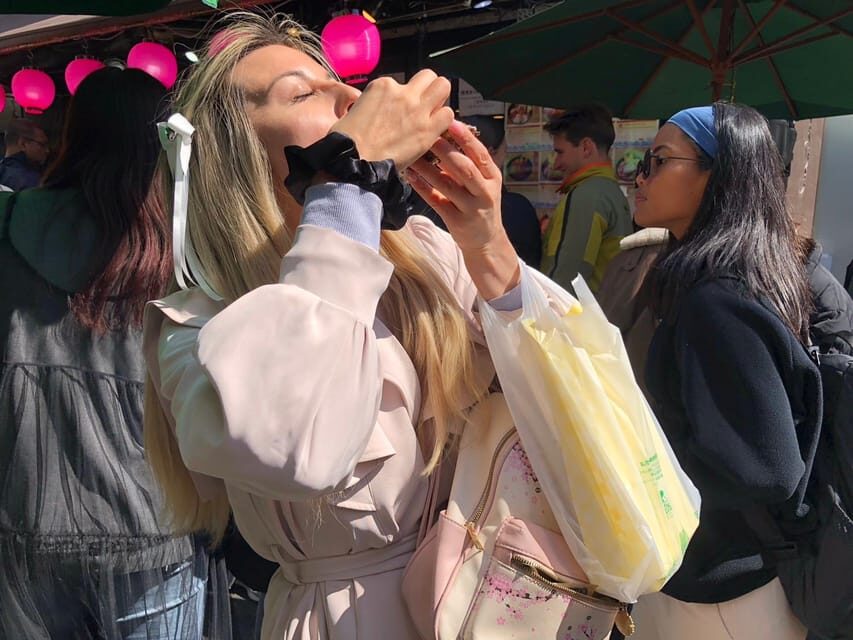
At $173 per person for a 4-hour walking tour, you’re paying for three main things: time, guidance, and food. The food isn’t a tiny sample; it includes multiple seafood dishes, sashimi, sushi, grilled items, plus desserts and snacks. You’re also getting drinks—two soft drinks and water—so you’re not spending extra on basic hydration.
The guide is a big part of the value. Market days are hard to interpret if you don’t know what you’re looking at. A professional guide (English or Japanese) helps you understand how ingredients are presented, what matters in the buying culture, and how to navigate the area without missing key stops.
Small-group size also changes the math. With a maximum of 10 participants, you’re less likely to get herded. You can ask questions and keep up without losing your place in the group.
One consideration: if your goal is only a quick snack and a couple photos, you might feel the price is heavy. But if you want a structured food route that feeds you and teaches you while you walk, the value makes more sense.
Group Size and Guide Style: Why Up to 10 Matters
Markets are loud, fast, and visually busy. When the group is limited to 10, it’s easier for the guide to manage the flow and for you to actually use the guidance instead of just trying to keep up.
Past feedback highlighted that guides can be especially thoughtful and flexible. Names like Amber were noted for being attentive with a teenage son, and Akira was praised for strong context tied directly to what you’re seeing. Even if your guide isn’t one of those exact names, the point is clear: the tour quality depends on interpretation, not just leading you from one stall to the next.
Language support is also useful. The tour runs in English and Japanese, so you won’t be stuck guessing what your guide means at key moments.
Who This Tour Fits Best
This is a great fit if you:
- Want seafood tastings in a structured route (not random sampling),
- Like the idea of seeing Tsukiji’s major points around Hongwanji and the outer market streets,
- Enjoy food culture and want context for what you taste,
- Prefer a small group instead of a large crowd shuffle.
It’s also a solid choice for people visiting Tokyo for the first time and wanting one day that blends food and sightseeing into a single plan.
If you’re the type who hates waiting or dislikes walking, you might find the 4-hour pace challenging. But if you’re comfortable moving and you want guided help, you’ll likely enjoy the rhythm.
Should You Book This Tsukiji Walking Food Tour?
I’d book it if you want Tsukiji to feel organized: a temple start, a market route with shopping time, and two guided stops that break up the day. The included food lineup—sushi, grilled tuna and salmon, tamagoyaki, grilled oysters, and fresh sashimi—gives you a real spread, not just a couple bites. Add desserts, snacks, and drinks, and you’re basically covered for the “what do I eat today” part of Tokyo planning.
Skip it if your priorities are strictly independent wandering or you want only a lightweight tasting. At this price, the tour is built for people who want the guide’s context and a complete seafood-forward experience over four hours.
FAQ
How long is the Tsukiji Fish Market Walking Friendly Food Tour?
The tour lasts 4 hours.
What size is the group?
The tour is a small group with a maximum of 10 participants.
Where do I meet for the tour?
Meet in front of Tsukiji Hongwanji Temple. From Tsukiji Station on the Hibiya Line, take Exit A1 and turn left. The temple entrance is about 50 meters (55 yards) from the station.
What food is included?
Included tastings are sushi, grilled tuna and salmon, tamagoyaki, grilled oysters, fresh sashimi, plus desserts and snacks.
Are drinks included?
Yes. Two soft drinks and water are included. Alcoholic drinks are not included but are available to purchase.
Is the tour guided, and what languages are offered?
Yes, it includes a professional guide. Languages offered are English and Japanese.
What stops are included during the tour?
You’ll visit Tsukiji Hongwanji Temple, Tsukiji Hongan-ji, Tsukiji Outer Market, Kachidoki Bridge, and Namiyoke Inari Jinja, returning to Hongwanji Temple.
Is cancellation allowed, and how does payment work?
There is free cancellation up to 24 hours in advance for a full refund. You can also reserve now and pay later.
More Tours in Tokyo




More Tour Reviews in Tokyo




Back to the Market: More Tsukiji Tours


Fresh reviews from around Tokyo






Tsukiji Fish Market Tours, compared.
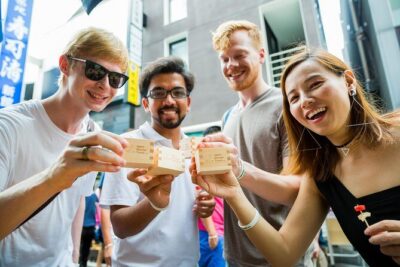 ★ 5.0Tokyo Tsukiji Fish Market Food and Culture Walking TourFrom $993,184 reviews
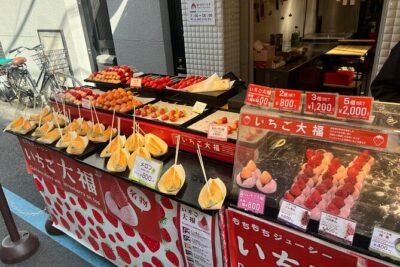 ★ 5.0Tsukiji Fish Market Food and Walking tourFrom $301,724 reviews
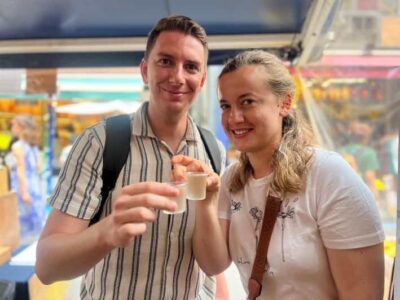 ★ 4.9Tsukiji Fish Market Guided Walking TourFrom $221,397 reviews
 ★ 5.0Tokyo Sushi Making Class in Tsukiji with Professional ChefFrom $491,177 reviews
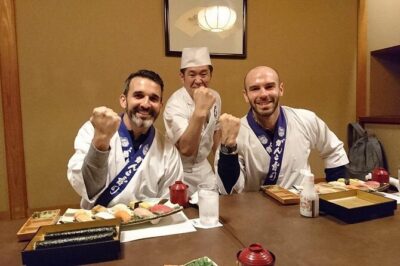 ★ 5.0Tsukiji Fish Market Guided Tour and Sushi Making with Pro ChefFrom $104775 reviews
★ 4.7Tsukiji Fish Market Food and Culture Walking TourFrom $96757 reviews
★ 5.0Tsukiji Fish Market Guided Tour and Sushi Making with Pro ChefFrom $104775 reviews
★ 4.7Tsukiji Fish Market Food and Culture Walking TourFrom $96757 reviews
 ★ 5.0Tsukiji Fish Market: Street Food & Culture Walking TourFrom $33669 reviews
 ★ 5.0Tsukiji Fish Market Small-Group Food Walking TourFrom $87621 reviews
Browse the lists this tour appears in