
Reviewed · TOKYO
Discover the Secrets of Pachinko, Japan’s Traditional Game
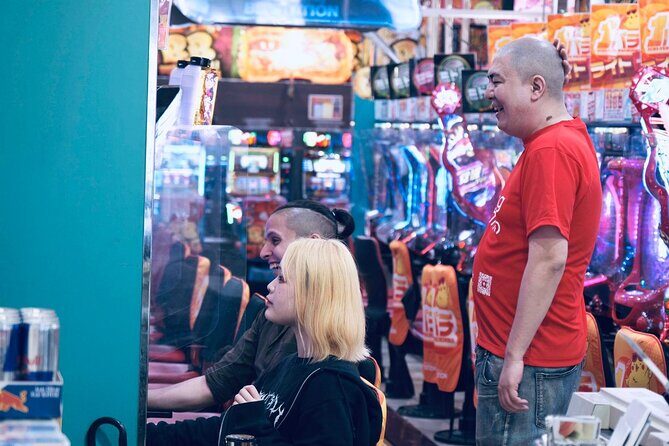
Pachinko makes no sense until someone shows you. That’s the whole value of this Tokyo session: you get a guided walkthrough of how games actually work inside a real parlor, then you try it with support right there. You’ll start near Nippori Station at a nearby location called BB station, so you’re not wasting time hunting.
Two things I like right away: you learn the full game flow, from buying credits with an IC card to launching balls with the handle; and you get practical aiming tips like adjusting handle position to target the center pocket. One possible drawback is the token/ball rental fee (4,000 JPY per person), which means the listed tour price isn’t the whole cost.
This is also a “watch first, then do” type of experience. A short rules and manners briefing happens before play, so you’re not walking in blind. If you’re expecting a long lounge-style lesson, you might feel the session is tightly scheduled, since the total time is about 1 hour 15 minutes.
In This Review
- Key Highlights You’ll Actually Use
- Entering Pachinko Without Guesswork
- Price and Value: What the $70.73 Covers (and What It Doesn’t)
- Getting There from Nippori Station: Simple Start, Clear End
- The 5–10 Minute Rules and Manners Primer
- How the Game Flow Works: Credits, IC Cards, and Launching Balls
- The Handle Position Tip: Aiming for the Center Pocket
- Playing in a Real Parlor With an Instructor Nearby
- What It Feels Like When You Finally “Get It”
- What You Can Expect to Walk Away With
- Who This Tour Is Best For (and Who Might Skip It)
- Practical Tips Before You Go
- Should You Book This Pachinko Lesson?
- FAQ
- Where does the tour start?
- How long is the experience?
- How much does the tour cost?
- Where will we play pachinko?
- Is token or ball rental included?
- Is bottled water included?
- Is a mobile ticket used?
- How many people are in the group?
- Is free cancellation available?
- What’s the meeting point and where do we end?
Key Highlights You’ll Actually Use
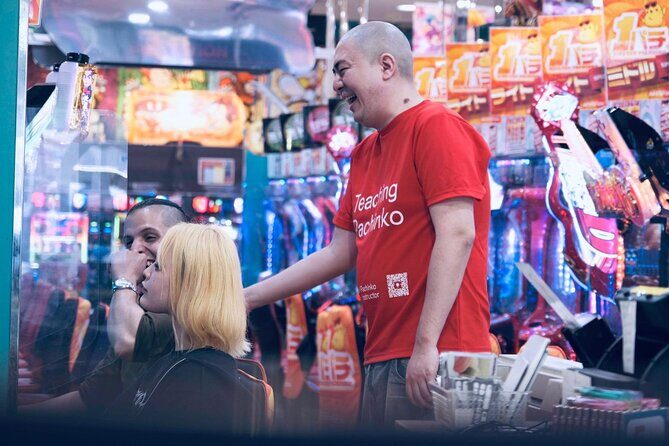
- BB station, near Nippori Station: easy access with no complicated transfers.
- IC card credits to game start: you learn what to do before the first ball ever drops.
- A 5–10 minute etiquette primer: you’ll know the basics of how to behave in the parlor.
- Hands-on coaching: guidance as you play, not just watching from the sidelines.
- Handle-position aiming tip: you’ll learn the specific technique of targeting the center pocket.
- Small group size (max 10): enough attention without a huge crowd.
Before you commit, see how this one stacks up against a few Tokyo favourites:
- Mt Fuji and Hakone 1-Day Bus Tour Return by Bullet Train★ 5.0 · 26,383 reviews
- 1-Day Tokyo Bus Tour★ 5.0 · 14,250 reviews
- Tokyo: teamLab Planets TOKYO Digital Art Museum Entry Ticket★ 4.6 · 9,779 reviews
Entering Pachinko Without Guesswork

Pachinko looks simple from the outside. Then you step into a parlor and it’s pure motion: lights, sounds, machines, and a field of action that seems to happen faster than you can think. This tour fixes that problem by turning pachinko from a mystery into a process.
What matters here is not the machine’s age or the parlor’s size. It’s that you get taught the mechanics you actually control. You’ll learn how credits work (using an IC card), what the handle is doing, and how launches translate into ball paths. That’s the difference between fiddling and playing.
You also learn the vibe of the room. A quick rules and manners session happens first, usually in the 5–10 minute range. That’s long enough to cover the basics, so you can focus on playing instead of worrying if you’re doing something “wrong.”
Price and Value: What the $70.73 Covers (and What It Doesn’t)
The tour is listed at $70.73 per person for about 1 hour 15 minutes. On paper, that’s not “free entertainment,” but it’s not just a ticket to sit nearby either. You’re paying for an instructor who guides the flow and helps you start playing correctly.
Here’s the part to budget for: token/ball rental is not included and runs 4,000 JPY per person. Also, bottled water is not included. That’s normal for city tours, but it changes the real cost of your first pachinko session, so plan on carrying extra cash or payment options for that add-on.
I think the value is strongest if you’re a first-timer. Without instruction, you can waste a lot of money quickly just trying to figure out the handle and credit steps. With instruction, you’re learning the steps that let you play with intention from the start, which is exactly what the coaching is built for.
The good news: gratuities are included, so you don’t have to hunt down extra tipping rules mid-experience. And there’s a group discount element listed, which can help if you’re booking with friends.
Getting There from Nippori Station: Simple Start, Clear End
The tour starts at Nippori Station 2 Chome-19 Nishinippori, Arakawa City, Tokyo 116-0013, Japan. That’s a practical meeting point because Nippori is well connected and easy to reach compared to some deeper-in-neighborhood starts.
From there, you’ll go to a nearby pachinko parlor named BB station. The “nearby” detail matters more than it sounds. Pachinko can be a late-day activity if you choose wisely, but only if you’re not stuck commuting across town for the whole session.
You end back at the meeting point. That’s helpful if you’re pairing this with other Tokyo plans. It means you don’t need to rearrange your evening around an unknown drop-off.
The 5–10 Minute Rules and Manners Primer
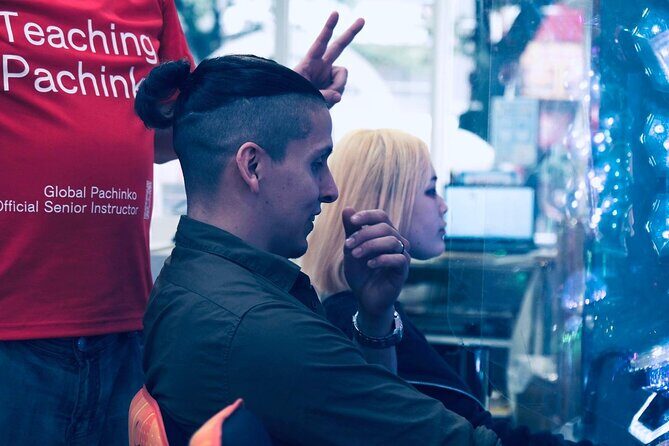
Before anyone touches the machines, you get a short orientation. It’s designed to handle the basics in a quick window—typically 5–10 minutes—so you can get into play mode without a long lecture.
This matters because pachinko parlors have their own rhythm. Even if you know games in your home country, this is a different setup: different controls, different credit process, and a different expectation around how you move and behave around machines. You’ll get brief guidance so you can focus on learning rather than improvising.
Also, a short pre-play briefing can help you avoid the most common first-session mistake: rushing to the handle before you understand credits and the mechanics. Here, you’ll get those basics first, then the session turns practical.





How the Game Flow Works: Credits, IC Cards, and Launching Balls
The instructor walks you through pachinko like it’s a sequence of small steps. That’s what makes the experience feel doable. You’re not left alone at the machine with a pile of buttons and flashing lights.
The core flow you’ll learn includes:
- Purchasing credits using an IC card
- Understanding how credits connect to the gameplay you see on-screen
- Launching balls using a flick of the handle
That IC card step is big for first-timers. If you don’t get it right, you can end up staring at a machine that looks ready but isn’t actually active for you. Getting guided through that step reduces wasted time and wasted attempts.
Then comes the motion part. The handle flick is where pachinko feels both skill-based and chaotic at the same time. Your job is to learn what you control. The instructor’s job is to help you translate your movement into better ball starts.
The Handle Position Tip: Aiming for the Center Pocket
One of the most helpful coaching details you’ll hear is about adjusting the handle’s position to aim for the center pocket. That’s the kind of instruction that turns pachinko from random noise into a skill you can practice.
In practice, “aiming” in pachinko is not like aiming a cue in pool. But the center pocket still matters because it’s tied to how balls enter the machine’s track system. You’ll be taught a method to make your launches more consistent rather than purely reactive.
Even if the machine outcomes still involve luck, your control matters more than you think. Better starts often mean more predictable play. And predictability is what helps you learn. With coaching, you can try one adjustment, see what changes, and iterate instead of burning through balls without understanding why anything happened.
Playing in a Real Parlor With an Instructor Nearby
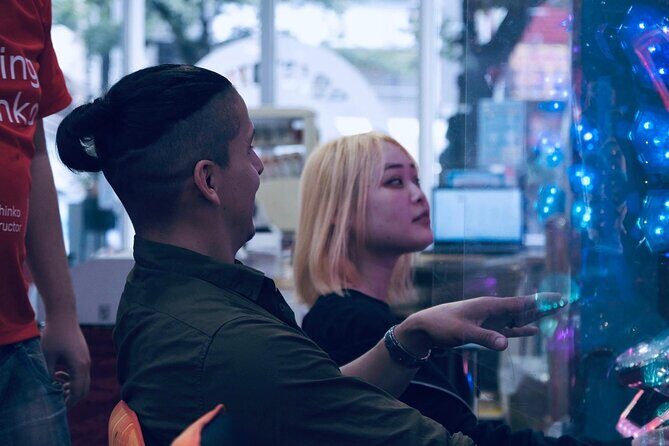
This isn’t a classroom demo. You’ll get into the pachinko parlor and start playing with your expert trainer.
Two practical benefits come from that setup. First, the instructor can correct you while you’re making the same mistakes in real time. Second, you’re learning in the exact environment where the game is played: the noise, the speed, the look of the screens, and the physical sensation of the handle.
The group size is capped at 10 travelers, which is a sweet spot. You get a trainer who can still see what each person is doing. At the same time, it’s not so large that the session turns into a crowd watching a slideshow.
A note from the experience style: the instructor is focused on teaching you how to play. Learning is the prize, even when luck doesn’t go your way. One of the strongest pieces of feedback behind the high rating is that the guide gives clear info fast and helps people actually get into the game instead of freezing at the first machine.
What It Feels Like When You Finally “Get It”
When you start, pachinko can feel like sensory overload. Machines are close together. The pace is constant. Balls drop, and something always seems to be happening at some other station. That’s why a guided session helps so much—you’re not trying to decode everything at once.
As you practice the handle flick and the credit flow, the experience becomes more straightforward. You start noticing cause and effect: what happens after a launch, how your approach changes your results, and what to adjust for the next attempt.
I also like the “realism” of this format. It doesn’t pretend pachinko is fully skill-based. You’ll still deal with randomness. But you’ll stop feeling powerless because you’ll understand what to do and what to try next.
And it can go beyond the scheduled session. One write-up you can keep in mind: the instructor was willing to keep helping if a machine stayed active and someone wanted a bit more practice. That’s not something you should assume will always happen, but it shows the teaching style is geared toward actual learning, not just clocking in and out.
What You Can Expect to Walk Away With
This tour is designed to teach the basics of pachinko in a way that lets you keep playing afterward if you want to. Even if you don’t win, you’ll leave with a working set of skills you didn’t have when you arrived.
Here’s what you’ll likely understand by the end:
- How to get credits started using your IC card
- How to launch balls using the handle’s flick motion
- How to adjust handle position with the goal of aiming toward the center pocket
- How to behave in the parlor during your session (thanks to that brief manners primer)
If you’re hoping for the feeling of real accomplishment, that’s where it comes from. Not from guaranteed cash. From learning the game quickly enough that your money feels less like guesswork.
And yes, winning is possible, but it’s not promised. The better your technique and your understanding, the more you can play with intention instead of panic.
Who This Tour Is Best For (and Who Might Skip It)
This experience fits first-timers who want structured help. If you’re curious about traditional Japanese games but don’t speak the language well enough to figure out the credit process alone, the instructor support is a big deal.
It also suits you if you like hands-on learning. Pachinko isn’t a “look but don’t touch” kind of activity. The whole point is practicing the handle flick and applying aiming adjustments immediately.
Who might not love it? If you want a long, slow lesson with lots of theory, this isn’t that. The session is about 1 hour 15 minutes. It’s also not a bargain if you’re not planning to use tokens, since the rental fee is required (4,000 JPY per person). Still, for many people, it’s worth it precisely because you’re learning quickly.
Practical Tips Before You Go
Bring patience. Pachinko learning has a learning curve. You’ll probably adjust your motion more than once. That’s normal.
Plan for extra spending beyond the tour price. Tokens/balls rental is 4,000 JPY per person, and bottled water isn’t included. So it’s smart to bring a water option and have payment ready for the rental.
Wear something comfortable for standing and reaching. You’ll spend the time actively near the machines. Also, the parlor environment can be loud and visually intense, so comfort helps you focus on the instructor’s technique cues.
Finally, if you want better results, listen for the handle-position advice and try it immediately. One adjustment at a time will teach you faster than random flicking.
Should You Book This Pachinko Lesson?
Book it if you want to play pachinko like you understand what you’re doing. The combination of an IC card credit walkthrough, a brief manners primer, and hands-on coaching around the handle flick is exactly what makes this experience feel worth the money.
I’d skip it only if you’re strictly budget-focused and hate the idea of the extra token/ball rental fee. Also skip if you dislike short, fast-paced lessons. This tour is focused and timed, and it’s built to get you playing within a small window.
If you’re open to learning a traditional Japanese game in a real parlor setting, this is a strong choice. The 4.8 rating with 100% recommendation reflects a simple truth: people come in confused, then leave with a clear path for how to play, even when luck is still luck.
FAQ
Where does the tour start?
The tour starts at Nippori Station, 2 Chome-19 Nishinippori, Arakawa City, Tokyo 116-0013, Japan.
How long is the experience?
It lasts about 1 hour 15 minutes.
How much does the tour cost?
The price is $70.73 per person.
Where will we play pachinko?
You’ll go to a nearby pachinko parlor named BB station.
Is token or ball rental included?
No. The fee to rent tokens/balls is 4,000 JPY per person.
Is bottled water included?
No, bottled water is not included.
Is a mobile ticket used?
Yes, mobile ticket is listed as a feature.
How many people are in the group?
This activity has a maximum of 10 travelers.
Is free cancellation available?
Yes. You can cancel up to 24 hours in advance for a full refund.
What’s the meeting point and where do we end?
You start at Nippori Station and the tour ends back at the meeting point.
More Tour Reviews in Tokyo



Fresh reviews from around Tokyo






Tokyo, compared.
 ★ 5.0Mt Fuji and Hakone 1-Day Bus Tour Return by Bullet TrainFrom $16326,383 reviews
 ★ 5.01-Day Tokyo Bus TourFrom $12914,250 reviews
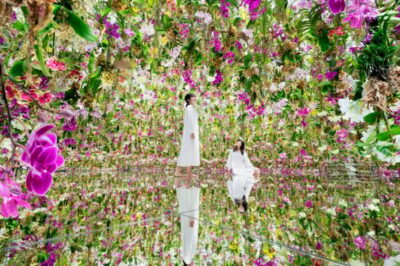 ★ 4.6teamLab Planets TOKYO Digital Art Museum Entry TicketFrom $259,779 reviews
 ★ 4.0Mt Fuji & Hakone Cruise, Drum Show Bullet Train 1 Day from TokyoFrom $1497,413 reviews
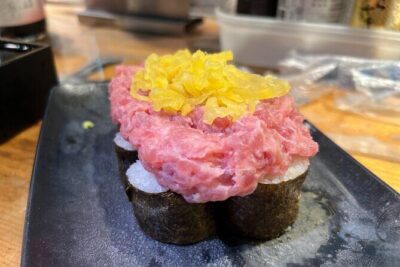 ★ 5.0Shinjuku Food Tour (13 Dishes at 4 Local Eateries)From $866,603 reviews
 ★ 4.4Tokyo Mt Fuji 5th St & Hakone Cruise Bus Tour w/Bullet TrainFrom $1545,024 reviews
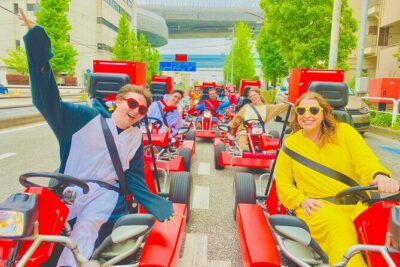 ★ 5.0Flagship 2-Hours Official Street Go-Kart Tour – Tokyo Bay ShopFrom $644,974 reviews
 ★ 4.5From Tokyo: Mount Fuji Full-Day Sightseeing TripFrom $684,970 reviews