
Reviewed · TOKYO
From Tokyo: Nikko Toshogu Day tour with Traditional Lunch
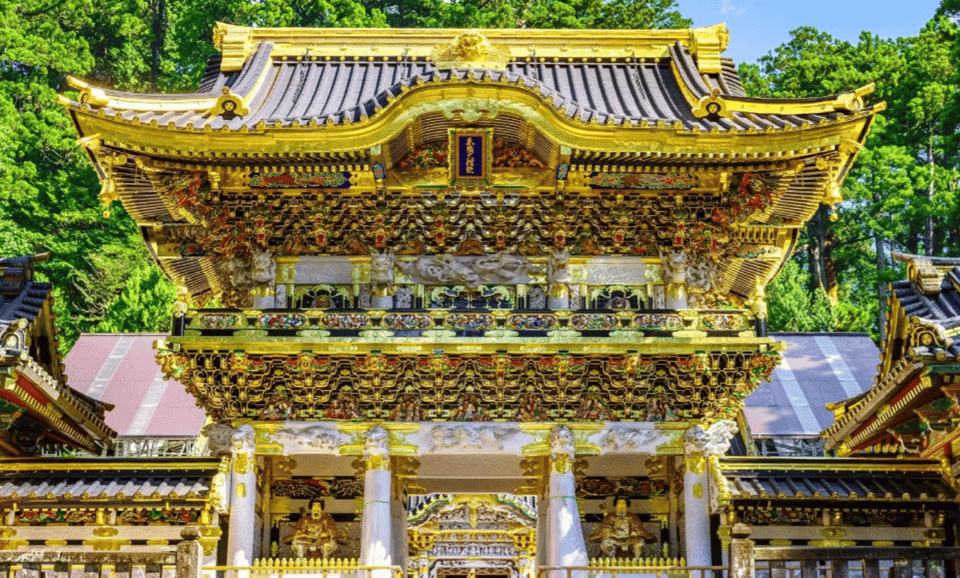
Few places in Japan look this ornate.
This day trip from Tokyo is all about contrasts: the carved, colorful Toshogu Shrine with the Tokugawa Ieyasu connection, then big nature moments like Kegon Falls and the calm of Lake Chūzenji. You’ll also get a scenic hit of the famous Irohazaka Winding Road along the way, even if the timing is tight.
What I love most is how the tour strings together history and sightseeing in one smooth day without you needing to plan trains or transfers. I also like the included Kuri Okowa Aoi Gozen lunch idea because it’s Buddhist vegetarian and not just a generic set meal, and the menu can change with the season. If you’re hoping for a slow, museum-style pace, go in knowing this is a schedule-heavy day.
One thing to consider: the stops are time-limited and the bus ride is long. If you’re sensitive to long travel days (or if you prefer lots of time at each site), you may find the pace a bit rushed, especially around the shrine and the waterfalls.
In This Review
- Key highlights worth planning for
- Tokyo-to-Nikko by coach: what your day schedule really feels like
- Toshogu Shrine: carvings, colors, and the Tokugawa Ieyasu link
- Lunch: Kuri Okowa Aoi Gozen and what to expect from a set menu
- Irohazaka Winding Road: 48 curves, quick views, fast movement
- Lake Chūzenji with free time: calmer pacing for a tired body
- Kegon Falls: planning your walk around the 97-meter drop
- Price and value: is this $90 one-day trip worth it?
- Who this tour suits (and who should skip it)
- Should you book this Nikko day tour?
- FAQ
- What days does this Nikko tour run?
- Where do I meet the guide in Tokyo?
- What time should I show up?
- How long is the whole experience?
- Is Toshogu Shrine admission included?
- Is lunch included, and what is it?
- Do Lake Chūzenji and Kegon Falls entrance fees cost extra?
- What languages does the guide speak?
Key highlights worth planning for
- Toshogu Shrine admission included so you can focus on the carvings and the Tokugawa Ieyasu story
- Kuri Okowa Aoi Gozen lunch (Buddhist vegetarian), with seasonal adjustments
- Irohazaka Winding Road pass-by with the famous set of curves and photo chances
- Lake Chūzenji free time for a slower walk and views after the morning
- Kegon Falls with time to get your bearings around the 97-meter drop
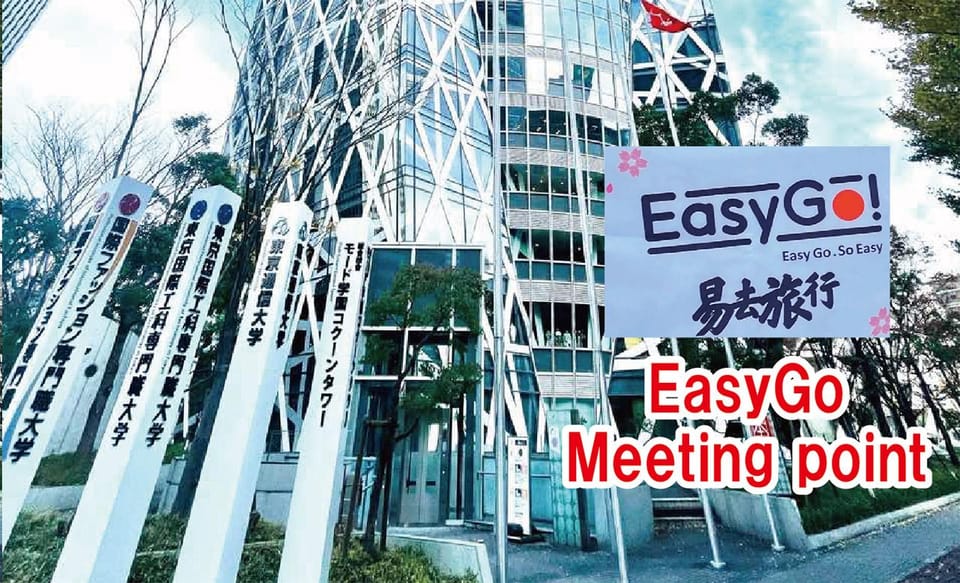
- English + Mandarin guide and a clear meeting point at Tokyo Mode Gakuen
Before you commit, see how this one stacks up against a few Tokyo favourites:
- Mt Fuji and Hakone 1-Day Bus Tour Return by Bullet Train★ 5.0 · 26,383 reviews
- 1-Day Tokyo Bus Tour★ 5.0 · 14,250 reviews
- Tokyo: teamLab Planets TOKYO Digital Art Museum Entry Ticket★ 4.6 · 9,779 reviews
Tokyo-to-Nikko by coach: what your day schedule really feels like
This tour is built for convenience: one coach, one guide, and a day that’s measured in stop durations instead of free wandering. You meet at Tokyo Mode Gakuen (look for the EASYGO flag), then you’re rolling out of Shinjuku early—7:50 meet up and 8:00 departure. The ride to Nikko is about 2.5 hours, so the day starts with travel, not sightseeing.
The upside of this format is that you won’t have to coordinate trains, buses, or connections in a region that can be time-consuming when you’re doing it solo. The downside is that you’re always aware of the clock. Even with nice viewpoints at multiple stops, you’re going to feel like you’re “moving through” Nikko rather than living inside it.
Also, plan for adjustments. Traffic and weather can shift timing, and the guide will steer the day accordingly. That’s normal on a one-day itinerary, but it means you should keep your expectations flexible.
One more practical note: this isn’t a tour for everyone. It’s not suitable for wheelchair users, and it’s also not recommended for people over 80. If your mobility is limited, you’ll feel it most during transfers and walking at the falls area.
Toshogu Shrine: carvings, colors, and the Tokugawa Ieyasu link
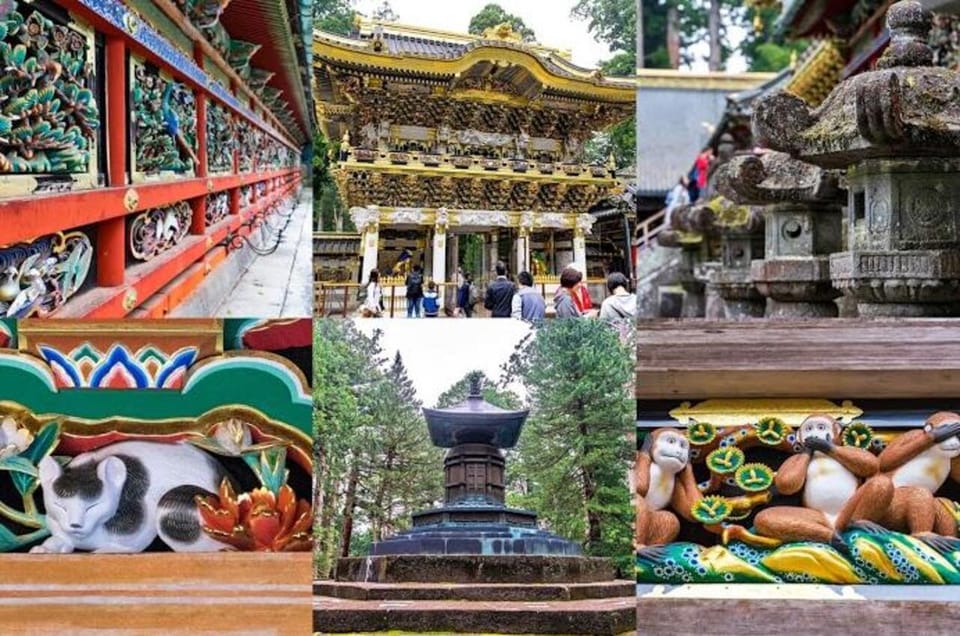
Your main cultural anchor is Nikko Toshogu Shrine, with about 1.5 hours on site. This is the stop where the guide’s narration really matters, because the place is visually intense: ornate details, layered symbolism, and a setting that feels intentionally designed to impress. The shrine is dedicated to Tokugawa Ieyasu, which helps you connect what you’re seeing with why it was built.
What you’ll likely enjoy most here is how the shrine works on two levels at once. Up close, you’re watching wood-and-stone craft—patterns, figures, and decorative elements that catch your eye from different angles. Then, from slightly back or from a different path, the overall composition becomes clear and you start to see why the design has such a reputation.
That said, 1.5 hours can feel short if you like to linger. If you want photos, read details carefully, and step into side corners, you’ll be glad the guide keeps you moving in an orderly way. But if you’re the type who needs 2–3 hours minimum for a single temple complex, you may wish you had more time.
Lunch: Kuri Okowa Aoi Gozen and what to expect from a set menu
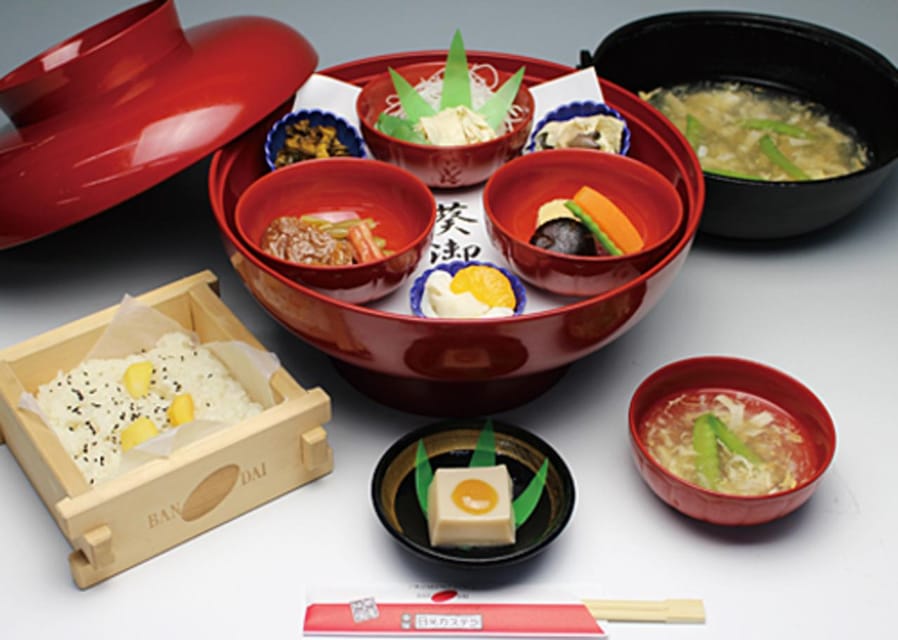
Lunch is one full hour, and it’s included. The featured dish is Kuri Okowa Aoi Gozen, a flavored, savory Buddhist vegetarian meal. The key here is that you’re not just buying convenience—you’re getting a traditional-style meal concept, and the menu may change depending on the season or circumstances.
If you eat vegetarian, this part is a win. The goal of gozen-style meals is variety—different textures and flavors in small portions—so even if you’re not used to Buddhist vegetarian cooking, it doesn’t feel like bland “diet food.” I also like that the tour includes this rather than leaving you to find something near the route.
If you’re a non-vegetarian, treat lunch as a flexible expectation. One person on a similar style of tour found the included meal disappointing for their taste preferences, and it was hard for them to enjoy it fully. If you’re picky about flavor or missing meat, consider eating a little earlier before lunch starts, or have a backup snack. It’s not that the meal is guaranteed bad—it’s just that it’s vegetarian by design.
One more helpful detail: the lunch has handled allergy needs in at least some cases, so if you have dietary restrictions, it’s worth flagging them when you book or communicating clearly with the operator in advance.
Irohazaka Winding Road: 48 curves, quick views, fast movement
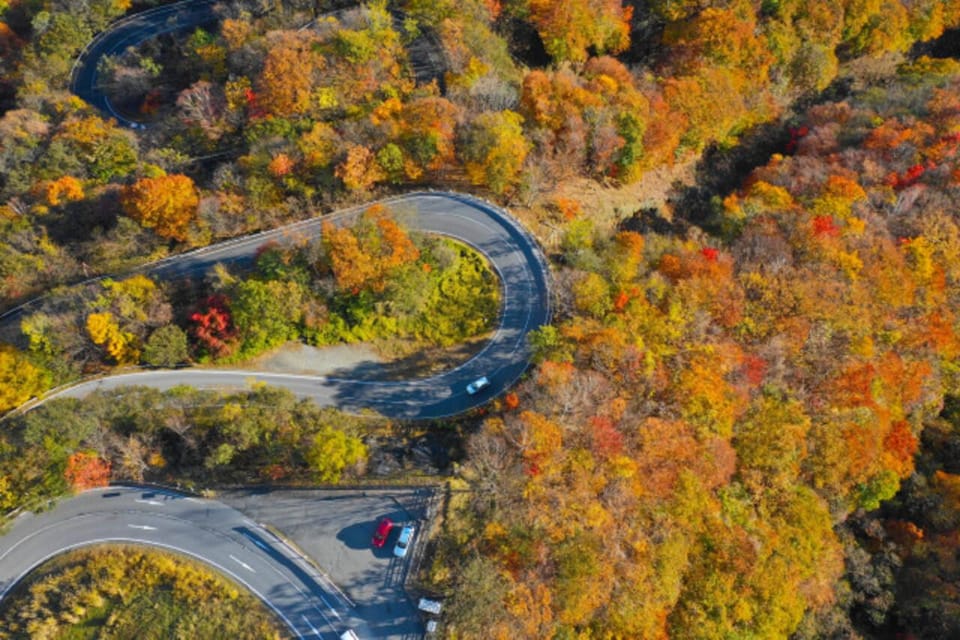
Right after lunch, you’ll head toward Irohazaka Winding Road. This is where the tour gives you a scenic pass-by rather than a long stop. You’ll spend about 30 minutes on the road experience, with the chance to see the iconic views and grab a few photos from the bus window or nearby viewpoints.
The reality check: 30 minutes is not enough to fully explore on foot, and you shouldn’t plan on hiking or lingering. But it is enough to appreciate why this road is famous—if you’ve ever wondered what a winding route through the mountains looks like in practice, this is your quick answer.
If the day is rainy or foggy, the views may be limited, and that’s nobody’s fault. That’s also why I recommend you treat Irohazaka as a bonus scenic segment rather than the “main event.”





Lake Chūzenji with free time: calmer pacing for a tired body
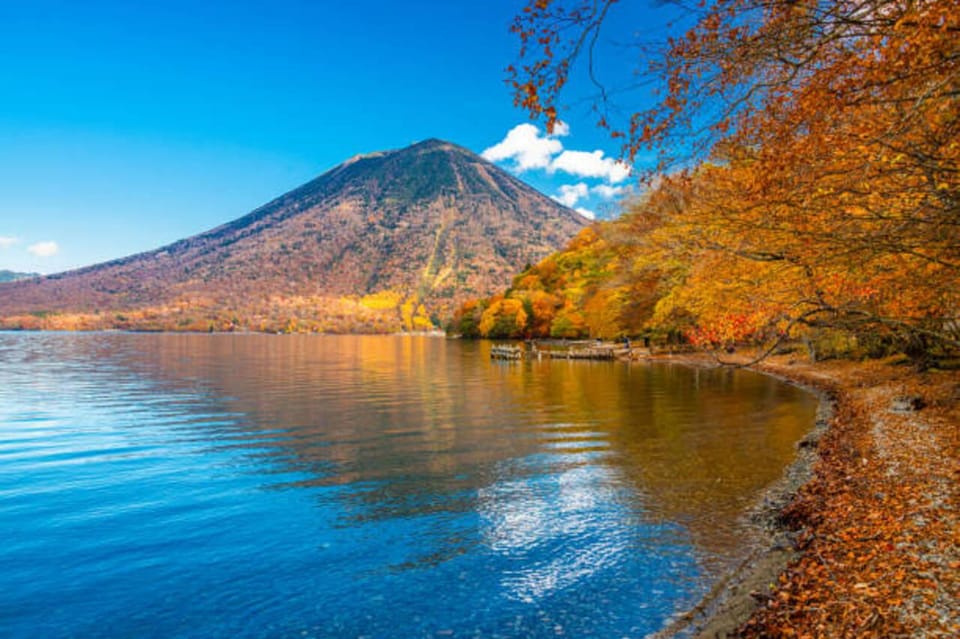
Once you reach Lake Chūzenji, you get about 1 hour of free time. This is the part of the day that shifts gears. After the morning’s travel and the shrine stop, Lake Chūzenji gives you a chance to breathe—walk a little, look out across the water, and reset your eyes after all the architecture.
The lake is known for clear, reflective water and surrounding greenery, and the beauty here is in the quiet. If you’re the type who enjoys short, scenic walks, this is where you’ll use that energy wisely. You’ll want sturdy shoes, since you may be on uneven ground around viewpoints.
The only drawback is the timing. One hour can slip away fast if you keep stopping for photos and then realize you still want one last viewpoint. If you have any specific spots you care about, keep your priorities in mind before you arrive.
Kegon Falls: planning your walk around the 97-meter drop
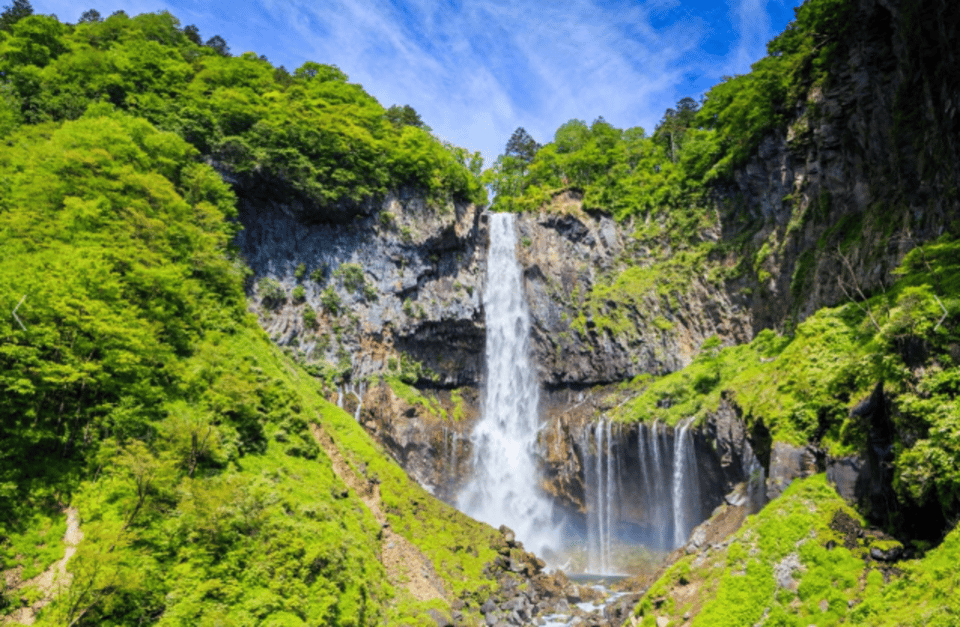
The final major attraction is Kegon Falls, where water drops 97 meters. You’ll have about 80 minutes total here, including time to walk and sightsee at your own pace.
This is one of those sights where timing and your walking route matter. If it’s your first visit, you’ll probably want to take a slow loop and figure out where the best angles are before you start firing off photos. Also, keep an eye on how wet and slippery it can get near misty areas. Even when it’s not raining, you may feel the spray.
If you’re sensitive to crowds, you may want to move early within your allotted time. If you’re less bothered and you just want that big waterfall feeling, you’ll be happy with the flexibility you get during the 80 minutes.
Price and value: is this $90 one-day trip worth it?
At about $90 per person, the value mostly comes from what’s included: round-trip transportation, the Toshogu Shrine admission ticket, and lunch. For a one-day trip from Tokyo, that combination can save you time and hassle compared with stitching everything together independently—especially when you want language support and a structured route.
The catch is what’s not included: entrance fees for Lake Chūzenji and Kegon Falls aren’t covered, so you should budget for those on the day. Also, your time at each site is limited because you’re paying for the convenience of seeing multiple major stops.
So here’s the simple way to judge it:
- If you want a guided, stress-light day with clear stops, it’s a decent price for the workload.
- If you’d rather spend half a day at one site, this format may feel expensive per minute because you’re moving between locations.
Your comfort with a busy schedule is the deciding factor more than the price itself.
Who this tour suits (and who should skip it)
This Nikko day trip is best for you if you:
- want big-name highlights without planning
- prefer a guide to explain what you’re seeing at Toshogu Shrine
- are okay with a packed day and shorter site visits
- eat vegetarian meals or can roll with a vegetarian set lunch
Skip it (or consider a different format) if you:
- need lots of time to linger at temples or scenic spots
- dislike long bus days, because the ride is substantial
- need wheelchair access, since it’s not suitable for wheelchair users
- are over 80, since the tour is listed as not appropriate for that age group
Language-wise, the guide supports English and Mandarin Chinese. If you need another language, this tour doesn’t offer it—so pick a tour route that matches your language needs.
Should you book this Nikko day tour?
If you want one Tokyo-to-Nikko day that checks off the essential icons—Toshogu Shrine, Irohazaka, Lake Chūzenji, and Kegon Falls—this is a practical way to do it. The included shrine ticket and the included Kuri Okowa Aoi Gozen lunch make the day feel “all handled,” and the timing gives you a satisfying overview without getting bogged down in logistics.
I’d only hesitate if you strongly prefer unhurried exploration. The day is scheduled enough that you’ll feel the itinerary pressure at least once, and the lunch style may not fit every palate, especially if you’re expecting a non-vegetarian meal.
If you’re traveling from Tokyo with limited time and you want Nikko to be easy, I’d book. If you want deep pacing and lots of independent wandering, look for a longer-stay option instead.
FAQ
What days does this Nikko tour run?
It runs every week on Tuesday, Thursday, and Saturday.
Where do I meet the guide in Tokyo?
Meet at Tokyo Mode Gakuen. Look for the guide holding an EASYGO flag.
What time should I show up?
You’ll meet at 7:50 and the departure is at 8:00.
How long is the whole experience?
It’s a one-day tour, with round-trip bus time totaling about 4.5 hours plus sightseeing time at each stop.
Is Toshogu Shrine admission included?
Yes. The Toshogu Shrine admission ticket is included.
Is lunch included, and what is it?
Lunch is included. The meal is Kuri Okowa Aoi Gozen, a Buddhist vegetarian dish, and the menu can be adjusted based on season or circumstances.
Do Lake Chūzenji and Kegon Falls entrance fees cost extra?
Yes. Entrance fees for Lake Chūzenji and Kegon Falls are not included.
What languages does the guide speak?
The guide supports English and Mandarin Chinese. The tour notes that English, Mandarin Chinese, and Japanese are the only supported languages, and it does not offer support for other languages.
More Tour Reviews in Tokyo



Fresh reviews from around Tokyo






Tokyo, compared.
 ★ 5.0Mt Fuji and Hakone 1-Day Bus Tour Return by Bullet TrainFrom $16326,383 reviews
 ★ 5.01-Day Tokyo Bus TourFrom $12914,250 reviews
 ★ 4.6teamLab Planets TOKYO Digital Art Museum Entry TicketFrom $259,779 reviews
 ★ 4.0Mt Fuji & Hakone Cruise, Drum Show Bullet Train 1 Day from TokyoFrom $1497,413 reviews
 ★ 5.0Shinjuku Food Tour (13 Dishes at 4 Local Eateries)From $866,603 reviews
 ★ 4.4Tokyo Mt Fuji 5th St & Hakone Cruise Bus Tour w/Bullet TrainFrom $1545,024 reviews
 ★ 5.0Flagship 2-Hours Official Street Go-Kart Tour – Tokyo Bay ShopFrom $644,974 reviews
 ★ 4.5From Tokyo: Mount Fuji Full-Day Sightseeing TripFrom $684,970 reviews