
Reviewed · ASAKUSA TOURS
Asakusa Kimono Photography Tour
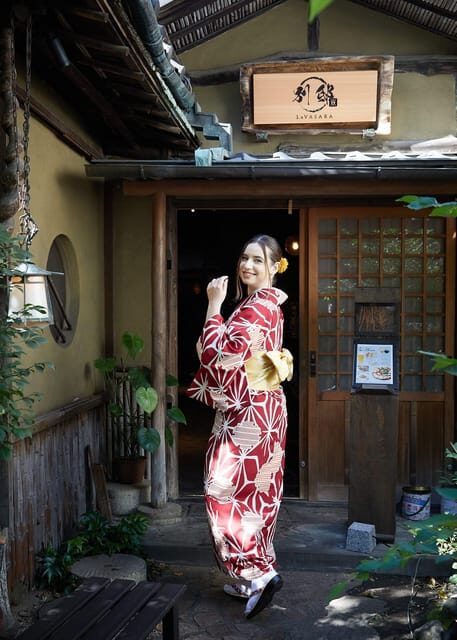
Kimono in Asakusa feels like time travel. The big win here is getting your outfit and looks taken care of, so you can focus on the fun parts: posing and wandering through the area with a local guide who photographs. I love that you get to choose a kimono (or yukata in season) and match it with the right hair and accessories.
Another thing I like a lot is the timing. Starting at 1:30 PM helps you catch Asakusa’s key sights with fewer people around, so your photos don’t look like a crowd-management puzzle. And because the guide also works as your photographer, you’re not left guessing where to stand or how to pose.
One thing to consider: this is a walking + posing experience, and food and drinks aren’t included. If you’re sensitive to comfort issues wearing a kimono, plan to take it slow during breaks and follow the guide’s etiquette and handling tips.
In This Review
- Key things to know before you go
- Asakusa Kimono Photos: Why the 1:30 PM Start Works
- Meeting at Seven-Eleven and Finding Your Guide Fast
- Getting Dressed: Kimono Rental With Real Help
- Choosing the Right Look: Styling, Hair, and Accessories
- The Photo Plan: A Guide Who Also Shoots
- What You’ll See on the Walk: Landmarks and Quieter Corners
- The Photos You Keep: Raw + Edited Files
- Price and Value: What $122 Gets You in 150 Minutes
- Who This Tour Is Best For (Even If You’re Shy)
- Before You Go: Small Tips That Make a Big Difference
- Should You Book This Asakusa Kimono Photography Tour?
- FAQ
- Where is the meeting point for the Asakusa Kimono Photography Tour?
- What time does the tour start?
- How long is the tour?
- What’s included in the price?
- Is yukata available, or only kimono?
- Can children participate, and are kimonos available for them?
- Are food and drinks included?
- What are the cancellation and payment options?
Key things to know before you go
- 1:30 PM timing helps you shoot Asakusa before the later-day crowd builds.
- Kimono (or yukata) rental + hairstyle and accessories for women means you show up fully styled.
- Your guide is also your photographer, so you get direction, not just sightseeing.
- You’ll receive raw and edited photos, so you get both quick copies and polished results.
- Many families and shy first-timers say they felt comfortable, even with kids in tow.
- The meeting point is easy to find: in front of Seven-Eleven at Tobu Asakusa Station-mae, with the guide holding a red/orange MagicalTrip sign.
More mornings around Senso-ji and the old town
- Tokyo: Japanese Dance Cabaret Theater Asakusa-Kaguwa Ticket★ 4.8 · 2,270 reviews
- Tokyo: Asakusa Walking Tour with Sensoji Temple Visit★ 4.8 · 1,583 reviews
- Tokyo Asakusa Rickshaw Tour★ 5.0 · 1,375 reviews
Asakusa Kimono Photos: Why the 1:30 PM Start Works
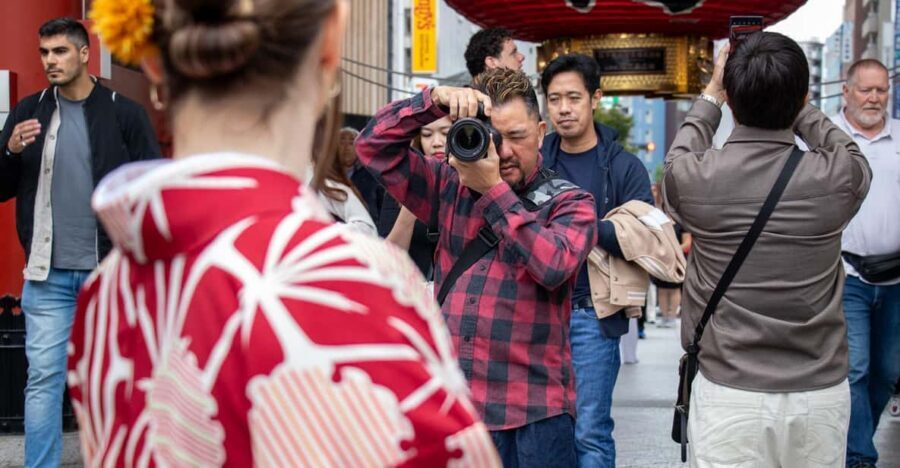
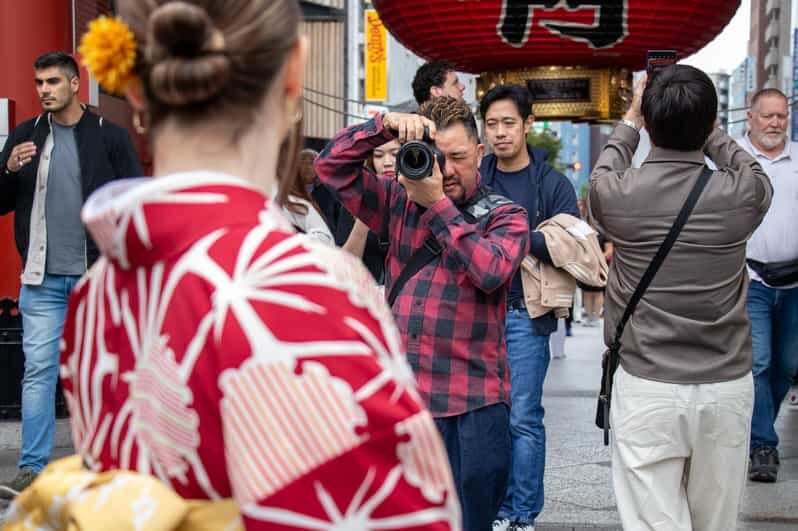
Asakusa is one of those places where the streets look great in every weather, but the timing can change the whole vibe. This tour starts at 1:30 PM, and that matters because the busiest feel tends to build later. So you get a better shot at cleaner backgrounds, smoother street-walking, and less shoulder-to-shoulder photo frustration.
That timing also gives you a useful rhythm. You arrive, get dressed, and then you’re already in “photo mode” for the part of the day when light can flatter skin and fabric. If you’ve ever tried to take photos while also trying to avoid people, you’ll appreciate the plan.
This isn’t a slow, sitting-in-one-place shoot. You’re moving, discovering, and photographing as you go, while your guide handles the flow.
Meeting at Seven-Eleven and Finding Your Guide Fast
Your meeting spot is in front of Seven-Eleven at Tobu Asakusa Station-mae (東武浅草駅前店). It’s a very “Tokyo-easy” landmark: about one minute on foot from the Tobu Line Asakusa Station main ticket gate, and about two minutes from the Ginza Line Asakusa Station Exit A5.
When you get there, look for the guide holding a red/orange MagicalTrip sign. This small detail saves you stress at the start, especially if you’re arriving a bit early (or a bit lost). The meeting point setup is part of why this tour feels straightforward.
You’ll also likely meet other solo travelers and small groups. That’s a plus if you don’t want a giant tour vibe, and it can help you feel less nervous about posing in public.
Getting Dressed: Kimono Rental With Real Help
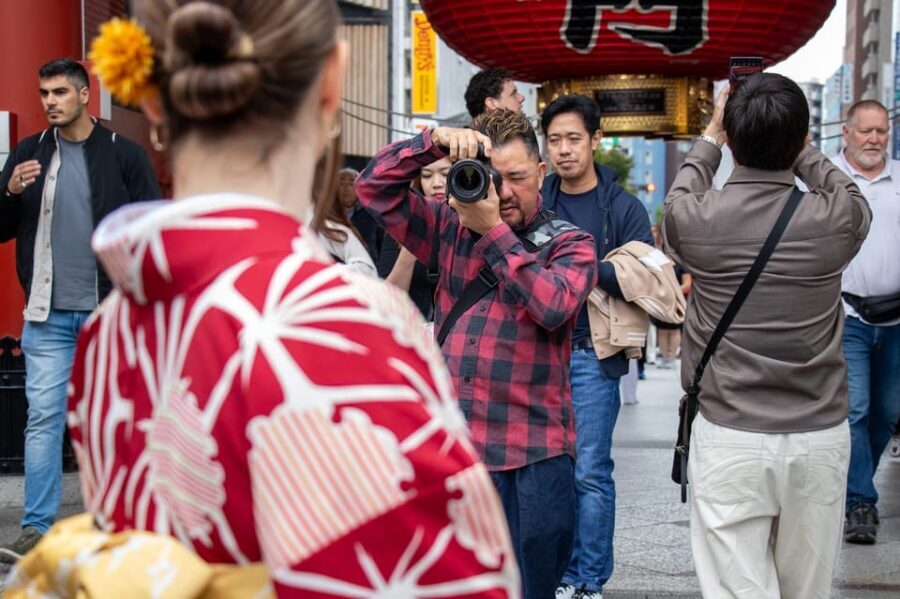
The included kimono rental is the heart of the experience, but the real value is the support around it. The tour includes professional assistance for putting on the kimono, so it’s not a do-it-yourself costume situation.
You’ll also get instructions during the process. That matters because kimono has practical rules about how you walk, hold the outfit, and keep things comfortable. When people skip that part, they end up spending the whole shoot worried about their sleeves, their belt, or their comfort. Here, you’re set up to enjoy the photos instead of babysitting your clothing.
A useful detail for families: kimonos are available for children aged 3 to 10. Children above that age are treated as adults, so it’s worth planning for what kids will be comfortable wearing.
Choosing the Right Look: Styling, Hair, and Accessories
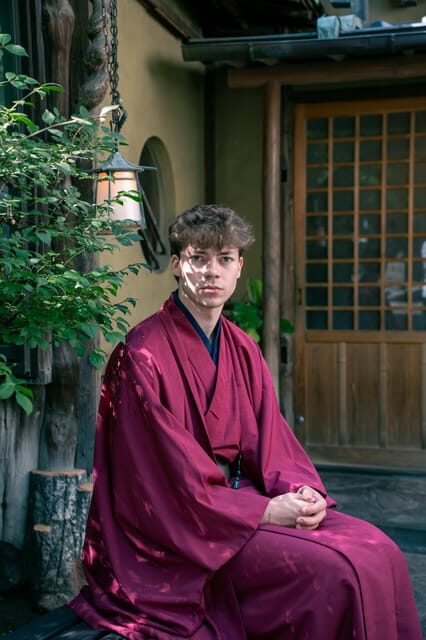
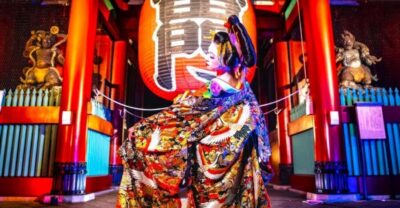
One of the most fun parts is picking your favorite kimono. For women, the tour includes not just the garment, but also hairstyle and accessories. That’s a big deal, because the final look is what makes photos feel truly Japanese instead of just “someone in a costume.”
You also get to benefit from guidance that people don’t always expect. The guide helps with the overall look and then transitions you into photo-ready posing. In other words, you’re not just dressed—you’re directed.
If you’re shy, this is still workable. Reviews point out that guides stay kind and practical, and that you don’t need to be confident in public to get great results. You follow their lead, and they make it easier.
More frames: other photo sessions in Tokyo



The Photo Plan: A Guide Who Also Shoots
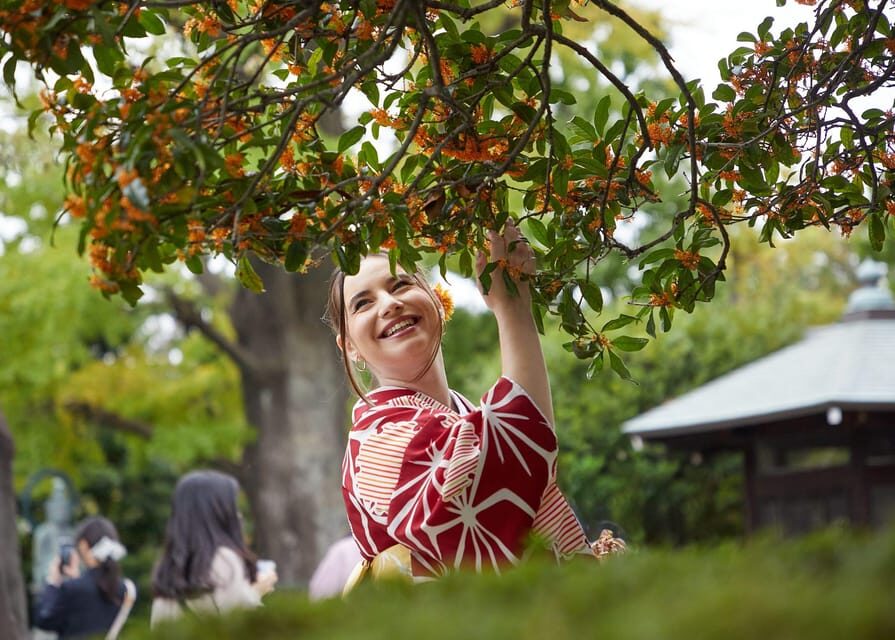
This tour is led by an English-speaking local who works as both your guide and photographer. That combo is what turns an outfit-walk into something you’ll actually want to keep.
Instead of hoping you’ll remember angles and timing, you get direction in the moment. You’ll also get tips on kimono etiquette, which helps you look natural and avoids the awkwardness of constantly adjusting clothing while people pass.
One standout from the experience is how the guide handles different comfort levels. If you’re nervous about posing, you’re not alone—and the guide’s job is to help you feel okay doing it. Families report that the photographer also adapts for kids, keeping them engaged so the shoot doesn’t become a “stand here and wait” situation.
In particular, one guide name that comes through clearly is Gota Murakami. People describe him as an excellent photographer and very welcoming, especially when traveling with boys or when someone feels shy.
What You’ll See on the Walk: Landmarks and Quieter Corners
The route focuses on Asakusa’s well-known area while also steering toward calmer streets. The goal is to balance recognizable sights with places that feel less crowded in your frame.
You’ll enjoy a mix of:
- guided walking and sightseeing
- photo stopping at planned spots
- learning along the way about what you’re seeing and why it matters
Even though the exact list of sights isn’t spelled out in the details you get beforehand, the tour is designed to show you both the “main” atmosphere of Asakusa and the softer side streets that make your photos feel personal.
One specific piece you can count on: there’s a photo stop at a viewpoint. That stop is your “take a breath and shoot for the camera” moment—usually the kind of location where you can get a cleaner scene and better composition.
Practical note: because you’re wearing a kimono, you may want to move a little slower than usual. The payoff is your photos, but you’ll get more comfort if you pace yourself and let the guide manage the flow.
The Photos You Keep: Raw + Edited Files
This is one of those deals that sounds standard until you think about what you actually want after the tour. You get raw and edited photos, plus you’ll receive instructions. That means you’re not stuck with only one version of your images.
Raw files can be helpful if you like to adjust color or do your own light touch-ups later. Edited photos are great because someone else handles the polish right away, so you can post or print without extra work.
Since you’re shooting while dressed in kimono or yukata, that follow-up matters. Clothing, hair, and accessories change the look of every scene, and having both raw and edited versions lets you choose what matches your style.
Price and Value: What $122 Gets You in 150 Minutes
$122 per person for about 150 minutes feels reasonable when you break down what’s included.
You’re paying for:
- kimono rental (with help getting dressed)
- hairstyle and accessories for women
- an English-speaking guide
- a photographer who directs posing and timing
- photos in both raw and edited formats
If you’ve ever tried to do this on your own, you end up paying separately for kimono time, then struggling to find a good spot, then hiring a photographer or asking strangers to take photos that miss the mark. Here, the tour reduces that friction. You show up at a clear meeting point, get dressed, and leave with photos that are actually planned for.
Could it feel expensive if you only want casual snapshots? Maybe. But if you care about looking your best, getting better compositions, and having someone handle the setup, it’s strong value.
Who This Tour Is Best For (Even If You’re Shy)
This tour fits a lot of travel styles:
- Solo travelers who want an activity that also gives structure and guidance
- Couples who want coordinated outfits and photos without negotiating with strangers
- Families, especially because the guide is reported to work well with kids and keep them involved
- Anyone curious about Japanese traditions who wants more than a quick photo stop
The reviews highlight comfort as a theme. People mention feeling at ease, not self-conscious, and not pressured. That’s important, because kimono photos can be intimidating if you’ve never worn one before.
If you’re traveling with children, confirm the ages and keep expectations realistic. The tour is still a walk and photos take time, but reports suggest the photographer adapts for kids so it doesn’t become stressful.
Before You Go: Small Tips That Make a Big Difference
You’ll get the most out of this tour if you plan around kimono logistics:
- Wear shoes you can handle for the walking part (you won’t always feel like your usual sneakers).
- Expect to move a bit slower while dressed.
- Keep your essentials minimal, since the outfit and accessories are part of the look.
- Since food and drinks aren’t included, plan a snack or meal before or after.
If you’re a first-timer with kimono, you’re in the right place. The guide provides etiquette tips and practical direction, which reduces the usual stress of getting it wrong.
Should You Book This Asakusa Kimono Photography Tour?
If you want Asakusa photos that look intentional—and you want them without spending hours figuring out outfit logistics and posing—this tour is a smart bet. The combination of kimono rental, English guidance, and a photographer who helps you stand, pose, and move makes the experience feel efficient and fun.
I’d especially recommend it if you:
- care about getting photos that don’t look like random phone snapshots
- want a crowd-friendlier time window starting at 1:30 PM
- are traveling solo, with kids, or with friends and want the day to feel structured
Skip it if you only want a self-guided walk and don’t care much about photos or kimono styling. But if you want a true “Japanese memory” you can actually share, this is an easy yes.
FAQ
Where is the meeting point for the Asakusa Kimono Photography Tour?
Meet in front of Seven-Eleven at Tobu Asakusa Station-mae store. The guide will be holding a red/orange MagicalTrip sign.
What time does the tour start?
The tour starts at 1:30 PM.
How long is the tour?
The tour lasts 150 minutes (about 2.5 hours).
What’s included in the price?
Included are kimono rental, an English-speaking local guide, raw and edited photos, and instructions.
Is yukata available, or only kimono?
The tour offers kimono, and it also uses yukata in summer.
Can children participate, and are kimonos available for them?
Kimonos are available for children aged 3 to 10. Children above this age are treated as adults.
Are food and drinks included?
No. Food and drinks are not included.
What are the cancellation and payment options?
You can cancel up to 24 hours in advance for a full refund, and you can reserve now and pay later.
More Tours in Tokyo





More Tour Reviews in Tokyo




Around Senso-ji: More Asakusa Picks
Fresh reviews from around Tokyo






Asakusa Tours, compared.
 ★ 4.8Japanese Dance Cabaret Theater Asakusa-Kaguwa TicketFrom $492,270 reviews
 ★ 4.7Meiji Shrine, Asakusa, Skytree Bus Tour and CruiseFrom $1221,986 reviews
 ★ 4.8Asakusa Walking Tour with Sensoji Temple VisitFrom $221,583 reviews
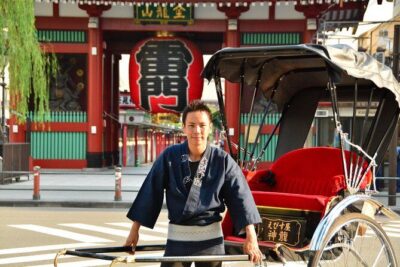 ★ 5.0Tokyo Asakusa Rickshaw TourFrom $421,375 reviews
 ★ 4.5Tokyo Panoramic 1 Day: Meiji Shrine, Asakusa, Odaiba and SKYTREE®From $851,222 reviews
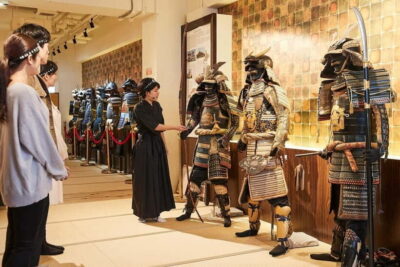 ★ 4.8Samurai Ninja Museum Asakusa: Samurai Sword Lesson & TourFrom $63306 reviews
Asakusa Sightseeing Tour by RickshawFrom $35195 reviews
Asakusa Kimono Dressing and Matcha ExperienceFrom $56173 reviews
★ 4.8Samurai Ninja Museum Asakusa: Samurai Sword Lesson & TourFrom $63306 reviews
Asakusa Sightseeing Tour by RickshawFrom $35195 reviews
Asakusa Kimono Dressing and Matcha ExperienceFrom $56173 reviews
Browse the lists this tour appears in