
Want a fast taste of Japanese dance?
In Asakusa, this Nihon Buyo experience packages a pro kimono performance and a gentle fan-dance lesson into just 45 minutes. You’ll also start with matcha, which turns the whole thing into a calm, cultural breather before you move. One catch: the drink is served only until about 5 minutes before the performance, so late arrivals miss it.
This is set up for beginners with no dance background needed, and you get a photo session at the end with the performer in full theatrical makeup. The vibe is elegant, not intimidating, but it’s still a real performance schedule—so you’ll want to show up on time and be ready to follow directions.
In This Review
- Key things to look for before you go
- Nihon Buyo and fan dancing in Asakusa: why it clicks for first-timers
- Finding the meeting spot: 6階 near Kaminarimon Gate
- The welcome matcha moment: small ritual, strict timing
- Watching the pro dancer: kimono, shironuri, and Edo-era elegance
- The fan workshop: how to learn graceful moves without prior training
- Photo time with the dancer: making it a keepsake, not a rushed snap
- Price and value: what $25 buys you (and why it’s fair)
- Who should book this Japanese dance workshop
- A few practical considerations before you go
- Should you book the Asakusa dance workshop?
- FAQ
- How long is the Asakusa beginner Japanese dance workshop?
- How much does it cost?
- Do I need dance experience or a costume?
- What will I watch during the workshop?
- Do I get to try the dance myself?
- Is there a welcome drink?
- Who teaches and what languages are used?
- Where is the meeting point?
- FAQ
- Is there free cancellation?
- Is the workshop wheelchair accessible?
Key things to look for before you go
- Nihon Buyo basics in 45 minutes: a short intro that doesn’t require prior training.
- Professional performance in kimono with shironuri makeup: white stage makeup is part of the tradition.
- Beginner-friendly fan movements: you learn simple gestures with coaching, not choreography homework.
- Photo time with the dancer: you finish with a commemorative moment, not just a memory.
- Matcha welcome tea before it starts: the timing matters because service ends shortly before the show.
More mornings around Senso-ji and the old town
- Tokyo: Japanese Dance Cabaret Theater Asakusa-Kaguwa Ticket★ 4.8 · 2,270 reviews
- Tokyo: Asakusa Walking Tour with Sensoji Temple Visit★ 4.8 · 1,583 reviews
- Tokyo Asakusa Rickshaw Tour★ 5.0 · 1,375 reviews
Nihon Buyo and fan dancing in Asakusa: why it clicks for first-timers
Nihon Buyo is Japan’s classic dance tradition—slow, controlled, and heavy on gestures. It’s the kind of art form where your eyes get trained fast: you start noticing how small hand positions, wrist angles, and posture can carry a story. In this workshop, you’re not expected to learn “everything.” Instead, you get the core feeling of the dance and a few easy, elegant motions you can repeat without stress.
I like that this experience is built around two phases that work well together. First, you watch a professional dancer perform in kimono style, including the theater makeup tradition called shironuri (the white stage look). Then you try a simplified version of the movement through fan gestures. That pairing helps you understand what you’re doing—so you’re not just waving a fan randomly.
You should also know what to expect emotionally. Nihon Buyo storytelling often feels delicate rather than flashy. The audience part can feel quiet and focused, and the workshop part feels more “guided practice.” If you’re hoping for loud hype, this is not that. If you want grace, clarity, and a real taste of Japanese dance formality, it’s a strong fit.
Finding the meeting spot: 6階 near Kaminarimon Gate
You meet at the 6階 (6th floor). That’s all the location detail you get, so plan your arrival like a pro: give yourself extra walking time around Kaminarimon Gate and then take a moment to confirm you’re at the right building level before the show.
Because this experience starts on a schedule, getting there late has consequences. The matcha service stops before the performance begins, so you don’t want to spend the first half of your time hunting stairs or elevators. If you’re using public transit, I’d treat your arrival like you’re catching a timed ticket.
The upside of being near Kaminarimon Gate is simple: you’re in Asakusa, where you can often combine this with a stroll before or after. You can turn this into a short cultural detour without losing a big chunk of your day.
The welcome matcha moment: small ritual, strict timing
The experience begins with a welcome drink: matcha, served before the show. The tea is part of the tone-setting here. You get a quick pause before the performance, and it helps you settle into that theater-and-tradition mood.
The important practical bit: matcha is served only until roughly 5 minutes before the performance starts. After that prep timing window, no drinks can be offered. So if you arrive right at showtime, you might still get in—but you’ll miss the tea.
One of the best touches from real-world feedback is that the matcha can be served iced and paired with friendly hospitality. On top of that, you might even receive a small origami fan gift as part of the welcoming approach. Those details aren’t the main reason to book, but they make the experience feel more personal and less transactional.
Watching the pro dancer: kimono, shironuri, and Edo-era elegance
The core highlight is the live performance by a professional Nihon Buyo dancer in kimono. You’re watching an art form with deep roots: Nihon Buyo originated in the Edo period. That matters, because the style isn’t about “modern dance entertainment.” It’s about refined posture, controlled motion, and storytelling through gesture.
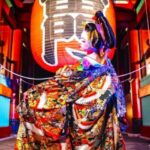
At the climax, the dancer appears with shironuri, the white makeup used in traditional Japanese theater and dance. This is not just costume drama. It’s a long-standing visual tradition that heightens the theatrical effect and makes the gestures easier to read from a distance. If you’re taking photos, the makeup moment is usually the time you’ll want your camera ready—without blocking the view.
Also, the dancer’s kimono look is a big part of why this works even if you don’t know Japanese dance terms. The costumes and styling bring shape to the performance, so even first-timers can follow along. If you want something memorable that doesn’t require language skills, this is a great bet.
The performance likely feels slow on purpose. In Nihon Buyo, movement is measured. That can feel calming if you’re okay watching carefully. If you prefer fast-paced shows, you might need a minute to adjust your expectations, but slow doesn’t mean boring—it means precise.
More things to make with your own hands


The fan workshop: how to learn graceful moves without prior training
After the performance, you’ll join a beginner-friendly workshop. The theme is fan dance: you’ll practice basic folding fan movements guided by an instructor.
The key point for your expectations: this is not a try-hard class where you’re expected to master a full dance routine. It’s gentle practice. The instructor helps you get the positioning right—hand placement, arm angles, and how to move with intention rather than speed.
This matters because fan dance can look easy in videos, but the “easy” part hides the technique. Here, you get the technique layer. You’re learning how a gesture reads as elegant instead of awkward. Even if you’ve never danced before, the teaching style is designed for that first-timer gap.
A practical tip: keep your movements smaller than you think you need. In Japanese classical dance, big flailing usually looks less correct than controlled, readable motion. When you follow the instructor’s cues, your body starts to copy the style quickly.
Also remember: you do not need to wear a kimono. You’re just there to learn the motions. Comfortable clothing helps so you can raise your arms and move your hands freely. You’ll be surprised how much easier the workshop feels when you’re not worrying about outfit restrictions.
Photo time with the dancer: making it a keepsake, not a rushed snap
The experience ends with a photo session with the performer in full kimono and makeup. This is one of the most motivating parts of the whole 45 minutes, because it gives you a real souvenir moment. Not a blurry “I was in the area” photo—this is a structured photo time where you’ll be positioned for the shot.
There’s also a chance to chat after the performance in a more personal way. In the experiences shared, people appreciated the staff’s kindness and attention, and that kind of warmth tends to make photo time feel less like a checkout counter and more like a small cultural exchange.
One more practical note: be ready with your phone/camera settings. If your device struggles in indoor lighting, test it quickly when you arrive so you’re not fumbling during the photo moment. It’s the kind of small prep that protects your best memories.
Price and value: what $25 buys you (and why it’s fair)
$25 for a 45-minute cultural experience is not expensive, especially when you compare it to what you’d pay for a guided performance plus time with a professional. Here, you’re paying for three things at once:
- a live performance by a professional Nihon Buyo dancer
- guided instruction in beginner fan movements
- a photo session with the dancer, plus a welcome drink
That combination is the value. Many cultural activities give you one piece: either a show or a class. This blends both, so your understanding grows in real time. You watch the gestures, then you try them, then you get your keepsake photos. For a short time window, it’s a strong payoff.
The main value trade-off is time. This is 45 minutes, so it’s an introduction—not training for mastery. If you want to become a serious dancer, you’ll need more lessons. But if you want an authentic first experience with a pro in Asakusa, this is priced like a smart cultural “taste,” not like a full commitment.
Who should book this Japanese dance workshop
This workshop is a good match if you:
- want an Asakusa activity that isn’t just shopping or sightseeing
- prefer structured, beginner-friendly instruction
- like watching live performances and then trying a simplified version yourself
- want a memorable photo with a dancer in authentic theatrical styling
It also works well for families. One feedback note specifically mentioned a parent and child enjoying it together, with the elegance of the dance and the experience feeling special thanks to staff hospitality.
If you’re traveling solo and want something cultural you can do without language skills, you’ll still get plenty out of it because the key teaching is visual and guided. If you’re with friends, the workshop is a fun shared moment where you can laugh at your own first attempts and then feel proud when your gestures look more “dance-like.”
A few practical considerations before you go
The experience is simple, but there are a couple things that can affect your enjoyment.
First: arrive early for the matcha. The drink window closes about 5 minutes before the performance starts. That timing matters because it can affect your first impression of the experience.
Second: dress for movement and comfort. You’re doing basic fan gestures and arm positions. You don’t need special clothing, but you do want to avoid anything overly restrictive.
Third: keep your expectations aligned with “beginner-friendly.” You’ll learn enough to feel engaged and graceful, but you won’t become a Nihon Buyo dancer in one session. The goal is confidence and understanding, not perfection.
Should you book the Asakusa dance workshop?
If you want a short, authentic Japanese culture experience near Kaminarimon Gate, I’d book it. The mix of a professional Nihon Buyo performance in kimono, the shironuri makeup highlight, and a guided fan workshop makes this feel like more than a show. Add the welcome matcha and the photo session, and you’ve got a complete little cultural package for the price.
The only real reason to skip is if you’re the type who can’t reliably arrive on time. The matcha timing window is strict, and this experience runs on a set performance schedule.
If you’re flexible on schedule by even 10-15 minutes, this is one of those “you’ll be glad you did it” activities in Asakusa—clean, beginner-friendly, and genuinely Japanese in form, not just in theme.
FAQ
How long is the Asakusa beginner Japanese dance workshop?
It lasts 45 minutes.
How much does it cost?
The price is $25 per person.
Do I need dance experience or a costume?
No. There’s no dance or costume experience needed, and you do not need to wear a kimono.
What will I watch during the workshop?
You’ll watch a live performance by a professional Nihon Buyo dancer wearing a kimono.
Do I get to try the dance myself?
Yes. After the performance, you’ll get guidance for basic fan dance movements.
Is there a welcome drink?
Yes. You’ll be served matcha, and the drink service ends about 5 minutes before the performance starts.
Who teaches and what languages are used?
The instructor is YUKI YOSHIDA, and the workshop is available in English and Japanese.
Where is the meeting point?
You should go directly to the 6階 (6th floor) for the meeting point.
FAQ
Is there free cancellation?
Yes. You can cancel up to 24 hours in advance for a full refund.
Is the workshop wheelchair accessible?
Yes, it’s wheelchair accessible.
Make Something to Take Home

More Tour Reviews in Tokyo






Around Senso-ji: More Asakusa Picks
Fresh reviews from around Tokyo






Asakusa Tours, compared.
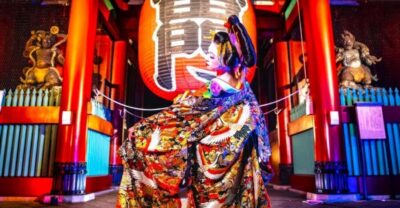 ★ 4.8Japanese Dance Cabaret Theater Asakusa-Kaguwa TicketFrom $492,270 reviews
 ★ 4.7Meiji Shrine, Asakusa, Skytree Bus Tour and CruiseFrom $1221,986 reviews
 ★ 4.8Asakusa Walking Tour with Sensoji Temple VisitFrom $221,583 reviews
 ★ 5.0Tokyo Asakusa Rickshaw TourFrom $421,375 reviews
 ★ 4.5Tokyo Panoramic 1 Day: Meiji Shrine, Asakusa, Odaiba and SKYTREE®From $851,222 reviews
 ★ 4.8Samurai Ninja Museum Asakusa: Samurai Sword Lesson & TourFrom $63306 reviews
Asakusa Sightseeing Tour by RickshawFrom $35195 reviews
Asakusa Kimono Dressing and Matcha ExperienceFrom $56173 reviews
★ 4.8Samurai Ninja Museum Asakusa: Samurai Sword Lesson & TourFrom $63306 reviews
Asakusa Sightseeing Tour by RickshawFrom $35195 reviews
Asakusa Kimono Dressing and Matcha ExperienceFrom $56173 reviews
Browse the lists this tour appears in