
Reviewed · ASAKUSA TOURS
Asakusa: 3.5-hour Big-picture History Walk
Japan’s story starts here.
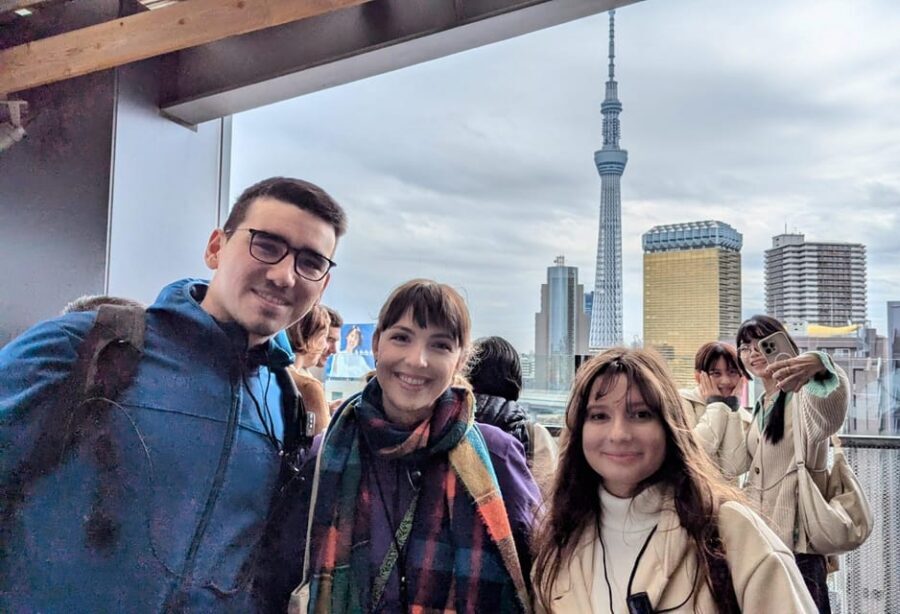
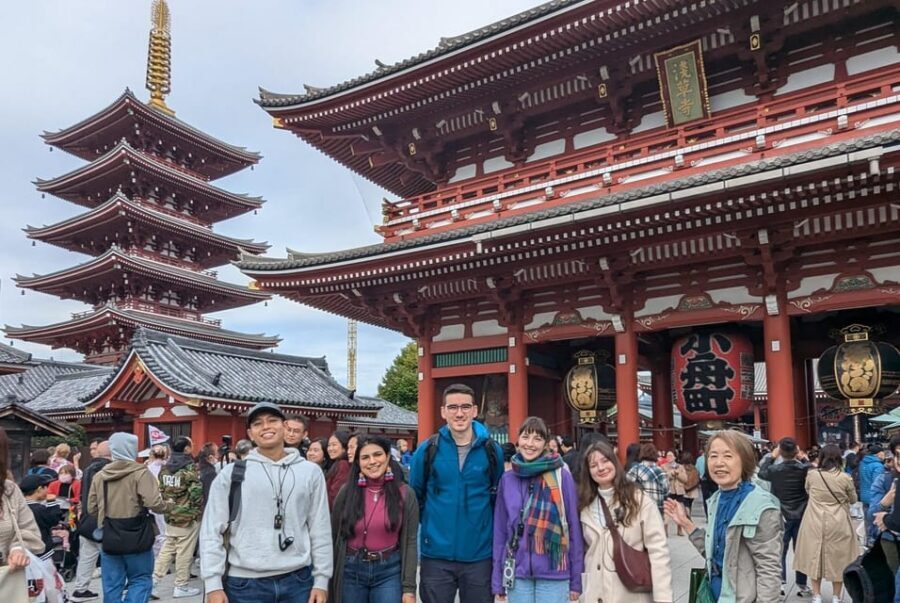
This 3.5-hour big-picture walk turns Asakusa into a living textbook: you trace how Japan went from long isolation to dramatic opening, how Buddhism and Shinto can share worshipers, and why the old-town streets feel both local and oddly familiar to the West. I love that it is not just photos and facts, it is “why it matters” history at each stop. I also love the small-group feel (max 8) plus the headsets, so you actually hear your guide without shouting. One drawback: this is a moderate-walking route, and it is not suitable for mobility impairments.
You’ll move from big temple icons to side lanes that carry postwar working-class energy, with snack breaks built in. Expect a mix of sacred and secular—because that mix is basically how Japan works. And yes, the guide often ties what you see in Asakusa to broader global stories, like Japan’s 19th-century art influence reaching as far as French Impressionists.
In This Review
- Key highlights worth paying attention to
- Why Asakusa Explains Japan in One Half-Day
- Meeting Point Near Asakusa Station and What the Small Group Does for You
- From Kaminarimon to the Pier: Getting Your Bearings Fast
- Sensō-ji and Asakusa Shrine: Sacred Architecture Meets Street-Level Life
- A helpful way to think about it
- Nakamise to Hōzōmon: Why the Old Shopping Streets Feel Like Time Travel
- The Two-Religion Lesson: How Shinto and Buddhism Share Worshipers
- Isolation, Reopening, and Global Ripples You Can Actually Explain
- Sacred Meets Secular: Entertainment Streets, Narrow Lanes, and Hoppy Energy
- Snacks, Breaks, and the Little Details That Save the Day
- Who This Tour Is For (and Who Might Want Something Else)
- Is It Good Value at $88 for 3.5 Hours?
- Should You Book This Asakusa Big-Picture History Walk?
- FAQ
- How long is the Asakusa big-picture history walk?
- What does the tour cost?
- Where do I meet the guide?
- What is included in the price?
- Is hotel pickup or drop-off included?
- How big is the group?
- Does the tour run in bad weather?
- Is the tour suitable for people with mobility impairments?
- What should I bring?
Key highlights worth paying attention to
- Big-picture history at every landmark: isolation, reopening, and global ripple effects explained stop-by-stop
- Religion side-by-side: how Shinto and Buddhism overlap in the same neighborhoods and daily routines
- Edo-era atmosphere you can feel: nostalgic lanes and shopping streets that slow you down
- Crowd-smart guiding: the route is handled with focus around popular temple areas
- Snack breaks included: freshly made traditional Japanese sweets and savories during the walk
- Headsets for group clarity: helpful when you’re with other people and the streets get noisy
More mornings around Senso-ji and the old town
- Tokyo: Japanese Dance Cabaret Theater Asakusa-Kaguwa Ticket★ 4.8 · 2,270 reviews
- Tokyo: Asakusa Walking Tour with Sensoji Temple Visit★ 4.8 · 1,583 reviews
- Tokyo Asakusa Rickshaw Tour★ 5.0 · 1,375 reviews
Why Asakusa Explains Japan in One Half-Day
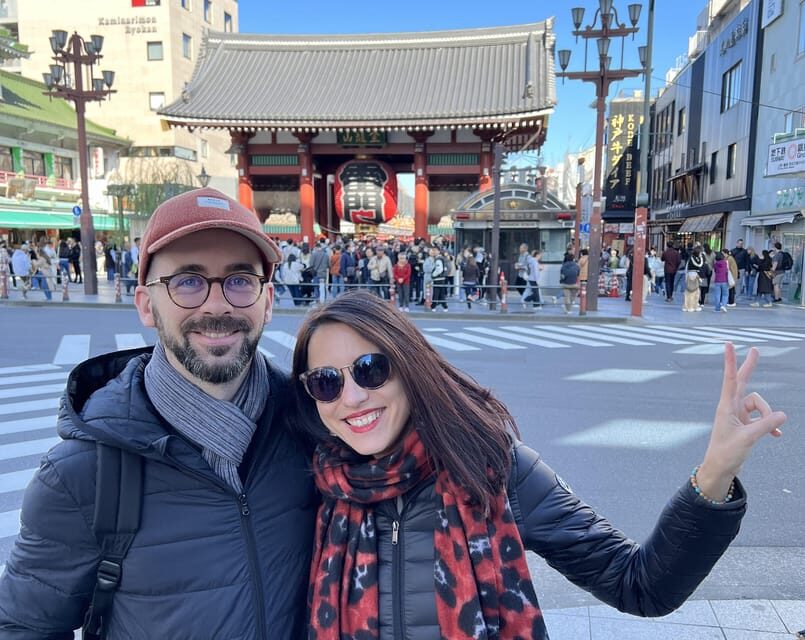
Asakusa is the kind of place where you can go sightseeing and still leave with a shrug. This tour aims to stop that. The core idea is simple: you treat each stop like a chapter. Kaminarimon leads you into the larger story. Sensō-ji and the surrounding shrine areas show you how belief lives in real space, not museum glass. Shopping lanes and back streets explain what people did with leisure, money, and community long before Shinjuku and Shibuya stole the spotlight.
The “big picture” framing matters because Japan’s modern identity makes more sense when you understand the older logic. You spend the walk decoding long periods of closure, then the shock of reopening—plus how cultural exchange changed how the world looked at Japan and how Japan looked outward.
And because it is timed to fit one half-day, you get a compact mental map: you can walk through Tokyo later without feeling like you’re just collecting stamps.
Meeting Point Near Asakusa Station and What the Small Group Does for You
You meet in front of a Burger King right next to Exit 4 of Asakusa subway station on the Ginza line (G19). The instructions are straightforward: step outside when you reach Exit 4, then look for the Burger King frontage.
The small group size (limited to 8 participants) changes the whole experience. In crowded temple streets, big groups either rush you through or force you to follow a funnel. A small group lets the guide adjust pace, regroup more easily, and spend time on the stuff that actually helps you understand what you’re seeing.
Headsets are included for groups of 3 or more, which is a quietly excellent detail. Asakusa can get noisy fast—hawkers, foot traffic, and the general “everyone is filming” energy. With headsets, you’re less likely to miss the point of a story because you were too busy craning your neck.
Practical tip: bring comfortable shoes and water. The tour runs all weather, so plan for wet sidewalks or cold wind off the river area.
From Kaminarimon to the Pier: Getting Your Bearings Fast
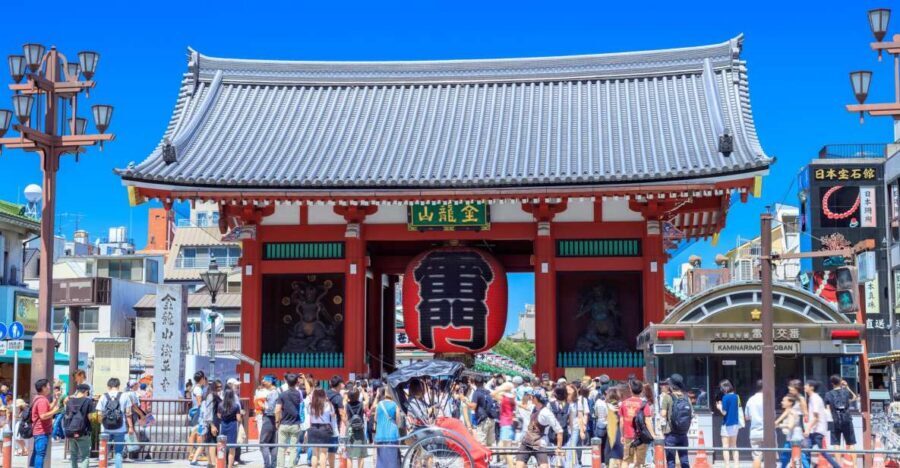
The walk begins at 2-chōme-20-6 Kaminarimon, and then you head toward the river-side area by the Asakusa Pier (Tokyo Cruise Asakusa Pier) for a short guided introduction. That quick orientation is useful. Asakusa’s history is tied to movement—people, goods, and ideas traveling through Tokyo’s waterways. Even if you are not on a boat, being near the pier helps you “read” the neighborhood differently.
Then you shift to the Asakusa Culture Tourist Information Center. This is one of the stops where the tour’s teaching style shows up: the guide uses symbolism and context to connect what you see to how Japan thought at different moments in its history. You are not just walking past buildings; you’re learning how to interpret them.
One detail you might enjoy if the guide mentions it: the tour includes a memorable explanation connected to cultural transition, and it is the kind of thing that sticks because it links a visible sign or symbol to a deeper historical pivot. It is also where the “isolation to opening” theme can start making sense.
Sensō-ji and Asakusa Shrine: Sacred Architecture Meets Street-Level Life
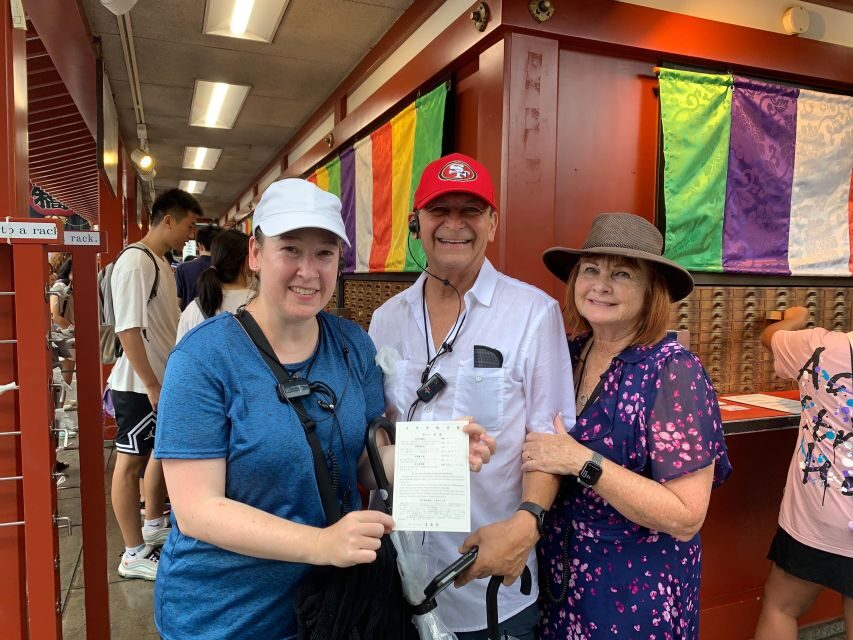
Sensō-ji Temple gets the longest guided time (around 45 minutes), and that is a clue to what the tour values. You do not get a fast walk-by. You get guided attention—enough time to notice the ways the temple’s presence shapes the surrounding streets.
The tour goes beyond the postcard angle. It treats Sensō-ji and nearby shrine space as examples of “how belief works in public.” In Japan, sacred and practical coexist. People come for worship, but the area around them also supports commerce, snacks, meetings, and everyday routines. This is one of the easiest lessons to take home from Asakusa.
After Sensō-ji, you visit Asakusa Shrine and a couple of related spots, including the Yōgō-dō Pavilion. The overall point is to show how different sacred spaces create a rhythm in the neighborhood. You’ll see how the architecture and rituals belong to the same city life, not separate worlds.
Tokyo at walking pace, a few more ways
A helpful way to think about it
If you have ever wondered why Japan can feel respectful and spontaneous at the same time, this stop explains that logic. People are not separating religion from daily life the way many visitors expect.
Nakamise to Hōzōmon: Why the Old Shopping Streets Feel Like Time Travel
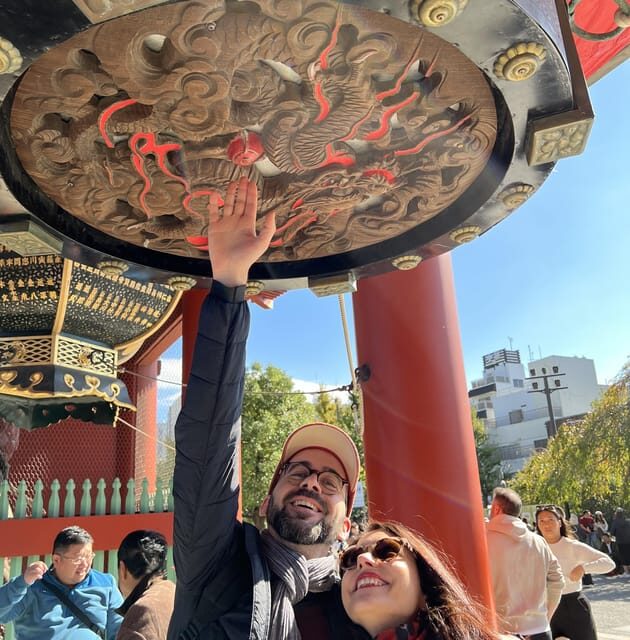
Nakamise Shopping Street is built for browsing. The tour keeps it focused. You get about 30 minutes here, with guidance that helps you understand what you’re seeing instead of just buying the first cookie-shaped souvenir.
Then you hit Hōzōmon gate, followed by more time around the temple complex. Gates in Japan are not just scenery. They are thresholds—literal and symbolic. The guide’s explanations help you treat the gate sequence as a kind of story structure: you move from outer city space into a more sacred interior zone, and the whole place starts to feel like a planned experience, not a random maze.
Hōzōmon also sets you up for a subtle lesson: Japan’s older culture isn’t frozen. Traditions can stay while the surrounding world changes. That is part of the Edo-era nostalgia theme, but it also connects to modern Tokyo.
The Two-Religion Lesson: How Shinto and Buddhism Share Worshipers
One of the tour’s most useful themes is its treatment of two major religions that coexist in Japan. The guide explains how Buddhism and Shinto can complement each other, and how people may participate in both without feeling like they are choosing one “team.”
You’ll feel this lesson through the route itself. You’re not sent to a single temple type. You move through a mix of temple and shrine-linked spaces, plus a pavilion visit (Yōgō-dō) that reinforces the idea that sacred traditions overlap in everyday neighborhood life.
The “why they coexisted peacefully while sharing the same worshipers” is the kind of question this tour asks out loud. It turns the common visitor confusion into something practical: you start noticing how rituals and beliefs can be layered rather than replaced.
A fun added angle the tour mentions is about dragons and cultural parallels with the West. Even if you don’t make it your main focus, it is a good reminder that Japan has long been in conversation with ideas beyond its borders.
Isolation, Reopening, and Global Ripples You Can Actually Explain
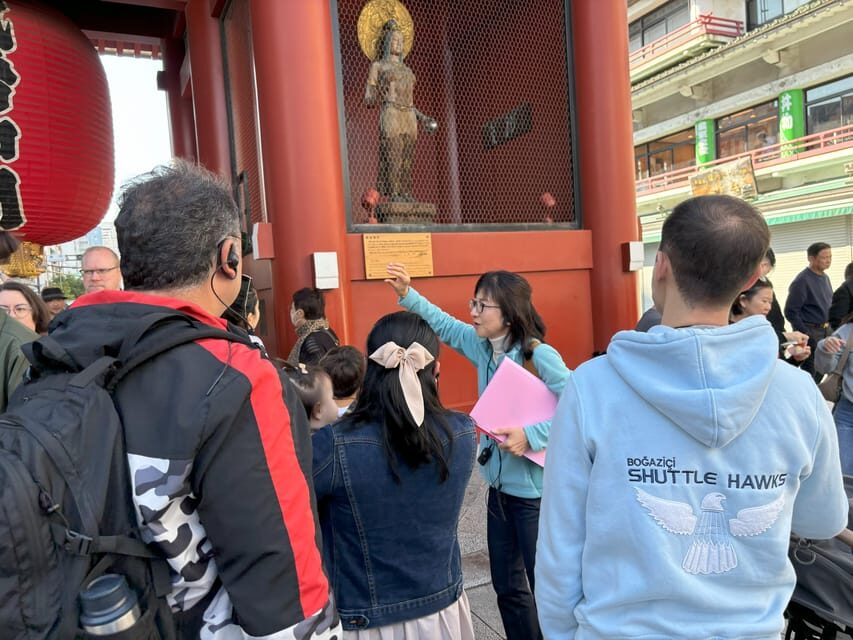
This is where the tour earns its big-picture label. You look at how Japan chose to close itself for long stretches, why it selected the Netherlands as its key trading partner when it isolated itself, and how the reopening period changed everything.
You’ll also see the tour connect Japan’s 19th-century art to the wider world. The link to French Impressionist painters is specifically part of the story. That matters because it shows cultural exchange not as a one-way “influence,” but as a shared moment when artists and audiences changed their ways of seeing.
The real value for you is not memorizing dates. It is walking away with an explanation that makes sense when you later see Japanese design elements in museums, books, or modern media. You’ll have a framework.
Sacred Meets Secular: Entertainment Streets, Narrow Lanes, and Hoppy Energy
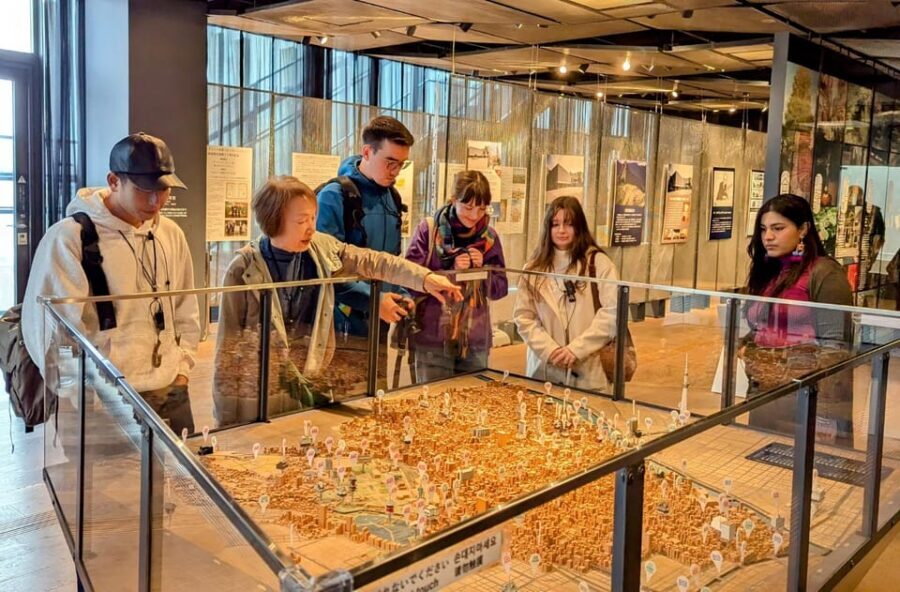
Around the temple area, the tour steps into the “human scale” side of Asakusa. You explore the part of town that used to be a big entertainment zone before later districts became the main attraction. You also visit old-style lanes, including Hoppy Street, which gives a postwar working-class vibe—lively, resilient, and very much about people gathering.
This is a smart inclusion. Japan can look overly formal from a distance. But Asakusa shows you the daily reality: sacred places attract crowds, and those crowds shape the neighborhood’s economy, leisure, and atmosphere.
You also stroll Asakusa Nishi-sandō Shopping Street and spend time at Asakusa Mokubakan. Even if you do not leave with purchases, you leave with context for why these lanes exist and how old patterns still influence what you see today.
The tour’s tone on this section tends to be calm. You’re not being dragged through shops. The pacing gives you time to look, walk, and ask questions when something catches your eye.
Snacks, Breaks, and the Little Details That Save the Day
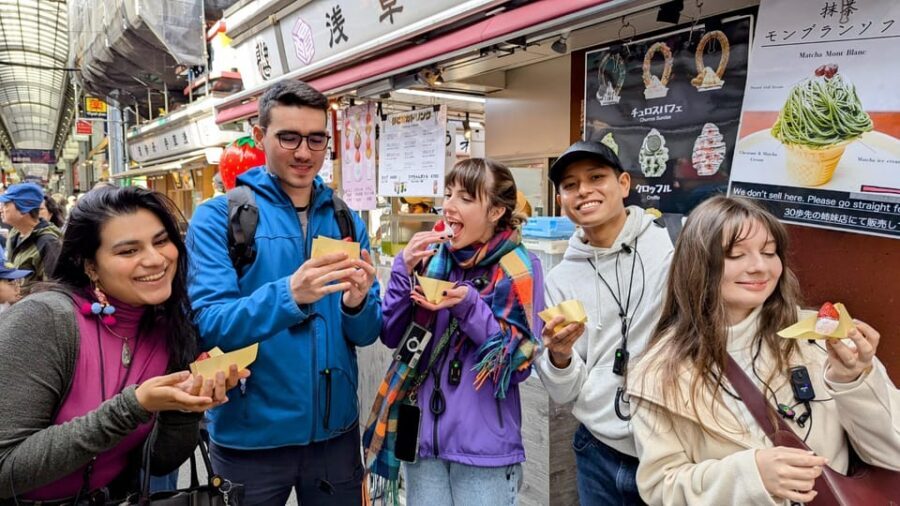
Snacks are included—freshly made traditional Japanese snacks and sweets—so you get a real break instead of the usual “walk fast, snack later” style. It is especially helpful during crowded temple hours, when food lines can eat up your momentum.
You’re also guided to manage the crowd flow. That sounds abstract, but it translates into practical comfort: fewer awkward stops, better spacing, and more time spent where the guide is actually pointing.
Weather note: the tour runs in all weather, and you should dress appropriately. If you end up in cold rain, plan for layers and grippier shoes. One of the strengths in this program is that the guide keeps caring about the group situation, not just delivering a script.
Who This Tour Is For (and Who Might Want Something Else)
This is best for you if you want more than a temple checklist. It’s aimed at adults recommended for the historical focus, but families can join too.
You’ll probably love it if:
- you like history explained through real places, not lectures
- you are curious about why Japan’s beliefs and daily life overlap
- you want a route that includes temple atmosphere plus street-level Asakusa
You should skip it if:
- you have mobility impairments (it is not suitable for that)
- you want a mostly relaxed shopping tour with minimal walking
Is It Good Value at $88 for 3.5 Hours?
At $88 per person for 210 minutes, the value comes from what is included and how the time is used. You are paying for an English-speaking certified guide, plus headsets for groups of 3 or more, plus traditional snacks. You also get a route designed around interpretation—each landmark is used as a doorway into isolation, reopening, religion, and cultural parallels.
If you were doing Asakusa on your own, you could cover the obvious sites. The question is whether you’d walk out with a clean mental explanation of isolation-to-opening, the two-religion overlap, and the global art connection. This tour is built to give you that coherent story in a tight timeframe.
A final nudge: check your expectations. If you want only photo spots and zero context, this will feel like work. If you enjoy learning while you walk, the price starts to make sense fast.
Should You Book This Asakusa Big-Picture History Walk?
If your Tokyo trip has one chance to get the “how Japan became Japan” explanation, I’d seriously consider booking this Asakusa history walk. The guide-led structure, small group size, headsets, and included snacks make it an efficient way to learn without turning the afternoon into a museum day.
Book it if you want:
- sacred space plus street life
- religion explained in practical terms
- history tied to visible symbols, gates, and neighborhood lanes
Skip it if you need a low-walking, fully flexible schedule, or if mobility is an issue.
Rated 4.7 with 39 reviews, it has a strong track record for guides doing more than reciting facts—keeping the pace manageable and helping you understand what you’re actually looking at. For many people, that combination is exactly what turns Asakusa from a stopover into a memory.
FAQ
How long is the Asakusa big-picture history walk?
The tour lasts 210 minutes (about 3.5 hours).
What does the tour cost?
The price is $88 per person.
Where do I meet the guide?
Meet in front of a Burger King restaurant next to Exit 4 of Asakusa subway station (G19) on the Ginza line. Step outside when you reach Exit 4.
What is included in the price?
You get an English-speaking certified guide, English audio support, headsets for groups of 3 or more, and a selection of freshly made Japanese traditional snacks and sweets.
Is hotel pickup or drop-off included?
No. Hotel pickup and drop-off are not included.
How big is the group?
The group is limited to a small size, with a maximum of 8 participants.
Does the tour run in bad weather?
Yes, it operates in all weather conditions. Dress appropriately for the conditions, and plan for walking on sidewalks that may be wet.
Is the tour suitable for people with mobility impairments?
No. It is listed as not suitable for people with mobility impairments.
What should I bring?
Wear comfortable shoes and bring water (vending machines are available, but bottled water is recommended).
Tokyo on Foot: More Walks


More Tour Reviews in Tokyo






Around Senso-ji: More Asakusa Picks
Fresh reviews from around Tokyo






Asakusa Tours, compared.
 ★ 4.8Japanese Dance Cabaret Theater Asakusa-Kaguwa TicketFrom $492,270 reviews
 ★ 4.7Meiji Shrine, Asakusa, Skytree Bus Tour and CruiseFrom $1221,986 reviews
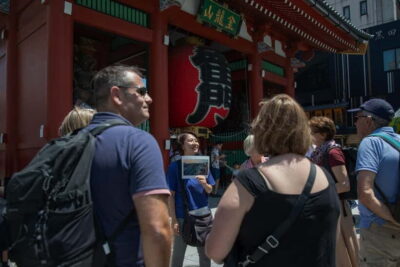 ★ 4.8Asakusa Walking Tour with Sensoji Temple VisitFrom $221,583 reviews
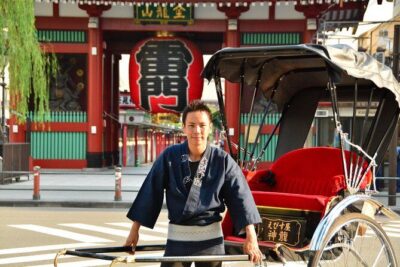 ★ 5.0Tokyo Asakusa Rickshaw TourFrom $421,375 reviews
 ★ 4.5Tokyo Panoramic 1 Day: Meiji Shrine, Asakusa, Odaiba and SKYTREE®From $851,222 reviews
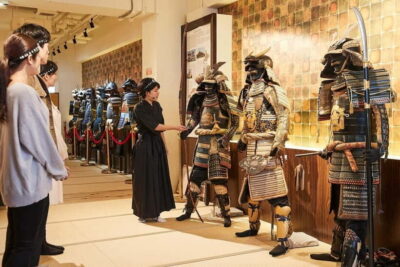 ★ 4.8Samurai Ninja Museum Asakusa: Samurai Sword Lesson & TourFrom $63306 reviews
Asakusa Sightseeing Tour by RickshawFrom $35195 reviews
Asakusa Kimono Dressing and Matcha ExperienceFrom $56173 reviews
★ 4.8Samurai Ninja Museum Asakusa: Samurai Sword Lesson & TourFrom $63306 reviews
Asakusa Sightseeing Tour by RickshawFrom $35195 reviews
Asakusa Kimono Dressing and Matcha ExperienceFrom $56173 reviews
Browse the lists this tour appears in