
Reviewed · ASAKUSA TOURS
Asakusa: 2-Hour History Walking Tour & Local Food Tasting
Asakusa feels like old Tokyo on foot. This 2-hour, history-meets-food walk takes you straight to Senso-ji (Tokyo’s oldest temple, built in 628) and then around nearby streets where locals have been snacking for generations. You also get a guided loop through a few standout shops that most first-timers would skip.
I especially like how this tour is not just photo stops. You’ll learn why Buddhism and Shinto coexist right next door at Asakusa Shrine, and you’ll understand the temple complex in a way that makes the area feel meaningful, not random.
One heads-up: meals and drinks are not included. You can snack along the way, but you should budget for the food you choose and have some cash available just in case you want to make a small offering or draw an omikuji paper fortune.
In This Review
- Quick Takeaways for Your Asakusa Walk
- Why a 2-Hour Asakusa Walk Makes Sense for First-Time Tokyo
- Senso-ji and Asakusa Shrine: Where 1400 Years Shows Up in Real Life
- Snack Time in Asakusa: How to Eat Like You Actually Live There
- Pro-Level Knife Shopping: What You’re Really Getting From That Stop
- Samurai and Ninja Gear Plus Tableware: Fun Souvenirs With a Purpose
- Meeting at Kaminarimon: Getting Oriented Fast in Asakusa
- Price and Value: Is $16 Worth It?
- Who Should Book This Tour
- Should You Book This Asakusa History Walk?
- FAQ
- How long is the Asakusa history walking tour?
- How much does the tour cost?
- Where do I meet the guide?
- What’s included in the price?
- Are meals or drinks included?
- Is the tour in English?
- Do I need cash even though the tour has no extra fees?
- Is hotel pickup included?
- What should I bring and wear?
Quick Takeaways for Your Asakusa Walk
- Senso-ji (built in 628): Tokyo’s oldest temple visit plus context for what you’re seeing.
- Buddhism and Shinto together: Asakusa Shrine is right nearby, and the guide explains how they coexist.
- Local street food tasting: You follow the guide’s top picks and eat what fits the moment.
- Pro chef knife shop stop: You’ll see serious blades and learn what’s worth looking at.
- Samurai and ninja gear store: Fun, practical shopping for costumes, props, and themed goods.
- Cute tableware shop: Easy-to-love souvenirs if you want something usable, not just decorative.
More mornings around Senso-ji and the old town
- Tokyo: Japanese Dance Cabaret Theater Asakusa-Kaguwa Ticket★ 4.8 · 2,270 reviews
- Tokyo: Asakusa Walking Tour with Sensoji Temple Visit★ 4.8 · 1,583 reviews
- Tokyo Asakusa Rickshaw Tour★ 5.0 · 1,375 reviews
Why a 2-Hour Asakusa Walk Makes Sense for First-Time Tokyo

Asakusa is one of those areas where walking really pays off. You’ll cover a tight route on foot and see landmarks that help you connect modern Tokyo to older traditions. And with a set 2-hour time window, you can fit this into a first day without feeling like you’re abandoning the rest of the city.
This tour is built around three things that work well together: major cultural sites, small local-food moments, and shopping stops that teach you what people actually buy. That mix is what makes the time feel efficient. You’re not just standing in lines or rushing through stalls.
Also, the guide is the glue. You start with a clear meeting point, move as a group, and get direction on what to eat and what to look for in stores. If you like feeling confident while you travel, that structure helps a lot.
Senso-ji and Asakusa Shrine: Where 1400 Years Shows Up in Real Life
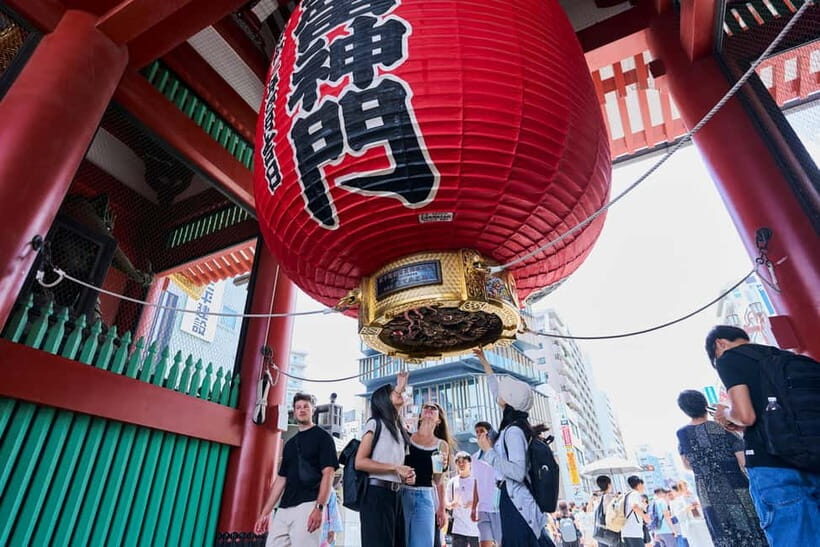
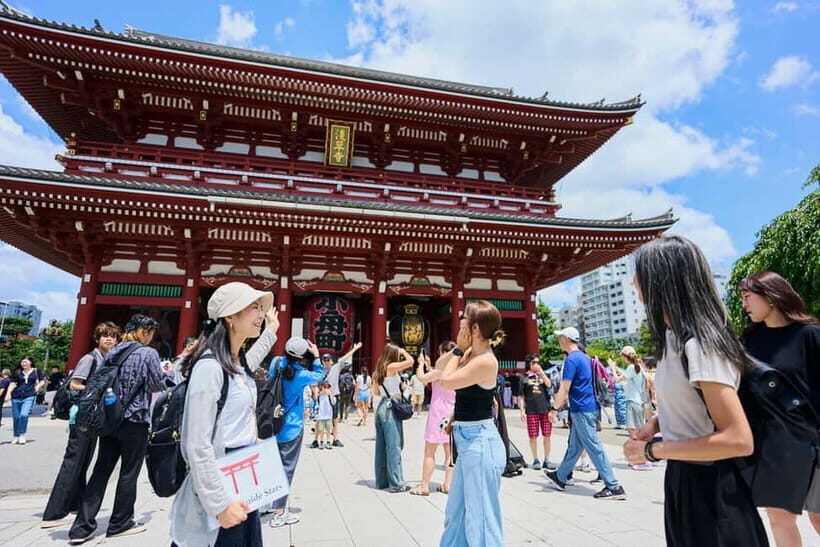
Senso-ji is the anchor of the whole experience. The temple is known as Tokyo’s oldest, with origins dating back to 628, and it carries a “this has been here forever” feeling in the best way. You’re not learning trivia for trivia’s sake. You’re walking through a place that has long been part of the city’s spiritual life.
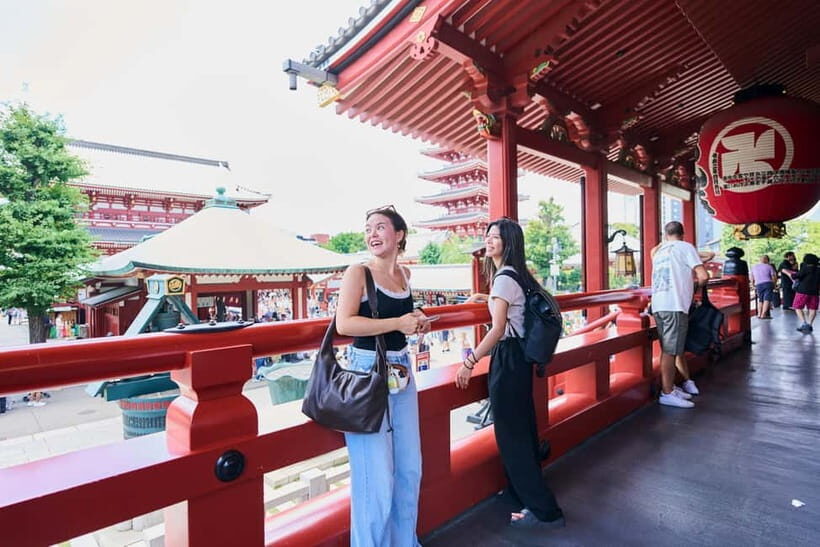
Right beside it is Asakusa Shrine, and this is where the tour gets especially useful. Japan’s religious landscape can feel confusing at first, but the guide explains how Buddhism and Shinto coexist in the same area. That helps you look at the sights with better context, like you’re reading the neighborhood instead of just sightseeing it.
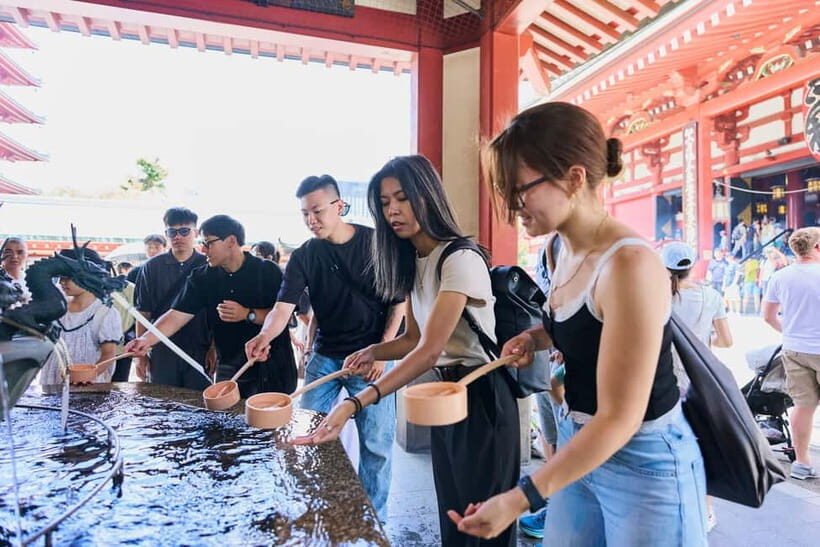
You might also feel the practical side of temple etiquette. While there are no extra fees on the tour, you could decide to make a small offering or draw an omikuji fortune-telling paper. The important detail: cashless payment is not accepted, so bringing some cash is smart if you want to participate.
One more practical note: this is still a temple visit, not a museum. Expect people coming and going, and plan to slow your pace for a bit to take in the atmosphere. Comfortable shoes matter here. You’ll be walking for the full 2 hours.
Snack Time in Asakusa: How to Eat Like You Actually Live There
The food part is not an afterthought. You’ll stroll through lively streets and snack like a local, sweet or savory depending on what the guide recommends. The tour includes help finding the right options, which is valuable in Asakusa because the area is full of choices and it can be easy to pick something that looks good but doesn’t match what locals go for.
I like that the tour treats food as part of the culture, not just a calorie stop. When you’re told what to look for, what to try first, and how to keep moving, you spend your time tasting rather than aimlessly hunting.
Your included experience includes the guide’s top picks for local eats, but it also clearly states meals and drinks are not included. That’s actually a good thing. It means you can sample without feeling like you’re stuck with a one-size-fits-all meal you didn’t choose. You’ll pay for what you want, based on what you’re in the mood for that day.
If you want the smoothest experience, keep your snack mentality simple:
- Try a small sweet and a small savory if you can.
- Save room for shopping stops, since some shops are close enough that you don’t want to overcommit on a heavy meal.
Because the tour is only 2 hours, speed is gentle but real. You’ll enjoy it most if you treat the food as guided sampling, not a full sit-down restaurant outing.
Pro-Level Knife Shopping: What You’re Really Getting From That Stop
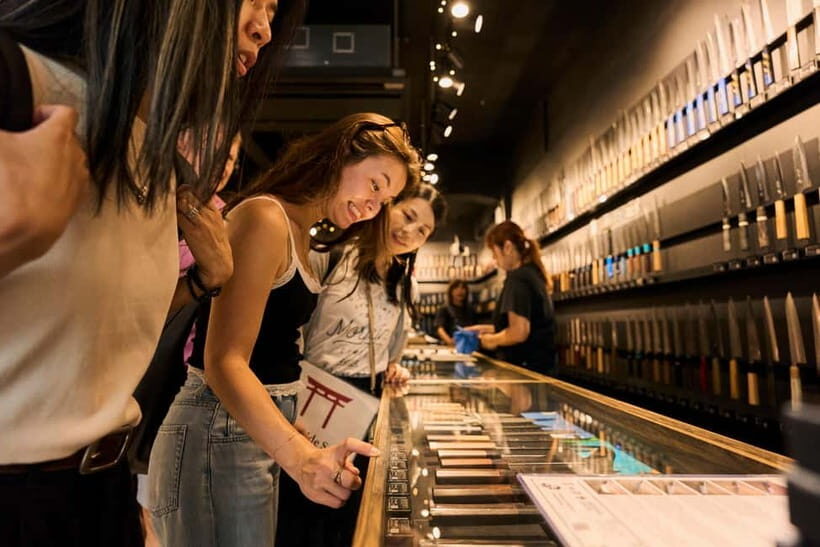
One of the most interesting inclusions is the pro chef knife shop. This is not just a souvenir pit stop. The tour takes you into a store where you can see high-quality blades and understand the kind of kitchen gear that’s taken seriously in Japan.
Even if you don’t plan to buy, you’ll get value from looking. The guide’s presence matters here, because it helps you focus on what’s worth paying attention to rather than getting distracted by flashy displays. You’ll also get a sense of how knives are treated as tools, not just collectibles.
From a traveler’s standpoint, the knife stop is a great way to bring home something that feels practical. It’s also a conversation starter. Back home, the story of why you picked it up in Asakusa tends to be more interesting than generic branded items.
That said, there’s one reality to keep in mind: shopping is still shopping. If you’re not into buying anything, this part may feel shorter than the temple stops. But if you like craft and function, this stop can be genuinely satisfying because it connects you to everyday Japanese life in a way that’s easy to understand.
Tokyo at walking pace, a few more ways

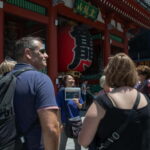
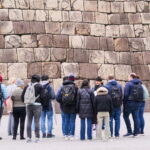
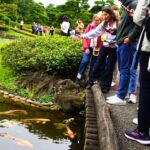
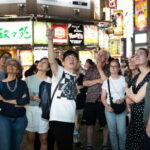
Samurai and Ninja Gear Plus Tableware: Fun Souvenirs With a Purpose
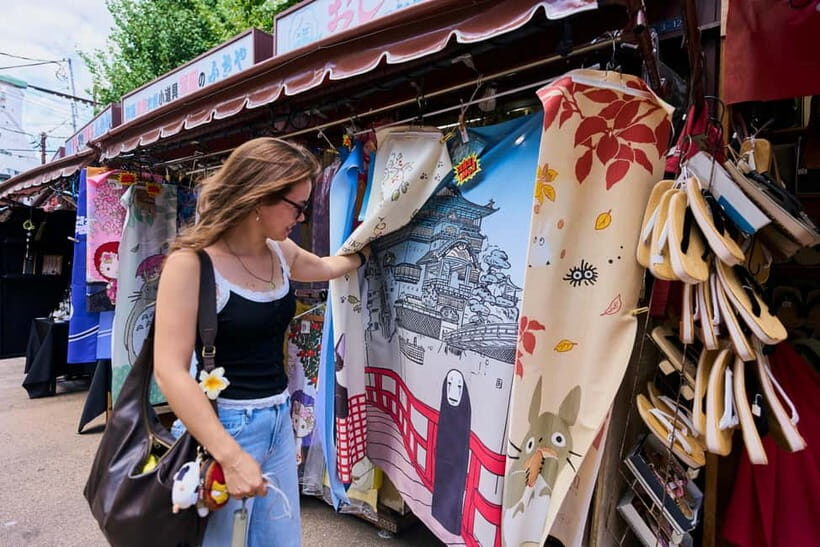
After the knife shop, the tour shifts into a more playful shopping zone. You’ll visit a store for samurai sword and ninja gear—the kind of themed goods that can be tempting even if you’re not a costume person. This is a fun stop, but it’s also more than pure novelty. It shows how historical imagery gets carried into modern pop culture and everyday retail.
Then you’ll end up at a cute Japanese tableware shop, which is one of my favorite types of souvenir hunting. Tableware is useful, easy to pack with care, and it doesn’t require a huge storage commitment once you get home. If you like the idea of bringing back something you’ll actually use, this is the safer bet than random knickknacks.
The big advantage of having these shops included is that you’re not doing solo decision-making in a crowded area. The guide brings you to places that fit the tour’s style: temple-and-streets culture in the first half, then practical and fun retail in the second half.
Meeting at Kaminarimon: Getting Oriented Fast in Asakusa
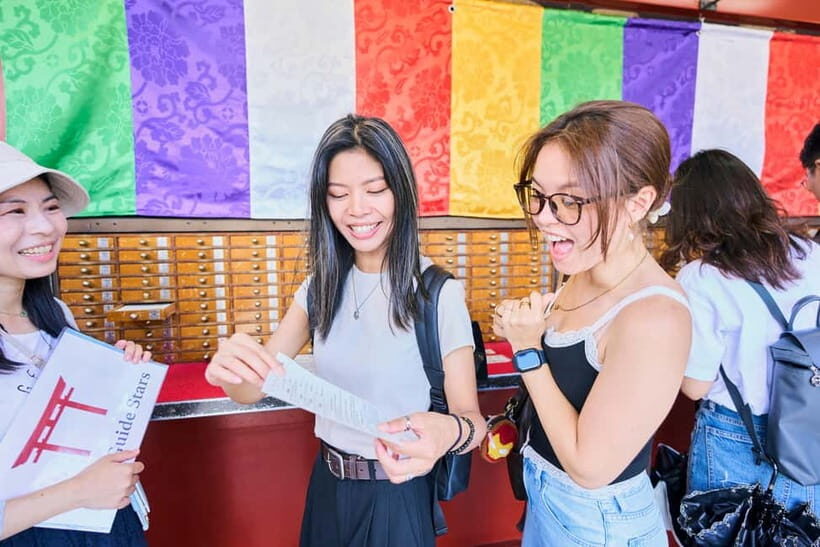
Logistics are simple, but they matter in Asakusa because it’s a maze of lanes, shops, and foot traffic. You meet in front of the Kaminarimon Police Box at Asakusa Station, with a guide holding a sign that says Local Guide Stars. That makes the starting point easier to confirm, especially if you’re jet-lagged.
The tour ends back at the meeting point. That’s a big deal for planning. You can grab lunch nearby, continue exploring Asakusa on your own, or just head back toward your hotel without worrying about transit or finding a distant finish point.
Since this is an English-language tour, you should feel comfortable asking follow-up questions as you walk. The main thing is to keep up with the group pace and to stay aware of where you’re being led next. At temples and shops, small detours can add up quickly if you’re constantly stopping for photos.
Price and Value: Is $16 Worth It?
At $16 per person for a 2-hour guided walking tour, you’re paying for three kinds of value: direction, context, and time efficiency.
First, you get a local guide. In Asakusa, a guide helps you understand what you’re looking at, including the temple history framing and the explanation of how Buddhism and Shinto coexist at the nearby shrine. That kind of interpretation is hard to do quickly on your own.
Second, you get help with the food tasting. You’re not just walking past stalls and guessing. The tour includes the guide’s top picks for local eats, so you spend your time sampling rather than doing trial-and-error.
Third, the shopping stops add structure. The tour doesn’t just say go look at stores. It includes a pro-level knife shop visit, plus a samurai/ninja gear store and a tableware shop. That’s a lot of different “mini-experiences” packed into two hours.
One more value detail: meals and drinks are not included. That keeps the price lower, but it also means you’ll need to budget for the snack choices you make. If you’re the kind of traveler who likes sampling without committing to a big meal, this pricing structure can feel very fair.
Who Should Book This Tour
This tour is a strong match if you’re:
- A first-time visitor to Tokyo who wants a guided taste of old-school Asakusa
- Interested in temple culture and want the basics explained in plain language
- Curious about Japanese everyday crafts, especially knives and tableware
- Comfortable doing a 2-hour walking plan with breaks built in by the flow of the route
It may be less ideal if you only want museum-style sightseeing with no shopping. There are stops for retail, and the experience includes them on purpose.
Should You Book This Asakusa History Walk?
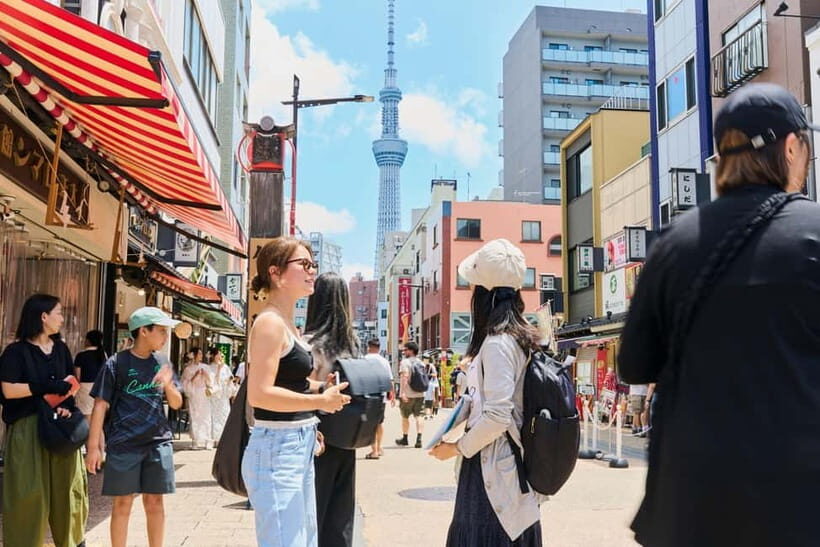
I think you should book this tour if you want a simple, guided way to hit the must-see spiritual sights plus a few shopping stops that actually fit the theme. The combination of Senso-ji, the nearby Asakusa Shrine explanation, and the street food tasting is the heart of it, and the pro knife shop adds a practical, Japan-specific angle.
Don’t overthink it: wear comfortable shoes, bring a bit of cash for temple-related offerings if you want to participate, and go with a snack-sized appetite rather than planning a full meal. For $16, you’re buying time saved, context delivered, and local food choices made easier.
If that sounds like your style of travel, this is a good pick.
FAQ
How long is the Asakusa history walking tour?
It’s a 2-hour walking tour.
How much does the tour cost?
The price is $16 per person.
Where do I meet the guide?
Meet in front of the Kaminarimon Police Box at Asakusa Station. The guide will hold a sign that says Local Guide Stars.
What’s included in the price?
You get a local guide, a walk through 1400 years of history at Senso-ji, visits to renowned knife shops, the guide’s top picks for local eats, and an explanation of how Buddhism and Shinto coexist.
Are meals or drinks included?
No. Meals and drinks are not included.
Is the tour in English?
Yes. The tour language is English.
Do I need cash even though the tour has no extra fees?
Cashless payment is not accepted, so it’s a good idea to bring some cash if you want to make an offering or draw an omikuji at the temple.
Is hotel pickup included?
No. Hotel pickup and drop-off are not included.
What should I bring and wear?
Bring comfortable shoes. The route is a walking tour, and weather can vary, so dress accordingly.
More Tours in Tokyo





More Tour Reviews in Tokyo




Around Senso-ji: More Asakusa Picks


Fresh reviews from around Tokyo






Asakusa Tours, compared.
 ★ 4.8Japanese Dance Cabaret Theater Asakusa-Kaguwa TicketFrom $492,270 reviews
 ★ 4.7Meiji Shrine, Asakusa, Skytree Bus Tour and CruiseFrom $1221,986 reviews
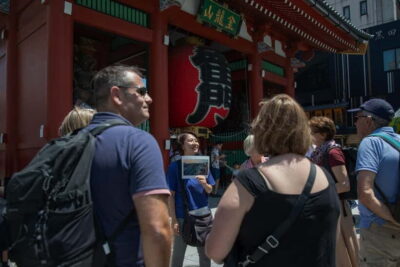 ★ 4.8Asakusa Walking Tour with Sensoji Temple VisitFrom $221,583 reviews
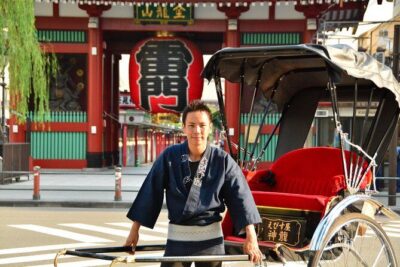 ★ 5.0Tokyo Asakusa Rickshaw TourFrom $421,375 reviews
 ★ 4.5Tokyo Panoramic 1 Day: Meiji Shrine, Asakusa, Odaiba and SKYTREE®From $851,222 reviews
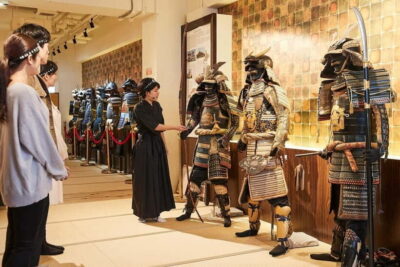 ★ 4.8Samurai Ninja Museum Asakusa: Samurai Sword Lesson & TourFrom $63306 reviews
Asakusa Sightseeing Tour by RickshawFrom $35195 reviews
Asakusa Kimono Dressing and Matcha ExperienceFrom $56173 reviews
★ 4.8Samurai Ninja Museum Asakusa: Samurai Sword Lesson & TourFrom $63306 reviews
Asakusa Sightseeing Tour by RickshawFrom $35195 reviews
Asakusa Kimono Dressing and Matcha ExperienceFrom $56173 reviews
Browse the lists this tour appears in