
Reviewed · TSUKIJI FISH MARKET TOURS
10 kinds Sake Tasting Experience in Tsukiji with local!!
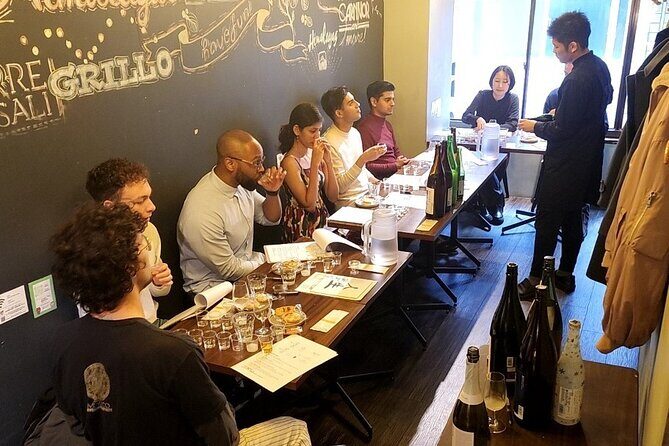
Sake labels start making sense fast. This private Tsukiji-area tasting pairs about 10 sake styles with a local enthusiast who explains what you’re tasting and why it matters. I like how the mood stays relaxed, so you’re learning without feeling like you’re in a classroom.
My second favorite part is the structure. You get basic guidance on how to drink sake, then you move through quality and style differences, with handy materials like info sheets or a booklet, plus snacks between samples. One small catch: the meeting place is tied to a specific restaurant, and it can be a little tricky to spot if you’re not using a map pin.
In This Review
- Key highlights at a glance
- Tsukiji-area sake tasting, guided like a local dinner plan
- Where it happens and what to expect when you arrive
- Ten sake samples: the smartest way to learn taste differences
- Brewing basics you can use right away
- Junmai vs Daiginjo: understanding the label without getting stuck
- Regional differences: Japan through rice wine
- Etiquette and drinking rituals: no awkward moments
- Snacking and pacing: the quiet reason the experience works
- Who this suits best (and who might want a different option)
- Price and value: is $62.40 a good deal?
- Practical tips so you get the most from your session
- Should you book this Tsukiji sake tasting?
- FAQ
- How long is the sake tasting experience?
- How many sake varieties will I taste?
- Is this a private experience?
- Where do I meet for the tour?
- Does it require a printed ticket?
- Is the experience near public transportation?
- What is the price?
- What’s the cancellation policy?
Key highlights at a glance
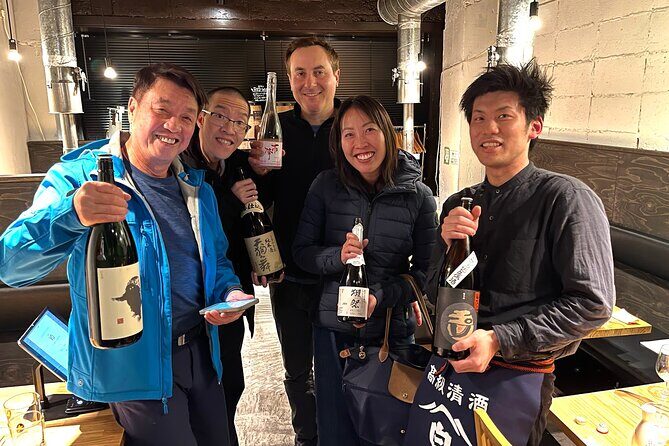
- About 10 sake varieties in one session, so you get real contrast instead of one-note tasting
- Local guidance on brewing, labels, and how to taste like a pro (without being pretentious)
- Sake etiquette and drinking basics, so you don’t worry about doing it wrong
- Snacks between pours, which helps you pace the tasting
- Private group format, meaning more conversation and Q&A for your questions
Still hungry? More Tsukiji breakfasts and market walks
- Tokyo Tsukiji Fish Market Food and Culture Walking Tour★ 5.0 · 3,184 reviews
- Tokyo: Tsukiji Fish Market Food and Walking tour★ 5.0 · 1,724 reviews
- Tokyo: Tsukiji Fish Market Guided Walking Tour★ 4.9 · 1,397 reviews
Tsukiji-area sake tasting, guided like a local dinner plan
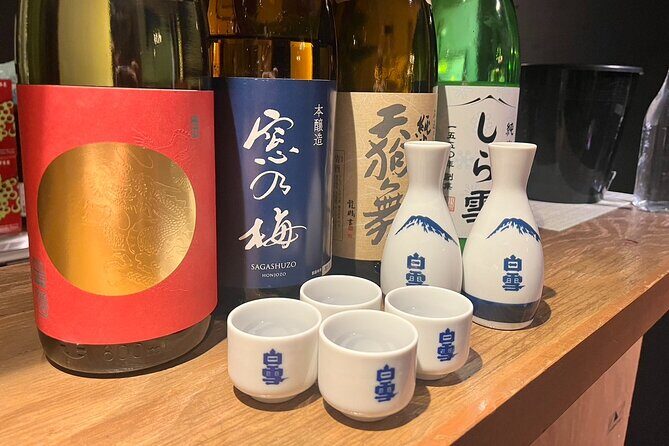
If you want sake to feel less mysterious, this is a solid place to start. Instead of treating sake like one generic drink, you taste across styles and learn the language behind the label, the process, and the rituals. It’s hosted in the Tsukiji/Shintomi area, at nomuno, so you’re in the middle of Tokyo’s food-and-drink orbit.
This is also a good option if you’re food-focused. The session blends learning with a casual atmosphere, plus snacks that keep things comfortable as the glasses add up. And because it’s private, you can ask questions that match your interests, whether you care about brewing, etiquette, or regional differences.
Where it happens and what to expect when you arrive
You meet at Wagyu Yakiniku & Sake all-you-can-drink Niku-no-Himalaya, at nomuno in Shintomi (Chuo City). The activity ends back at the meeting point, so you’re not juggling multiple locations or transit stops.
In practice, plan to arrive a bit early and use your phone map. One of the most practical tips from the experience is that the posting photos can help, because the place is very specific. Once you’re inside, the format is straightforward: you get a host/guide, some basic intro material, and then the tasting begins.
The session runs about 1 hour 30 minutes. That’s short enough to stay energetic, but long enough to try around 10 different sakes and still have time for explanations. You’ll also be given a mobile ticket, which keeps check-in simple.
Ten sake samples: the smartest way to learn taste differences
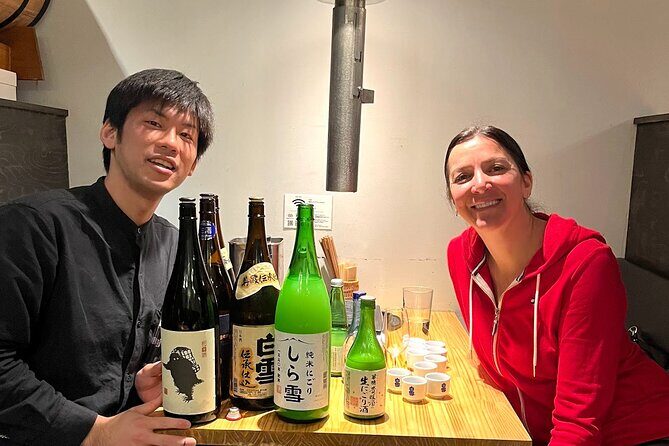
The big promise here is simple: you taste around 10 sake varieties and learn the difference between them. That works because it forces your palate to compare, not just admire. If you try one “great” sake, your brain tends to stop there. With many pours, you start noticing patterns like dryness, softness, aroma, and finish.
A helpful detail from what’s been shared is that the tasting moves in an orderly way, often from simpler or lower-quality categories up toward higher-end styles. That’s not just for show. It gives you a baseline, so when the flavors change, you can actually connect the change to what you learned.
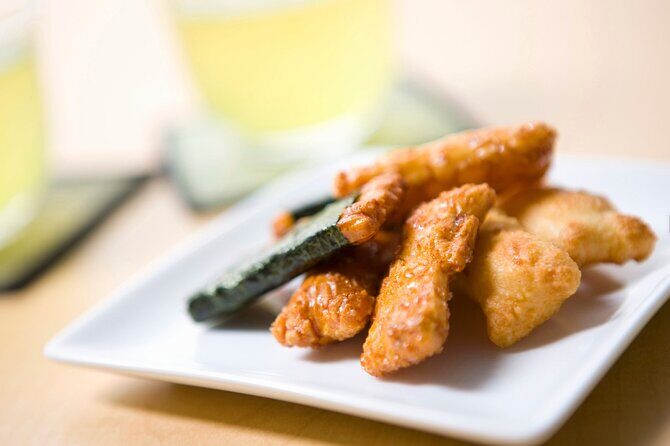
You also get snack breaks during the session. That matters more than people think. Sake is easy to drink fast, but flavors get clearer when you’re not overwhelmed. The included snacks like nuts and soy beans can help reset your palate between samples.
Brewing basics you can use right away
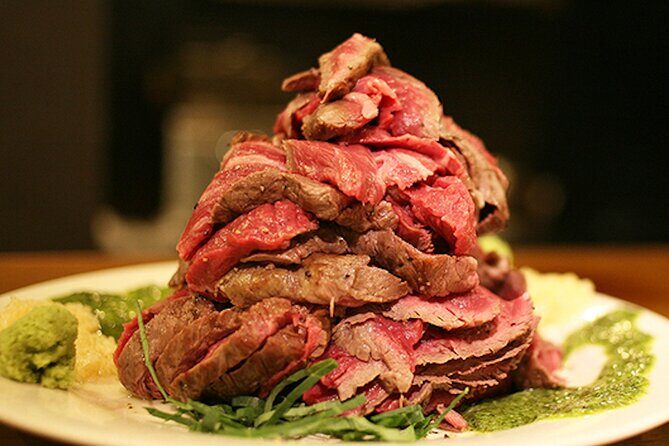
You don’t need a chemistry degree to enjoy sake, but it helps to know what you’re looking at. Your guide covers sake in general, including how it’s made and what differs between styles. Expect explanations that connect process to flavor, like how fermentation and ingredient choices affect the way the sake tastes.
This is where the local touch really helps. A guide can explain what the labels mean in real language, not just in official terms. And if you’re traveling with a language barrier, the guidance is designed to keep things clear so you can follow along and ask questions.
Another round: more sake tastings
Junmai vs Daiginjo: understanding the label without getting stuck
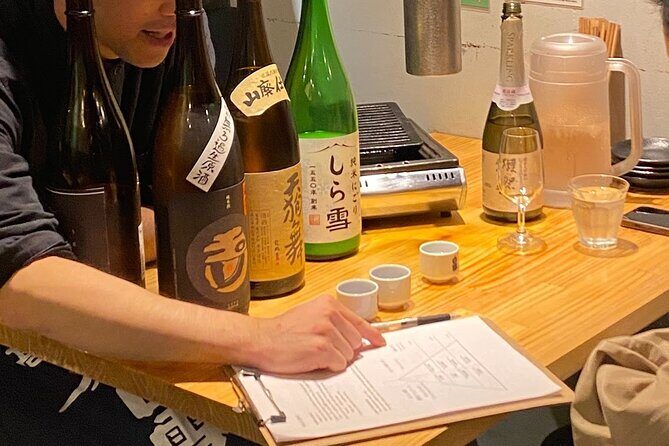
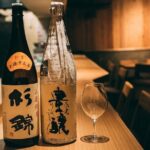
One of the clearest parts of the session is the explanation of sake quality classification, including terms like Junmai and Daiginjo. These labels can look like alphabet soup when you’re standing in a shop, trying to pick a bottle on your own.
In the tasting, you’ll get the idea behind the categories and how they connect to the brewing choices. You also learn what those labels are trying to tell you in practical terms: how the sake may taste, how it tends to feel on the palate, and what kind of drinkers usually enjoy it.
The best part is that it’s taught through your actual experience. You’re not memorizing definitions first. You taste, then the guide ties your reaction to the category.
Regional differences: Japan through rice wine
Sake can taste surprisingly different depending on where it’s made. That’s why the session includes comparisons of sake from different parts of Japan. Your guide walks you through how those regional approaches can affect flavor and style.
This part is especially valuable if you like variety in your food travel. Tokyo has tons of sake bottles, but without a guide you might end up only buying what sounds cool. With regional context, you’ll start thinking: Do I want something that feels light and clean? Something that leans smooth? Something with a more noticeable finish? You learn how to ask better questions.
Etiquette and drinking rituals: no awkward moments
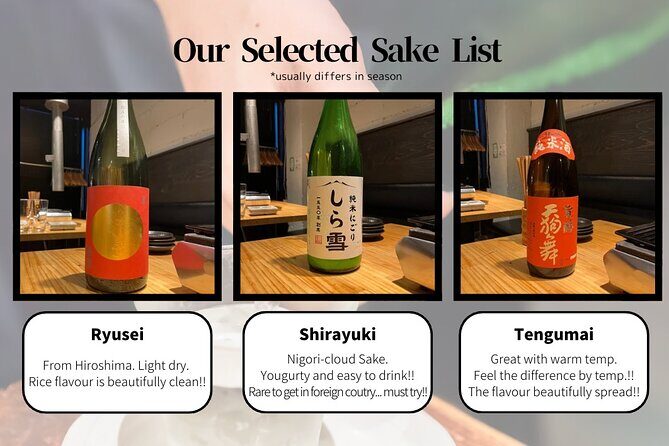
If sake etiquette makes you nervous, this is the right kind of class for you. The session covers the how-to basics, including how to drink sake and the etiquette around serving and tasting.
That doesn’t mean it’s stiff. In a relaxed private setting, etiquette is taught so you feel comfortable, not so you feel judged. It’s also a good way to learn what’s normal in Japan, since sake comes with more ritual than you might expect.
Snacking and pacing: the quiet reason the experience works
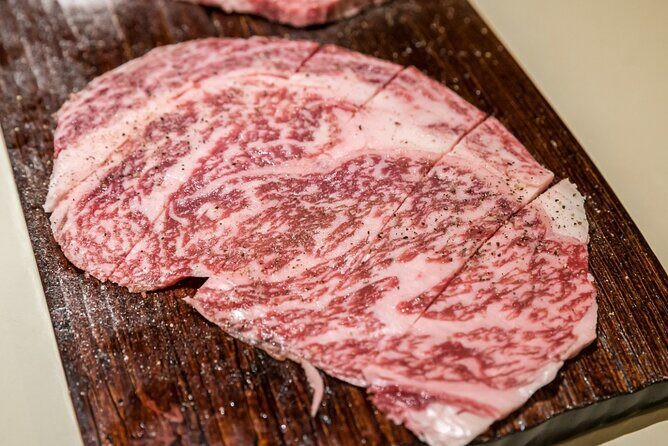
One practical advantage is that you’re not tasting “dry,” glass after glass. Snacks are included, and in the accounts shared, nuts and soy beans are part of the break between samples.
That helps in two ways. First, it keeps your energy steady for a 90-minute session. Second, it gives your palate a reset so the next sake doesn’t blend into the previous one. The pace is important, especially when you’re trying about 10 styles.
A small but smart tip: take your time with each pour. The guide’s explanations are most useful when you can actually compare what you tasted with what they’re saying.
Who this suits best (and who might want a different option)
This works best for three types of travelers.
- You want a structured way to learn sake without reading a textbook
- You enjoy guided conversation and want to ask questions as you go
- You’re a foodie who wants a tasting that connects flavors to culture and craft
It also fits solo travelers and couples, since it’s private and you’re not forced to share attention with strangers. One bonus from what’s been shared is that even if you book for a quieter time, the English support can make the experience easy to follow.
If you already know a lot about sake and you’re hunting for rare, ultra-specific bottles, you might find this more beginner-to-intermediate in focus. But for learning the big differences fast, it’s an efficient start.
Price and value: is $62.40 a good deal?
At $62.40 per person for about 1 hour 30 minutes, this is priced like a compact guided experience: a local host, around 10 tastings, explanation materials, and snacks. The value depends on one thing: you actually use the guide.
If you treat it like a simple drink session, you’ll feel the cost more. If you lean in, ask questions, and pay attention to categories like Junmai and Daiginjo, the money starts to feel reasonable because you’re buying time, structure, and translation of knowledge.
Also consider the format. A private experience usually costs more than a group class, but you get more flexibility for questions and pacing. The “mobile ticket” detail is minor, but it’s part of smooth logistics.
If you’re planning ahead, note that it’s commonly booked around a month in advance on average. I’d still suggest booking early so you’re not stuck with limited time slots.
Practical tips so you get the most from your session
Here are a few things that can make a noticeable difference.
- Use your map pin for the meeting spot near Shintomi, not just street browsing
- Plan to take it slow. The session includes about 10 varieties, so pace yourself with the snacks
- Ask one question early about what to look for in taste (dryness, aroma, finish) so your palate has a framework
- If you’re brand new to sake labels, lean on the guide to connect terms like Junmai and Daiginjo to real flavor
And if your guide is the chef/host at nomuno, like Matsu has been mentioned, that kind of food-focused perspective can make the explanations feel grounded in how sake is actually enjoyed.
Should you book this Tsukiji sake tasting?
I’d book it if you want sake to feel learnable in one evening. The combination of around 10 tastings, clear label/category explanations, and etiquette basics is exactly how you reduce confusion fast. It’s also a good value if you like guided conversation and you’ll actually pay attention.
Skip it if you’re mainly looking to party or if you already have deep sake knowledge and want something ultra-rare and technical. But for most people, this is an efficient, friendly, and genuinely useful way to understand Japan’s rice wine culture.
FAQ
How long is the sake tasting experience?
It lasts about 1 hour 30 minutes.
How many sake varieties will I taste?
You’ll taste around 10 different sake varieties during the session.
Is this a private experience?
Yes. It’s private, so only your group participates.
Where do I meet for the tour?
You meet at Wagyu Yakiniku & Sake all-you-can-drink Niku-no-Himalaya, at nomuno in Shintomi, Chuo City, Tokyo.
Does it require a printed ticket?
No. It uses a mobile ticket.
Is the experience near public transportation?
Yes. The meeting point is near public transportation.
What is the price?
The price is $62.40 per person.
What’s the cancellation policy?
You can get a full refund if you cancel up to 24 hours in advance of the experience start time.
More Tour Reviews in Tokyo






Tokyo by the Cup: More Sake Tastings
Back to the Market: More Tsukiji Tours



Fresh reviews from around Tokyo






Tsukiji Fish Market Tours, compared.
 ★ 5.0Tokyo Tsukiji Fish Market Food and Culture Walking TourFrom $993,184 reviews
 ★ 5.0Tsukiji Fish Market Food and Walking tourFrom $301,724 reviews
 ★ 4.9Tsukiji Fish Market Guided Walking TourFrom $221,397 reviews
 ★ 5.0Tokyo Sushi Making Class in Tsukiji with Professional ChefFrom $491,177 reviews
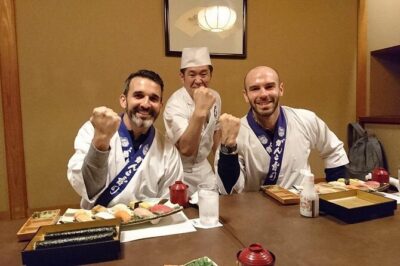 ★ 5.0Tsukiji Fish Market Guided Tour and Sushi Making with Pro ChefFrom $104775 reviews
★ 4.7Tsukiji Fish Market Food and Culture Walking TourFrom $96757 reviews
★ 5.0Tsukiji Fish Market Guided Tour and Sushi Making with Pro ChefFrom $104775 reviews
★ 4.7Tsukiji Fish Market Food and Culture Walking TourFrom $96757 reviews
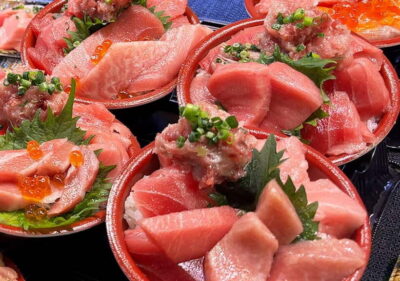 ★ 5.0Tsukiji Fish Market: Street Food & Culture Walking TourFrom $33669 reviews
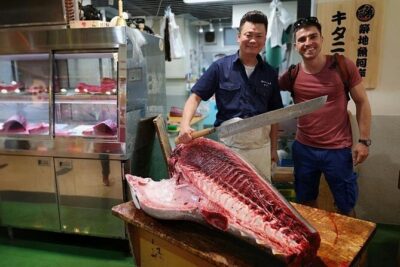 ★ 5.0Tsukiji Fish Market Small-Group Food Walking TourFrom $87621 reviews
Browse the lists this tour appears in