
Reviewed · TSUKIJI FISH MARKET TOURS
Tsukiji Fish Market: Street Food & Culture Walking Tour
Street food has a point. This walk brings you into Tsukiji’s outer market with an English-speaking guide who helps you make sense of what you’re seeing and eating. I like tours that turn the chaos into choices, and this one does that fast.
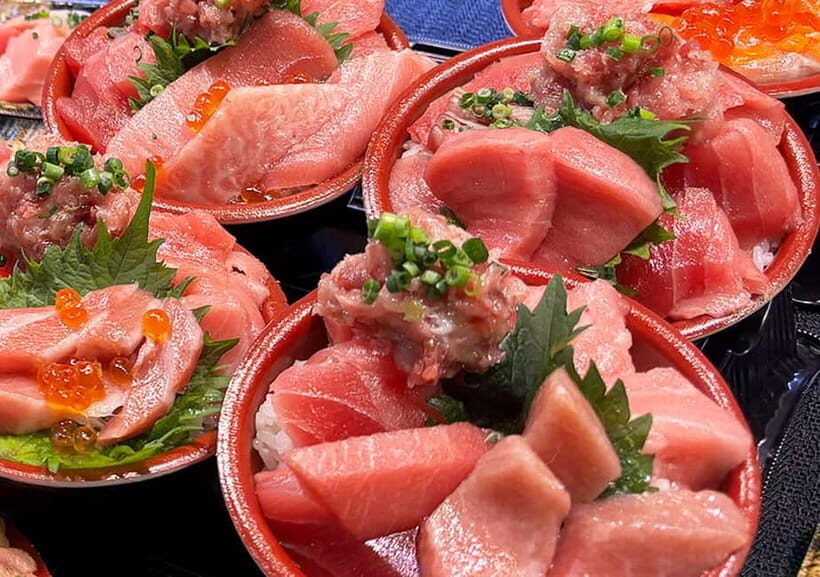
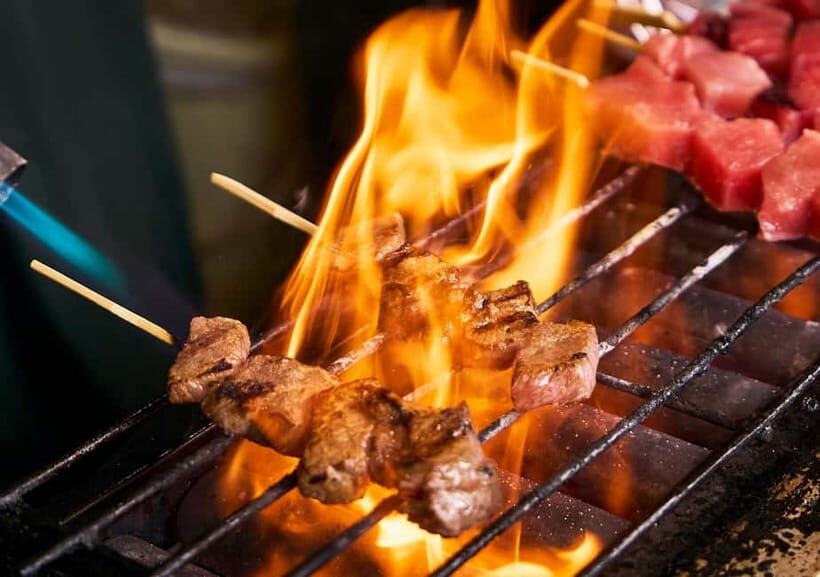
What I especially like: the fresh tuna and wagyu tastings (served as bite-size samples as you go), plus a special wasabi set that makes your food taste more precise. You also get explanations about Japanese cooking habits, including traditional preservation methods that help create that deep umami flavor.
One thing to think about before you book: on Wednesdays, Sundays, and national holidays, about half the outer-market shops may be closed. The tour still runs, but the feel can be different from a full market day.
In This Review
- Key things you’ll notice on this Tsukiji street-food walk
- Tsukiji on foot: why this market still matters
- Tsukiji Hongwanji Temple: your calm introduction before the food rush
- Outer Market route: street food that doesn’t require guesswork
- What you may taste: tuna, wagyu, eel, and classic street bites
- The wasabi extra: why it makes the tastings click
- Umami and preservation: the cooking logic behind Tsukiji flavors
- Meeting and walking logistics (so you don’t lose time)
- Days when the market isn’t fully open: what changes on Wednesdays, Sundays, holidays
- Price vs. value: $22 for food guidance and cultural context
- Who should book this Tsukiji street-food tour (and who might DIY)
- Booking check: should you go?
- FAQ
- How long is the Tsukiji Fish Market street-food & culture walking tour?
- How much does the tour cost?
- What language is the guide speaking?
- Where do I meet for the tour?
- Do I need cash?
- Will I get food tastings?
- Are shops open every day?
- Is the tour wheelchair accessible?
- Can I cancel for a refund?
Key things you’ll notice on this Tsukiji street-food walk
- Fresh wasabi set: that extra kick isn’t just a garnish, it sharpens the whole bite
- Temple start at Tsukiji Hongwanji: carvings, quiet interior, and a simple on-site introduction
- Outer market navigation: you’re guided to good stalls without wandering for hours
- Umami-focused food logic: you’ll understand why certain flavors keep showing up
- Small-group pacing: easier conversations, quicker ordering, less time lost
- Cash is needed: the market runs on real-world payment habits
Still hungry? More Tsukiji breakfasts and market walks
- Tokyo Tsukiji Fish Market Food and Culture Walking Tour★ 5.0 · 3,184 reviews
- Tokyo: Tsukiji Fish Market Food and Walking tour★ 5.0 · 1,724 reviews
- Tokyo: Tsukiji Fish Market Guided Walking Tour★ 4.9 · 1,397 reviews
Tsukiji on foot: why this market still matters
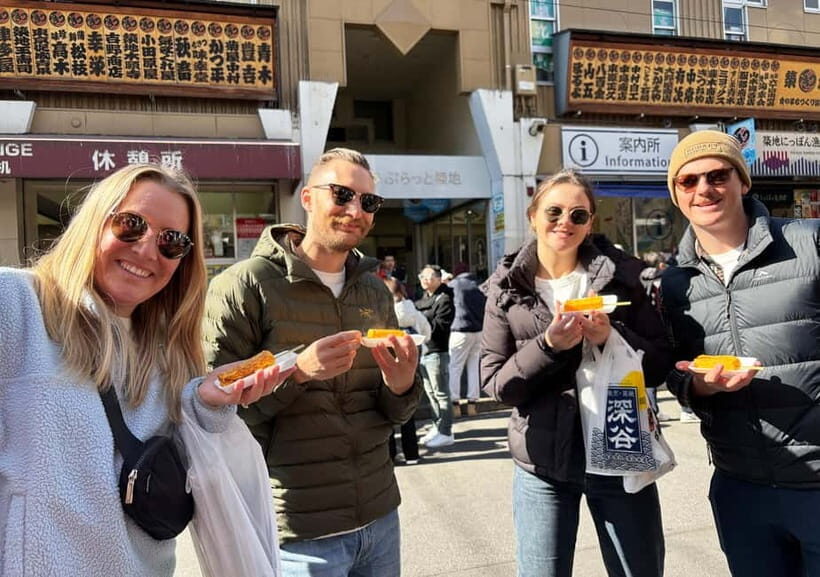
Tsukiji has been a centerpiece of Tokyo’s food scene for decades, and walking it the right way changes everything. On your own, it’s easy to see fish, snap photos, and still feel like you missed the point. With a guided route, you get a framework: what’s being sold, why it tastes the way it does, and how people actually shop and eat.
Also, this tour is built around two kinds of value. First, you get curated tastings so you don’t have to guess what to order. Second, you get cultural context—temple etiquette, ingredient stories, and the logic behind Japanese preparation methods.
At $22 for about two hours, it’s not trying to be a full day event. It’s more like a high-impact sampler: enough structure to guide your stomach, plus enough freedom to keep you interested after the tour ends.
Tsukiji Hongwanji Temple: your calm introduction before the food rush
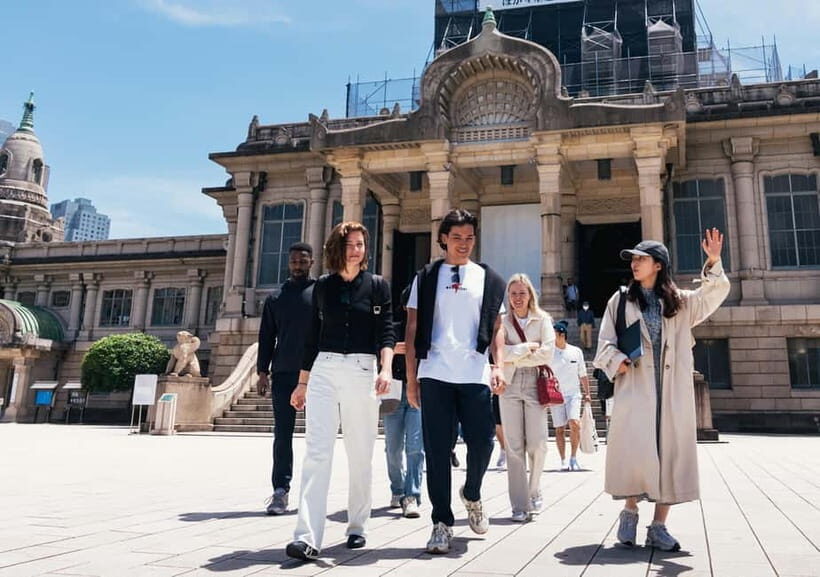
The walk starts at Tsukiji Hongwanji (Tsukiji Hongan-ji), and the temple stop is more than a photo break. Expect a guided visit (about 20 minutes) where you’ll notice the architecture and intricate details, then get an orientation that helps you understand what you’re looking at.
Some guides also explain the purpose of purification rituals you may see before entering sacred spaces. That matters because it changes how you behave. You stop treating the place like a backdrop and start treating it like a living part of the neighborhood.
Practical note: temples can feel warm and enclosed in Tokyo’s changing weather. If you’re sensitive to heat or want shade, wear breathable layers and plan on moving into the market soon after.
Outer Market route: street food that doesn’t require guesswork
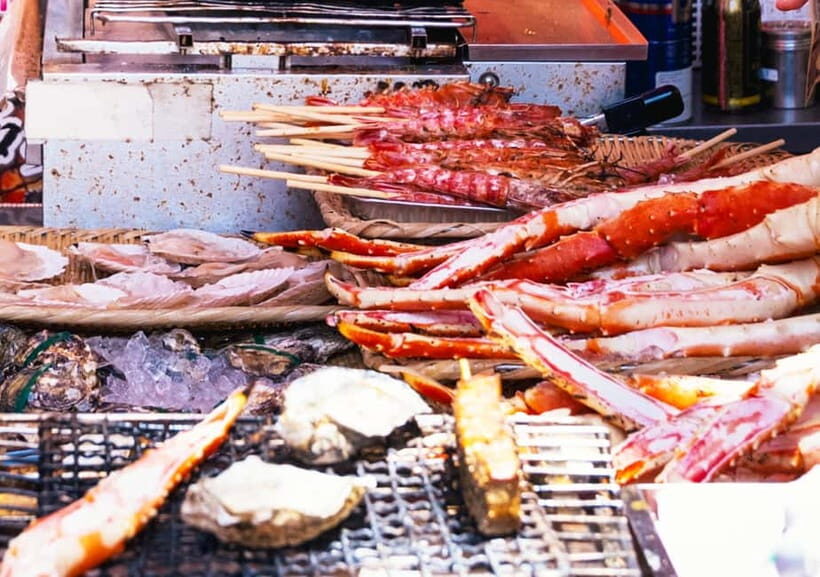
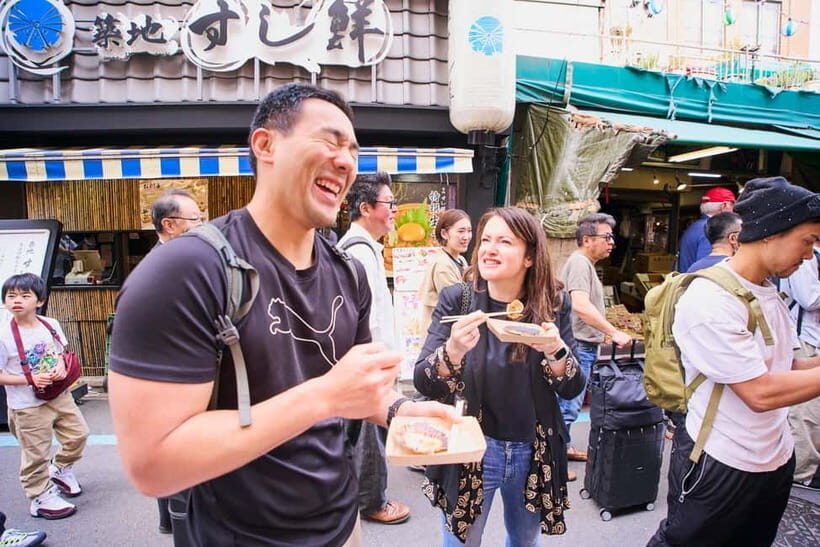
After the temple, you move into the Tsukiji outer market, where the whole area turns into a food maze. This is where you’ll spend most of your time, with guided walking plus tastings and a market visit.
The best part about having a guide here is not just language—it’s decision support. Market stalls look similar at first glance, but prices, freshness cues, and seasoning styles vary a lot. An experienced guide helps you compare what you’re offered and choose bites that match your comfort level while still keeping the experience exciting.
You’ll also get a better rhythm for browsing. Instead of drifting, you follow a path that connects food types and ingredients logically—so the samples feel like part of one story rather than random snacks.
Then there’s a second short guided segment (about 20 minutes) back in the outer market area, which helps you keep momentum. It’s a nice design: you taste, learn, and then return for a final look with sharper eyes.
What you may taste: tuna, wagyu, eel, and classic street bites
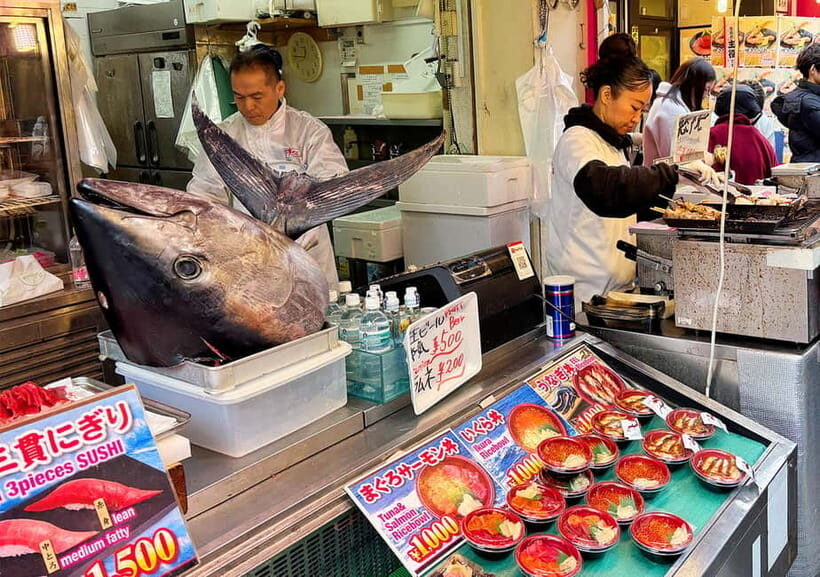
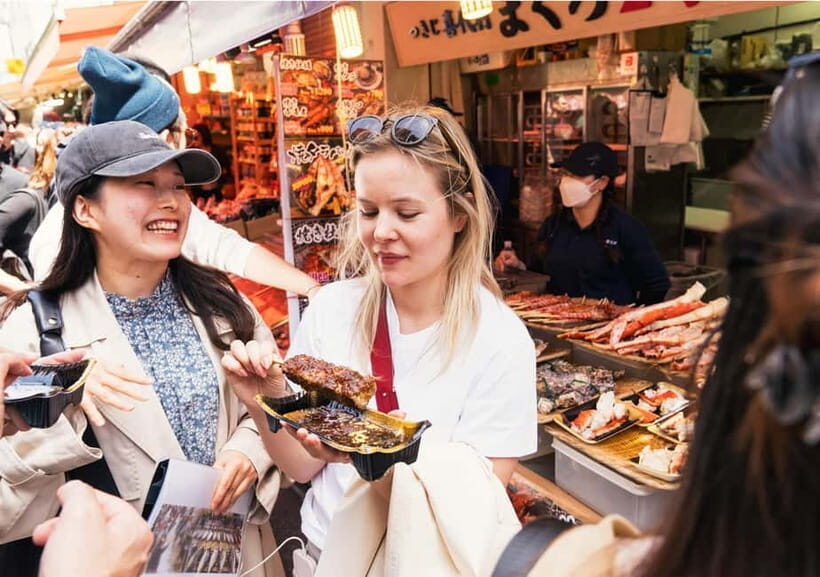
The core of this tour is food tasting, and the goal is clear: fresh ingredients, made simple into walkable portions. Based on what guides bring groups to sample, you can expect seafood favorites like fresh tuna prepared as sushi-style bites, plus dishes that highlight the market’s reputation.
Wagyu shows up too, often in formats that are easy to eat on the go. Reviews also point to choices like eel, grilled scallops, and skewered options such as octopus. Other common street-style bites include fish cake, dumplings, and omelette-like items.
Here’s why that matters for you: you get variety without having to commit to a full meal at a single stall. If you’re the type who gets stuck ordering the safe thing, the guide’s recommendations help you branch out. If you’re picky, you still get structure to avoid ordering something that doesn’t match your tastes.
One more small but real advantage: many guides help manage the line logic. In a place like Tsukiji, standing in the wrong line is a fast way to waste your appetite. Having someone coordinate with vendors can save time and reduce stress.
Tokyo at walking pace, a few more ways

The wasabi extra: why it makes the tastings click
One of the standout features is the special wasabi set. That’s not just a fun souvenir detail—it changes how you perceive the food.
Fresh wasabi has a sharper scent and a different heat pattern than the paste you might be used to. When you try it right after the flavors of seafood or grilled items, you get a cleaner, more “lifted” taste. It helps you notice seasoning choices and how fat and sweetness interact with heat.
Guides also tend to talk through how ingredients are handled and how preparation choices affect flavor. Some groups even mention getting fresh wasabi grated on-site or having wipes/napkins available to keep things comfortable. These are small things, but in a market setting, they keep the experience smooth.
So if you’ve ever wondered why Japanese flavors seem so precise, this is one of the simplest ways to feel it.
Umami and preservation: the cooking logic behind Tsukiji flavors
Tsukiji isn’t only about what’s fresh. It’s also about how that freshness and flavor intensity are maintained. A key part of the tour focuses on traditional preservation techniques that enhance umami.
What you’ll feel as a diner is this: many bites taste deeper than you expect for street food. That depth can come from how ingredients were treated before reaching stalls, plus how they’re finished at the counter.
This is also where the guide’s role matters. They connect the dots so you’re not just eating. You start recognizing patterns: certain textures, how sauces balance salty and sweet, and how seafood flavors are handled so they don’t get masked.
If you like food science without the lab vibe, you’ll enjoy this part.
Meeting and walking logistics (so you don’t lose time)
The tour duration is about 2 hours, and you’ll start and end around the Tsukiji Hongwanji area. Meeting point can vary depending on the starting option you book, but the coordinates given point you right into the neighborhood around Tsukiji Hongwanji.
This is a walking tour, so wear shoes you trust. Tsukiji floors and market alleys don’t always feel even, and you’ll move quickly between temple calm and market energy.
Small group is also part of the value. It makes it easier for your guide to respond to preferences—like if you want more seafood focus or you’d rather avoid something strongly spiced.
One more practical point: bring cash. The tour info explicitly says you should bring it, and that lines up with how many stalls operate.
Days when the market isn’t fully open: what changes on Wednesdays, Sundays, holidays
Tsukiji outer market has schedule quirks. On Wednesdays, Sundays, and national holidays, about half the shops in the outer market may be closed.
What this means for you in real terms: your route can still work, tastings can still happen, and tours still run. But the variety and number of open stalls may be lower, and the atmosphere can feel less like a full sensory marathon.
If you want the most complete market feel, aim for a day when more shops are operating. If you can’t, don’t skip the tour—just set expectations that the selection you see may be reduced.
Price vs. value: $22 for food guidance and cultural context
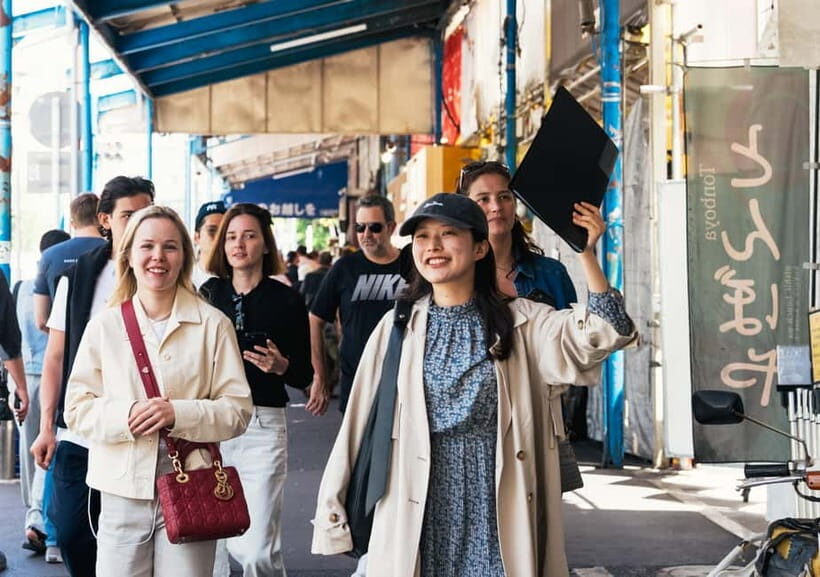
At $22 per person for roughly two hours, the value comes from efficiency. Market self-planning can cost you time, and time is what you’ll miss most in Tokyo food neighborhoods. This tour pays for that efficiency with guided tastings and built-in choices.
You’re not paying for a fancy sit-down meal. You’re paying for someone to help you:
- pick good stalls to try right now
- understand what you’re tasting and why
- avoid wasting your appetite on low-value decisions
And the wasabi extra is a nice bonus. The guide names you might be assigned vary (people like Kenny, Mao, Kawa, George, Chihiro, Tomo, Naoto, and others come up), but the pattern of strong recommendations and food-first pacing is consistent in the experience you’re buying.
If you like hands-on learning—food in motion—this price makes sense.
Who should book this Tsukiji street-food tour (and who might DIY)
This tour is a great fit if you want:
- a guided entry point into Tsukiji without spending hours figuring it out
- a quick hit of tastings like tuna, wagyu, eel, and other classics
- cultural grounding starting with Tsukiji Hongwanji Temple
- a small-group pace with an English-speaking guide
It may be less ideal if you already know exactly which stalls you want and you’re comfortable ordering in Japanese without help. Also, if you’re visiting on a day when many shops are closed, you’ll get a different market flavor—still good, but not at maximum variety.
If your goal is to get your bearings fast and eat well, this tour earns its spot.
Booking check: should you go?
Yes, you should book—if you want Tsukiji to feel like a smart plan, not a confusing maze.
I’d say book it especially if:
- you’re short on time in Tokyo
- you want fresh seafood tastings but don’t want to research for hours
- you care about understanding ingredients, preservation, and taste logic
- you like a small-group experience with an English guide
If your only goal is scenery or you’re fully committed to self-guided shopping, you might DIY. But if you want the market’s food culture to land in your day with less guesswork, this walk is a strong choice.
FAQ
How long is the Tsukiji Fish Market street-food & culture walking tour?
It runs for 2 hours.
How much does the tour cost?
The price is $22 per person.
What language is the guide speaking?
The guide is English-speaking.
Where do I meet for the tour?
The meeting point may vary depending on the option booked, but it’s around Tsukiji Hongwanji (coordinates: 35.66661467955698, 139.77199430835137).
Do I need cash?
Yes. You should bring cash.
Will I get food tastings?
Yes. The tour includes food tasting as part of the outer market experience.
Are shops open every day?
No. On Wednesdays, Sundays, and national holidays, about half of the shops in the Tsukiji Outer Market may be closed, so the experience can differ from usual.
Is the tour wheelchair accessible?
Yes, the tour is wheelchair accessible.
Can I cancel for a refund?
You can cancel up to 24 hours in advance for a full refund.
More Tours in Tokyo





More Tour Reviews in Tokyo




Back to the Market: More Tsukiji Tours




Fresh reviews from around Tokyo






Tsukiji Fish Market Tours, compared.
 ★ 5.0Tokyo Tsukiji Fish Market Food and Culture Walking TourFrom $993,184 reviews
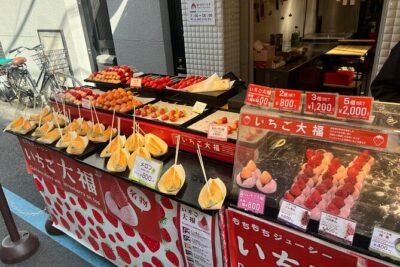 ★ 5.0Tsukiji Fish Market Food and Walking tourFrom $301,724 reviews
 ★ 4.9Tsukiji Fish Market Guided Walking TourFrom $221,397 reviews
 ★ 5.0Tokyo Sushi Making Class in Tsukiji with Professional ChefFrom $491,177 reviews
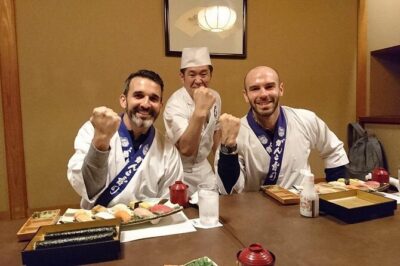 ★ 5.0Tsukiji Fish Market Guided Tour and Sushi Making with Pro ChefFrom $104775 reviews
★ 4.7Tsukiji Fish Market Food and Culture Walking TourFrom $96757 reviews
★ 5.0Tsukiji Fish Market Guided Tour and Sushi Making with Pro ChefFrom $104775 reviews
★ 4.7Tsukiji Fish Market Food and Culture Walking TourFrom $96757 reviews
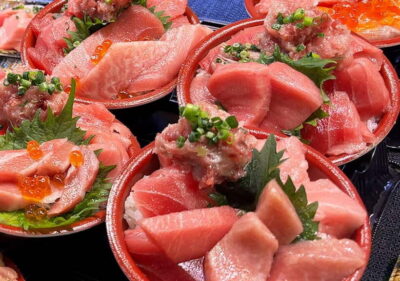 ★ 5.0Tsukiji Fish Market: Street Food & Culture Walking TourFrom $33669 reviews
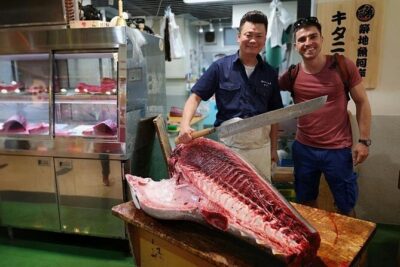 ★ 5.0Tsukiji Fish Market Small-Group Food Walking TourFrom $87621 reviews
Browse the lists this tour appears in