
Reviewed · IMPERIAL PALACE TOURS
Tokyo’s Imperial Palace & Nihonbashi Tour
Four hours, two Tokyo worlds.
This tour is a smart way to connect Tokyo’s most famous historic space with its everyday shopping streets—then add food tastings and hands-on crafts. You’ll start at Tokyo Station, walk through the Imperial Palace East Gardens, and finish in Nihonbashi with stops that focus on long-running trades.
I especially like the mix of sights and senses: the free palace grounds, plus tasting dashi and a set of sake. I also like the practical guide support, since you’ll be navigating Japanese history and shop culture with a national tour guide-interpreter.
One consideration: it’s a lot of walking, and weather can change the mood. If it’s windy, rainy, or very hot, you’ll want to be flexible, because the tour can end up being slower or shortened depending on conditions.
In This Review
- Key things to know before you go
- Imperial Palace East Gardens + Nihonbashi: why this combo works
- Start at Tokyo Station: a clean meeting point, then a long walk day
- Entering the East Gardens: ginkgo avenue, Otemon Gate, and Edo Castle ruins
- Nihonbashi after the Palace: from shogun-era routes to modern shopping streets
- Ninben dashi and Yamamoto Nori: taste what Japanese cooking is built on
- Kiya knives: seeing hundreds of utensils in a centuries-old shop
- Ozu Washi: Japanese paper making you actually do
- Toyama Prefecture Antenna Shop + sake set: regional flavor at the finish
- Walking, weather, and timing: how to plan for a smooth half-day
- Price and value: is $101.72 worth it?
- Who this tour is best for (and who might not love it)
- Should you book Tokyo’s Imperial Palace & Nihonbashi tour?
- FAQ
- How long is the Imperial Palace & Nihonbashi tour?
- Where does the tour start and where does it end?
- What’s included in the tour price?
- Is transportation to the meeting point included?
- Do I need to pay for the Imperial Palace East Gardens?
- Does the tour require good weather?
- How big are the groups?
- Can I cancel for a full refund?
- Is there a mobile ticket?
Key things to know before you go
- Imperial Palace East Gardens access is included: you get a guided visit inside the East Gardens area.
- Nihonbashi is the bridge: you connect Edo-era history with centuries-old food and craft stores.
- You get actual tastings: dashi soup stock sampling and a sake set are part of the experience.
- Hands-on washi is the big craft moment: Ozu Washi includes learning and making a sheet of washi.
- This isn’t just sightseeing: you’ll see tools and materials tied to Japanese daily life, from nori to knives.
- Guide quality makes a difference: several guide styles (like Mari, Michi, and Eriko) have been praised for pacing and Q&A.
Before you commit, see how this one stacks up against a few Tokyo favourites:
- Mt Fuji and Hakone 1-Day Bus Tour Return by Bullet Train★ 5.0 · 26,383 reviews
- 1-Day Tokyo Bus Tour★ 5.0 · 14,250 reviews
- Tokyo: teamLab Planets TOKYO Digital Art Museum Entry Ticket★ 4.6 · 9,779 reviews
Imperial Palace East Gardens + Nihonbashi: why this combo works
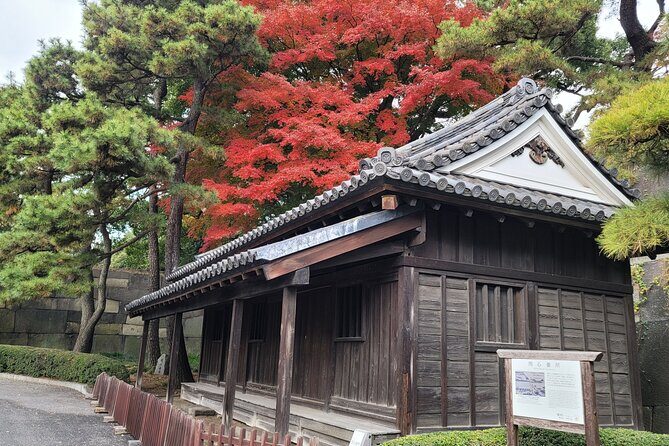
This is a half-day tour that tries to do something most Tokyo plans forget: it pairs a historic anchor with the working street culture that grew right alongside it. The Imperial Palace area gives you order, trees, gates, and the feeling of a walled-in past. Nihonbashi then shows you the other side of Tokyo—shops built around materials people use every day, like seaweed, soup stock, paper, and knives.
The flow matters. You’re not just “seeing things.” You’re walking from a symbolic center into a neighborhood that’s been tied to trade routes since the early 1600s. That’s why the stops feel connected instead of random.
Start at Tokyo Station: a clean meeting point, then a long walk day
Meeting at Tokyo Station is a convenience you’ll appreciate if you’re arriving from elsewhere in Japan or bouncing between neighborhoods. The tour runs about 4 hours, with multiple short stops and two longer blocks (the East Gardens and the washi stop).
Expect walking in both open areas and in-city streets. Most of the reviews you see for this kind of tour boil down to one thing: your shoes matter. Bring layers, and if you’re going in shoulder season or summer, bring a plan for sun or rain.
Entering the East Gardens: ginkgo avenue, Otemon Gate, and Edo Castle ruins
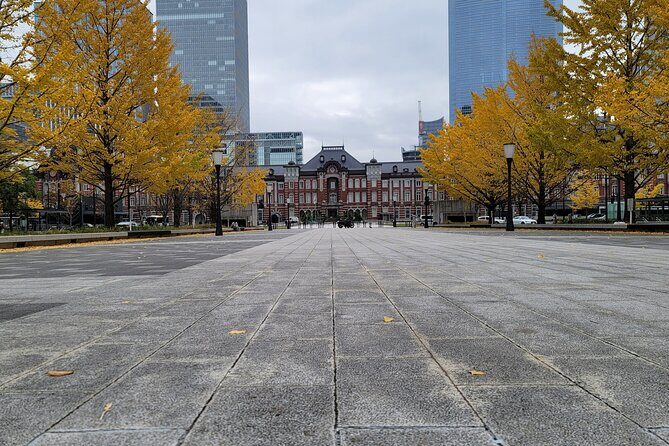
The tour starts with a walk along a ginkgo tree-lined avenue to the Imperial Palace. Even if you’ve seen palace photos, this approach can feel surprisingly calming—less “monument,” more “tree-lined path into history.”
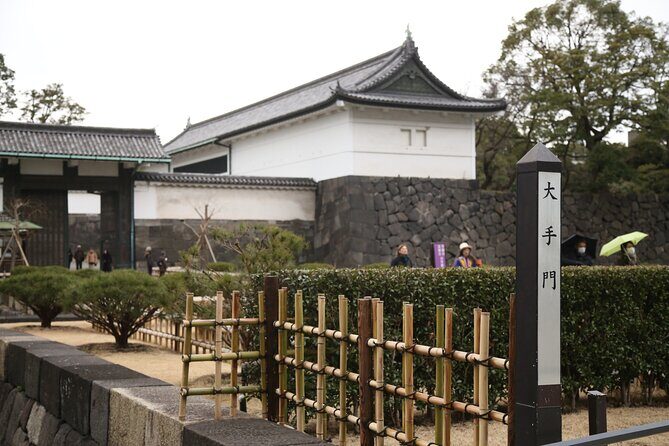
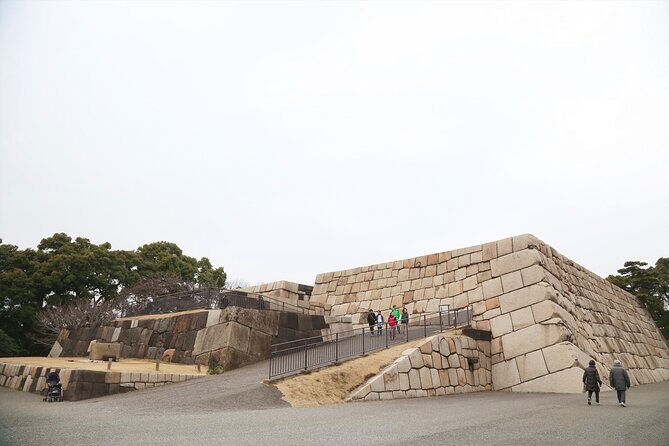
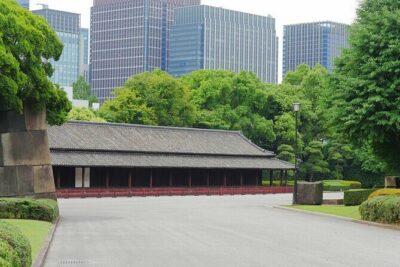
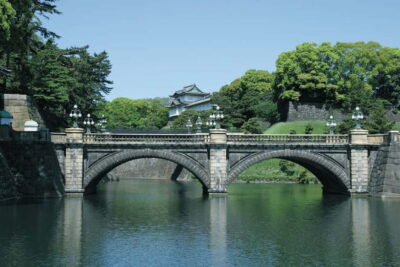
Inside, you’ll move from the outer grounds toward the Otemon Gate, which is described as the former main entrance to Edo Castle. The East Gardens are where you really get the sense of the shogun-era layout, including ruins tied to Edo Castle. The grounds are described as having seasonal touches too, like cherry and pine trees, which is a big reason people rate this part so highly.
Two practical notes:
- The Imperial Palace experience is mostly about the grounds and gates, not a full “inside the building” type visit.
- The timing inside can feel long if you’re slowing down to take photos, but that’s usually a good problem to have.
Nihonbashi after the Palace: from shogun-era routes to modern shopping streets
After the East Gardens, you’ll head to Nihonbashi, one of Tokyo’s best “you’re in the real city” areas. The tour frames Nihonbashi as the start point of Japan’s national highway network since the early seventeenth century. That historical framing helps you understand why the street still has that old-business energy.
Nihonbashi is also a practical place to end. The nearest stations include Nihombashi Station (Toei Asakusa Line, Metro Ginza Line, Metro Tozai Line) and Mitsukoshimae Station (Metro Ginza Line, Metro Hanzomon Line). You’ll likely find it easy to continue your day without feeling stranded.





Ninben dashi and Yamamoto Nori: taste what Japanese cooking is built on

One reason this tour earns strong marks is how it uses food stops as learning stops. You’ll visit Ninben dashi store where you’ll learn about dashi, Japan’s traditional soup stock. Dashi is foundational for everything from noodle soups to hotpots, so the sample you receive isn’t just a snack—it’s a quick primer on why Japanese meals taste the way they do.
Next is Yamamoto Noriten Honten, a nori seaweed producer in business since 1849. The tour description highlights seeing staff roast nori. Even if you don’t cook, you’ll pick up the idea that seaweed isn’t a single product—it’s a craft process tied to texture and flavor.
This is also where pacing matters. These are typically short stops (around 20 minutes each), so don’t expect a full lecture. Instead, think of them as guided “starter lessons” you can expand later by shopping or tasting on your own.
Kiya knives: seeing hundreds of utensils in a centuries-old shop
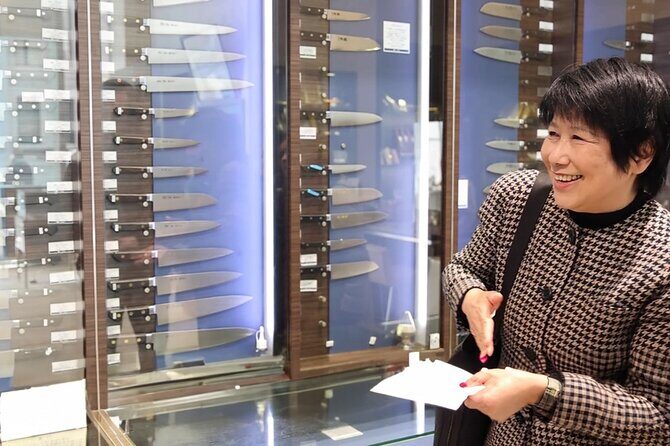
At Kiya Nihombashi Main Branch, the focus shifts from food ingredients to tools. The shop is founded in 1792 and sells a wide range of utensils—from traditional Japanese knives to more modern European styles.
I like this stop because it’s visual. You can look at different shapes, finishes, and categories without needing Japanese. The tour framing also helps you understand that Japanese knife culture is tied to precision work and cooking habits, not just aesthetics.
If you’re a souvenir shopper, this is a place where your “just looking” time can quietly turn into “I might buy something” time. (That’s not a complaint. Tokyo pulls that trick well.)
Ozu Washi: Japanese paper making you actually do
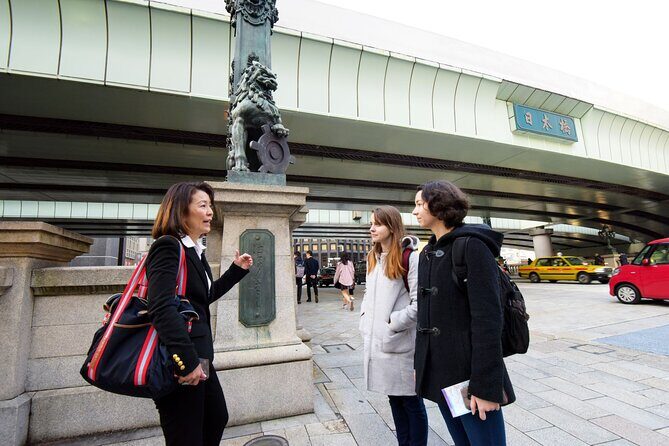
The Ozu Washi stop is the craft highlight. You’ll learn about Japanese paper and stationery items, then make a sheet of washi. The washi-making portion is described as taking about an hour, which is long enough to feel rewarding without dragging.
This is also a great moment for slow-down energy. It gives your legs a break from constant walking, and it turns the tour into something you can remember with an object in your hands.
One helpful way to think about it: the tour isn’t trying to teach you a full history of paper. Instead, it gives you the feel of the material and the process, which makes the shops later feel less random.
Toyama Prefecture Antenna Shop + sake set: regional flavor at the finish

To close, you’ll visit the Toyama Prefecture Antenna Shop. The idea is simple: items come from Toyama, a coastal prefecture on the Sea of Japan. The stop lasts about 30 minutes and is included with the cost of the tour (the description notes something you can try here is included).
Earlier in the itinerary, you’ll also get a sake set as part of what’s included. Many people love that this tour ends with a tasting, because it turns the whole experience into a sensory recap. You get to connect your history walk to something you can actually sip.
If alcohol isn’t your thing, you’ll still likely enjoy the educational parts around food and materials. Just plan to move at your comfort pace during the tasting moment.
Walking, weather, and timing: how to plan for a smooth half-day
This tour is timed for a half-day, but it’s still a walking day. The most common practical complaint in feedback is about rain and wind. If it’s pouring, you can end up spending more time moving between stops than you want.
The good news: the tour style seems built to handle changes. Some groups report they adjusted the schedule when conditions were rough, like skipping part of the route so people could cool down or stay comfortable in bad weather.
My advice:
- Bring an umbrella and a light layer.
- Wear shoes you can walk in for hours.
- If you’re traveling with someone who needs breaks, consider setting expectations for a steady pace rather than rushing from stop to stop.
Also remember: some sites can be affected by access or temporary closures. The tour description notes that if a facility is temporarily closed, you’ll be guided to other facilities. That’s common in city tours and usually means you still get the right “theme,” just not the exact shop you expected.
Price and value: is $101.72 worth it?
At $101.72 per person for about 4 hours, the value mostly depends on what you want most: guided context or DIY wandering.
Here’s what you’re paying for:
- A national tour guide-interpreter (not just a casual meetup)
- East Gardens access included
- A dashi soup stock sampling
- A sake set
- Stops that cover both food staples and craft trades, including a washi-making activity
If you were to do this on your own, you’d likely spend time figuring out which shops are worth it and lining up entry and timing. This tour packages that effort into one route, and it adds the hard part—explaining what you’re looking at and tasting.
Where it can feel less like a bargain is if you’re expecting a long, inside-the-palace type experience. The strongest versions of the palace experience here are about the East Gardens and grounds, plus the gate-to-garden story.
Who this tour is best for (and who might not love it)
This tour fits best if you like:
- Pairing big landmarks with everyday culture (not just photos)
- Food learning through tastings (dashi and sake)
- Hands-on crafts, especially washi making
- Shopping with context, like knives and tools you can actually see up close
You might want to choose a different plan if:
- You hate walking and long transfers.
- You need a very flexible schedule that isn’t tied to a set route and stop order.
- You want a deep, long palace interior visit rather than a guided grounds experience.
Families can do it too. One plus I like is that the pace can include multiple short shop moments, which helps kids and adults stay engaged—but you still need to be ready for time on your feet.
Should you book Tokyo’s Imperial Palace & Nihonbashi tour?
I think this is a strong book if your Tokyo “musts” include the Imperial Palace area and you also want real city texture from Nihonbashi. The big value is the combination of East Gardens access, tastings, and the washi-making moment—plus the guide support that connects everything into one story.
Book it if you’re happy with a walking half-day and you want souvenirs that feel tied to Japanese daily life, not just branded extras. I’d only skip it if your schedule is tight, weather is unpredictable for you, or you prefer to explore markets and shops without a timed route.
If you do book, go in with the right mindset: this tour is less about rushing a checklist and more about learning how Tokyo’s old trades still show up in what people eat, use, and make.
FAQ
How long is the Imperial Palace & Nihonbashi tour?
It runs for about 4 hours.
Where does the tour start and where does it end?
The meeting point is Tokyo Station (1 Chome-9 Marunouchi, Chiyoda City). The tour ends in the Nihonbashi area (near Nihombashi Station and Mitsukoshimae Station).
What’s included in the tour price?
Included items are a nationally accredited guide-interpreter, entrance to the East Gardens of the Imperial Palace, a dashi soup stock sample, and a Japanese sake set.
Is transportation to the meeting point included?
No. Transportation to the meeting point is not included.
Do I need to pay for the Imperial Palace East Gardens?
Entrance to the East Gardens is included in the tour, and the itinerary notes it as free.
Does the tour require good weather?
Yes. The experience requires good weather, and if it’s canceled due to poor weather, you’ll be offered a different date or a full refund.
How big are the groups?
The tour has a maximum of 28 travelers.
Can I cancel for a full refund?
Yes. You can cancel up to 24 hours in advance for a full refund. If you cancel less than 24 hours before the start time, the amount paid is not refunded.
Is there a mobile ticket?
The tour includes mobile ticket delivery.
More Tours in Tokyo


More Tour Reviews in Tokyo



Fresh reviews from around Tokyo






Imperial Palace Tours, compared.
 ★ 4.9Imperial Palace Japanese History Walking TourFrom $32987 reviews
 ★ 5.0Imperial Palace East Garden and Edo Castle Walking Tour in TokyoFrom $25510 reviews
 ★ 4.8Imperial Palace East Gardens Walking TourFrom $19353 reviews
 ★ 4.5Imperial Palace, Sensō-ji Temple, & Tokyo Tower TourFrom $40339 reviews
 ★ 5.0Tokyo Castle, Imperial Palace, Shogun & Garden Walking TourFrom $31211 reviews
 ★ 4.7Edo Castle & East Garden of the Imperial Palace TourFrom $42112 reviews
 ★ 5.0Tokyo Private Tour! Edo Castle & Imperial Palace East GardensFrom $65105 reviews
 ★ 5.0Imperial Palace, the history of Japan (ENGLISH GUIDE)From $4077 reviews
Browse the lists this tour appears in