
Reviewed · YOKOHAMA TOURS
Yokohama Full Day Tour with a Local Expert Guide
Yokohama feels like two cities in one day. This full-day tour links the modern harbor side with quieter, older Yokohama moments, guided by locals who keep the day moving in a way that actually fits your interests. I especially like Sankeien Gardens for its slow, peaceful contrast and Chinatown for the full-on food-and-market atmosphere you can’t really fake from a guidebook.
The one real catch is the time on your feet. At least one guide reported covering about 10 km, and the day runs a full 8 hours with breaks, shopping stops, and some public-transit hops, so comfortable shoes matter.
In This Review
- Key highlights to look forward to
- From Landmark Tower to the sea: how this day tour really flows
- Meeting point and guide style: what “local expert” means in practice
- Bay area power stops: Landmark Tower and the Red Brick Warehouse
- Yamashita Park: the “slow down” section you’ll be glad you scheduled
- Chinatown: where lunch becomes a cultural checkpoint
- Sankeien Gardens: history you can feel, with breathing room
- Temples and the free-entry strategy: how you see more for less
- Public transport and walking: what to expect so you aren’t wiped out
- Where Nissan’s showroom might fit at the end
- What’s included vs. what you’ll pay yourself
- Who should book this Yokohama tour (and who should be cautious)
- Should you book this Yokohama full day tour?
- FAQ
- How long is the Yokohama full day tour?
- How much does it cost per person?
- What languages are offered for the live guide?
- Is the group private?
- What’s included, and what’s not included?
- Is pickup included?
Key highlights to look forward to
- Local guides who tailor the route (different guides like Brian, Bibi, John, and Mike emphasize what you care about)
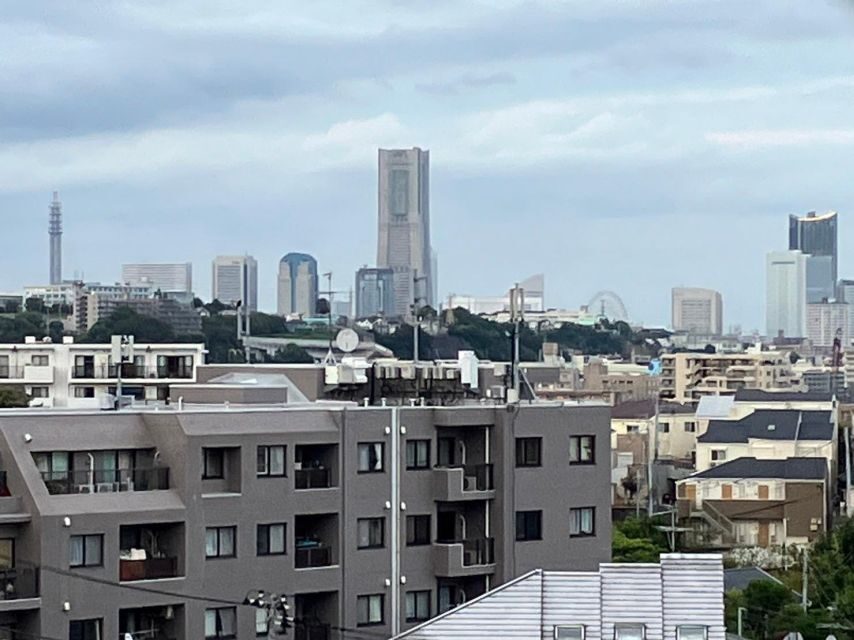
- Bay area icons plus easy strolling from Landmark Tower to the Red Brick Warehouse area
- Chinatown lunch and market time that works even if you’re picky about food
- Sankeien Gardens for the historic garden mood in a single, well-paced stop
- Free temple entries that help you see more without turning the day into a ticket hunt
- Private-group flexibility with English/Japanese live guiding
From Landmark Tower to the sea: how this day tour really flows
This tour works because it’s built around Yokohama’s two big identities: the harbor that looks forward, and the old neighborhoods and gardens that remind you the city has lived many lives. You start with an easy meet-up in Yokohama, then the day organizes itself into a logical rhythm—waterfront highlights first, then Chinatown for atmosphere and lunch, and finally the calmer, historical side of Yokohama at Sankeien Gardens.
If you want a sneak peek before you go, the included YouTube video is a good way to get your bearings on the geography. Just don’t lock yourself into a fixed plan. The best part here is that your local guide can shape the day around what you care about most.
Price-wise, $116 per person for an 8-hour private experience is in the “worth it if you’ll actually use the time well” category. You’re paying for a local brain, not just a ride. When a guide can explain what you’re seeing while also adjusting stops to your pace, it saves you from the most common Japan-tour problem: spending half the day figuring things out instead of experiencing them.
Meeting point and guide style: what “local expert” means in practice
You’ll meet your guide in Yokohama, and pickup is included with hotel pickup and drop-off on foot—plus the operator notes that they will pick you up wherever you want. In other words, you’re not stuck with a far-off bus stop where you waste time wrangling trains on your own.
This matters because Yokohama is spread out. Even if you know Tokyo, getting around here “from scratch” can feel like a puzzle. Multiple guides on this tour have a similar approach: they explain the day early, answer questions as you go, and keep the pace under your control. One guest specifically mentioned that the guide adapted the schedule to elderly family members. That’s a big deal on a day that can include a lot of walking.
You’ll also get English and Japanese live guiding, which helps a lot if your Japanese is basic or if you just want clearer context for historical sites and neighborhood culture.
Bay area power stops: Landmark Tower and the Red Brick Warehouse
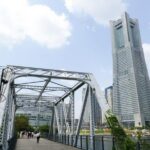
The waterfront section is the part of the day that gives you an instant “this is Yokohama” feeling. You start with the Landmark Tower area, which is a strong orientation point: modern buildings, harbor energy, and big-city views without the stress of constant train switching.
Then you move toward the Red Brick Warehouse area. Even if you’ve seen historic brick buildings before, this one works as a practical stop because it’s easy to picture in your head when the guide points out how the harbor district evolved. It’s also a nice break zone—good for photos, people-watching, and a quick reset before the day shifts into Chinatown and gardens.
One thing I appreciate about this layout: you’re not bouncing randomly between far-flung neighborhoods. The bay stops sit close enough that your walking feels connected, not frantic.
Yamashita Park: the “slow down” section you’ll be glad you scheduled
After you’ve hit the bay highlights, you get Yamashita Park time. This is one of those stops that sounds simple on paper, but it does real work for your day.
Parks along the water give you:
- A breather between heavier sightseeing blocks
- A chance to just walk and take in the harbor direction
- A calmer moment before Chinatown food and the garden’s quiet mood
Even if you don’t plan to do much besides stroll, this section helps the day stay enjoyable. On an 8-hour tour, the best schedule includes at least one “nothing pressured” segment—and a park stop does that job.
Chinatown: where lunch becomes a cultural checkpoint
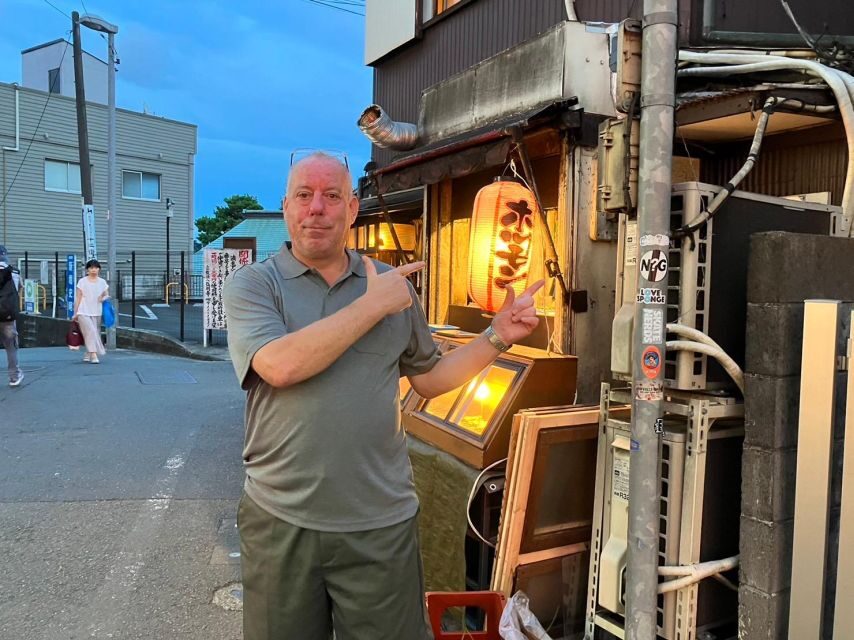
Chinatown is the heart-and-feelings part of the day for many people, and it’s included in the tour highlight list. You’ll spend time there with a guide who can point out what you’re actually looking at, not just where to walk.
What you can expect in practical terms:
- Streets and shops that feel designed for wandering
- Food options that match the neighborhood mood
- A chance to shop and snack like locals do when they’re out for the day
One review specifically praised the restaurant choice in Chinatown. That tells me the guide doesn’t just drop you into the area and hope you figure it out. If you’re the type who wants a plan—without being forced into a specific restaurant—this is where the “local expert” value shows up.
Chinatown can also be a good equalizer for different travel styles. If your group is split—one person wants photos, another wants snacks, another wants shopping—this neighborhood naturally supports all three without needing the guide to micromanage.
Sankeien Gardens: history you can feel, with breathing room
Then comes Sankeien Gardens, and it’s a smart final act after Chinatown. Gardens slow the day down. They also reduce the “tour fatigue” problem that happens when you cram only streets and buildings for hours.
This is where you get a historic, reflective Yokohama moment—an estate-garden experience that feels like a different pace of life. One guide got specific praise for the Sankeien stop, which suggests the time here is handled with care, not rushed.
Important cost note: the tour includes entry to free temples, while paid attractions aren’t included. Sankeien Gardens may require an admission ticket. The tour description names Sankeien Gardens as a key part, so plan for the possibility that you’ll pay entry at the gate. If you want to control costs, you can ask your guide how the garden portion works with your day plan.
Either way, Sankeien is the kind of stop that makes your day feel complete. You leave with more than photos—you leave with contrast.
Temples and the free-entry strategy: how you see more for less
Included in the tour are entry to free temples. That’s a small line in the description, but it’s a big deal in practice.
Free temple stops help you:
- Add cultural texture without surprise ticket fees
- Get calmer moments that balance out the busier districts
- Spend time where a local guide’s interpretation really matters
This also helps you keep the day feeling “full” even if you decide not to pay for every ticketed site the area offers.
Public transport and walking: what to expect so you aren’t wiped out
Even though pickup and drop-off are included on foot, the tour can involve some movement by public transport. One review mentioned a couple of metro transfers, plus around 10 km of walking overall.
So here’s the practical advice I’d give you:
- Wear walking shoes you trust for a full day
- Bring a small rain layer or umbrella if weather looks unstable
- Use the breaks and shopping time instead of powering through
The good news is that the guide can help you keep the day on track. You’re not navigating alone, and the guide can suggest the smartest route between sections based on timing.
Also, the tour notes that it can run with alternatives if needed. One example described a rainy day where the guide improvised with other options. That kind of flexibility can turn a “bad weather day” into a perfectly good one.
Where Nissan’s showroom might fit at the end
One review mentioned an extra end stop at a car showroom at Nissan headquarters. The tour you book may or may not include this exact add-on depending on the guide and timing, but it’s a real possibility you should keep in mind—especially if your group likes modern brands and Japan’s tech culture.
It can be a fun contrast: you’ve spent the day with bay views, markets, and gardens, and then you finish with a modern slice of Yokohama’s corporate world.
If you care about this kind of stop, mention it early when you meet your guide so they can plan the day around it.
What’s included vs. what you’ll pay yourself
Here’s the value picture in plain language.
Included:
- Hotel pickup and drop-off on foot
- Public parks and gardens
- Entry to free temples
- Local guide
- Private group format
- English/Japanese live guiding
Not included:
- Food and drink
- Transportation
- Entry to paid attractions
So you should expect to budget for:
- Lunch (Chinatown is a major focus)
- Transit fares if the route uses public trains/buses
- Garden admission or any other ticketed sites, depending on what you choose that day
This is exactly why the guide’s role matters. If the food is on you, having a guide who can point you to a strong lunch option saves you time, reduces stress, and helps you avoid wasting money on the wrong place.
Who should book this Yokohama tour (and who should be cautious)
This tour is best for:
- First-time visitors who want structure without feeling boxed in
- People who like a mix: bay icons, neighborhood food, and a calmer garden stop
- Groups that include different interests, since the private setup makes it easier to tailor the day
- Anyone who wants an English/Japanese guide for context, questions, and route decisions
Be cautious if:
- You’re worried about long walking. The day can cover serious ground.
- You need a very slow pace or lots of sitting time. The tour includes breaks, but it still runs a full 8 hours.
- Your age or mobility limits you. The activity states it’s not suitable for people over 95 years.
Wheelchair accessibility is listed, which is good news, but the walking-heavy nature of parts of the route means you should confirm how the day is managed for your specific needs before you go.
Should you book this Yokohama full day tour?
If you want a smart, guide-led day that actually makes sense geographically, I’d say yes. The combination of Landmark Tower / Red Brick Warehouse, Chinatown, and Sankeien Gardens gives you real variety without requiring you to plan five separate trips. You’re also paying for someone who can explain what you’re seeing and adjust to your group—something that comes up again and again in the way guides are described.
Skip it (or at least ask more questions) if you hate walking, if you already planned your day down to the minute, or if you’re trying to avoid any extra ticket costs. Because while you get free temple entries and parks/gardens as part of the experience, paid attractions and food aren’t included.
If you’re unsure, the safest move is to contact the operator with your must-sees and your walking comfort level. A good guide will steer you toward the best version of the day.
FAQ
How long is the Yokohama full day tour?
The tour lasts 8 hours.
How much does it cost per person?
The price is listed as $116 per person.
What languages are offered for the live guide?
The live tour guide is available in English and Japanese.
Is the group private?
Yes, it’s a private group.
What’s included, and what’s not included?
Included are hotel pickup and drop-off on foot, public parks and gardens, entry to free temples, and a local guide. Not included are food and drink, transportation, and entry to paid attractions.
Is pickup included?
Yes. The tour includes pickup, and it’s described as picking you up wherever you want.
More Tours in Yokohama

More Tour Reviews in Yokohama
Next Door in Yokohama
Yokohama Tours, compared.
 ★ 4.9EVO, WRX, Skyline – JDM Night Run to Daikoku Car MeetFrom $125478 reviews
Best Price Daikoku Parking Area JDM Car MeetFrom $76192 reviews
★ 4.9EVO, WRX, Skyline – JDM Night Run to Daikoku Car MeetFrom $125478 reviews
Best Price Daikoku Parking Area JDM Car MeetFrom $76192 reviews
 ★ 4.9Daikoku & Tokyo Private JDM Tour by 700HP R34 GT-RFrom $586101 reviews
 ★ 5.0Tokyo 8hr Private Tour with Licensed Guide from YokohamaFrom $20194 reviews
 ★ 5.0【Tokyo】JDM Daikoku Parking Area & Nissan Facility TourFrom $5587 reviews
 ★ 4.5Narita Airport: One Way Private Transfer to Tokyo|Yokohama HotelsFrom $7769 reviews
 ★ 5.0Shuttle Van Transfer, Yokohama(Port)⇒Tokyo, Narita, Haneda, TDRFrom $12263 reviews
 ★ 5.0R34Skyline Daikoku PA Fast & Furious Private ExperienceFrom $10963 reviews
Browse the lists this tour appears in