
Reviewed · TSUKIJI FISH MARKET TOURS
Tokyo: Tsukiji Market Guided Tour & Sushi-Making Experience
A great meal starts with a great market. This experience mixes a Tsukiji Outer Market food walk with a hands-on sushi-making masterclass. You’ll see where seafood supplies move, meet the sights and smells of the stalls, and then switch gears to learning how sushi is actually put together.
I especially like the way you get market context, not just photos. You’ll follow your guide through the narrow alleys and learn what top chefs shop for, with a focus on ingredients like tuna, sashimi items, dried seaweed, and produce.
One thing to consider: the class is definitely the main event, but the market part is more of a guided look-and-learn route than a guaranteed fish-purchasing mission. If you’re hoping for hands-on tuna selection in the market, I’d check with the provider before you book.
In This Review
- Key things I’d circle in your plan
- Tsukiji Outer Market: your sensory warm-up before the sushi class
- The market walk: history, chef shopping, and what to look for
- Getting from Tsukiji to the sushi kitchen near Tokyo Tower
- Nigiri, hosomaki, and gunkanmaki: your hands-on sushi homework
- How you’ll eat it: technique plus Japanese dining etiquette
- Price and value: is $177 actually a good deal?
- Logistics that matter: timing, group size, and what to pack
- Who should book this, and who might be happier elsewhere
- Should you book the Tsukiji Market guided tour and sushi-making class?
- FAQ
- Where do I meet for the tour?
- How long is the experience?
- Is the tour in English?
- How big is the group?
- What will I make in the sushi class?
- What’s included in the price?
- What’s not included?
- What should I bring?
- Can dietary restrictions be accommodated?
- Is the tour canceled in bad weather?
Key things I’d circle in your plan
- Tsukiji Outer Market street-level access: aromas, stalls, and the working rhythm that made the area famous
- Licensed English guide: you’re not guessing what you’re seeing
- Three sushi styles in one session: nigiri, hosomaki, and gunkanmaki
- Tokyo Tower-area kitchen time: you learn technique in a modern teaching facility
- Ingredients and a sushi souvenir kit included: you leave with both skills and take-home gear
Still hungry? More Tsukiji breakfasts and market walks
- Tokyo Tsukiji Fish Market Food and Culture Walking Tour★ 5.0 · 3,184 reviews
- Tokyo: Tsukiji Fish Market Food and Walking tour★ 5.0 · 1,724 reviews
- Tokyo: Tsukiji Fish Market Guided Walking Tour★ 4.9 · 1,397 reviews
Tsukiji Outer Market: your sensory warm-up before the sushi class
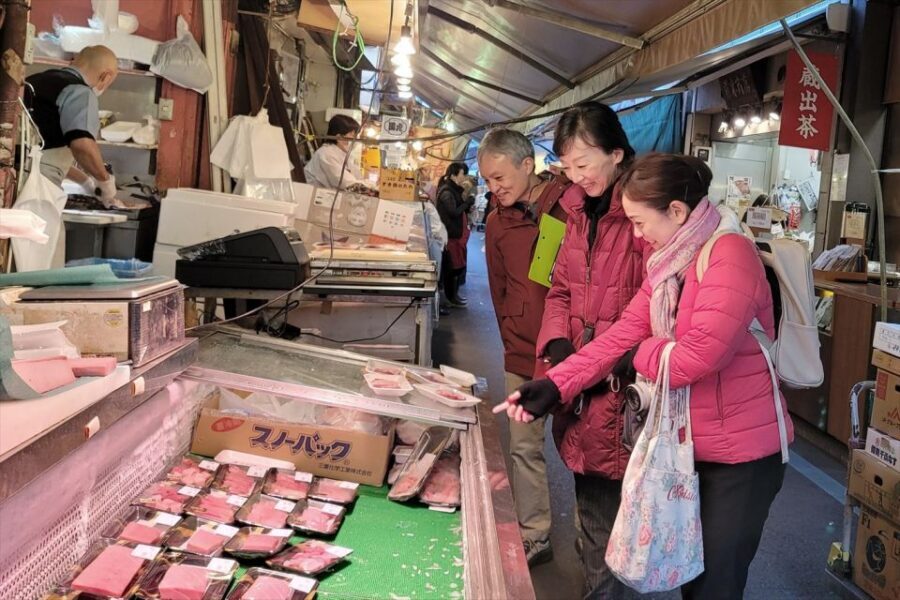
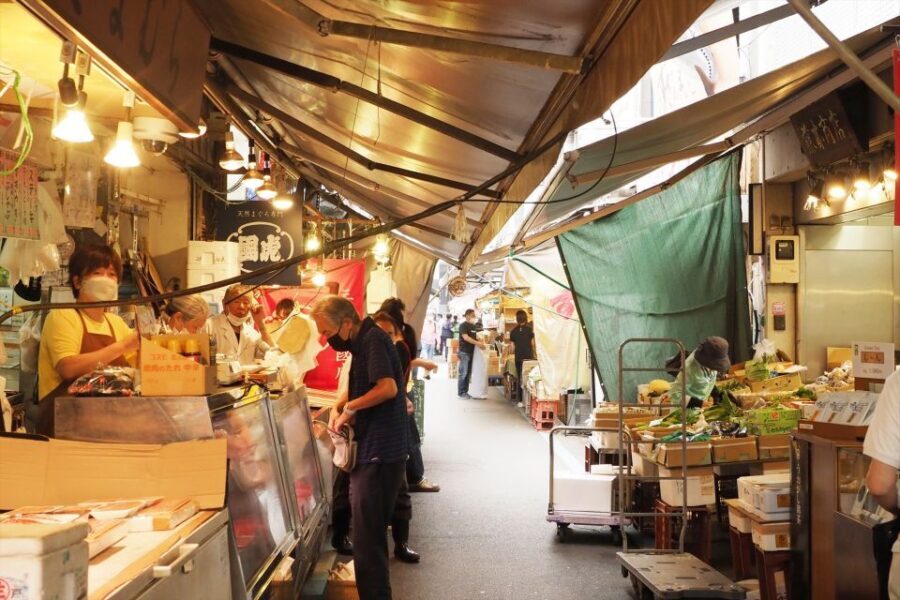
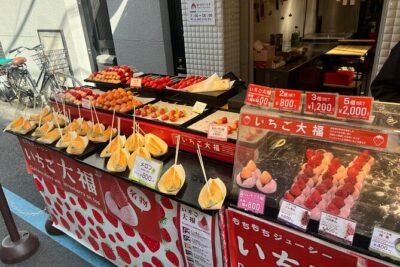
Tsukiji isn’t just a place to eat. It’s a place that shows you how food supply chains work in real life. On this tour, your first stretch is all about atmosphere: stall fronts, stainless counters, piles of seaweed and produce, and the constant motion of merchants doing their jobs.
You meet at Tsukiji Hongwanji Temple, a short walk from Tsukiji Metro Station (Hibiya Line, Exit 1). It’s a simple meetup point, which matters in Tokyo. When a plan is easy to find, you spend more time watching and less time circling.
Two good reasons I like starting here:
- You get the ingredient story before you roll anything. Seeing tuna and seaweed in context helps the techniques make sense later.
- The market walk forces your eyes to work. Instead of just eating, you’re learning what’s important—freshness cues, what items are used for specific preparations, and why certain products are prized.
The potential downside is that the market part is tight and time-managed. This is not a slow, free-roam afternoon where you can pop into every shop. You’re guided on a route that fits the cooking schedule, so plan to enjoy the “high points” rather than hunt for every last stall.
The market walk: history, chef shopping, and what to look for
The heart of the market portion is a guided stroll through the Tsukiji Outer Market area—once the world’s most famous seafood wholesale hub. Your guide shares what made it significant and how the neighborhood functions as a shopping and supply destination.
Here’s what you should expect your guide to help you notice:
- Where ingredients come from: you’ll learn about the items chefs buy and use, and why certain products matter.
- A working marketplace mindset: merchants at work, narrow spaces, and the pace you feel when the market is doing its thing.
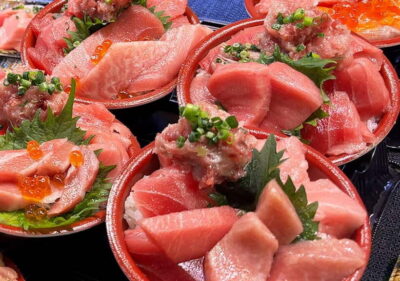
- Ingredient focus: tuna and sashimi-style ingredients, dried seaweed, fruits and vegetables, and the cooking items that round out sushi prep.
If you’ve never been to a real market before, this section is your crash course in reading food. Sushi ingredients don’t feel mysterious once you’ve seen how they’re sold and what forms they come in.
What I’d keep in mind: the marketing language around tuna can sound like a hands-on fish-buying moment. In practice, the market segment here is about guided discovery and learning. If you’re the type who really wants a market shopping step—like selecting tuna yourself—send a quick message to confirm exactly what’s included for your departure.
Getting from Tsukiji to the sushi kitchen near Tokyo Tower
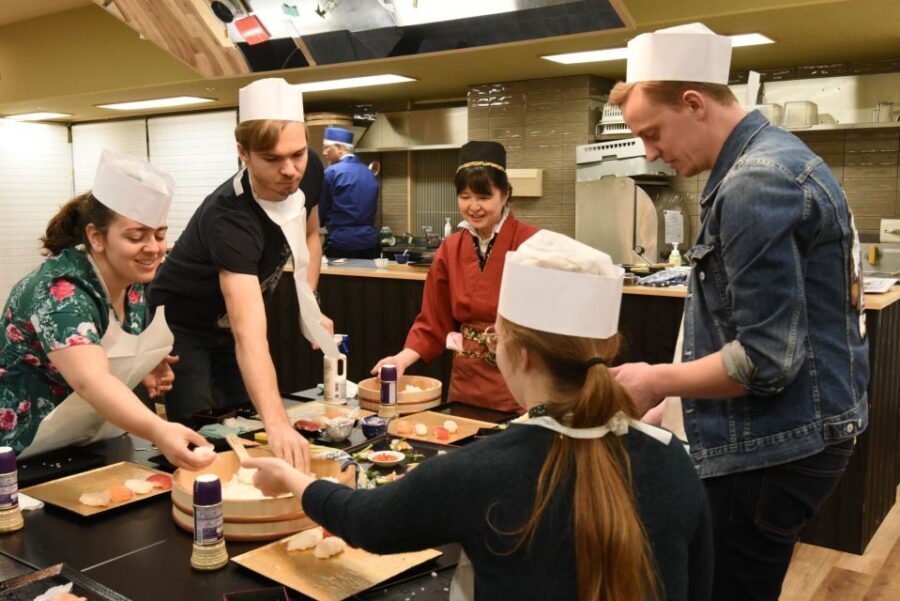
After the market, you take public transportation to a state-of-the-art sushi kitchen near Tokyo Tower. This move is part of the value. The tour doesn’t just point you to a classroom—it transitions you from seeing ingredients to using them.
That location near Tokyo Tower is practical. Tokyo is big, but you’re not stuck in some far-off cooking studio. You get a central, easy-to-structure experience: learn in the market, then practice technique close to major landmarks.
Also, you’re not on the hook for hotel pickup or drop-off. That’s a cost saver and a time saver for many people. The tradeoff is you’ll need to handle your own start and finish outside the tour’s included transport.
Nigiri, hosomaki, and gunkanmaki: your hands-on sushi homework
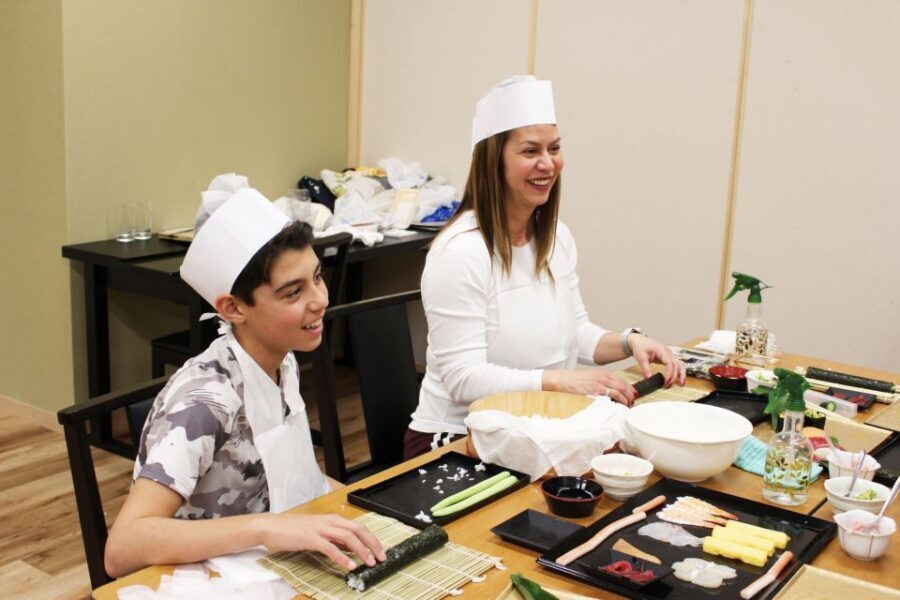
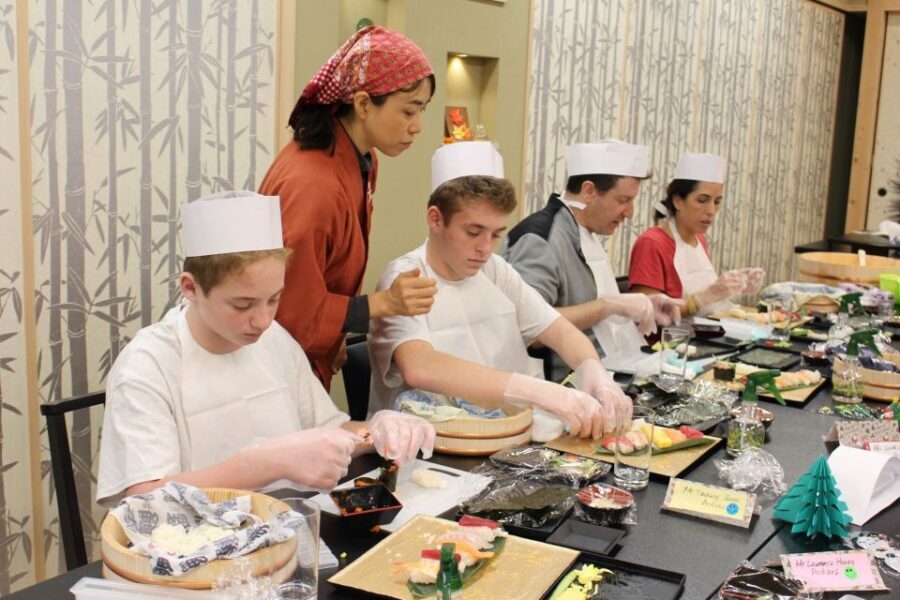
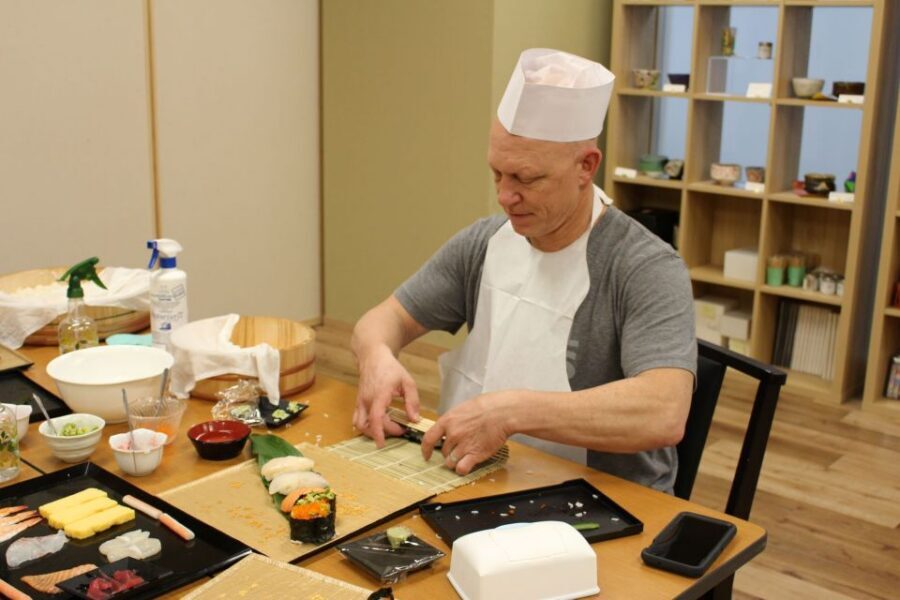
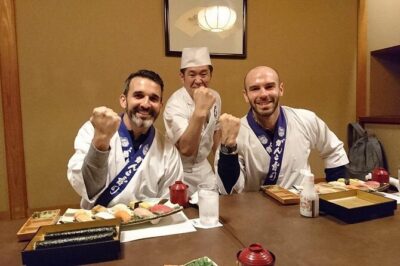
Now for the main event: you move into a supervised sushi-making session with a licensed instructor. This is where you stop being an observer and become a builder.
You’ll learn three types of sushi:
- Nigiri: traditional hand-rolled sushi, usually where the rice shape and topping balance matters
- Hosomaki: thin sushi rolls, where nori wrapping technique and roll tightness matter
- Gunkanmaki: sushi wrapped in nori seaweed with a soft topping of your choice
The tour includes instruction on hygiene techniques and also how Japanese dining works. That’s not just “culture talk.” It’s part of how good sushi experiences feel smooth at the table.
What makes this lesson set work for most travelers:
- You’re building different skills. Nigiri teaches shaping and topping placement. Hosomaki teaches roll control. Gunkanmaki teaches how to handle toppings without making a mess.
- You’re not thrown into a one-size-fits-all roll. Three formats means you actually learn technique, not just repetition.
One practical tip for you: wear shoes you can stand in. Even if you’re not doing kitchen acrobatics, you’ll likely be on your feet during cooking prep, and the market portion also demands comfortable walking.
More days made easy by a guide



How you’ll eat it: technique plus Japanese dining etiquette
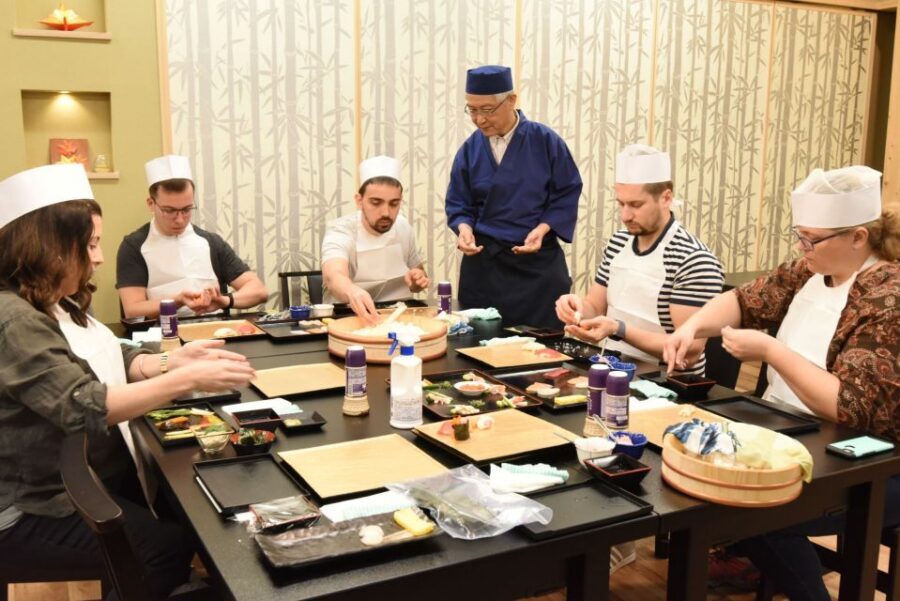
After you learn, you sit down to enjoy what you made. That’s a small but important difference from some “look and learn” cooking demos. Here, you produce the food, then you taste it with guidance.
The etiquette part matters because sushi isn’t just food. It’s a flow:
- how you hold it,
- how you order your bites,
- and what you pay attention to while eating.
Even if you don’t remember every detail later, you’ll leave with a sense of how sushi meals are meant to feel—calm, deliberate, and focused.
Price and value: is $177 actually a good deal?
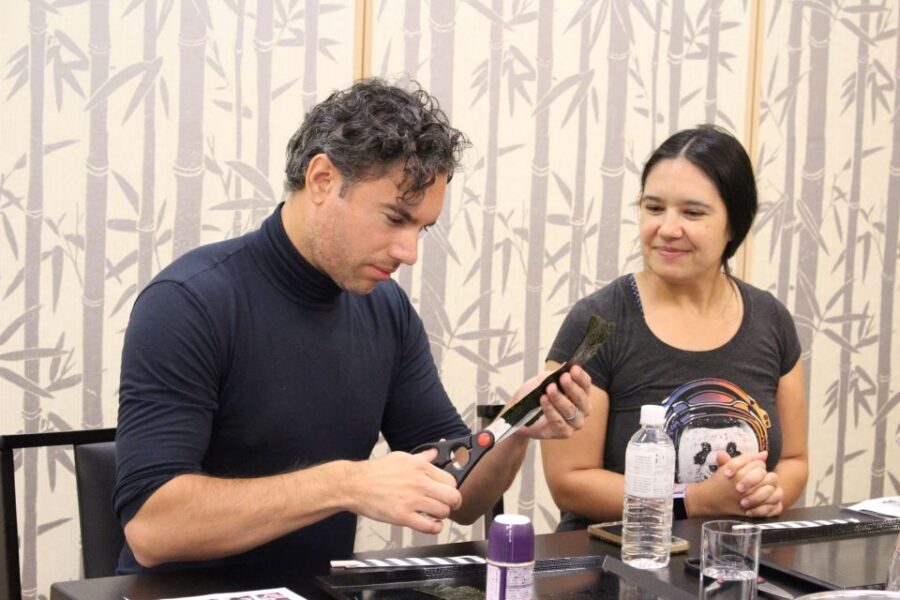
Let’s talk money in real terms. $177 per person buys you:
- a market tour with a nationally licensed guide
- English instruction
- public transportation between Tsukiji and the kitchen
- the sushi-making class with a licensed instructor
- all sushi ingredients
- a sushi souvenir kit
- and the sushi you make and eat
You’re not just paying for fish. You’re paying for the structure: guided market context + taught technique + ingredients + the equipment/format to practice.
Is it cheaper than finding a good sushi lunch? Yes, often. Is it cheaper than a casual DIY meal? Also yes—you’re paying for labor, expertise, and convenience.
The fair way to judge this price is by your goals:
- If you want a guided market experience plus you’d like to learn sushi skills you can use later, this can feel like a strong value.
- If your main goal is maximum fish quality for the lowest cost, you might find better value by skipping the class and going straight to a sushi meal. One person felt the fish quality wasn’t what they expected for the price and suggested other sushi options.
My practical advice: decide what you’re buying. This tour sells learning and doing, not just fish.
Logistics that matter: timing, group size, and what to pack
This experience runs about 225 minutes (around 3 hours 45 minutes). That’s a decent chunk of time for a two-part plan: market plus cooking. It also means you’ll want to avoid stacking other big activities too tightly before and after.
The group is small, limited to 10 participants. That’s a good sign. In a hands-on class, smaller groups usually means more attention when you’re shaping rice or wrapping rolls.
What to bring:
- Comfortable shoes
That’s it, and it’s enough. No fancy gear required. Just show up able to walk and stand for part of the day.
Who should book this, and who might be happier elsewhere
You’ll likely love this tour if you:
- want a market + cooking combo instead of only eating
- enjoy learning technique (and want to replicate it later at home)
- like the idea of a guided route through Tsukiji without getting lost in the details
- are okay with the cooking class being the main “make or break” moment
You may want to think twice if you:
- care most about top-tier fish quality and would rather pay for an omakase-style meal
- specifically want a market shopping step where you select or purchase tuna yourself (this tour appears more focused on market viewing and guided learning than guaranteed fish-buying)
And a quick note on suitability: the tour is listed as wheelchair accessible, but it is also noted as not suitable for people with mobility impairments. If this applies to you, confirm details with the provider before booking so you understand the real-world walking and kitchen setup.
Should you book the Tsukiji Market guided tour and sushi-making class?
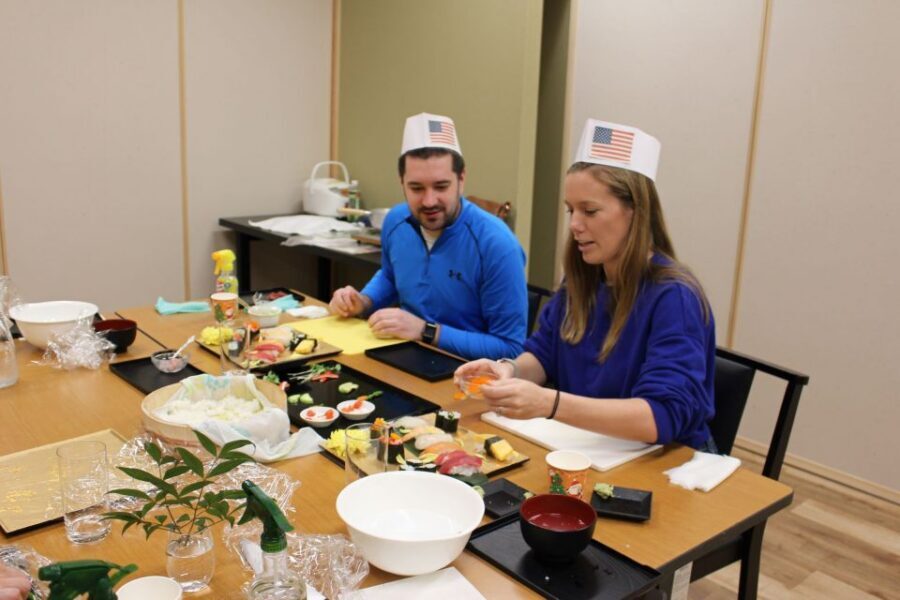
If you want to do more than eat your way through Tokyo, I think this is a smart pick. The best part is the pairing: you learn in the market, then you use that knowledge immediately in a real technique class. That makes the experience feel like progress, not just sightseeing.
Book it if you’ll enjoy being taught how to make nigiri, hosomaki, and gunkanmaki, and if you appreciate structure and included ingredients. Skip or price-check other options if your top priority is fish quality at the lowest price.
One final check before you commit: if you’re dreaming of hands-on tuna selection or fish purchasing in the market, message the provider and confirm exactly what your group will do. Get that clarity, and you’ll be set up for a fun, well-rounded Tokyo morning-or-afternoon plan.
FAQ
Where do I meet for the tour?
Meet your guide at the entrance of Tsukiji Hongwanji Temple. The temple is about a 30-second walk from Exit 1 of Tsukiji Metro Station on the Hibiya Line.
How long is the experience?
It lasts about 225 minutes (the duration is an approximation and may change depending on the number of participants).
Is the tour in English?
Yes, the live tour guide is English.
How big is the group?
The group is small, limited to 10 participants.
What will I make in the sushi class?
You’ll learn to make three types of sushi: nigiri, hosomaki, and gunkanmaki.
What’s included in the price?
Included items are the market tour, a licensed guide, public transportation from Tsukiji to the sushi kitchen, the sushi-making experience, a licensed instructor, sushi ingredients, and a sushi souvenir kit.
What’s not included?
Hotel pickup and drop-off are not included, and the tour does not include any food or drinks beyond what’s part of the sushi-making experience.
What should I bring?
Wear comfortable shoes.
Can dietary restrictions be accommodated?
Most dietary restrictions and requirements can be accommodated.
Is the tour canceled in bad weather?
Yes, it may be canceled in the event of bad weather.
More Tours in Tokyo




More Tour Reviews in Tokyo




Back to the Market: More Tsukiji Tours


Fresh reviews from around Tokyo






Tsukiji Fish Market Tours, compared.
 ★ 5.0Tokyo Tsukiji Fish Market Food and Culture Walking TourFrom $993,184 reviews
 ★ 5.0Tsukiji Fish Market Food and Walking tourFrom $301,724 reviews
 ★ 4.9Tsukiji Fish Market Guided Walking TourFrom $221,397 reviews
 ★ 5.0Tokyo Sushi Making Class in Tsukiji with Professional ChefFrom $491,177 reviews
 ★ 5.0Tsukiji Fish Market Guided Tour and Sushi Making with Pro ChefFrom $104775 reviews
★ 4.7Tsukiji Fish Market Food and Culture Walking TourFrom $96757 reviews
★ 5.0Tsukiji Fish Market Guided Tour and Sushi Making with Pro ChefFrom $104775 reviews
★ 4.7Tsukiji Fish Market Food and Culture Walking TourFrom $96757 reviews
 ★ 5.0Tsukiji Fish Market: Street Food & Culture Walking TourFrom $33669 reviews
 ★ 5.0Tsukiji Fish Market Small-Group Food Walking TourFrom $87621 reviews
Browse the lists this tour appears in