
Reviewed · TSUKIJI FISH MARKET TOURS
Tokyo: Tsukiji Market and Hama-rikyu Gardens Guided Tour
Two doorways, one Tokyo contrast day. You’ll start at Tsukiji’s historic temple, then head into the action of Tsukiji Market with its huge selection. I like the sheer scale: you’ll hear about 480 seafood types and 270 produce options, so even picky eaters find something.
I also love the calm landing at Hama-rikyu after the market chaos—Tsukiji Hongwanji Temple sets a quieter tone, and the gardens let you slow down. The optional matcha and wagashi tasting adds a simple way to learn Japanese etiquette in a setting that feels very un-rushed.
One thing to plan for: you do a fair amount of walking, and stall snacks aren’t included. Also, the info lists both wheelchair accessibility and a note that it’s not suitable for wheelchair users or people with mobility impairments, so I’d confirm with the operator before booking if that applies to you.
In This Review
- Key things to know before you go
- Tsukiji Hongwanji Temple: starting with calm (and clear context)
- Tsukiji Outer Market: how to turn a food walk into a plan
- What you’ll likely see (and what you can try)
- How to shop without getting stuck
- The 15-minute walk: a small break that helps you enjoy the garden
- Hama-rikyū Gardens: Edo-era design and skyline contrast
- Why this garden stop is worth it
- Optional etiquette moment: matcha and wagashi
- Price and value: what $31 realistically buys you
- When it feels like a win
- When it might feel less worth it
- Who should book this Tokyo food-and-gardens tour
- Mobility and comfort notes you should take seriously
- Basic packing checklist
- Should you book the Tsukiji Market and Hama-rikyu Gardens guided tour?
- FAQ
- How long is the Tsukiji Market and Hama-rikyū Gardens guided tour?
- Where do I meet the guide?
- What is included in the tour price?
- Is food included at Tsukiji stalls?
- What about the matcha and wagashi tasting?
- What languages are available for the live guide?
Key things to know before you go

- Tsukiji Hongwanji Temple first: a short guided reset before you hit the market’s food energy
- 480 seafood, 270 produce: the guide frames what you’re seeing so it doesn’t feel random
- Time to snack and shop: guided walking plus free time in the Outer Market
- Hama-rikyu Gardens admission included: you get an organized visit plus extra time to wander
- Seasonal flowers: what’s blooming depends on when you travel
- Optional matcha-wagashi tasting: usually about 1,000 yen, paid on-site
Still hungry? More Tsukiji breakfasts and market walks
- Tokyo Tsukiji Fish Market Food and Culture Walking Tour★ 5.0 · 3,184 reviews
- Tokyo: Tsukiji Fish Market Food and Walking tour★ 5.0 · 1,724 reviews
- Tokyo: Tsukiji Fish Market Guided Walking Tour★ 4.9 · 1,397 reviews
Tsukiji Hongwanji Temple: starting with calm (and clear context)
Your tour meets at Starbucks at Tsukiji Station (the front), which is a handy, easy-to-find landmark for navigating Tokyo. From there, you head to Tsukiji Hongwanji Temple for a guided visit of about 15 minutes.
This stop matters more than you might think. Tsukiji can feel like pure food-shopping mode, but the temple gives you a cultural frame: Japan’s daily life and food culture have deep roots, and this is an easy way to connect those dots without needing a long history lecture. You also get that rare travel moment where you can step out of the crowds and into quiet for a few minutes.
If you like taking photos, this is a good time to use your camera before the visual noise of the market. Keep it simple here—wide angles for the temple architecture and a few close shots for details—then you’ll switch into snack-mode later.
Tsukiji Outer Market: how to turn a food walk into a plan
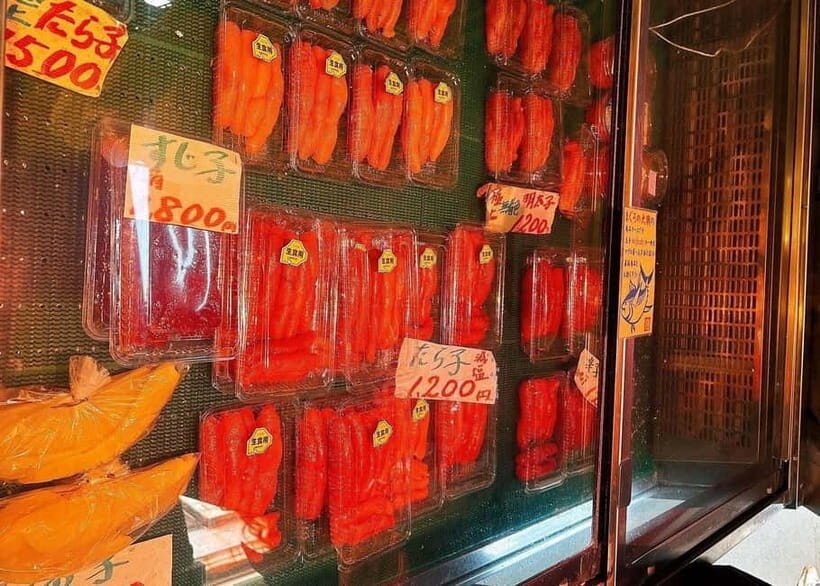
Next comes the Tsukiji Outer Market, where you’ll spend about 45 minutes on a guided route plus free time to shop and snack. The guided part is useful because Tsukiji can be overwhelming fast. The guide gives you the basics—what’s being sold, what to look for, and how to approach stalls—so you’re not just wandering while everyone else seems like they have a mission.
You’ll learn that Tsukiji’s central wholesale reputation isn’t just about sushi. It covers huge categories of seafood and produce, which is why the selection can feel almost unfair: 480 seafood types and 270 produce types is the kind of number that makes you stop and think, how do people decide?
What you’ll likely see (and what you can try)
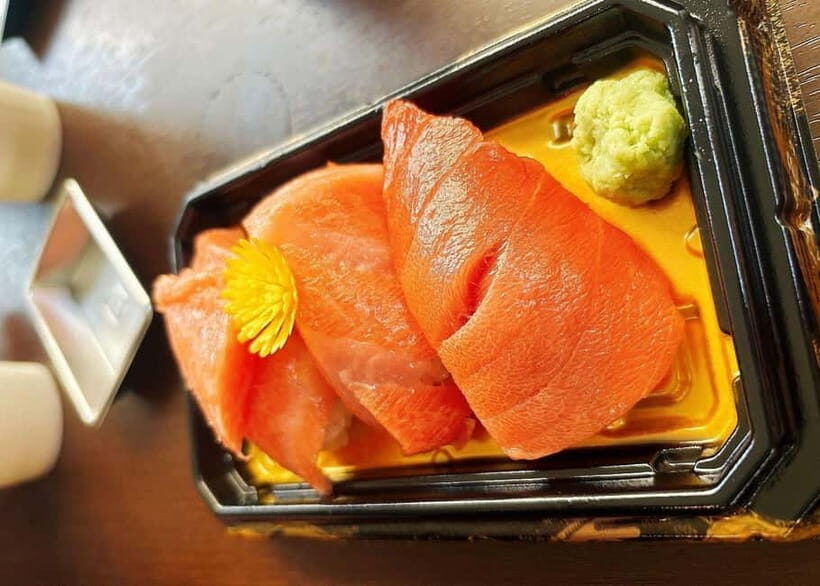
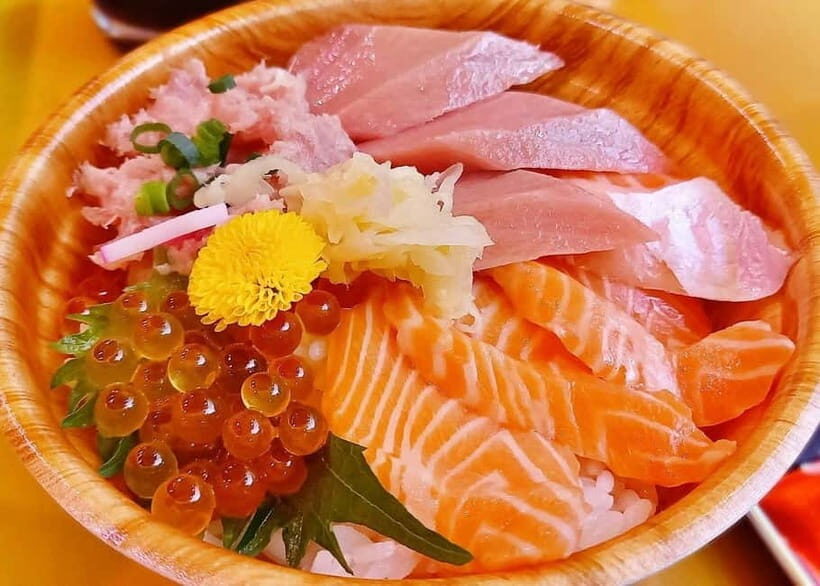
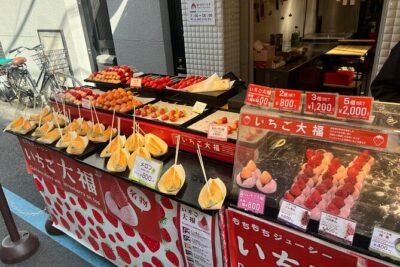
You’ll walk narrow lanes with plenty of stall energy. The experience is built around snack culture, and you’ll have chances to try items like:
- grilled scallops
- tamagoyaki (Japanese omelette)
- sushi
- wagyu skewers
- matcha sweets
Important reality check: food from stallholders isn’t included. That’s actually a plus for most people, because you can choose what fits your budget and your appetite that day. If you want to snack lightly, do that. If you want to go full food detective, you can.
How to shop without getting stuck
Bring comfortable shoes. The market is the kind of place where your feet lead and your eyes follow. If something looks great, look again—sometimes you’ll find the same item in multiple stalls with different cuts, sizes, or seasoning. Use your free time to do a second pass after your guided route so you know where you want to spend.
Also, don’t forget water. You’ll be walking and eating in close quarters.
More days made easy by a guide




The 15-minute walk: a small break that helps you enjoy the garden
After the market, you’ll take about 15 minutes on foot to reach Hama-rikyū Gardens. This is a smart piece of pacing. It gives you time to shake off the shopping intensity and reset your senses before the slower scenery.
If you’re prone to getting photo-happy, use this stretch as a quick recharge. You’ll still want your camera ready, but you’ll benefit from not sprinting from stop to stop. Tokyo days can feel long; this little gap keeps the tour from feeling like a conveyor belt.
Hama-rikyū Gardens: Edo-era design and skyline contrast
Your final major stop is Hama-rikyū Gardens, with admission included. You’ll get a guided tour plus about 1 hour of free time to wander on your own.
This is the big contrast moment: after Tsukiji’s food intensity, you get Edo-period garden scenery with seasonal color. The experience notes that flowers are typically in full bloom depending on the season, which means your visit will feel different year-round. Even if you’re not a “flowers person,” it’s still a great place to slow down.
Why this garden stop is worth it
The tour isn’t only about pretty photos. The point is contrast:
- In the market, you’re dealing with motion, sounds, and fast decisions.
- In the garden, you’re dealing with space—paths, views, and the mood change that comes from distance.
That shift is the kind of travel memory you actually want later. You remember the food, yes. But you also remember the calm after.
Optional etiquette moment: matcha and wagashi
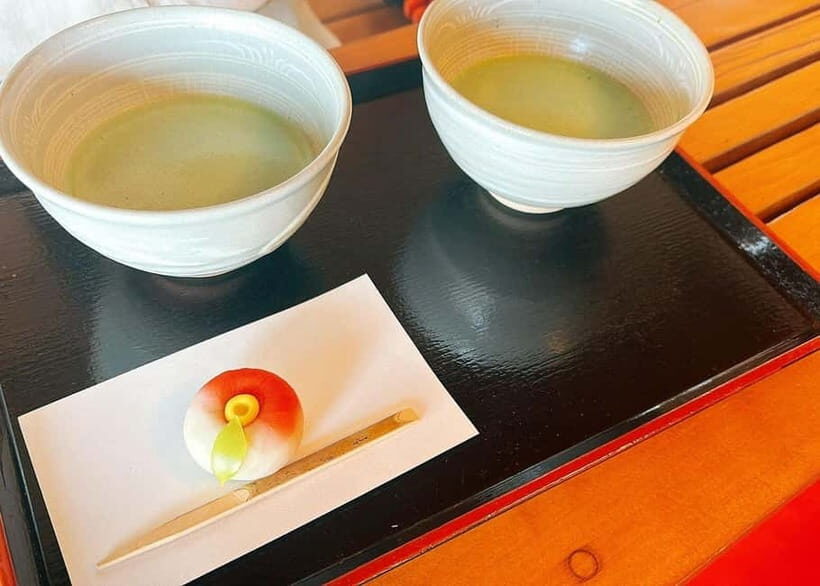
If you choose the add-on tasting in the gardens, you’ll get matcha and wagashi (Japanese sweets) and a chance to learn Japanese etiquette while you do it. It’s optional and costs about 1,000 yen, paid on-site.
This is a good fit for many people because it turns a “nice drink in a scenic place” into something more meaningful. If you’d rather spend your time walking and photographing, you can skip it and still enjoy the garden fully.
Price and value: what $31 realistically buys you
This tour costs about $31 per person for a 150-minute to 3-hour experience. For Tokyo, that’s fairly strong value because you’re getting two guided cultural stops plus garden admission.
Here’s what’s included:
- Hama-rikyū Gardens admission
- a local guide
What’s not included:
- transportation to/from the attractions (and this tour is essentially walking-between-stops)
- meals
- foods at stallholders (optional, paid on-site)
So the economics work like this: you pay for structure (guide + garden entry), then you pay for the snacks you personally want. That tends to be better than “all-you-can-eat” style tours, where you end up with food you didn’t choose.
When it feels like a win
You’ll feel you got your money’s worth if you want:
- a guided introduction to Tsukiji so you can shop with confidence
- a planned visit to Hama-rikyū without guessing your way around
- flexible snack spending rather than forced meals
When it might feel less worth it
If you already know exactly where you want to eat and you’re happy skipping guided context, you might prefer building your own Tsukiji and garden day. But if you’d rather have a route and a guide to explain what you’re seeing, this format is built for you.
Who should book this Tokyo food-and-gardens tour
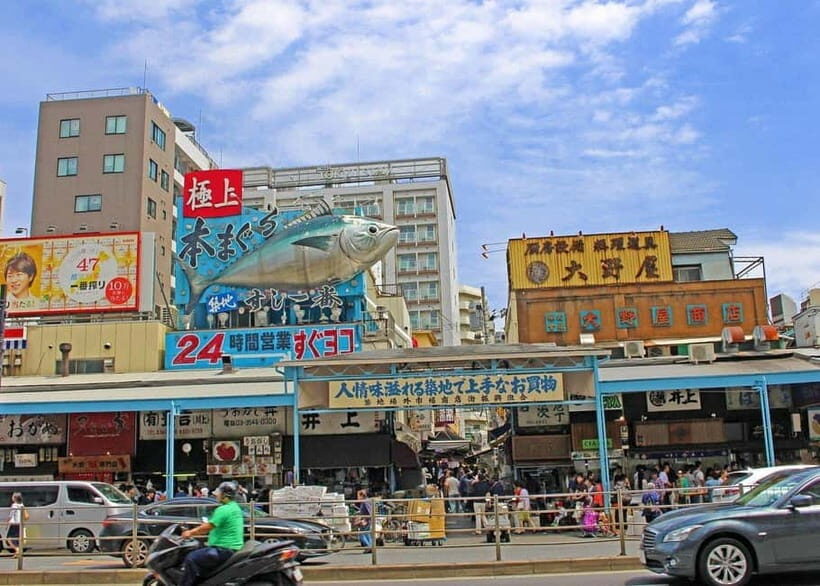
This is a solid choice for people who like food culture but also want a mental breather. If you enjoy short guided stops, then free time to snack and wander, you’ll match the rhythm well.
It also fits best if you:
- want an organized taste of Tsukiji Outer Market
- like garden strolls and seasonal flowers
- prefer a tour that balances “busy Tokyo” with “quiet Tokyo”
Mobility and comfort notes you should take seriously
The information says the tour is wheelchair accessible, but it also says it’s not suitable for pregnant women, people with mobility impairments, and wheelchair users. That conflict matters. I’d treat it as a sign to ask direct questions before booking—especially about walking distances and whether the route can be adjusted.
Basic packing checklist
You’ll be happiest with:
- comfortable shoes
- a camera
- water
Smoking isn’t allowed.
Should you book the Tsukiji Market and Hama-rikyu Gardens guided tour?
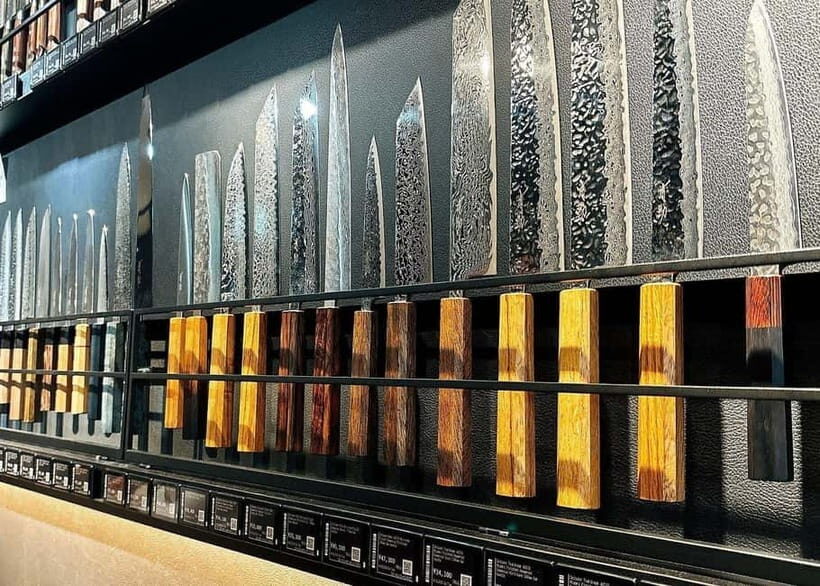
Yes, if you want the best kind of Tokyo day: quick cultural grounding at a temple, a guided food walk where the choice feels more manageable, then a garden finish where you can actually breathe.
I’d especially book it if you:
- like guided context, even for short periods
- want garden admission included
- prefer optional snack costs over fixed meals
I’d think twice if you:
- can’t handle walking comfortably
- want fully self-directed exploring with no structure
- don’t care about seasonal flowers or a calm contrast stop
If you do book, wear your best walking shoes and plan to budget a bit extra for snacks you choose at Tsukiji. That way the food part feels fun, not stressful.
FAQ
How long is the Tsukiji Market and Hama-rikyū Gardens guided tour?
It runs about 150 minutes to 3 hours total.
Where do I meet the guide?
You meet your guide in front of Starbucks at Tsukiji Station.
What is included in the tour price?
The tour includes a local guide and admission to Hama-rikyū Gardens.
Is food included at Tsukiji stalls?
No. Foods from stallholders are not included and are an extra cost if you choose to buy.
What about the matcha and wagashi tasting?
The matcha and wagashi tasting is optional, costs about 1,000 yen, and is paid on-site.
What languages are available for the live guide?
The live guide is available in Chinese, English, French, Korean, and Spanish.
More Tours in Tokyo





More Tour Reviews in Tokyo




Back to the Market: More Tsukiji Tours



Fresh reviews from around Tokyo






Tsukiji Fish Market Tours, compared.
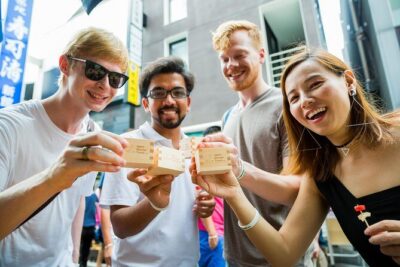 ★ 5.0Tokyo Tsukiji Fish Market Food and Culture Walking TourFrom $993,184 reviews
 ★ 5.0Tsukiji Fish Market Food and Walking tourFrom $301,724 reviews
 ★ 4.9Tsukiji Fish Market Guided Walking TourFrom $221,397 reviews
 ★ 5.0Tokyo Sushi Making Class in Tsukiji with Professional ChefFrom $491,177 reviews
 ★ 5.0Tsukiji Fish Market Guided Tour and Sushi Making with Pro ChefFrom $104775 reviews
★ 4.7Tsukiji Fish Market Food and Culture Walking TourFrom $96757 reviews
★ 5.0Tsukiji Fish Market Guided Tour and Sushi Making with Pro ChefFrom $104775 reviews
★ 4.7Tsukiji Fish Market Food and Culture Walking TourFrom $96757 reviews
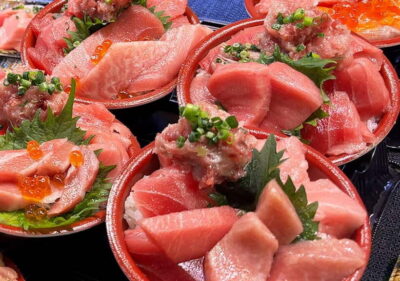 ★ 5.0Tsukiji Fish Market: Street Food & Culture Walking TourFrom $33669 reviews
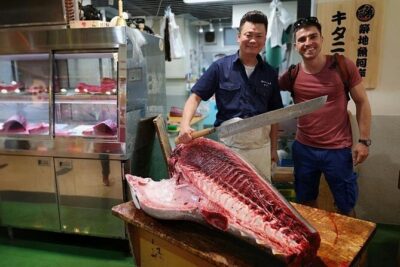 ★ 5.0Tsukiji Fish Market Small-Group Food Walking TourFrom $87621 reviews
Browse the lists this tour appears in