
Tsukiji smells like seafood and stories. I love how this small-group format keeps the walk friendly, and I also like that the guide helps you taste the market smartly, not just wander. One thing to plan for: you’ll need cash for sampling, and this route focuses on the outer market scene more than the inner auction floor.
I also appreciate that you’re starting right by transit, at Starbucks Coffee near Tsukiji Station, so you can jump in fast. In past groups, guides such as Yayoi, Nicholas, Doren, Yota, Shingo, Nao, and Ryo have led the experience, often with clear explanations of what you’re seeing and why it matters. Some walks may include a short shrine stop, like Tsukiji Hongwanji Temple, which adds a calm pause from the food chaos.
In This Review
- Key things that make this Tsukiji Fish Market tour worth it
- Tsukiji Outer Market: why two hours feels like the right size
- Meeting at Starbucks near Tsukiji Station (and how to show up prepared)
- What you’ll actually see in the Outer Market stalls
- Food sampling and the cash rule you should not ignore
- The guide effect: stories, smart recommendations, and named stops
- Rain, crowds, and shoes: what to expect under real market conditions
- Price check: does $17 buy real value in Tokyo?
- Who should book this Tsukiji walk (and who might want a different plan)
- Should you book this Tsukiji Fish Market walking tour?
- FAQ
- Where do we meet for the Tsukiji Fish Market walking tour?
- How long is the tour?
- What is included in the price?
- Is hotel pickup or drop-off included?
- Do I need cash?
- Is the guide available in English?
- How many people are in the group, and is it wheelchair accessible?
Key things that make this Tsukiji Fish Market tour worth it
- Expert guidance in a maze of stalls, so you don’t spend the whole time guessing what to try
- Food sampling along the way, including items people call out like tuna sushi, wagyu skewers, and mochi
- Real vendor-style stories that connect seafood to Japanese eating habits and restaurant culture
- Small group of up to 10, which makes it easier to move, ask questions, and keep track of where you are
- A practical start point at Starbucks by Tsukiji Station, so logistics are simple
- Cash-based sampling, so bring yen (and don’t assume every stop takes cards)
Still hungry? More Tsukiji breakfasts and market walks
- Tokyo Tsukiji Fish Market Food and Culture Walking Tour★ 5.0 · 3,184 reviews
- Tokyo: Tsukiji Fish Market Food and Walking tour★ 5.0 · 1,724 reviews
- Tokyo: Tsukiji Fish Market Guided Walking Tour★ 4.9 · 1,397 reviews
Tsukiji Outer Market: why two hours feels like the right size
Tsukiji’s reputation is big, but time in Tokyo is always tighter than you plan. This tour’s 2-hour length is a sweet spot: long enough to sample multiple stalls, short enough that you’re not exhausted before you even get to the good stuff.
The biggest value here is that you’re not trying to “master” Tsukiji on your own. The outer market is full of counters, specialty foods, kitchen tools, and packaged goods, and it can be overwhelming if you don’t know what you’re looking at. With a guide leading the pacing, you get to focus on the experience: tasting, learning, and shopping without turning it into a stressful scavenger hunt.
Also, this is built around seafood culture—how Japanese people think about ingredients, cuts, and seasonality. Even if you’re not a seafood expert, you’ll leave with more than photos. You’ll understand what certain items mean in Japanese cooking and dining, and you’ll be more confident ordering later at restaurants.
Meeting at Starbucks near Tsukiji Station (and how to show up prepared)
You’ll meet at Starbucks Coffee – Tsukiji Station, about 2 minutes on foot from the station. If you like having an easy landmark, this is a good choice. The meeting coordinates are 35.6679239, 139.7720981, which can help if you’re using a maps app and want to verify you’re at the right corner.
No hotel pickup is included, so you’ll want to handle your own transit and arrive a few minutes early. Tsukiji mornings can be crowded and loud, and it’s better to settle in before the group forms.
The other practical tip: bring cash. This isn’t optional in the real world of market sampling. At several stops, payment can be cash-only, and a number of past guests specifically warned that you should come ready with yen for tasting.
What you’ll actually see in the Outer Market stalls
Tsukiji Outer Market is all about variety. You’re walking through lanes where stalls sell seafood in different forms, specialty ingredients, and related goods—plus the kinds of culinary tools you won’t find on a typical shopping street.
What makes the walk satisfying is how the guide points out patterns. You learn how vendors think about quality, how certain ingredients connect to particular dishes, and how people in Japan use the market to build meals. That turns the experience from “look at fish” into “understand the system behind the food.”
From the food examples people mention, you can expect a mix of hot and cold bites and simple tasting portions. Items come up again and again in feedback:
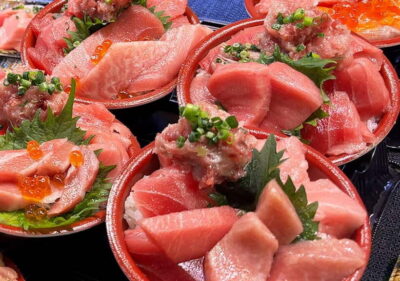
- tuna sushi and toro-related bites
- wagyu skewers
- fatty tuna
- oysters
- eel
- desserts such as mochi
- fruit
- wasabi-related items like wasabi beans
Even if you don’t want to buy ingredients, the guide’s picks help you sample the right things without wasting time at the wrong counters.
Food sampling and the cash rule you should not ignore
Here’s the practical reality: the tour includes the walking tour and guide, but the food you try is done through market stalls as you go. That’s why you’ll want cash ready.
Multiple people specifically called out that some tasting stops don’t take cards. One comment even warned very plainly that you should expect to pay with cash for sampling. So bring enough yen for small bites and any souvenirs you decide to pick up.
The sampling itself is a big part of the value. When a guide knows where to stop, you’re more likely to try something you wouldn’t pick on your own—like wasabi beans. That’s the kind of small, weird, fun item that makes the market feel like a living food culture instead of a tourist photo stop.
A note on what you taste: it can include meat and dessert, not just fish. You might see wagyu, and you might end with something sweet like mochi. If you’re worried you’ll be stuck eating only seafood, you’ll probably be pleasantly surprised.
Tokyo at walking pace, a few more ways
The guide effect: stories, smart recommendations, and named stops
The best thing about this tour isn’t the market itself—it’s how the guide helps you navigate it.
In feedback, guides like Yayoi, Nicholas, Doren, Yota, Shingo, Nao, and Ryo are repeatedly mentioned for clarity and for making smart choices about where to stop. That matters because the market is busy, and a guide can steer you toward stalls that match your interests and budget.
This is also where the cultural lessons become practical. People highlight that the guide explains local habits and how restaurants use ingredients from the market. That kind of context changes how you view the items in front of you. You start seeing beyond the wrapper.
Some groups also mention a short shrine stop, such as Tsukiji Hongwanji Temple. If your group includes it, it’s a nice rhythm break: food intensity down, breathing room up, then back to the stalls with a calmer head.
Rain, crowds, and shoes: what to expect under real market conditions
Tsukiji doesn’t pause for the weather. One set of feedback mentioned doing the walk in rain and still having a great time, which tells you the tour is designed to keep moving.
That means you should dress for walking and for slipping. Wear comfortable shoes with good grip. Think about the market surfaces: they can be uneven and packed with people. Also, keep your phone and valuables easy to manage, since you’ll be in close quarters for much of the walk.
Group size helps here. With a maximum of 10 participants, it’s easier to stay together, and it’s easier for the guide to stop, translate, and regroup.
The tour is also marked wheelchair accessible, which is a good sign for route planning. Still, market days can be tight, so if you use a wheelchair, consider bringing a little extra time to move through crowded lanes.
Price check: does $17 buy real value in Tokyo?
At $17 per person for a 2-hour guided walk, the pricing feels reasonable—especially because the guide does more than point. The guide actively improves your odds of:
- tasting a mix of good foods in the time you have
- choosing stalls efficiently
- understanding what you’re eating and why it matters
The catch is that the tasting itself typically costs extra at stalls. So your true total depends on how much you sample and how much you shop. The value comes from how much you get out of the guided route, not from a promise of a pre-paid feast.
If you’re deciding between trying to roam Tsukiji on your own or booking a guided walk, I’d frame it like this: the guide saves time and reduces guesswork. In a place like Tsukiji, saving an hour of confusion can feel worth far more than the tour price.
One more value point: the tour is in English, and the group is small, which tends to make Q&A easier. When you ask questions, you end up with better shopping and better ordering later.
Who should book this Tsukiji walk (and who might want a different plan)
Book it if you want seafood culture with structure. This tour is especially good for:
- first-timers to Tsukiji who feel nervous walking in cold
- food lovers who want tastings and clear recommendations
- travelers with limited time who still want a meaningful market experience
- anyone who prefers a guide to help translate market chaos into food choices
You might also like it if you’re the type who enjoys small surprises—like trying wasabi beans or another odd-but-good ingredient you wouldn’t order blindly.
On the flip side, consider your expectations. One piece of feedback noted that there isn’t much fish to look at beyond street-style vendors and skewers. That fits the reality that this experience centers on the outer market. If your dream is the inner auction floor vibe, you may want a different kind of Tsukiji tour.
Should you book this Tsukiji Fish Market walking tour?
Yes, I’d book it if you want a short, guided Tsukiji experience with tasting opportunities and explanations you can use later at restaurants. The combination of a small group, an English-speaking guide, and a practical meeting point near Tsukiji Station makes it low-stress, even if you’re new to the market.
The only strong “think twice” is the cash issue. If you forget yen or assume everything takes cards, you’ll feel it fast. Bring cash, wear good walking shoes, and show up ready to taste. If you do that, this tour is a smart way to experience Tsukiji without spending your whole Tokyo morning lost in the crowd.
FAQ
Where do we meet for the Tsukiji Fish Market walking tour?
You meet at Starbucks Coffee near Tsukiji Station, about a 2-minute walk from the station. The provided coordinates are 35.6679239, 139.7720981.
How long is the tour?
The tour duration is 2 hours.
What is included in the price?
The tour includes a walking tour and a live guide.
Is hotel pickup or drop-off included?
No. Hotel pickup and drop-off are not included.
Do I need cash?
Yes. The tour information says to bring cash, and feedback specifically warns that cash is required for sampling at some stops.
Is the guide available in English?
Yes. The tour provides a live tour guide in English.
How many people are in the group, and is it wheelchair accessible?
The group is limited to 10 participants, and the tour is listed as wheelchair accessible.
More Tours in Tokyo





More Tour Reviews in Tokyo




Back to the Market: More Tsukiji Tours



Fresh reviews from around Tokyo






Tsukiji Fish Market Tours, compared.
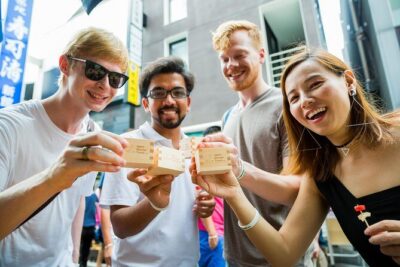 ★ 5.0Tokyo Tsukiji Fish Market Food and Culture Walking TourFrom $993,184 reviews
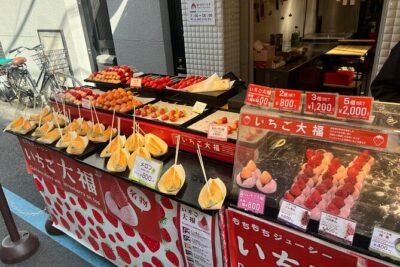 ★ 5.0Tsukiji Fish Market Food and Walking tourFrom $301,724 reviews
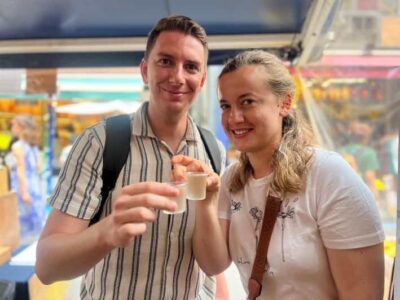 ★ 4.9Tsukiji Fish Market Guided Walking TourFrom $221,397 reviews
 ★ 5.0Tokyo Sushi Making Class in Tsukiji with Professional ChefFrom $491,177 reviews
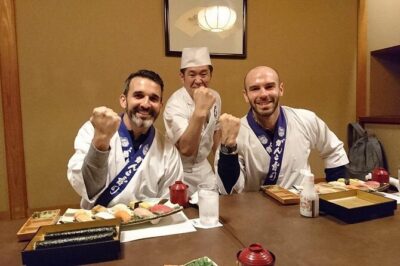 ★ 5.0Tsukiji Fish Market Guided Tour and Sushi Making with Pro ChefFrom $104775 reviews
★ 4.7Tsukiji Fish Market Food and Culture Walking TourFrom $96757 reviews
★ 5.0Tsukiji Fish Market Guided Tour and Sushi Making with Pro ChefFrom $104775 reviews
★ 4.7Tsukiji Fish Market Food and Culture Walking TourFrom $96757 reviews
 ★ 5.0Tsukiji Fish Market: Street Food & Culture Walking TourFrom $33669 reviews
 ★ 5.0Tsukiji Fish Market Small-Group Food Walking TourFrom $87621 reviews
Browse the lists this tour appears in