
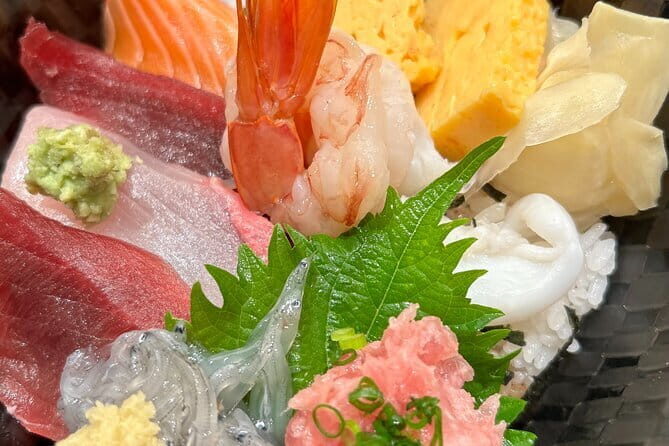
Reviewed · TSUKIJI FISH MARKET TOURS
Tokyo Tsukiji Fish Market Food Tour: 15 Stops & Walk Local Street
Tsukiji works best when someone shows you where to look. This small-group walk through the fish-market area gives you a guided route, food-culture context, and stops like Tsukiji Hongan-ji Temple, Namiyoke Inari Shrine, and the markets themselves. I especially like the small group cap of 15 and the photos taken during the tour—it makes the whole experience feel organized without killing the fun.
Here’s the one thing to be careful about: the tour is marketed with food tastings, but the details also say Food is not included. I’d treat this as a tour with food stops and chances to try things, not a guaranteed full meal package at no extra cost. The price makes sense when you value the guide + photos + local guidance, but you’ll want to plan for purchases if you’re a big eater.
When it goes right, it really goes right. In a review experience with guide Sakura San, the focus on Japanese sushi-eating and food etiquette added a lot of confidence, and the guide adjusted quickly when parts of the market were affected by closures. If you’re okay with some unpredictability and you want structure, this is a strong way to spend a few hours in Tsukiji.
In This Review
- Key highlights worth your attention
- Tsukiji feels easier when you’re not guessing
- Price and value: why $80 can be a good deal, or not
- Stop 1: Tsukiji Hongan-ji Temple (free entry, quick start)
- Stop 2: Tsukiji Jogai Market shopping street (400+ shops, big energy)
- Stop 3: Passing Tsukiji Fish Market and the mini wholesale scene
- Stop 4: Namiyoke Inari Shrine (waves, disasters, and a quick breath)
- The guide part: sushi-eating etiquette and food-culture context
- Photos you actually care about (and why that’s useful)
- Small-group pacing: ask questions without getting left behind
- Food expectations: how to plan if Food is not listed as included
- What if parts of the market are closed?
- Getting the logistics right: meeting point and communication
- Who should book this Tsukiji tour?
- Should you book the Tokyo Tsukiji Fish Market Food Tour?
- FAQ
- FAQ
- How much does the Tokyo Tsukiji Fish Market Food Tour cost?
- How long is the tour?
- What is the group size limit?
- Is there a Japanese guide included?
- Are photos included?
- Is food included in the tour price?
- Where do I meet for the tour?
- What time does the tour end?
- Do I need a mobile ticket or confirmation?
- How do I contact the guide on the day of the tour?
- Can I get a full refund if I cancel?
Key highlights worth your attention
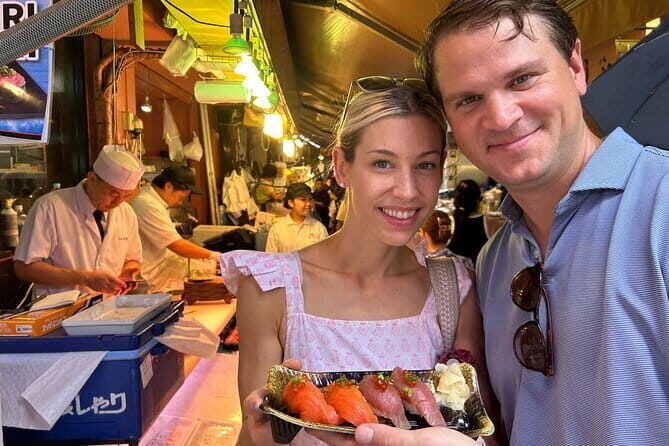
- 15 stops across the Tsukiji area, so you cover more than the obvious photo spots
- Small group (max 15 travelers) for easier questions and less waiting in line
- Guide-led food and etiquette education, not just a walk with a map
- Photos taken on the tour, sent to you after
- Short, efficient stop times (temple, shrine, market passing) to keep the pace
- Flexibility when market areas are closed, so you don’t lose the whole plan
Still hungry? More Tsukiji breakfasts and market walks
- Tokyo Tsukiji Fish Market Food and Culture Walking Tour★ 5.0 · 3,184 reviews
- Tokyo: Tsukiji Fish Market Food and Walking tour★ 5.0 · 1,724 reviews
- Tokyo: Tsukiji Fish Market Guided Walking Tour★ 4.9 · 1,397 reviews
Tsukiji feels easier when you’re not guessing
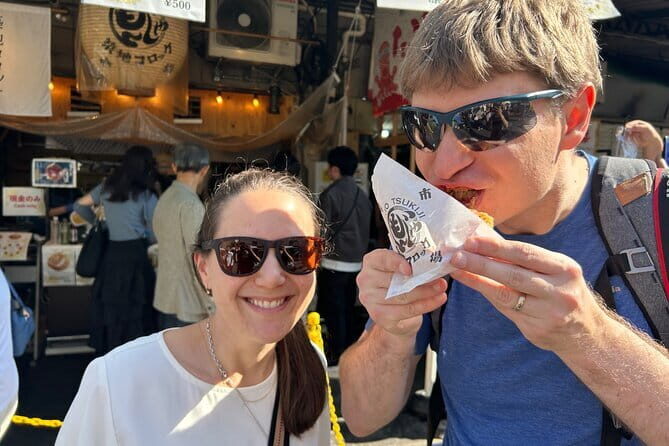
Tsukiji can be a bit like walking into a living machine. There are streets, alleys, stalls, and sights that look obvious—until you try to figure out what’s worth your time. This tour helps you get your bearings fast and keeps the walk moving with a guide setting the rhythm.
What you’re really paying for here isn’t only “seeing” Tsukiji. You’re paying for context: why people do certain things around food, how to handle yourself at food counters, and what to watch for as you move from one type of place to another. With a cap of 15 people, it stays conversational rather than lecture-style.
Price and value: why $80 can be a good deal, or not
At $80 per person, this tour sits in the midrange for guided food experiences in Tokyo. For that price, you get:
- A Japanese guide
- Explanation about food, etiquette, culture, and history
- Photos taken during the tour (sent after)
- A route with stops that includes temple/shrine and market areas
Two practical things to consider:
1) Food inclusion is the confusing part. The highlights mention tastings, while the details say Food is not included. That doesn’t mean you won’t try anything. It means you should assume you may need to buy some items yourself, especially if you want a full lunch rather than small samples.
2) You’re covering multiple stops in only 2 to 3 hours. That makes sense if you want Tsukiji as a focused block in an otherwise busy Tokyo day. If you have plenty of time to wander solo, you could do Tsukiji on your own for less. But if you want a guided route plus etiquette coaching, the guide-and-photos bundle is where the value shows up.
Stop 1: Tsukiji Hongan-ji Temple (free entry, quick start)
You begin at Tsukiji Hongan-ji Temple. You’ll meet in front of the entrance, then move inside for about 15 minutes. The admission here is free, and that matters because it’s a calm, low-cost way to start before you hit the food-and-market zones.
I like this kind of first stop. A temple stop early gives you a mental reset. You also start learning what to notice as you walk—how people behave in food areas later, and how the market culture fits into daily life rather than being treated like a theme park.
Stop 2: Tsukiji Jogai Market shopping street (400+ shops, big energy)
Next comes Tsukiji Jogai Market, with about 1 hour 30 minutes allotted. It’s described as a shopping street with over 400 shops, which tells you one key thing: you won’t “see everything” in this time. The point is to walk the right lanes and make good choices without wasting energy.
This is also the stop where food tends to matter most. The idea is that you can have a meal or at least grab something while you move through the market area. Since Food is listed as not included, think of this as time to plan purchases with the guide’s help—what’s worth trying, what fits your tastes, and how to order smoothly.
If you’re someone who gets overwhelmed in food markets, this is the stop that can save you. A guide can help you avoid the busiest dead-ends and steer you toward stalls you’ll actually enjoy.
Tokyo at walking pace, a few more ways

Stop 3: Passing Tsukiji Fish Market and the mini wholesale scene
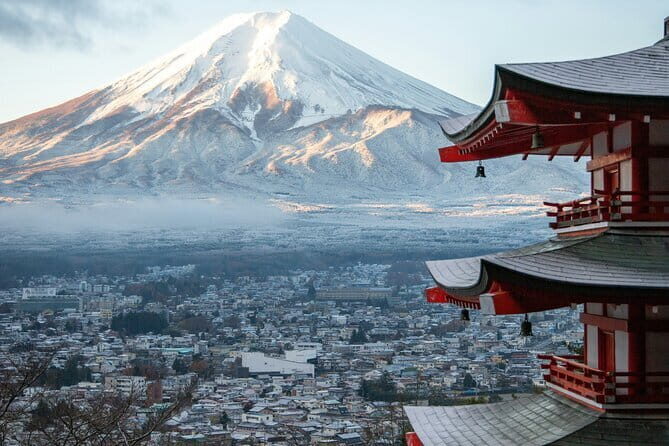
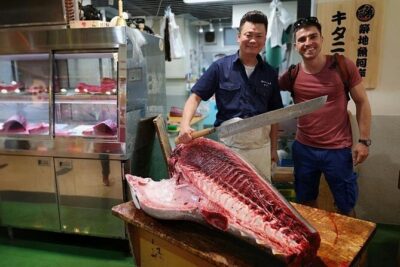
After the shopping street, you get a shorter 30-minute segment where you pass by the Tsukiji Fish Market area and a mini wholesale market. The emphasis is on seeing the range of fish—hundreds of fresh fish types—without requiring you to be in a super technical, procurement-only setting.
One reason I like this approach is the pacing. Not every fish market tour needs to feel like a factory tour. Here, you’re meant to experience the visual scale of seafood handling while your guide keeps the walk timed so you still have energy for the rest of the route.
What to watch for: the variety. If you come thinking fish equals a short list, Tsukiji tends to correct that fast.
Stop 4: Namiyoke Inari Shrine (waves, disasters, and a quick breath)
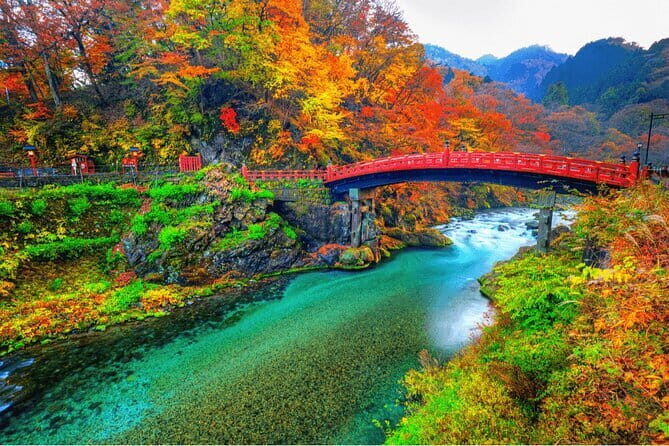
Then you head to Namiyoke Inari Shrine for about 15 minutes. Admission is free here too. The shrine is associated with Namiyoke Inari, the deity said to ward off disasters and weathers the waves.
This is a nice tonal shift after raw seafood sights. You get a little meaning behind the “why” of the place—because markets like this don’t exist in isolation. They’re tied to daily hopes: safety, good conditions, and smooth work.
Even if you’re not into shrines, it helps you understand how people integrate religion, tradition, and food life in Japan.
The guide part: sushi-eating etiquette and food-culture context
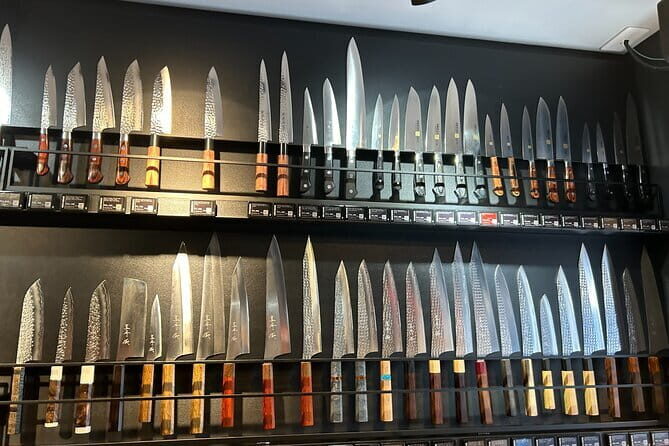
This tour is not just a highlights montage. Your guide provides explanations about food culture and local customs, and the standout reported value is etiquette coaching—especially around sushi.
In one experience with Sakura San, the guide shared insight into Japanese sushi-eating and other etiquette, which is exactly what helps a first-timer feel comfortable. You don’t want to spend your time translating in your head at a counter while everyone else moves smoothly.
Even if you don’t consider yourself a “foodie,” etiquette tips can make a huge difference. They can prevent awkward pauses, help you understand simple order flow, and give you confidence to try something you wouldn’t try solo.
Photos you actually care about (and why that’s useful)
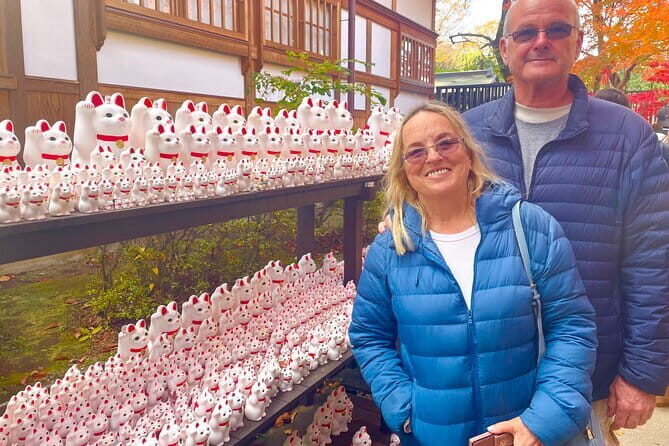
The tour includes photos taken during the tour, sent to you after. That’s not just a nice bonus. It’s practical.
When you walk through crowded market areas, you often lose track of who is where, and solo travelers end up with a handful of blurry shots. Having someone take photos while you’re moving means you get a set of memories without stopping every five minutes.
It also works well for group travel—even if your group is only up to 15. You don’t have to coordinate cameras at each stop.
Small-group pacing: ask questions without getting left behind
With max 15 travelers, the group stays manageable. That matters for a market walk where lines, choices, and questions can pop up fast.
Short stop times keep things efficient:
- 15 minutes at the temple
- 1 hour 30 minutes at the shopping street
- 30 minutes around the fish-market passing area
- 15 minutes at the shrine
So you should finish feeling like you covered a lot, not like you survived a marathon.
You might also get a smaller-than-usual group on lighter days. One review described a one-to-one experience due to cancellations, and that’s one of the best-case scenarios: extra personal attention and fewer crowd pressures.
Food expectations: how to plan if Food is not listed as included
This is the part I’d clarify before you go, because the details are contradictory at first glance.
- The highlights say you enjoy the perk of food tastings included
- The details section says Food is not included
- The overview mentions chances to try sushi or Japanese oysters
So what should you do?
1) Assume you may need to pay for at least some items.
2) Use the Jogai Market time to try what you want, based on your budget.
3) Ask the guide early what tasting options look like on that day.
If you’re coming hungry, bring extra spending flexibility. If you’re okay with a lighter snack-and-wander experience, you’ll probably feel more satisfied with the value.
And one more practical tip: market meals in Japan can be quick. That means you can try more than you think, but only if you’re ready to choose fast.
What if parts of the market are closed?
Markets have off days and holiday hours, and your plan can take a hit. One review noted that the market had some closure due to a holiday, but the guide pivoted quickly and still delivered a good experience.
That’s a big deal. A rigid tour that sticks to a script can leave you stuck. A flexible guide helps you keep moving and find workable alternatives, so your time doesn’t vanish.
I’d still dress for discomfort. Even short walks in cold weather can feel longer than you expect, so wear layers you can adjust.
Getting the logistics right: meeting point and communication
The tour starts at:
Tsukiji Hongan-ji Temple, 3-chōme-15-1 Tsukiji, Chuo City, Tokyo 104-8435, Japan
It ends back at the meeting point.
You’ll need to make your own way there—no hotel pickup/drop-off is included—and you’ll cover your own transportation to the meeting spot.
For day-of communication, the tour asks you to download WhatsApp, since contact will happen there. This is a simple but important tip. If you arrive and can’t connect, you could waste time.
You also get a mobile ticket, which is handy in Japan where paper tickets aren’t always the default.
Who should book this Tsukiji tour?
This is a strong fit if:
- you want a guided food-and-culture route rather than wandering blindly
- you care about etiquette, especially for sushi-style eating
- you like the idea of a small group and a guide who can explain what you’re seeing
- you want photos without managing your camera every step
It may not be the best fit if:
- you specifically want a tour where meals are fully included and clearly labeled as such
- you’re the type who wants to eat a heavy sit-down lunch and doesn’t want to make choices on the fly
- you dislike any uncertainty around food portions and tasting structure
Should you book the Tokyo Tsukiji Fish Market Food Tour?
My take: book it if you value guidance and confidence as much as food. The combination of a Japanese guide, a structured 15-stop walk, and photos adds up. Plus, etiquette coaching can turn Tsukiji from a confusing place into a place you understand.
I’d hesitate only if your main goal is guaranteed food with zero extra spending. Since Food is marked not included while the tour still promises tastings, you should go in ready to purchase a couple items at Jogai Market—especially if sushi or oysters are on your list.
If you like short stops, quick context, and a walking route that covers real local areas, this one is a solid use of a half-day in Tokyo.
FAQ
FAQ
How much does the Tokyo Tsukiji Fish Market Food Tour cost?
The price is $80.00 per person.
How long is the tour?
It runs about 2 to 3 hours.
What is the group size limit?
The experience has a maximum of 15 travelers.
Is there a Japanese guide included?
Yes. A Japanese guide is included, along with explanations about food, etiquette, culture, and history.
Are photos included?
Yes. Photos taken during the tour are included and sent to you after the tour.
Is food included in the tour price?
Food is listed as not included. The tour includes food-related chances and tastings in the overall description, but you should expect to pay for items if you want to eat.
Where do I meet for the tour?
The meeting point is in front of Tsukiji Hongan-ji Temple at 3-chōme-15-1 Tsukiji, Chuo City, Tokyo 104-8435, Japan.
What time does the tour end?
The tour ends back at the meeting point.
Do I need a mobile ticket or confirmation?
You receive confirmation at booking, and the tour uses a mobile ticket.
How do I contact the guide on the day of the tour?
For communications on the day, you should download WhatsApp, since it will be used for contact.
Can I get a full refund if I cancel?
Yes, you can cancel up to 24 hours in advance for a full refund.
More Tours in Tokyo





More Tour Reviews in Tokyo




Back to the Market: More Tsukiji Tours



Fresh reviews from around Tokyo






Tsukiji Fish Market Tours, compared.
 ★ 5.0Tokyo Tsukiji Fish Market Food and Culture Walking TourFrom $993,184 reviews
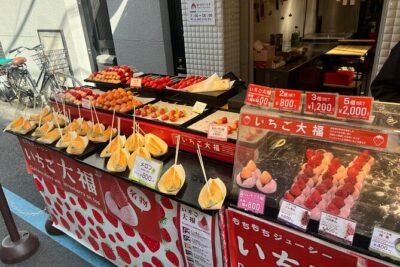 ★ 5.0Tsukiji Fish Market Food and Walking tourFrom $301,724 reviews
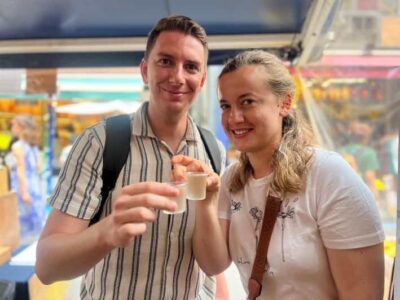 ★ 4.9Tsukiji Fish Market Guided Walking TourFrom $221,397 reviews
 ★ 5.0Tokyo Sushi Making Class in Tsukiji with Professional ChefFrom $491,177 reviews
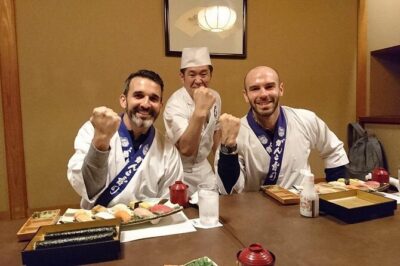 ★ 5.0Tsukiji Fish Market Guided Tour and Sushi Making with Pro ChefFrom $104775 reviews
★ 4.7Tsukiji Fish Market Food and Culture Walking TourFrom $96757 reviews
★ 5.0Tsukiji Fish Market Guided Tour and Sushi Making with Pro ChefFrom $104775 reviews
★ 4.7Tsukiji Fish Market Food and Culture Walking TourFrom $96757 reviews
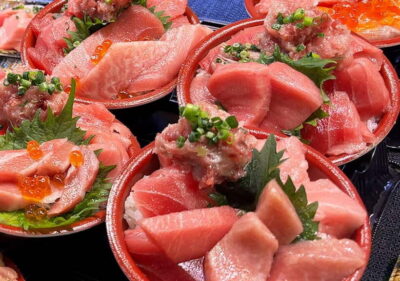 ★ 5.0Tsukiji Fish Market: Street Food & Culture Walking TourFrom $33669 reviews
 ★ 5.0Tsukiji Fish Market Small-Group Food Walking TourFrom $87621 reviews
Browse the lists this tour appears in