
Reviewed · CYCLING TOURS
Tokyo downtown bicycle tour Tokyo Backstreets Bike Tour
Tokyo by bike feels like a cheat code.
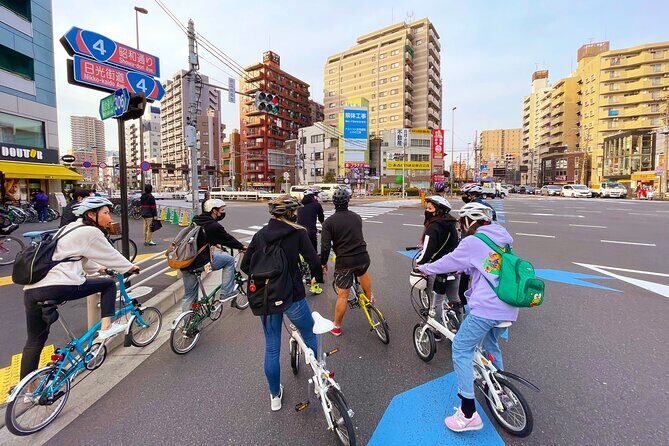
This small-group ride is built for seeing central sights off the main roads, without the stress of figuring out routes on your own. I love that it stays personal (max 6 people), and that you also get real culture breaks: sweet stops, temples, a traditional crafts museum, and a proper garden. One consideration: it is not a private tour, so expect a small group rather than just your party.
You’ll cover a lot in about four hours, with folding bikes, water, and a snack from a traditional sweet shop. The route also works as a practical introduction to Tokyo neighborhoods—especially around Asakusa/Sumida—because you spend time where people actually live.
If you want something active but not exhausting, this is a smart fit.
In This Review
- Key points worth knowing before you pedal
- Why backstreets beat buses and walking for a half-day in Tokyo
- Where the tour starts in Sumida (and why it matters)
- The bikes, helmets, and how safety feels on this route
- Stop-by-stop: how the ride shapes your Tokyo story
- Yamamotoya for sakuramochi: the sweet start that sets the tone
- Honryuin Matsuchiyama Shoden: part of Senso-ji, founded in 595
- Imado Shrine: a power spot for love and matchmaking
- Edo Taito Traditional Crafts Center: where “handmade” becomes real
- Senso-ji Temple at Kaminarimon: ride up, then slow down on foot
- Kyu Yasuda Garden: a 17th-century breather
- Ryogoku Kokugikan: quick sumo-stadium photos
- Oyokogawa Water Park toward Tokyo Skytree
- Kyojima Minami Park: older shopping streets and daily life
- The guide’s role: what makes it fun instead of just efficient
- Value check: is $65.41 fair for 4 hours in Tokyo?
- Weather and pacing realities (so your day doesn’t get wrecked)
- Should you book this Tokyo Backstreets Bike Tour?
- FAQ
- How long is the Tokyo Backstreets Bike Tour?
- What’s included in the price?
- Is admission required for the stops?
- What group size should I expect?
- Do I need to wear a helmet?
- What if I’m taller than 180 cm or want a tandem bike?
- What happens if the weather is bad or I cancel?
Key points worth knowing before you pedal
- Small-group touring (up to 6 people) keeps the pace calm and makes it easier to ask questions
- Free admission stops mean you pay mainly for the guided bike experience, not entry fees
- Folding bike comfort and fit guidance: the bikes are for about 140–180 cm riders
- A snack + water included, tied to local food culture right from the start
- Route flexibility so the guide can adjust to your interests while keeping the flow
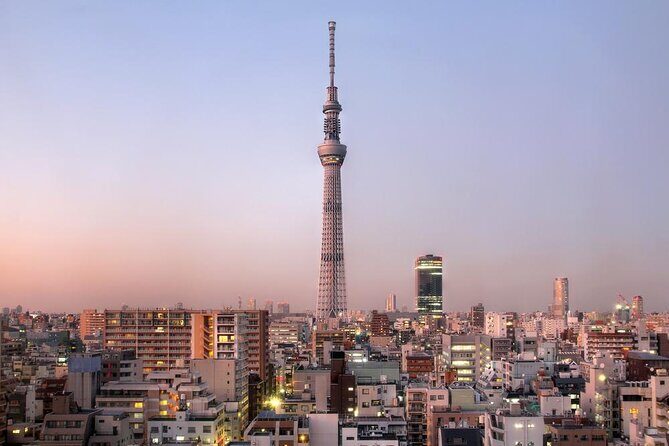
- Skytree and local shopping streets appear alongside temples and gardens, not instead of them
More of Tokyo by bike
- Tokyo Guided Small-Group Biking Tour★ 5.0 · 1,250 reviews
- Tokyo Great Cycling Tour★ 5.0 · 811 reviews
- Tokyo Top Highlights 3h Guided E-bike Tour★ 5.0 · 714 reviews
Why backstreets beat buses and walking for a half-day in Tokyo
Tokyo is amazing on foot, but walking can trap you in loops: you see a few highlights, then you backtrack. A bike tour fixes that. You move through neighborhoods with less friction, and you can reach places that feel removed from the tourist ribbon without needing a map app and nerve.
This tour is set up for that exact sweet spot. You get a guided route that takes you away from the busiest corridors, yet the stops are close enough to keep things relaxed. It’s the kind of half-day plan that helps you understand how Tokyo layers old and new: temple symbolism nearby modern city infrastructure, gardens tucked beside busy areas, and local shopping streets beside postcard landmarks.
Most importantly, it’s not just sightseeing from a distance. You slow down at meaningful places—sweet shops, shrine precincts, gardens, craft displays—then you ride again. That rhythm is what makes it feel like you did something, not just checked boxes.
Where the tour starts in Sumida (and why it matters)
You meet in Sumida City, Higashimukōjima, inside a shared office building called シナプス (Synaps) at 2-chōme 24-14. The location is also described as near public transportation, which is a relief in Tokyo, where stations can be a small maze.
Starting in this part of Tokyo matters because the ride naturally mixes neighborhood life with iconic sights. Instead of beginning in the middle of a major crush zone, you start in a calmer area and then build your way toward Asakusa landmarks and the Skytree corridor.
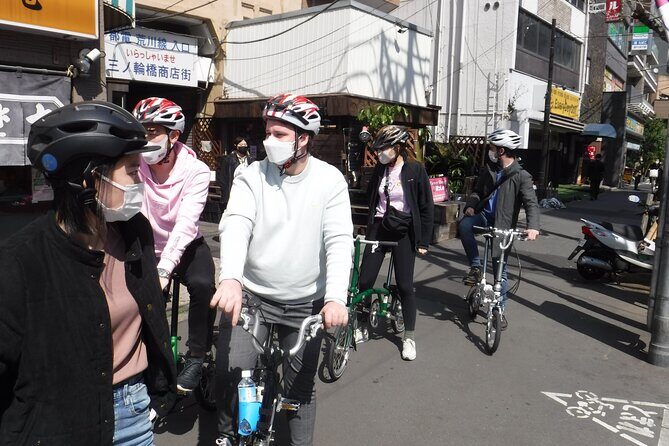
Before you head out, do a quick reality check on your bike fit. The rentals are folding bikes with 14–20 inch wheels, suitable for riders about 140–180 cm tall. If you’re over 180 cm, you’re asked to inform the operator in advance so they can plan the right setup.
The bikes, helmets, and how safety feels on this route
You’ll be given a bike and a helmet. Helmets are provided, though they’re described as not mandatory, which is common for some tours. Still, if you’re the type who likes extra protection (I am), you’ll feel better wearing it.
What makes this tour feel safe is the way it’s run:
- The ride is designed for most travelers to participate, including people who aren’t cycling commuters at home.
- The group size stays small, so the guide can keep everyone together.
- The streets you pass through are described as relatively quiet, and the pace is set to let you take in the sights.
One more practical note: if you want a tandem bike, you must arrange that 3 days before your booking. That’s useful for couples or families who want to ride together rather than split up.
Stop-by-stop: how the ride shapes your Tokyo story





Yamamotoya for sakuramochi: the sweet start that sets the tone
The tour opens with a quick stop at Yamamotoya for sakuramochi, a cherry cake wrapped in a salt-pickled cherry leaf and filled with red bean paste. This is one of those foods that feels instantly Tokyo because it connects seasonal symbolism to something you can actually taste.
Timing is short—about 10 minutes—so you get a taste of the culture without turning the tour into a food marathon. And because water is included, you’re not stuck navigating drinks right away.
Practical takeaway: if you’re sensitive to sweet foods, have a small bite. The leaf wrapping is part of the flavor, but the portion is still a dessert, not a meal.
Honryuin Matsuchiyama Shoden: part of Senso-ji, founded in 595
Next you visit Honryuin Matsuchiyama Shoden, part of the Senso-ji complex. It’s described as founded in 595, which is the kind of timeline that makes Tokyo feel less like a modern city and more like a long-running story.
This stop is free, and you get about 20 minutes. The standout detail here is that the temple has symbolic imagery around a daikon (Japanese radish) and a pouch. The guide’s job is to translate what those objects mean, so you’re not just looking at carvings—you’re getting a thread to follow while you walk.
A small drawback: temple symbolism can be easy to skim if you’re rushed. The time here is short, but it’s long enough for the guide to explain, then let you look around.
Imado Shrine: a power spot for love and matchmaking
You then pedal to Imado Shrine, founded in 1063. The tour frames this site as a popular power spot for people seeking help with lovers or marriage partners. It also includes classic fortune figures like beckoning cats and fortune cats.
You’ll spend about 15 minutes here. That’s just enough time to see the shrine setting, pick up a few meaningful details, and move on without turning the emotional tone into a long wait in line.
If you’re not into omamori-style hopes, you can still enjoy the visual motifs. These shrines are often more interesting when you treat them as cultural language.
Edo Taito Traditional Crafts Center: where “handmade” becomes real
After the spiritual stops, the tour shifts gears to everyday skill at the Edo Taito Traditional Crafts Center, also referred to as the Edo Shitamachi Traditional Crafts Museum. This stop is around 20 minutes and is described as an exhibition of traditional handicrafts.
This matters because it balances the emotional intensity of temples with something practical: how craftsmanship actually shows up in daily life. Even if you don’t buy anything, you get a sense of why Tokyo treasures certain styles of making.
One thing to plan: if you like museums, you’ll want more time here. If you prefer a fast-paced ride, the short format keeps you from getting stuck.
Senso-ji Temple at Kaminarimon: ride up, then slow down on foot
You cycle toward Senso-ji and pass in front of Kaminarimon gate, then you leave the bikes and enjoy walking inside. This is a 20-minute stop, and admission is free.
This arrangement is smart. It lets you experience the spectacle of approaching Senso-ji by bike, but it also gives your legs a break for the busy interior areas where walking is easier than threading through people on a bicycle.
Practical tip: bring your attention, not just your camera. The most satisfying part of Senso-ji on a bike tour is noticing how the experience changes when you park the bike and move slowly through the grounds.
Kyu Yasuda Garden: a 17th-century breather
Then you head to Kyu Yasuda Garden, a traditional garden described as built in the 17th century. You’ll have about 20 minutes to walk and absorb the setting.
A garden stop might sound like a pause, but it’s also useful for pacing. It cools down the mental tempo after temples. It also gives you a chance to slow your cycling brain and actually look at details: edges, paths, and seasonal design.
If the weather is warm, gardens can be a welcome reset. If it’s rainy, you’ll appreciate the fact that you’re not stuck in a long outdoor waiting line.
Ryogoku Kokugikan: quick sumo-stadium photos
At Ryogoku Kokugikan, the tour focuses on the outside experience—cycling in front of the sumo stadium. It’s a short stop (about 5 minutes) with a note that you might have time for pictures.
This is a good use of time. You’re not expected to sit through a stadium event. You get the shape of the place and a photo moment, then you move on.
If you’re a serious sumo fan, you’ll likely want more than five minutes, but for a half-day bike tour, this keeps the route moving.
Oyokogawa Water Park toward Tokyo Skytree
Next comes Oyokogawa Water Park, about 30 minutes, where you cycle through the park toward Tokyo Skytree. This part is less about one building and more about the ride itself: open stretches and calmer vibes compared to dense sightseeing streets.
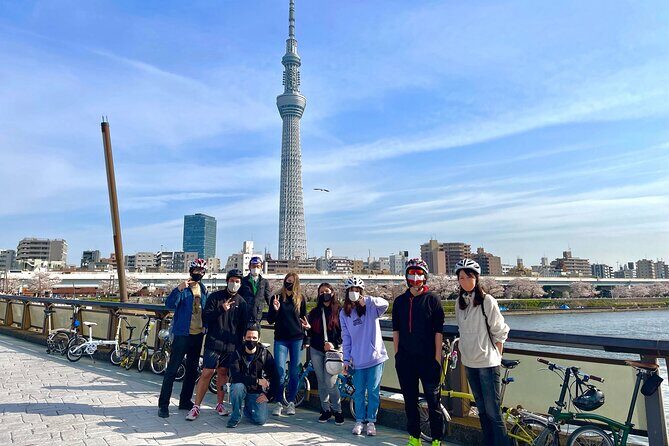
After that, you reach Tokyo Skytree for about 10 minutes. The highlight here is that you can cycle under the tower, which makes it feel more immediate than just seeing it from a distance.
Photo note: the Skytree stop is short, so be ready to move. The best photos often come from quick positioning and waiting for the right moment, not from rushing.
Kyojima Minami Park: older shopping streets and daily life
You finish with Kyojima Minami Park, about 30 minutes. The focus is on older shopping areas where you can see daily life—the kind of place where Tokyo feels lived-in rather than staged.
This is a strong closing move. By the time you reach this neighborhood, you’ve already had temples, crafts, gardens, and Skytree. The final stop gives you a softer landing: less landmark pressure, more normal city rhythm.
The guide’s role: what makes it fun instead of just efficient
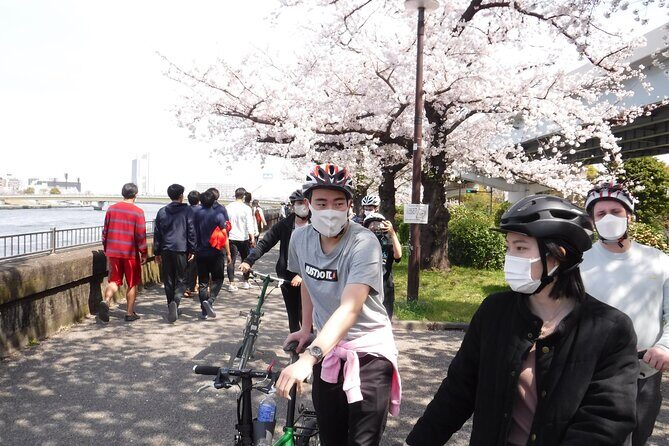
The biggest pattern in the experience is the guide. Guides here are described as friendly, attentive, and willing to explain. One common name you’ll see connected to the tour is Takeshi—including Akiyama Takeshi in some accounts. That’s a useful detail because it signals a consistent human touch.
Here’s what that means for you:
- You can ask questions and get more than one-line answers.
- The guide can adjust the pace and sometimes adapt the plan to your interests.
- The group stays together, which is a big deal when you’re riding and stopping often.
There’s also a personal feel to the small-group size. With a maximum of 6 travelers, it’s easier to manage comfort breaks, photos, and slower riders without turning everything into a logistical stress test.
If you want a low-key adventure that still feels meaningful, that guide-centered approach is the value driver.
Value check: is $65.41 fair for 4 hours in Tokyo?
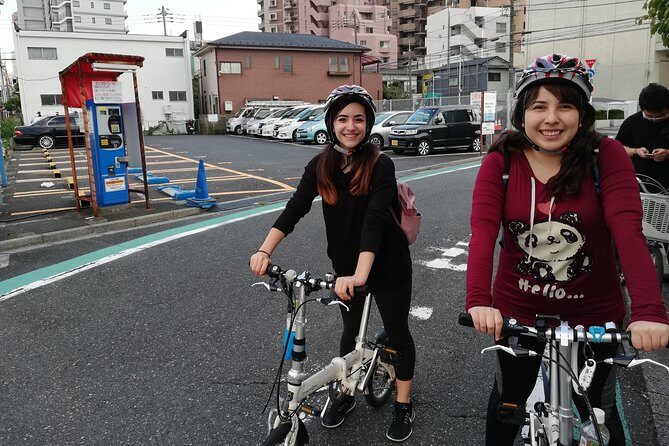
At $65.41 per person for about four hours, this is priced like a “make your sightseeing easier” experience—not a luxury add-on. What you’re paying for is guidance plus transportation, not expensive ticketing.
The value comes from the combo:
- Bike + helmet provided
- Water and a snack from a traditional sweet shop
- Free admission at the major stops listed in the route
- A small-group format (so you’re not getting lost in a big crowd of cyclists)
You’ll also likely cover a decent distance for a half-day. One account noted about 15 km in roughly 4 hours, which gives you a realistic ballpark for how active this feels.
So the real question is: do you want to spend your Tokyo time learning a neighborhood story while moving efficiently? If yes, the price makes sense. If you already love building routes yourself and don’t care about guided context, you might find it less necessary.
Weather and pacing realities (so your day doesn’t get wrecked)
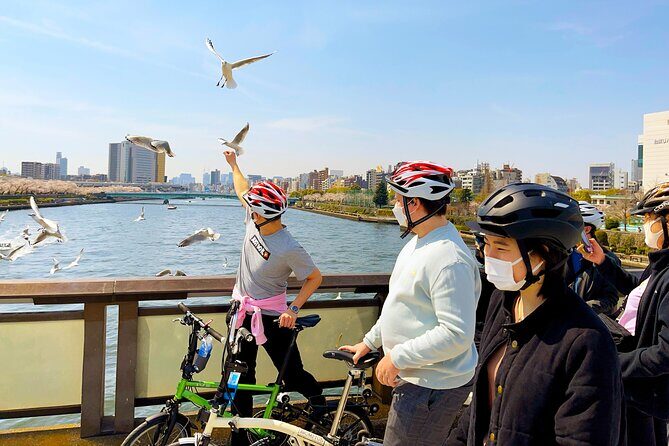
This tour requires good weather. If it’s canceled due to poor weather, you’ll be offered a different date or a full refund. That’s the clean version.
On the day itself, you should still plan like the weather can change your experience. There are hints in the feedback that heat can affect comfort, and rain can shorten things. Cycling is still fun in those conditions, but you’ll want light layers, sun protection, and a flexible attitude.
Pacing is another reality check. This ride is designed to feel manageable. It’s described as easy to follow and relatively quiet in traffic. Still, you’re moving. If you want zero exertion, this isn’t that. If you want gentle exercise and great sights, it fits.
Should you book this Tokyo Backstreets Bike Tour?
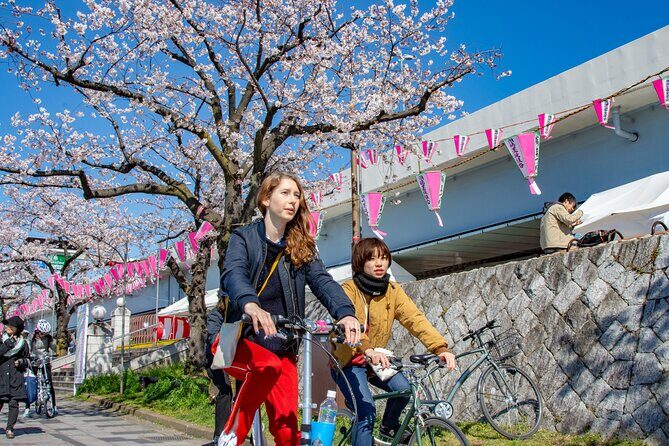
Book it if you want:
- A small-group guide helping you see central Tokyo without getting lost
- A mix of landmarks and neighborhood life, not just a straight list of temples
- A half-day plan that includes food culture, crafts, and at least one major skyline moment at Tokyo Skytree
- Something more efficient than walking, with enough stops to feel like you learned something real
Skip it if:
- You need a private-by-default experience (this is limited to small groups)
- You’re taller than the listed bike range and don’t plan ahead about sizing
- You hate being outdoors for long stretches, since the tour depends on good weather
If you’re visiting Tokyo for the first time—or you’ve been before and want a different angle—this is a practical way to get orientation fast while still feeling like a genuine neighborhood experience.
FAQ
How long is the Tokyo Backstreets Bike Tour?
It runs for about 4 hours.
What’s included in the price?
You get a rental bike, a helmet (provided), water, and a snack from a traditional sweet shop.
Is admission required for the stops?
The tour lists free admission for the stops included on the route.
What group size should I expect?
The tour has a maximum of 6 travelers.
Do I need to wear a helmet?
Helmets are provided, and they’re described as not mandatory, though it’s still a smart idea to wear one for comfort and safety.
What if I’m taller than 180 cm or want a tandem bike?
The folding bikes are suited for riders about 140–180 cm. If you’re over 180 cm, you should inform the operator in advance. Tandem bikes are possible, but you need to request them 3 days before booking.
What happens if the weather is bad or I cancel?
The experience requires good weather. If it’s canceled due to poor weather, you’ll be offered a different date or a full refund. You can cancel up to 24 hours in advance for a full refund.
Tokyo on Two Wheels

More Tours in Tokyo

More Tour Reviews in Tokyo



Fresh reviews from around Tokyo






Cycling Tours, compared.
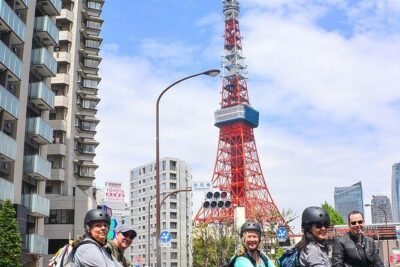 ★ 5.0Tokyo Guided Small-Group Biking TourFrom $1061,250 reviews
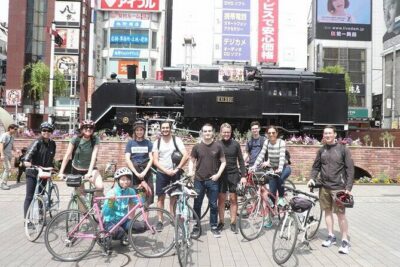 ★ 5.0Tokyo Great Cycling TourFrom $99811 reviews
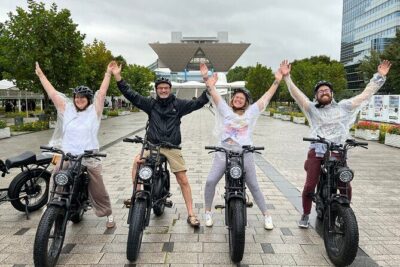 ★ 5.0Tokyo Top Highlights 3h Guided E-bike TourFrom $63714 reviews
3-Hour Bike or E-Bike City Highlights TourFrom $45435 reviews
★ 5.0Tokyo Top Highlights 3h Guided E-bike TourFrom $63714 reviews
3-Hour Bike or E-Bike City Highlights TourFrom $45435 reviews
 ★ 5.0Tokyo West-Side Cycling & Food TourFrom $99214 reviews
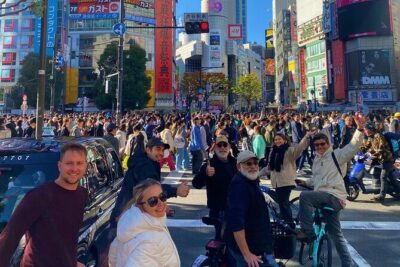 ★ 5.03-Hour Bike/E-Bike Tour of the City’s HighlightsFrom $63209 reviews
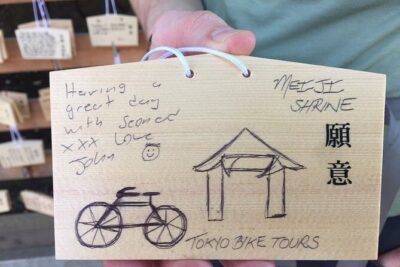 ★ 5.0Small Group Cycling Tour in TokyoFrom $66184 reviews
 ★ 5.03-Hour Tokyo Private E-Bike Tour Starting from Your HotelFrom $145117 reviews
Browse the lists this tour appears in