
Reviewed · MT FUJI DAY TRIPS
“Tokyo to Mt. Fuji & Hakone: Private Customizable Day Trip”
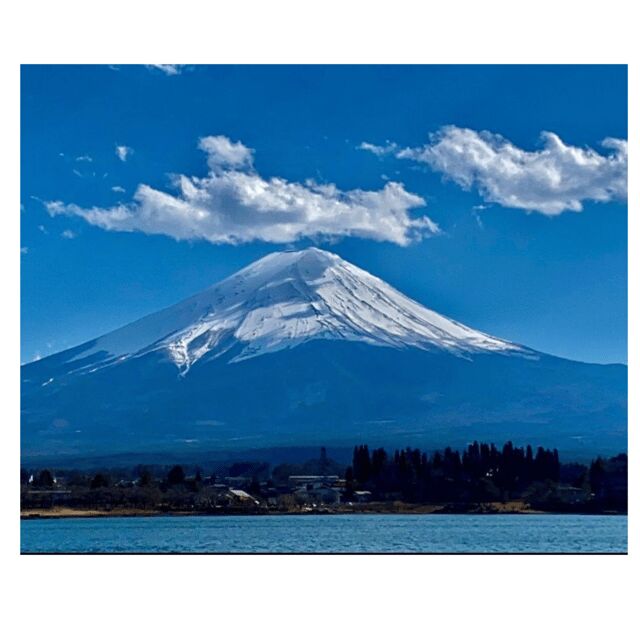
Fuji day can feel hectic on public transit. This private trip keeps it smooth, with luxury car comfort and flexible pacing from the moment you get picked up in Tokyo. You’ll hit the classic photo stops like Chureito Pagoda and Mt. Fuji 5th Station, then slide into Hakone’s hot-spring region with scenic viewpoints and a calm lake break.
Two big things I like: you control the tempo, so you’re not racing through overlooks, and you have a real English-speaking driver-guide handling timing and directions. One thing to plan for: Mt. Fuji visibility depends on weather, so if clouds roll in, your views may change day to day.
If you want a day that’s part sightseeing, part photo ops, this setup fits. Guides such as Alex, Sohail, Hafiz, and Aslan are repeatedly described as patient, proactive about timing, and ready with suggestions for what to do next. I’d still treat the “perfect Fuji” look as a bonus, not a guarantee, and plan to enjoy the day even if the mountain is shy.
In This Review
- Key points before you go
- Why this Tokyo-to-Fuji-and-Hakone day works so well
- The morning plan: hotel pickup and a smarter start
- Mt. Fuji 5th Station: the closest car-access to the summit
- Arakurayama Sengen Park and Chureito Pagoda: classic framing and calm walking
- Lake Ashi in Hakone: the mellow middle of the day
- Lunch break: short stop, so plan for preferences
- Oshino Hakkai: springs, ponds, and a different pace than the pagoda
- Saiko Iyashi-no-Sato Nenba: traditional village atmosphere
- Mt. Kachi Kachi Ropeway: up for the views, down for the energy
- Narusawa Ice Cave: the cool twist
- Gotemba Premium Outlets: a practical finale for shopping time
- Private luxury transport: what you’re actually buying
- Flexibility and customization: how to use it wisely
- Price and what makes it feel like value
- Who should book this trip
- Should you book this Tokyo to Mt. Fuji and Hakone private day trip?
- FAQ
- How long is the Tokyo to Mt. Fuji & Hakone day trip?
- Where do you get picked up and dropped off?
- What vehicle is used for the private tour?
- Is there an English-speaking guide?
- Are meals included?
- Are paid entry tickets included?
- Is the tour wheelchair accessible?
- What should I bring?
- Is there free cancellation?
Key points before you go
- Private luxury car from Tokyo (Land Cruiser, Crown, Vellfire, or similar) so you’re not hopping buses with luggage and kids.
- Customizable pacing: you can move slower at viewpoints and spend longer where you care most.
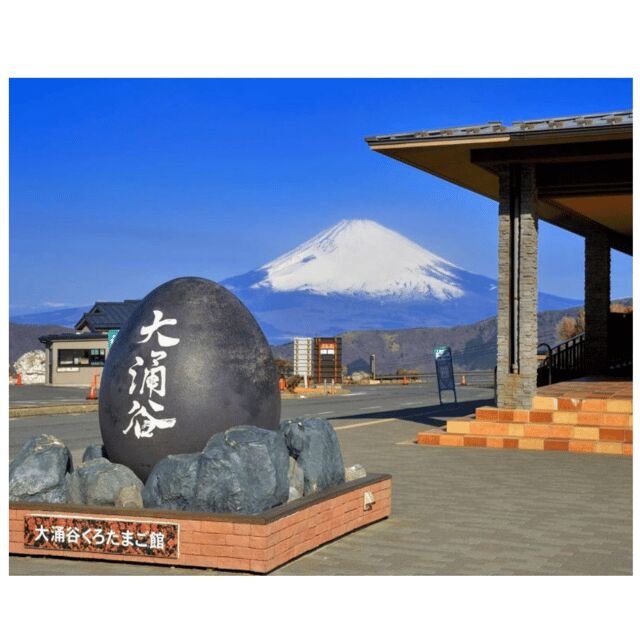
- Multiple signature Fuji/Hakone stops in one day, including Mt. Fuji 5th Station and Hakone lake/ropeway areas.
- Guide-led photo moments at major viewpoints like Chureito Pagoda, with help positioning for the shot.
- Wi-Fi hotspot + cold drinks in the car, handy on a long day out of the city.
- Paid tickets aren’t included, so some attractions may cost extra on the day.
Other routes to the mountain, compared
- Mt Fuji & Hakone Cruise, Drum Show Bullet Train 1 Day from Tokyo★ 4.0 · 7,413 reviews
- Tokyo Mt Fuji 5th St & Hakone Cruise Bus Tour w/Bullet Train★ 4.4 · 5,024 reviews
- From Tokyo: Mount Fuji Full-Day Sightseeing Trip★ 4.5 · 4,970 reviews
Why this Tokyo-to-Fuji-and-Hakone day works so well
This is the kind of trip that makes sense when you want a “big day” without the stress tax. Public transit can work, but it often forces you into fixed schedules, long transfers, and lines. Here, you ride together in a private luxury vehicle, and your driver-guide keeps the day moving without turning it into a sprint.
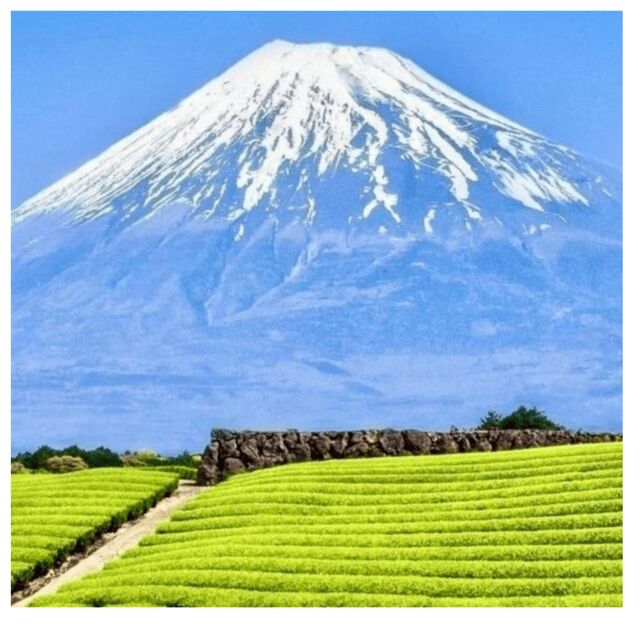
The value is in the combination: Mt. Fuji up close (via the 5th Station) plus classic countryside scenery around the Fuji area, then the Hakone region’s viewpoints and lake scenery. Many day trips pick one zone. This one stacks them.
Also, the tone of the day is practical. You get helpful guidance, but you still get room to pause, take photos, and wander at your own speed. That matters most when you’re traveling with kids, older relatives, or just anyone who doesn’t want a schedule that clicks like a metronome.
The morning plan: hotel pickup and a smarter start
The trip is built around a hotel pickup in Tokyo with drop-off at your Tokyo accommodation. You pick a clear meeting point (hotel lobby is easiest), and you’ll be asked to wait in the lobby about 10 minutes before the scheduled pickup time. The driver can wait up to 60 minutes after that scheduled time, which gives you a buffer if Tokyo transit runs late or your morning runs long.
You’ll spend roughly 10 hours total, including commuting. That means you’ll want to eat something light before pickup and pack a snack. The tour provides water and tea or coffee, but it doesn’t include meals, so plan on buying lunch during the allotted stop.
One pattern that shows up in real-world experiences is the push to start earlier to beat traffic. Some guides recommend an early departure so you spend more time at viewpoints and less time crawling on expressways. If you’re trying to maximize the odds of seeing Mt. Fuji clearly, early helps—not because clouds are polite, but because you gain flexibility.
Mt. Fuji 5th Station: the closest car-access to the summit
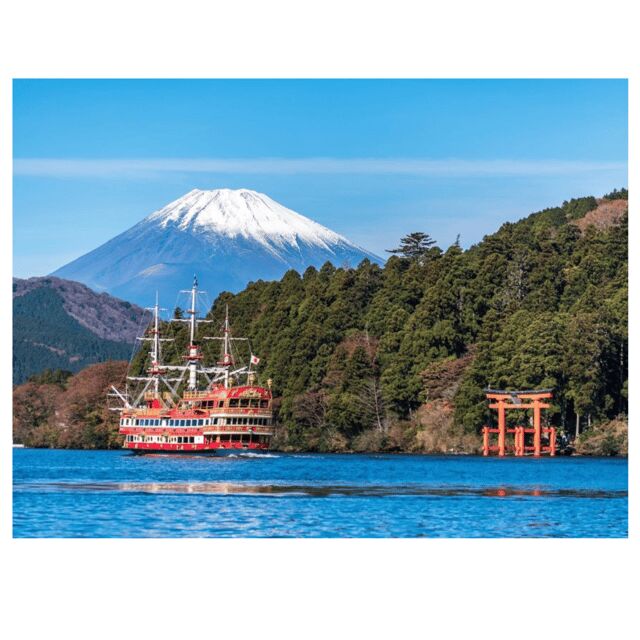
Mt. Fuji 5th Station is your “okay, wow” moment. It’s the closest point to the summit that you can reach by car, and it gives you a sense of altitude and scale that you just don’t get from the city view cards.
During your time here (about 1 hour), expect photo opportunities, short walks around the station area, and a chance to take in panoramas if the weather cooperates. If visibility is limited, the lesson is simple: don’t treat the stop as a single photo mission. Use it for atmosphere. Even when the mountain is covered, the sense of being near it still lands.
Best use of your time here
- Wear warm layers. Even in mild seasons, higher elevations can feel colder.
- Keep your camera ready, but also take a few minutes to just look around. With Fuji, the light can shift fast.
Arakurayama Sengen Park and Chureito Pagoda: classic framing and calm walking
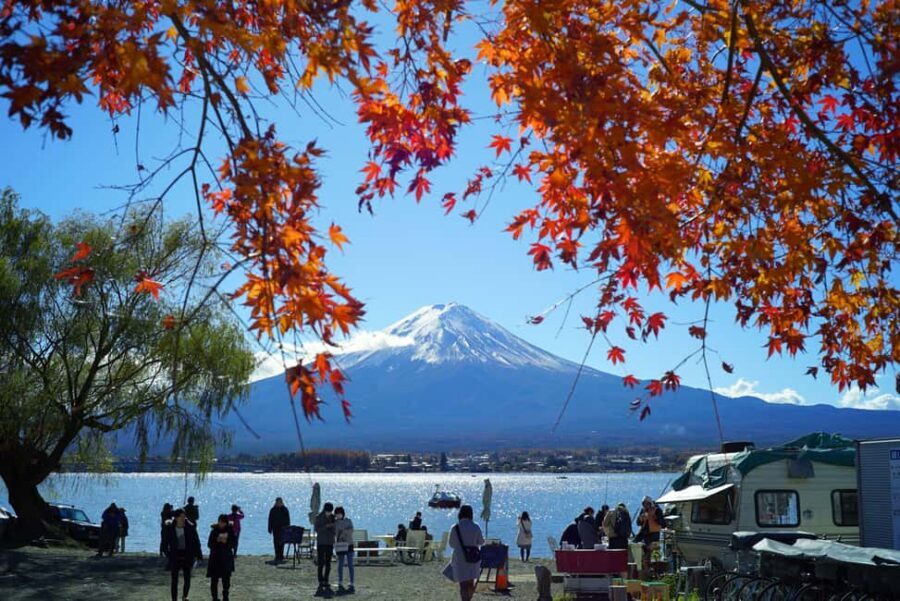
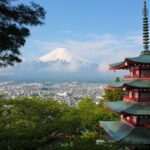
Next comes Arakurayama Sengen Park and the nearby Chureito Pagoda area. These are famous for a reason. You get the “Fuji + pagoda” composition that looks almost too perfect for real life.
Your visit time is split between the park area and the pagoda stop (about 40 minutes each). That split is useful. The park gives you space to reposition and find viewpoints, while the pagoda stop is your focused photo window.
A practical tip: try not to move the instant you arrive. Walk a little first. The right angles can make the difference between a postcard shot and a “cool building, where’s the mountain?” moment.
Possible downside
This area can be crowded in clear weather. The private nature of the tour helps because your guide can advise when to arrive within the day’s flow. If you’re aiming for fewer people in the frame, an early start becomes even more valuable.
More Hakone loops, ropeways and lake crossings
Lake Ashi in Hakone: the mellow middle of the day
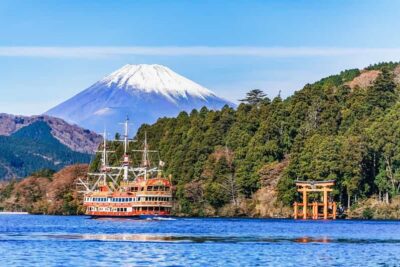
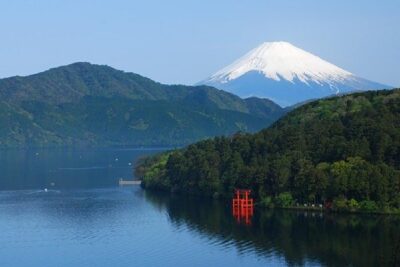
After the Fuji-area stops, the day shifts into Hakone. Your first big Hakone scenery break is Lake Ashi, often where the mood changes from “Fuji photos” to “slow down and breathe.”
You’ll have about 1 hour here. You’re likely to see the lake and take in views over the water toward the surrounding hills. The tour description also points to Hakone Ropeway and lake cruising as options, depending on timing and your preferences.
This is where families often relax, couples enjoy conversation, and everyone gets a break from standing in view clusters. If you’re traveling with kids, the lake stop is a good place to let them stretch, not just pose for photos.
What to watch for
The lighting shifts on the water. If clouds are moving, you might get quick bursts of clarity, then haze again. Stay patient. With scenery like this, timing matters.
Lunch break: short stop, so plan for preferences
Lunch is about 30 minutes at a local restaurant. That’s not long, so treat it as a meal you want to get right quickly.
Because meals aren’t included, you’ll be spending your own money here. If you have dietary needs, mention them early so your driver-guide can steer you toward places that make sense for your group and time.
If you’ve got a sweet tooth, don’t be surprised if your guide suggests something like ice cream during the route. That kind of small recommendation is the difference between a generic stop and a day that feels tailored.
Oshino Hakkai: springs, ponds, and a different pace than the pagoda
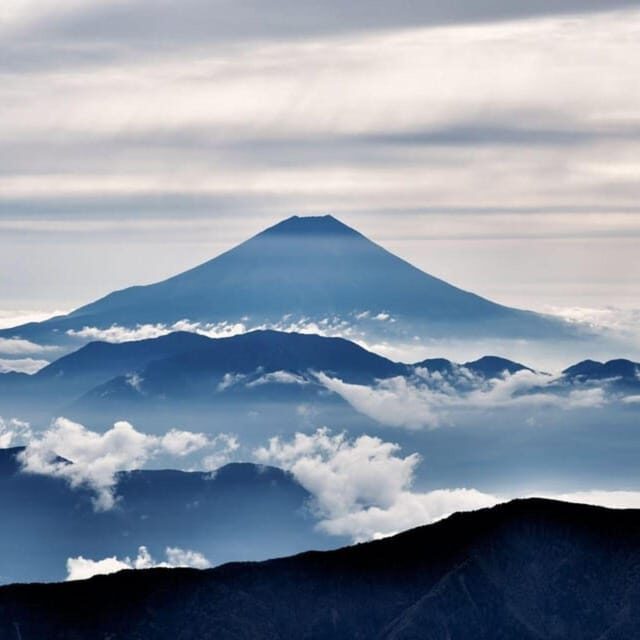
Then you’ll head to Oshino Hakkai, a classic spot known for its Fuji-area springs and water features. Your time is about 40 minutes, which is enough to walk, look at the pools, and take photos without feeling rushed.
This stop works well because it changes the visual theme. You’re not climbing, and you’re not just framing a single iconic building. Instead, it’s about the details: water patterns, small pathways, and the feeling of a village-style countryside area.
Good for
- People who like walking at an easy pace
- Photos that are less “one big postcard” and more “scenes with texture”
Watch-outs
Comfortable shoes matter here. Even when the walking is light, you’ll be on uneven ground in spots.
Saiko Iyashi-no-Sato Nenba: traditional village atmosphere
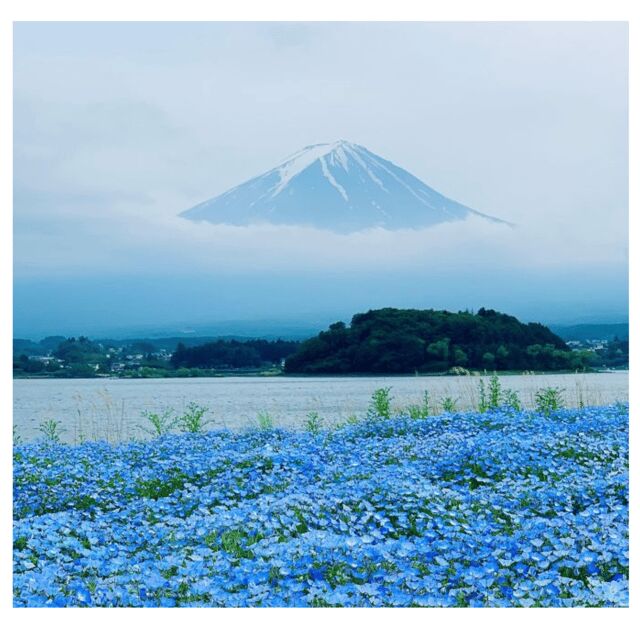
After Oshino Hakkai, you’ll visit Saiko Iyashi-no-Sato Nenba. This is an area focused on traditional village-style buildings and a slower, cultural feel.
You’ll have about 40 minutes. It’s not just a photo stop; it’s also a chance to get out of the wide-open view mode and spend time with something calmer and more architectural.
If you like Japanese culture beyond the “big monuments,” this stop is a solid add-on. If you’re traveling with older family members who prefer seated breaks, your guide can often help pace the walk so nobody feels stuck.
Mt. Kachi Kachi Ropeway: up for the views, down for the energy

Next comes Mt. Kachi Kachi Ropeway. Your stop is about 40 minutes, including the ride time and viewpoints.
This is one of those stops that gives you “spectacle” without a long hike. Even if you’re not a dedicated scenery hunter, the ropeway can make the day feel bigger—because it changes your viewpoint height in a short time.
Since paid tickets aren’t included, remember that you may need to pay for ropeway access on the day. Plan for it in your budget.
When it shines
- If the weather clears, the views tend to feel more dramatic
- Even on mixed weather, a ride like this breaks up the day nicely
Narusawa Ice Cave: the cool twist
After the ropeway, you’ll go to Narusawa Ice Cave. This is your cold-weather contrast stop—literally. The time here is about 40 minutes.
This part of the day is great if you want variety. After pagodas and lakes, a natural feature like an ice cave adds something unusual and memorable. It also gives you a natural indoor-ish reset if the day’s been hot or if clouds keep rolling in.
As with other attractions, paid ticket costs aren’t included, so be ready for an extra expense.
Tip
Bring a light layer you can wear even if you feel warm outside. Ice caves tend to feel cooler than you expect.
Gotemba Premium Outlets: a practical finale for shopping time
To close the day, you have about 1 hour at Gotemba Premium Outlets. This is a shopping stop, not a sightseeing one, so use it based on your group.
If you’re the type who wants to stretch the day into a souvenir and snack run, this is a decent place for it. If your group prefers one more viewpoint instead of stores, you can ask about adjusting the balance of stops—this trip is described as customizable, so your pacing matters.
One honest note: one hour is enough to browse, but it’s not enough for a deep shopping mission. Treat it like a “good enough” shopping window.
Private luxury transport: what you’re actually buying
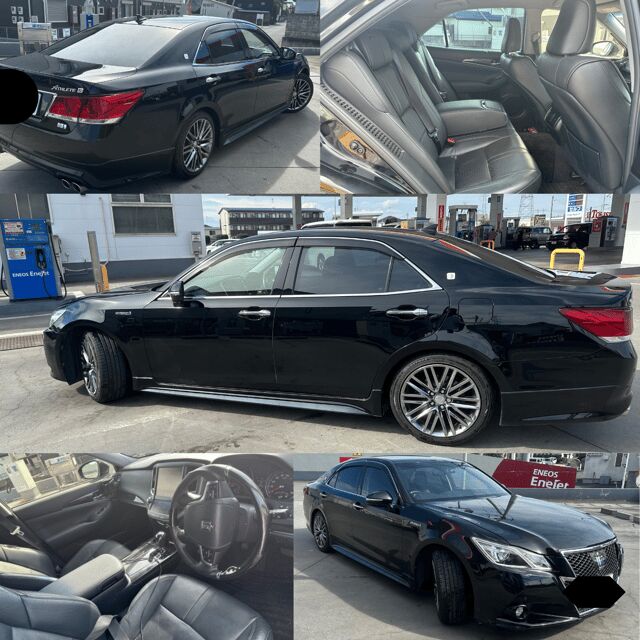
The vehicle is part of the appeal. You may ride in a Land Cruiser, Crown, or Vellfire, and the experience is framed as luxury transport with Wi-Fi hotspot and air conditioning. That matters more than people think on a long day outside Tokyo.
You’re also paying for the human piece: an English-speaking driver-guide who knows the flow of the day and can guide timing between stops. In multiple experiences, guides are described as communicative and flexible, including helping map out what fits into the day without cutting the key moments.
Some guides even took high-quality photos of the group, helping with framing and capturing moments. If that’s your priority, tell your guide early that you want photo help at the major stops so they can plan their position and timing.
Flexibility and customization: how to use it wisely
The tour is built around flexibility, so you’re not stuck with one rigid script. In practice, flexibility works best when you come in with a clear idea of what matters most.
Here’s a simple way to plan:
- Pick your must-see: Mt. Fuji 5th Station and Chureito Pagoda are central.
- Pick your “bonus”: Lake Ashi, ropeway, ice cave, village area.
- Decide how you want to spend time: more photos, more walking, or more scenic breaks.
Then communicate that preference during the day. The guide can usually steer the pacing so you don’t feel rushed.
A downside of customization: if you change plans too often, the day can get crowded with extras. So use flexibility to adjust within the existing flow, not to add too many new goals.
Price and what makes it feel like value
The listed price is about $373 per group up to 5 for a full day, with pickup and drop-off included and a private luxury vehicle. That price can feel high if you’re comparing it to a public transit day. But it’s easier to judge value when you count what you’re getting:
- Private car for a long day outside Tokyo
- English-speaking guide support
- Multiple major Fuji and Hakone stops in one schedule
- Hotel pickup/drop-off convenience
- Wi-Fi and refreshments in the vehicle
Where the budget can surprise you is ticketed attractions. The tour doesn’t include paid entry tickets, so ropeway and ice cave-type stops may add costs. Meals are also not included, so lunch is on you.
Still, for a family or a couple who wants less friction, the price can be reasonable. It’s often cheaper than buying multiple taxis for a day plus the time loss and stress of coordinating routes yourself.
Who should book this trip
This day trip is a strong match if:
- You want Mt. Fuji and Hakone in one day without doing the logistics math
- You value comfort and a private ride over packed group tours
- You’re traveling with kids and want patience and pacing
- You like photos and want help hitting the best viewpoints
It’s not a great fit if you have back problems, since you’ll be spending time in a car and doing some walking at multiple stops.
Should you book this Tokyo to Mt. Fuji and Hakone private day trip?
Yes, if your goal is a smooth, high-comfort Fuji-and-Hakone day with flexible timing and a guide who helps you get the shot and the experience without chaos.
Be cautious if:
- You’re banking on a crystal-clear Mt. Fuji view no matter what. Weather can change fast.
- You’re trying to do the tightest possible budget, because paid tickets and meals add up.
If you’re okay with that tradeoff, this is one of the more practical ways to see the highlights with a lot less stress than DIY travel.
FAQ
How long is the Tokyo to Mt. Fuji & Hakone day trip?
It runs for about 10 hours (1 day), including commuting time.
Where do you get picked up and dropped off?
Pickup and drop-off are included for accommodations in Tokyo’s 23 wards (including places like Shinjuku, Shibuya, Minato, Chiyoda, and others). Airport and port pickups are not included.
What vehicle is used for the private tour?
You’ll travel in a luxury tour vehicle such as a Land Cruiser, Crown, or Vellfire (the provider also mentions a Prado fleet).
Is there an English-speaking guide?
Yes. The tour includes a private English-speaking driver/driver-guide.
Are meals included?
No. Meals are not included. Lunch is scheduled for about 30 minutes during the day.
Are paid entry tickets included?
No. Paid tickets and entry tickets are not included in the tour.
Is the tour wheelchair accessible?
Yes, the tour is wheelchair accessible.
What should I bring?
Bring comfortable shoes, warm clothing, a camera, and snacks.
Is there free cancellation?
Yes. You can cancel up to 24 hours in advance for a full refund.
More Tour Reviews in Tokyo






Hakone, Three More Ways
The Fuji Shortlist: Other Days Out to the Mountain

Fresh reviews from around Tokyo






Mt Fuji Day Trips, compared.
 ★ 4.0Mt Fuji & Hakone Cruise, Drum Show Bullet Train 1 Day from TokyoFrom $1497,413 reviews
 ★ 4.4Tokyo Mt Fuji 5th St & Hakone Cruise Bus Tour w/Bullet TrainFrom $1545,024 reviews
 ★ 4.5From Tokyo: Mount Fuji Full-Day Sightseeing TripFrom $684,970 reviews
 ★ 4.7Mt. Fuji Tour, Hakone Ropeway, Owakudani, Lake AshiFrom $544,002 reviews
 ★ 5.0Private Tour to Mt. Fuji and Hakone (Fully Licenced Operator)From $4971,910 reviews
 ★ 4.9Mount Fuji Full-Day Private Tour from Tokyo (Customizable)From $3931,470 reviews
 ★ 4.0Mt Fuji & Hakone Cruise, Drum Show Bus 1 Day from TokyoFrom $1221,287 reviews
 ★ 4.2From Tokyo: Mt. Fuji & Hakone Tour w/ Return by Bullet TrainFrom $1171,278 reviews
Browse the lists this tour appears in