
Reviewed · HISTORICAL TOURS
Tokyo to Kawagoe: Private Historical Day Trip
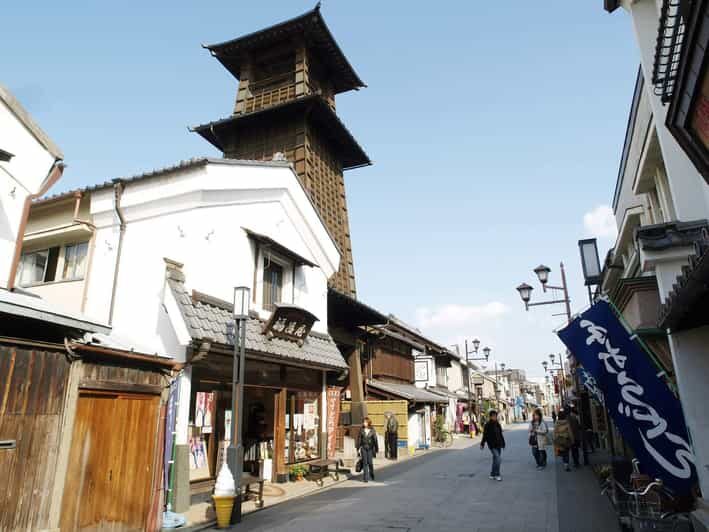
Kawagoe feels like Edo in miniature. I like that this private day trip doesn’t just point at sights, it pairs you with a local host who shapes the route around your interests, from Little Edo vibes to landmarks like Toki no Kane.
Two things I particularly like: first, you get that personal, conversation-led pacing instead of a rigid group shuffle. Second, the stops are built around the kind of everyday culture you actually remember, including Kita-in Temple and the town’s old streets and shops.
One possible drawback to keep in mind: you’ll walk a lot, and some shopping moments can be quick if your guide’s matching your pace and interests.
In This Review
- Key highlights you’ll care about
- A half-day that turns Kawagoe into Little Edo
- How your guide match changes the whole experience
- From Shinjuku to Little Edo: the start sets the tone
- Kita-in Temple and the Edo Castle room you can actually picture
- The stone walls and Toki no Kane bell tower
- Kawagoe Festival culture, plus a plan if you miss the floats
- Penny Candy Lane and the sweet side of old town streets
- How your guide helps you eat like you mean it
- Price and logistics: what $264 buys you (and what it doesn’t)
- What walking-heavy, old-town style tourists should expect
- Who should book this Kawagoe private day trip
- Should you book this Tokyo to Kawagoe private historical day trip?
- FAQ
- How long is the Tokyo to Kawagoe private historical day trip?
- Where do we meet in Tokyo?
- Is this tour private?
- What’s included in the price?
- What is not included?
- What languages are available for the guide?
- Is the tour wheelchair accessible?
- How does cancellation work?
Key highlights you’ll care about
- Matched guide, not a canned script: you share what you want, and the host builds the day around it
- Kita-in Temple’s Edo-Castle connection: you’ll see a room linked to Tokyo’s historic Edo Castle
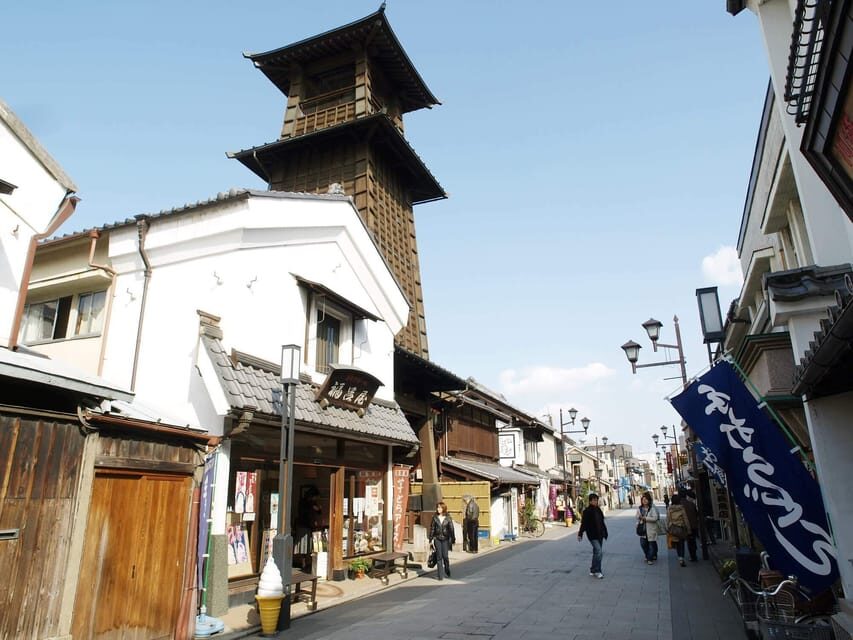
- Toki no Kane bell tower + stone walls: a local icon reached via impressive old structures
- Festival season energy, even off-season: you can get the Kawagoe Festival feeling via the Festival Museum
- Penny Candy Lane and Kurazukuri Street: old-style sweets and charcoal-tiled streets for that classic look
- Food tips you can use at home: examples include boiled eel and quirky sweet potato treats
More private options with your own guide
- Tokyo 6hr Private Tour with Government-Licensed Guide★ 5.0 · 3,902 reviews
- Private Tour to Mt. Fuji and Hakone (Fully Licenced Operator)★ 5.0 · 1,910 reviews
- Tokyo Customized Private Tour (Must See Places in 1 Day)★ 5.0 · 1,499 reviews
A half-day that turns Kawagoe into Little Edo
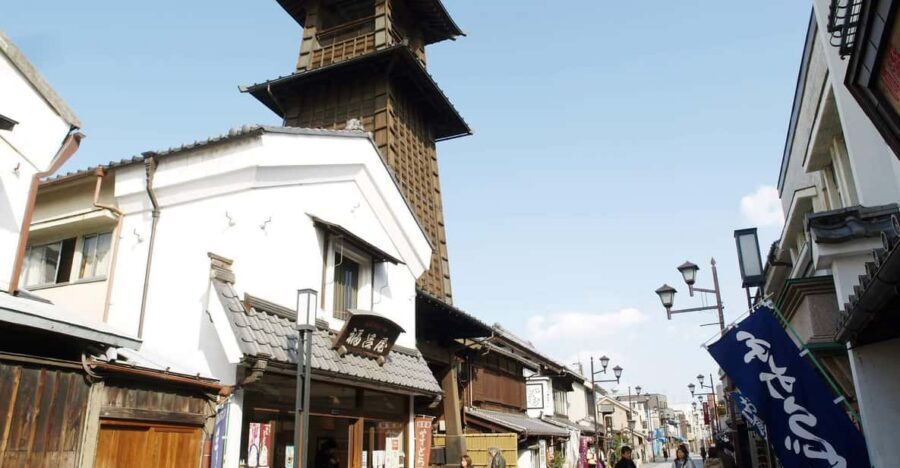
Kawagoe sits less than an hour north of Tokyo, and it has the laid-back feel of a town that kept its old bones. This is the sort of place where you notice details: woodwork, tile roofs, stonework, and the way the street layout guides your walking rhythm.
The best part is that the day is organized around the Edo-era look and feel, not just one or two photo stops. You’ll move through a sequence of sights that explain how the town worked in the past and why certain landmarks became local touchstones.
If you’re hoping for fast answers and check-the-box tourism, this tour may feel a bit slower by design. That’s a feature, not a bug, for most people who want context.
How your guide match changes the whole experience
This is a private tour, and you’re matched with a local guide based on your interests and requests. That matters more than people think, because Kawagoe isn’t just “pretty streets.” It’s history plus food plus seasonal festival culture, and you can easily miss half of it if you don’t know what to ask.
You can go in with a theme. Want temple and Edo Castle connections? Want festival lore? Want to focus on sweets and street shopping? You’ll have a host who can shift the day accordingly.
English is available, and Japanese is available too, which helps if you want more nuance or want your guide to explain details you might otherwise gloss over. In past outings, people have highlighted guides like Lauren and Leon as kind, attentive, and genuinely willing to adapt to the group.
One practical note: because your host is building your route, you’ll want to arrive with at least a few priorities in mind. Even simple requests like more walking for viewpoints or more breaks for shopping can steer the day.
From Shinjuku to Little Edo: the start sets the tone
You meet your host by the main door of the tourist center close to JR Shinjuku Station South East Exit. Shinjuku can feel like sensory overload, so having a set meeting point keeps the morning calm.
The tour is built as a day “back in time.” You’ll travel to the area often called Little Edo, a reference to the old feudal Tokyo era. Even when you’re still on the way, that framing helps you read what you’re about to see. Instead of random sights, everything becomes part of one story about a castle-town culture.
This is also where you’ll feel the value of a private host. Your guide can steer your pace from the first streets you hit, and that prevents the common problem of arriving somewhere historic and realizing you don’t know what you’re looking at.
Kita-in Temple and the Edo Castle room you can actually picture
Kita-in Temple is one of the stops that gives you something more specific than a generic temple visit. The highlight is a room that once formed part of Tokyo’s iconic Edo Castle. That detail turns a temple stop into a tangible connection to the capital’s former power.
What I like about this kind of stop is how it bridges scales. You’re seeing a slice of Edo Castle history in a smaller town setting. That makes Kawagoe feel less like a movie set and more like a place with real historical ties.
You should expect a temple-focused stretch with time to absorb the setting. If your feet are fresh, this is a good anchor stop early in the day. If you’re tired, ask your guide for the most direct way to see the key points without rushing.
More paths into old Tokyo

The stone walls and Toki no Kane bell tower
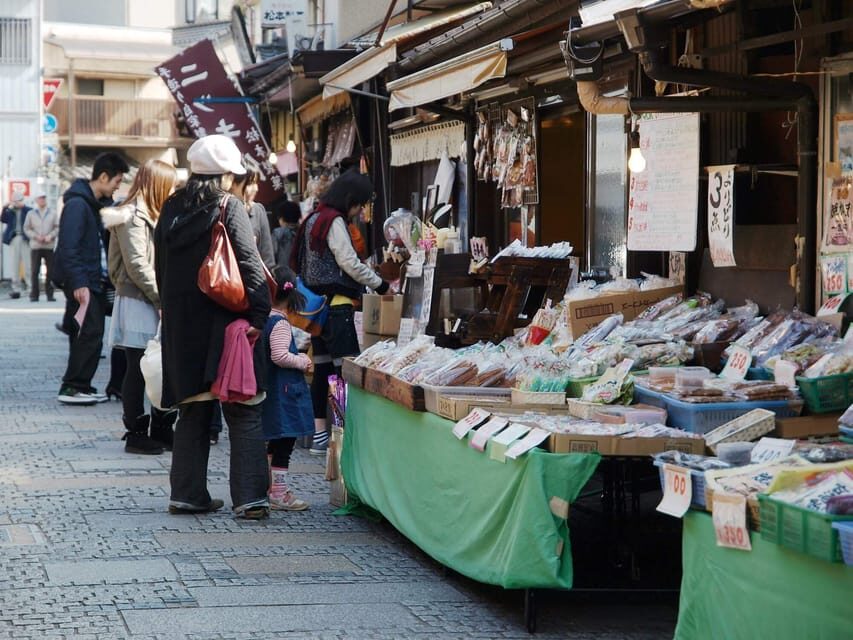
Kawagoe’s castle-town remnants aren’t just “nice old buildings.” You’ll also find dramatic infrastructure like stone walls, and you’ll have your host help you navigate them.
The star here is Toki no Kane, the bell tower that functions as a local icon. The route to it gives you that Edo-town feeling because the stonework and approach help you understand how the town defended space and channeled movement.
This is a stop that works best when you slow down for a few minutes. Don’t treat it like a quick landmark scan. Let your guide explain what makes the tower meaningful locally, then take a breather to notice the street and wall lines around you.
If your group tends to love architecture, this is the moment to lean into questions. Your host can point out the details you’d likely miss on your own.
Kawagoe Festival culture, plus a plan if you miss the floats
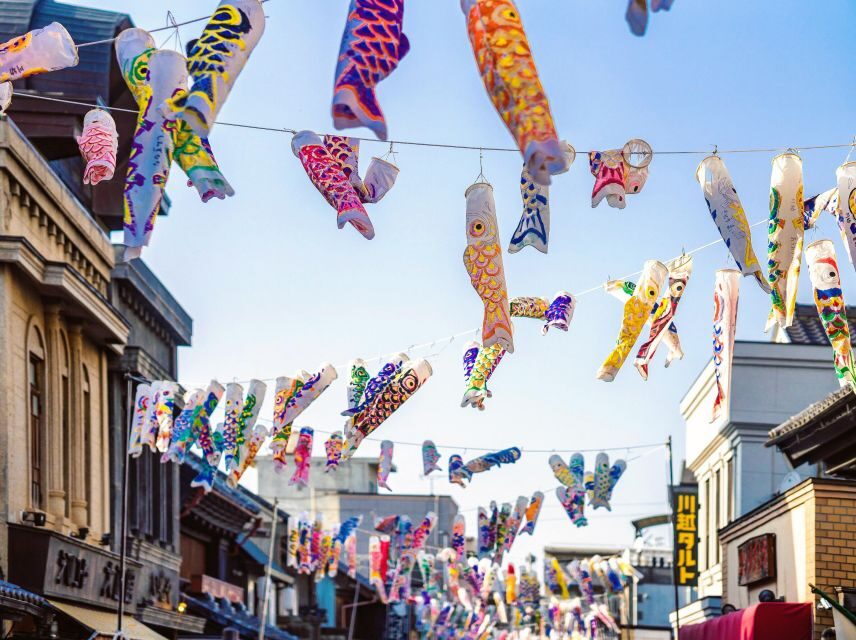
The Kawagoe Festival is tied to the seasons and the big, colorful street energy of summer. You’ll hear about how locals take to the streets with extravagant floats that mark the arrival of the season.
Even if you’re not there for the main festival days, the tour is designed to still deliver the festival feeling. You can get a taste at the Festival Museum, which gives you the context without requiring you to be in the right week.
This is one of those “smart planning” elements that’s hard to replicate when you DIY. It’s easy to travel to a historic place and realize you missed the event entirely. Here, the day includes a way to understand the event as a cultural force, not just a one-day spectacle.
If you love seasonal traditions, make sure you ask your guide what kind of festival details matter most to locals. The best explanations usually go beyond what you see and into why people care.
Penny Candy Lane and the sweet side of old town streets
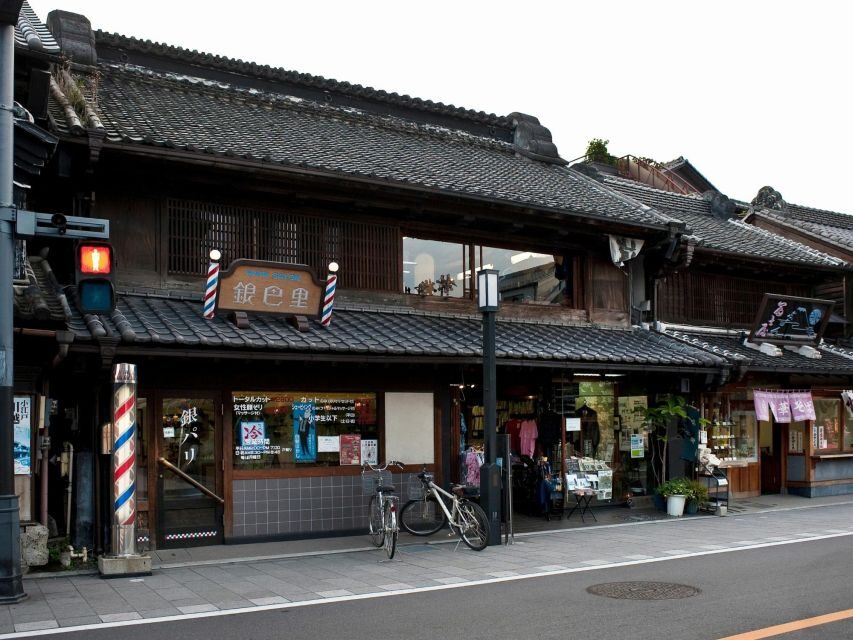
Crisp Edo-style streets and sweet snacks go together in Kawagoe, and the tour takes you to two popular “hangout” areas.
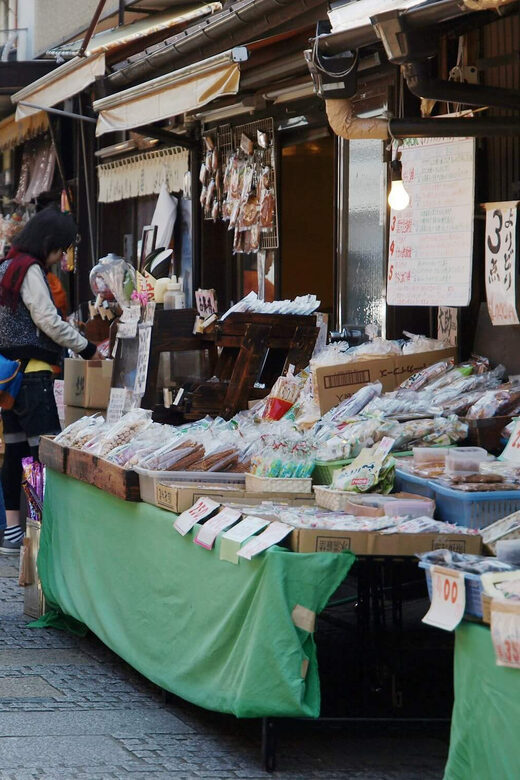
First up is Penny Candy Lane, described as a rustic setting for sweet delights. This is where the town’s shop culture becomes part of the experience, not an afterthought. Expect the kind of storefront wandering that feels fun even when you’re not actively hunting gifts yet.
Then comes Kurazukuri Street, lined with traditional charcoal-tiled buildings. If you’ve ever wished photos could capture the mood of walking somewhere old, this is the street where that tends to happen. The roofline and texture matter, and your host can help you spot what’s typical versus what’s just a good background for a picture.
One caution: these areas can be small and shop-heavy, so it’s easy to get overwhelmed by choices. If you want to keep the day moving, tell your guide you only want a few tastings or a shortlist of souvenirs.
How your guide helps you eat like you mean it
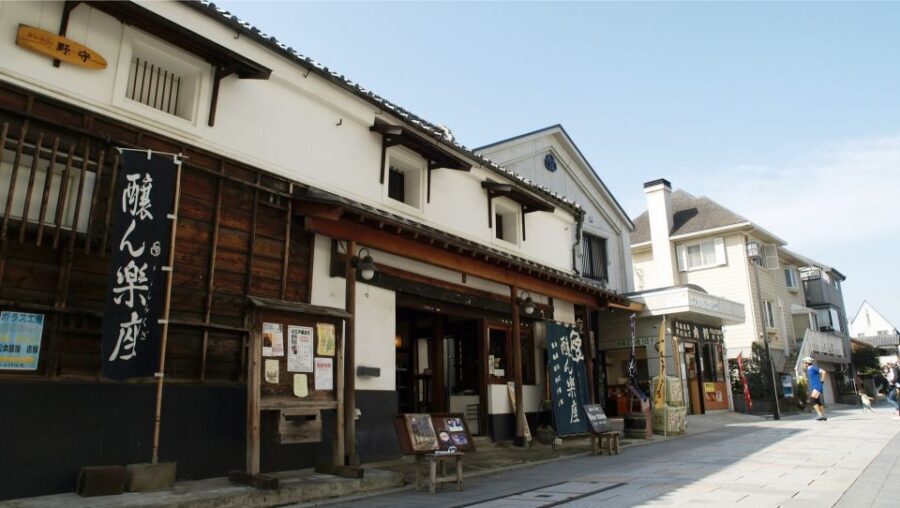
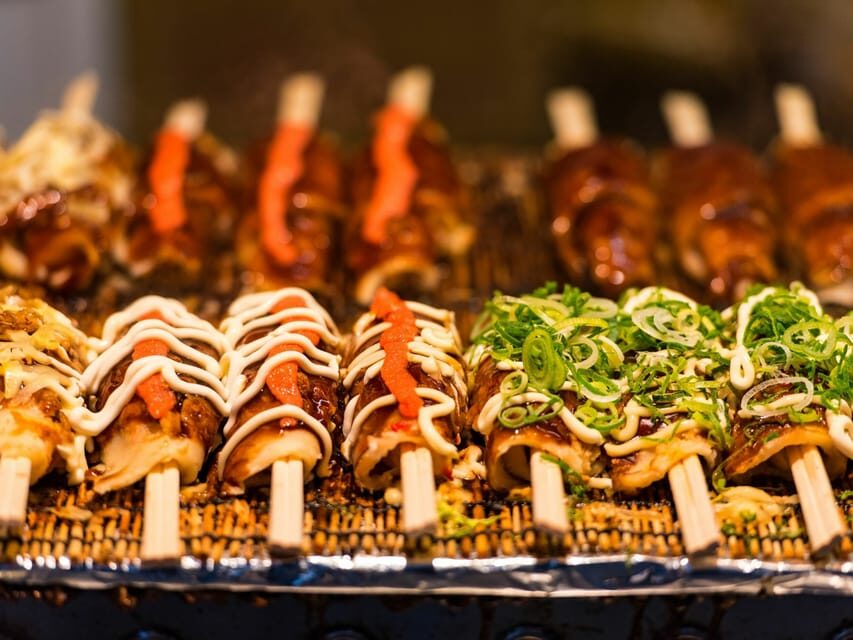
A big reason this tour earns strong feedback is that the host doesn’t keep everything in the visual lane. You’ll get help with eating local delicacies and sweet treats, including examples like boiled eel and quirky sweet potato-infused options.
Even if you’re not planning to eat everything, the guidance is useful. Japan has lots of food customs that are simple once someone explains them, and awkward when you’re guessing. Your host can help you understand what to look for and what to expect with flavor and texture.
Sweet potato treats are especially fun if you like trying unusual flavors. Eel can be a tougher sell if you don’t enjoy fish-forward meals, but it’s also exactly the kind of local dish that makes a place feel specific rather than generic.
If you have dietary restrictions, this is where you’ll really benefit from personalization. Tell your host upfront what you can’t do, and you’ll likely get alternative suggestions from the same neighborhood stops.
Price and logistics: what $264 buys you (and what it doesn’t)
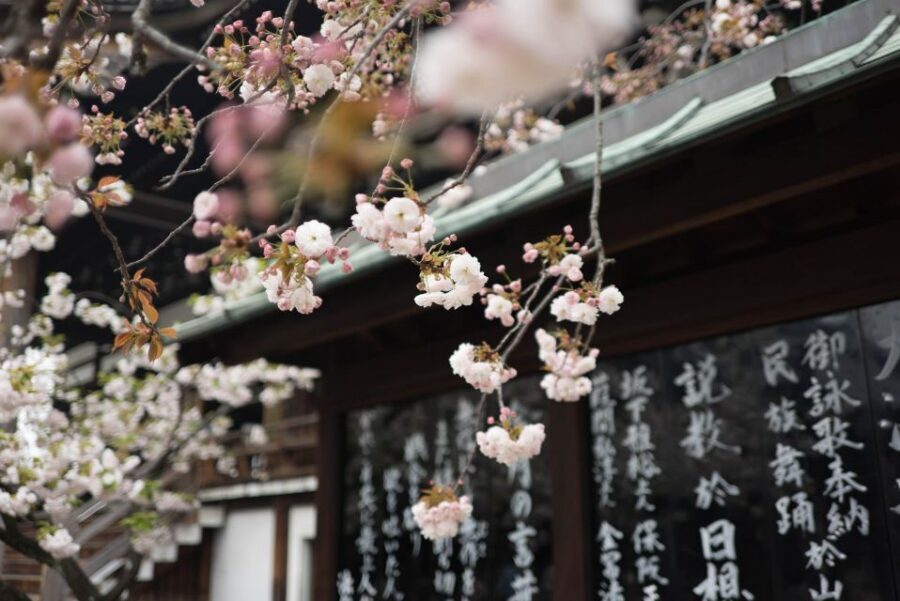
At $264 per person for 6 hours, this is not a budget option. But it isn’t just you paying for transit and walking. You’re paying for a private, personalized itinerary with a host for the full half-day and the value of a guide who adapts as you go.
That’s where the math changes. If you’re the type who gets bored without context, or you want to spend time asking questions instead of trying to translate signs, the cost starts to make sense fast. A private guide can also save mental energy, which matters on a day where you’re moving around an older town with lots of details.
What you should plan to pay separately:
- Transportation costs (to and from Tokyo on your end)
- Food and drink
- Tickets to any attractions
Also remember: the tour runs in all weather. So factor in rain layers or warm gear depending on the season. The walking part doesn’t stop just because the sky is dramatic.
What walking-heavy, old-town style tourists should expect
This is a “historic town by foot” experience. That’s great if you like streets, stonework, temple atmosphere, and the little shop stops in between. It’s less ideal if you want major museums, modern districts, or lots of indoor time.
One review noted that the day felt like a long walk with brief shop moments, with a shrine stop as a highlight. That’s a useful signal: you’re buying a walking narrative. If you prefer more variety in pacing, bring that up early with your guide.
On the practical side, wear comfortable shoes. Also, keep your day light. If you try to pack too many side errands, you’ll feel rushed and you’ll miss the point of having a host who can steer you.
Who should book this Kawagoe private day trip
This tour makes the most sense if you:
- Want Edo-era context without doing the homework yourself
- Like historic towns where details matter
- Enjoy local food guidance and small shops
- Prefer a private format where your pace is yours
It’s also a good fit for families with teens and mixed interests, as seen in positive feedback about Leon supporting a group and keeping things engaging.
If you only want to grab a few photos and then move on, you might be happier with a shorter stop. If you want a slow, story-led day in an old castle-town setting, this is the sweet spot.
Should you book this Tokyo to Kawagoe private historical day trip?
If Kawagoe’s Edo-style streets, festival culture, and food stops are your kind of travel, I’d book it. The private guide match is the difference-maker. You’ll get a day that feels like it was built for your interests, not just followed off a list.
But if you’re sensitive to walking or you don’t want to spend extra on food, drinks, and attraction tickets, consider whether the format matches your style. This trip is built to be enjoyed on foot, with you actively participating—asking, tasting, and noticing.
If you’re aiming for one high-value half-day outside Tokyo that feels uniquely Japanese and specific to Kawagoe, this is a strong choice.
FAQ
How long is the Tokyo to Kawagoe private historical day trip?
It lasts 6 hours with a host.
Where do we meet in Tokyo?
Meet your host at the main door of the tourist center close to JR Shinjuku Station South East Exit.
Is this tour private?
Yes. It’s a private group with a private and personalized itinerary.
What’s included in the price?
You get a private and personalized itinerary, 6 hours with your host, and a walking experience.
What is not included?
Transportation costs, food and drink, and tickets to any attractions are not included.
What languages are available for the guide?
English and Japanese.
Is the tour wheelchair accessible?
Yes, it’s listed as wheelchair accessible.
How does cancellation work?
You can cancel up to 24 hours in advance for a full refund.
The Old Tokyo, Toured Properly
Just Your Group: Private Options



More Tour Reviews in Tokyo






Fresh reviews from around Tokyo






Historical Tours, compared.
 ★ 4.9Imperial Palace Japanese History Walking TourFrom $32987 reviews
 ★ 5.0Shinjuku Historical Walking Tour & Secret BackstreetsFrom $25530 reviews
 ★ 4.9From Tokyo: Nikko World Heritage Site Private Full-Day TripFrom $483243 reviews
 ★ 5.0Yanaka Historical Walking Tour in Tokyo’s Old TownFrom $81182 reviews
 ★ 5.0Kamakura Historical Walking Tour with the Great BuddhaFrom $98129 reviews
From Tokyo: Nikko World Heritage Sight Full Day Private TourFrom $362127 reviews
★ 5.0Kamakura Historical Walking Tour with the Great BuddhaFrom $98129 reviews
From Tokyo: Nikko World Heritage Sight Full Day Private TourFrom $362127 reviews
 ★ 4.8Yanaka District: Historical Walking Tour in Tokyo’s Old TownFrom $79117 reviews
 ★ 4.8Nikko Heritage & Nature Day Trip from TokyoFrom $39194 reviews
Browse the lists this tour appears in