
Reviewed · SUMO SHOWS
Tokyo Sumo Culture Tour with Chanko-Nabe Lunch in Ryogoku
Ryogoku tells sumo stories on every corner. This tour pairs a guided walk through Tokyo’s Sumo Town with a proper chanko-nabe lunch, so you’re not just seeing spots—you’re understanding why they matter. I like that it stays focused on the sport’s roots and daily life, from sacred origins to tournament-era venues.
Two things I’d call out right away: the small group (max 8) keeps questions easy, and the guide helps you move smoothly so you never feel like you’re hunting for the next stop. If you’ve ever tried to piece together sumo sights solo, this format saves time and cuts the guesswork.
One consideration: you’re not guaranteed to see actual practice or matches, and closures can affect what’s open on your day. A guide like Taka or Jeff can be excellent, but timing around tournament schedules and day-of-week openings can limit what you can view inside facilities.
In This Review
- Key highlights to know before you go
- Ryogoku on foot: Sumo Town, planned for no stress
- The 3 hours 30 minutes plan: a tight walk with a clear story
- Hakkaku-beya stable: what living and training looks like from the outside
- Nominosukune Shrine: the founder myth that explains the rules
- Ryogoku Kokugikan: seeing the arena without needing a ticket
- Ryogoku Edo Noren: old-Edo mood and a full-scale ring
- Ekoin Temple: tournaments, social status, and a samurai-era frame
- Kasuganobeya: daily training life, including those wrestler-size bicycles
- Tomoegata Chanko lunch: the meal built for building bodies
- Price and value: $131.12 makes sense if you want context and lunch
- Timing reality checks: when closures can affect what you see
- Who this tour is best for
- Should you book this Tokyo sumo culture tour with chanko-nabe?
- FAQ
- FAQ
- How long is the Tokyo Sumo Culture Tour with Chanko-Nabe lunch in Ryogoku?
- How much does it cost?
- What time does the tour start, and where do I meet?
- Where does the tour end?
- What is included in the tour?
- Are alcoholic beverages included?
- Is actual sumo viewing like practice or matches included?
- How big is the group?
- Do I need a paper ticket?
- Is there free cancellation?
Key highlights to know before you go
- Max 8 people: the pace stays human, and you can ask real questions
- Stables, shrine, and Edo sites: the tour builds a story from origin to arena to daily life
- Outside views of major venues: you get context even when you’re not entering the ring or training spaces
- Chanko-nabe lunch included: a wrestler-style meal is built into the schedule
- Mobile ticket: simpler day-of check-in
- Your day matters: some training-tours or sites may be closed depending on the schedule
More chances to sit ringside
- Tokyo: Sumo Show and Dining Experience★ 4.8 · 2,742 reviews
- the SUMO show★ 5.0 · 1,960 reviews
- Tokyo Shinjuku Sumo Show & Experience with Photo★ 5.0 · 1,750 reviews
Ryogoku on foot: Sumo Town, planned for no stress
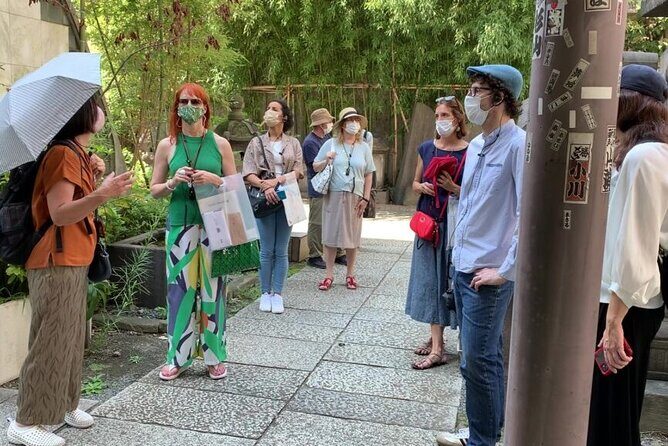
Ryogoku is where sumo feels practical, not postcard-styled. This neighborhood earned the nickname Sumo Town for a reason: stadiums, stable areas, and tournament-era sites sit close enough to make walking meaningful. The tour’s biggest win is that it links these pieces into one clear timeline—so you understand the why, not just the what.
The route starts at Ryogoku Station and ends at the lunch spot, which means you can plan your morning without mental gymnastics. You meet at Ryogoku Sta. (1-chōme-4-29 Yokoami) at 9:30am, and the tour winds you toward Tomoegata Chanko afterward. It’s a straightforward flow that works well if you want your time in Tokyo to feel “handled,” not improvised.
The 3 hours 30 minutes plan: a tight walk with a clear story
The tour runs about 3 hours 30 minutes, which is a good length for a subject like sumo. Long enough to cover several meaningful stops, short enough that you’re not dragging through the day with tired feet. The schedule also avoids the common trap of too many short photo stops: you get time to stand, look, and hear what you’re seeing.
A group of up to eight changes the feel. You’re not lost in a big crowd, and the guide’s explanations land better. In the past, guides named Taka, Jeff, and Aki-san were praised for being friendly and for connecting facts to what you can see right then.
There is one trade-off. Because this is a walking tour with multiple stops, your experience depends on what’s open that day. One participant noted Sunday closures meant the training facility touring was unavailable, and another said a museum was closed—so don’t plan this as your only shot at seeing inside sumo-related facilities.
Hakkaku-beya stable: what living and training looks like from the outside
The first stop is Hakkaku-beya Sumo Stable. You don’t go deep into training spaces here. Instead, the tour is designed as a “drop-in” that lets you look at the stable from the outside where wrestlers live and train.
That sounds simple, but it’s actually useful. Sumo stables are private spaces, and that privacy is part of the culture. Seeing the stable exterior helps you understand the everyday reality behind the sport—this is not just performance; it’s routine life built around training.
Expect a short visit, about 15 minutes, and it’s listed as free admission. If you’re hoping for a full inside tour of a stable, know that this itinerary is built around viewing and context rather than door-to-door access.
Nominosukune Shrine: the founder myth that explains the rules
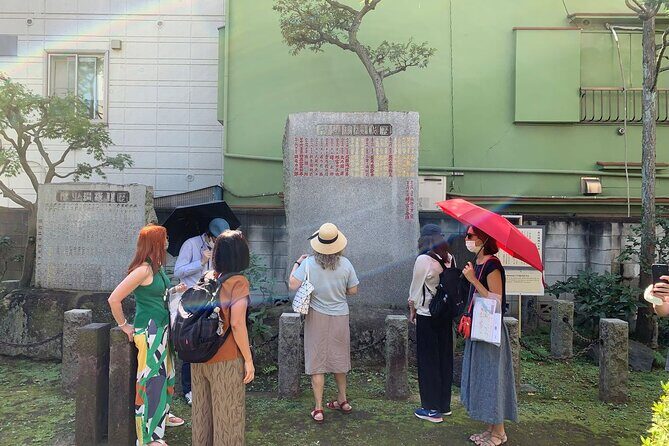
Next is Nominosukune Shrine, a Shinto shrine connected to sumo’s founder. The guide explains the tradition that dates back about 1,500 years, and how sumo rules were refined over long stretches of time into the form you recognize today.
This stop matters because sumo has a religious and ceremonial spine. Even if you only know the basics—rankings, the ring ritual, the dramatic entrances—this shrine stop gives you the “why” behind the seriousness of the sport.
It’s a 30-minute stop and also listed as free admission. The time there is likely best spent listening and looking, since shrines are easy to speed past if you’re only there for photos.
Worth weighing up alongside this Tokyo pick:

Ryogoku Kokugikan: seeing the arena without needing a ticket
Then you’ll reach Ryogoku Kokugikan, one of sumo’s most important arenas. You view it from outside, but that doesn’t make it feel like a missed opportunity. Your guide shares stories tied to the stadium’s role as the home of the grand sumo tournaments held three times a year.
The value of an outside viewing stop is that you can connect the big picture: the arena isn’t just a building, it’s a cultural machine. Once you know the tournament schedule and what happens in the space, even a distance view helps your brain organize what you’ll later see in TV broadcasts or in person during a match.
This stop is 30 minutes and listed as free admission. If you’re traveling during peak tournament season, you’ll likely feel the energy in the area even without entering for an event.
Ryogoku Edo Noren: old-Edo mood and a full-scale ring
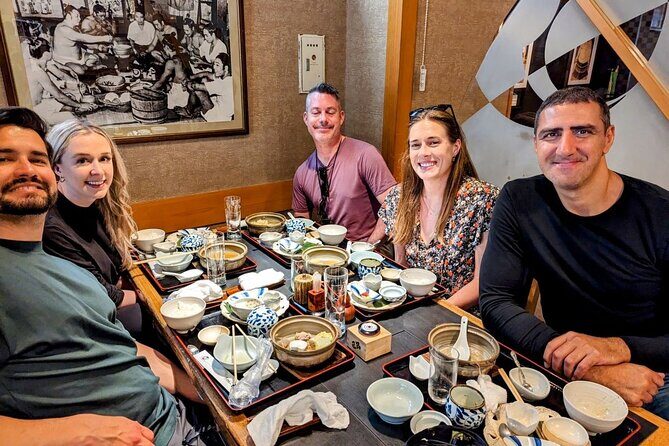
One of the more visually striking stops is Ryogoku Edo Noren. The tour is set up to help you feel what old Edo looked like, when Tokyo was called Edo. You’ll see a full-scale sumo ring, and the guide explains the kinds of stories that sumo fans tracked by watching the ring up close.
This is the kind of stop that works even if you’re not a hardcore sumo person. The physical ring gives you something concrete to picture, and the Edo framing helps you see why sumo kept such a social role long before it became global entertainment.
Time here is about 30 minutes, listed as free admission. If you’re the type who learns better by seeing an object in front of you, this is a strong middle point in the tour.
Ekoin Temple: tournaments, social status, and a samurai-era frame
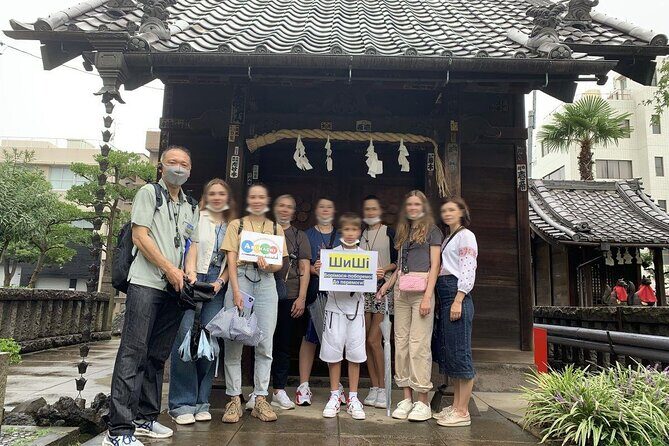
At Ekoin Temple, the focus shifts to the tournament-era past. The tour explains that sumo tournaments were held during the Edo (samurai) period at this venue, and it connects the sport to social status—how being a wrestler fit into the hierarchy.
This stop helps you avoid a common misconception: sumo isn’t only athletic. It’s also cultural performance, with rules and rank that shaped how people viewed wrestlers. By hearing how pre-modern tournaments were conducted and what they looked like, you get a better sense for how today’s rituals took shape.
It’s a shorter stop, about 15 minutes, and listed as free admission.
Kasuganobeya: daily training life, including those wrestler-size bicycles
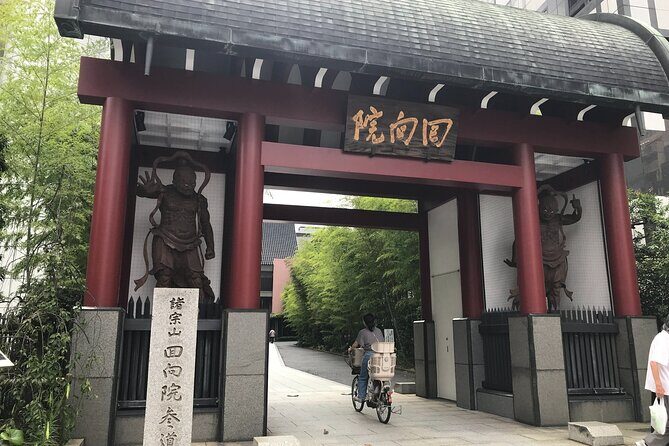
Next is Kasuganobeya, a stable where a Bulgarian-born wrestler belongs. This stop also adds a small but memorable detail: you’ll see the wrestler-size bicycles used in daily life.
That’s a great example of why this tour format works. Not every stable explanation needs to be dramatic. Sometimes it’s the everyday tools—bikes sized for a wrestler’s body—that make the sport feel real. It also shows sumo’s modern reality: international presence exists inside a tradition that still guards its customs.
Time here is about 15 minutes, and it’s listed as free admission.
Tomoegata Chanko lunch: the meal built for building bodies
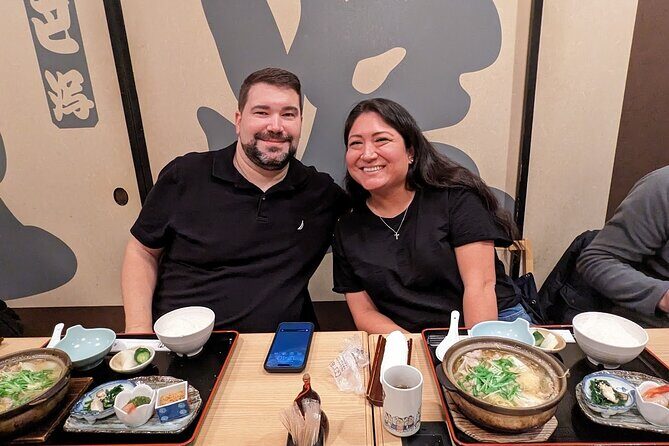
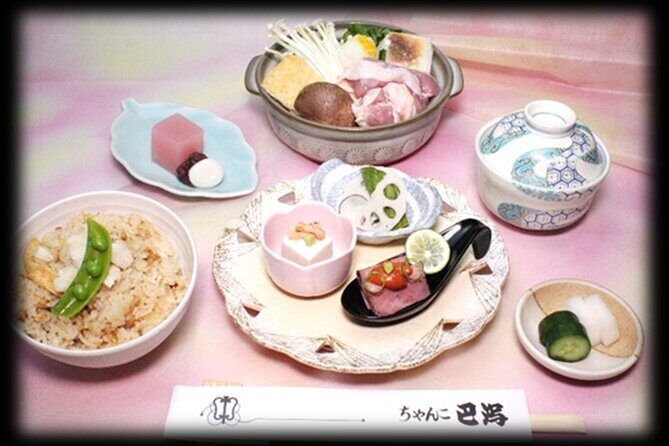
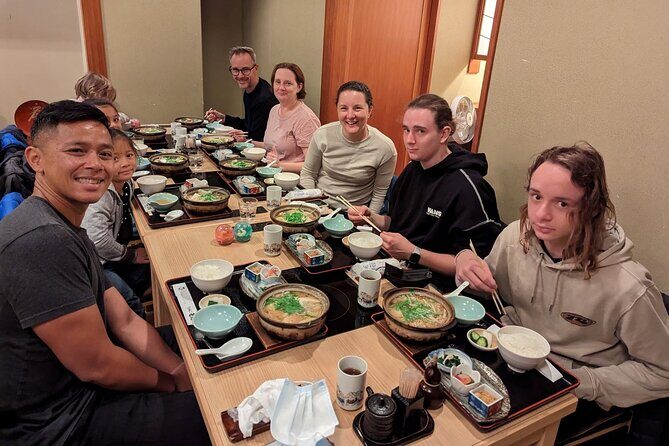
The tour ends with Tomoegata Chanko, where you eat chanko-nabe. This is the included lunch stop and it lasts about 1 hour.
Chanko-nabe is the centerpiece of a wrestler’s diet, and the guide connects it to the basic purpose of sumo training: gaining weight and strength through nutrition. Even if you’ve had Japanese hot pot before, this meal has a specific role here. It’s one thing to taste it; it’s another to understand why this particular dish became the standard.
A practical note: alcoholic beverages aren’t included. If you want beer or another drink with your lunch, you’ll need to handle that separately.
This is also where the tour ends. Since you’re not heading back afterward, plan your afternoon around a normal meal finish rather than a rushed departure.
Price and value: $131.12 makes sense if you want context and lunch
At $131.12 per person, this isn’t a budget “grab a ticket and go” activity. But it can be good value if you care about explanation and not just sightseeing. You get a guided walk across multiple meaningful Ryogoku stops plus an included chanko-nabe lunch.
What you are not paying for is guaranteed access to inside training sessions or matches. The tour also doesn’t include “actual sumo viewing like practice or matches.” That matters because some people book expecting a ring-side view. If that’s your main goal, you’ll likely need a separate ticketed sumo match or a different type of experience built around event viewing.
Here’s the balanced takeaway. If you want an efficient way to build your understanding of sumo culture—stables, sacred origins, tournament architecture, Edo-era context—and you’re happy to enjoy it without match access, the price feels aligned. If you want the sport’s action itself, you’ll probably feel like something is missing.
Timing reality checks: when closures can affect what you see
This tour can be excellent, but your specific day can shape the outcome. One participant noted the timing was tight because they were visiting around sumo tournament time, yet training facility tours weren’t open on Sundays. Another said a museum stop was closed.
The lesson for you: treat this as a cultural walk with a strong historical narrative, not a promise of behind-the-scenes training access. A great guide—like those named Taka, Jeff, and Aki-san—can still make the day worthwhile, but closures can limit certain kinds of access.
If you’re flexible, try to book on a day that matches the stable and venue schedules. Even if you can’t control everything, you can control your expectations.
Who this tour is best for
This is a strong pick for you if:
- You want a focused Ryogoku route instead of building it yourself
- You like learning in-person while walking between sites
- You’re open to outside views and explanation rather than guaranteed inside training access
- You want chanko-nabe as part of the experience, not an optional add-on
It may be less ideal if:
- You’re coming only for actual practice or a match
- Your schedule is so strict that any closure would ruin the day
- You hate walking tours and prefer one destination per hour
Should you book this Tokyo sumo culture tour with chanko-nabe?
Yes, I’d book it if you want a smart, small-group overview of sumo culture tied directly to place: stable neighborhoods, shrine origin stories, arena context, Edo-era tournament settings, and daily training details. The included chanko-nabe lunch makes it feel complete, and the format helps you learn without spending your trip doing homework.
I would not book it if your top priority is guaranteed access to practice or matches. This itinerary is built for context, not ring action.
If you’re trying to decide right now, ask yourself this: do you want sumo explained through Ryogoku’s sites and food? If yes, this tour is a tidy way to spend a morning and get your bearings fast.
FAQ
FAQ
How long is the Tokyo Sumo Culture Tour with Chanko-Nabe lunch in Ryogoku?
It’s about 3 hours 30 minutes.
How much does it cost?
The price is $131.12 per person.
What time does the tour start, and where do I meet?
It starts at 9:30am at Ryogoku Sta. 1-chōme-4-29 Yokoami, Sumida City, Tokyo.
Where does the tour end?
The tour ends at Tomoegata Chanko (2-chōme-17-6 Ryōgoku, Sumida City, Tokyo), where lunch is served.
What is included in the tour?
Chanko-nabe lunch is included.
Are alcoholic beverages included?
No, alcoholic beverages are not included.
Is actual sumo viewing like practice or matches included?
No. The tour does not include actual sumo viewing like practice or matches.
How big is the group?
The maximum group size is eight travelers.
Do I need a paper ticket?
You’ll use a mobile ticket, and confirmation is received at the time of booking.
Is there free cancellation?
Yes. You can cancel up to 24 hours in advance for a full refund. If you cancel less than 24 hours before the start time, the amount paid will not be refunded.
More Tours in Tokyo




More Tour Reviews in Tokyo




More Mornings with the Wrestlers
Fresh reviews from around Tokyo






Sumo Shows, compared.
 ★ 4.8Sumo Show Experience with Chicken Hot Pot and a PhotoFrom $1036,678 reviews
 ★ 4.8Sumo Show and Dining ExperienceFrom $792,742 reviews
 ★ 5.0the SUMO showFrom $891,960 reviews
 ★ 5.0Tokyo Shinjuku Sumo Show & Experience with PhotoFrom $791,750 reviews
 ★ 4.8Sumo Show and Experience in ShinjukuFrom $691,001 reviews
 ★ 5.0Authentic Sumo Experience in Tokyo: Enter the SanctuaryFrom $171603 reviews
 ★ 4.8Tokyo Sumo Experience: Chanko & Mochi with a Former ProFrom $103567 reviews
 ★ 5.0Ultimate Sumo Tournament: Tokyo, Osaka, Nagoya, FukuokaFrom $184468 reviews
Browse the lists this tour appears in