
Reviewed · TEA CEREMONY EXPERIENCES
Tokyo: Tea Ceremony & Japanese Sweets Making
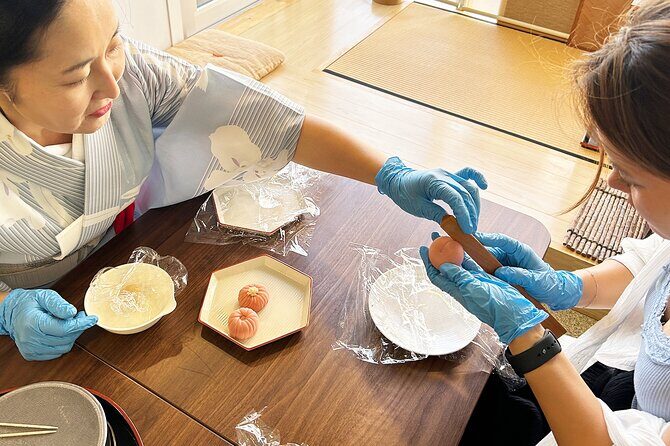
Matcha time feels oddly calming. This Tokyo class pairs a traditional tea ceremony lesson with hands-on matcha brewing and making seasonal Japanese sweets you design yourself. You also get the Otemae demonstration from a tea master with 10+ years of experience, so you’re not just copying steps—you understand what you’re doing.
Two things I especially like: you brew your own matcha (not just watch), and the sweets part is creative, not passive. It’s guided in clear English by an expert host, with a small group size (max 10), which keeps the pace gentle and questions easy.
One thing to consider: it’s about 1 hour. That’s a good length for learning the basics and tasting what you make, but it won’t turn you into a full tea expert.
In This Review
- Key highlights you’ll notice right away
- Tea ceremony basics, explained for real life (in about 60 minutes)
- Finding the meeting point in Hakusan (and keeping your day smooth)
- The tea master and the Otemae demonstration: where etiquette meets technique
- Brewing your own matcha: hands-on learning, not just watching
- Seasonal Japanese sweets: making something personal to pair with your matcha
- Tasting with intention: what to pay attention to
- Group size and English guidance: why the class stays relaxed
- Price and value: what $32.58 buys you in Tokyo
- Who should book this matcha and sweets class?
- Should you book this Tokyo tea ceremony class?
- FAQ
- FAQ
- How long is the Tokyo tea ceremony and sweets making experience?
- What does the experience include?
- Is the class guided in English?
- How many people are in the group?
- Where is the meeting point?
- Do I need to print anything for check-in?
- Will I get confirmation after booking?
- What’s the price per person?
- Can I get a refund if I cancel?
Key highlights you’ll notice right away
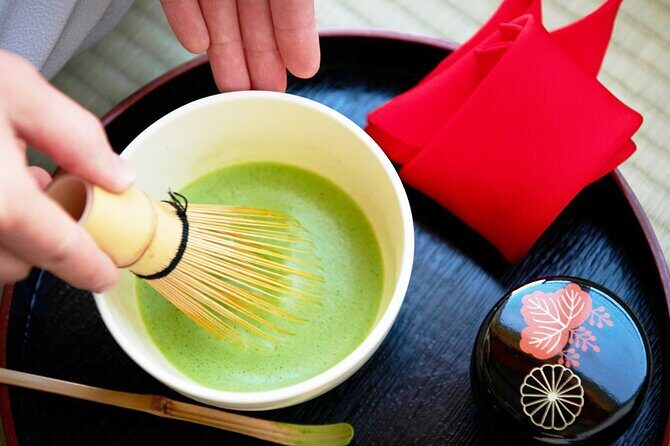
- Hands-on matcha brewing: you’ll make it yourself, then taste what you brewed
- Otemae demonstration: see the traditional flow before you start your own steps
- Seasonal sweets, made your way: craft and design a Japanese sweet to pair with your matcha
- Tea master with 10+ years experience: instruction focused on technique, not guesswork
- Small group of up to 10: calm, with time for clear English guidance
- Mobile ticket included: you’ll have an easy check-in setup
Quieter hours: more tea rooms and ceremonies
- Tokyo: Traditional Tea Ceremony with a Tea Master★ 5.0 · 528 reviews
- Tea Ceremony Workshop in Tokyo by the Experienced Instrucor★ 5.0 · 189 reviews
- Tea Ceremony Experience in a Private Tea Room in Shibuya★ 4.9 · 125 reviews
Tea ceremony basics, explained for real life (in about 60 minutes)
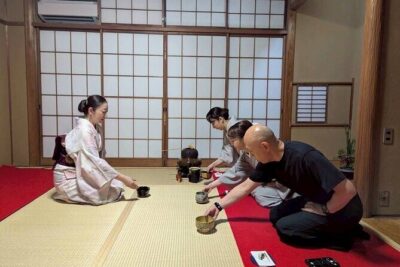
If you’ve ever wondered what actually happens in a Japanese tea ceremony beyond the pretty pictures, this is a practical way to learn. You start with a tea master-led introduction, then watch the Otemae demonstration, and only after that do you brew your own matcha.
What makes the format work is the order. You see the rhythm first, then you try the steps yourself. That usually turns confusion into simple muscle memory fast—especially when the host explains in clear English and keeps everything moving.
This is also a nice length for a “try it without overcommitting” experience. Around an hour means you can fit it into a day of sightseeing without feeling trapped. You’ll still leave with something tangible: matcha you brewed and a sweet you made to match.
Finding the meeting point in Hakusan (and keeping your day smooth)
The class starts at 文京区白山のダイエット和食付きパーソナルトレーニングジムVaLerio LuanaJapan, 113-0001 Tokyo, Bunkyo City, Hakusan, 1-chōme2617 フィル・パーク 白山ヒルズ 2階.
That’s a mouthful, but the good news is it’s near public transportation. Still, take an extra minute to confirm you’re at the right building floor. The location is inside a training gym space on the second floor, so it’s worth arriving with enough time to get your bearings and settle in before the tea session starts.
You’ll end back at the meeting point, so you don’t have to plan a second transfer after the tasting. That matters in Tokyo, where “one more station” can quietly turn into an hour.
The tea master and the Otemae demonstration: where etiquette meets technique
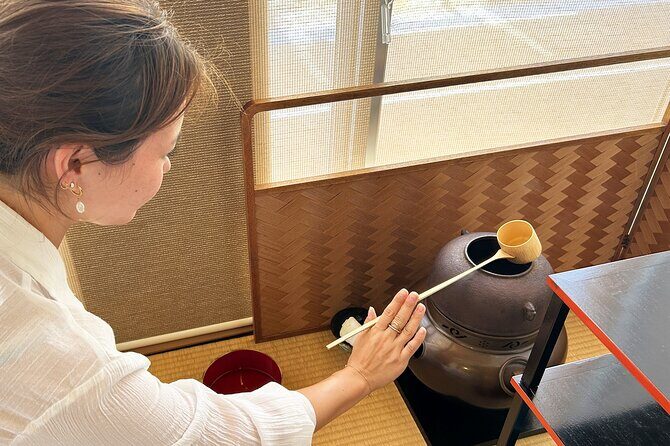
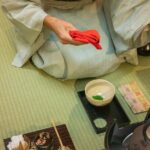
The heart of this experience is the lesson from a tea master with 10+ years of experience. You’ll see an Otemae demonstration before you start brewing matcha yourself.
Even if you don’t know any Japanese, this part is easy to follow because it’s visual and guided. The host can explain what you’re looking at as the tea ceremony steps unfold—how the flow works, what the sequence is trying to accomplish, and why the movements are so deliberate.
I like this approach because it avoids the common trap. Some classes throw you straight into making something without context. Here, you’re given the “why” right away, so your own matcha-making feels less like a chore and more like learning a small skill.
Also, the tone you’re likely to experience is calm. The overall vibe comes across as peaceful, and that helps you focus on the details instead of rushing.
Brewing your own matcha: hands-on learning, not just watching
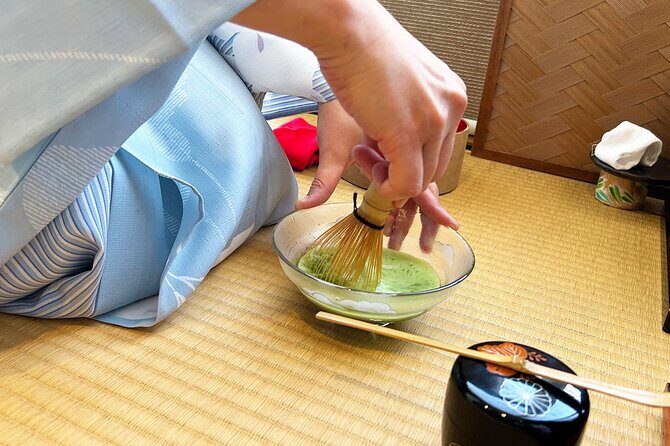
Then comes the part you’ll remember: you brew your own matcha. After the demonstration, you’re guided step-by-step so you can recreate the process yourself.
What’s valuable here is that you’re not relying on guesswork. The host is there in clear English, and the tea master’s experience anchors the technique. If you’ve struggled in the past with “cooking classes where you do one bland stir and leave,” this is different. Your actions matter, and you’ll taste the result.
A practical tip: go in with patience. Matcha-making has a small learning curve. Even if everything is explained well, it still takes a couple minutes to get the hang of the motions and timing.
You’ll also get a sense of control. Once you taste what you brewed, you can connect the process to the flavor in your mouth. That’s the kind of learning that sticks longer than a photo.
Worth weighing up alongside this Tokyo pick:



Seasonal Japanese sweets: making something personal to pair with your matcha
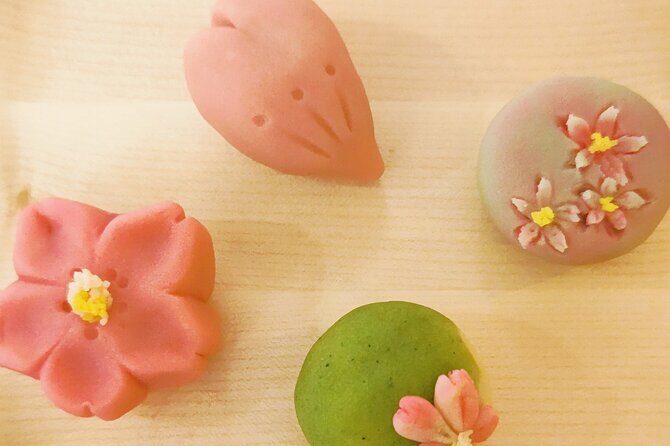
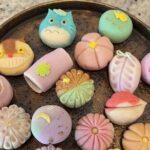
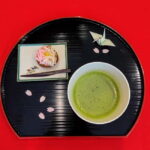
Next, you’ll craft seasonal Japanese sweets yourself. The standout detail here is that you design your own sweet. That turns the workshop from “follow the instructions” into “make a choice.”
The reason this matters is pairing. You’re not tasting matcha in isolation—you’re combining it with something you created. That makes the tasting feel like a complete small meal: drink plus sweet, matched by your own choices.
Because the sweets are seasonal, you’ll likely notice how the class leans into the time of year instead of one fixed menu. That’s a nice way to experience Japanese food culture in a hands-on setting, even if you’re only in Tokyo for a few days.
One more note: since the class is short, the sweet-making part is probably designed to be achievable during the session. Don’t expect hours of perfection. Do expect a fun, guided project where the goal is learning and tasting, not winning a competition.
Tasting with intention: what to pay attention to
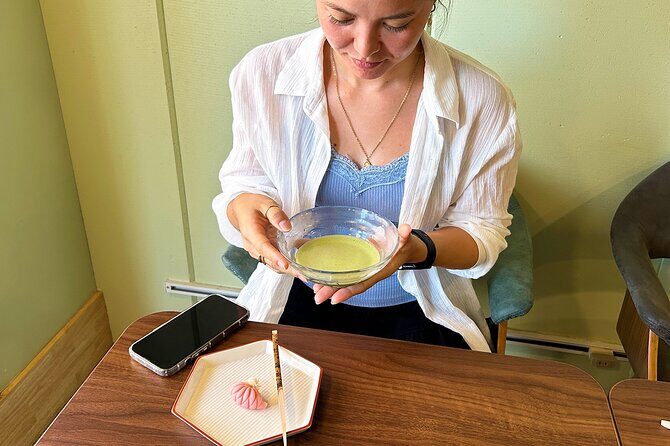
After you’ve brewed matcha and made your sweet, you’ll enjoy tasting together. This is where the ceremony becomes more than “activities.” You’re tasting what you made, and the experience is built around that moment.
I’d suggest you pay attention to three simple things:
- How the matcha tastes on its own
- How it changes when you take a bite of your sweet
- Whether you can notice texture or balance between the drink and the confection
Even with minimal background, you can learn a lot just by comparing your own impressions. That’s the quiet power of doing it yourself: you’re not just consuming. You’re observing.
If you usually drink matcha and wonder why it tastes different in different places, this session can help you understand that there’s technique behind what you’re tasting. You’re building an everyday connection between process and flavor.
Group size and English guidance: why the class stays relaxed
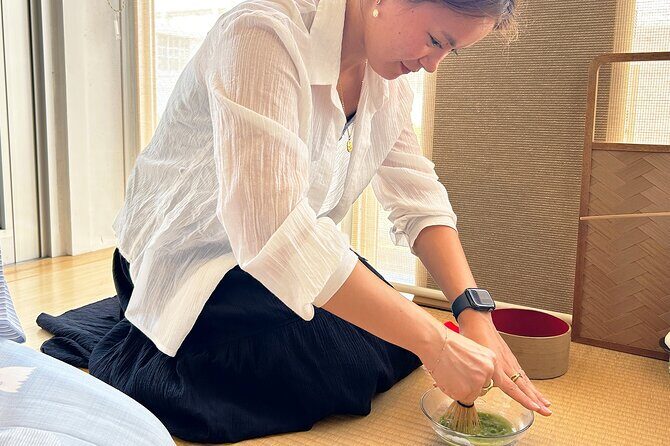
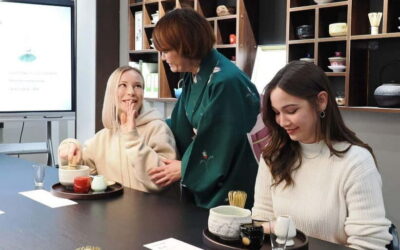
This activity caps at 10 travelers, and it’s guided in clear English by an expert host. That small size is more than a nice perk. It typically means the host can check in, answer questions, and keep the pace smooth.
For you, that usually translates to two good things:
1) you’re less likely to feel lost
2) you’re more likely to get help if you’re unsure
The host-led English also matters if you don’t speak Japanese. You can still follow instructions carefully, and you’ll be able to ask basic questions without it turning into a stressful language puzzle.
Price and value: what $32.58 buys you in Tokyo
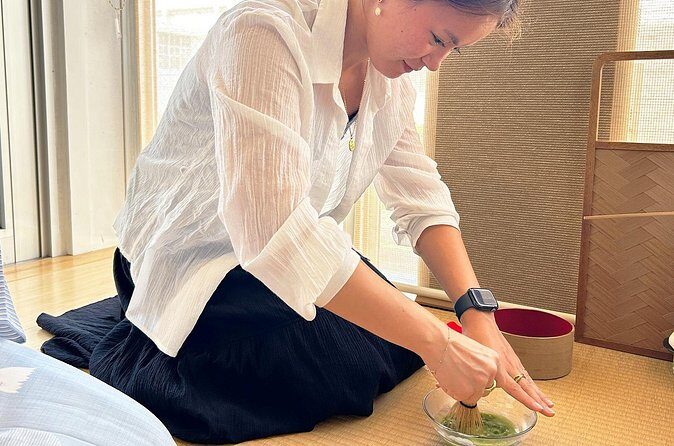
At $32.58 per person, this isn’t trying to compete with the cheapest museum ticket. You’re paying for instruction, the tea ceremony flow, and hands-on making—matcha and seasonal sweets—within about an hour.
Here’s how I’d judge value for this kind of class:
- You get guided Otemae viewing plus your own brewing, not just a demonstration
- You make a sweet designed by you, not just a pre-made snack
- The tea master experience (10+ years) is the core learning resource
- Small group size keeps you from feeling rushed
If you like workshops where you take home an actual skill and an experience tied to taste, the price makes sense. If you’re only looking for quick sightseeing and don’t care about hands-on learning, you might question the cost.
But for the right traveler, it’s the kind of Tokyo activity that feels both cultural and practical—because you’re doing the thing.
Who should book this matcha and sweets class?
This is a strong fit if you:
- want a genuine Japanese cultural activity without needing Japanese language skills
- enjoy hands-on learning more than passive tours
- like food experiences that also teach technique
- prefer smaller groups (max 10) and a calmer pace
It may be less ideal if you’re looking for a longer deep study, because the session is about 1 hour. It’s also not the right choice if you want a big-group, high-energy party vibe. This is controlled, guided, and focused.
Should you book this Tokyo tea ceremony class?
I’d book it if you want a compact, friendly way to learn matcha basics and experience the Otemae flow properly. The combination—brewing your own matcha plus making a seasonal sweet you design yourself—gives you both skill and a tasty payoff.
I’d skip it only if you’re certain you don’t want hands-on food work, or if you’re hoping for a multi-hour ceremony lesson. Otherwise, this is exactly the kind of Tokyo activity that turns an afternoon into something you can actually taste and remember.
FAQ
FAQ
How long is the Tokyo tea ceremony and sweets making experience?
It lasts about 1 hour.
What does the experience include?
You’ll learn matcha making from a tea master, watch the Otemae demonstration, brew your own matcha, craft seasonal Japanese sweets, and enjoy tasting.
Is the class guided in English?
Yes. The guidance is provided in clear English by an expert host.
How many people are in the group?
The activity has a maximum of 10 travelers.
Where is the meeting point?
The start point is VaLerio LuanaJapan at 文京区白山のダイエット和食付きパーソナルトレーニングジム, Fil Park 白山ヒルズ 2階, Bunkyo City, Hakusan, 1-chōme2617, 113-0001 Tokyo.
Do I need to print anything for check-in?
You’ll use a mobile ticket.
Will I get confirmation after booking?
Confirmation is received at the time of booking.
What’s the price per person?
The price is $32.58 per person.
Can I get a refund if I cancel?
Yes, you can cancel for free up to 24 hours in advance of the experience start time for a full refund.
More Dessert Tours in Tokyo

More Tour Reviews in Tokyo






More Tea Rooms Worth Booking


Fresh reviews from around Tokyo






Tea Ceremony Experiences, compared.
 ★ 5.0Traditional Tea Ceremony with a Tea MasterFrom $38528 reviews
 ★ 5.0Tea Ceremony Workshop in Tokyo by the Experienced InstrucorFrom $38189 reviews
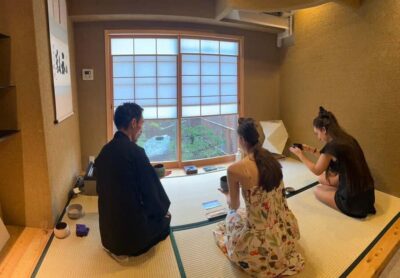 ★ 4.9Tea Ceremony Experience in a Private Tea Room in ShibuyaFrom $30125 reviews
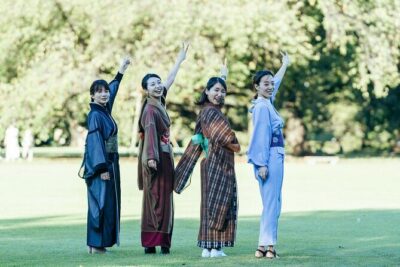 ★ 5.0Matcha Kimono Tea Ceremony in TokyoFrom $59104 reviews
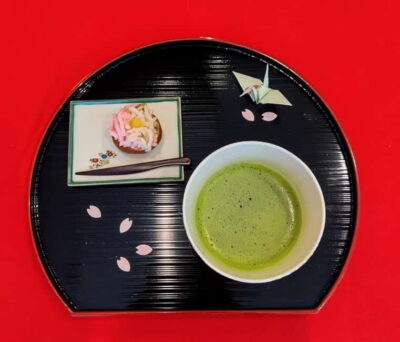 ★ 4.9Tea ceremony experience in Japanese-style room 60minFrom $4586 reviews
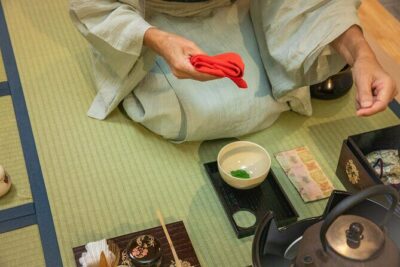 ★ 5.0Casual Japanese Tea Ceremony ExperienceFrom $2574 reviews
 ★ 5.0Shibuya Authentic Tea Ceremony with experienced instructorFrom $2554 reviews
 ★ 4.9Tea Ceremony Experience in a small tea roomFrom $5153 reviews
Browse the lists this tour appears in