
Reviewed · SUMO SHOWS
Tokyo: Sumo Keiko Training Tour with Audio Guide & Photo
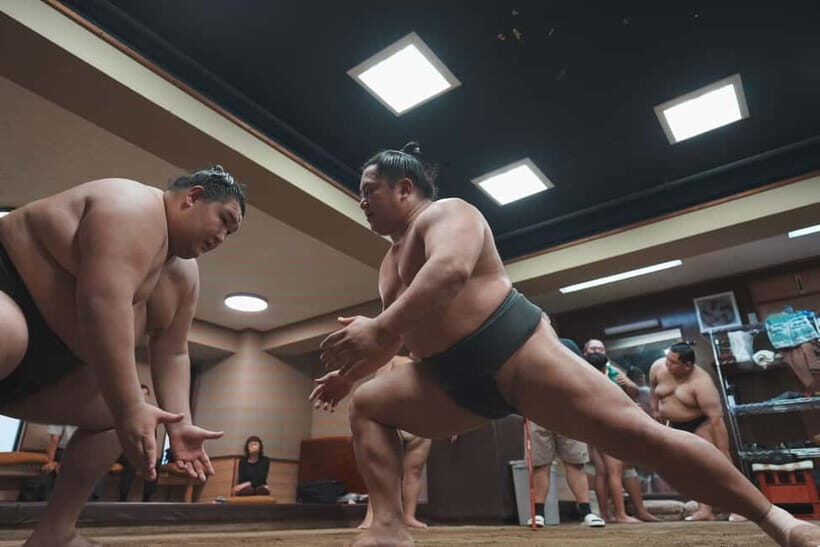
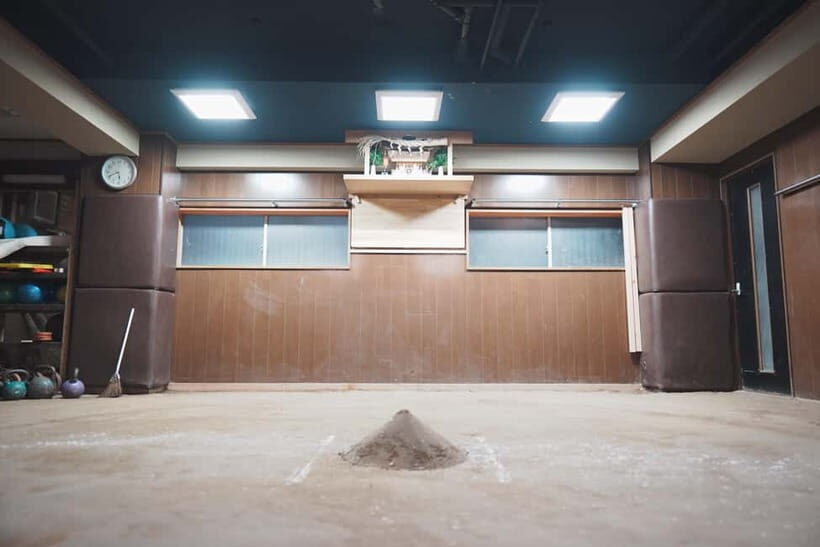
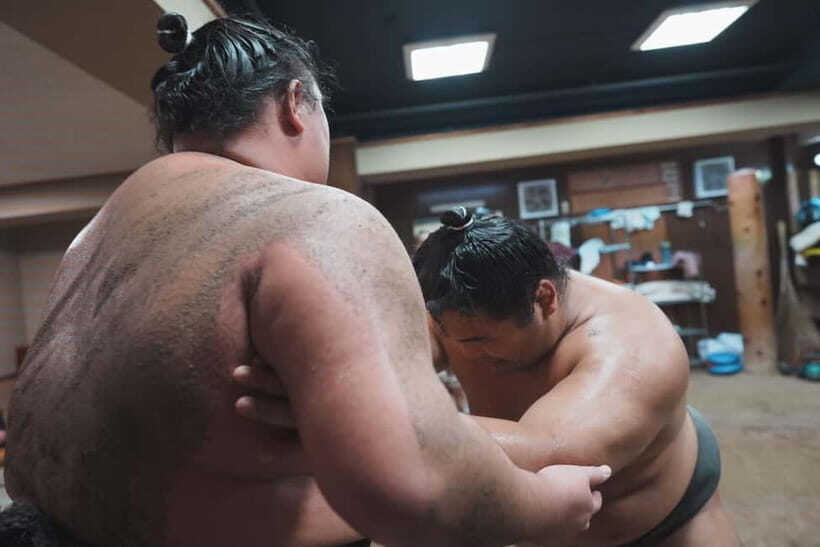
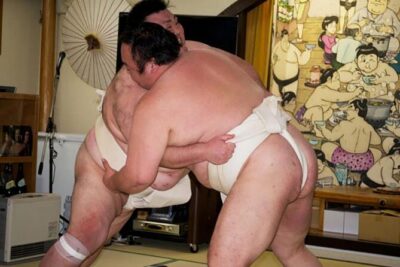
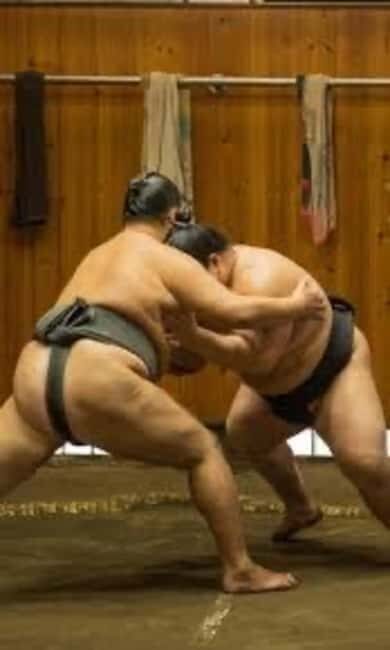
Watching sumo training feels like backstage. At Nakamura-beya Sumo Stable, you get a front-row view of professional keiko right by Ryogoku Kokugikan. The setting is close enough that you notice the small things: footwork, timing, and how serious everyone looks during practice.
I love the mix of close viewing and clear learning. The 10-language audio guide plus a sumo training pamphlet helps you understand what you are seeing without turning it into a lecture.
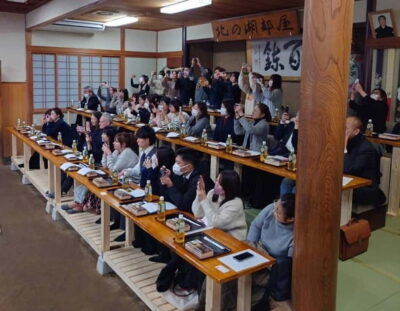
One thing to plan for: seating comfort. Bench chairs are limited (priority for visitors with disabilities), and most people sit on cushions for about 1.5 hours, so you’ll want to be okay with sitting still.
In This Review
- Key things to know before you go
- Inside Nakamura-beya: Why This Keiko Tour Feels Special
- The Venue Rules Matter More Than You Think
- How the 40–90 Minutes Plays Out
- Learning Sumo: What the 10-Language Audio Guide Helps You Catch
- Photo With Sumo Wrestlers: A Real Memory Moment
- Comfort and Practical Extras Inside Tokyo’s Sumo World
- Price and Value: Is $85 a Fair Deal?
- Best Day Plan After the Tour: Ryogoku Kokugikan and the Waterfront
- Who Should Book This Sumo Keiko Tour?
- Should You Book This Tokyo Sumo Training Tour?
- FAQ
- Where is the meeting point?
- How long is the tour?
- Is an audio guide included, and what languages are available?
- Do I need to bring earphones?
- Is a photo with sumo wrestlers included?
- Are flash photos allowed?
- Is the tour suitable for children?
- What seating should I expect?
- Is pick-up and drop-off included?
Key things to know before you go
- Live keiko at Nakamura-beya in central Ryogoku, near the National Sumo Arena
- Audio guide in 10 languages (use your phone with earphones)
- Air-conditioned venue with free Wi-Fi and charging
- No-flash photo included with sumo wrestlers as part of the experience
- Easy add-on walk to Ryogoku Kokugikan and the Tokyo waterfront
More chances to sit ringside
- Tokyo: Sumo Show and Dining Experience★ 4.8 · 2,742 reviews
- the SUMO show★ 5.0 · 1,960 reviews
- Tokyo Shinjuku Sumo Show & Experience with Photo★ 5.0 · 1,750 reviews
Inside Nakamura-beya: Why This Keiko Tour Feels Special
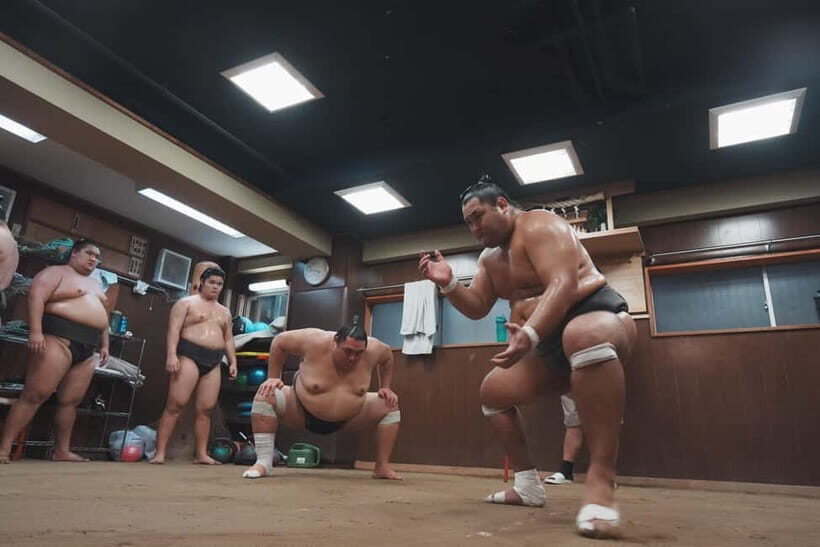
If you’ve only seen sumo during a tournament, this is a different world. A tournament is performance. Keiko is work. At Nakamura-beya, you watch the training that shapes those match-day skills, and it hits you how physical the routines are.
The location also helps. Nakamura-beya is just minutes from JR Ryogoku Station, and it’s right next to Ryogoku Kokugikan. Translation: you can get there without fuss, then spend the rest of your day in the same neighborhood. You’re not traveling across Tokyo just to watch a short moment; you’re building a real Ryogoku outing around sumo.
What makes this tour click is that it’s both direct and guided. You’re not stuck reading from a sign. You watch the practice, then the audio guide and pamphlet fill in the why behind what you’re seeing.
And yes, sumo has a lot of rules. But during training, the “rules” are also the rhythm—how wrestlers move, how they reset, and how they handle each drill.
The Venue Rules Matter More Than You Think
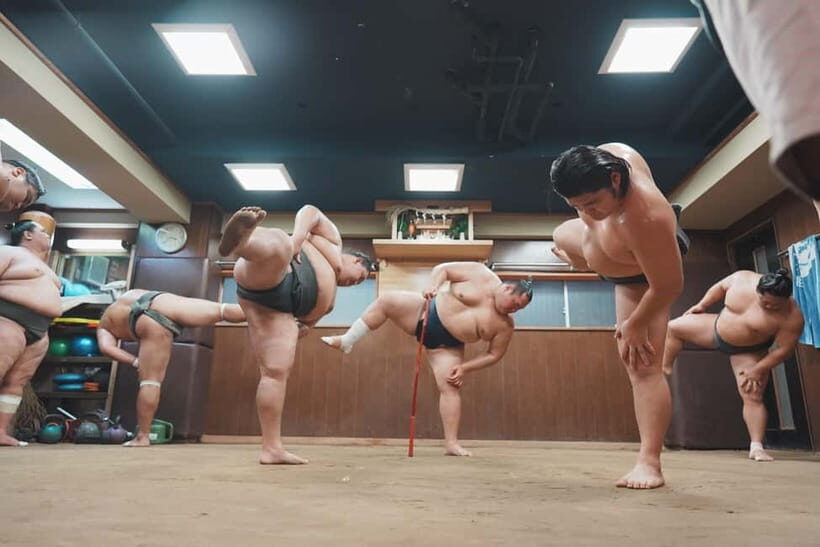
This tour has clear conduct rules, and they’re there for a reason. When practice is happening, the goal is quiet focus. The staff want you watching, not talking over the training.
Here are the big ones you should remember:
- No speaking during practice—watch quietly.
- No flash photography.
- No sunglasses, and no bare feet.
- Use the restroom before you join (so you’re not stepping out mid-session).
- Late arrivals shorten your viewing time. No extension.
Also plan for audio. The tour expects you to listen via your phone, and you’ll need earphones. If you forget, they can lend you a pair.
On seating: bench chairs are limited. If you need a chair for comfort or mobility reasons, prioritization applies to visitors with disabilities. If you don’t get a bench chair, you’ll sit on cushions for about 1.5 hours. Bring patience for stillness.
How the 40–90 Minutes Plays Out
This experience is short by design. You’re getting a concentrated dose of training plus the “learn it fast” audio layer.
You start at Nakamura-beya Sumo Stable. From there, you’ll spend the main part of the tour watching the session. The time window is 40 to 90 minutes, depending on the starting time and how the session runs. The key idea: you should plan to arrive on time so you don’t lose part of the viewing.
During the session, you’re not just passively looking. You’re meant to connect what you see with what the audio guide and pamphlet explain. That’s how the experience goes from interesting to actually memorable.
Then the tour wraps back at Nakamura-beya. After that, you’re free to keep your day going nearby. This part is underrated: Ryogoku Kokugikan (the sumo museum) and the Tokyo waterfront are walkable, so you can keep the sumo theme going without re-planning transportation.
Learning Sumo: What the 10-Language Audio Guide Helps You Catch
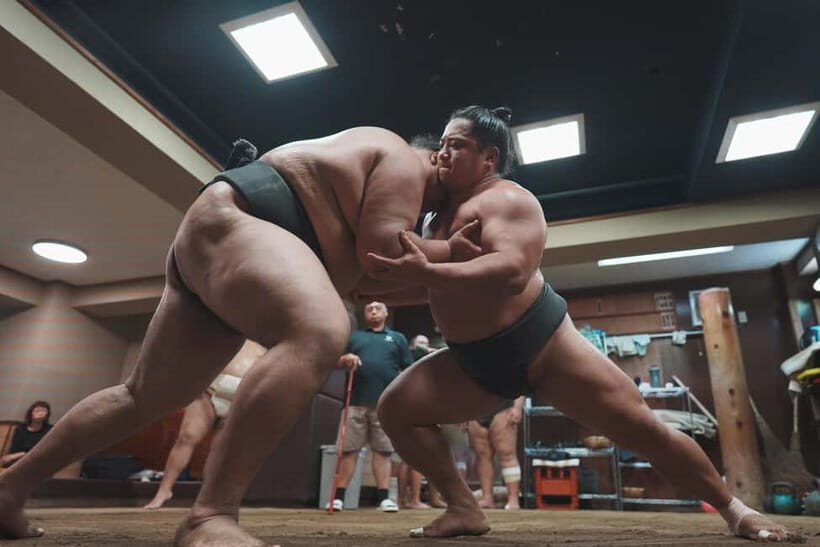
The best part of the learning tools is that they’re practical. They don’t just give definitions. They help you notice training techniques while you’re watching them.
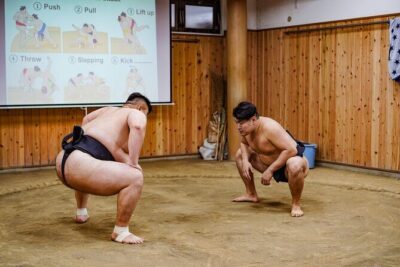
The audio guide covers sumo history, ranks, and training techniques, and it’s available in Chinese, English, French, German, Hindi, Italian, Japanese, Korean, Polish, and Spanish, plus Portuguese. That’s a huge range, and it matters because sumo terms don’t always translate cleanly. Hearing them in your language makes it easier to follow along.
You’re listening through your phone, so you can control the pace. If something feels confusing, you can rewind and catch up on ranks or what a drill is trying to build.
The tour also includes a sumo keiko explanation pamphlet. Think of it as the quick reference you can glance at, especially if you’d rather read a short summary than rely only on audio.
And the live guide support helps too. The guide speaks English, Japanese, and Korean, so if you have questions during the tour flow, you can usually find someone who can help.
More days made easy by a guide



Photo With Sumo Wrestlers: A Real Memory Moment
One reason people book this tour is the photo. You’re getting a photo with sumo wrestlers as part of the experience, and it’s a fun way to make the training moment tangible.
Just remember the camera rule: photography is available, but no flash. That’s common in performance spaces, and it’s especially important in a setting where people are actively training.
If you care about the photo, do two things:
- Wear something comfortable to stand in.
- Don’t be the person fumbling for batteries at the last second.
This photo piece turns your visit from a “nice show” into a keepsake you’ll actually remember when you look back at your Tokyo photos.
Comfort and Practical Extras Inside Tokyo’s Sumo World
Tokyo can be hot, crowded, and a bit unpredictable. This tour adds comfort where it counts.
The venue is air-conditioned, which makes the session far more pleasant than you might expect. You also get free Wi-Fi and charging stations, which is handy because you’re actively using your phone for the audio guide.
There’s also a training-session pamphlet, and the whole setup is designed to keep you from scrambling. The goal is simple: you should be able to watch, listen, and learn without turning your day into tech support.
One more practical point: bench-chair availability is limited. If you want the most comfortable setup, arrive early for your time slot and be ready for cushion seating if the bench chairs are already taken.
Price and Value: Is $85 a Fair Deal?
At $85 per person, this tour isn’t the cheapest thing on a Tokyo list. But it’s also not trying to be a generic “tourist sumo” stop.
You’re paying for three things that are hard to DIY:
- Access to a live training session at a professional sumo stable (a real keiko viewing experience).
- A guided learning layer through a 10-language audio guide and pamphlet.
- A photo moment with sumo wrestlers, with clear rules to keep it smooth.
If you’re the type who likes sports history explained in context, this price starts to feel reasonable. You’re not just watching physical action—you’re learning ranks and techniques while it’s happening. That makes the time feel more worth it, even though the visit is relatively short.
If you hate rules, small seating hassles, or quiet watching, you might find it less satisfying. But if you want an authentic sumo training window, this is one of the better ways to spend a chunk of your Tokyo day.
Best Day Plan After the Tour: Ryogoku Kokugikan and the Waterfront
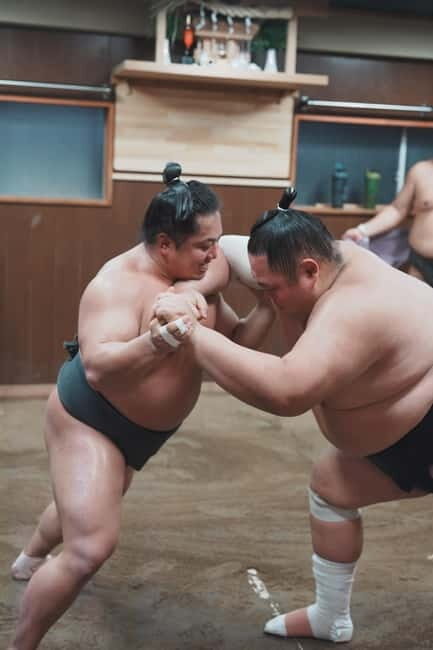
When your keiko viewing ends, you’re not stuck in a one-and-done situation. Ryogoku Kokugikan (the sumo museum) and the Tokyo waterfront are within walking distance.
This is smart city planning for your itinerary. You can see training in the morning and then connect it to museum context afterward. Even if you don’t go inside the museum, the surrounding area is ideal for a calm walk after practice intensity.
If you want an easy flow, keep it simple:
- Start with the stable tour.
- Then check out Ryogoku Kokugikan at your own pace.
- Finish with a waterfront stroll for a change of scenery.
It’s a natural way to turn sumo from a “one hour thing” into a full neighborhood experience.
Who Should Book This Sumo Keiko Tour?
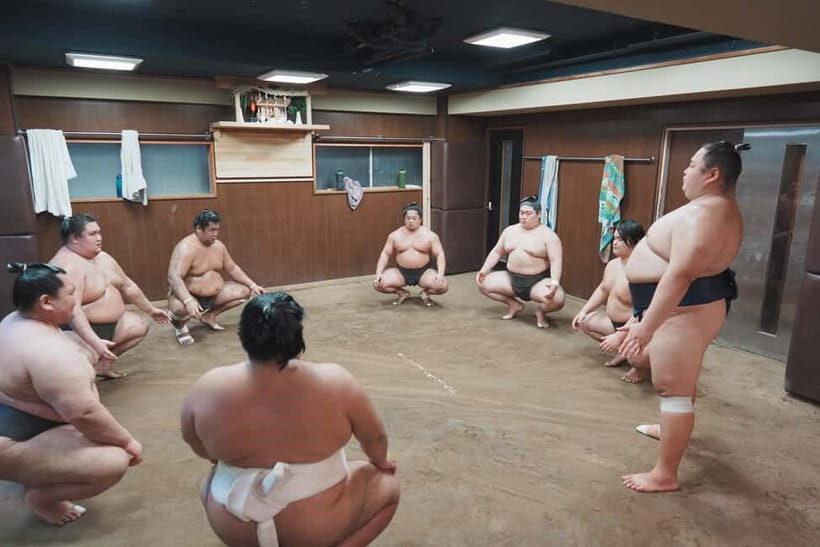
This tour fits best if you like one of these travel styles:
- You want an authentic sports setting, not just a polished event.
- You enjoy learning while you watch, using audio in your language.
- You want a hands-on memory moment with the included photo.
Age matters here. The minimum age is 6 years old, and it’s not suitable for children under that age. Also, the quiet manners rule during practice means it’s better for kids who can sit calmly.
If you’re traveling with mobility needs, it helps to know bench chairs are limited and prioritized for visitors with disabilities. Plan around the chance that you might be on cushions, and keep your comfort needs in mind when choosing your time slot.
Should You Book This Tokyo Sumo Training Tour?
I think you should book it if you want a close-up look at sumo training and you’re ready to follow simple practice etiquette. The combination of live keiko, the 10-language audio guide, air-conditioned comfort, and the included no-flash photo makes it feel like real value rather than a quick tourist stop.
Skip it if you need lots of freedom during the session, dislike quiet watching, or you expect cushy seating for the whole time. Also, if you forget earphones, you’ll need to rely on the provided option.
If your goal is to understand sumo as a craft, not just a match, this is a strong choice.
FAQ
Where is the meeting point?
You meet at Nakamura-beya Sumo Stable, about 2 minutes from JR Ryogoku Station and next to Ryogoku Kokugikan National Sumo Arena.
How long is the tour?
The duration is listed as 40–90 minutes, depending on the starting time. Check availability for specific start times.
Is an audio guide included, and what languages are available?
Yes. The audio guide is included and available in 10 languages: Chinese, English, French, German, Hindi, Italian, Japanese, Korean, Polish, Spanish, and Portuguese.
Do I need to bring earphones?
Yes, you should bring your own earphones to use the audio guide on your phone. If you don’t have them, the tour can lend you a pair.
Is a photo with sumo wrestlers included?
Yes. A photo with sumo wrestlers is included as part of the experience.
Are flash photos allowed?
No. Photography is allowed, but flash photography is not allowed.
Is the tour suitable for children?
The minimum age is 6 years old, and it’s not suitable for children under 6.
What seating should I expect?
Bench chairs are limited and prioritized for visitors with disabilities. Others sit on cushions for about 1.5 hours.
Is pick-up and drop-off included?
No. Pick-up and drop-off are not included. You’ll need to make your own way to the meeting point.
More Tours in Tokyo





More Tour Reviews in Tokyo




More Mornings with the Wrestlers
Fresh reviews from around Tokyo






Sumo Shows, compared.
 ★ 4.8Sumo Show Experience with Chicken Hot Pot and a PhotoFrom $1036,678 reviews
 ★ 4.8Sumo Show and Dining ExperienceFrom $792,742 reviews
 ★ 5.0the SUMO showFrom $891,960 reviews
 ★ 5.0Tokyo Shinjuku Sumo Show & Experience with PhotoFrom $791,750 reviews
 ★ 4.8Sumo Show and Experience in ShinjukuFrom $691,001 reviews
 ★ 5.0Authentic Sumo Experience in Tokyo: Enter the SanctuaryFrom $171603 reviews
 ★ 4.8Tokyo Sumo Experience: Chanko & Mochi with a Former ProFrom $103567 reviews
 ★ 5.0Ultimate Sumo Tournament: Tokyo, Osaka, Nagoya, FukuokaFrom $184468 reviews
Browse the lists this tour appears in