
Tokyo on two wheels skips the crowds. This small-group ride threads together Asakusa temple sights and Sumida River views, while also grounding everything in the Edo-era story of how Tokyo life worked. I especially like the way the day starts with a practical traffic-rules briefing, so you’re not just guessing where to ride. I also like that your lunch and a museum entry are built in, which keeps the tour from turning into a scavenger hunt. One thing to consider: the route can be cancelled in bad weather for safety, so have Plan B.
The guide experience matters here. In particular, Shogun is praised for moving at a bike-friendly pace and keeping the day focused on history and street-level details, not sales stops. With English guidance and a small group capped at five, you get room to ask questions without the tour feeling like a cattle line.
In This Review
- Key Points That Make This Tour Worth Your Time
- Setting Out From Asakusabashi: Rules First, Then Ride
- Bandai, Kaminarimon, and Sensō-ji Without the Wall-to-Wall Lines
- Skytree Views Along the Sumida River to Sumo Town in Ryogoku
- Lunch in the Neighborhood and Why the Edo Stories Feel Real
- Naritasan Fukagawa Fudōdō: Everyday Worship, Not Just a Photo Stop
- Fukagawa Edo Museum and a Final Café Break Before You Roll Back
- Price and Logistics: Is $96 Good Value for What You Get
- Who This Tour Fits Best (and Who Might Skip It)
- Should You Book This Tokyo Bike Tour?
- FAQ
- How long is the Tokyo hidden gems bike tour with lunch?
- Where do I meet the guide?
- What is included in the price?
- Is the tour guide available in English?
- What about vegetarian meals?
- What should I wear or bring?
- Is this suitable for kids?
- Can I cancel and get a refund?
Key Points That Make This Tour Worth Your Time
- Traffic rules briefing first, so the ride feels confident and not chaotic
- Asakusa sights plus Edo-era context, not just check-the-box photos
- Skytree views from the river route while you glide toward Ryogoku
- Lunch at a local restaurant included, which saves you decision fatigue
- Fukagawa temple + Edo Museum for a clearer picture of how people actually lived
- Small group size (max 5) means you’re not getting lost in a crowd
More of Tokyo by bike
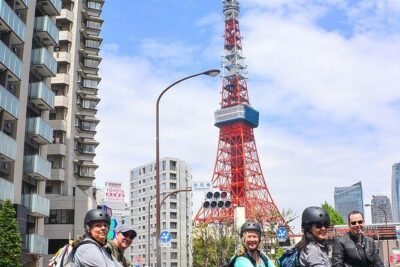
- Tokyo Guided Small-Group Biking Tour★ 5.0 · 1,250 reviews
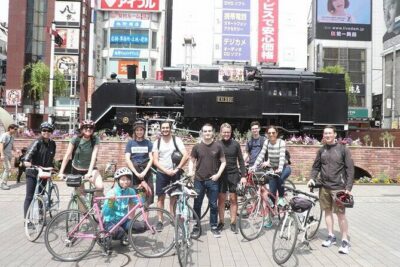
- Tokyo Great Cycling Tour★ 5.0 · 811 reviews
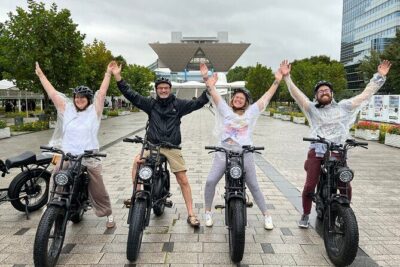
- Tokyo Top Highlights 3h Guided E-bike Tour★ 5.0 · 714 reviews
Setting Out From Asakusabashi: Rules First, Then Ride
The day starts at Asakusabashi Station Exit A3 (Toei-Asakusa Line). The setup is simple: you meet the guide outside the exit, grab your rental bike, and get going on the quickest path to how Tokyo feels when you’re not stuck in train stations.
Before you hit the street, you’ll get a short lecture on Japanese traffic rules. This is a big deal for visitors. Bike routes in Tokyo can feel orderly, but that order only works if you know the basics like where bikes are expected to ride and how crossings work. It also helps you relax. You’ll spend less time worrying and more time looking around.
The tour is designed for all levels, which is good news if you’re rusty. You do still want to be comfortable on a bike for about five hours. Bring comfortable shoes because you’ll be getting on and off the bike for temple visits and museum time. If your legs are usually fine for an hour-long walk, you’ll likely be fine here too.
Also, plan around timing. The tour has a strong start-on-time rule, and if you’re late you can miss the group. That’s not meant to be strict for the sake of it. With five hours and multiple stops, falling behind usually ruins everyone else’s schedule.
Bandai, Kaminarimon, and Sensō-ji Without the Wall-to-Wall Lines
In Asakusa, you’ll hit the sights most visitors know, but the bike format changes the feel. You’re not inching through the same crowd all day; you’re sampling key places and then rolling on to the next one.
First up is the Bandai Co., Ltd. head office stop (about 20 minutes). Yes, it’s a corporate headquarters moment, but it’s fun in an unmistakably Tokyo way. You can see large anime-related figures such as Dragon Ball and Doraemon and take photos in a setting that mixes pop culture with old-school neighborhood life.
Then it’s Kaminarimon Gate (around 10 minutes). This is one of those landmarks that always looks better in person, even when it’s busy. The short stop works well because it keeps you from spending the best biking energy standing still too long.
After that comes Sensō-ji Temple (about 30 minutes). This is where the day turns from fun-and-famous to grounded and spiritual. Sensō-ji’s scale and activity can overwhelm you if you just wander on your own, so the guided time helps you move through the space with purpose. You get the main viewpoints, but you also learn what you’re looking at so it doesn’t blur into background noise.
What I like most about this section is the balance: pop-culture stop for joy, then classic temple stop for meaning. It’s a Tokyo combo that feels real, not staged.
A small practical note: if you’re a vegetarian, keep expectations realistic. The tour notes that Japanese restaurants may not have full vegetarian menus, so your options may be limited when lunch rolls around.
Skytree Views Along the Sumida River to Sumo Town in Ryogoku
After temple time, the ride becomes the scenic payoff. You’ll bike along parts of the Sumida River, crossing bridges where you can see the huge Tokyo Skytree. The tour specifically mentions the tower’s height at 634 meters, and you’ll understand why people react to it when you’re seeing it framed by river and bridges rather than squeezed between buildings.
You’ll also reach Ryogoku, known as Sumo town. This is a neighborhood where Tokyo’s sporting tradition feels tied to daily life. The tour includes time for sightseeing around the Ryogoku area, plus a walking portion to connect the place with the story of sumo.
The biggest value here is pacing. On a bike, you’re not just visiting two distant points—you’re seeing how the city changes block by block. You get to notice what tends to be hidden from visitors who only move by train.
One more plus: you’re skipping the feeling of constantly searching for the next activity. The tour keeps the day structured, so you get the river and sumo contrast without needing to plot your own route.
If you’re the type who loves photos, this section gives you multiple chances. The river angle of Skytree and the wider streets around Ryogoku are easier to capture than temple alleys packed edge-to-edge.
Lunch in the Neighborhood and Why the Edo Stories Feel Real
Lunch is included, served at a local restaurant (with a scheduled stop of about 45 minutes). This matters for value because it removes the biggest stress of cycling days: when you’re hungry, you don’t want to spend time making decisions you’d rather spend on scenery.
You’re also eating in the right kind of place. The tour places lunch in the flow of the route—after you’ve transitioned from Asakusa toward Ryogoku. That means the meal doesn’t feel like a random detour. It’s part of the narrative of moving through Tokyo’s layers.
Now, about the Edo-era angle. The tour is built around the idea that Edo-period Tokyo (1603–1868) shaped how people traveled and lived. Asakusa is described as a long-time travel favorite, which fits with why you’ll see both old and new around there. Then Ryogoku adds another layer by linking a major cultural tradition—sumo—to a specific part of the city.
When the day later brings you to Fukagawa and a museum, it all clicks better because you’ve already seen the neighborhoods as neighborhoods, not as isolated tourist dots.
Vegetarian travelers should note the earlier warning about limited choices. It doesn’t say no vegetarian options exist; it says options may be limited. If that’s your priority, consider contacting the operator ahead of time or be ready to adapt.
More days made easy by a guide

Naritasan Fukagawa Fudōdō: Everyday Worship, Not Just a Photo Stop
After lunch, you cycle into the Fukagawa area. The first stop is Naritasan Fukagawa Fudōdō (about 35 minutes). This temple visit is timed to give you a shift in atmosphere. Asakusa and Kaminarimon pull you toward the historic sightseeing lane, but Fukagawa’s temple time is more about observing worship as part of everyday routine.
The tour specifically frames this as seeing how Japanese people worship in daily lives. That might sound abstract, but it usually translates into small, practical observations: where people stand, how they approach the space, and what kind of behavior is normal there. With a guide, you’re less likely to feel like you’re just watching strangers do a ritual you don’t understand.
This stop also works well from a cycling logistics standpoint. It’s scheduled after you’ve had lunch and enough riding time to feel awake and ready to walk inside. That means you’re not rushing through temple time while still recovering from the bike.
Also, remember you may not be able to drop luggage at the rental bike office during the tour. The guidance says not to bring luggage with you, or store it in lockers before the ride. So go light. Temples and museum entrances tend to be easier when you don’t have bags.
Fukagawa Edo Museum and a Final Café Break Before You Roll Back
The last major cultural stop is the Fukagawa Edo Museum (about 45 minutes). This is one of the most educational parts of the day because it focuses on life in Edo times, described as about 150 years ago. Instead of only seeing statues or architecture, you’re looking at an interpretation of how streets and daily living worked—exactly the kind of context that makes old Tokyo feel less like a picture and more like a place where people had routines.
You’ll also get a better sense of why riding matters here. Bikes move you through city spacing. You feel distance. You see how neighborhoods connect. Then the museum gives you the interior picture of what those spaces meant to people back then.
After the museum, there’s a short local café stop (about 15 minutes). It’s not listed as included food or drink, so treat it as a chance to reset your energy rather than a required meal. It’s also a nice way to end without turning the last hour into a sprint.
When you’re ready, you cycle back to Asakusabashi Station, ending at the same meeting point where you started.
Price and Logistics: Is $96 Good Value for What You Get
At $96 per person for around five hours, the value is mainly in what’s bundled together. You’re getting bike rental, a live English guide, lunch, Edo Museum entry, and insurance. If you tried to assemble that yourself in Tokyo, the time cost alone can add up fast, especially when you’re dealing with bike rental logistics and then hunting down a restaurant that works for your schedule.
The small group size (up to five participants) also changes the quality. When the group is small, you can keep a more responsive pace and still pause for photos or questions without losing the whole itinerary.
Is it worth it if you’re a super-strong independent traveler? Possibly not, if you already know where to go and you’re comfortable riding a bike in a busy city. But if you want a structured route that links the shrines, sumo town, and Edo museum into a single coherent day, the bundle makes a lot of sense.
A few logistical details to plan around:
- Shoes are on you. Wear comfy walking shoes.
- Shoes and cycling clothing aren’t included, so don’t count on rental gear beyond the bike.
- Luggage is an issue. You can’t leave luggage at the rental bike office during the tour, so use lockers before you start.
- The tour can be weather-cancelled for safety, so pick a day you can flex.
Who This Tour Fits Best (and Who Might Skip It)
This tour is a strong match if you want Tokyo with less crowd friction and more neighborhood movement. It’s also great if you like learning through places, not just reading signs.
It fits well for:
- You if you’re curious about Edo-period Tokyo and want it explained through specific stops like temples and the Edo Museum.
- You if you’d rather ride between sights than spend half the day in transit.
- You if you want a guided English day but still enjoy independent moments like photos at Kaminarimon and the Skytree river views.
It might be less ideal if:
- You’re sensitive to limited vegetarian choices. The tour warns that full vegetarian menus may not be available.
- You need kid-friendly programming. It notes it’s not suitable for children under 15.
- You dislike being on a schedule. The start time matters, and being late can mean missing the tour.
Good news: the tour says all levels are welcome, and height requirements allow anyone over 150 cm (4′11″) to join. So it’s not only for hardcore cyclists.
Should You Book This Tokyo Bike Tour?
Book it if you want an organized, small-group day that connects Tokyo’s famous sights to the everyday feel of older neighborhoods. The included lunch, Edo Museum entry, and bike rental make the price easier to justify, and the route is designed to keep you moving while still giving real time at temples and historic storytelling stops.
Skip it or consider alternatives if you’re strictly planning around vegetarian dining needs, if you hate the idea of cycling for five hours even with pauses, or if you can’t handle a possible weather-based cancellation.
If you do book, pack light, wear comfy shoes, and show up on time. This tour works best when you treat it like a guided ride with a few key stops, not like a collection of random landmarks.
FAQ
How long is the Tokyo hidden gems bike tour with lunch?
The tour lasts about 5 hours.
Where do I meet the guide?
You meet at Asakusabashi Station Exit A3 (Toei-Asakusa Line). The guide waits outside that exit.
What is included in the price?
Bike rental, the guide, lunch, Edo Museum entry fee, and insurance are included.
Is the tour guide available in English?
Yes. The live tour guide is available in English.
What about vegetarian meals?
Restaurant options may be limited because most Japanese restaurants are not fully ready with vegetarian menus, so you may have limited choices on the tour.
What should I wear or bring?
Bring comfortable shoes. Cycling clothing and shoes are not included.
Is this suitable for kids?
It is not suitable for children under 15 years old. Also, anyone over 150 cm tall can join the tour.
Can I cancel and get a refund?
Yes. You can cancel up to 24 hours in advance for a full refund.
Tokyo on Two Wheels

More Tours in Tokyo




More Tour Reviews in Tokyo




Fresh reviews from around Tokyo






Cycling Tours, compared.
 ★ 5.0Tokyo Guided Small-Group Biking TourFrom $1061,250 reviews
 ★ 5.0Tokyo Great Cycling TourFrom $99811 reviews
 ★ 5.0Tokyo Top Highlights 3h Guided E-bike TourFrom $63714 reviews
3-Hour Bike or E-Bike City Highlights TourFrom $45435 reviews
★ 5.0Tokyo Top Highlights 3h Guided E-bike TourFrom $63714 reviews
3-Hour Bike or E-Bike City Highlights TourFrom $45435 reviews
 ★ 5.0Tokyo West-Side Cycling & Food TourFrom $99214 reviews
 ★ 5.03-Hour Bike/E-Bike Tour of the City’s HighlightsFrom $63209 reviews
 ★ 5.0Small Group Cycling Tour in TokyoFrom $66184 reviews
 ★ 5.03-Hour Tokyo Private E-Bike Tour Starting from Your HotelFrom $145117 reviews
Browse the lists this tour appears in