
Reviewed · TOKYO
Tokyo Professional Sushi Chef Experience
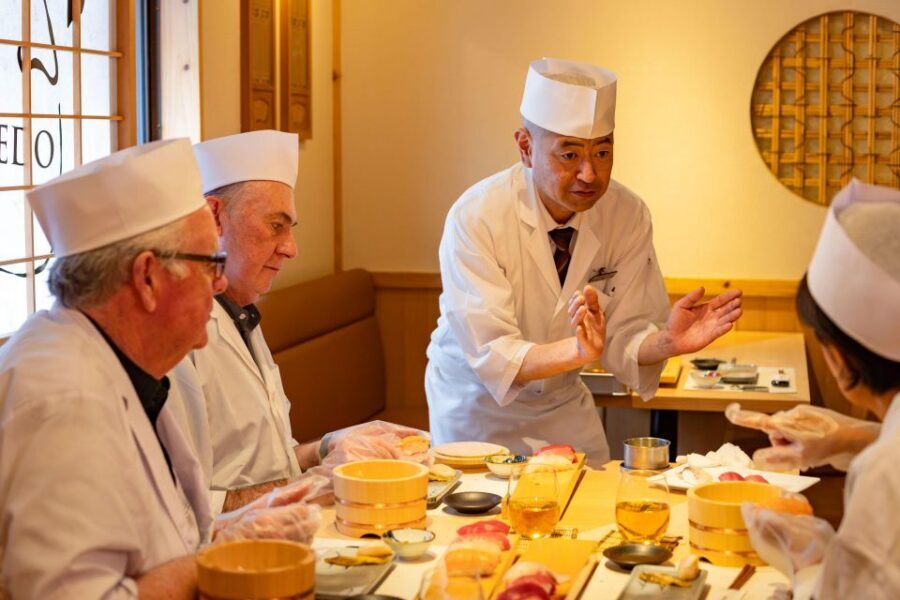
Sushi lessons in Tokyo hit different. This Tokyo Professional Sushi Chef Experience puts you in a real restaurant kitchen with an itamae, so you’re not just watching. You’re learning why each step matters, from fresh wasabi to the rice that holds everything together.
Two things I really like: you work in a small group (up to 8), and you start with hands-on skills like grating real wasabi instead of shortcuts. The chef and team are also patient and clear, and the atmosphere stays friendly as you learn.
One consideration: it’s a focused 2-hour class, so it moves at a good pace. Also, it’s not suitable for children under 10, and smoking indoors plus strong fragrances are not allowed.
In This Review
- Key things you’ll notice right away
- Why this Tokyo sushi class feels like real craft, not a performance
- Step one: your kitchen setup, tools, and the pace of a pro
- Fresh wasabi: the lesson that tells you sushi is about fragrance and control
- Shari secrets: making sushi rice that actually works
- Hand-rolled sushi with premium nori: where technique becomes visible
- The tasting lineup: uni, negitoro, hirame, kuruma-ebi, chutoro, akami
- The meal finish: wakame udon plus your complimentary drink
- English instruction and small-group attention (with interpretation support)
- Vegetarian and allergy-friendly options you can actually plan around
- Price and value: what $161 buys you in Tokyo
- Practical tips so your class goes smoothly
- Who should book this sushi experience
- Should you book the Tokyo Professional Sushi Chef Experience?
- FAQ
- How long is the Tokyo Professional Sushi Chef Experience?
- How many people are in the group?
- Is the class taught in English?
- Are vegetarian and allergy-friendly options available?
- What will I make and taste during the class?
- Is free cancellation available, and how far in advance do I need to cancel?
Key things you’ll notice right away
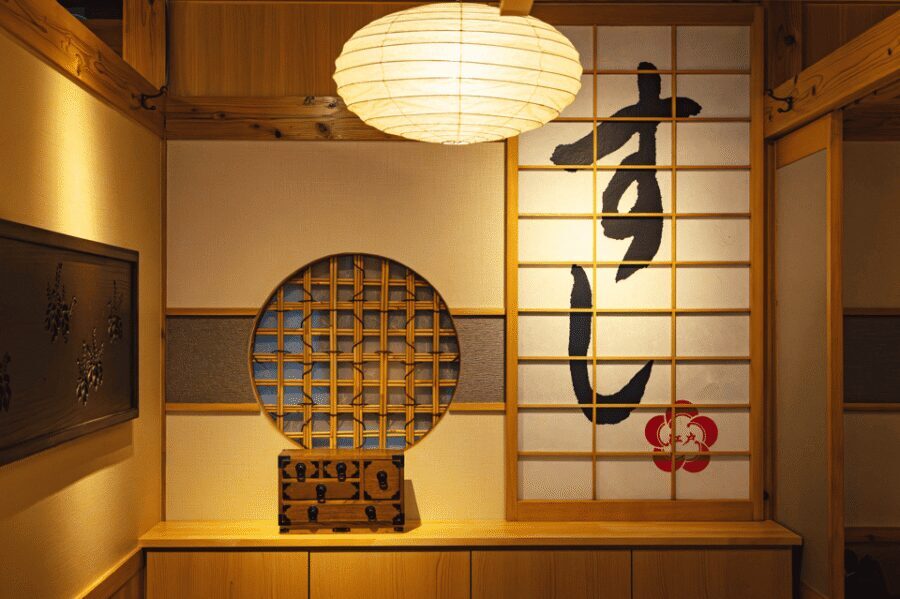
- Hands-on itamae instruction in a real Tokyo sushi setting
- Fresh wasabi and shari practice (not packaged flavors)
- Premium nori and hand-rolled sushi techniques you can repeat at home
- Tasting multiple fish styles like uni, negitoro, hirame, kuruma-ebi, chutoro, and akami
- Chef fish-prep and sushi technique demos as you cook
- Wakame udon and a complimentary drink included with the meal
Before you commit, see how this one stacks up against a few Tokyo favourites:
- Mt Fuji and Hakone 1-Day Bus Tour Return by Bullet Train★ 5.0 · 26,383 reviews
- 1-Day Tokyo Bus Tour★ 5.0 · 14,250 reviews
- Tokyo: teamLab Planets TOKYO Digital Art Museum Entry Ticket★ 4.6 · 9,779 reviews
Why this Tokyo sushi class feels like real craft, not a performance
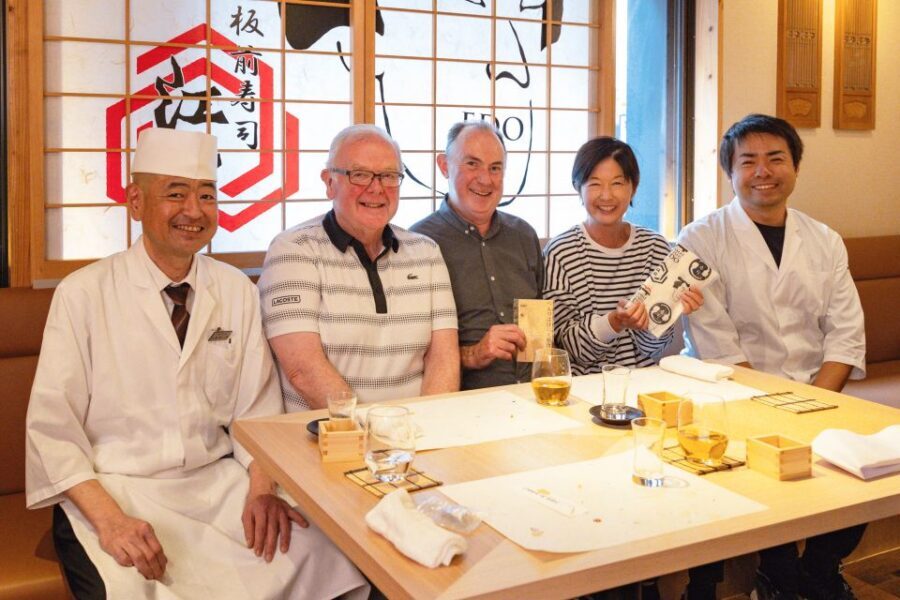
If you’ve taken food tours in Tokyo before, you may have seen cooking classes that feel like a stage. This one is different because it’s built around the way a sushi chef actually trains: you get tools, you follow technique, and you learn by making.
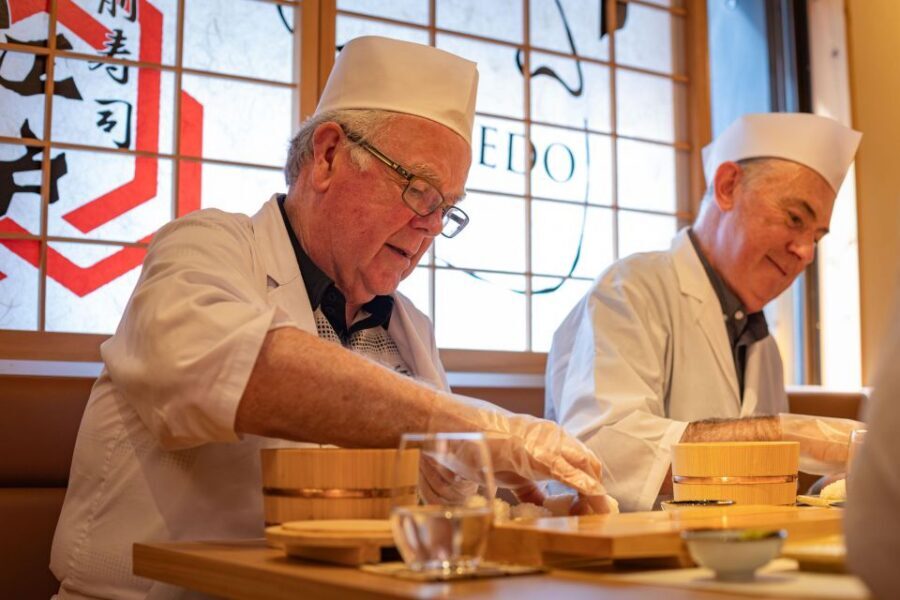
The instructor is an English-speaking itamae (with interpretation support), so you’re not stuck guessing what you’re supposed to do. And because it’s held at a genuine sushi restaurant, you’re working in an environment that feels like the place where the sushi is normally made.
The heart of it is learning process. Sushi isn’t just ingredients. It’s how you handle fish, how you season rice, and how you shape each piece so it stays neat for the bite.
Step one: your kitchen setup, tools, and the pace of a pro
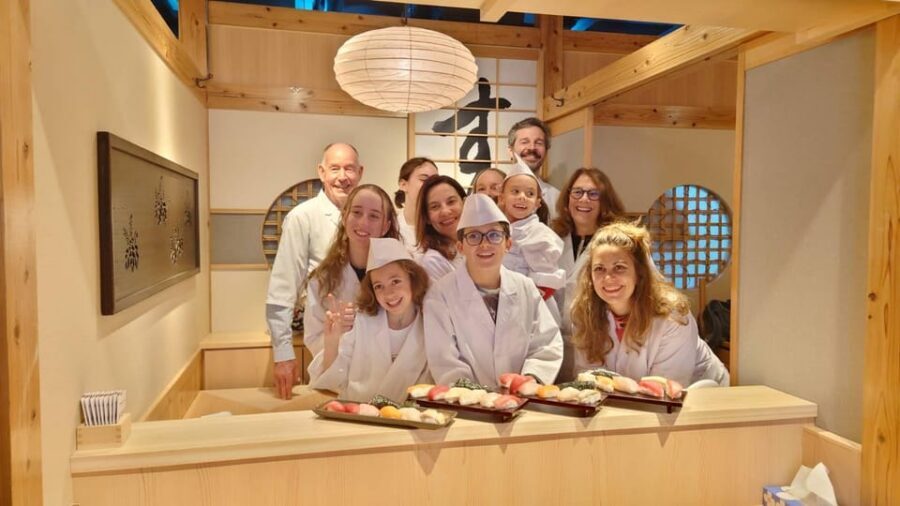
You’ll join a small group limited to 8 participants, which changes everything. You’re close enough to ask questions while the chef works, and you’re not waiting around for your turn. The minimum group size is 2, so the class is designed to run even if it’s not a full room.
All tuition, food, tools, and equipment are included. That matters in Japan, where it’s common for classes to feel “DIY” after you arrive. Here, you can show up and focus on learning the actions: how to hold things, how to portion, and how to shape.
In at least part of the experience, you’ll start with small prep lessons that sound simple but teach control—like tying the chef’s apron before you begin. It’s the kind of detail that signals how seriously the team takes technique and kitchen manners.
Fresh wasabi: the lesson that tells you sushi is about fragrance and control
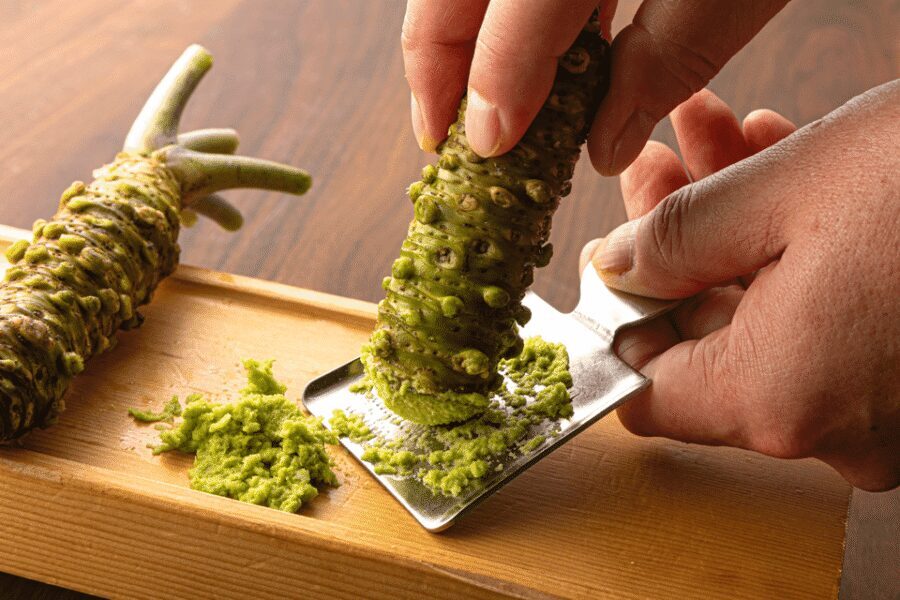
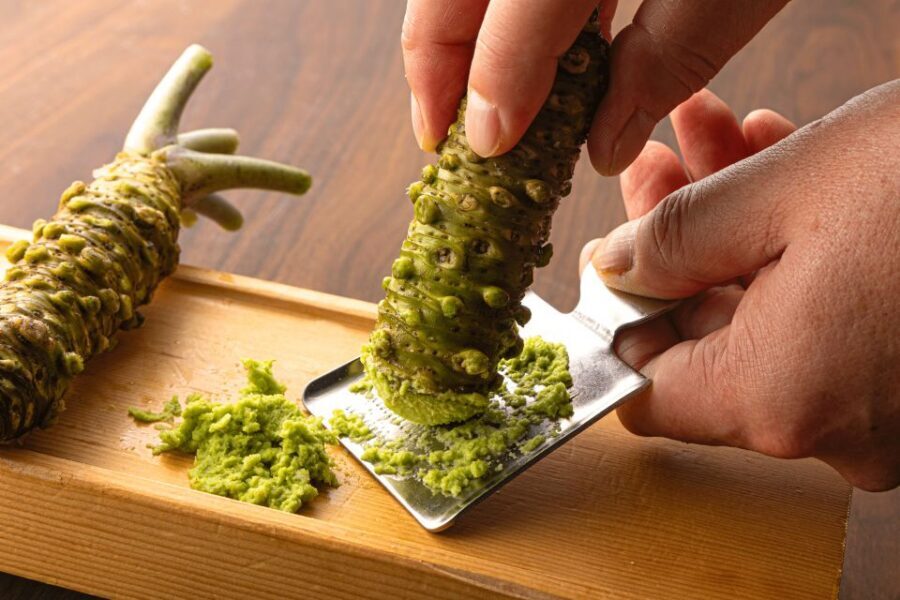
One of the best course highlights is that you’ll grate real wasabi. This is one of those skills that instantly makes sushi feel less mysterious. Wasabi isn’t just “hot.” When it’s fresh, the aroma and sharpness hit differently than what most people expect from store-bought tubes.
You’ll learn how to handle it during the class, then apply what you learn as you make sushi. That connection—skill in your hands, flavor in your mouth—is exactly what makes this lesson memorable.
Also, keep in mind the class notes mention no strong fragrances indoors. That’s practical: fresh wasabi and fish smells are part of the learning environment, and the team wants everyone comfortable.
Shari secrets: making sushi rice that actually works
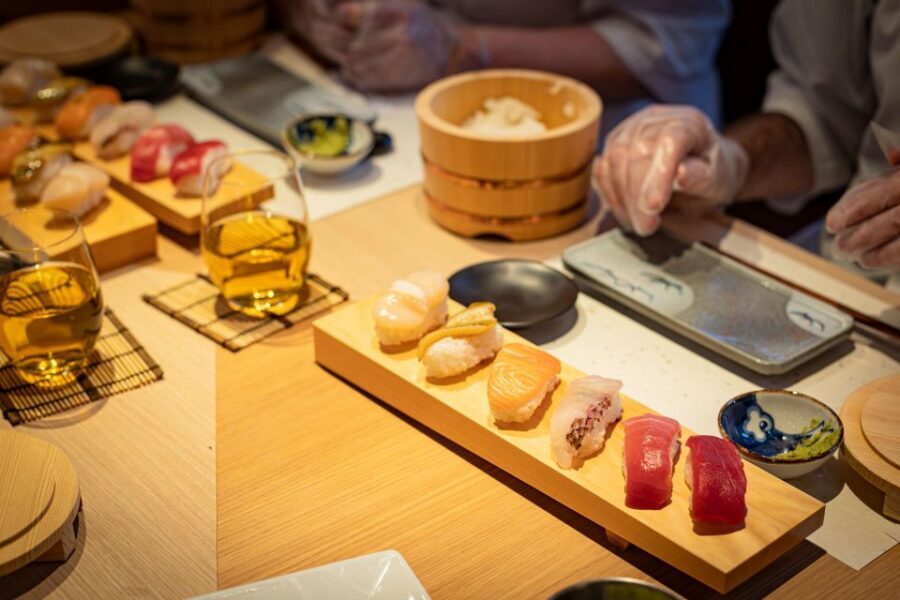
A great sushi class teaches rice, because rice is the backbone of nigiri. Here, you’ll prepare sushi rice and learn the secrets of perfect shari. That means you’re not just mixing rice and calling it done. You’re learning the cues and handling that affect texture and bite.
In a real pro setting, shari is about balance—how the grains feel, how it clings, and how it supports the topping. When you learn those habits in the class, you’ll have a repeatable reference for making sushi at home later.
And because you’re working with guidance from a master chef with 30 years of experience, the lesson isn’t vague. You get the kind of direction that helps you fix what’s off before it becomes a full disaster.





Hand-rolled sushi with premium nori: where technique becomes visible
You’ll make hand-rolled sushi using premium nori. This step is valuable because it teaches you the “structure” side of sushi. Nigiri is about shaping rice and topping. Rolls add another layer: you learn how to keep pressure even and how to handle nori so it doesn’t tear or clump.
Premium nori matters because it behaves differently than cheap seaweed. It’s easier to roll cleanly, and you taste a more natural ocean flavor that doesn’t get swallowed by processing.
If you like learning by doing, this portion is satisfying. You can see immediately how your grip and your evenness of pressure affect the result.
The tasting lineup: uni, negitoro, hirame, kuruma-ebi, chutoro, akami
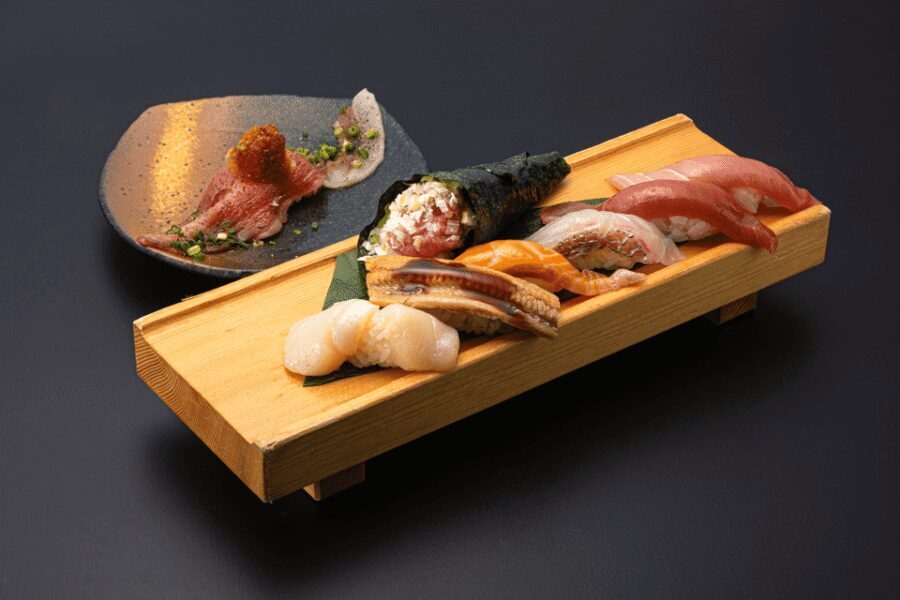
This class isn’t limited to one style of sushi. You’ll make and taste a range of fish and sea flavors, including uni, negitoro, hirame, kuruma-ebi, chutoro, and akami.
Here’s what those ingredients generally mean on your plate:
- Uni: sea urchin, rich and creamy
- Negitoro: tuna with scallions (a more savory, chopped texture)
- Hirame: flounder, typically clean and mild
- Kuruma-ebi: sweet shrimp
- Chutoro: fatty tuna, richer than lean cuts
- Akami: lean tuna, crisp and straightforward
Whether you’re a fish person or still building confidence, this variety gives you a useful “mental map” of sushi styles. It also helps you understand why chefs match technique to ingredient—fatty fish, lean fish, and shellfish don’t behave the same way in flavor and mouthfeel.
In addition to your hands-on making, you’ll watch professional demonstrations of fish preparation and sushi techniques. That means you get both: you learn the motions, then you see how pros think about prep and timing.
The meal finish: wakame udon plus your complimentary drink
After the sushi work, you’ll enjoy special wakame udon and a complimentary drink. The drink options include beer, sake, cola, or green tea.
This is more than a nice add-on. Udon is gentle after fish and rice, and wakame adds a sea flavor that ties back to what you’ve been learning. The drink choice also makes the class easier to fit into your day, since not everyone wants alcohol.
This part of the experience also gives you time to eat what you made while the technique is still fresh in your mind. That’s when questions make the most sense: you can ask why a texture turned out a certain way, or how to correct it next time.
English instruction and small-group attention (with interpretation support)
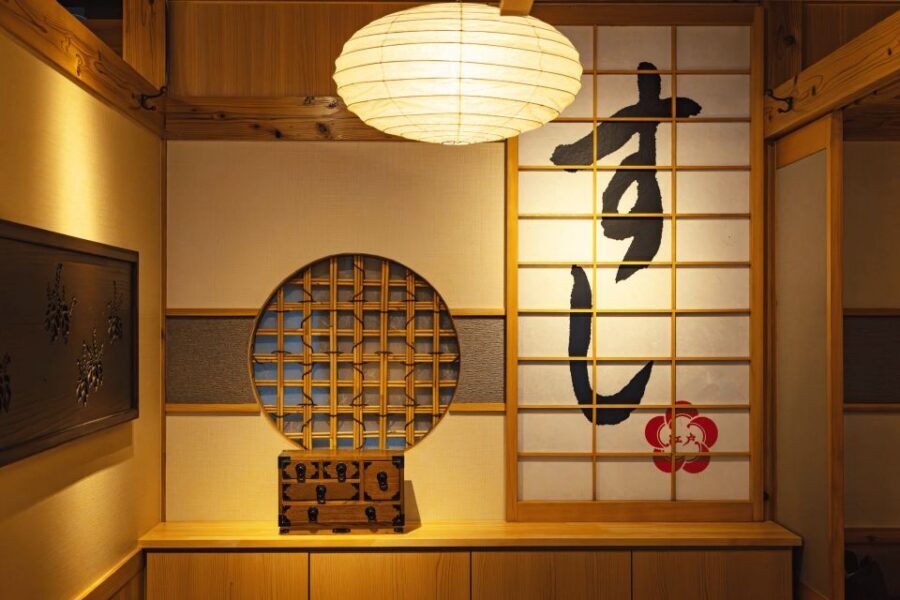
The experience is led by an instructor who teaches in English, with interpretation support. That reduces the usual “language barrier stress” you can get in hands-on classes—especially in food settings where the steps are fast and you don’t want to miss a detail.
The small group is also huge for learning. With fewer people, the chef can watch your forming technique and adjust your approach. You’re less likely to feel lost, even if your sushi-making skills are brand new.
And from what I’ve seen in classes like this, the biggest difference isn’t just the language—it’s the patience. When a team is used to explaining technique clearly, you spend more time learning and less time fighting the rice.
Vegetarian and allergy-friendly options you can actually plan around
One of the more practical strengths here is that vegetarian and allergy-friendly options are available. That’s a big deal because many sushi experiences struggle with dietary needs.
If you want sushi education but you can’t eat certain fish, you still get the core skills: rice handling, nori use, rolling/shaping basics, and the “why” behind the technique. The goal is that you leave with usable knowledge—not just a substitute plate.
If you have allergies, you’ll want to communicate them clearly when booking so the team can prepare appropriately, since the course involves multiple seafood items.
Price and value: what $161 buys you in Tokyo
At $161 per person for a 2-hour class, you’re paying for more than cooking. You’re paying for:
- a master chef’s time and technique (the itamae with 30 years of experience)
- hands-on instruction for a small group
- included ingredients and sushi prep materials
- a real restaurant setting and fish-prep demonstrations
- the included meal components: sushi you make plus wakame udon and a complimentary drink
You’re also not paying extra for tools and equipment, which is a common hidden cost in cooking classes. And since you come away with skills you can repeat, it’s the kind of experience that becomes part of your memory and part of your future home cooking.
Where the price can feel worth it or not is your cooking style. If you like watching and learning theory, you might prefer a tasting-focused option. If you want to get your hands dirty and leave with technique, this is strong value.
Practical tips so your class goes smoothly
- Skip strong perfumes and let the sushi smells do their job. The class rules call out no strong fragrances indoors.
- Eat enough beforehand that you don’t arrive starving, since the class includes tasting and then finishes with wakame udon.
- Ask questions about the step you’re doing, not the step you did 20 minutes ago. Timing matters when the rice is still in motion.
- Focus on one thing at a time. Sushi is many micro-skills, and trying to correct everything at once makes it harder to learn.
- If you’re new to sushi, don’t be intimidated by the ingredient list. The chef-led structure keeps it manageable.
Who should book this sushi experience
This is a good match if you:
- want authentic, hands-on sushi technique in a real Tokyo restaurant
- enjoy eating what you make, not just taking pictures
- want English instruction with interpretation support
- want a small group class with attention from a professional chef
It may be less ideal if:
- you’re traveling with very young kids (it’s not suitable for children under 10)
- you prefer a low-intensity activity with minimal instruction
- you’re sensitive to food smells (the rules about fragrances suggest the room is tuned for a real kitchen environment)
Should you book the Tokyo Professional Sushi Chef Experience?
If you’re the kind of traveler who loves learning how food is made—especially sushi—this one is an easy recommendation. The blend of itamae instruction, hands-on shaping and rice skills, fish-prep demonstrations, and a satisfying finish with wakame udon makes it feel like a full, meaningful experience in just 2 hours.
I’d book it if you want practical take-home knowledge, including how to handle fresh wasabi, work with shari, and build sushi with premium nori. If you’re on the fence, think about what you want more: watching a show or gaining technique you can repeat later.
FAQ
How long is the Tokyo Professional Sushi Chef Experience?
It lasts 2 hours.
How many people are in the group?
The group is small, limited to 8 participants, with a minimum number of 2.
Is the class taught in English?
Yes. Instruction is in English, with interpretation support.
Are vegetarian and allergy-friendly options available?
Yes. Vegetarian and allergy-friendly options are available.
What will I make and taste during the class?
You’ll make sushi rice (shari), grate real wasabi, make hand-rolled sushi with premium nori, and make and taste items including uni, negitoro, hirame, kuruma-ebi, chutoro, and akami. You’ll also enjoy wakame udon and a complimentary drink.
Is free cancellation available, and how far in advance do I need to cancel?
Yes. You can cancel up to 3 days in advance for a full refund.
If you want, tell me your travel dates and whether anyone has dietary restrictions. I can help you decide if this class fits your Tokyo schedule and meal plan.
More Tour Reviews in Tokyo



Fresh reviews from around Tokyo






Tokyo, compared.
 ★ 5.0Mt Fuji and Hakone 1-Day Bus Tour Return by Bullet TrainFrom $16326,383 reviews
 ★ 5.01-Day Tokyo Bus TourFrom $12914,250 reviews
 ★ 4.6teamLab Planets TOKYO Digital Art Museum Entry TicketFrom $259,779 reviews
 ★ 4.0Mt Fuji & Hakone Cruise, Drum Show Bullet Train 1 Day from TokyoFrom $1497,413 reviews
 ★ 5.0Shinjuku Food Tour (13 Dishes at 4 Local Eateries)From $866,603 reviews
 ★ 4.4Tokyo Mt Fuji 5th St & Hakone Cruise Bus Tour w/Bullet TrainFrom $1545,024 reviews
 ★ 5.0Flagship 2-Hours Official Street Go-Kart Tour – Tokyo Bay ShopFrom $644,974 reviews
 ★ 4.5From Tokyo: Mount Fuji Full-Day Sightseeing TripFrom $684,970 reviews