
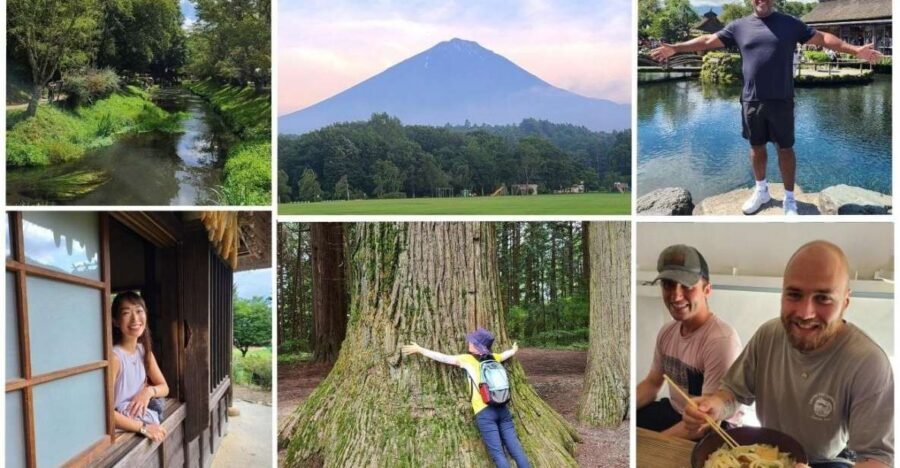
Reviewed · MT FUJI DAY TRIPS
From Kawaguchiko: Mt. Fuji Private Tour with a Local Guide
A day with Mt. Fuji can change fast. This private Kawaguchiko tour is built around that reality, with a plan that shifts based on weather and visibility and a guide who keeps the day feeling personal.
I like two big things right away: you get a tight mix of Fuji views plus temples, waterfalls, and local culture, and the stops feel efficient without rushing you through everything. The main thing to consider is that it’s only 6 hours and it does not include Mt. Fuji Fifth Station, so if that’s your must-do, you’ll want a different tour.
In This Review
- Key Points at a Glance
- A Private Mt. Fuji Day in Kawaguchiko Feels Less Like a Schedule
- Meeting Johnny: Pickup, Timing, and How the Plan Adjusts
- Yagizaki Park to Lake Kawaguchi: Your Fuji View-Making Stretch
- Oishi Park and Kubota Itchiku Art Museum: Fuji Views Plus Culture
- Haha-no-Shirataki Waterfall and Kawaguchi Asama Shrine: Calm Stops That Reset the Day
- Houtou Fudou and Kitaguchi-hongu Fuji Sengen Shrine: The Fuji Story Gets Personal
- Oshino Hakkai and the Food Market Time: Classic Fuji, Done With Time to Breathe
- Hard Off and Saiko Iyashi-no-Sato Nenba: Quirky Stops That Add Local Texture
- Arakura Fuji Sengen Shrine and the Dragon Cave: Big Views, Short Walks
- Lake Motosu Finish: A Softer Landing After the Temples and Caves
- Price and Value: $387 for up to 7 Isn’t Cheap, But It’s Rational
- Who Should Book This Tour (and Who Might Not)
- Should You Book This Kawaguchiko Private Tour?
- FAQ
- Does this tour visit Mt. Fuji Fifth Station?
- How long is the tour?
- What is the group size and price?
- What’s included in the price?
- Are meals included?
- Where can you be picked up from?
- Can the itinerary change during the day?
Key Points at a Glance
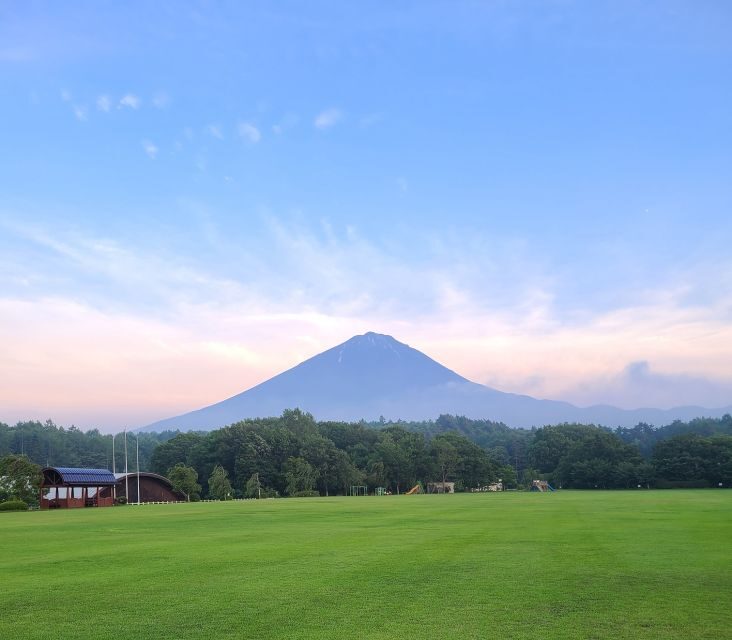
- Private, small-group feel: up to 7 people with hotel or station pickup
- Weather-first planning: the itinerary is adjusted to visibility of Mt. Fuji
- Temple-and-water stops: shrines, waterfalls, and serene gardens, not just photo points
- Oshino Hakkai + Saiko Iyashi-no-Sato Nenba: two very different styles of Fuji-area sights
- Local food guidance: meals aren’t included, but you’ll get practical recommendations
- No Fifth Station: you’ll focus on Kawaguchiko and surrounding areas instead
A Private Mt. Fuji Day in Kawaguchiko Feels Less Like a Schedule
Most Mt. Fuji tours start and end with a checklist. This one is different because it treats the day like a real outing in the Fuji Five Lakes area, not a bus circuit.
You’re paying for flexibility: hotel pickup and drop-off, a live English guide, and the ability to nudge the itinerary toward your interests. If the sky is clearing late, the plan is designed to take advantage of that. If it’s rainy, you still get the important sights, with the guide making smart call on timing and where to stand for photos.
And here’s the practical part: the route covers a lot of ground without making you feel like you’re running for your life. You’ll have short photo stops and then stretches of time to actually walk, look around, and breathe.
The trade-off? Some of the stops are quick by design (think 15–25 minutes at certain photo points). That can be perfect for a first visit, but if you love slow travel, you may wish some sections had more time.
Meeting Johnny: Pickup, Timing, and How the Plan Adjusts
This is a private group tour with a guide named Johnny’s Mt Fuji Kawaguchiko Tours leading in English. Pickup is available from your lodging area in Fujikawaguchiko, Narusawa, and Fujiyoshida, and the tour also lists pickup options from major local points like Kawaguchiko Station, Mt. Fuji Station, and Fuji Q Highland Station.
Timing matters here because Mt. Fuji can be visible—or hidden—depending on clouds and wind. The itinerary is built around the day’s weather and visibility, which is exactly what you want if you’ve heard that Fuji can be moody.
In real-world use, Johnny is known for keeping the day comfortable and organized, including adapting when conditions get rough. That matters because Fuji-area weather can turn quickly, and you don’t want to be stuck with a fixed timetable.
The tour also doesn’t include food or drinks. That’s fine if you plan ahead, and it becomes easier if your guide helps you choose where to eat during the day.
Yagizaki Park to Lake Kawaguchi: Your Fuji View-Making Stretch
The day starts with a lineup of pickup options that place you within the Kawaguchiko–Narusawa–Fujiyoshida area. Once you’re moving, the first major stop is Yagizaki Park for a photo stop plus a short visit (about 15 minutes).
Yagizaki works as a warm-up because it’s the first chance to set the tone for the day: Fuji visibility, light direction, and how crowded certain spots are at that hour. Even if Fuji isn’t cooperating, you still get a sense of the surrounding scenery and volcanic-region vibe.
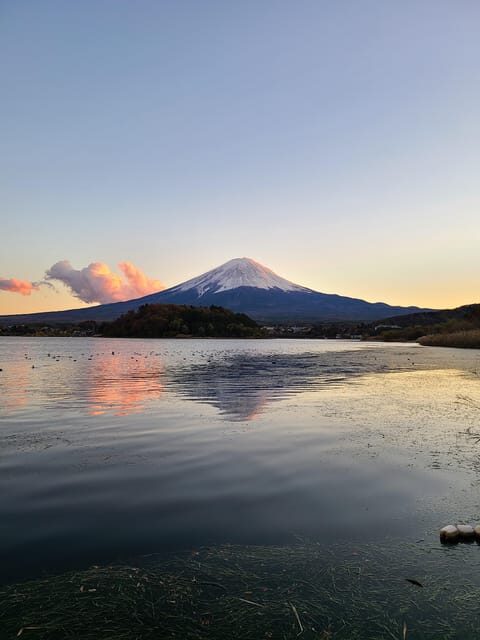
Next comes Lake Kawaguchi, with a mix of photo stop, short visit, and scenic time (around 15 minutes), including a sunset-focused approach when conditions allow. The scenic drive and scenic views en route are part of the value. In other words, you’re not just hopping out for a picture and back in again—you get small windows to look around.
If it rains, this section becomes a bigger deal. You’ll still be guided to positions where visibility might improve, and the schedule is meant to keep the day moving without panic.
Oishi Park and Kubota Itchiku Art Museum: Fuji Views Plus Culture
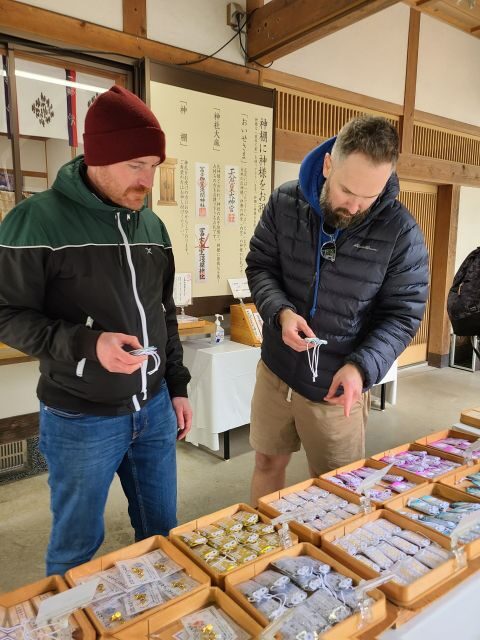
After the lake, you’ll head to Oishi Park (about 20 minutes), including a photo stop, time to look around, and free time plus a shopping break.
Oishi is one of the most recognizable viewpoints in the area, but what you’ll get with a private guide is not just a view—it’s timing and context. The guide can steer you to the right angles and help you manage how long you spend so you don’t waste the prime moments.
Then there’s Kubota Itchiku Art Museum (about 20 minutes). This is a different kind of stop than the outdoor viewpoints. The museum adds an artistic lens to the day, so you’re not only chasing images of the mountain. It also helps break up the rhythm of standing outdoors for photos.
A quick note to manage expectations: 20 minutes is enough to get the essence, but it’s not a full museum deep dive. If you’re an art enthusiast, you’ll still likely want to revisit on a separate trip with more time.
Haha-no-Shirataki Waterfall and Kawaguchi Asama Shrine: Calm Stops That Reset the Day
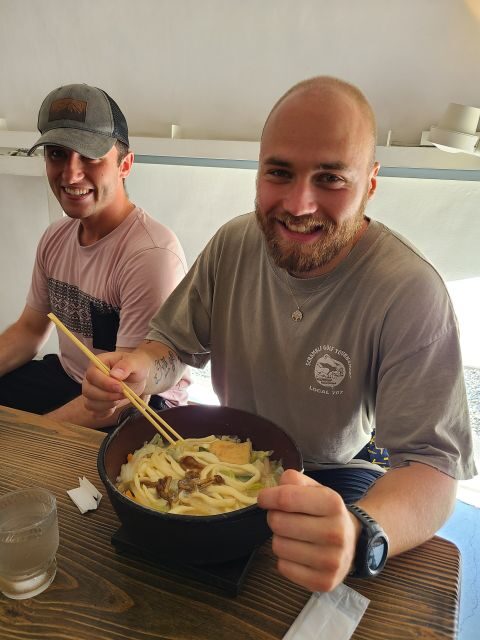
Then you move into nature and sacred space.
Haha-no-Shirataki Waterfall is next (about 20 minutes). You’ll do photo stop, walk, and sightseeing, plus scenic views on the way. Waterfalls are great on a Fuji day because they give your eyes a different focal point than the mountain. Even when Fuji is hidden, a waterfall-area scene still feels like you’re in the right place.
After that, you’ll visit Kawaguchi Asama Shrine (about 15 minutes), with a walk and sightseeing time. Shrines in this region aren’t just a quick backdrop. They connect the Fuji-area landscape to spiritual tradition, and the walk portion is where you get a calmer pace than the viewpoint stops.
This pairing—waterfall then shrine—makes the day feel balanced. It’s not only “look at Fuji.” It’s “experience Fuji-area culture and nature in sequence,” which is exactly why private tours often beat bus days.
Houtou Fudou and Kitaguchi-hongu Fuji Sengen Shrine: The Fuji Story Gets Personal
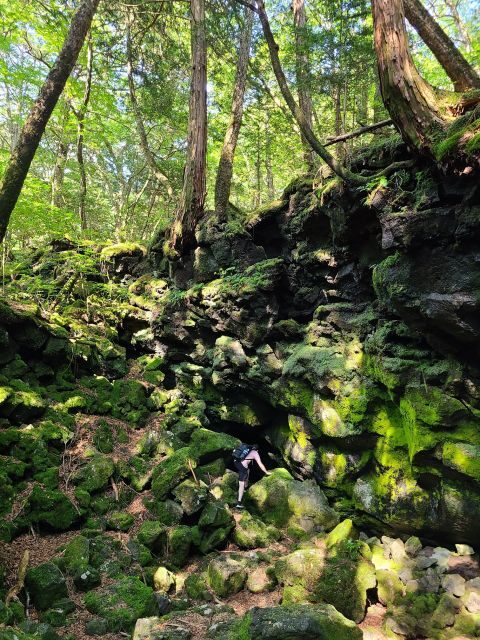
Midday includes Houtou Fudou for a break (about 35 minutes). The big takeaway is that you’ll have a longer chunk of time here for rest, and it’s also the part of the day where food plans become practical.
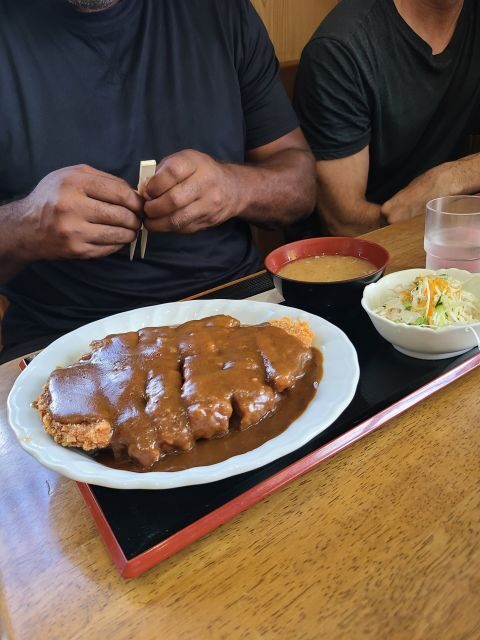
Because meals aren’t included, you’ll want to decide whether you eat here or save your appetite for later. Either way, budgeting helps. If you eat during the tour, average food costs come out to about 1,500 to 2,000 yen per person (roughly $10–$17).
Then you’ll head to Kitaguchi-hongu Fuji Sengen Shrine (about 25 minutes) with a photo stop, visit, walk, and sightseeing. This shrine-focused section gives you a deeper feeling for how Fuji is revered locally. It’s also a good time to ask your guide about what you’re seeing—stones, pathways, and the way the shrine grounds are arranged.
Next up is the Fujisan Museum (about 20 minutes), again with photo stop, visit, walk, and sightseeing. Even if you only catch the highlights, it adds a “why this place matters” layer to the day, so the rest of the viewpoints hit differently.
Oshino Hakkai and the Food Market Time: Classic Fuji, Done With Time to Breathe
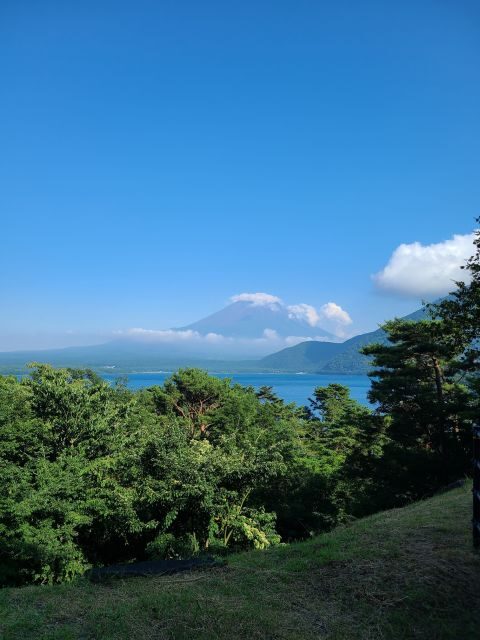
Oshino Hakkai is one of the most famous stops in the Fuji area, and here you get about 35 minutes total, including photo stop, visit, free time, shopping, a food market visit, and scenic drive plus scenic views on the way.
This is a big one for value because you’re not just circling around a photo spot. The “free time + shopping + food market visit” structure is what turns it into an actual experience rather than a stamp in your itinerary. If you want souvenirs, snacks, or that final “I’m really here” moment, Oshino is where it typically happens.
The main drawback is also the most predictable one: these famous areas can bring crowds. The private structure helps you avoid the worst waits and get better photo timing when possible, but you’re still visiting a well-known destination.
If you’re traveling with kids or anyone who gets restless, this is one of the stops that lets people slow down a bit.
Hard Off and Saiko Iyashi-no-Sato Nenba: Quirky Stops That Add Local Texture

After Oshino, there’s a quick pass-by of Hard Off (about 15 minutes). It’s the kind of stop you might skip on a traditional itinerary, but it’s useful in a private format because it can add variety without eating the whole day.
Think of it as a chance to see a familiar Japanese retail rhythm rather than another viewpoint.
Then you go to Saiko Iyashi-no-Sato Nenba (about 20 minutes) for a photo stop, visit, sightseeing, and a self-guided walk. This stop is all about atmosphere. You’ll get a change of pace from open lakeside views and into a more village-like feel tied to the cultural story of the area.
Because it’s self-guided, you’re not reliant on a rapid script. You can take your time reading what’s available and wandering at your own pace.
This is also where the day stops feeling like a checklist and starts feeling like a slice of living history—at least in the way the site is designed to be experienced.
Arakura Fuji Sengen Shrine and the Dragon Cave: Big Views, Short Walks
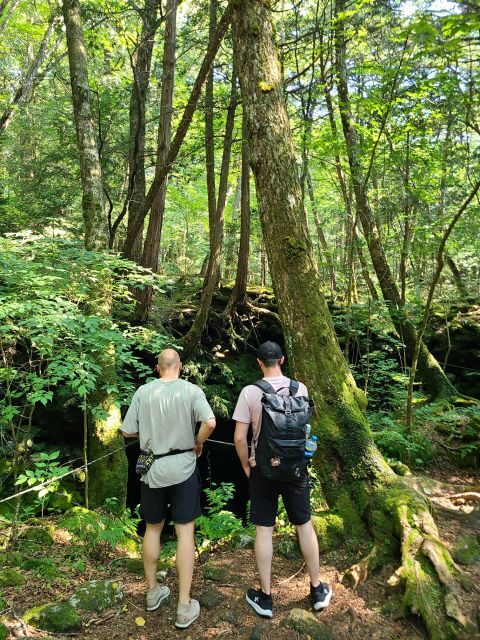
Next is Arakura Fuji Sengen Shrine (about 35 minutes), including a photo stop, visit, sightseeing, and a walk plus scenic views. The longer time here is a hint that this is a payoff stop. You’ll have room for photos, and you should expect the walk to be part of the experience rather than a rushed circuit.
Then comes The Dragon Cave (about 15 minutes), again with photo stop, visit, sightseeing, and scenic views on the way.
A cave stop is a smart contrast on a Fuji day. It gives you shade, texture, and a different kind of adventure than outdoor viewpoints. If you have teens or kids, this kind of stop often lands well because it turns the day into more than just looking.
Still, 15 minutes is short. If you want to linger, the private setup can help, but you’ll still want to be mindful that the day keeps moving.
Lake Motosu Finish: A Softer Landing After the Temples and Caves
To close, you’ll visit Lake Motosu for about 30 minutes, including a photo stop, visit, sightseeing, scenic drive, and scenic views on the way.
This final lake time is a good way to end because it shifts you from “temple/cave intensity” into a calmer open-air setting. Even if Fuji is only partly visible, lakes in this area tend to give your eyes something peaceful and photogenic to focus on.
Finally, you drop off in Fujikawaguchiko, Narusawa, or Fujiyoshida, depending on your selected drop-off location.
Price and Value: $387 for up to 7 Isn’t Cheap, But It’s Rational
At $387 per group up to 7 for about 6 hours, this tour sits in the middle of the private-tour market. On paper, it’s not “budget.” But when you compare it to what you actually need for a good Mt. Fuji day—transport, an English guide who can adapt, and a route designed to keep you in the right places at the right times—it starts to look like good math.
Here’s the value lens I’d use: if you’re traveling as a couple, paying that amount may feel high. If you’re traveling as a family or a small group of four to six, it becomes much easier to justify because the per-person cost drops fast.
You also aren’t paying only for driving. You’re paying for reduced stress and better decision-making on the day, especially when weather threatens visibility.
One more value point: food isn’t included, but you’re given guidance for where to eat, and you get practical budgeting information. That prevents the common frustration of paying for “tour time” and then also spending time figuring out meals on the fly.
Who Should Book This Tour (and Who Might Not)
You’ll love this tour if you want:
- A flexible Fuji-area day that responds to clouds and visibility
- A private guide in English who can explain what you’re seeing as you move
- A route that mixes viewpoints, shrines, museum time, and nature stops
- A day that works well for families, including kids who enjoy short walks and caves
You might look elsewhere if:
- You specifically want Mt. Fuji Fifth Station as part of your trip
- You want a super slow pace with long stays at fewer locations
- You’re mainly chasing a single iconic photo and don’t care about temples and cultural context
Should You Book This Kawaguchiko Private Tour?
Yes, if you’re visiting the Fuji area and you want a day that feels controlled by the weather instead of controlled by a rigid timetable. The big win is the mix: Lake Kawaguchi, Oshino Hakkai, shrine stops, and time in places that aren’t just a single viewpoint.
Book it especially if:
- You’re traveling with family or a small group and want good value for multiple people
- You want someone who can adapt quickly, keep the day moving, and point you toward the best moments for photos
- You’re okay with food being on your own and want the guide’s help choosing where to eat
Skip it if Fifth Station is your non-negotiable, because this route focuses on Kawaguchiko and surrounding sights instead.
FAQ
Does this tour visit Mt. Fuji Fifth Station?
No. This tour does not go to Mt. Fuji Fifth Station.
How long is the tour?
The duration is 6 hours.
What is the group size and price?
It’s a private group. Pricing is $387 per group up to 7 people.
What’s included in the price?
Hotel pickup and drop-off are included, along with a local English-speaking guide.
Are meals included?
Food and drinks are not included. If you eat during the tour, the average cost per person is about 1,500 to 2,000 yen (roughly $10–$17).
Where can you be picked up from?
Pickup is available from any location within Fujiyoshida, Kawaguchiko, and Narusawa. Pickup options also include local station areas like Kawaguchiko Station, Mt Fuji Station, and Fuji Q Highland Station.
Can the itinerary change during the day?
Yes. The itinerary is based on the day’s weather and visibility of Mt. Fuji, and it’s designed to be customized to your interests.
More Tours in Fujikawaguchiko

More Tour Reviews in Fujikawaguchiko

The Fuji Shortlist: Other Days Out to the Mountain
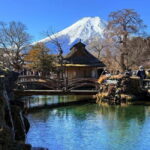
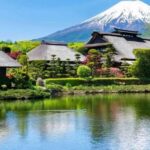
Mt Fuji Day Trips, compared.
 ★ 4.0Mt Fuji & Hakone Cruise, Drum Show Bullet Train 1 Day from TokyoFrom $1497,413 reviews
 ★ 4.4Tokyo Mt Fuji 5th St & Hakone Cruise Bus Tour w/Bullet TrainFrom $1545,024 reviews
 ★ 4.5From Tokyo: Mount Fuji Full-Day Sightseeing TripFrom $684,970 reviews
 ★ 4.7Mt. Fuji Tour, Hakone Ropeway, Owakudani, Lake AshiFrom $544,002 reviews
 ★ 5.0Private Tour to Mt. Fuji and Hakone (Fully Licenced Operator)From $4971,910 reviews
 ★ 4.9Mount Fuji Full-Day Private Tour from Tokyo (Customizable)From $3931,470 reviews
 ★ 4.0Mt Fuji & Hakone Cruise, Drum Show Bus 1 Day from TokyoFrom $1221,287 reviews
 ★ 4.2From Tokyo: Mt. Fuji & Hakone Tour w/ Return by Bullet TrainFrom $1171,278 reviews
Browse the lists this tour appears in