
Reviewed · TOKYO
Tokyo Private Tour
Tokyo can overwhelm you fast. This private day tour helps you get your bearings without turning your trip into a logistics project.
I like the way the route stacks major neighborhoods with real context, from Tsukiji’s outer market vibe to shrine-and-temple Tokyo at Meiji Jingu and Senso-ji. I also love the practical comfort: hotel pickup, an air-conditioned vehicle, bottled water and snacks, plus onboard Wi-Fi so you can check directions or message your group without burning phone data.
One thing to plan for: the day is packed with many stops, and lunch/dinner aren’t included. Also, Hama Rikyu Gardens has an extra admission cost, so budget a little extra if you want to go inside.
In This Review
- Key highlights worth caring about
- Why this private Tokyo day tour works
- Price and value: what you’re actually paying for
- Comfort and communication: the small details that matter
- Your 8-hour itinerary, stop by stop (and what to watch for)
- Stop 1: Tsukiji Outer Market (40 minutes, free)
- Stop 2: Hama Rikyu Gardens (40 minutes, not included)
- Stop 3: Ginza (1 hour, free)
- Stop 4: Imperial Palace area (30 minutes, free) + National Diet building photo moment
- Stop 5: Akihabara (1 hour, free)
- Stop 6: Senso-ji Temple / Asakusa (1 hour, free)
- Stop 7: Omotesando (30 minutes, free)
- Stop 8: Harajuku (30 minutes, free)
- Stop 9: Meiji Jingu Shrine (30 minutes, free)
- Stop 10: Shibuya Crossing (15 minutes, free)
- Stop 11: Daikanyama (30 minutes, free)
- How to make this day feel easy (not rushed)
- Plan your meals around what’s not included
- Budget for at least one extra ticket
- Wear “Tokyo legs”
- Use Wi-Fi for coordination, not just navigation
- Ask your guide for one targeted request
- Who this tour suits best
- Should you book this Tokyo Private Tour?
Key highlights worth caring about
- Hotel pickup + AC transport: you start smoother and stay comfortable through long stretches.
- Onboard Wi-Fi: easy to navigate, translate, or coordinate your photos and plans.
- A flexible private guide: guides like Riley, Richie, and Moe are described as tailoring the day to your interests.
- Big Tokyo coverage in one go: Tsukiji, Ginza, Imperial Palace area, Akihabara, Asakusa, Harajuku, Meiji Jingu, Shibuya.
- Comfort for families and even mobility needs: one review notes a wheelchair was accommodated during pickup.
- Easy structure for first-timers: free stops make it simpler to say yes or no on the day.
Before you commit, see how this one stacks up against a few Tokyo favourites:
- Mt Fuji and Hakone 1-Day Bus Tour Return by Bullet Train★ 5.0 · 26,383 reviews
- 1-Day Tokyo Bus Tour★ 5.0 · 14,250 reviews
- Tokyo: teamLab Planets TOKYO Digital Art Museum Entry Ticket★ 4.6 · 9,779 reviews
Why this private Tokyo day tour works
Tokyo is huge, and first-time sightseeing can turn into a daily treadmill of train transfers. This tour fixes that with a simple promise: you get driven between key areas, and your guide handles the flow.
The best part is that it’s not just a checklist. At each stop, you get the “why” behind what you’re seeing. For example, you’re not only looking at Ginza’s shops and architecture. You’re also getting story context as you move through the city’s layers—old power, modern fashion, pop culture, and big-city crowds.
I also like the private-format rhythm. With a group, you can ask questions as you go, pause for a photo, or adjust timing when the sidewalks get crowded. Reviews back this up with guides such as Riley, Richie, and Tomoya being praised for communication and flexibility.
Price and value: what you’re actually paying for
The price is $743.26 per group (up to 9) for about 8 hours. If you do the math, your per-person cost changes a lot depending on your group size:
- Up to 9 people: about $83 per person
- 4 people: about $186 per person
- 2 people: about $372 per person
That might sound high at first—until you compare what it replaces. You’re not paying just for entry tickets. You’re paying for:
- a private guide’s time (with English communication),
- door-to-door pickup help,
- comfortable AC transport,
- and a full day route that prevents wasted hours figuring out trains, exits, and transfer timing.
For couples or small families, this is often the “buy back your time” option. For larger groups, it can end up surprisingly reasonable because the cost is capped per group, not per person.
Comfort and communication: the small details that matter
This is the kind of tour where comfort actually affects your experience.
You get:
- hotel pickup (less time herding your group through stations),
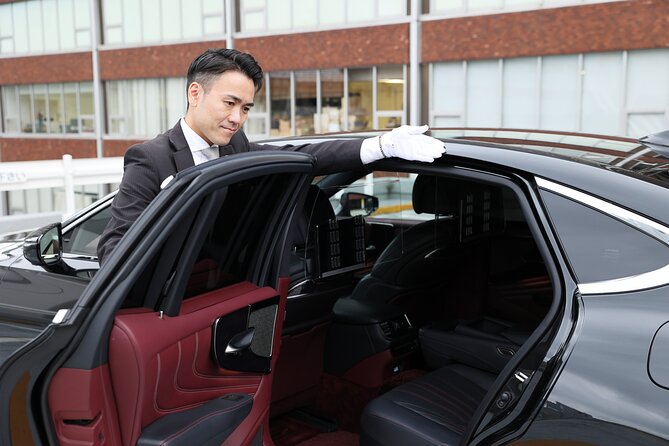
- air-conditioned vehicle (huge in summer),
- bottled water and snacks (helpful when the day runs long),
- onboard Wi-Fi (so you’re not stuck guessing),
- and private transportation (your schedule, your pace).
One review specifically praised safe, comfortable driving during heat, and another noted the driver/guide helped with wheelchair use for a senior traveler. That tells me this isn’t only about seeing places—it’s about making the day manageable.
Your 8-hour itinerary, stop by stop (and what to watch for)

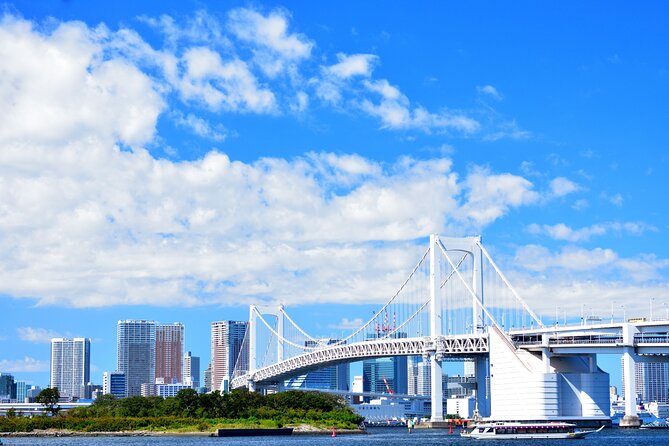
The route covers a lot: Tsukiji, Hama Rikyu Gardens, Ginza, the Imperial Palace area, Akihabara, Asakusa/Senso-ji, Omotesando, Harajuku, Meiji Jingu, Shibuya Crossing, and Daikanyama. Most stops are free, which helps keep the day from turning into an admission spreadsheet.
Here’s how to think about each stop:




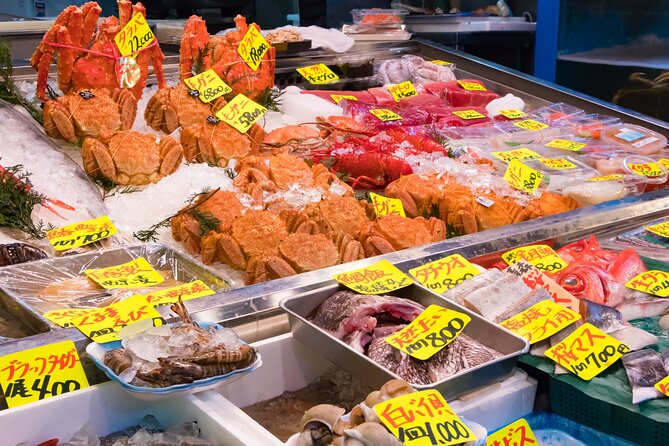
Stop 1: Tsukiji Outer Market (40 minutes, free)
Tsukiji’s main market moved to Toyosu in 2018, but the outer area still feels like the real pulse of food culture: lots of small shops and restaurants.
This is a great early stop because it’s visual and sensory. You’ll get that “Tokyo food city” energy quickly, and it’s easy to snack or browse without committing to a full meal right away.
Practical note: 40 minutes can disappear fast if you’re tempted by everything. Decide if you want food first or photos first, then stick to your plan.
Stop 2: Hama Rikyu Gardens (40 minutes, not included)
This garden has a long backstory. It began as a feudal lord’s residence and duck-hunting grounds between the 17th and 19th centuries, later shifting into the garden we visit today.
Why it’s worth considering: it’s a calm reset after busy market energy. You get green space, ponds, and a slower pace.
Trade-off: it costs extra. If you’re watching budget closely, you might treat it as optional depending on your energy level.
Stop 3: Ginza (1 hour, free)
Ginza is where Japanese craft meets glossy modern shopping. Expect eclectic boutiques, galleries, and stores for traditional Japanese crafts—plus the sense that architecture and design matter here.
What I like about this stop is variety. Even if shopping isn’t your focus, Ginza is a strong “modern Tokyo” snapshot with a cleaner-feeling city grid than some other areas.
If you want one good use of time: ask your guide what to look for. A guide can point you toward local craft shops rather than only international brands.
Stop 4: Imperial Palace area (30 minutes, free) + National Diet building photo moment
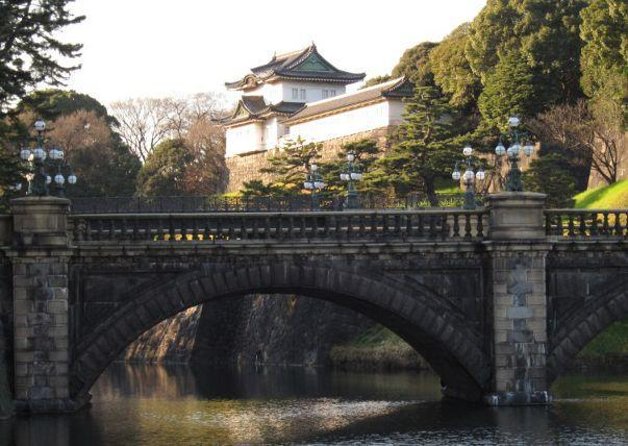
The Imperial Palace grounds used to be the Tokugawa shogun family’s castle from 1603 to 1868. Then it became the Imperial Palace when political power returned to Emperor Meiji.
You also get a stop at the National Diet (Parliament) building, built in 1936 and one of the few buildings in Tokyo that survived the 1945 air raids.
This is a “big picture” moment. Even with limited time, it helps you understand how power and governance shaped Tokyo’s layout and history.
Practical note: 30 minutes is not long. Treat it as orientation, not a full deep-history museum day.
Stop 5: Akihabara (1 hour, free)
Akihabara is Tokyo’s electronics + anime + gaming zone. You’ll find everything from tiny stalls focused on specific components to larger electronics retailers.
This is ideal if you want Tokyo’s pop culture identity in one concentrated area. It’s also a fun place for gifts that feel like they came from Tokyo, not a generic souvenir shop.
Tip: decide early what you want—electronics browsing, anime figures, or game arcades. With one hour, you can’t do it all without running.
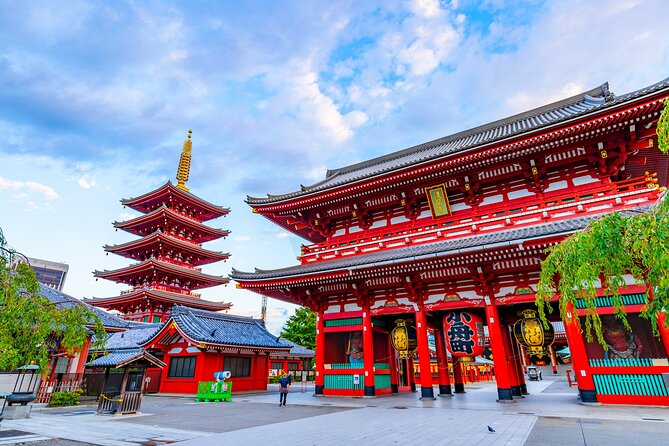
Stop 6: Senso-ji Temple / Asakusa (1 hour, free)
Senso-ji is Tokyo’s oldest temple. Asakusa’s name appears in records dating to 628, linked to two fishermen who found a Kannon statue in Asakusa.
This stop is classic Tokyo for a reason: the temple district is active, photo-friendly, and easy to enjoy even if you don’t know every detail of the ceremonies.
Practical note: if you hate crowds, plan to keep moving and focus on a few key viewpoints rather than trying to stand still everywhere.
Stop 7: Omotesando (30 minutes, free)
Omotesando is known for architecture. You’ll see buildings designed by leading architects, plus major fashion brands.
Why it’s a smart stop: it gives you Tokyo’s design thinking without requiring hours and hours of shopping. It’s a neighborhood you can experience through streetscapes.
If your group has mixed interests, this is often a good compromise area.
Stop 8: Harajuku (30 minutes, free)
Harajuku is youth culture in motion. You’ll see unique fashion trends and bold building designs—basically Tokyo’s creative edge.
This stop is short, so don’t over-plan it. Go for the people-watching and street energy. If you want specific shops, save them for another day so the guide can keep the rest of the route on track.
Stop 9: Meiji Jingu Shrine (30 minutes, free)
Meiji Jingu is a calmer break from the city’s louder streets. The atmosphere is more peaceful, and on Saturdays and Sundays you might even catch a traditional Japanese wedding ceremony.
This is a strong “reset” stop late morning or midday. It gives your brain a moment to breathe.
Practical note: keep expectations flexible. Ceremonies may or may not line up with your timing, but the shrine grounds are still a welcome change.
Stop 10: Shibuya Crossing (15 minutes, free)
Shibuya Crossing is famous for a reason: it’s the busiest intersection in the world. From sidewalk level, it can feel like the city turns into one moving system.
Fifteen minutes is enough for the crosswalk moment and photos from a couple angles—assuming you don’t get stuck waiting for the “perfect” shot.
If you’re serious about pictures, ask your guide where to stand for clean views. The timing can make a big difference.
Stop 11: Daikanyama (30 minutes, free)
Daikanyama (and nearby Nakameguro) is quieter than the big-name areas. Expect boutique browsing and cafes with a more relaxed vibe.
I like ending here because it’s a “soft landing.” After Shibuya’s rush, Daikanyama gives you something gentler to wrap your day.
If your energy is low, this is a great place to slow down, sit, and soak up the neighborhood mood.
How to make this day feel easy (not rushed)
You’re covering a lot of territory in one day. That can be fantastic—if you prepare for it.
Plan your meals around what’s not included
Lunch and dinner are not included. The tour includes bottled water and snacks, so you can handle light bites mid-route, but don’t count on a full meal being built in.
Bring your appetite strategy:
- eat a real breakfast,
- use the included snacks when needed,
- and plan a proper dinner back near your hotel.
Budget for at least one extra ticket
Hama Rikyu Gardens isn’t included. If gardens are your priority, make space for that cost early in your budgeting.
Wear “Tokyo legs”
Expect walking at most stops, crowds at temples and market areas, and quick photo moments. Comfortable shoes matter more than you think.
Use Wi-Fi for coordination, not just navigation
With onboard Wi-Fi, you can:
- check mapping before you choose where to go next,
- translate signs on the fly,
- and coordinate meeting points if your group breaks for a minute.
Ask your guide for one targeted request
Guides in the reviews mention tailoring and even arranging reservations for special requests (one person noted a hedgehog cafe reservation). If there’s one “only if possible” item you want—food, a specific photo spot, or a short detour—ask early in the day so they can manage time.
Who this tour suits best
This tour is a strong fit if:
- it’s your first full day in Tokyo and you want a wide overview,
- you’d rather not fight train lines and station exits,
- you’re traveling with family and need flexibility,
- you want a private guide who can explain history and culture while moving at a pace that fits your group.
It’s also a smart choice for groups up to 9, since the price is per group and shared among more people.
If you love slow travel and hate moving every few hours, you might find the pace intense. In that case, you may prefer a smaller neighborhood-focused tour.
Should you book this Tokyo Private Tour?
Yes, if your goal is maximum Tokyo coverage with minimal hassle. The combination of hotel pickup, AC comfort, onboard Wi-Fi, and a guide who can adapt to your interests makes this a practical first-step tour.
Book it especially if you:
- want the highlights across multiple neighborhoods in one day,
- need help navigating without feeling lost,
- or have a mixed-interest group where everyone wants different things.
Skip or reconsider if you:
- are hoping for a fully planned day with meals included,
- or want a more relaxed pace with fewer stop-and-go segments.
If you want a smooth “Tokyo orientation day” that still feels guided and personal, this is a solid choice.
More Tour Reviews in Tokyo



Fresh reviews from around Tokyo






Tokyo, compared.
 ★ 5.0Mt Fuji and Hakone 1-Day Bus Tour Return by Bullet TrainFrom $16326,383 reviews
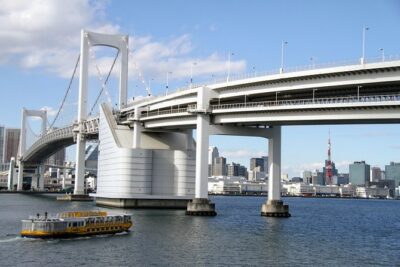 ★ 5.01-Day Tokyo Bus TourFrom $12914,250 reviews
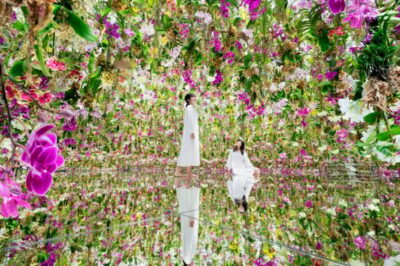 ★ 4.6teamLab Planets TOKYO Digital Art Museum Entry TicketFrom $259,779 reviews
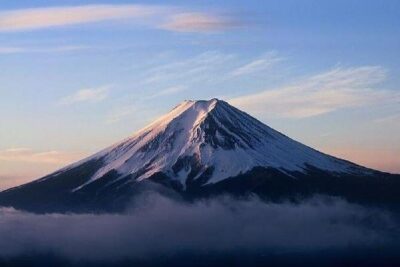 ★ 4.0Mt Fuji & Hakone Cruise, Drum Show Bullet Train 1 Day from TokyoFrom $1497,413 reviews
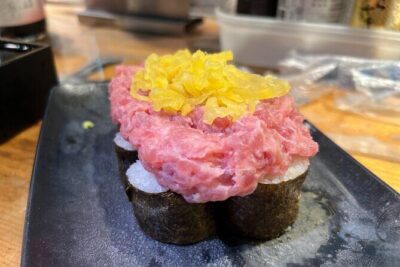 ★ 5.0Shinjuku Food Tour (13 Dishes at 4 Local Eateries)From $866,603 reviews
 ★ 4.4Tokyo Mt Fuji 5th St & Hakone Cruise Bus Tour w/Bullet TrainFrom $1545,024 reviews
 ★ 5.0Flagship 2-Hours Official Street Go-Kart Tour – Tokyo Bay ShopFrom $644,974 reviews
 ★ 4.5From Tokyo: Mount Fuji Full-Day Sightseeing TripFrom $684,970 reviews