
Reviewed · PRIVATE DRIVERS
Tokyo VIP Guided Private Car Tour with Optional Airport Transfer
Tokyo is big. This tour is practical.
This private guided car day helps you cover major sights without turning your trip into a sprint through stations. You can start at your chosen time in the morning, then work from a menu of famous neighborhoods and landmarks, including viewpoints and temples, while your guide handles the pacing and logistics. One more plus: you can also add an airport pickup or drop-off if timing matters.
What I like most is the comfort factor and the way the day can match your interests. I really enjoy that you get hotel pickup and drop-off plus round-trip private transport by air-conditioned minivan, which is a lifesaver when Tokyo weather is doing its own thing. I also like the human side: in real tours, guides such as Masae, Take-san, Kumiko, and Duke were praised for clear communication and making the itinerary feel personal, not stock.
The one drawback to plan for is that the stop list is huge, but you still only have about 8 hours. Some sights require extra time and ticket costs (like Shibuya Sky or teamLab Planets), so you’ll want to pick carefully to avoid feeling like you’re always rushing.
In This Review
- Key points at a glance
- How this private car tour makes first-time Tokyo feel manageable
- Pickup, languages, and the small comforts that add up
- Picking your 4 to 6 stops: the secret to not feeling rushed
- Shibuya and Hachiko to Shibuya Sky: a classic Tokyo intro
- Asakusa and Tsukiji for temples, street scenes, and quick bites
- Gardens, shrines, and imperial-area stops for breathing room
- Tokyo Bay, Odaiba views, and the large-scale photo ops
- Roppongi to government observation decks: clean city views without the hassle
- Shinjuku Gyoen and the long lunch-or-early-evening decision
- Ueno and Akihabara: museums plus nerd shopping
- teamLab Planets TOKYO: plan ahead for ticket timing
- Value and costs: what you pay, what you save, and how to budget
- The kind of guide you hope for: what reviews suggest (and what it means for you)
- Should you book this Tokyo private car tour?
- FAQ
- What is the duration of the Tokyo VIP Guided Private Car Tour?
- How many people can be in the group?
- Can I choose my start time?
- What’s included in the tour price?
- Are admission tickets included for the attractions?
- Is airport pickup or drop-off available?
- Do I need to buy tickets in advance for teamLab Planets TOKYO?
- Is food included?
- What languages are the private guides available in?
- Is cancellation free?
Key points at a glance
- Start time flexibility in the morning helps you beat crowds and match your schedule
- Private minivan + guide means zero transit stress between far-flung areas
- Pick about 4–6 sites for a realistic pace during the 8-hour window
- Ticketed add-ons can be pricey (Skytree, Shibuya Sky, teamLab Planets)
- Airport transfer upgrade is available if you’re tight on timing
- Strong guide reputation shows up in reviews, including guides like Masae and Take-san
More door-to-door days with your own driver
- Mt Fuji Private Tour with English Speaking Driver★ 5.0 · 861 reviews
- Mt. Fuji & Hakone Private Day Tour with English-Speaking Driver★ 4.5 · 824 reviews
- Haneda Airport (HND) Private Transfer to Central Tokyo★ 4.5 · 636 reviews
How this private car tour makes first-time Tokyo feel manageable
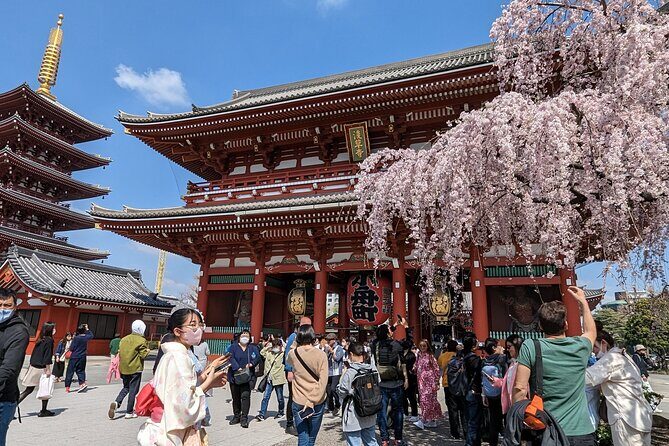
Tokyo can overwhelm you fast. Roads are dense, rail lines branch, and stations feel like small cities inside cities. This tour is built for the moment when you want to see a lot without losing half your day transferring and walking.
Your guide sets the tone from the start. Tours run with a private group only, so you’re not stuck with strangers’ agendas. You can also ask for guidance after booking, which matters when you’re trying to decide what to prioritize in your limited time.
You’ll ride in a climate-controlled minivan, and that alone changes the experience. Heat and humidity are real in Tokyo, and not having to sweat through multiple train transfers is a big deal. One family described how having a comfortable van (plus a car seat) helped keep kids happy. Another tour highlighted that the driver handled traffic smoothly, which lets you focus on the views instead of stressing about navigation.
This is also a smart choice if your group has mixed ages or different walking comfort levels. Reviews included grandparents and small kids, and the pacing was described as flexible. If anyone needs shorter strolls or more time sitting, your guide can usually steer the day that way.
Pickup, languages, and the small comforts that add up
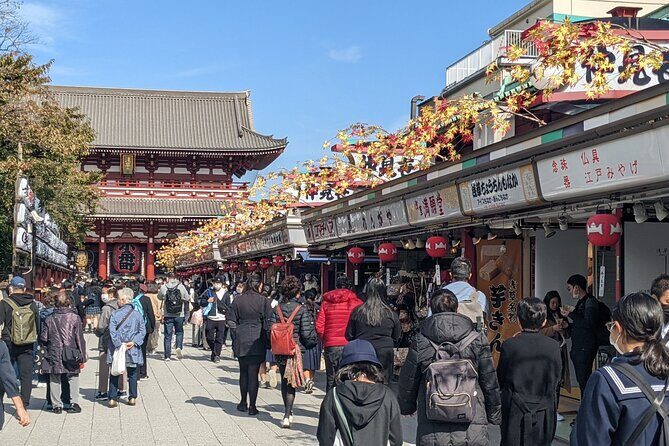
The tour includes hotel pickup and drop-off, plus bottled water per person. There’s also a DVD player in the minivan, which can be useful if you’re traveling with kids or just want an easy buffer during transit.
Guides are available in English, French, Spanish, Chinese, Korean. In reviews, I saw clear proof that language quality matters. For example, Masae was praised for excellent English, and Haruko provided a Spanish-language experience that was specifically called out. You also get coordination upfront, since you can express your interests before the day.
A practical note: the tour uses a mobile ticket, so you’re not scrambling with printed papers while you’re in motion. You’ll also start at your preferred time, with tours offered throughout the morning. That’s helpful because Tokyo rhythms change by hour, and daylight is your friend for viewpoints.
One more planning reality: schedule adjustments can happen due to weather or traffic. The tour also notes that it won’t be canceled or refunded if some spots aren’t fully visible. So if there’s a must-see (like a specific view deck or time-sensitive ticket), treat it as a priority and consider building your best-weather plan around it.
Picking your 4 to 6 stops: the secret to not feeling rushed
The stop list is enormous. That’s fun when you have lots of days. But for an 8-hour tour, your winning strategy is choosing about 4 to 6 sites so you get time to walk, take pictures, and actually enjoy the moment.
Here’s how I’d think about it:
- Choose at least one “wow view” stop (Skytree, Shibuya Sky, or a government building observation deck).
- Choose at least one old-meets-new cultural anchor (Senso-ji, shrine visits, or a historic district stroll).
- Choose one neighborhood flavor (shopping streets like Harajuku, tech and anime in Akihabara, or a food alley stop).
- Keep the rest flexible based on how your group feels after the first couple of hours.
Also, watch the admission notes. Many stops are free to enter, but key attractions list admission fees (for example, Tokyo Skytree and Shibuya Sky are not included). teamLab Planets also requires advance online tickets, and its ticketed entry is a time anchor.
If you’re trying to cover multiple “big hitters,” the guide will likely help sequence them by distance and flow. That’s where a private car shines—Tokyo is easier when you’re not stuck “waiting for the next train” like a robot.
Shibuya and Hachiko to Shibuya Sky: a classic Tokyo intro
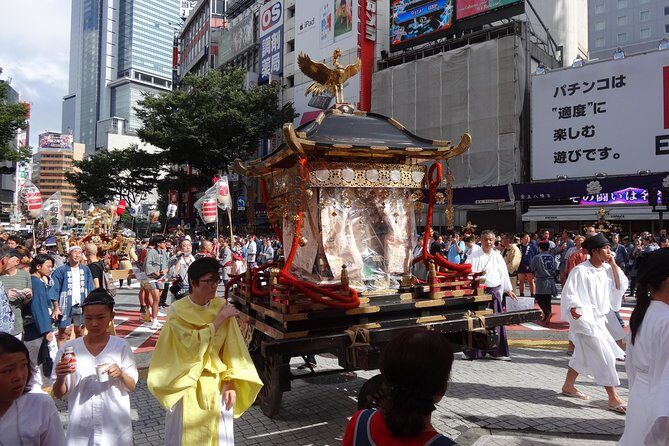
The day can start with Shibuya, and it’s hard to beat that energy for a first impression. You’ll see THE TOKYO view from one of the most famous intersections, plus the iconic Hachiko statue (Hachi). It’s touristy, sure, but it also helps you orient yourself fast. In Tokyo, knowing where things are relative to Shibuya is useful for the rest of your trip.
From there, you can choose whether to go deeper vertically. Shibuya Sky is listed as a rooftop deck at about 229 meters. The visit time is typically around 45 minutes. Admission isn’t included, so you’ll want to budget for it, and you’ll also want to consider the timing of light and weather.
A practical drawback: view decks can get crowded, and clouds can reduce how sharp the distant city looks. Your guide can adjust timing when possible, but you still want to pick a time window that makes sense for your day.
If your group loves shopping and people-watching, Shibuya also pairs well with short photo stops. If you hate crowds, you might prefer using Shibuya mainly for the iconic sights and then moving on.
More days made easy by a guide

Asakusa and Tsukiji for temples, street scenes, and quick bites
Tokyo’s oldest temple stop is a big part of this tour. Senso-ji (listed as the oldest and most visited historic temple in Tokyo) typically takes about 60 minutes, and it’s free. This is where Tokyo history feels tangible: you walk in, smell incense, and see families and visitors moving through the space.
Nearby, you’ll also have options that support the Asakusa-style experience—photo stops, time for views, and a chance to stroll old-town streets. Expect that this part of the tour rewards slow walking. If you’re trying to power through, it’s easy to miss the little scenes that make Senso-ji area feel alive.
Then comes Tsukiji Outer Market. You’ll spend around 30 to 60 minutes, and it’s described as street food plus sushi restaurants. Admission is free. If you want lunch here, you’ll typically need extra time. Food isn’t included, so you’ll pay on your own, but the payoff is that you don’t waste time hunting for good options.
My advice: if you care about food, treat Tsukiji as a “plan your own lunch” stop. If you don’t, treat it as a quick taste-and-photo zone, because the outer market moves fast.
Gardens, shrines, and imperial-area stops for breathing room
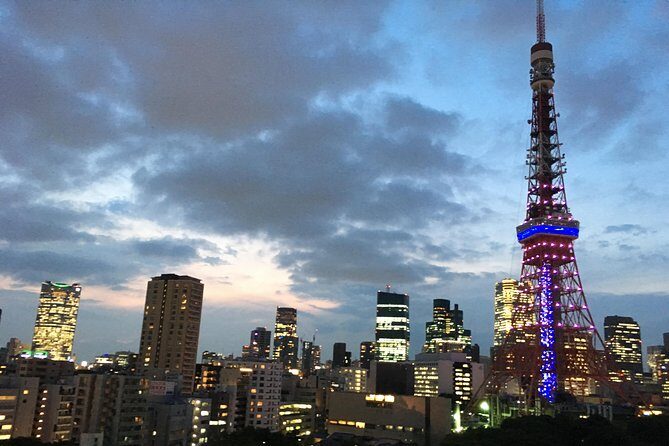
Tokyo has plenty of gardens, and the tour includes several. Hama Rikyu Gardens is listed next to Tokyo Bay, with about 45 minutes typical time. Admission isn’t included. This is a good stop to use when your group needs a break from shopping streets and dense crowds.
The Imperial Palace area is also included as the residence of the Emperor of Japan. You may have a chance to stroll and photograph, depending on what’s feasible that day.
The itinerary also includes multiple shrines, including one described as the most visited shrine in Tokyo, and another historical shrine for men who sacrificed their lives for the country. These can be meaningful stops, and they can also shape the tone of the day from loud-city to quieter reflection.
One review mentioned New Year atmosphere at Meiji Jingu and early-blooming cherry blossoms near the Imperial Palace East Gardens. That’s a strong reminder that timing and seasonal flowering can change the feel of these locations. If you’re traveling in spring, you might want to ask your guide to steer the day toward garden and sakura-friendly timing where possible.
Tokyo Bay, Odaiba views, and the large-scale photo ops
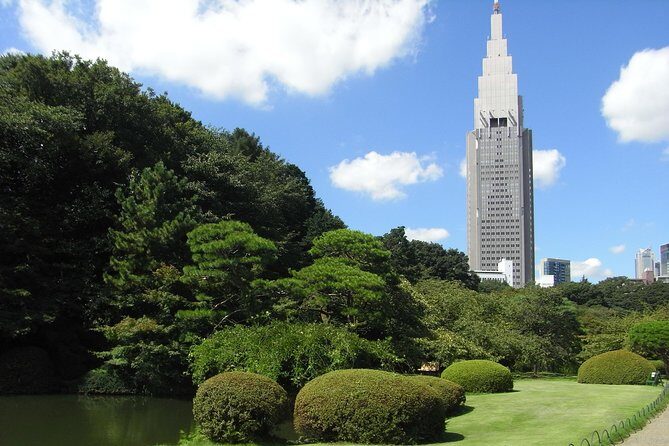
If you’re adding the Odaiba-style portion, you’ll get views from an artificial island and shopping at spots like Aquacity, Venus Fort, and Divercity. There are also iconic photo stops listed:
- Unicorn Gundam statue, with light-up show every hour
- A Statue of Liberty permanently installed as a friendship symbol
These aren’t quiet cultural stops. They’re modern Tokyo, made for big photos and easy strolling. If your group likes playful landmarks and novelty architecture, this is a strong use of time.
Drawback to consider: if the weather is bad or visibility is low, view-heavy stops may feel less impressive. But even then, Gundam-style photo moments usually still land.
Roppongi to government observation decks: clean city views without the hassle
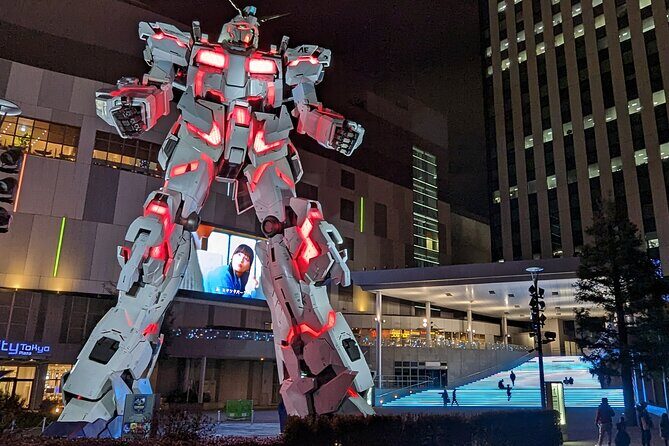
Roppongi district is listed as shopping and nightlife, with about 30 minutes suggested. This can be a good pivot point: you get energy and plenty of places to browse without committing to a full evening plan.
You also have the option of Tokyo Metropolitan Government Buildings, with a view from the 45th floor at about 200 meters. Admission is free, and the visit time is about 30 minutes. Free observation decks are rare enough that I always recommend them for value seekers.
If your goal is to maximize Tokyo skyline time while controlling spending, pairing a government building view with one ticketed deck (like Skytree or Shibuya Sky) can work well. You’ll still pay for at least one paid view, but you’ll offset it by keeping another view stop free.
Shinjuku Gyoen and the long lunch-or-early-evening decision
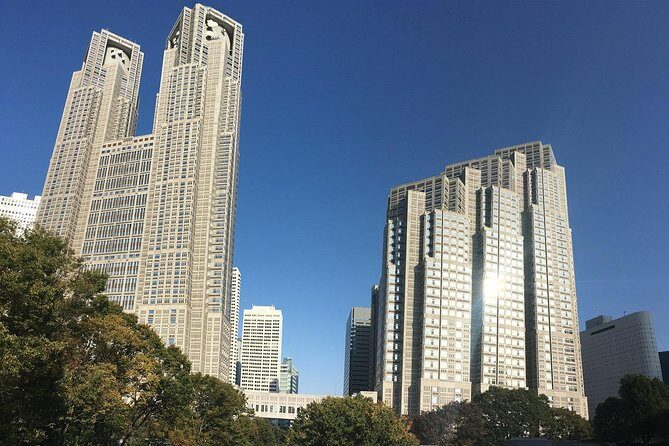
Shinjuku Gyoen National Garden is included as a mix of Japanese and Western gardens, with seasonal flowers. Admission is free, and typical time is around 45 to 60 minutes.
This garden is a great “reset stop.” After crowds and busy streets, it gives your group space to slow down. It’s also a smart choice if you want something scenic but not dependent on ticketed entry.
Then your day can flow into more neighborhoods. The itinerary includes a mix of city districts and photo stops, plus a nightlife/retro-food vibe section, including Omoide Yokocho (Good Memory Alley) and Godzilla Road in Kabukicho. These are more about atmosphere and snacks than formal sightseeing, and they’re ideal if you’re curious about what Tokyo feels like after sunset.
Ueno and Akihabara: museums plus nerd shopping
Ueno appears twice in the broader stop list: one for Ueno Toshogu Botanen (noted for peony gardens) and one for Ueno’s larger museum area. The Tokyo National Museum is listed with about 1 to 2 hours typically, and it’s not included for admission.
If your group likes museums, this is where you spend time rather than just walking and photographing. The museum stop is described as giving you a quick overview of Japan from ancient times to today. If you choose it, I’d recommend treating it as your “main indoor block,” so you’re not forced to rush it between other ticketed outdoor stops.
Akihabara is also included through stops that focus on anime, manga, figurines, games, electronics, and the famous maid cafe concept (though you’ll need to decide if you actually want to go inside any specific venue). Admission is free for the area stop, and your guide can help you focus on what matches your group’s taste.
One fun detail: for shopping-heavy tours, guides often build in time for souvenir stops. The itinerary explicitly includes Japanese souvenir searching, and in reviews, guides were praised for tailoring time to the group’s interests.
If you’re traveling with tech lovers or anime fans, this portion is one of the most satisfying ways to feel Tokyo beyond the usual temple-photo script.
teamLab Planets TOKYO: plan ahead for ticket timing
teamLab Planets TOKYO is included, but it has two important realities:
1) You must purchase online advance tickets.
2) Your visit usually runs about 1 to 1.5 hours.
That makes it a scheduling keystone. If you’re deciding between two attractions that both want time, teamLab often wins because it’s harder to “fix” last-minute.
Also, the tour notes that some stops have ticket requirements and that tickets for the following month start selling online on the 10th of the previous month for the month schedule of those ticketed attractions. So if your trip lands right after that cycle, book quickly once you’re sure your dates.
My practical advice: treat teamLab as a “must-do” and build the rest of the 4 to 6 stop mix around it. If your group wants multiple ticketed attractions (like Shibuya Sky and teamLab), you may need to reduce the number of other stops to keep the day enjoyable rather than frantic.
Value and costs: what you pay, what you save, and how to budget
Price is listed at $1,122.88 per group up to 8 for an about 8-hour tour. That’s the total for the group, not per person. If you’re splitting across 6 to 8 people, the private car starts to look like a smart deal compared with paying for separate guides or stacking multiple taxis and transit fees.
Included in the tour:
- hotel pickup/drop-off
- round-trip private transportation by air-conditioned minivan
- a private guide (multiple language options)
- one bottled water per person
- DVD player in the minivan
Not included:
- food and drinks (including lunch)
- admission fees for specific sights
- gratuity (listed as 5–20%)
- and the admission fees for several major attractions
From the fee list, you should expect possible add-on costs such as:
- Tokyo Skytree admission
- Shibuya Sky admission
- Rikugien Garden admission
- teamLab Planets admission
(and others that are listed as not included)
One more budgeting note: the tour states the price remains the same with or without the vehicle. That doesn’t mean you should skip the car, because the transportation is part of what makes the itinerary workable, but it does signal that the pricing isn’t “nickel-and-dimed” by car usage.
If you want the best value, pick more free stops and choose just one or two paid “wow” attractions. If you’re okay spending for skyline views and immersive art, it can still be worth it, because the guide reduces wasted time.
The kind of guide you hope for: what reviews suggest (and what it means for you)
Across the reviews, the most praised parts are consistent: strong communication, friendly service, smart itinerary planning, and drivers who make traffic feel manageable.
Examples from named guides:
- Masae was praised for excellent English and being accommodating for interests like Japanese subculture and Akihabara.
- Take-san was described as friendly, polite, and very knowledgeable in English-language tours, plus easy coordination.
- Kumiko and Tak were praised for helping customize the itinerary for a group of 8.
- Duke received standout praise for making traffic feel effortless with an excellent driver and for thoughtful planning around a special trip vibe.
- Ken was praised for providing background at major stops and even using a camera setup to document the day in one case.
What that means for you: if you show your guide your preferences clearly (shopping vs temples, views vs gardens, kid-friendly pace vs long museum time), you’re more likely to get an itinerary that feels like Tokyo was chosen for your day, not just a checklist.
It also suggests the day is handled with organization. That matters when your schedule includes multiple districts. When the route makes sense, Tokyo feels fun instead of exhausting.
Should you book this Tokyo private car tour?
Book it if you want a first-day orientation to Tokyo, especially if your group includes kids, older adults, or anyone who doesn’t want to fight transit stairs all day. You’ll get the convenience of pickup, a private guide, and a pace that’s easier to control than public transportation.
Consider skipping or customizing hard if:
- you’re trying to cram every ticketed attraction on the list into one day
- you hate crowds and view decks might feel stressful
- you prefer independent wandering with no guiding (then you might not need the car and guide)
If you do book, my biggest tip is simple: pick your 4 to 6 stops like a playlist. One skyline moment. One cultural anchor. One neighborhood flavor. Then protect time for the unexpected. That’s when this tour feels like a win.
FAQ
What is the duration of the Tokyo VIP Guided Private Car Tour?
The tour is listed as about 8 hours.
How many people can be in the group?
The price is per group, up to 8 people.
Can I choose my start time?
Yes. The tour says it can start at your preferred time, with tours offered throughout the morning.
What’s included in the tour price?
Included are hotel pickup/drop-off, round-trip private transportation by air-conditioned minivan, a private guide, one bottled water per person, and a DVD player in the minivan.
Are admission tickets included for the attractions?
No. Admission to places like Tokyo Skytree, Shibuya Sky, Rikugien Garden, and teamLab Planets is listed as not included.
Is airport pickup or drop-off available?
Yes. You can upgrade to include airport pickup or drop-off with your tour.
Do I need to buy tickets in advance for teamLab Planets TOKYO?
Yes. The tour notes that you must purchase online advance tickets to visit teamLab Planets TOKYO.
Is food included?
No. Food and drinks, including lunch, are not included. Vegetarian option is available if you advise dietary requirements at booking.
What languages are the private guides available in?
English, French, Spanish, Chinese, Korean professional guides are available.
Is cancellation free?
Cancellation is free up to 24 hours in advance for a full refund.
If you want, tell me your travel dates and who’s in your group (ages + interests like shopping, gardens, anime, food, views). I’ll suggest a tight 4–6 stop plan that fits the 8-hour day.
More Tours in Tokyo




More Tour Reviews in Tokyo




Your Own Wheels: More Private Driver Days



Fresh reviews from around Tokyo






Private Drivers, compared.
 ★ 5.0Mt Fuji Private Tour with English Speaking DriverFrom $415861 reviews
 ★ 4.5Mt. Fuji & Hakone Private Day Tour with English-Speaking DriverFrom $453824 reviews
 ★ 4.5Haneda Airport (HND) Private Transfer to Central TokyoFrom $104636 reviews
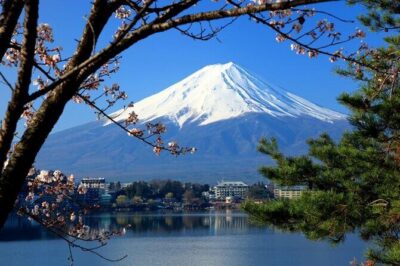 ★ 4.5Mt. Fuji, Hakone Full-Day Private Tour with English Driver GuideFrom $495458 reviews
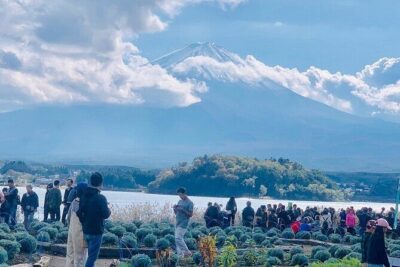 ★ 5.0Mt. Fuji Day Trip from Tokyo with English Speaking Driver GuideFrom $497443 reviews
★ 4.5Mt. Fuji Private Tour with English Speaking DriverFrom $464402 reviews
★ 5.0Mt. Fuji Day Trip from Tokyo with English Speaking Driver GuideFrom $497443 reviews
★ 4.5Mt. Fuji Private Tour with English Speaking DriverFrom $464402 reviews
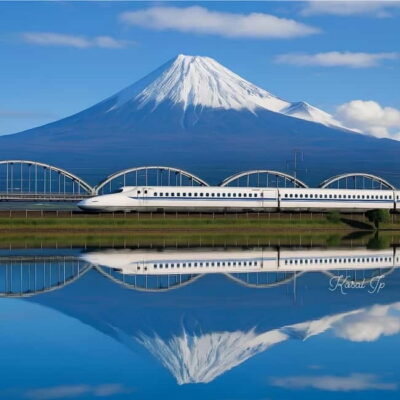 ★ 4.9Mt. Fuji & Hakone Private Custom Tour English DriverFrom $322351 reviews
 ★ 4.5Narita Airport (NRT) Private Transfer to Central TokyoFrom $166300 reviews
Browse the lists this tour appears in