
Reviewed · ASAKUSA TOURS
Asakusa’s Historic Treasures
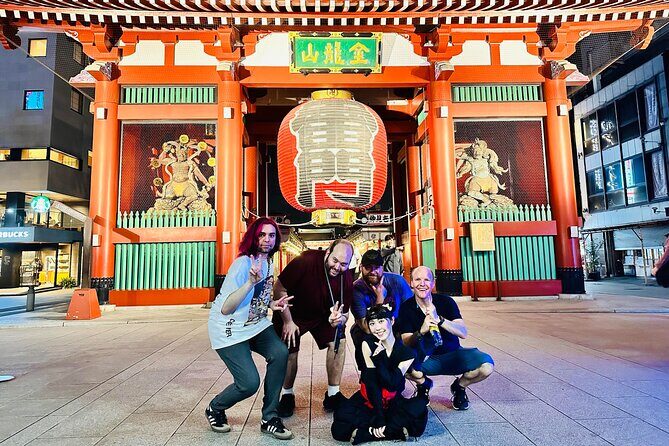
Asakusa feels like time travel. This 4-hour Smiley Walk tour is built around a classic Tokyo neighborhood and then switches gears into fun, modern experiences. You’ll take a time slip journey that moves through centuries, guided by Miley, who also brings context from working in Akihabara as well as Asakusa.
I especially like the way you learn temples versus shrines in a practical, street-level way, not just a textbook definition. And I love that the tour doesn’t stop at sightseeing: you get karaoke tea time and a hands-on monja experience with included drinks.
One consideration: the tour requires good weather, so if skies don’t cooperate, plans can change. Also, you end near Ninja House, so decide in advance if you want to continue with an optional drink.
In This Review
- Key things to know before you go
- A 4-Hour Asakusa Afternoon That Mixes Old-School Tokyo and Pop Fun
- Meeting at Burger King Asakusa Azumabashi (2:00 pm start) and How the Walk Stays Simple
- The Time-Slip History Walk: From 628 to 2012
- Temple vs Shrine: Learn the Difference, Then Spot It on the Street
- Asakusa Yokocho: A Quick, Free Photo-Stop With Festival Energy
- Karaoke Tea Time: High-Quality Singing Plus a Free Drink Bar
- Monja Experience: Learn to Make Asakusa’s Signature Dish
- Ending Near Ninja House: Optional One Last Stop
- Price, Value, and Who This Tour Really Fits
- Should You Book This Tour, or Keep Exploring on Your Own?
- FAQ
- What is the duration of Asakusa’s Historic Treasures?
- What time does the tour start?
- Do I need to print anything, or is it a mobile ticket?
- How many people are in the group?
- What activities are included?
- What happens if the weather is bad?
Key things to know before you go
- Miley’s Tokyo perspective: the guide has worked in both Akihabara and Asakusa, so you get more context than typical guidebook facts
- A chronological route: a “time slip” walk spanning 628 to 2012
- Temple and shrine clarity: you’ll learn the difference and why it matters, plus what survived from 1649 to 1945
- Asakusa Yokocho photo stop: a quick, festival-style area that’s free to enter
- Karaoke tea time: one full hour with high-quality karaoke and a free drink bar
- Monja hands-on cooking: you learn to make monja, plus a drink included with the meal
More mornings around Senso-ji and the old town
- Tokyo: Japanese Dance Cabaret Theater Asakusa-Kaguwa Ticket★ 4.8 · 2,270 reviews
- Tokyo: Asakusa Walking Tour with Sensoji Temple Visit★ 4.8 · 1,583 reviews
- Tokyo Asakusa Rickshaw Tour★ 5.0 · 1,375 reviews
A 4-Hour Asakusa Afternoon That Mixes Old-School Tokyo and Pop Fun
This is the kind of tour that makes Tokyo feel less like a checklist and more like a story you can walk through. You start in Asakusa and move through the neighborhood in a way that’s meant to feel chronological, almost like you’re fast-forwarding and rewinding history as you go.
What makes it work is the balance. You get a real sense of Asakusa’s identity through the temple-and-shrine lesson, then the tour turns playful with a karaoke session and an Asakusa-born food experience. You’re not just watching. You’re participating.
The group stays small, with a maximum of 9 people, which means Miley can keep things moving and still answer questions. And because it’s built around short stops, you don’t feel stuck in one long activity with no break.
Meeting at Burger King Asakusa Azumabashi (2:00 pm start) and How the Walk Stays Simple
You’ll meet at Burger King Asakusa Azumabashi, at Cross Bil Royal Palace, 2-chōme-20-6 Kaminarimon, in Taito City. It’s an easy anchor point because it’s a recognizable chain location, and that matters in Tokyo where streets and alleys can look similar.
The tour starts at 2:00 pm and runs about 4 hours. That timing is useful. Late afternoon is often when Asakusa starts to feel photogenic without being fully crowded at peak time.
It also ends in Asakusa, at 2-chōme-4-3, right by Ninja House. That closing location is convenient if you want to keep roaming afterward, or just grab a drink nearby if you chose the optional continuation.
The Time-Slip History Walk: From 628 to 2012
The first big segment is a guided “time slip” journey. The route is designed to look at Asakusa’s history in chronological order, starting at 628 and moving all the way to 2012. Instead of treating history like names and dates, the guide ties it to what you can still see in the neighborhood today.
This kind of structure helps you understand why Asakusa looks the way it does. You get a sense that what feels like today’s streets and signs are layered on top of earlier eras. It turns common landmarks into clues. You start noticing the “why” behind things like where areas developed and how cultural traditions stuck.
A small bonus: because Miley is connecting dots across districts she knows well, you’re more likely to leave understanding not just Asakusa, but how Tokyo neighborhoods keep their identity while the city keeps changing around them.
Temple vs Shrine: Learn the Difference, Then Spot It on the Street
One of the most practical parts is the lesson on the difference between temples and shrines. This isn’t just a definition. It’s the kind of guidance that helps you look at signage, architecture, and street behavior and know what you’re seeing.
Asakusa is a great place for this because it’s easy to walk between sacred sites and compare what’s different. Once you understand the basics, you’ll also pick up on how people behave: when they pause, where they look, and what details draw attention. That makes your time there feel less confusing and more meaningful.
This segment also includes a look at buildings that survived major upheaval, framed through 1649 to 1945. The takeaway is simple: some structures didn’t disappear, so you can connect visible history with the larger timeline of Tokyo.
More paths into old Tokyo
Asakusa Yokocho: A Quick, Free Photo-Stop With Festival Energy
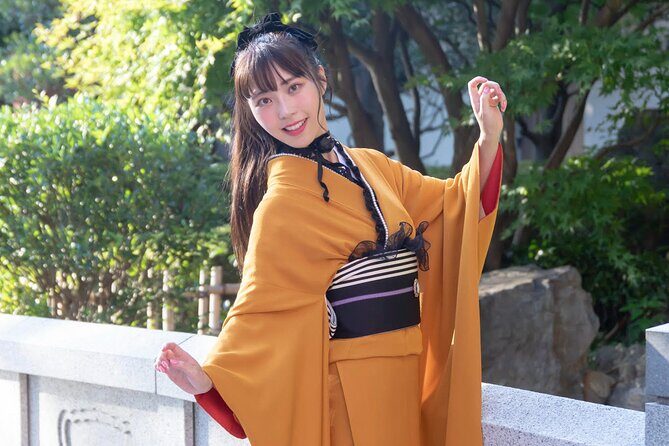
After the heavier history talk, the tour shifts into a lighter, more visual stop at Asakusa Yokocho. You’ll spend about 20 minutes here, and the admission is free.
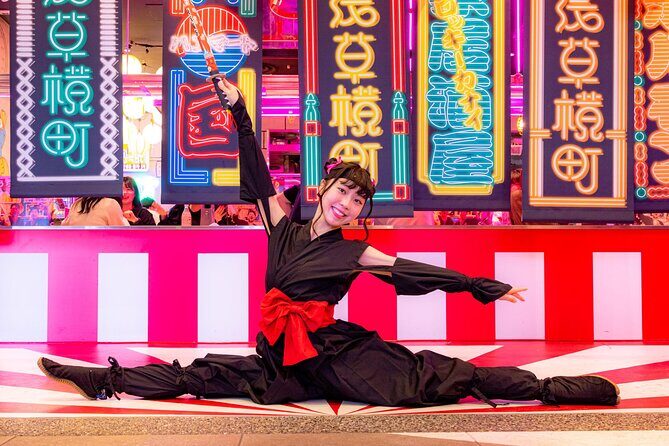
This area leans into a festival aesthetic. Think of it like stepping into a pocket of street atmosphere where food stalls, small sights, and photo-friendly scenes are built around the idea of Japanese festivals. It’s the kind of place where you can take pictures without needing a plan, because there’s motion and color everywhere.
The value here is timing and pacing. You get a fun break after the educational segments, and it helps you reset before karaoke and dinner-style food.
Karaoke Tea Time: High-Quality Singing Plus a Free Drink Bar
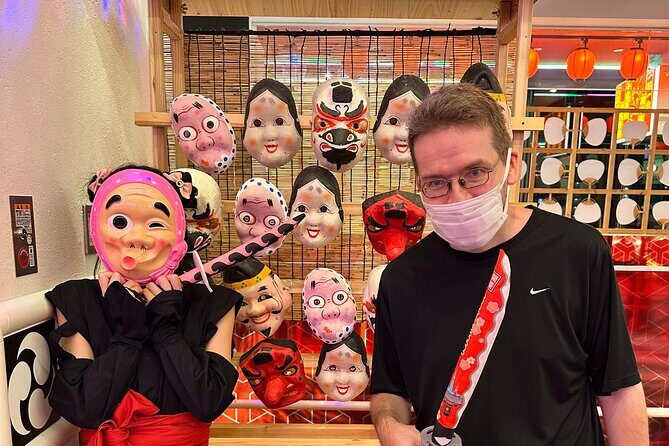
Next is karaoke time. The tour sets aside about 1 hour for karaoke, and you’ll get a free drink bar included.
Two things make this work well in Tokyo. First, karaoke is genuinely popular here, so you’re stepping into something local rather than a staged tourist act. Second, the schedule is timed so you’re not rushing dinner right away; you’re doing a social activity while still feeling like you’re on a tour, not just wandering alone.
The listing emphasizes high-quality karaoke, and in practice that matters because the experience is more comfortable if the sound and setup are decent. You’ll likely find it an easy way to bond with the small group, especially if you’re traveling with friends or want to meet people naturally.
If you don’t sing much, you can still treat it as a cultural activity. Even watching someone else go for it can be half the fun, especially when you’re already in a group setting.
Monja Experience: Learn to Make Asakusa’s Signature Dish
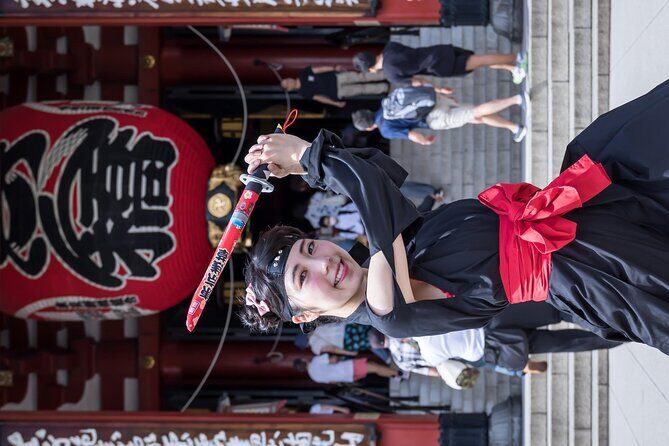
Then comes the food that turns heads: monja (often called okonomiyaki-style in casual comparisons, but with its own identity in Asakusa). The tour includes hands-on learning. Your guide teaches you how to make it, which is a big upgrade from simply eating.
It’s described as a dish that looks unusual—almost like it could surprise you—and then tastes incredible. That’s a pretty accurate travel lesson. In Japan, the best meals sometimes look stranger than you expect, because texture and cooking style matter.
You’ll spend about 1 hour on the monja experience, and there’s a drink included in addition to the meal. This is a clear value point: your tour price isn’t only paying for walking and talk time. You’re also getting a full experience tied to local food culture.
If you’re curious about Japanese street foods but want something more interactive than standing in a line and ordering, monja is a great match. You’ll leave with an understanding of the process, not just the taste.
Ending Near Ninja House: Optional One Last Stop
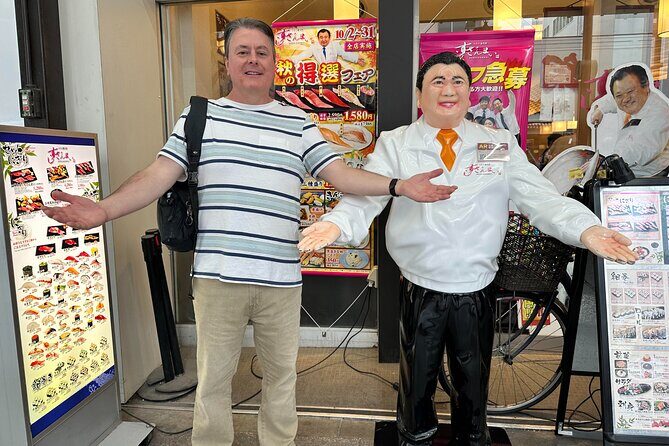
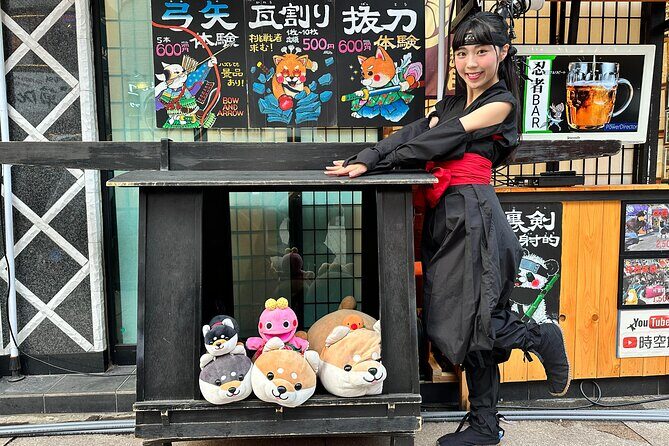
The tour ends in front of Ninja House. There’s an option to continue your adventure with a guide, which includes having a drink at the nearby location.
This is a smart finish for most people. You’re not locked in to one last long activity, but you have the choice if you want it. If you’re the type who likes to decompress with a final stop, this helps you end the afternoon on a relaxed note.
And if you’d rather keep moving, Ninja House also gives you a recognizable point to branch out from. Asakusa is easier to explore once you understand what kind of vibe you want next.
Price, Value, and Who This Tour Really Fits
The price is $164.72 per person for about 4 hours, and you’ll receive a mobile ticket. On paper, it’s not cheap for a walking tour. But the math gets easier when you look at what’s included: guided historical walking, a free photo stop, a full hour of karaoke with free drinks, and a monja cooking meal with a drink included.
In other words, you’re paying for two different kinds of value:
1) expert guidance that helps you read Asakusa instead of just passing through it
2) paid-in activity time where you don’t have to book or figure out logistics for karaoke and the food lesson
This tour is a great fit if you want your Tokyo day to feel lived-in. It works well for couples, small groups of friends, and solo travelers who like a social structure but don’t want a huge crowd.
It may be less ideal if you only want quiet museums or long, slow walking. This tour has energy shifts: history, then photos, then singing, then cooking. If that sounds good, you’ll likely enjoy it.
And keep one practical note in mind: the experience requires good weather. If it’s rainy, you may need flexibility in your plans if the operator adjusts or cancels due to poor conditions.
Should You Book This Tour, or Keep Exploring on Your Own?
Book it if you want Asakusa to feel more than scenic. This tour gives you a clear way to understand what you’re seeing, then rewards you with hands-on fun: karaoke and monja with included drinks. It’s the kind of afternoon that helps you remember Tokyo as a mix of places people actually live in.
Skip it if you’d rather spend your afternoon entirely on your own rhythm, without structured stops or group activities. If your ideal day is silent temple time only, this one may feel too playful for your taste.
If you do book, I’d plan your schedule around the 2:00 pm start and treat the ending near Ninja House as your launch point for whatever comes next. You’ll get a strong Asakusa foundation, plus a story you can tell later—about a dish you learned to make and a karaoke hour you didn’t plan to sing at.
FAQ
What is the duration of Asakusa’s Historic Treasures?
It runs for about 4 hours.
What time does the tour start?
The tour starts at 2:00 pm.
Do I need to print anything, or is it a mobile ticket?
You use a mobile ticket.
How many people are in the group?
The maximum group size is 9 travelers.
What activities are included?
The tour includes a guided Asakusa history walk, a temple and shrine comparison, a stop at Asakusa Yokocho, a karaoke experience with a free drink bar, and a monja experience where you learn to make monja. It ends near Ninja House.
What happens if the weather is bad?
The experience requires good weather. If it’s canceled due to poor weather, you’ll be offered a different date or a full refund.
The Old Tokyo, Toured Properly
More Tour Reviews in Tokyo






Around Senso-ji: More Asakusa Picks
Fresh reviews from around Tokyo






Asakusa Tours, compared.
 ★ 4.8Japanese Dance Cabaret Theater Asakusa-Kaguwa TicketFrom $492,270 reviews
 ★ 4.7Meiji Shrine, Asakusa, Skytree Bus Tour and CruiseFrom $1221,986 reviews
 ★ 4.8Asakusa Walking Tour with Sensoji Temple VisitFrom $221,583 reviews
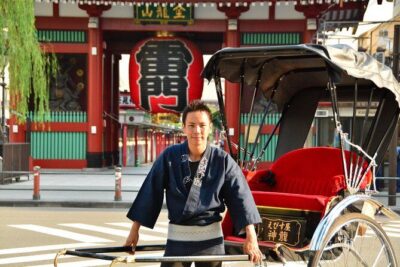 ★ 5.0Tokyo Asakusa Rickshaw TourFrom $421,375 reviews
 ★ 4.5Tokyo Panoramic 1 Day: Meiji Shrine, Asakusa, Odaiba and SKYTREE®From $851,222 reviews
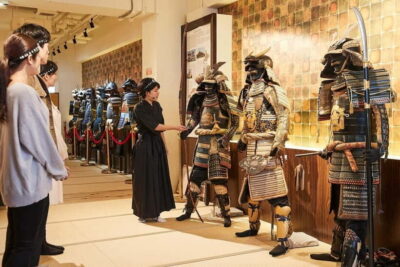 ★ 4.8Samurai Ninja Museum Asakusa: Samurai Sword Lesson & TourFrom $63306 reviews
Asakusa Sightseeing Tour by RickshawFrom $35195 reviews
Asakusa Kimono Dressing and Matcha ExperienceFrom $56173 reviews
★ 4.8Samurai Ninja Museum Asakusa: Samurai Sword Lesson & TourFrom $63306 reviews
Asakusa Sightseeing Tour by RickshawFrom $35195 reviews
Asakusa Kimono Dressing and Matcha ExperienceFrom $56173 reviews
Browse the lists this tour appears in