
Reviewed · FOOD & DRINK
Tokyo VIP Hidden Food & Bar Night – Private Local Experience
Neon nights plus local bites.
This private Tokyo food and bar night turns Shinjuku into an easy, well-guided food crawl. It’s built for you through a pre-tour survey, then walked with a local who handles directions, translation help, and smart suggestions—so you spend time eating and talking, not figuring out where to go.
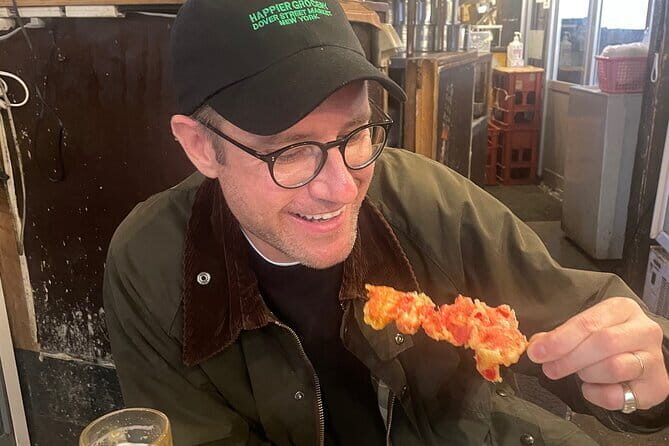
I really like two parts of the design. First, the route is paced with real neighborhoods and variety: Omoide Yokocho, Kabukicho, and Shinjuku Golden Gai, with time to actually experience each place. Second, the guide takes photos during the tour, which sounds small until you’re standing in a tiny alley with great food and no one wants to be the person holding the camera.
One thing to keep in mind: the experience depends a lot on your guide’s comfort with food and the area. One guest’s feedback called out that the guide seemed less knowledgeable than expected, so if food explanation is a big priority for you, make sure your pre-tour survey asks for the kind of details you want.
In This Review
- Key takeaways before you go
- A private Shinjuku night built around your tastes
- Meeting in Shinjuku and getting oriented fast
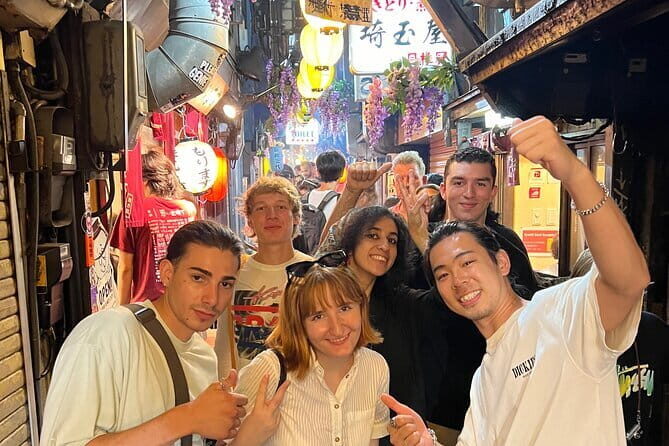
- Stop 1: Omoide Yokocho’s memory-lane izakayas
- Stop 2: Kabukicho’s neon nightlife energy
- Stop 3: Shinjuku Golden Gai’s themed bar alleys
- Why the guide takes photos (and why that matters)
- Value math: is $254.30 per person worth it?
- What you’re actually paying for: food stops, not just sightseeing
- Who this suits best (and who might want a different plan)
- Should you book this Tokyo VIP Hidden Food & Bar Night?
- FAQ
- How long is the Tokyo VIP Hidden Food & Bar Night tour?
- Where does the tour start?
- How many food or bar stops will we visit?
- Are meals and alcohol included in the price?
- Do I need to bring a map or figure out directions?
- Can I get a refund if I cancel?
Key takeaways before you go
- A private route tailored to your tastes through a pre-tour questionnaire, not a one-size-fits-all script
- 2–3 stops in one evening, so you get variety without burning hours hopping around Tokyo
- Mr.Tokyo guides and helps with translations, meaning you can order and chat with less friction
- Photo help built into the tour, so you can focus on food instead of phones
- Stops range from izakaya alleys to neon nightlife lanes, with different vibes at each location
Other plates worth crossing Tokyo for
- Tokyo: Shinjuku Food Tour (13 Dishes at 4 Local Eateries)★ 5.0 · 6,603 reviews
- Tokyo Tsukiji Fish Market Food and Culture Walking Tour★ 5.0 · 3,184 reviews
- Tokyo: Shinjuku Food Tour (15 Dishes and 4 Eateries)★ 4.9 · 2,033 reviews
A private Shinjuku night built around your tastes
If you’re trying to do Tokyo in a hurry, food tours can turn into a checklist. This one is different because it’s private and tailored. Before you meet, you fill out a survey, and the guide uses it to match your interests and budget. That matters in Tokyo, where the distance between “good” and “right for you” can be the difference between a memorable night and an expensive one where you’re politely unsure what to order.
You also get a built-in framework for moving through Shinjuku without a map. Instead of stopping every ten minutes to check directions (or accidentally ending up in the wrong street), you’re led from one area to the next. It’s not just convenience. When someone who knows the streets points you the right way, you arrive at the moment the neighborhood is at its best—doors open, people milling, and the energy just right.
The price—$254.30 per person for about 3 hours 30 minutes—isn’t low. But the value comes from combining several things many solo travelers have to piece together: a local guide, private pacing, translation help, and photos, plus visits to multiple spots in a part of town where you can easily waste time. If you hate hunting for places on your first night, this style of tour usually feels worth it.
Meeting in Shinjuku and getting oriented fast
The tour starts at UNIQLO Shinjuku West Japan, inside the Shinjuku Palette Building (B1-4F). That’s a smart choice. UNIQLO is easy to spot, and it’s well-connected to public transit. If you’re arriving from elsewhere in Tokyo, you can usually get there with minimal fuss.
The ending point is in Shinjuku, so the whole experience stays inside the same general nightlife zone. That helps because Shinjuku is efficient for getting around, and it means you’re not spending your dinner hours on trains.
One practical detail that can save your night: the tour includes a mobile ticket. You’ll want to keep your phone charged and the ticket accessible when you meet. Also, the tour requires good weather, which is common for neighborhood walking plans—so if rain is forecast, you might want to be ready for a date change or refund option.
Stop 1: Omoide Yokocho’s memory-lane izakayas
Your first stop is Omoide Yokocho, often called Memory Lane. Think narrow alleys, tiny bars, and a Showa-era vibe that makes the whole area feel like it’s been waiting for you. This is the kind of place where you don’t go to look at a big menu. You go for the atmosphere and the way the food shows up when you’re part of the flow.
This stop lasts about 45 minutes, which is just enough time to settle in, order a couple of things, and feel the rhythm of the alley. Admission tickets are marked as free, so you’re not paying extra just to enter the area.
The best part of Omoide Yokocho is how social it feels. Even if you don’t speak much Japanese, the guide’s job is to help you get the ordering and the basic conversation moving. That translation help is huge here because many spots in small alleys are built for regulars and quick chats.
A potential downside: this area is narrow and lively, so it can feel crowded and loud. If you’re easily overwhelmed by noise, you might want to go in expecting a sensory experience. The upside is that you’re likely to leave with the most “Tokyo at night” feeling from this stop.
Stop 2: Kabukicho’s neon nightlife energy
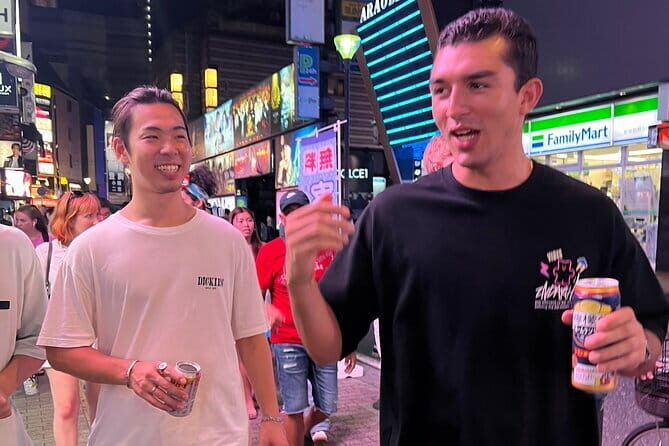
Next comes Kabukicho, Japan’s largest entertainment and nightlife district. It’s the land of neon signs, bright storefronts, and a million small ways to spend an evening. With a guide, you don’t just wander randomly; you pass through the district with purpose, using local knowledge to find the right spots for your group’s mood.
This part runs about 1 hour. That’s long enough to feel like you’ve actually entered Kabukicho rather than just seen it from the outside. Like the other stops, admission is free, which keeps the money focused on food and drinks.
Here’s the value: Kabukicho can be overwhelming if you’re walking solo. There’s a lot happening—shops, lights, and people—and it’s easy to get “menu fatigue” fast. With guidance, you can avoid the tourist traps that often appear in the most obvious entertainment corridors.
What I’d watch for: Kabukicho’s energy is not quiet. If you’re looking for a calm, romantic stroll, this is the stop that may feel a bit intense. But if you like the feeling of being inside Tokyo’s nightlife machine, it’s exactly the right contrast after Omoide Yokocho’s tight alley atmosphere.
Worth weighing up alongside this Tokyo pick:


Stop 3: Shinjuku Golden Gai’s themed bar alleys
The final stop is Shinjuku Golden Gai, famous for its small, themed bars tucked into narrow alleyways. This is the part that tends to feel most “special” to visitors, not because it’s flashy, but because each bar has its own character. You’re not just moving through one big drinking spot—you’re walking between micro-worlds.
This stop runs about 1 hour and again lists free admission. Golden Gai is also a great place to try Japanese whisky if that’s your thing, since the area is known for it. Even if you’re not making a whisky night out of it, the vibe here is about small pours, good conversations, and a sense of place that feels personal.
The best way to experience Golden Gai is with someone who can read the room. Not every alley bar is right for every group. Some are more chatty, some are quieter, some are more relaxed with tourists, and some feel more like you’re stepping into a neighborhood habit. The guide’s role helps you choose what fits your preferences rather than taking a random gamble.
Potential drawback: because the bars are small, space can be tight. If you’re traveling with more than a couple people and you’re sensitive to cramped interiors, you’ll want to mentally prepare for close quarters. The upside is that this is exactly what makes Golden Gai feel intimate instead of generic.
Why the guide takes photos (and why that matters)
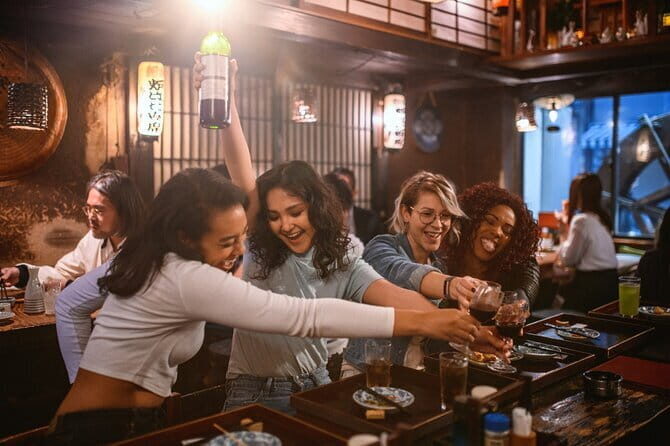
One detail I genuinely appreciate in tours like this is that the guide takes photos during the tour. In practice, that means you’ll actually get pictures without interrupting the flow of eating. It’s also a quality-of-life move: you won’t be the one juggling camera angles while trying not to drop chopsticks or spill a drink.
It also supports the whole point of private guiding. When the guide handles photos, translations, and navigation, you’re free to focus on the tasting moments. Tokyo is full of street scenes, alley signs, and tiny doorways that look good in photos. But if you spend your time stopping to set up shots, you miss food time.
You should also expect that the guide is there to offer expert recommendations. That can mean suggesting what to order based on your tastes in the survey—especially helpful in izakaya and small bar settings where the menu might not be the easiest to interpret quickly.
Value math: is $254.30 per person worth it?
Price alone can confuse this kind of tour, so I look at what you’re not doing. Without a guide, you’ll likely spend time:
- wandering and backtracking through Shinjuku streets
- figuring out where to go next
- decoding menus and ordering politely
- losing photo opportunities because you can’t be in two places at once
- possibly paying more than planned after impulse decisions
This tour bundles several of those friction points: private guiding, personalized route planning, translation help, and photo-taking support. Add 2–3 food and bar stops in a compact area, and it’s easier to see the value—especially if it’s your first visit to Tokyo and you want to get oriented fast.
It’s not a “cheap bites” deal. Meals and alcohol are not included, so you still need to budget for what you choose to eat and drink. But if you typically end up spending that money anyway, the guide fee becomes a service fee for better choices and smoother execution.
Also, there are mentions of group discounts. If you’re traveling with friends, check how your group is priced, because the per-person value can shift.
What you’re actually paying for: food stops, not just sightseeing
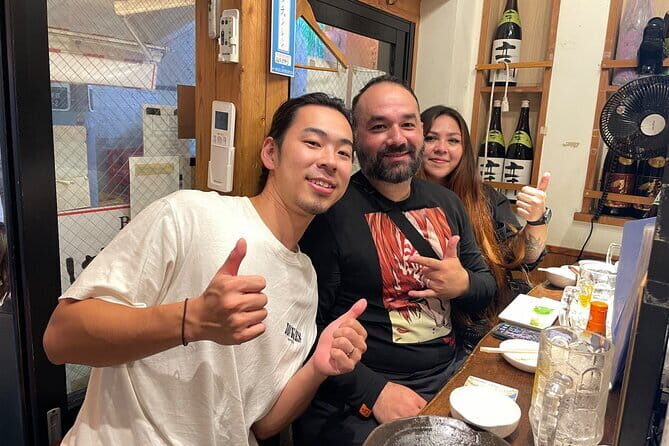
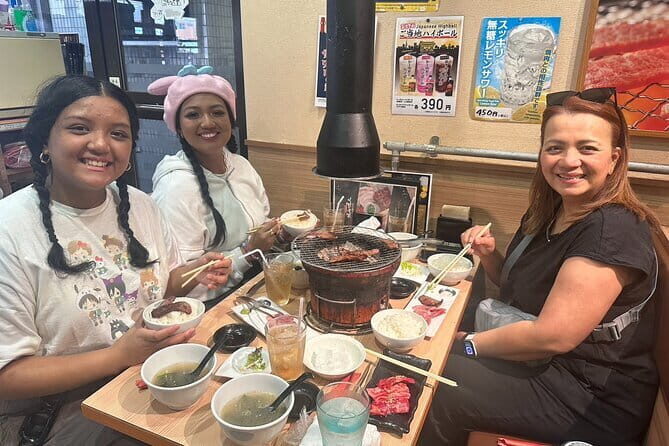
This tour is explicitly focused on food stops—think izakaya and bars—with variety across neighborhoods. The stops are free to enter, but the experience is about what happens inside: ordering, tasting, and learning what you’re eating.
Because meals and alcohol aren’t included, you should treat this like a guided food night where you decide your level of spending inside each venue. The guide can help you choose, but you’re still paying for your own consumption.
A smart strategy: be clear on what you want in your pre-tour survey. If you want lighter bites, tell them. If you want more bar-style snacks, say so. If you prefer certain flavors or avoid something, make it explicit. The whole point is personalization, and the survey is the mechanism that turns the tour from generic into yours.
Who this suits best (and who might want a different plan)
This experience fits best if you:
- want a private Tokyo night instead of joining a big group
- like the idea of 2–3 stops in one evening rather than a long, chaotic wandering session
- need help with navigation and basic language friction
- care about getting photos without taking time away from eating
It may be less ideal if you:
- want a silent, self-paced walk with zero nightlife energy
- expect fully included meals and drinks (they’re not included)
- are looking for a deep, technical food lecture style—one earlier guest felt the guide lacked knowledge, so you may want to clarify your expectations through the survey
Because this is private, you have more control than most tours. You can set the tone. That makes it a good choice for couples, small groups, and first-timers who want “Tokyo nights” without the stress.
Should you book this Tokyo VIP Hidden Food & Bar Night?
Book it if you want a guided Shinjuku food and bar night that saves you from map chasing and ordering anxiety. The combination of a tailored pre-tour plan, multiple stops, photo help, and translation support is the kind of value that matters when you only have a limited number of evenings in Tokyo.
Skip or consider alternatives if your budget is tight or if you strongly prefer tours where meals and alcohol are fully included. Also, if you’re the type who expects very detailed food-and-area expertise from the guide, make sure you’re upfront in your survey so you get the experience style you want.
FAQ
How long is the Tokyo VIP Hidden Food & Bar Night tour?
It lasts about 3 hours 30 minutes (approx.).
Where does the tour start?
The tour starts at UNIQLO Shinjuku West Japan at Shinjuku Palette Building (B1-4F).
How many food or bar stops will we visit?
You’ll visit 2–3 local restaurants, izakaya, or bars during the tour.
Are meals and alcohol included in the price?
Meals and alcoholic beverages are not included. The tour focuses on the stops and guidance.
Do I need to bring a map or figure out directions?
No. The tour is designed so you don’t need to follow a map because the guide navigates for you.
Can I get a refund if I cancel?
Yes. You can cancel up to 24 hours in advance for a full refund, and the experience offers free cancellation.
More Good Eating in Tokyo
Eat Your Way Round Tokyo

More Tour Reviews in Tokyo





Fresh reviews from around Tokyo






Food & Drink, compared.
 ★ 5.0Shinjuku Food Tour (13 Dishes at 4 Local Eateries)From $866,603 reviews
 ★ 5.0Tokyo Tsukiji Fish Market Food and Culture Walking TourFrom $993,184 reviews
 ★ 4.9Shinjuku Food Tour (15 Dishes and 4 Eateries)From $852,033 reviews
 ★ 5.0Tsukiji Fish Market Food and Walking tourFrom $301,724 reviews
 ★ 5.0Eat and Drink Like a Local: Tokyo Ueno Food Tour-Taverns&RamenFrom $95957 reviews
 ★ 5.0Shibuya Food Tour (13 dishes and 4 Eateries)From $77770 reviews
★ 4.7Tsukiji Fish Market Food and Culture Walking TourFrom $96757 reviews
★ 5.0Shibuya Food Tour (13 dishes and 4 Eateries)From $77770 reviews
★ 4.7Tsukiji Fish Market Food and Culture Walking TourFrom $96757 reviews
 ★ 5.0Tsukiji Fish Market: Street Food & Culture Walking TourFrom $33669 reviews
Browse the lists this tour appears in