
Reviewed · COOKING CLASSES
Tokyo Night Cooking Class: 5 Home-Cooked Japanese Dishes
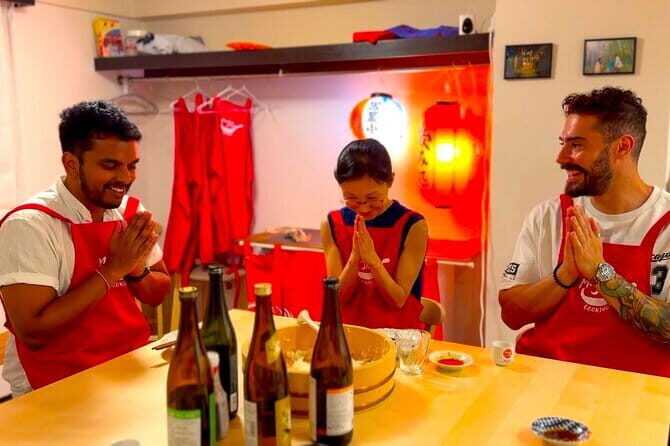
Tokyo nights are for food and good company. This small-group cooking class turns the usual dinner rush into a hands-on evening of izakaya-style cooking. You learn recipes that match what people actually eat while drinking at Japanese taverns, then sit down and enjoy what you made.
I especially like the hands-on flow: you cook a multi-course meal (often 5 dishes) instead of copying one simple recipe. I also like that the class includes shopping, ingredients, dinner, and even three drinks, so you can focus on learning rather than budgeting and guessing what goes with what.
One thing to consider: it is not built for everyone. If you have a mobility issue, or you need a strict vegan or gluten-free setup, the format may not work for you.
In This Review
- Key things to know before you go
- Why a Tokyo izakaya cooking class hits different at night
- What you cook: the typical multi-course izakaya lineup
- Choosing ingredients (and why you should care)
- Drinks included: cans of sake, beer, and soft options
- Inside the kitchen: pace, tools, and what beginners can expect
- Timing and meeting point: how to make your evening run on time
- The guide experience: certified, step-by-step, and built for fun
- Value check: does the $79.28 price make sense in Tokyo?
- Diet needs and allergy limits: know what the rules really mean
- Mobility and family logistics: when the format might be a mismatch
- What you’ll take home besides recipes
- Should you book this Tokyo night cooking class?
- FAQ
- How long is the Tokyo night cooking class?
- What is included in the price?
- What time does it start and how does it end?
- Can kids join?
- Are drinks included for everyone?
- Is it vegetarian-friendly?
- Is it vegan or gluten-free friendly?
Key things to know before you go
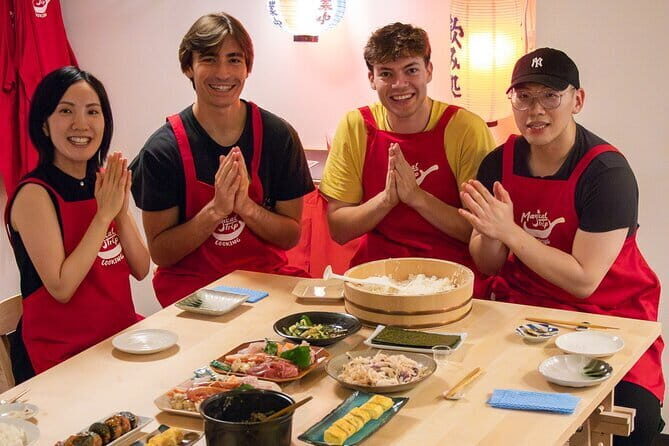
- Izakaya menu focus: classic small plates like sushi rolls, miso-marinated dishes, and eggplant with miso sauce
- Small group (max 7): enough elbow room to actually learn the steps, not just watch
- Shopping included: you select ingredients first, which makes the recipes easier to repeat later
- Three drinks included: cans of alcoholic or soft drinks, including options like sake and beer (age rules apply)
- Not an allergy-free promise: ingredients are prepared in other kitchens, so you should plan carefully
More aprons-on time in Tokyo kitchens
- Ramen & Gyoza Cooking Class in Tokyo with Local Supermarket Visit★ 5.0 · 823 reviews
- Tokyo: Easy Ramen Cooking Experience in Kabukicho, Shinjuku★ 4.6 · 321 reviews
- Ramen and Sushi Cooking Class with Sake Pairing Set in Tokyo★ 5.0 · 291 reviews
Why a Tokyo izakaya cooking class hits different at night
Tokyo is full of restaurants, but most meals are one-and-done. This class is different because it is designed around the rhythm of nomikai (drinking-and-snacking culture). Instead of ordering one dish, you build a sequence of small plates that fit together.
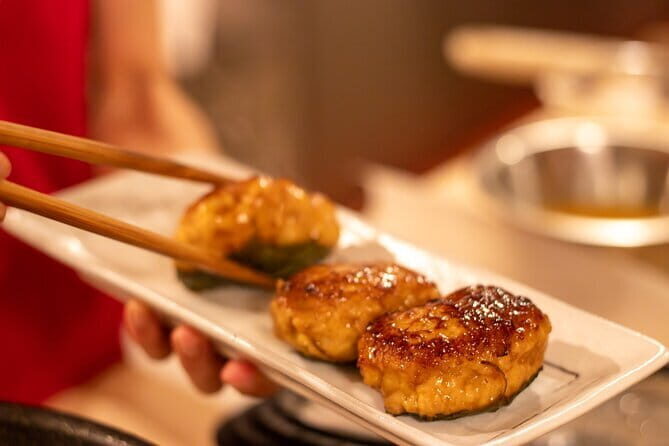
That matters because it changes what you pay attention to. You learn how Japanese flavors work across multiple bites: sweet-savory sauce balance for items like teriyaki chicken, umami from miso-based sauces, and freshness from herbs like shiso. And since the dishes are meant to pair with drinks, you get a natural lesson in Japanese pairing, not just cooking techniques.
The best part is the simple logic: you leave with food knowledge you can use at home. When you cook dishes that resemble what people actually eat in casual taverns, you stop treating Japanese food as a mystery box.
What you cook: the typical multi-course izakaya lineup
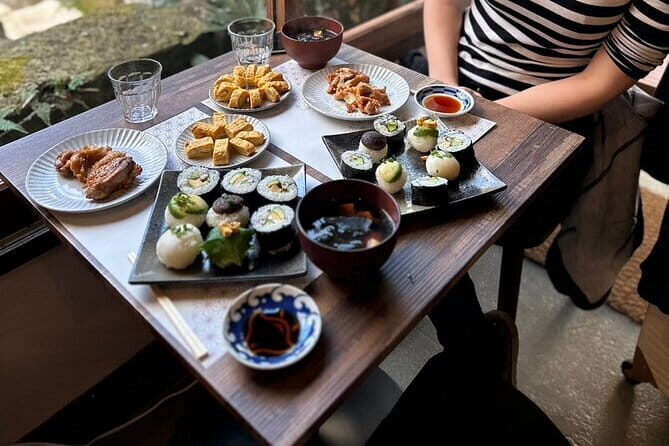
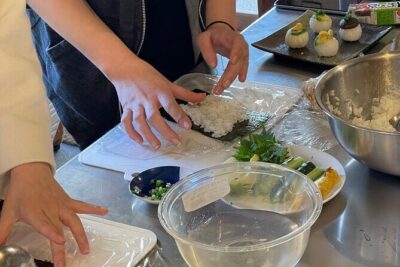
The class centers on a multi-course meal of home-style Japanese dishes that resemble what you see in izakayas. The exact menu can vary, but you can expect ideas such as:
- Sushi rolls (hand-rolled)
- Chicken balls with shiso leaves
- Eggplant with miso sauce
- Teriyaki chicken
- Japanese omelette (tamagoyaki-style learning)
You are not just making one centerpiece dish. You generally work through several plates, then eat everything you made. That is a big value point in Tokyo, where cooking classes can sometimes feel like snacks plus a demo. Here, dinner is part of the deal.
Also, the class adjusts if you cannot eat meat and eggs. If you cannot eat meat and eggs, the menu can drop from five dishes to three. If you can eat meat but cannot eat eggs, it can drop from five dishes to four. That keeps the format realistic instead of forcing you into a one-size-fits-all compromise.
Choosing ingredients (and why you should care)
A shopping experience is included, and it is more useful than it sounds. When you pick your ingredients with the guide, you learn what matters beyond the recipe name. In Japan, a small choice like the right kind of miso, vinegar, or seasoning can change the whole flavor profile.
One reason this helps you cook later is that you start building mental shortcuts. You learn how items relate to each other, not just what ends up on the plate. That makes it much easier to recreate the dishes when you are shopping at home and trying to decide what to substitute.
If you want a class that teaches you to cook, not just eat a nice night out, this ingredient selection step is the difference-maker.
Drinks included: cans of sake, beer, and soft options
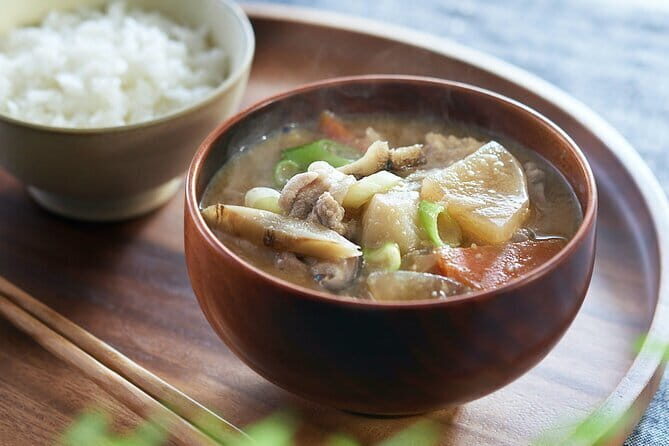
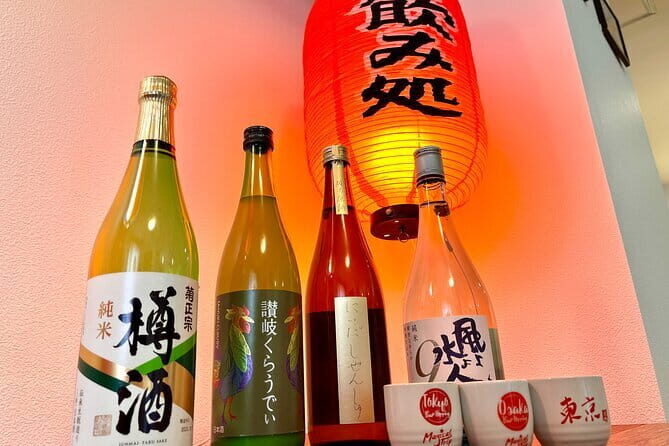
You get three drinks included as part of the class. The details say they are three cans of alcoholic or soft drinks. Options can include sake and beer, which pairs naturally with the small-plate format.
This is a practical perk because it removes the awkward part of drinking-on-your-own: you do not have to figure out what goes with what while you are hungry. The guide helps connect the dots as you cook, and you get to taste while you work.
Important age note: sake tasting and alcoholic beverages are only available to guests aged 20 and over. If you’re traveling as a family or with younger teens, you can still join the class, but drinking will be handled according to the rules.
Other ways into a Tokyo evening


Inside the kitchen: pace, tools, and what beginners can expect
This is described as suitable for all levels, including beginners. You should expect a teaching style that breaks steps into manageable actions, which is exactly what makes cooking classes worth your time. Even if you are comfortable cooking at home, you will likely pick up Japanese technique differences you would not guess from a recipe alone.
Knife and heat are involved, but there are age limits. Guests aged 6 and up can participate, yet steps involving knives and heat are only permitted for those aged 12 and over, with supervision from a parent or guardian. That is worth noting if you are bringing kids who want hands-on involvement.
Also, the group size is capped at 7 travelers, which usually means the guide can keep an eye on what you are doing and correct small mistakes before they snowball. In a busy Tokyo kitchen, that attention is the difference between learning and just getting through the process.
Timing and meeting point: how to make your evening run on time
The class starts at 5:30 pm and runs about 3 hours. It ends back at the meeting point, so you are not wandering across town trying to find where the group disappears.
Your meeting point is in Tokyo’s Taito City area at a FamilyMart location:
Japan, 110-0004 Tokyo, Taito City, Shitaya, 2-chōme110 ファミリーマート入谷店
The tour is described as near public transportation, which is a big deal in Tokyo. Night plans can get chaotic fast if you pick the wrong station area, so choose transit that drops you close to that neighborhood.
One more practical thing: they emphasize starting on time, and if you are late and miss the group, you cannot join or get a refund/reschedule. So I’d treat this like a show start. Arrive a bit early, use your phone map offline if needed, and keep an eye on the exact entrance.
The guide experience: certified, step-by-step, and built for fun
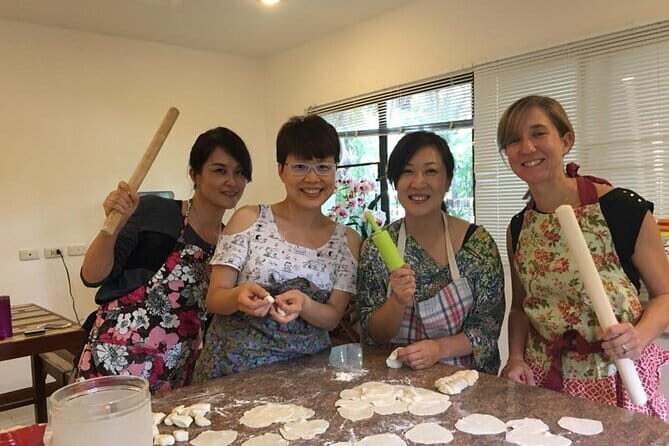
The class is guided by a certified guide from MagicalTrip. And the vibe matters here. The standout theme from the experience is that the host/chef keeps things upbeat and clear, which helps even first-timers feel confident with Japanese flavors.
Guides like Alice and Fuji come up in the feedback for doing two jobs well at once: they guide the cooking steps and they keep the atmosphere light. That combination matters because cooking classes can become stressful if everyone is racing the clock. When the chef explains every step clearly and the kitchen stays friendly, you actually remember what you learned.
You also get tour photos included, so the evening is not only about getting through a meal. It becomes something you can keep.
Value check: does the $79.28 price make sense in Tokyo?
At $79.28 per person, this is not a budget street-food moment. But you should compare it to other hands-on Tokyo food experiences, not to casual dining.
Here’s what you are paying for:
- A 3-hour guided cooking lesson
- Ingredients provided
- Dinner built from what you cook
- A shopping experience
- Tour photos
- A certified guide
- Three drinks included (three cans)
In Tokyo, ingredients alone can add up fast, and a class that includes shopping and drinks is typically more expensive than a basic cook-and-rotate format. This one also has a small group cap, which you can feel in the teaching attention.
If you want recipes you can repeat, and you want a night activity that is more than just eating, this price looks fair. If you only want a quick bite and a drink, you can probably do that cheaper on your own.
Diet needs and allergy limits: know what the rules really mean
Vegetarians are welcome. The information says they arrange ingredients and adjust the cooking process for vegetarian participants. That is a good sign if you eat dairy and eggs.
But the class is not available for people who are vegan and gluten-free. So if either of those applies, plan on a different option.
Allergies are handled with caution. You should assume you cannot get an allergy-free guarantee, because the food is prepared in kitchens that do not belong to MagicalTrip. Substitutions also may not be possible at certain stops, even if the team makes every effort to compensate later.
If allergies are part of your travel plan, I recommend you contact the provider in advance with specifics. Even then, treat it as a best-effort situation rather than a medical guarantee.
Mobility and family logistics: when the format might be a mismatch
This tour is not recommended for people with mobility issues. If walking is a challenge, a private tour is suggested instead.
For families, it’s more mixed. The class is open to ages 6 and up, and there’s mention of a kids’ playroom. But practical cooking involvement depends on age, especially where knives and heat are involved. So it can work for families, as long as you manage expectations for which parts kids can actively do.
What you’ll take home besides recipes
You leave with recipes you can recreate, but the real win is how you understand the logic behind Japanese izakaya cooking. Learning how miso sauce tastes and behaves, how teriyaki sweetness balances saltiness, and how a dish like eggplant transforms with the right seasoning can make your future home cooking feel more intentional.
Then there are the practical souvenirs:
- Tour photos you don’t have to take yourself
- A clear sense of ingredient choices you can find again
- A mental menu you can build for friends, especially for a home party
This is the kind of activity that turns into a story you can explain later, because it is hands-on and social.
Should you book this Tokyo night cooking class?
Book it if you want a small-group Tokyo food experience that teaches you how to cook, not just where to eat. It’s especially appealing if you like the idea of izakaya-style dishes, want to taste drinks during cooking, and enjoy learning flavor combinations you can repeat at home.
Skip it if you need strict vegan or gluten-free handling, if you have mobility constraints that make a group activity hard, or if allergies require a strict allergy-free environment.
If you’re planning a Tokyo evening and you want your meal to turn into an activity with real take-home value, this class is a strong choice. The 5-dish format, the shopping step, and the included drinks all push it toward that sweet spot: fun, practical, and worth your time.
FAQ
How long is the Tokyo night cooking class?
It runs for about 3 hours.
What is included in the price?
The package includes the cooking experience and dinner, ingredients, tour photos, a certified guide, a shopping experience, and three cans of alcoholic or soft drinks.
What time does it start and how does it end?
It starts at 5:30 pm and ends back at the meeting point.
Can kids join?
The activity is open to ages 6 and above. Steps involving knives and heat are only permitted for those aged 12 and over, under supervision of a parent or guardian.
Are drinks included for everyone?
Sake tasting and alcoholic beverages are only available to guests aged 20 and over, following Japanese law. Other guests can still join with the non-alcohol drink options included.
Is it vegetarian-friendly?
Yes. Vegetarian guests are welcome, and ingredients and the cooking process are arranged accordingly.
Is it vegan or gluten-free friendly?
No. It is not available for people who are vegan and gluten-free. The class also can’t guarantee allergy-free preparation.
When the Lanterns Come On

Learn Another Dish: Tokyo Cooking Classes


More Tour Reviews in Tokyo






Fresh reviews from around Tokyo






Cooking Classes, compared.
 ★ 5.0Ramen & Gyoza Cooking Class in Tokyo with Local Supermarket VisitFrom $122823 reviews
 ★ 4.6Easy Ramen Cooking Experience in Kabukicho, ShinjukuFrom $29321 reviews
 ★ 5.0Ramen and Sushi Cooking Class with Sake Pairing Set in TokyoFrom $79291 reviews
 ★ 4.9Wagyu and 7 Japanese Dishes Cooking ClassFrom $67273 reviews
 ★ 5.0Tokyo Washoku 4-hour Cooking Class: From Market to TableFrom $79253 reviews
 ★ 5.0Small-Group Wagyu Beef and 7 Japanese Dishes Tokyo Cooking ClassFrom $72190 reviews
 ★ 5.0Private Home Cooking in Yanaka – Local Flavors in a Warm SettingFrom $122173 reviews
 ★ 5.0Tokyo Sushi Making Experience & Japanese Cooking ClassFrom $59150 reviews
Browse the lists this tour appears in