
Reviewed · MT FUJI DAY TRIPS
Tokyo: Mt. Fuji, Arakurayama Sengen Park, Oshino Hakkai Tour
Fuji views hit different on a timed day trip. You’ll go straight for the iconic angles of Mount Fuji—then shift into quieter, more rural scenery around Fujiyoshida and the lakes. It’s a good mix of postcard-famous viewpoints and slower, soothing stops.
I especially like two things: first, the seasonal payoff at Arakurayama Sengen Park where the pagoda frames Fuji in spring, summer, autumn, and winter. Second, the calm contrast of Oshino Hakkai and the thatched-house village at Saiko—this is where the day stops feeling hectic and starts feeling like a reset.
One consideration: you’re on a schedule with several walks and uphill sections. If you’re sensitive to stairs (or you’re traveling with crutches), this route can feel tiring.
In This Review
- Key things to know before you go
- A Fuji day trip from Shinjuku: what 9.5 hours feels like
- Arakurayama Sengen Park: the five-story pagoda view in every season
- Hikawa Clock Shop and Fujiyoshida Honcho Street culture time
- Oshino Hakkai: calm spring-water scenery and reflective pauses
- Oishi Park on Lake Kawaguchi: weekday-only Fuji and photo timing
- Saiko Iyashi-no-Sato Nenba: thatched houses and a real slow-down
- Getting there and moving around: why stairs and uphill matter
- Price and value: is $50 for this route a good deal?
- Weather reality: what you should hope for and what you can’t control
- Who this tour suits best (and who should skip it)
- Should you book this Mount Fuji tour?
- FAQ
- Where is the meeting point?
- What language is the guide?
- How long is the tour?
- What’s included in the price?
- Are meals included?
- Is Oishi Park included?
- What should I bring?
- Is the tour suitable for older travelers or mobility needs?
Key things to know before you go
- Fuji framing changes by season at Arakurayama Sengen Park, so timing affects what kind of photos you’ll get.
- Oishi Park is weekdays-only, and it can be canceled if traffic delays happen on the day.
- Your “culture stops” are short: you’ll have limited time at Fujiyoshida’s traditional street area near the Hikawa Clock Shop.
- Saiko Iyashi-no-Sato Nenba includes a ticket, so you’re not hunting for admissions on the ground.
- You’ll walk more than you expect even with free time blocks, because this is a hillside region.
Other routes to the mountain, compared
- Mt Fuji & Hakone Cruise, Drum Show Bullet Train 1 Day from Tokyo★ 4.0 · 7,413 reviews
- Tokyo Mt Fuji 5th St & Hakone Cruise Bus Tour w/Bullet Train★ 4.4 · 5,024 reviews
- From Tokyo: Mount Fuji Full-Day Sightseeing Trip★ 4.5 · 4,970 reviews
A Fuji day trip from Shinjuku: what 9.5 hours feels like
This tour runs about 570 minutes, starting at the Kogakuin University Shinjuku campus area near the West Exit. You’ll ride out of the city first, then spend your “good light” time at several Fuji-view points around Fujiyoshida and the lakes.
The rhythm is simple: bus → photo and free time → bus → more sights → bus back. It’s not a relaxed linger-all-day kind of outing, but it’s a practical way to see multiple top locations without planning transfers yourself.
Also note the tour runs with an English-speaking guide (plus Chinese-speaking capacity). That matters here because the region is famous, but the details—where to stand, what direction to look, what to watch for—can be confusing if you’re going solo.
Arakurayama Sengen Park: the five-story pagoda view in every season
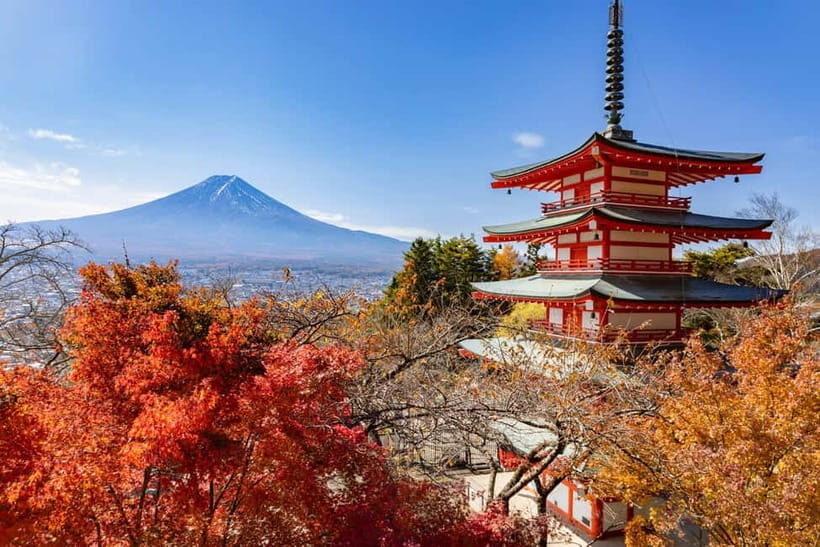
Arakurayama Sengen Park is the highlight stop for a reason. You’re aiming for the classic composition: Fuji with the five-story pagoda as a framing device, plus the hillside greenery or blossoms depending on the time of year.
Spring is dreamy here. The park goes heavy on cherry blossoms, and the combination of 650 cherry blossom trees with Fuji in the background turns the view into a postcard-style scene.
Summer brings a different mood. With lush greenery and a clearer “blue sky + white clouds” look, Fuji often feels crisp in the distance, especially when the air is clean.
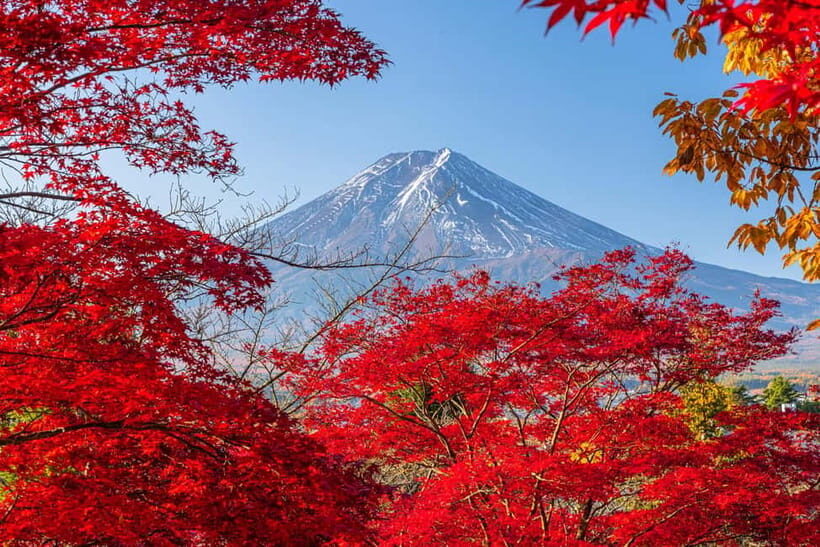
Autumn is pure romance energy on this hillside. Red leaves coat the slope, and the pagoda sits right in the middle of that color shift, creating a strong warm-season look.
Winter changes the image completely. Snow can cover the pagoda roof and the mountain peak, giving you a pure white Fuji feeling in crisp air.
Practical tip: because seasons change the whole look, decide what you want most—blossoms, summer sky, autumn reds, or winter snow—then go when that version of Fuji is most likely. The scenery isn’t the same at all four times of the year, even though it’s the same spot.
Hikawa Clock Shop and Fujiyoshida Honcho Street culture time
After you leave the main Fuji viewpoint area, you’ll get a short free-time stop at Hikawa Clock Shop. It’s a small window, but it’s a useful one if you want a quick break from scenery snapping and a taste of local storefront culture.
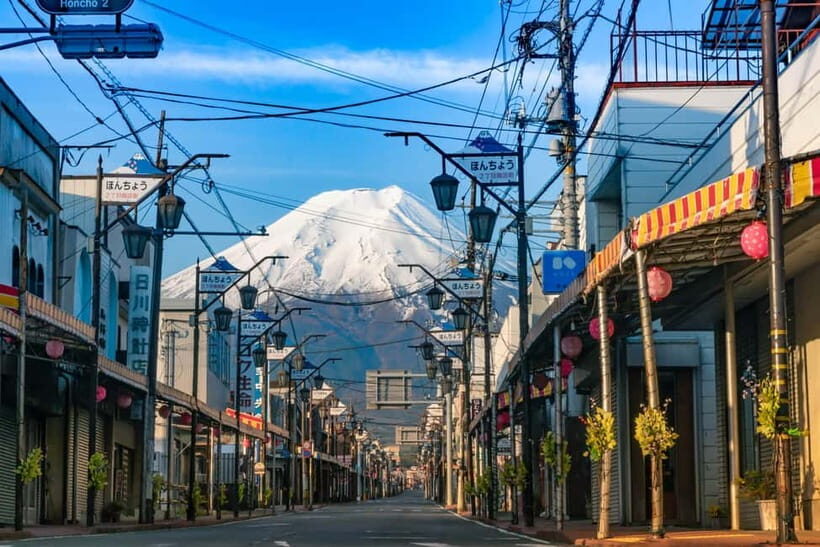
This is also where the tour’s Fujiyoshida “traditional street” vibe fits in. You’ll have time around Fujiyoshida’s Honcho Street—an area known for older architecture and a street feel that looks very different from central Tokyo.
Don’t over-plan your expectations for this part. You only get about 30 minutes here, so treat it like a stop to wander, pop into a shop if you spot something you like, and reset before you head to the lakes.
One more thing: if you’re trying to shop, bring cash. The tour info specifically notes cash is needed, and it’s better to be ready than to scramble at the wrong moment.
Oshino Hakkai: calm spring-water scenery and reflective pauses
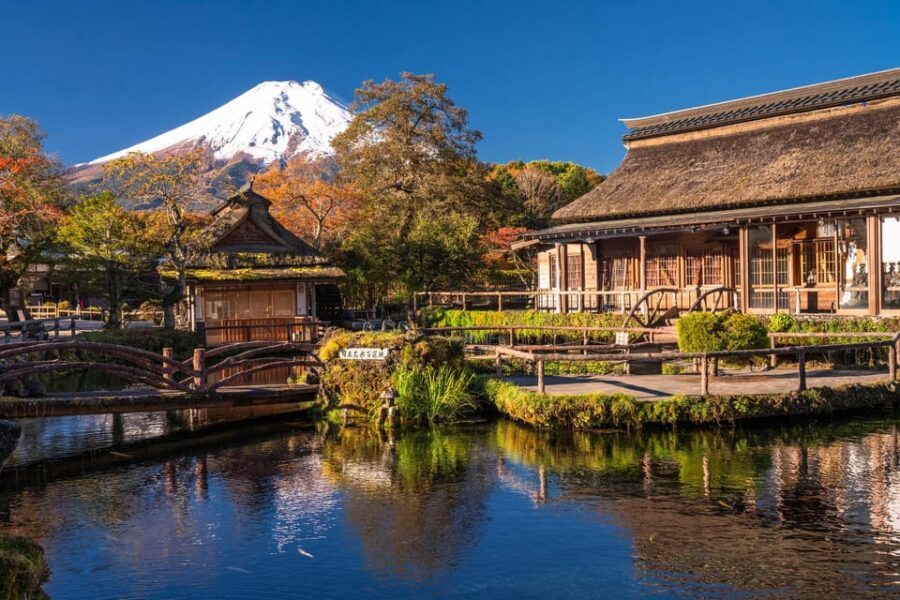
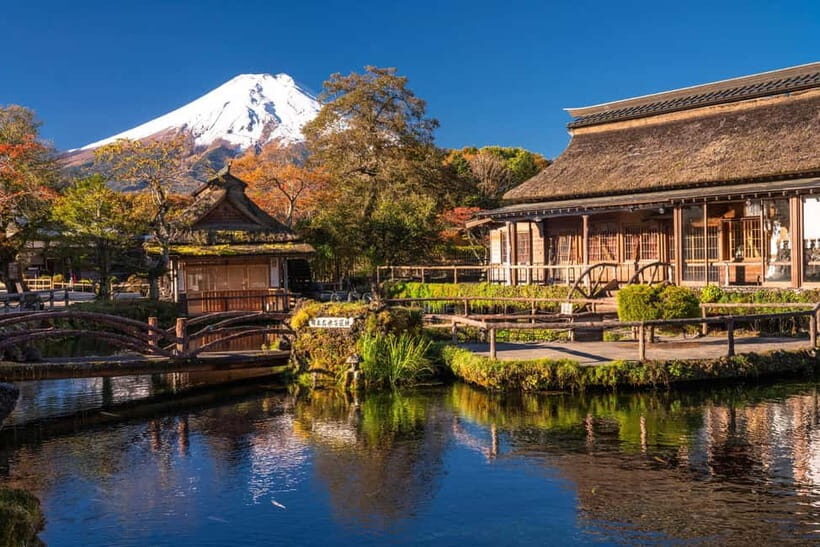
Oshino Hakkai is your “slower pace” stop. This is the place people love for its calm spring-water ponds and the way Fuji can reflect in the surface when conditions are right.
Spring adds cherry blossoms near the water, so you get both flower color and that mirror-like effect. Summer tends to feel cooler and quieter, with clear water and greenery reflected in the ponds.
Autumn continues the color story. Red leaves fall gently onto the water, keeping the scene peaceful rather than chaotic.
Winter is the big visual twist. Snow blankets the village while the spring water stays crystal clear, so you can get a snowy Fuji area without the whole scene turning dull or brown.
The value here is pacing. After Arakurayama’s structured photo viewpoints, Oshino Hakkai gives you a chance to walk more gently and just watch the light on water.
Practical tip: water reflections can change quickly with wind. If Fuji looks sharp one minute, it might soften the next, so keep your eyes up and your camera ready.





Oishi Park on Lake Kawaguchi: weekday-only Fuji and photo timing
Oishi Park is a photo stop plus free time, positioned between the Oshino Hakkai and Saiko Nenba moments. It’s built around Lake Kawaguchi and the classic Fuji “lake + mountain” framing.
Spring: tulips and moss phlox near the lakeside, with Fuji in the background.
Summer: lavender blooms that can make the area feel like a fragrant pop of color.
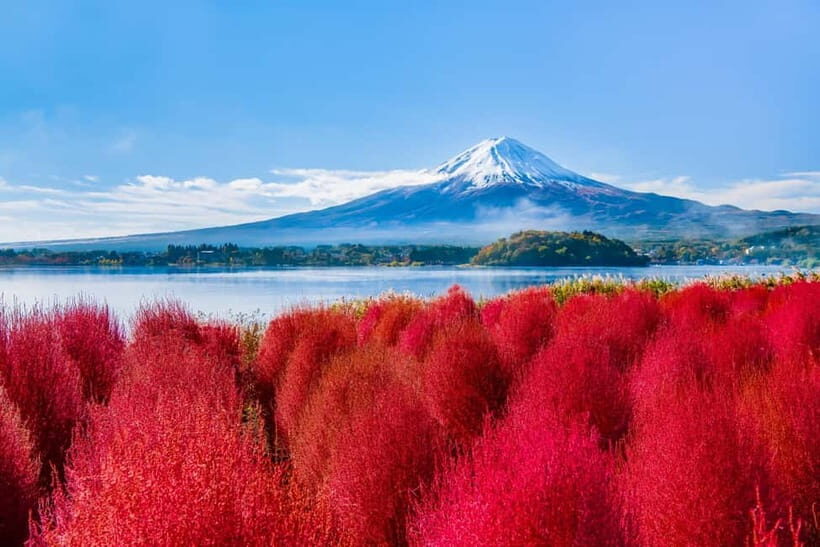
Autumn: golden lakeside grass and Fuji’s first snow appearing in the distance.
Winter: snowy mountain views reflected on the lake.
Here’s the key catch: Oishi Park is open only on weekdays. It’s closed on weekends, holidays, and during Golden Week (April 29 to May 5). If you’re on a weekday tour, you’re set up for better odds, but the tour may still cancel this stop if traffic causes delays.
That’s why I treat this stop as an upside, not a guarantee. If you’re booking and your trip includes a weekend date, you should mentally prepare for the possibility that this photo moment doesn’t happen.
Saiko Iyashi-no-Sato Nenba: thatched houses and a real slow-down
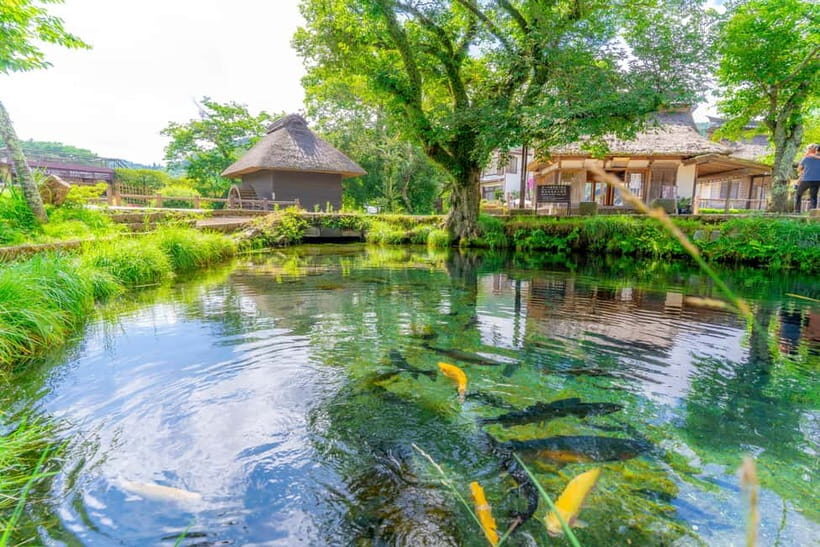
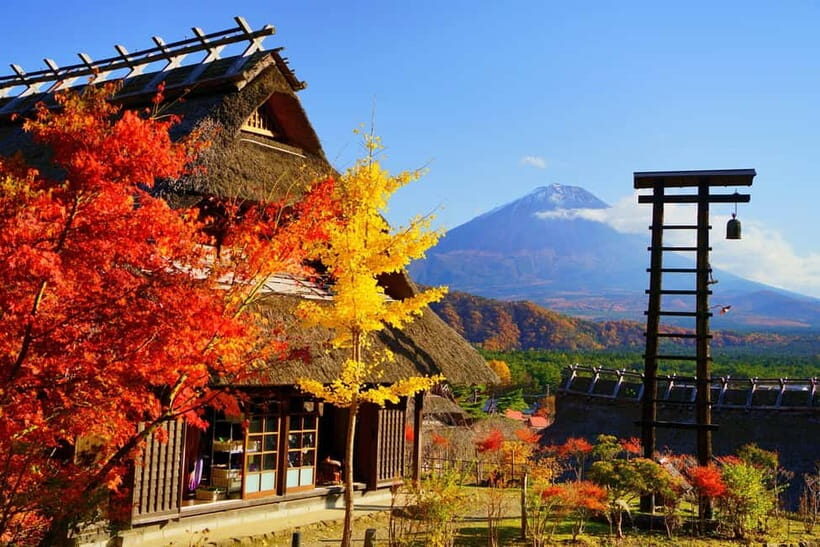
Saiko Iyashi-no-Sato Nenba is where the day turns soothing. You’re moving from lakes and viewpoints into a rural feeling: ancient thatched-roof houses arranged in a village setting.
Spring brings a strong traditional charm. Cherry blossoms connect visually with the thatched roofs, so the village feels like it belongs in an old Japanese postcard.
Summer feels like comfort through nature. Rice fields and clear streams surround the area, and the mountain breezes add a fresh-scent effect to the experience.
Autumn turns it romantic again, with red leaves covering the hillside and highlighting the thatched roofs. The visual is like walking into a time tunnel for a short while.
Winter adds a fairy-tale layer. Snow can cover the rooftops, and steam rising from hot springs creates a cozy atmosphere.
This stop is included via a ticket, which saves you time and stress on the ground. It’s also an ideal “landing zone” for your day: after hours of looking outward for Fuji, you start appreciating the details and texture of the village itself.
Getting there and moving around: why stairs and uphill matter
Even with bus transfers doing most of the heavy lifting, this is still a walking-and-standing day. Some parts of the route have long stairs and uphill sections, and the tour specifically warns that it’s not recommended for seniors who require crutches.
I’d also extend that advice more broadly. If you know you tire quickly on stairs, wear shoes with grip and plan for uneven outdoor terrain. Don’t assume that “free time” means level ground.
A small review clue that matches your reality: some people note unexpected walking. That doesn’t mean it’s impossible, but it does mean you should bring a mindset of comfortable shoes and not-too-loose clothing.
Price and value: is $50 for this route a good deal?
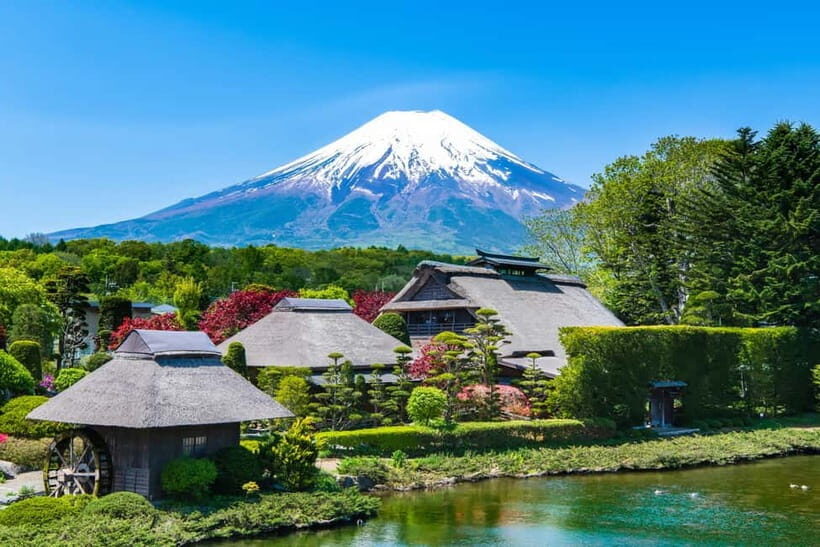
At around $50 per person, this tour packs in a lot for one day. You’re getting roundtrip transportation, an English-speaking guide, and entry coverage for Saiko Iyashi-no-Sato Nenba. For a Mount Fuji day, that’s often where the value appears—transport and guidance can be the hard part to organize efficiently.
You’re also covering multiple “icon” locations: Arakurayama Sengen Park, Oshino Hakkai, Oishi Park (subject to weekday access), and the Saiko village. If you tried to string these together alone, you’d spend real time figuring out local transit timing and transfers, not just paying for tickets.
The main value trade-off is time. You don’t get a slow, linger-style schedule at each place. If you’re the type who likes deep museum-style wandering or all-day photo sessions, you might find the time blocks short.
Still, if you want a structured day with high odds of seeing Fuji (weather willing) and a good mix of famous and calming spots, this is solid value for the money.
Weather reality: what you should hope for and what you can’t control
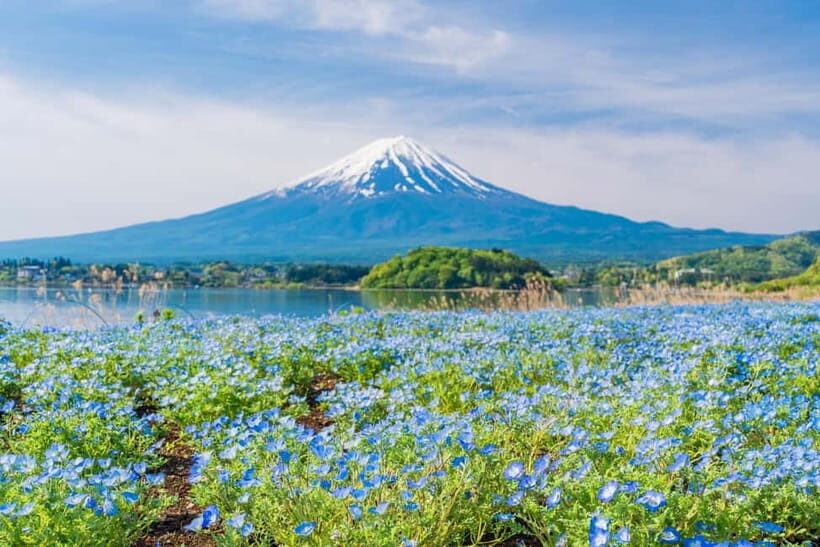
Mount Fuji visibility depends on conditions. When it’s clear, the views are dramatic. When it’s hazy or cloudy, you’ll still get scenery and atmosphere, but the “Fuji in full frame” payoff can be reduced.
Winter especially can be breathtaking, but it also increases the chance of snow or slick conditions. Summer can be clearer visually, yet hot days can make walking feel longer.
That’s where a guide helps. Even without controlling the weather, someone on the ground can help you pick good standing spots and keep the day moving so you don’t miss the best moments.
If extreme weather affects whether the route can follow the plan, the operator can cancel. If they do, you can reschedule or request a full refund, depending on how it’s handled.
Who this tour suits best (and who should skip it)
This works best for:
- You want a structured Mount Fuji sampler without arranging transfers.
- You like seasonal experiences—blossoms in spring, red leaves in autumn, snow in winter.
- You want both famous viewpoints and calmer, more rural stops.
Consider skipping (or choosing a different format) if:
- You’re over 70. The tour is not suitable for people over 70.
- You need crutches or you struggle with stairs and uphill terrain.
- You prefer long, unhurried time at one single location rather than covering several places in one day.
Also keep in mind meals aren’t included. Plan for simple food timing before or after, or bring a strategy so you don’t end up hungry during tight free time.
Should you book this Mount Fuji tour?
I think this is a good book if your goal is a confident, efficient day around Fuji with both iconic and soothing stops. The seasonal variety at Arakurayama and the calm mood at Oshino and Saiko create a satisfying arc that doesn’t feel like one-note sightseeing.
Book it if:
- You can travel on a weekday when possible, since Oishi Park is weekdays-only.
- You’re happy with moderate walking and a schedule.
- You want a guided day where someone points you toward the right views.
Skip it if:
- You strongly dislike stairs or uphill terrain.
- You need guaranteed access to Oishi Park no matter what day it is.
- You’re the type who wants a slow pace at just one spot.
If you go in with comfortable shoes, cash in hand, and realistic expectations about weather, you’ll likely come back with exactly what this day is built for: Mount Fuji views framed by pagodas, water reflections, and a quiet village reset.
FAQ
Where is the meeting point?
You’ll meet in front of Kogakuin University Shinjuku Station West Exit. It’s by the underground area at the Central West Exit; the Keio Plaza Hotel is opposite. Look for the Wonder Tour flag.
What language is the guide?
The tour runs with a live guide in Chinese and English.
How long is the tour?
The total duration is about 570 minutes (roughly 9.5 hours).
What’s included in the price?
Roundtrip transportation is included, along with the ticket for Saiko Iyashi-no-Sato Nenba and an English-speaking guide.
Are meals included?
No. Meals aren’t included, so you’ll need to plan for food on your own.
Is Oishi Park included?
Oishi Park is part of the plan, but it’s only open on weekdays. It may be canceled if traffic delays happen on a weekday.
What should I bring?
The tour notes you should bring cash.
Is the tour suitable for older travelers or mobility needs?
The tour is not suitable for people over 70, and it warns that some sections have long stairs and uphill areas. It also states it’s not recommended for seniors who require crutches.
More Tours in Tokyo

More Tour Reviews in Tokyo



The Fuji Shortlist: Other Days Out to the Mountain
Fresh reviews from around Tokyo






Mt Fuji Day Trips, compared.
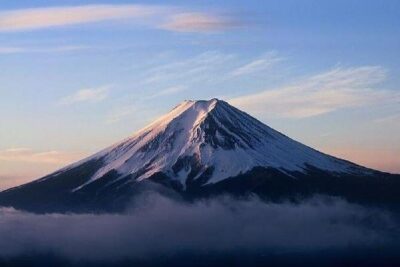 ★ 4.0Mt Fuji & Hakone Cruise, Drum Show Bullet Train 1 Day from TokyoFrom $1497,413 reviews
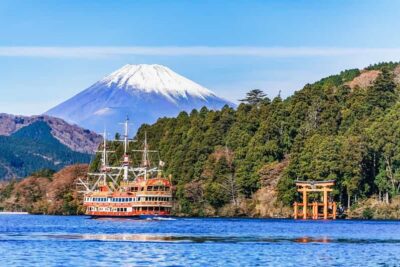 ★ 4.4Tokyo Mt Fuji 5th St & Hakone Cruise Bus Tour w/Bullet TrainFrom $1545,024 reviews
 ★ 4.5From Tokyo: Mount Fuji Full-Day Sightseeing TripFrom $684,970 reviews
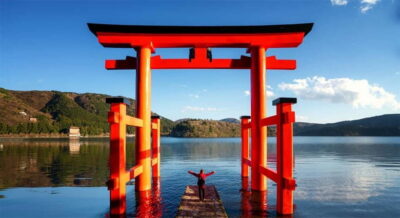 ★ 4.7Mt. Fuji Tour, Hakone Ropeway, Owakudani, Lake AshiFrom $544,002 reviews
 ★ 5.0Private Tour to Mt. Fuji and Hakone (Fully Licenced Operator)From $4971,910 reviews
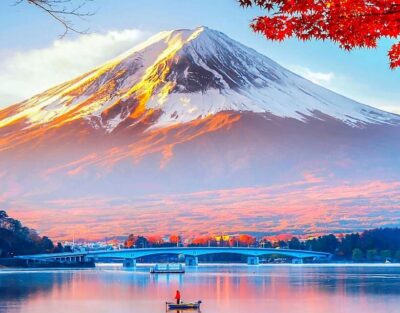 ★ 4.9Mount Fuji Full-Day Private Tour from Tokyo (Customizable)From $3931,470 reviews
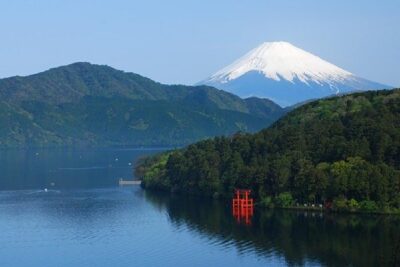 ★ 4.0Mt Fuji & Hakone Cruise, Drum Show Bus 1 Day from TokyoFrom $1221,287 reviews
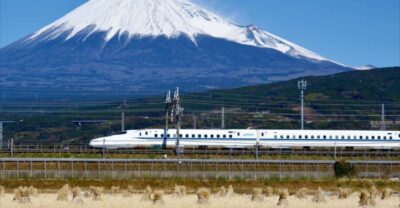 ★ 4.2From Tokyo: Mt. Fuji & Hakone Tour w/ Return by Bullet TrainFrom $1171,278 reviews
Browse the lists this tour appears in