
Your Tokyo dinner has a shortcut.
I like that you eat a real full meal worth of food (15+ dishes) instead of nibbling your way around, and I also love how the route focuses on Shinjuku’s famous alleys like Golden Gai, Omoide Yokocho, and Kabukicho. One thing to think about: you should come ready to eat a lot, and at least one stop may involve stairs with no lift.
This tour is built for first-time visitors who want to understand what they’re tasting. A local English-speaking guide helps you read Japanese food culture as you go—why certain dishes work in that neighborhood, what to pay attention to on the plate, and how to order without guessing.
At $72 for 3 hours, the value is in the packing: multiple dishes, multiple restaurant styles, and group navigation so you spend less time figuring out where to go next. If you want a quiet, sit-down, slow-paced dinner with lots of space, this isn’t that kind of evening.
In This Review
- Key highlights worth your appetite
- Meeting at α 107 Building and finding your way fast in West Shinjuku
- Golden Gai: tiny bar alleys, first tastes, and why it sets the tone
- Omoide Yokocho: alleyway comfort food that hits hard after a walk
- Kabukicho: neon intensity, big-night energy, and a guided dinner reset
- 15 dishes, 3 drinks, and whether $72 actually makes sense
- The guide factor: what you actually learn as you eat
- Who should book this Shinjuku food tour, and who should skip it
- Practical tips to make your night smoother
- FAQ
- How long is the Tokyo Shinjuku Food Tour?
- What’s included in the tour price?
- Where is the meeting point?
- Do I need cash?
- Is the tour guide available in English?
- Can I cancel for a full refund?
- Should you book this tour?
Key highlights worth your appetite
- 15 dishes for a full meal: not just samples, you leave fed
- 4 eateries across 3 famous Shinjuku areas: Golden Gai, Omoide Yokocho, Kabukicho
- English-speaking guide + food culture lessons: what you’re eating and why it fits
- Sake and beer options: alcohol and non-alcohol drinks included
- Backstreet walking: neon arcades and lantern-lit alley vibes, with a plan
- Local guide names from past groups: Emma, Rikki, Yin, Kei, Daichi, and others have led the experience
Different nights, same neon: more Shinjuku crawls
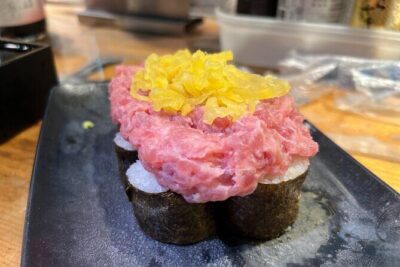
- Tokyo: Shinjuku Food Tour (13 Dishes at 4 Local Eateries)★ 5.0 · 6,603 reviews
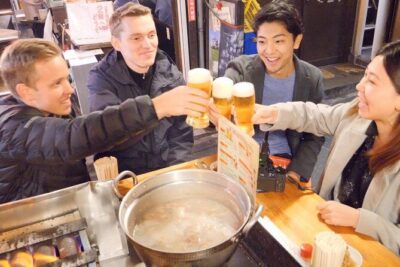
- Tokyo Bar Hopping Tour in Shinjuku (All-You-Can-Drink + Dinner)★ 5.0 · 3,587 reviews
- Tokyo: Shinjuku Food Tour (15 Dishes and 4 Eateries)★ 4.9 · 2,033 reviews
Meeting at α 107 Building and finding your way fast in West Shinjuku
You meet in front of the blue AOKI sign near Starbucks, by the Nishi-Shinjuku (west exit). It’s a practical meet-up point: you’re in a big transit area, but you’re starting on the “right side” of Shinjuku so the tour can quickly shift into smaller streets and alleys.
Bring cash. The tour data specifically calls this out, and in Japan, cash can still be the difference between smooth and awkward at small counters and older spots.
Also, think about how you’ll dress. This is a walking food tour, and Shinjuku’s nightlife neighborhoods can get busy. Comfortable shoes help, especially if you end up at a venue that requires stepping up to get to the eating area. (One past guest noted a stop involved stairs with no lift—important if mobility is a factor.)
Finally, language is handled for you. The guide is English-speaking, so you’re not left trying to guess menu items while the group moves on.
Golden Gai: tiny bar alleys, first tastes, and why it sets the tone
Golden Gai is one of those places where the streets feel like a maze designed for a snack mission. You’ll spend about an hour there during the first dinner stop, and it’s a great opener because it introduces you to Shinjuku’s older, small-venue side—tight lanes, dense atmosphere, and lots of local energy.
This is where I like seeing a guide start the night. Golden Gai can be intimidating if you’re expecting a standard restaurant with a host desk and a clear path to your seat. A good local guide helps you get into the right rhythm quickly: when to move, where to sit, and how to read the vibe of the place.
From the guide-led food side, this first leg tends to get you acclimated to Japanese dinner flavors. The overall tour includes examples like sashimi (think melt-in-mouth texture), and you may see drinks like sake early, which sets the pairing mindset for the rest of the evening.
One practical bonus: multiple past guests praised guides for keeping the group on time and finding seating for everyone. In tight spaces, that kind of “organized chaos” matters.
Omoide Yokocho: alleyway comfort food that hits hard after a walk
Omoide Yokocho is pure Shinjuku character. Expect a neighborhood feel that’s less about polished dining and more about street-level comfort—places where people come to eat, chat, and keep the night going.
You’ll have about an hour here, and this stop is a natural place for the tour’s comfort-food range. The tour description mentions dishes like pan-fried gyoza and dishes with golden-crisp textures such as tonkatsu-style flavors. I treat this kind of stop as the “anchor” of the meal: it’s often where you’ll feel like you’re finally tasting Shinjuku, not just checking boxes.
Why this matters for you: if you’re visiting Tokyo for the first time, it’s easy to focus on iconic sights and forget that Japan’s real food culture lives in neighborhood dining. Omoide Yokocho gives you that everyday layer—simple food, strong flavors, and the kind of atmosphere where ordering confidently matters less because the guide handles the flow.
And because you’re in an alley area, you’ll likely feel the difference between a guide-led plan and trying to self-navigate. With a guide, you’re not stuck deciding which stall has the best line or translating menu descriptions while the crowd moves.
Kabukicho: neon intensity, big-night energy, and a guided dinner reset
Kabukicho is Shinjuku’s nightlife engine—bigger, louder, and more “on the move.” You’ll spend another hour here as part of the guided dinner experience, which is smart pacing. By the time you hit Kabukicho, you’re warmed up on food and streets, so you can enjoy the scene instead of rushing to keep up.
Kabukicho can also be overwhelming if you’re alone. The tour’s structure helps you focus: you’re not wandering randomly, and you’re not stuck outside looking for an open seat. Past guests specifically mentioned guides staying on schedule and managing seating so everyone got a spot.
This stop also fits the tour’s idea of eating like locals, not like tourists. You’re trading the “where should we eat?” question for a plan: eat, learn, move, repeat. The guide adds context about the neighborhood so Kabukicho becomes more than just neon signage—it turns into a map you can understand.
One caution: Kabukicho is busy. If you’re sensitive to crowds or noise, plan on keeping your expectations realistic. You’re going to dinner in a nightlife district, not in a calm residential pocket.
Other plates worth crossing Tokyo for


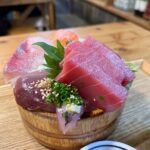
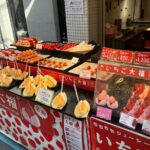
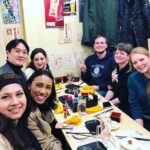
15 dishes, 3 drinks, and whether $72 actually makes sense
Let’s talk value in plain terms. You pay $72 for 3 hours, and you’re promised 15 dishes plus 3 drinks (with alcoholic and non-alcoholic options). That’s the core pitch: this isn’t a snack tour. It’s set up so you can leave with a full dinner.
In Tokyo, even a modest meal can feel pricey once you add drinks and multiple stops. What you’re buying here is the convenience of not having to pick restaurants, not having to order everything one-by-one, and not having to worry that you picked the “wrong” place that looks good from the street.
That said, there’s one detail worth knowing. One guest noted they received 2 drinks instead of the listed 3. That doesn’t automatically mean the tour is always off—just that you should go in with flexibility about the drink count. The food portion is the bigger anchor, and multiple guests said it was more than enough.
Also, the tour includes enough dishes for a full meal. Several past guests used language like plentiful and more food than they could finish, which lines up with the “15+” claim. If you’re the type who saves space for dessert later, you may need to adjust that plan.
If you care about drinks pairing, consider pace. You’ll be walking between stops, so don’t treat this like a pub crawl. A steady approach makes the whole meal more enjoyable.
The guide factor: what you actually learn as you eat
The best part of a food tour isn’t the list of dishes—it’s how your guide helps you interpret what you’re eating. This tour explicitly includes food culture and tips, and the guide is English-speaking, which makes the lessons usable on the spot.
In past groups, guides like Rikki, Emma, Yin, Kei, and Daichi have been praised for making explanations clear and practical. One guest highlighted how a guide explained how dishes are composed with ingredients, which is the kind of detail that changes how you taste. Suddenly you’re not just eating. You’re reading the plate.
You also get neighborhood context. A guide can connect food to place—why a dish fits a backstreet stall culture, why certain neighborhoods attract certain kinds of dining, and how Japanese dinner habits shape what you see around you.
And there’s a softer skill too: keeping the group moving smoothly. Guests mentioned guides who were organized, funny, and attentive, including helping people who got lost and accommodating different needs like slower walking pace.
That combination—food meaning plus street navigation—is what makes the tour useful even if you’re not a “foodie” in the strict sense.
Who should book this Shinjuku food tour, and who should skip it
This tour is a strong fit if:
- You’re new to Tokyo and want a guided way to understand Shinjuku’s food scene
- You like eating a lot in one night without planning every restaurant
- You want to see Golden Gai, Omoide Yokocho, and Kabukicho in a single route
- You enjoy learning why dishes taste the way they do, not just tasting them
You might want to rethink it if:
- You prefer a calmer, less crowded dinner setting
- You don’t eat much and can’t handle a large amount of food in 3 hours
- Mobility is an issue (at least one stop was described as having stairs with no lift)
If you’re traveling solo, this can be a great “kickoff” activity. Multiple guests talked about the social side and how it helps you meet other people while still focusing on food and streets.
Practical tips to make your night smoother
- Wear comfortable shoes. This is walking between nightlife districts.
- Bring cash, since it’s specifically requested.
- Come hungry but don’t over-plan. You’ll likely leave full.
- If you don’t drink alcohol, choose non-alcohol options. The tour includes both.
- If you have mobility limitations, ask ahead about steps since one venue reportedly has stairs only.
FAQ
How long is the Tokyo Shinjuku Food Tour?
The tour runs for 3 hours.
What’s included in the tour price?
It includes an English-speaking guide, city tour, 15 dishes, 3 drinks, and visits to 4 local eateries.
Where is the meeting point?
You meet in front of the blue AOKI sign right by the Starbucks in Nishi-Shinjuku (west exit).
Do I need cash?
Yes. You should bring cash.
Is the tour guide available in English?
Yes, the tour is guided in English.
Can I cancel for a full refund?
Yes. You can cancel up to 24 hours in advance for a full refund.
Should you book this tour?
If you’re aiming for a Shinjuku “food night that actually works,” I think this is an easy yes. The math is straightforward: 15 dishes plus drinks in 3 hours, across multiple Shinjuku neighborhoods that most people don’t know how to navigate on their own.
Book it if you want variety—different Japanese comfort foods, different dining styles, and guided explanations while you walk through Golden Gai, Omoide Yokocho, and Kabukicho. Skip or plan carefully if you need a quieter meal, have trouble with stairs, or you’re not comfortable eating a lot.
Either way, you’ll come away with a better sense of how Shinjuku eats after dark.
More Tours in Tokyo


More Tour Reviews in Tokyo




Shinjuku After Hours: The Other Crawls
Fresh reviews from around Tokyo






Shinjuku Bar Hopping, compared.
 ★ 5.0Shinjuku Food Tour (13 Dishes at 4 Local Eateries)From $866,603 reviews
 ★ 5.0Tokyo Bar Hopping Tour in Shinjuku (All-You-Can-Drink + Dinner)From $1063,587 reviews
 ★ 4.9Shinjuku Food Tour (15 Dishes and 4 Eateries)From $852,033 reviews
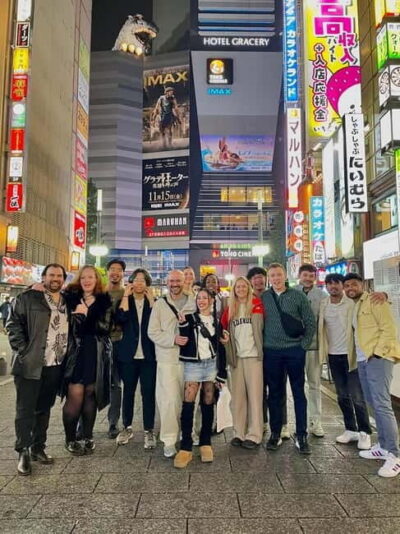 ★ 4.9Shinjuku Local Bar and Izakaya Guided Walking TourFrom $341,794 reviews
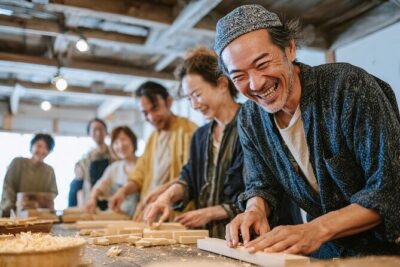 ★ 5.0Tokyo Shinjuku Chopsticks Making ClassFrom $201,763 reviews
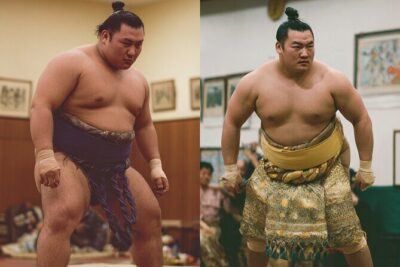 ★ 5.0Tokyo Shinjuku Sumo Show & Experience with PhotoFrom $791,750 reviews
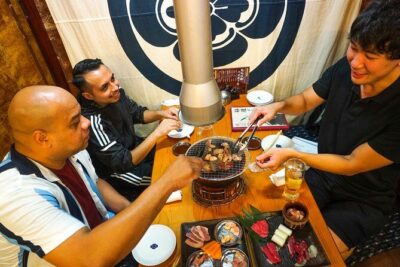 ★ 5.0Tokyo Night Foodie Tour in Shinjuku – Seasonal Sushi, Wagyu BeefFrom $1111,161 reviews
 ★ 4.8Sumo Show and Experience in ShinjukuFrom $691,001 reviews
Browse the lists this tour appears in