
Reviewed · MORNING
Tokyo: Morning Sightseeing Bus Tour
Tokyo in one morning feels possible. This 210-minute deluxe coach tour stitches together Tokyo’s big hits with a professional English guide and a real matcha break in Asakusa. You do cover a lot of ground fast, so it’s not built for long, slow wandering at every stop.
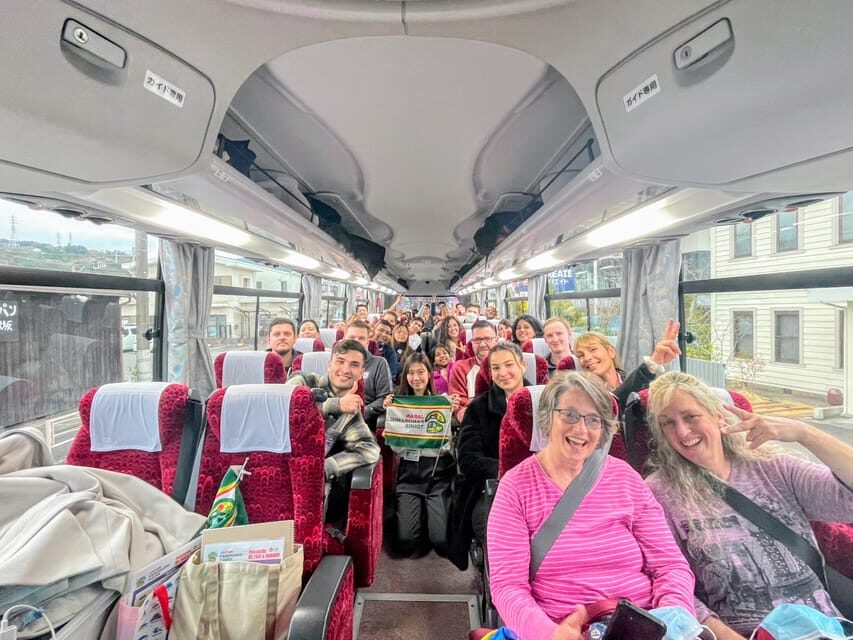
I like that you get both live commentary on the bus and a multilingual audio option in your headset, so you can follow along even when the guide is helping someone with a question. The air-conditioned coach also has free Wi‑Fi and antibacterial coating, which matters when you’re moving through busy neighborhoods early in the day.
One thing to watch: you’ll spend plenty of time sitting on the coach. If you prefer hands-on exploring over photo stops and quick temple moments, plan to use Asakusa after the tour so you can slow down.
In This Review
- Key highlights (what makes this tour worth your morning)
- Why this 3.5-hour morning coach tour works in Tokyo
- Meeting points: finding the LOVE sculpture and getting settled fast
- Coach comfort you’ll actually notice: wifi, ventilation, antibacterial coating
- Meiji Jingu: the forest break that resets your Tokyo senses
- Harajuku and Omotesando: pop culture views without the crowds-stress
- Imperial Palace Outer Garden: photo time with a smart structure
- Akihabara, Ueno, and Kappabashi: a fast sampler of Tokyo’s different styles
- Asakusa and Sensō-ji: the finish line that lets you keep exploring
- The matcha experience in Asakusa: Not Bitter Matcha from Uji
- The itinerary reality: fast beats, with order that can change
- Tour guide and audio: how you get the story, not just the photos
- Included value vs. what you’ll handle on your own
- Price and value: is $90 worth it?
- Who this tour fits best (and who should skip)
- Should you book this Tokyo morning sightseeing bus tour?
- FAQ
- What time does the Tokyo morning sightseeing bus tour start?
- Where does the tour meet if I’m staying in Ginza or Shinjuku?
- Where does the tour end?
- How long is the tour?
- Is there an English-speaking guide?
- Is matcha included?
- What languages are available for the audio guide?
- Is lunch included?
- Is Wi‑Fi available on the bus?
- Can the itinerary order change?
Key highlights (what makes this tour worth your morning)
- Meiji Jingu in a real forest setting: a quiet breath away from the city rush
- Imperial Palace photo stop with garden/bridge choice for the Outer Garden vibe
- Asakusa finish at Sensō-ji so you can keep shopping and sightseeing after
- Uji matcha experience with Not Bitter Matcha Green Tea (Ichibancha from Uji)
- Comfort details that reduce stress: air-conditioning, antibacterial coating, ventilation, free Wi‑Fi
- Guide quality you can ask questions to, with English that’s clear (names like Aoi, Angela, Taka, Levin, and Jack come up often)
Worth weighing up alongside this Tokyo pick:
- Tokyo: Sumo Morning Training Visit★ 4.4 · 370 reviews
- Tokyo: Sumo Morning Practice Tour at Sumida City★ 4.8 · 308 reviews
- Tokyo Sumo Morning Practice Tour at Stable★ 5.0 · 298 reviews
Why this 3.5-hour morning coach tour works in Tokyo
Tokyo is huge. Even the “short” sightseeing plans can feel like a sprint when you’re trying to line up neighborhoods, transit, and timing. This tour is designed for efficiency: you see major landmarks in the morning while a coach handles the moving part.
The format also helps you start Tokyo the smart way. You’re not just checking boxes; you’re learning how different areas connect—shrine life at Meiji Jingu, old Tokyo texture around Asakusa, and a quick taste of modern pop culture zones on the way.
The value is that you get guidance without needing perfect navigation skills. With the live English guide and headset audio available in several languages, you can focus on the sights instead of constantly looking things up on your phone.
Meeting points: finding the LOVE sculpture and getting settled fast
The tour starts in central Tokyo around 8:00am, and the meeting point depends on your booking option. You may start at Shinjuku (Love statue), or you may begin at 4-chōme-1-2 Ginza, Robert Indiana Sculpture: LOVE with pickup from Ginza included.
Either way, arrive a little early. Meeting points can be busy and signage is not always obvious if you’re not used to Tokyo streets. Once you’re on board, the tone is very practical: you’ll get oriented right away and the bus route begins with the city’s major clusters.
If you’re staying near Ginza, the included pickup is a simple win. If you’re already in Shinjuku, the Shinjuku meeting option keeps you from crossing town before the tour starts.
Coach comfort you’ll actually notice: wifi, ventilation, antibacterial coating
This is one of those “small” features that changes how the day feels. The coach is air-conditioned, has free Wi‑Fi, and includes antibacterial coating, plus regular ventilation.
That matters because Tokyo mornings can move from cool to warm quickly, and coach time adds up. Wi‑Fi also helps if you want to map your next steps after the tour ends in Asakusa.
You’ll want to dress for comfort more than for fashion. Wear shoes you can stand in, and keep a light layer handy for shrine areas where the forest air can feel cooler.
Meiji Jingu: the forest break that resets your Tokyo senses
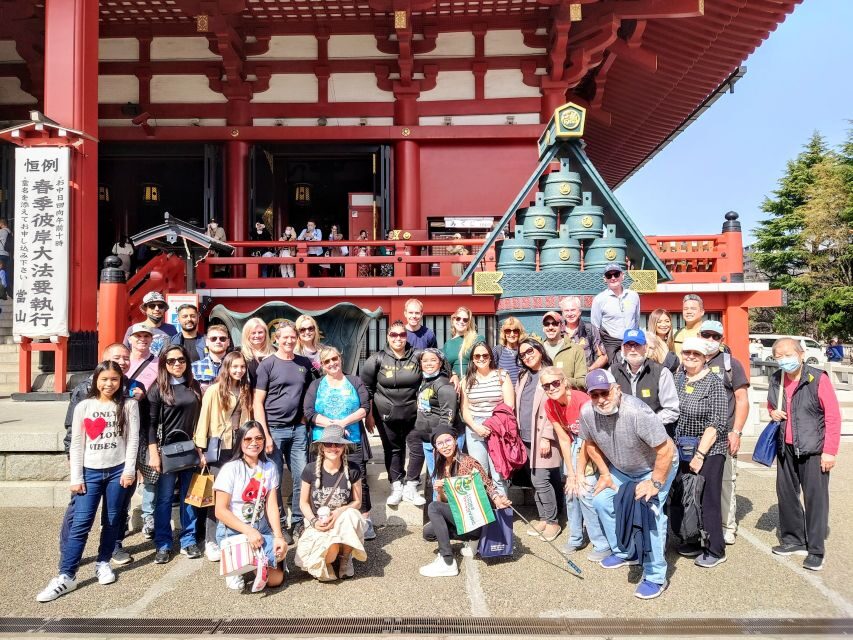
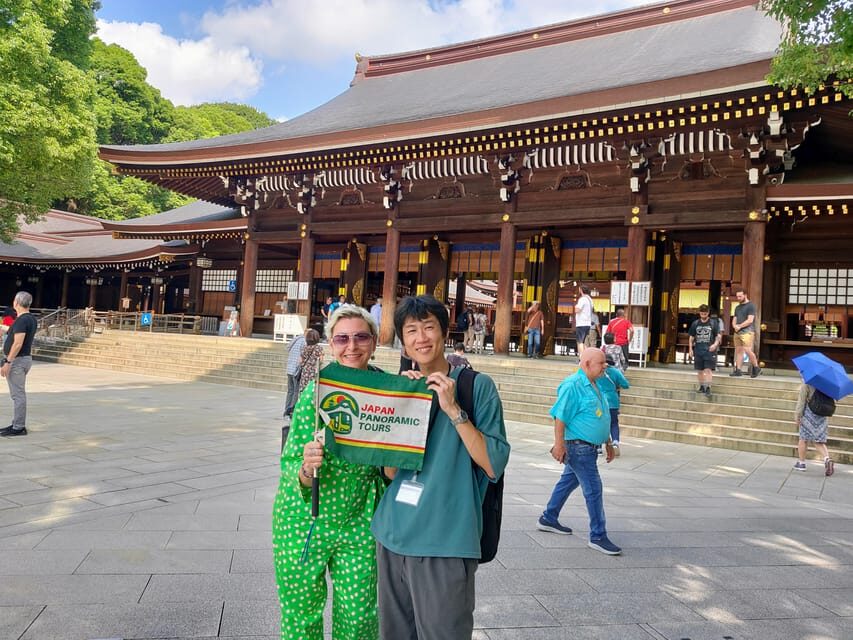
The first major stop is Meiji Jingu Shinto Shrine. This is one of Tokyo’s most important shrines, built in 1921 for Emperor Meiji, and it sits within a thick forest that feels dramatically removed from the city.
What I’d watch for here is the pacing. You’re not rushing through a single photo spot; you’re walking into a place built for calm and ritual. That “shock” effect—Tokyo turning quiet—makes this stop worth the morning jet lag.
You’ll also get guided explanation of how Shinto shrine visiting works. That’s the kind of context that makes what you’re seeing click, even if you’re not deeply familiar with Shinto practices.





Harajuku and Omotesando: pop culture views without the crowds-stress
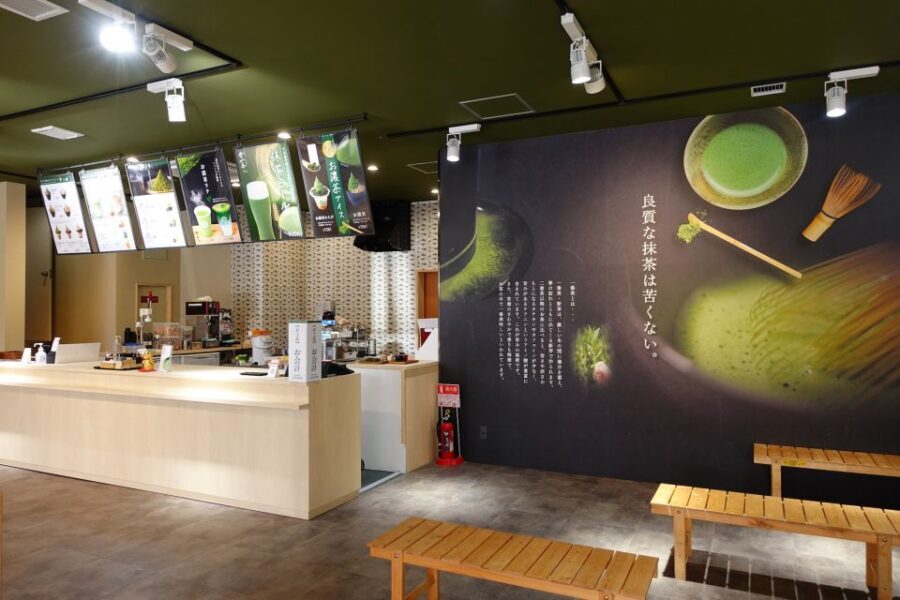
After Meiji Jingu, you’ll ride past areas that scream Tokyo modern—Takeshita Avenue and the shopping stretch toward Omotesando. You’re not required to shop here in the way you would on a pure walking tour.
Instead, think of this as a window into different Tokyo identities. One moment you’re in a shrine forest; next, you’re seeing how Tokyo’s style scene and architecture sit side-by-side with big political and cultural landmarks.
From a visitor perspective, this “pass-by” approach is smart. You get the vibe fast, without needing to fight for space on sidewalks or find last-minute transit connections.
Imperial Palace Outer Garden: photo time with a smart structure
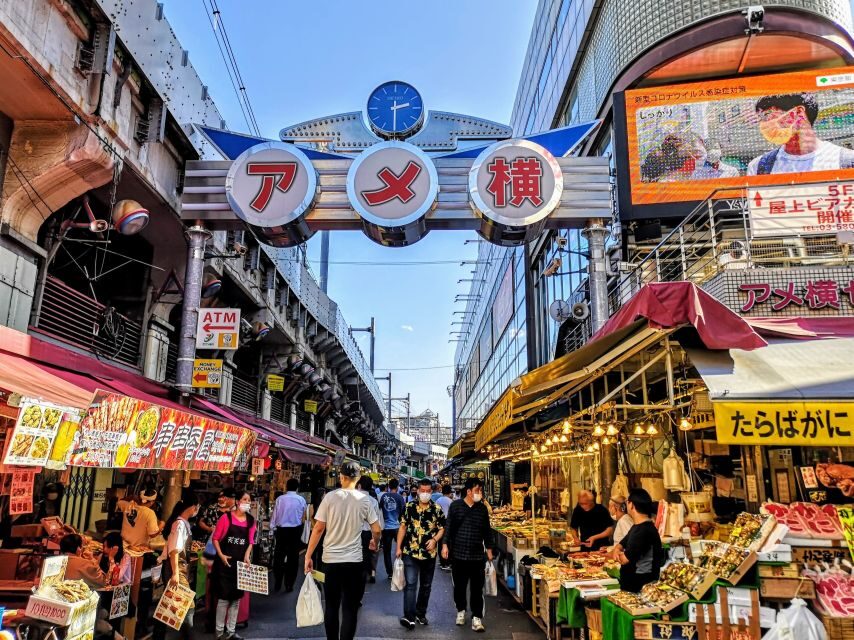
Next comes a Imperial Palace stop for photos. The Imperial Palace is the current residence area of the Imperial family and also the site of Edo Castle, the former stronghold at the heart of historical Tokyo.
Instead of a long guided walk, you’ll visit part of the Outer Garden area. You’ll either go to the East Garden (traditional Japanese gardens) or see Nijūbashi Bridge in the Outer Garden, depending on how things run on the day.
This is one of those stops where you get the best “overview” benefit. The guided framing helps you understand why the grounds matter, and the photo stop format means you won’t feel stuck waiting while others slowly circle.
Plan to take a couple of angles. If you only grab one quick shot, you’ll miss the “symmetry” feel that the area is known for.
Akihabara, Ueno, and Kappabashi: a fast sampler of Tokyo’s different styles
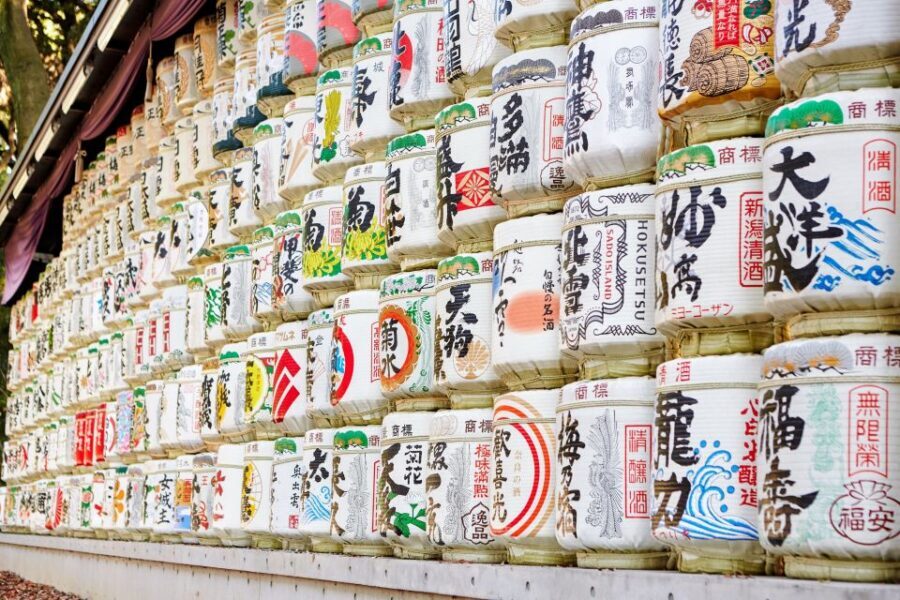
The coach then moves through several neighborhoods that shape Tokyo’s reputation.
You’ll pass Akihabara, widely known for anime and “otaku” culture. You won’t need to be an expert here. Even just seeing the density of storefront energy gives you a sense of how Tokyo brands itself.
You’ll also pass Ueno, which is described as Japan’s oldest park, and then reach Kappabashi market street—a shopping area focused on kitchen items. Think knives, cookware, and very realistic food replicas. It’s the kind of place where your imagination runs ahead of your budget.
The key here is to keep expectations realistic. This portion is mainly a drive-by experience. If you want deep shopping, you’ll likely need a separate stop later. But as a morning sampler, it’s excellent.
Asakusa and Sensō-ji: the finish line that lets you keep exploring
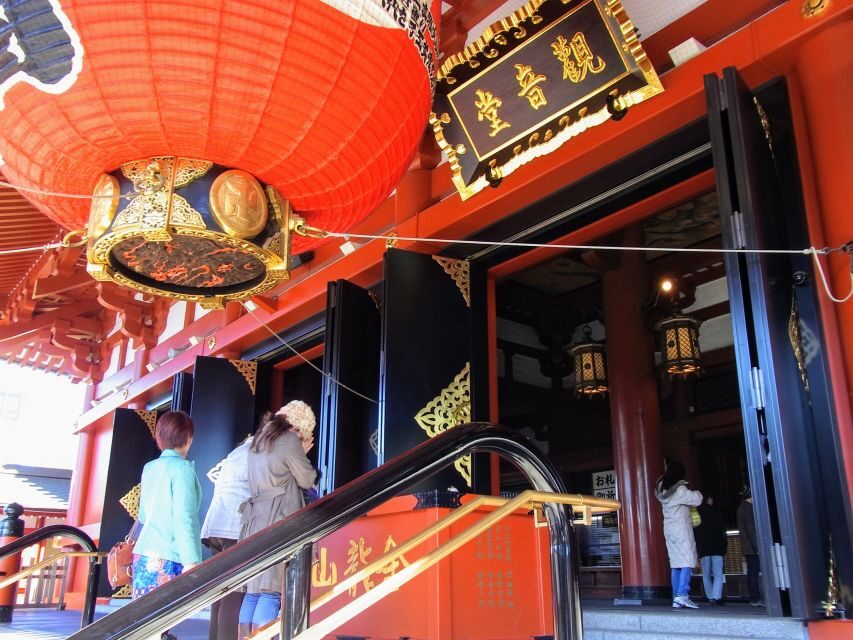
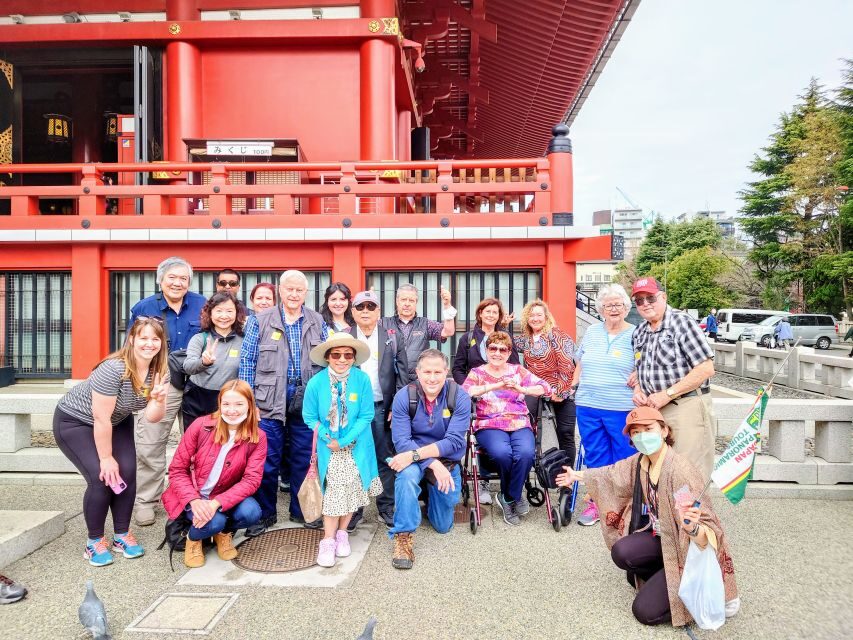
This tour ends in Asakusa at Sensō-ji, which is perfect. When you finish here, you’re not stuck commuting back right away—you can extend the day with shopping and temple exploring at your own pace.
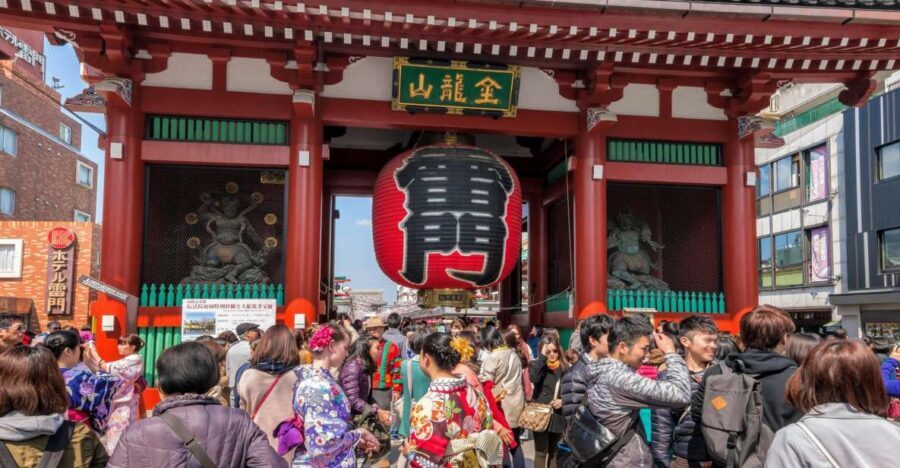
At Asakusa, you’ll have time for the area’s classic sights: the Nakamise avenue shopping street and a chance to photograph Kaminari-mon Gate with its famous red lantern.
If this is your first time in Tokyo, this is where you’ll feel the “old-meets-new” Tokyo most clearly. Sensō-ji is busy, but the surroundings make it easier to understand why people come back again and again.
The matcha experience in Asakusa: Not Bitter Matcha from Uji
Here’s the star of the morning. The tour includes an authentic Uji matcha experience at a historical place in Asakusa.
You’ll try Not Bitter Matcha Green Tea, described as premium matcha made with Ichibancha (first flush) from Uji, Kyoto. That detail matters because it signals a quality focus, not just a tourist syrupy sip.
You also have option variations: sweet matcha gelato or matcha beer may be available instead of the standard tea.
In practical terms, this is a great reset before you finish at Sensō-ji. It breaks up the long coach block, gives you something Tokyo-specific to taste, and it makes the last stretch feel less rushed.
One more note: the matcha shop is expected to be closed on May 14, so the tour will give out matcha souvenirs as an alternative during that period.
The itinerary reality: fast beats, with order that can change
The basic flow is consistent—Meiji Jingu, Imperial Palace photo stop, passing through multiple districts, then finishing in Asakusa—but you should expect minor changes based on traffic, weather, or operational reasons.
That flexibility matters because Tokyo traffic can be unpredictable, and morning timing is sensitive. The tour’s job is to keep you seeing the key highlights even when conditions shift.
Also note that the finish time is your cue to plan your next move. The tour ends at Asakusa, and there’s no extra drop-off service beyond that point.
Tour guide and audio: how you get the story, not just the photos
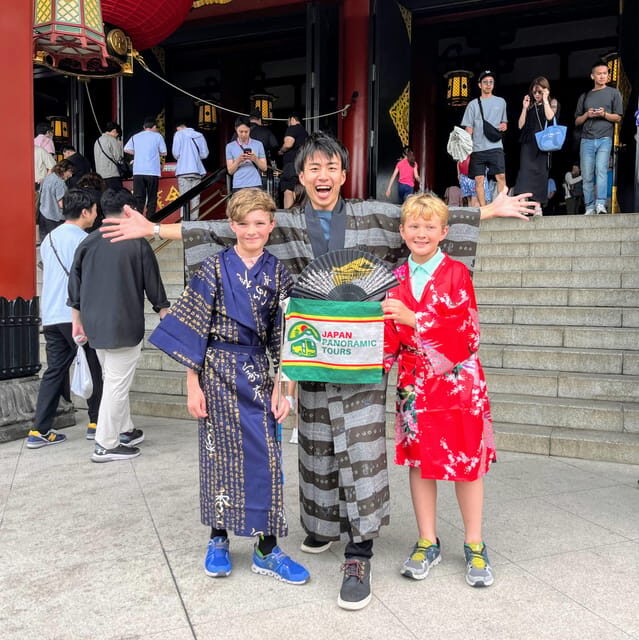
The live English guide is a big reason this tour earns strong marks. Names like Aoi, Angela, Taka, Levin, and Jack show up with consistent praise for clear English and friendly, engaging explanations.
What you should look for on a tour like this: moments when the guide explains what you’re looking at and why it exists. That’s how you get more meaning out of a shrine visit, an Imperial Palace photo stop, and a matcha tasting.
On top of that, you get audio headsets with multilingual support. Headsets are listed for Spanish, French, Italian, German, Portuguese, and Ukrainian, and the tour notes a multilingual audio guide is available across several languages.
This combo is useful if you’re traveling as a mixed-language group or if you want the flexibility to step back and replay a description while you’re taking photos.
Included value vs. what you’ll handle on your own
For the price point, this tour includes:
- A guide
- Air-conditioned coach plus free Wi‑Fi
- Matcha drink or matcha gelato
- Pickup from Ginza
- Audio headset languages listed above
What’s not included is lunch. You’ll finish in Asakusa, so you’re well positioned to grab food afterward. The tour structure also includes time at Asakusa where you can snack, shop, and decide what to eat next.
One more practical tip: bring comfortable shoes. Even though it’s mostly coach time, you’ll still be standing and walking during shrine and shopping street moments.
Price and value: is $90 worth it?
At $90 per person for about 210 minutes, you’re paying for coordination: transport, an English-speaking guide, and organized time at multiple top Tokyo landmarks. You’re also paying for a specific included experience—matcha—rather than just pass-by photos.
If you’d otherwise try to do this route on your own, you’d spend time figuring out how to link Meiji Jingu, the Imperial Palace area, and Asakusa efficiently. Tokyo transit can be straightforward, but it’s slower to stitch together when you’re also trying to hit exact photo spots and walking streets.
This tour is best value if you want:
- a smooth morning overview
- guided context
- an included matcha break
- a convenient finish in Asakusa
If your dream day is mostly unstructured wandering with minimal sitting, then $90 might feel steep for what you’d experience. In that case, consider independent sightseeing in the neighborhoods you care about most.
Who this tour fits best (and who should skip)
This is a strong match for:
- First-timers who want a practical introduction to Tokyo’s major contrasts
- Travelers who appreciate explanations about shrine etiquette and what they’re seeing
- People who want to maximize a limited morning without planning transit
It may not be ideal if:
- You dislike coach time and prefer long neighborhood walks
- You want lots of free time at each stop instead of a guided “see the highlight, then move on” rhythm
If you fall into the middle, you’ll likely enjoy it most if you treat it as the first chapter of your day. Then use the Asakusa finish to slow down.
Should you book this Tokyo morning sightseeing bus tour?
I’d book it if you want an organized Tokyo sampler that includes real cultural context and a matcha experience, and you’re okay with moving quickly from landmark to landmark. Ending in Asakusa is a smart payoff because you get to keep exploring after the tour without extra logistics.
Skip or adjust your expectations if you’re chasing deep, hour-long hangs at each sight. This tour is about getting oriented and seeing the icons early, not about replacing a full day of neighborhood time.
If you want a confident first morning in Tokyo—Meiji Jingu calm, Imperial Palace views, and Sensō-ji at the end—this one is built for exactly that.
FAQ
What time does the Tokyo morning sightseeing bus tour start?
The tour starts at 8:00am from the center of Tokyo (with options depending on your booking).
Where does the tour meet if I’m staying in Ginza or Shinjuku?
Meeting points can vary by option. You might meet at 4-chōme-1-2 Ginza (Robert Indiana Sculpture: LOVE) with pickup included, or at Shinjuku (Love statue).
Where does the tour end?
The tour ends in Asakusa at Sensō-ji. There is no extra drop-off service after the tour ends.
How long is the tour?
The duration is 210 minutes (about 3.5 hours).
Is there an English-speaking guide?
Yes. The tour includes a live English-speaking tour guide.
Is matcha included?
Yes. The tour includes matcha drink or matcha gelato, with an authentic Uji matcha experience described as Not Bitter Matcha Green Tea.
What languages are available for the audio guide?
Audio headsets are available for Spanish, French, Italian, German, Portuguese, and Ukrainian.
Is lunch included?
No. Lunch is not included.
Is Wi‑Fi available on the bus?
Yes. There is free Wi‑Fi service on the bus.
Can the itinerary order change?
Yes. The order can change depending on traffic, weather, or operational reasons.
More Morning in Tokyo
More Tours in Tokyo

More Tour Reviews in Tokyo



Fresh reviews from around Tokyo






Morning, compared.
 ★ 4.4Sumo Morning Training VisitFrom $77370 reviews
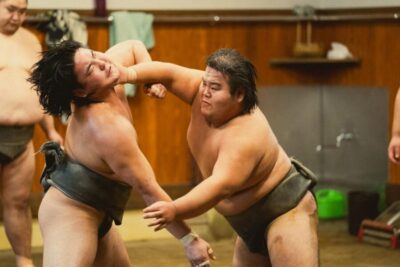 ★ 4.8Sumo Morning Practice Tour at Sumida CityFrom $116308 reviews
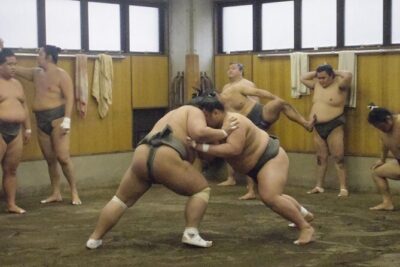 ★ 5.0Tokyo Sumo Morning Practice Tour at StableFrom $83298 reviews
 ★ 4.5Tokyo Ryogoku Sumo Morning Practice + Photo Shoot with WrestlersFrom $98277 reviews
 ★ 4.0Watch Sumo Morning Practice at Stable in TokyoFrom $95268 reviews
 ★ 4.0Half-day Tokyo Morning Tour by Hato BusFrom $41220 reviews
 ★ 4.5Toyosu Market Morning Tuna Auction and Tsukiji Food Tour with Licensed GuideFrom $148146 reviews
 ★ 4.9Sumo Morning Practice with journalists. Not fake showFrom $103121 reviews