
Reviewed · SUMO SHOWS
Tokyo: Sumo Morning Practice with journalists. Not fake show
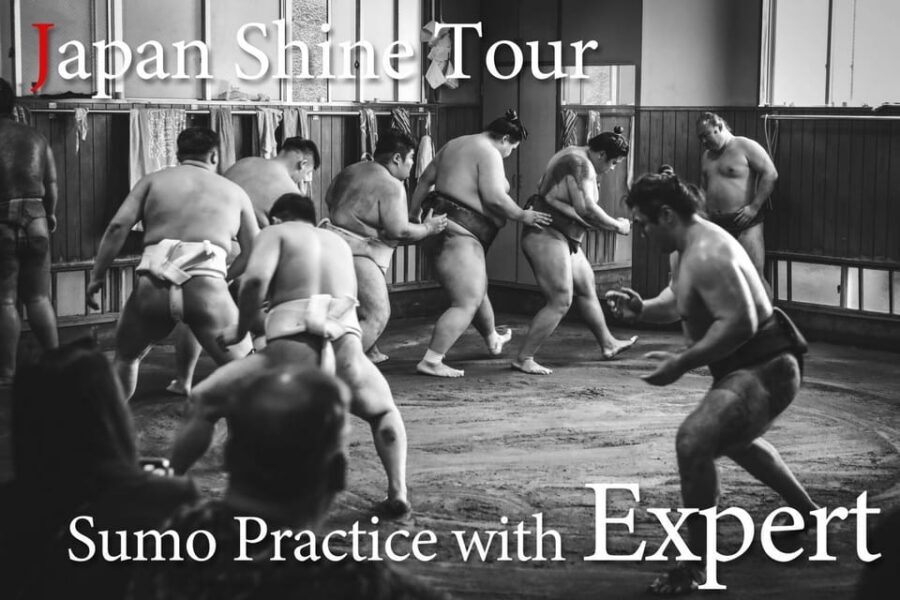
A real sumo morning beats any staged act. This 3-hour Tokyo experience is built around live practice at a real stable, plus explanations from a sumo specialist who is also a national newspaper journalist. You get the kind of access that usually stays off-limits, so you’re not just walking past ropes and buying a souvenir photo.
I love the practical angle: you learn the history and rituals in a way that makes what you see make sense. I also love the Q&A time, because sumo has rules, hierarchy, and manners that are hard to decode on your own. One drawback to consider: you sit on the floor during the practice, and this setup is not comfortable or suitable for many wheelchair users despite the activity being marked wheelchair-accessible.
In This Review
- Key highlights you’ll actually care about
- Why a real sumo morning practice is worth your time
- Getting to Ryogoku: meeting point and timing that matter
- Takasago-beya Sumo Stable: what you’ll see and how the rules work
- Capturing photos without ruining the moment
- Asking questions like a reporter: how the guide changes sumo for you
- Ryōgoku Edo NOREN: turning what you saw into context
- Etiquette and comfort: what to expect when you sit on the floor
- Price at about $103: does it feel fair for Tokyo?
- Who should book this sumo morning practice (and who should skip it)
- Final call: should you book it?
- FAQ
- Meeting point details
- How long is the tour?
- Where does the tour take place?
- Is this a live practice or a staged performance?
- Can I take photos?
- What should I bring?
- What is not allowed during the tour?
- Is the tour wheelchair accessible?
- Are babies allowed?
- Is transportation or meals included?
Key highlights you’ll actually care about
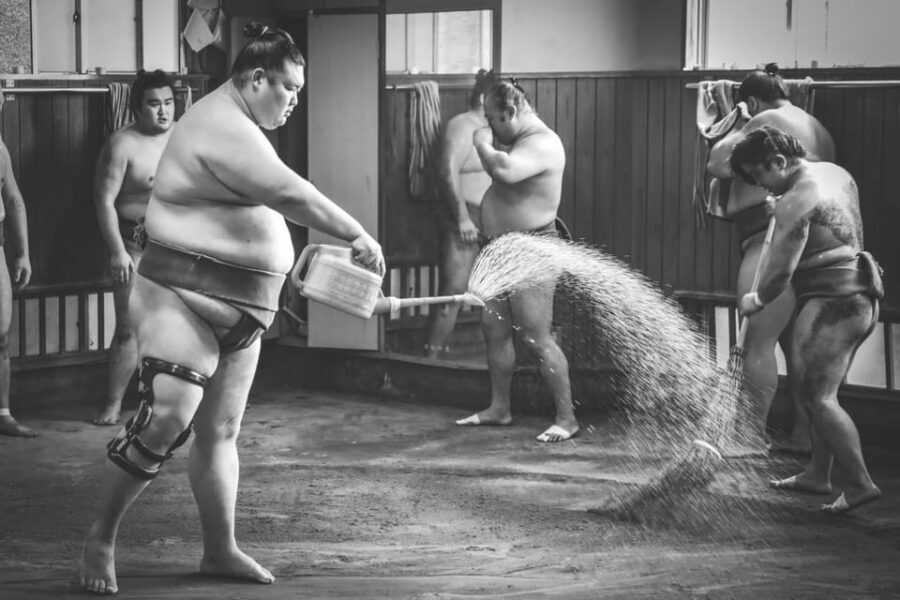
- Takasago-beya morning practice with special stable permission, not a packaged performance
- Journalist-style guidance: history, rituals, and how a day in sumo really works
- Photo time with clear boundaries: you can capture memories, but flash photography is not allowed
- Ryōgoku area context with a guided stop at Ryōgoku Edo NOREN
- A built-in Q&A so you can ask the questions you’ve been saving up since watching on TV
More chances to sit ringside
- Tokyo: Sumo Show and Dining Experience★ 4.8 · 2,742 reviews
- the SUMO show★ 5.0 · 1,960 reviews
- Tokyo Shinjuku Sumo Show & Experience with Photo★ 5.0 · 1,750 reviews
Why a real sumo morning practice is worth your time
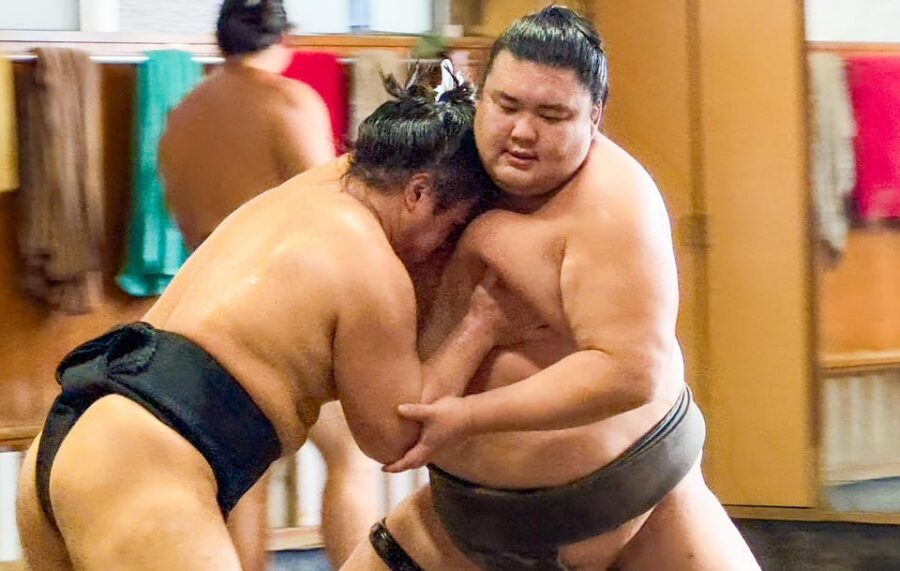
If you’ve watched sumo on TV, you’ve seen the spectacle. What you often don’t see is the grind behind it: the repetition, the spacing, the training rhythm, and the quiet discipline before anything loud happens.
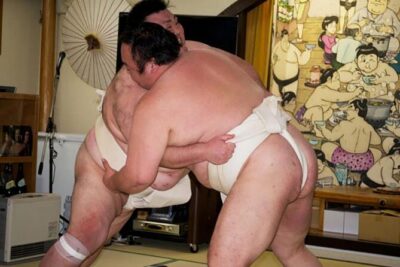
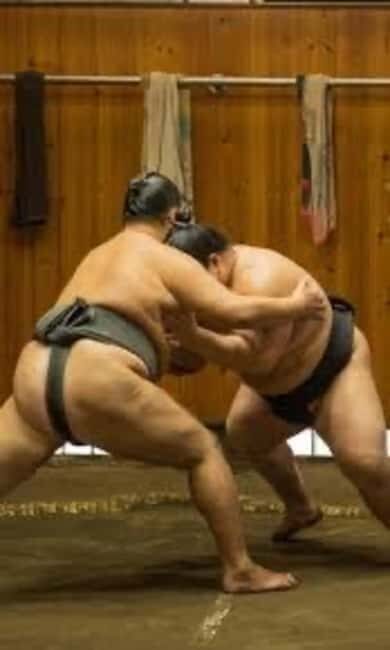
That’s why this kind of tour hits different. You’re getting a live morning practice, not a “look, the wrestler will do a move for you” kind of show. And because you’re inside a stable environment, you can pick up the small cues that broadcast sumo hides, like how routines flow and where attention goes.
The journalist angle matters too. When the guide is coming from national sports reporting, you don’t just get myths and trivia. You get explanations that tie the rituals to real training life, so the whole world of sumo stops feeling like a random set of rules and starts feeling logical.
Getting to Ryogoku: meeting point and timing that matter
You’ll meet at Ryogoku Station (Toei Oedo Line, Exit A2) at ground level. It’s a short walk from the JR Ryogoku east exit, and the operator’s contact message should include the latest meet details.
Arrive early. This experience runs like a morning schedule should: on time, with zero drama. Several people emphasize that the group leaves right on schedule from the meeting point, so don’t treat it like a casual walk-in museum visit.
Dress for what happens next: comfortable clothes. You’ll be sitting on the floor during the practice, so keep it practical. Avoid anything that makes you fidget or pull at your knees every few minutes.
Takasago-beya Sumo Stable: what you’ll see and how the rules work
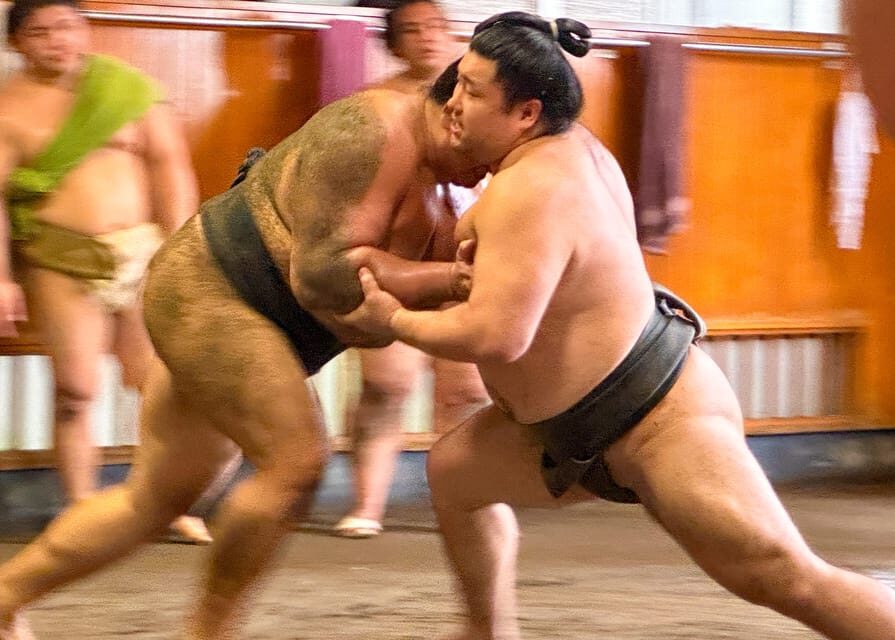
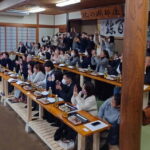
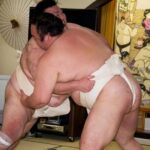
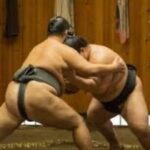
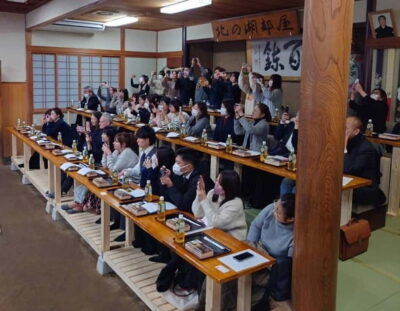
Your main focus is the Takasago-beya Sumo Stable guided visit, which runs about 2 hours. This is the heart of the experience: you watch the wrestlers’ morning practice, then you get access for commemorative photos.
Two details make this stop work so well. First, the guide frames the history and rituals before and during what you’re seeing, so you know what each moment is supposed to mean. Second, you’re not stuck staring blindly. You’re in a guided flow, and you can ask questions when your brain inevitably starts firing.
There are also strict boundaries, and you’ll want to follow them closely:
- No flash photography during the practice
- No food indoors
- No alcohol or drugs
- No shoes indoors (you’ll follow stable instructions onsite)
These rules aren’t just for show. They protect the calm training space. If you treat it like a performance venue, you’ll feel awkward fast. If you treat it like a working morning, you’ll enjoy the respect and attention the whole place carries.
Capturing photos without ruining the moment
You do get photo time, and that’s one of the reasons people book this instead of hunting for tournament tickets. But photo access here comes with etiquette that keeps the focus on the stable.
Plan on using your camera for two phases: the practice viewing and the commemorative photo moment. During practice, flash is not allowed, so adjust your phone or camera settings ahead of time. If your camera relies on automatic flash, test it before you walk in.
Also, think of photos as part of your learning, not a replacement for it. The best pictures come when you’ve already understood what you’re watching. When the guide explains the purpose behind a ritual or training drill, you’ll find yourself photographing different things than you expected.
Worth weighing up alongside this Tokyo pick:

Asking questions like a reporter: how the guide changes sumo for you
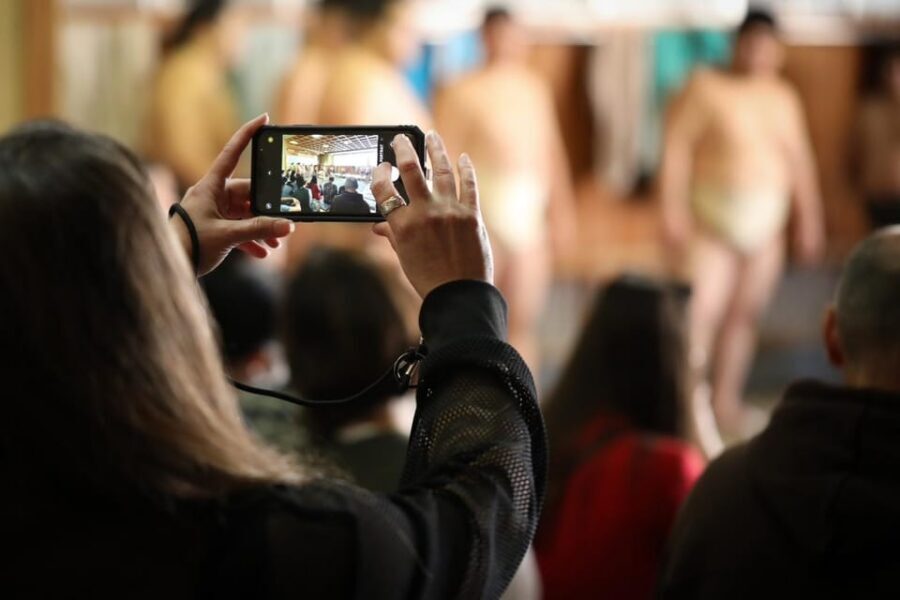
One of the highest-praised parts of this experience is the Q&A. Sumo is packed with odd details if you only know the TV basics: ranks, manners, training culture, and the logic of what happens when.
Here’s where the guide’s background shows. People mention hearing stories from time as a sumo reporter and getting explanations that go beyond the surface. Names that come up include Shinya Setsu (and mentions of guides like Karen and Ray), which fits the overall vibe: you’re getting more than a translation. You’re getting reporting-style context.
Ask about what feels confusing in the moment:
- Why certain rituals happen when they do
- How training routines connect to match performance
- What the hierarchy means for daily life in a stable
- How new wrestlers learn the system
You’ll likely leave with questions you didn’t know to ask at the start. That’s not a bad thing. It means your brain finally has a framework.
Ryōgoku Edo NOREN: turning what you saw into context
After the stable, you head to Ryōgoku Edo NOREN for a guided visit of about 30 minutes. This stop is short, but it helps you connect the dots after seeing the wrestlers train.
Think of it like stepping back for a minute. The stable is about living routine. The Ryōgoku stop is about framing how sumo sits in its broader cultural setting, so the morning you witnessed doesn’t float in your memory as just impressive muscle.
Because this portion is guided, it’s not just wandering through displays. You’re being pointed toward what’s worth noticing and what’s easy to misunderstand. That’s the difference between “I saw things” and “I understood things.”
Etiquette and comfort: what to expect when you sit on the floor
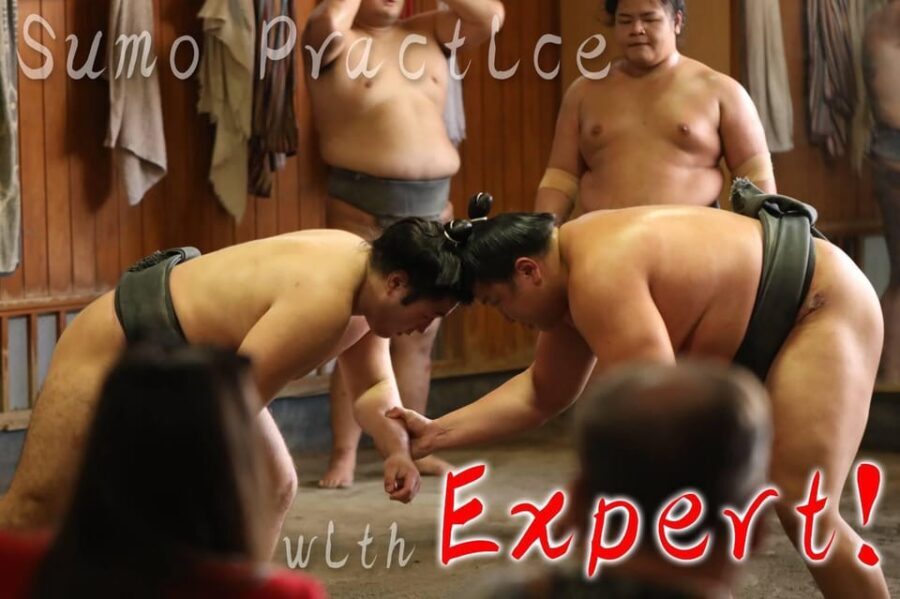
This experience has a traditional training setup, and that affects your body as much as your eyes. You’ll sit on the floor during the practice, so wear comfortable clothes that don’t fight you after 30 minutes.
A few practical notes based on the rules you’re given:
- Flash photography is not allowed
- No shoes indoors
- No food during the stable portion
- No baby carriages
- Electric wheelchairs are listed as not allowed
Also, babies under 1 year old aren’t suitable. If you’re traveling with little ones, plan carefully around timing and comfort.
If you’re sensitive to floor seating or have mobility limits, consider whether a traditional setup will work for you. The guidance specifically notes that the tour is not suitable for wheelchair users due to the traditional arrangement, even though the activity is marked wheelchair-accessible in the general info.
Price at about $103: does it feel fair for Tokyo?
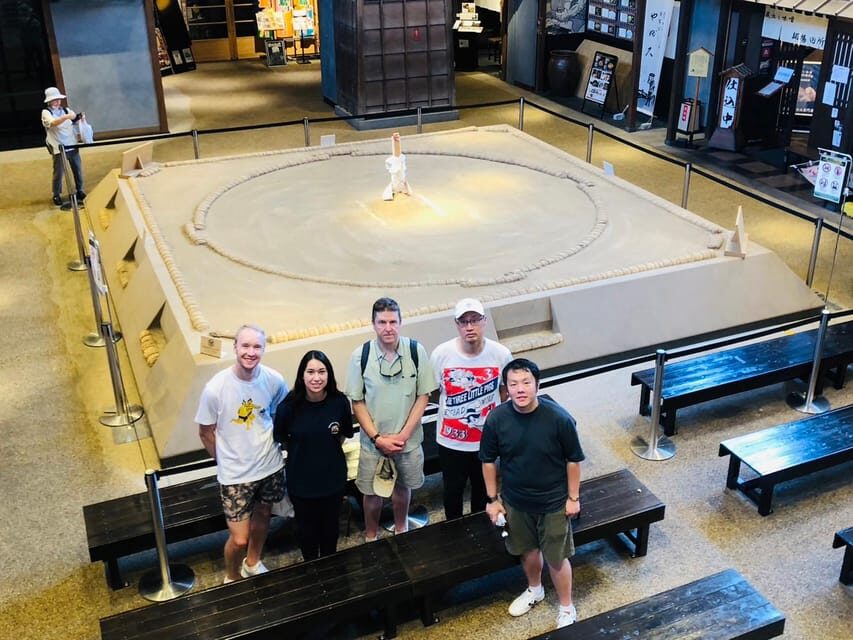
At $103 per person for about 3 hours, this isn’t a budget activity. But the cost is tied to something hard to replicate: special permission from the sumo stable.
That permission isn’t cheap, and it isn’t something you can DIY without connections. This tour also includes a strong teaching component: the stable visit plus the Ryōgoku Edo NOREN guide, and a guide who can answer questions about daily life and rules.
In plain terms, you’re paying for:
- Access to a real stable morning practice
- Guided explanation from a journalist background
- A photo moment
- The time and care that make it feel respectful rather than rushed
If you’re comparing this to tournament tickets, you’ll notice a common reality: tournament seats are tough to get, and this experience can scratch a similar itch by showing you the wrestlers’ real work. You’re not seeing the match day drama, but you are seeing the craft.
Who should book this sumo morning practice (and who should skip it)
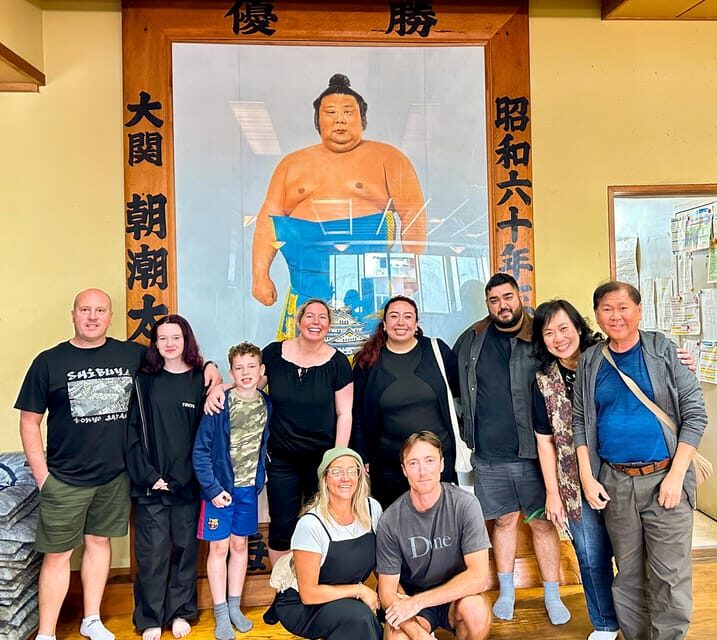
Book it if you want sumo beyond the match highlight reel. This is especially good for people who:
- Love Japan’s traditional culture and want something real, not a staged performance
- Watch sumo on NHK or follow it casually and want deeper meaning
- Want to ask questions and get answers in clear English
- Care about details like rituals, hierarchy, and daily stable life
Consider skipping if:
- You need a wheelchair-friendly setup (the tour notes say it’s not suitable for wheelchair users due to the traditional setup)
- You hate floor seating or long quiet observation
- You’re expecting a hands-on experience where you can move around freely (this is an observation and learning format)
If you’re coming to Tokyo with limited time, the upside is the focus. This tour is short, structured, and centered on one core thing: watching practice in a real stable environment.
Final call: should you book it?
I’d book this if you want a sumo experience with real access and real context. The combination of live morning practice, stable permission, and a guide who can explain rituals and daily life is what makes it feel worth the money.
I’d hesitate only if floor seating is a deal-breaker for you or you’re traveling with constraints that clash with the stable rules. If you can meet those basics, you’ll likely come away with a better understanding of why sumo looks the way it does, not just that it looks impressive.
FAQ
Meeting point details
You’ll meet at Ryogoku Station on the Toei Oedo Line (E12), Exit A2 at ground level. It’s a 5-minute walk from the east exit of JR Ryogoku Station, and the operator will send details before your tour date.
How long is the tour?
The tour duration is listed as 3 hours.
Where does the tour take place?
The experience is in Tokyo’s Honshu region area around Ryogoku, including a visit to Takasago-beya Sumo Stable and a guided stop at Ryōgoku Edo NOREN.
Is this a live practice or a staged performance?
It includes live sumo morning practice viewing with special permission from the sumo stable, not a tourist show.
Can I take photos?
Yes. You’ll have live practice viewing and commemorative photos. Flash photography is not allowed during the practice.
What should I bring?
Bring a camera and wear comfortable clothes, since you’ll be sitting on the floor during the practice.
What is not allowed during the tour?
Food and flash photography are not allowed. Alcohol and drugs are not allowed. You also need to follow stable rules such as shoes indoors not being allowed, and baby carriages/electric wheelchairs and fireworks are listed as not allowed.
Is the tour wheelchair accessible?
The activity info says wheelchair accessible, but the important information also states the tour is not suitable for wheelchair users due to the traditional setup of the sumo stable.
Are babies allowed?
It’s not suitable for babies under 1 year old.
Is transportation or meals included?
Meals and drinks are not included. Transportation to/from the sumo stable is also not included.
A Night at a Tokyo Show

More Tour Reviews in Tokyo





More Mornings with the Wrestlers
Fresh reviews from around Tokyo






Sumo Shows, compared.
 ★ 4.8Sumo Show Experience with Chicken Hot Pot and a PhotoFrom $1036,678 reviews
 ★ 4.8Sumo Show and Dining ExperienceFrom $792,742 reviews
 ★ 5.0the SUMO showFrom $891,960 reviews
 ★ 5.0Tokyo Shinjuku Sumo Show & Experience with PhotoFrom $791,750 reviews
 ★ 4.8Sumo Show and Experience in ShinjukuFrom $691,001 reviews
 ★ 5.0Authentic Sumo Experience in Tokyo: Enter the SanctuaryFrom $171603 reviews
 ★ 4.8Tokyo Sumo Experience: Chanko & Mochi with a Former ProFrom $103567 reviews
 ★ 5.0Ultimate Sumo Tournament: Tokyo, Osaka, Nagoya, FukuokaFrom $184468 reviews
Browse the lists this tour appears in