
Reviewed · GUIDED
Tokyo: Customized Private Tour with a Local Guide
Tokyo moves fast, but this tour moves with you. A private, custom day with an English-Japanese guide is one of the easiest ways to turn a short stay into real Tokyo time. I love that you can steer the schedule toward what you actually care about (anime, food, shopping, goth/metal nights, even the red-light district) and still get major sights. I also love that you’ll get help reading the city day-to-day, including small practical tips that make later independent travel smoother, plus bilingual interpretation.
One thing to think about: meals, entrance fees, and getting around on your own transport aren’t included, so your day can cost a bit more depending on what you pick. Also, this isn’t a fit if you’re traveling with kids under 10 or you need wheelchair-friendly access.
In This Review
- Key Things to Know Before You Go
- How the Custom Plan Works From 4 to 8 Hours
- Shinjuku After Dark Energy: Kabukicho, Black-Market History, and Golden Gai
- Akihabara and Retro Gaming Shops for Console Nerds
- Omotesando and Harajuku: Fashion, Architecture, and Quiet Cafe Stops
- Meiji Jingu and Shrine Time: Ritual, Walking, and Learning
- Asakusa Sensoji and Nakamise-Dori: Old Tokyo Without the Rush
- Yanaka Ginza: A Slower Side Street Tokyo Day
- What You Really Pay for: $85 per Person and the Value Math
- Pickup, Timing, and Walking Reality for a 4–8 Hour Day
- Who This Tour Fits Best (and Who Might Skip It)
- Practical Tips to Get the Most Out of Your Custom Tokyo Day
- Should You Book This Tokyo Private Custom Tour?
- FAQ
- How long is the Tokyo private tour?
- What languages does the guide speak?
- Is hotel or station pickup included?
- Are meals included in the price?
- Are entrance fees and transportation included?
- Is this tour suitable for children and mobility needs?
Key Things to Know Before You Go
- True customization in real time: your interests shape the day, not a fixed script
- Bilingual English-Japanese guide: easier conversations, better directions, fewer awkward moments
- Shinjuku + old-market style Tokyo: Kabukicho energy, Golden Gai bars, and postwar black-market history
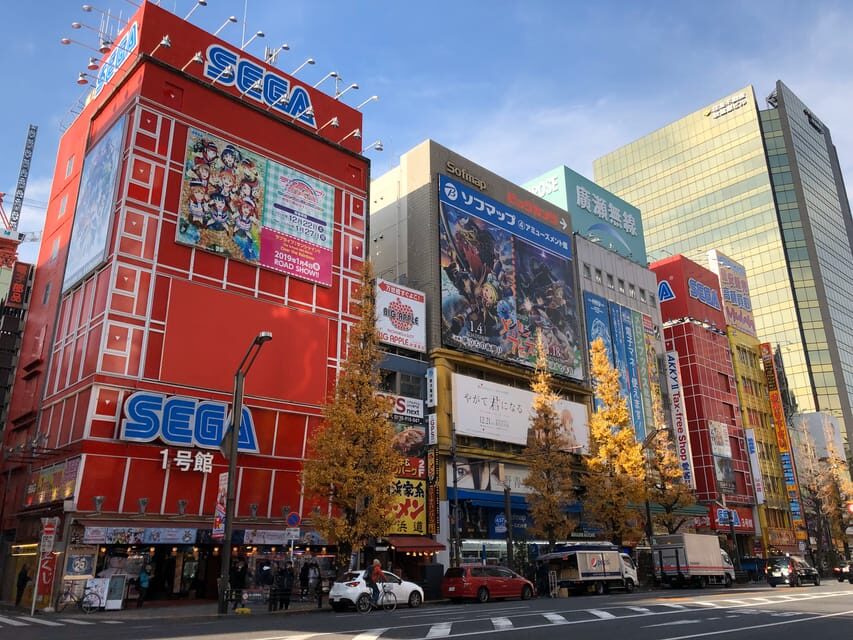
- Arcades and retro gaming stops: vintage-console shops and game-store wandering that actually makes sense
- Old-town Tokyo contrast: Meiji Jingu rituals, Sensoji at Asakusa, and Yanaka Ginza street time
More days made easy by a guide
- Tokyo 6hr Private Tour with Government-Licensed Guide★ 5.0 · 3,902 reviews
- Tokyo: Shinjuku Local Bar and Izakaya Guided Walking Tour★ 4.9 · 1,794 reviews
- Tokyo: Private City Highlights Tour with Local Guide★ 4.8 · 1,433 reviews
How the Custom Plan Works From 4 to 8 Hours
The biggest value here is that you’re not locked into a checklist. Your guide builds your day around your interests and the time you choose (4, 6, or 8 hours). That means you can go heavier on neighborhoods like Shinjuku or Asakusa, or you can spend more time on shopping, photography, or pop-culture stops.
If you’re the kind of traveler who hates “rush-through tourism,” this format helps. You’ll still see major landmarks like Meiji Jingu and Sensoji Temple, but you get to choose what gets extra time and what gets a quick look. Guides you might meet include professionals like Claire, Lilian/Lili/Lilly, or Vivian, based on what’s been reported—so you’re likely to get a confident local who can explain both culture and logistics.
The pace is also adjustable. If your group wants more walking, it can happen. If you want more stops with food breaks, you can usually shape that too—just remember you’ll still want comfortable shoes.
Shinjuku After Dark Energy: Kabukicho, Black-Market History, and Golden Gai
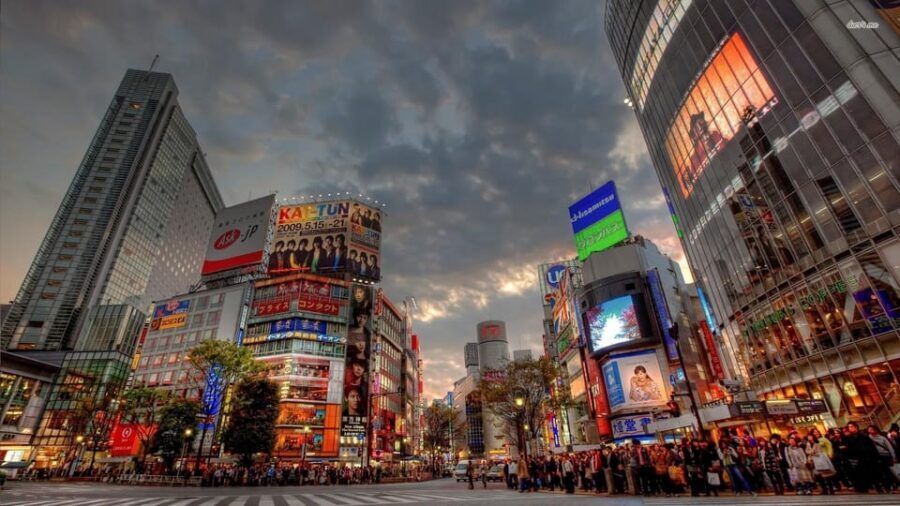
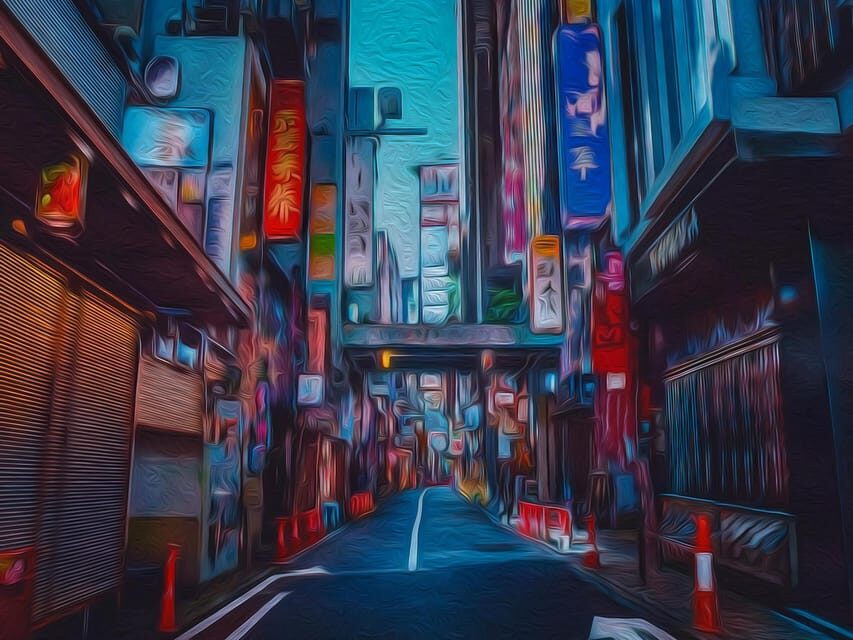
Shinjuku is where Tokyo can feel like two cities at once: big neon streets outside, and smaller stories hidden a few steps away. A good Shinjuku day usually starts with context—how postwar Tokyo neighborhood life changed—and then turns into walking through the areas where people still socialize in very local ways.
This tour can include the kind of stops people don’t find by accident, like past-and-present black markets and the maze-like alleyways near Kabukicho. One area that often comes up is Golden Gai, with tiny bars packed into narrow lanes. Even if you don’t stay for a drink, just understanding what you’re looking at makes the neighborhood feel less confusing.
Practical tip: plan for sensory overload. Shinjuku streets can be loud and crowded depending on the hour, so the private guide matters here. You’ll be able to move as a small group, cross at the right times, and get the why behind what you’re seeing instead of just taking photos.
Akihabara and Retro Gaming Shops for Console Nerds
If you like anime, games, or the backstory of Japanese pop culture, the Akihabara + retro gaming portion can be a highlight. This is not only about big-name attractions. The value is in the small shops—vintage-console hunting, quirky game-store finds, and pop-culture museums (when included in your routing).
You’ll get direction that makes a difference. Instead of wandering randomly, your guide can steer you toward the types of stores that match your interests: older systems, specific franchises, or collector vibes. If you want a more budget-friendly shopping plan, the guide can also help you decide what’s worth carrying home.
Even if you’re not a hardcore gamer, the arcade culture here is easy to enjoy. You’ll also get better context for why Tokyo’s “pop” scene is so deeply tied to daily life, not just weekend fun.
Omotesando and Harajuku: Fashion, Architecture, and Quiet Cafe Stops
Omotesando and Harajuku are famous for a reason, but a private custom plan helps you experience them with less stress. You can expect a mix of avant-garde fashion and architecture, plus chances to pause for coffee or small cafes tucked into side streets.
This is one of the easiest parts of Tokyo to turn into a fun “photo + walk + snack” block. If you’re traveling with someone who loves street style, this is where you can slow down and actually look at details. The guide can also point out what you’re seeing in plain terms—what’s “just style” versus what’s connected to specific subcultures.
One heads-up: Harajuku can get busy fast. Going at the right time (based on your schedule) and getting help with pacing makes the difference between an enjoyable stroll and a stop-and-go headache.
More private options with your own guide


Meiji Jingu and Shrine Time: Ritual, Walking, and Learning
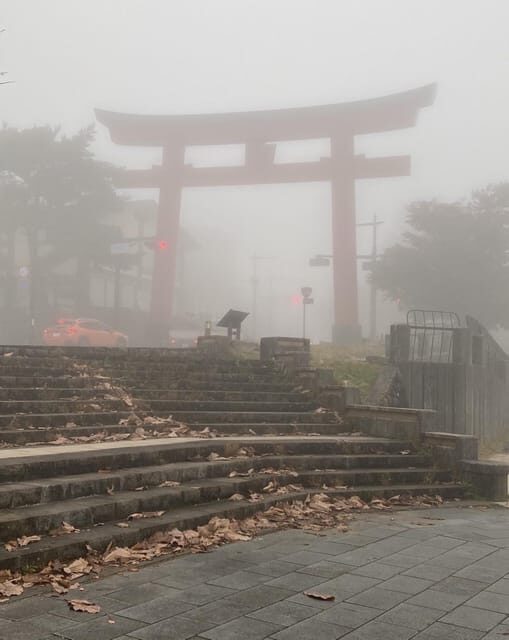
Meiji Jingu is one of those stops that feels calm even while Tokyo stays right outside the gates. Your guide can help you understand the rhythm of shrine visits—what to do, what to notice, and what the symbols mean in everyday language.
In some routes, you might include a short walking segment that visitors describe as a hike to a royal shrine area, with historical context woven in. That kind of “learn while walking” time is a big part of why a guide is worth it here. You’re not just passing through a beautiful place; you’re getting the story so the place sticks.
Practical tip: this is a great moment to recharge your phone battery and hydrate. Wear sunscreen and keep water handy. Shrines can mean long walks on uneven ground, so comfortable shoes matter more than you think.
Asakusa Sensoji and Nakamise-Dori: Old Tokyo Without the Rush
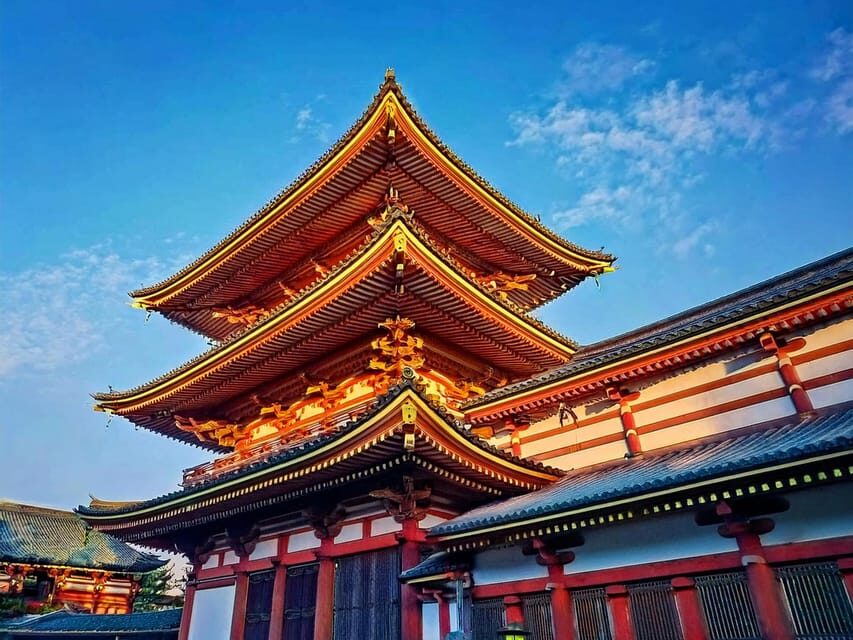
Asakusa is classic for a reason. Sensoji Temple gives you that old-town Tokyo feeling—stone, incense, and centuries-old patterns of visiting. A private guide helps you experience it as a neighborhood, not a single postcard.
You can expect time around Sensoji Temple and Nakamise-dori, plus opportunities to visit lesser-known local shrines nearby. That extra context matters, because the area isn’t only about souvenirs. It’s also about the way people move through Tokyo when they’re doing something traditional.
If you’re the type who likes food, this portion is also a smart place to sample snacks—just know meals aren’t included, so plan to buy what you want on your own.
Yanaka Ginza: A Slower Side Street Tokyo Day
Yanaka Ginza is the antidote to “Tokyo sprinting.” This is where you get retro streets, independent galleries, and a more relaxed pace. It’s a strong choice if you want a neighborhood feel: punk fashion corners, small shops, and a different kind of Tokyo personality than the big districts.
A big advantage of spending time here with a guide is that you’re less likely to miss what matters. You’ll know what to look for, and you can get suggestions for where to stop for a drink, a snack, or a quick photo break without turning it into a tourist chase.
This part of the day is also great for travelers who want something less crowded. You’ll spend time in a more human scale part of the city.
What You Really Pay for: $85 per Person and the Value Math
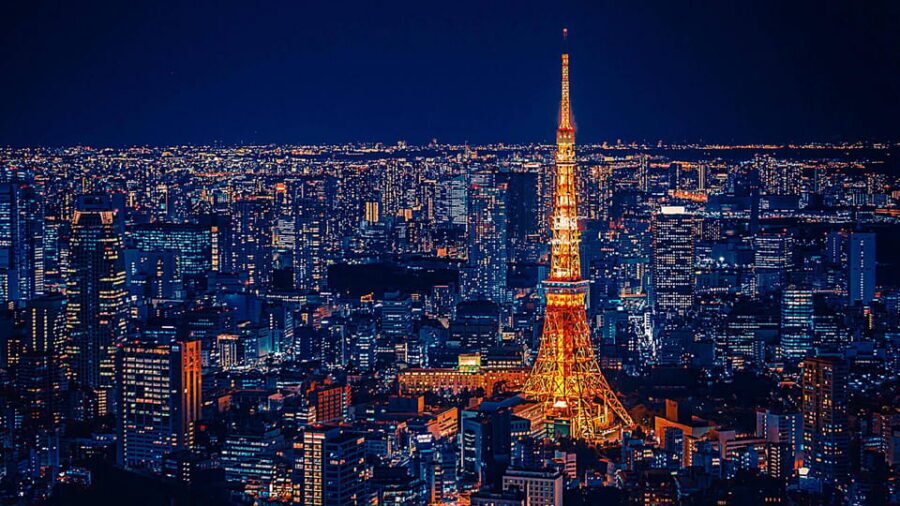
At about $85 per person for a private tour lasting 4 to 8 hours, the value depends on how you travel.
Here’s where it pays off:
- You’re paying for a local guide who can communicate in English and Japanese, which can save time and stress.
- You’re paying for custom planning, so your money goes toward what you’ll actually enjoy (arcades, shrines, old neighborhoods, nightlife, food).
- You’re paying for guidance on practical things like how the train system works and tips for shopping and dining, which helps after the tour.
Here’s the tradeoff:
- Transportation isn’t included, and meals and entrance fees aren’t included either. If you pile in multiple ticketed sites or lots of paid activities, the total day cost rises.
My practical take: this tour is a strong buy if you’re trying to orient yourself quickly or you want “Tokyo with direction.” If you’re already comfortable building your own route and you only want the most famous sights, you might choose self-guided routes. But if you want the city to make sense fast, a guided custom plan is often the most efficient option.
Pickup, Timing, and Walking Reality for a 4–8 Hour Day
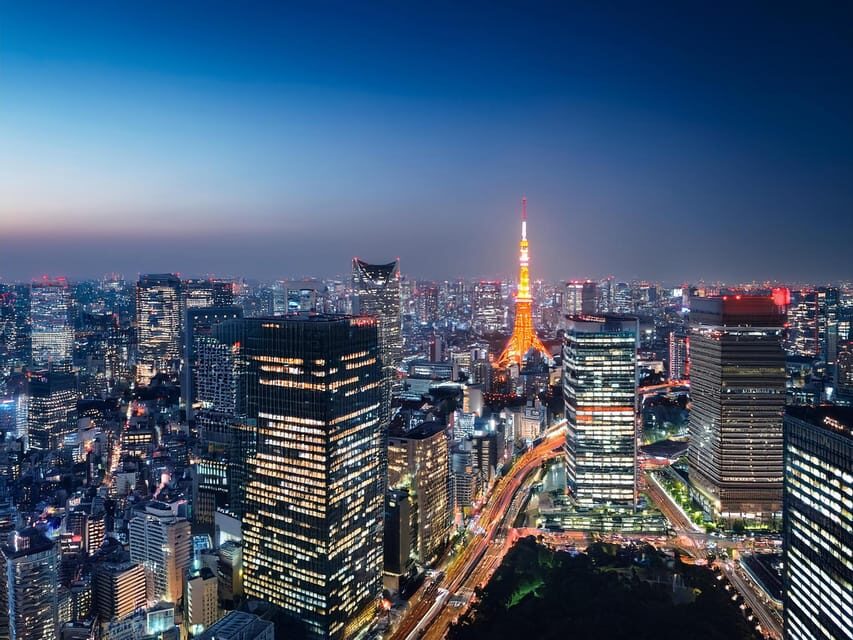
Pickup is included, and the guide can meet you at any hotel or station—so you’re not wasting your morning with meeting-point guesswork. Because the tour is private, you also have control over how the day starts and how quickly you move.
Just be realistic about walking. This is a city built for steps. You’ll want comfortable walking shoes, water, and a charged smartphone for navigation and photos. Bring sunscreen, because sun + long walks in Tokyo are a common pairing.
Also remember the rules:
- No smoking
- No flash photography
- No littering
Who This Tour Fits Best (and Who Might Skip It)
This is a great fit if you:
- Want to see Tokyo’s main highlights plus quieter neighborhoods in one day
- Like pop culture stops such as retro gaming and arcade culture
- Care about nightlife or specific scenes (like goth/metal vibe areas) and want guidance on what’s appropriate
- Need a quick orientation and practical help for later independent travel
It’s not suitable if you:
- Have mobility impairments or need wheelchair-friendly access
- Are traveling with children under 10
Practical Tips to Get the Most Out of Your Custom Tokyo Day
Before you go, think of your “top 3.” If you only have a few hours, your guide can’t read your mind (even with the best intentions). Pick what matters most, then add one flexible theme.
Helpful things to decide ahead of time:
- Are you more into shrines and neighborhoods, or more into pop culture and shopping?
- Do you want nightlife energy or quieter streets for photos?
- Any dietary needs? (You can ask, and your guide can shape food choices accordingly.)
During the tour, ask for simple guidance that saves you time later:
- Where to eat nearby after you leave
- What areas are best for shopping based on your interests
- How the train system fits into your next day’s plan
Should You Book This Tokyo Private Custom Tour?
If you’re visiting Tokyo for the first time, have limited time, or you want your day to match your personal interests instead of a fixed itinerary, this is an easy yes. The biggest payoff is the combination of custom planning, bilingual guide support, and the chance to mix major sights like Meiji Jingu and Sensoji Temple with neighborhoods like Yanaka Ginza and district time such as Shinjuku and Akihabara.
I’d especially book it if you want to understand Tokyo’s “why,” not just collect photos. You’ll come away with a clearer map of the city in your head—and practical tips you can use when you head out on your own.
FAQ
How long is the Tokyo private tour?
It runs for 4, 6, or 8 hours, depending on what you choose and what time is available.
What languages does the guide speak?
The tour includes a bilingual guide who speaks English and Japanese.
Is hotel or station pickup included?
Yes. The guide can meet you at any hotel or station if you let them know in advance.
Are meals included in the price?
No. Meals and beverages are not included.
Are entrance fees and transportation included?
No. Transportation expenses and entrance fees to attractions are not included, and you should also cover the guide’s admission fees if applicable.
Is this tour suitable for children and mobility needs?
No. It’s not suitable for children under 10, and it isn’t suitable for people with mobility impairments or wheelchair users.
Easier with a Guide

More Tours in Tokyo




More Tour Reviews in Tokyo




Fresh reviews from around Tokyo






Guided, compared.
 ★ 5.0Tokyo 6hr Private Tour with Government-Licensed GuideFrom $1553,902 reviews
 ★ 4.9Shinjuku Local Bar and Izakaya Guided Walking TourFrom $341,794 reviews
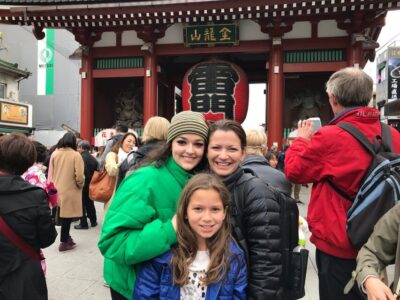 ★ 4.8Private City Highlights Tour with Local GuideFrom $1061,433 reviews
 ★ 4.9Tsukiji Fish Market Guided Walking TourFrom $221,397 reviews
 ★ 5.0Tokyo 4hr Private Tour with Government-Licensed GuideFrom $1091,394 reviews
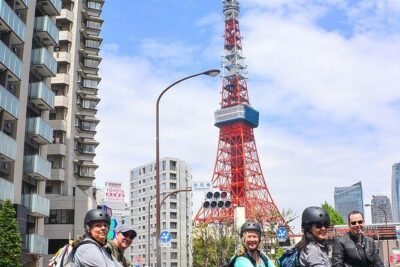 ★ 5.0Tokyo Guided Small-Group Biking TourFrom $1061,250 reviews
 ★ 4.6Samurai Ninja Museum Guided tour and ExperienceFrom $271,010 reviews
 ★ 5.0Tsukiji Fish Market Guided Tour and Sushi Making with Pro ChefFrom $104775 reviews