
Reviewed · SHOW
Tokyo: Authentic Japanese Dance Show ticket by professionals
A single hour can teach a lot. I love the close-up feeling of watching professionals—your view catches facial expressions and hand detail. I also like the award-winning quality of the dancers and the cultural context shared in English between parts of the program. One thing to consider: photos are not allowed during the performance, so if you want to document every moment, plan to rely on memory during the show.
This is Japanese dance as a living art, not a rushed spectacle. With top performers and carefully designed staging in Shinjuku, you get a front-row sense of control—breath, timing, and the story carried through movement. You’ll especially notice the kimonos: their colors, patterns, and decorations are part of the visual language, not just wardrobe.
Photography rules matter here. You can still take pictures at the end during the designated photo time, so you’re not totally photo-free—you just can’t shoot while the dance is happening. The show’s language focus is Japanese, but there’s English help between performances, which makes it easier to follow along.
In This Review
- Key Things You’ll Notice in This Shinjuku Dance Show
- Shinjuku Location: Easy Access, Big Cultural Payoff
- What 400 Years of Japanese Dance Really Means on Stage
- Award-Winning Pros and the Craft Behind the Kimono
- Between-Scenes English: How You Follow the Meaning
- No-Photo Rule During the Dance (and Why It Helps)
- What the Evening Feels Like: From Arrival to End Photo Time
- Price and Value: Is $54 a Fair Deal?
- Practical Tips: Seating, Timing, and Getting Food Right
- Who This Show Is Best For
- Should You Book This Japanese Dance Show?
- FAQ
- Where is the show located?
- How much does the ticket cost?
- What is included with the ticket?
- Is food and beverage included?
- Is hotel pickup provided?
- Can I take photos during the performance?
- Is there any time to take pictures?
- What languages are used?
- Is childcare available?
- What is the cancellation policy?
Key Things You’ll Notice in This Shinjuku Dance Show
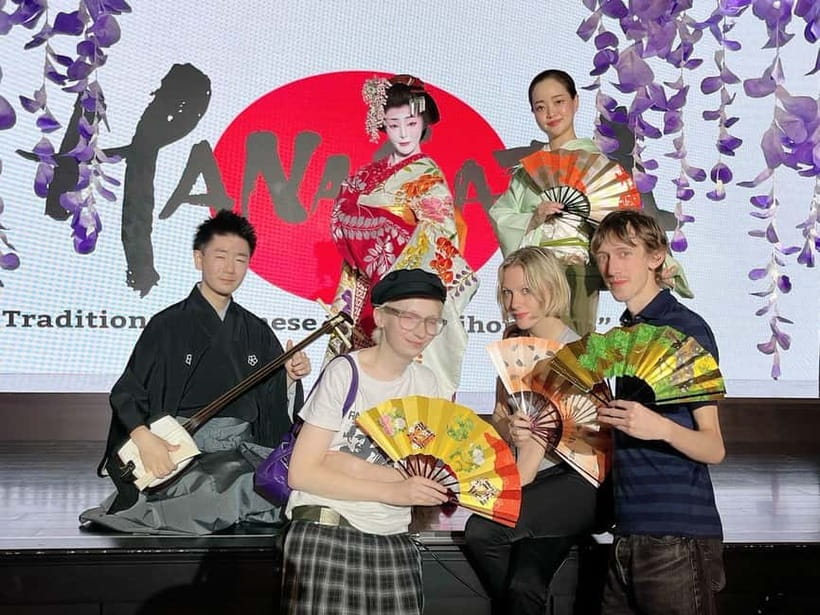
- Close-up viewing that lets you see facial expressions and the pace of each movement
- Award-level dancers with competition experience behind their technique
- Kimonos as storytelling where color and design add meaning to the choreography
- English explanations between scenes to help you understand what you’re watching
- Photo time after the show (no photography during the performance)
Worth weighing up alongside this Tokyo pick:
- Tokyo: teamLab Planets TOKYO Digital Art Museum Entry Ticket★ 4.6 · 9,779 reviews
- Tokyo: Japanese Dance Cabaret Theater Asakusa-Kaguwa Ticket★ 4.8 · 2,270 reviews
- Tokyo Skytree Admission Ticket with Tembo Deck and Galleria★ 4.0 · 589 reviews
Shinjuku Location: Easy Access, Big Cultural Payoff
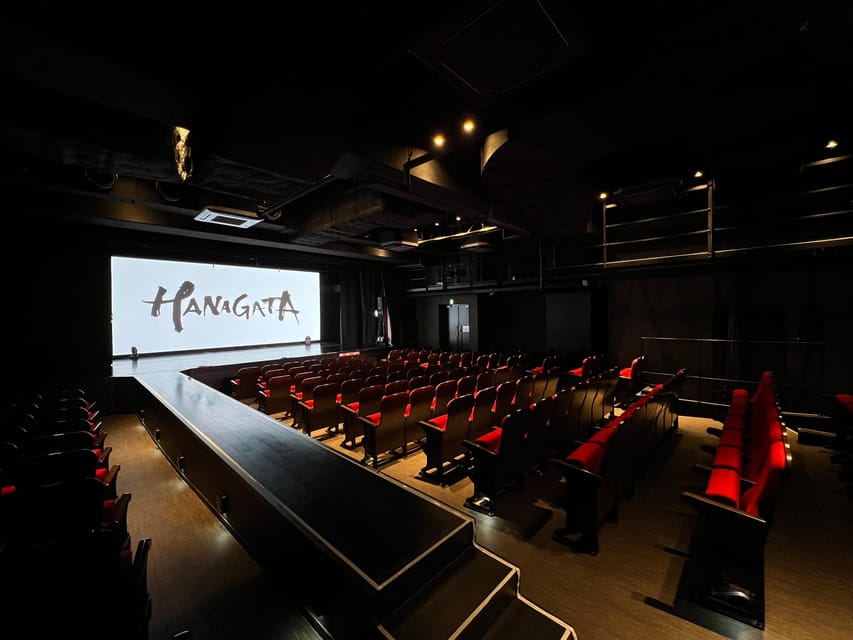
The show takes place in Shinjuku on Honshu, which is useful because you’re already in the thick of Tokyo sightseeing. You don’t need a long detour to reach a dedicated traditional venue. That convenience matters: it makes it easier to fit into a day that also includes trains, neighborhoods, and meals.
In practical terms, you’re in a part of Tokyo where you can plan smoothly. If you’re staying in Shinjuku or nearby areas, you can treat this like a confident “anchor activity” rather than a hard-to-reach bonus. The venue is close enough that you’re not forced to rush through transport stress.
I also like the human scale of the setting described here. Because the show emphasizes your proximity to the performers, it doesn’t feel like you’re watching from the far edges of a giant theater. You’re meant to pay attention to subtle details—how the dancers hold their posture and how quickly their expressions shift with the music and theme.
What 400 Years of Japanese Dance Really Means on Stage
This show isn’t framed as a single style lesson. It’s presented as an art form with roots stretching back for hundreds of years—Japanese dance as something shaped by history, culture, and identity.
When you watch it unfold, the tradition shows up in three areas:
- Movement discipline: the technique is controlled and intentional, so even small gestures feel meaningful
- Rhythm and music relationship: the choreography follows the musical phrasing rather than just matching it
- Story through emotion: expressions and timing carry the message, even if you don’t catch every word
You’ll see why the art is described as beautiful for such a long time. The “beauty” isn’t only visual. It’s also structural. Dancers change direction, pause, and release movement in a way that makes the whole performance feel composed and readable.
And here’s the best part for non-experts: you don’t have to be a scholar of Japanese performing arts to get something out of it. Even if the technique details are new to you, you can still feel the craftsmanship in the precision—then you learn the meaning through the explanations offered between parts of the show.
Award-Winning Pros and the Craft Behind the Kimono
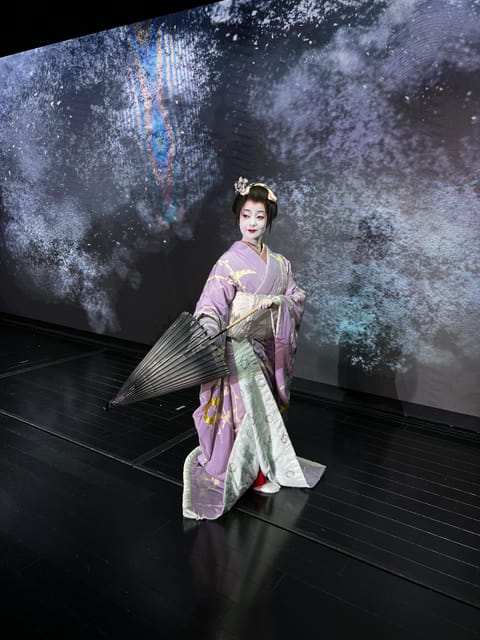
The program highlights Japanese dancers who have received awards at dance competitions. That matters because competition training usually sharpens two things: consistency under pressure and strong stage command.
What you’ll likely notice most is how the choreography sits together with costume. The kimonos aren’t treated as background. Their beauty—plus the delicacy of decoration—adds texture to each movement. When fabric and sleeves react to posture and direction, it becomes part of the visual storytelling.
This is also one of the reasons the close viewing is such a big deal. From up close, you’re not only seeing a costume in motion. You’re seeing expression and micro-timing—how the performer holds eye line, the intensity of a look, and the way the body transitions between shapes.
I also like that the experience is professional in a welcoming way. The show’s staff and performers are described as kind and friendly, and there’s support in English at key moments. That combination is ideal if you’re curious but not confident about Japanese.
The show is run by YUKI YOSHIDA as the experience provider, so you’re not just buying a random performance. You’re stepping into a program with named leadership behind the presentation.
Between-Scenes English: How You Follow the Meaning
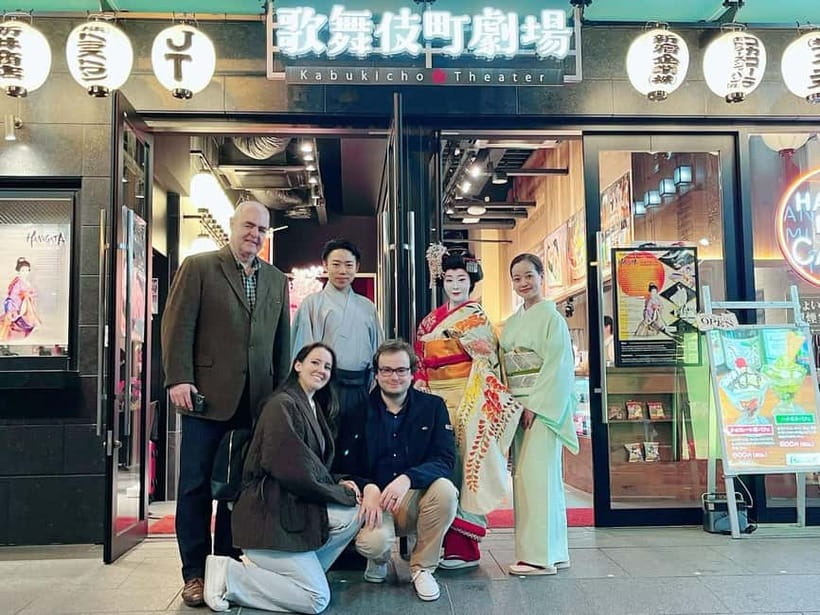
One of the highest-value features here is the cultural context that’s provided in English between performances. Even if you don’t speak much Japanese, you’ll have enough framing to understand what you’re seeing—what the dance is expressing and how to read the movement.
This is a smart approach. Dance is often hard to interpret because it’s nonverbal and symbolic. English explanations act like the missing caption line. They help you go from watching motions to understanding the story and emotion behind them.
I also appreciate that staff support is described as English-capable. That means when you have questions or want to practice a few words, you have a better chance of getting a friendly response rather than feeling lost.
If you want a “culture lesson” vibe without a classroom setting, this format works well. You get the art first, then the meaning in small, digestible pieces.
Worth weighing up alongside this Tokyo pick:


No-Photo Rule During the Dance (and Why It Helps)
Photography is prohibited inside during performances. That’s not just a rule for the venue—it changes the experience in a good way.
When phones stay away, you can actually watch. You’re less distracted by screens and more focused on the performer’s timing, expression, and costumes in motion. It also helps maintain a quiet environment so the dancers can do what they do best: perform without interruption.
Plan for this in your expectations. You won’t leave with a full camera log of the performance itself. Instead, you’ll remember the choreography and the strong visual impressions—especially the kimono details and expressions you see in close-up.
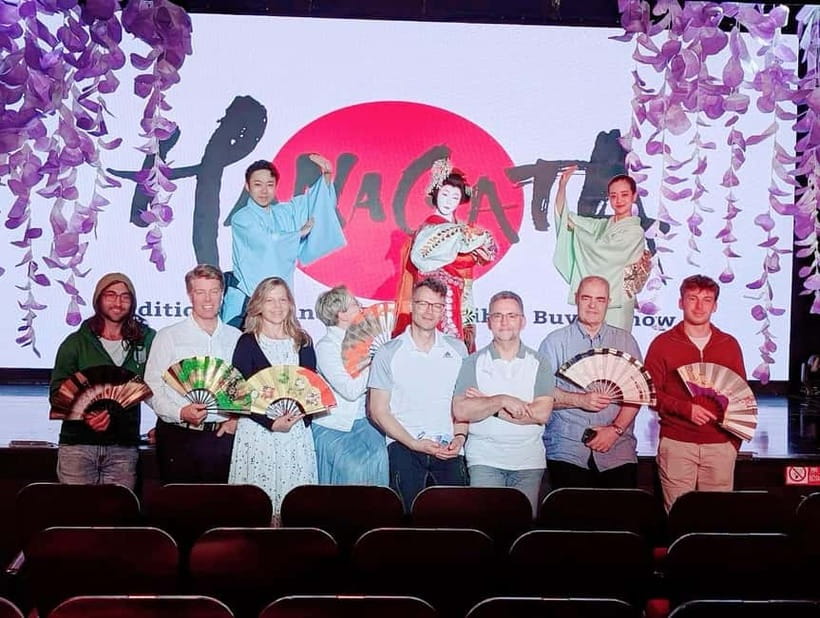
At the end, there is time allocated for taking pictures. That’s the best compromise. You still get a chance to document your evening, likely with more relaxed pacing once the main program wraps.
What the Evening Feels Like: From Arrival to End Photo Time
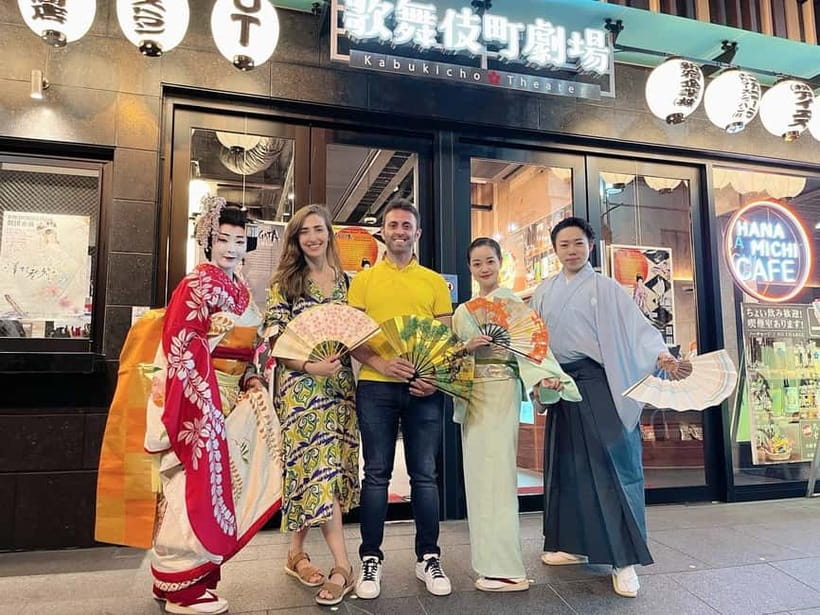
The experience is focused on one main event: the dance show itself. There isn’t mention of a long multi-stop itinerary, which can be a relief if you’re trying to keep your Tokyo schedule simple.
Here’s how to think about the flow:
- Before the main performance, you settle in and get ready for the viewing experience
- During the show, the dancers perform and you’ll receive English information between segments
- After the performance, you get the designated moment for photos
Because you’re so close to the performers, the pace can feel more intimate than a typical theater event. You’re not just observing from a distance. You’re watching a skilled craft unfold with real intensity—breath and expression included.
This structure is also good for timing. If you want culture without a massive time commitment, a single-show evening works. Just plan your dinner around it since food isn’t included.
Price and Value: Is $54 a Fair Deal?
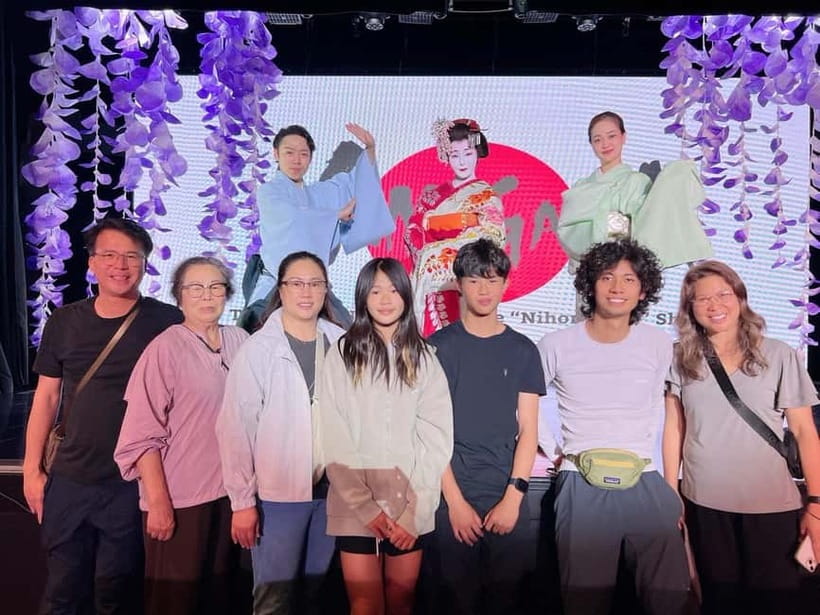
The ticket price is $54 per person, and it’s specifically described as including an entrance ticket. That means you’re paying for access to the show and the professional performance itself—not meals or extra add-ons.
For value, look at what’s included versus what’s not:
- Included: entrance ticket to the authentic Japanese dance show
- Not included: food and beverage
- Not included: hotel pickup
So the real “value equation” becomes: are you getting something worth $54 that you can’t easily recreate? Here, I’d argue yes, because you’re getting:
- professional, competition-level dancers
- close-up viewing and high attention to expression and kimono beauty
- English context between segments so it’s more than silent entertainment
- a photo opportunity after the show
If you’re the kind of traveler who enjoys performance art, costume detail, and cultural explanation, the cost feels aligned with the experience quality. If you want lots of food included or you need a pickup service, then the base ticket price may feel leaner. But for most people, this is a straightforward cultural spend.
Practical Tips: Seating, Timing, and Getting Food Right
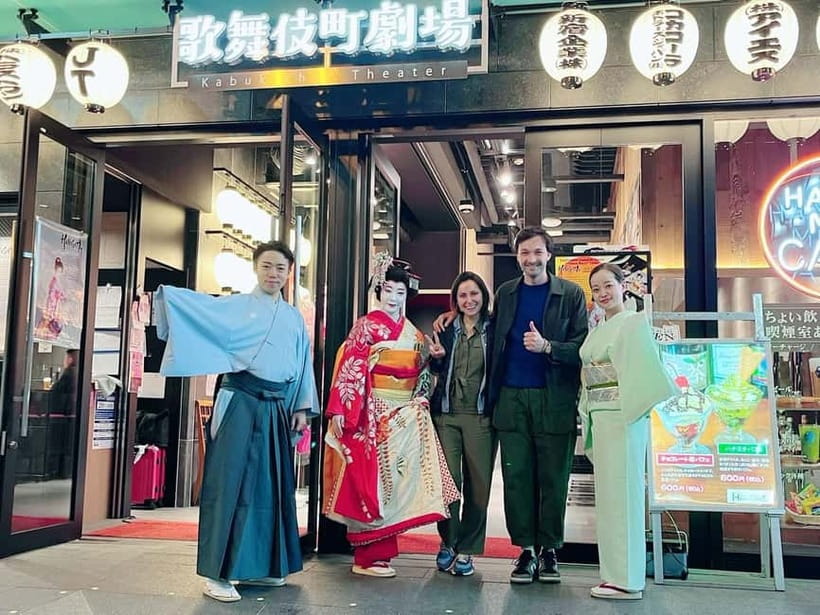
You’ll likely spend your night like this:
- arrive with enough time to get settled
- watch the performance without phone distraction
- plan a dinner either before or after, since no food and beverage are included
Also note that the show includes a photo time after. If you want to capture a clean set of pictures, stay calm and keep your phone ready for the after portion rather than trying during the performance.
Food logistics are simple but important. Since nothing is included, you’ll want to eat nearby before you go in, or have a plan to eat after the show. Shinjuku makes that easy—you won’t be stuck.
As for seating, the information you’ve been given suggests there aren’t bad seats in the house. That’s exactly what you want with a show that relies on close emotional delivery and costume detail. Even if you don’t get the absolute front row, the design seems aimed at keeping the viewing experience strong.
Who This Show Is Best For
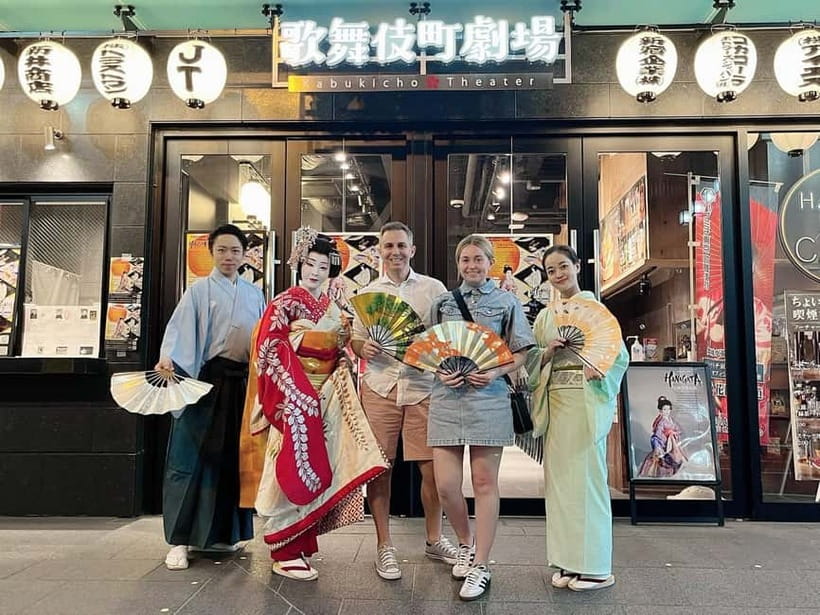
This Japanese dance experience is a great match for people who:
- like traditional performing arts and want something authentically Japanese
- want a cultural experience with English support between parts of the show
- enjoy visual artistry like kimonos and stage detail
- prefer one main activity that’s easy to slot into a Tokyo day
It’s also a good choice if you’re traveling with kids, because childcare can be provided. The show can arrange a kids program, and you’re asked to reserve through the childcare program link shared by the provider.
If you’re someone who needs constant action or lots of interactive activities, this might feel more like focused art watching than hands-on time. Still, for most people interested in culture, it lands well because it combines technique, emotion, and explanations in a single hour-or-so rhythm (the exact duration isn’t specified in the info you have, so plan based on showtime and your own schedule).
Should You Book This Japanese Dance Show?
I think you should book it if you want a high-quality, professional Japanese dance performance with enough explanation to understand what’s happening. The combination of award-level performers, close viewing, kimono beauty, and English context is the core reason this is worth your time in Tokyo.
You might skip it if you strongly prefer constant photo-taking during events or you need included food or hotel pickup. The experience is clear about those boundaries.
If you’re in Shinjuku and you want a cultural evening that feels genuinely different from shopping and sightseeing, this show gives you a strong return on your evening—plus a photo time at the end so you can still bring something back.
FAQ
Where is the show located?
It takes place in Shinjuku, on Honshu, Japan.
How much does the ticket cost?
The price is $54 per person.
What is included with the ticket?
You get an entrance ticket.
Is food and beverage included?
No. Food and beverage are not included.
Is hotel pickup provided?
No. Hotel pickup is not included.
Can I take photos during the performance?
No. Photography inside is prohibited during performances.
Is there any time to take pictures?
Yes. There is a time at the end of the performance when you can take pictures.
What languages are used?
The show uses Japanese, and there is English information provided between performances.
Is childcare available?
Yes. Childcare can be provided, and you can reserve for the kids program using the link provided.
What is the cancellation policy?
You can cancel up to 24 hours in advance for a full refund.
A Night at a Tokyo Show


More Tickets in Tokyo



More Tour Reviews in Tokyo




Fresh reviews from around Tokyo






Show, compared.
 ★ 4.0Mt Fuji & Hakone Cruise, Drum Show Bullet Train 1 Day from TokyoFrom $1497,413 reviews
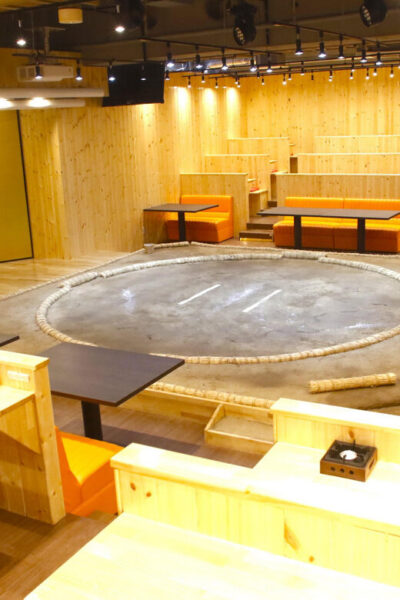 ★ 4.8Sumo Show Experience with Chicken Hot Pot and a PhotoFrom $1036,678 reviews
 ★ 4.8Sumo Show and Dining ExperienceFrom $792,742 reviews
 ★ 5.0the SUMO showFrom $891,960 reviews
 ★ 5.0Tokyo Shinjuku Sumo Show & Experience with PhotoFrom $791,750 reviews
 ★ 4.0Mt Fuji & Hakone Cruise, Drum Show Bus 1 Day from TokyoFrom $1221,287 reviews
 ★ 4.8Sumo Show and Experience in ShinjukuFrom $691,001 reviews
 ★ 4.5Tokyo Bay Yakatabune Dinner/Day Cruise with Japan Show and DrinksFrom $65473 reviews