
Reviewed · NIKKO DAY TRIPS
Nikko: Edo Wonderland Edomura Cultural Theme Park Ticket
Nikko turns into Edo for a day. Live ninja and samurai-style performances plus full-on period sets make Edo Wonderland a fun way to understand Japan’s Edo era, fast. If you get a guide like Jagroop, you’ll likely move through the park with less guesswork and better photo timing.
I also like the kimono-style costume ranks for walk-around fun. It’s an easy way to get great pictures in a real Edo street setting, not just in front of a banner. The main downside is language: many activities and explanations run in Japanese, so plan to rely on shows, demonstrations, and visual cues when English support is limited.
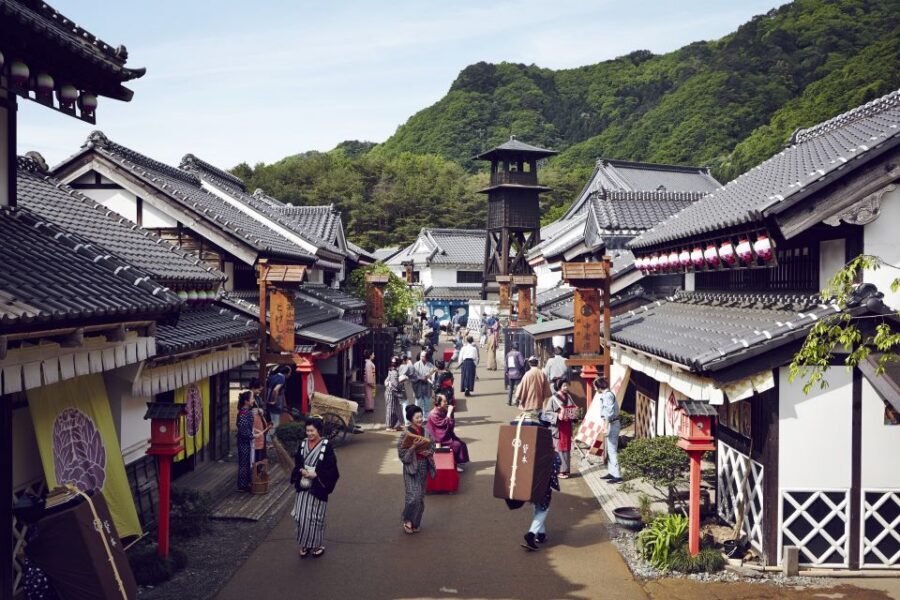
The park sits in a mountain-side setting near Nikko, which helps it feel calm between performances. You’ll spend a full day moving between theaters, workshops, and exhibits at your own pace, then stop for Edo-style food when you’re ready.
In This Review
- Key things to know before you go
- Why Edo Wonderland Feels Like Edo Street Theater in Nikko
- Tickets and Value: What That Approx. $35 Day Pass Really Buys
- Getting From Tokyo to Edo Wonderland Without Losing Your Day
- Entering Edo Wonderland: Town Streets, Edo Architecture, and Costume Options
- The Shows That Make the Park Worth the Ticket: Ninja, Oiran, and Water Magic
- Workshops and Demonstrations: Samurai Sword Basics and Edo Arts
- Edo Exhibits: Firefighters, Swordsmithing, and Period Detail
- The Ninja Training Hall, Secret Houses, and a Mechanical Maze
- Edo Food Inside the Park: What You Can Expect to Pay and Find
- Practical Planning: Timing, Language, and What to Pack
- Who Should Book Edo Wonderland (and Who Might Prefer Another Plan)
- Should You Book Edo Wonderland? My Practical Verdict
- FAQ
- What is the duration of the Edo Wonderland ticket?
- Does the ticket include skipping the ticket line?
- What is included with the base ticket?
- What is not included in the ticket price?
- Can adults join the children-only workshops?
- What shows and activities are a big part of the day?
- How long does it take to get there from Tokyo?
- What route is recommended from Asakusa?
- What if I have a JR Pass?
- Is there an ATM inside the park?
Key things to know before you go
- Costumed photo opportunities: dress in Edo-style looks (kimono rental is extra) and roam Edo streets for photos
- Shows you can follow even with basic Japanese: ninja action fights, oiran cultural performances, and more
- Hands-on Edo workshops: samurai sword basics, traditional arts like shamisen, plus etiquette-style learning
- Extra-ticket activities exist: some popular art activities cost extra (like woodblock printing and indigo dying)
- Shuttle timing matters: the bus from Nikko runs infrequently, so build in buffer time
The shrine road north: other Nikko trips
- Nikko: Kegon Falls, Lake Chuzenji & Toshogu Temple★ 4.6 · 1,577 reviews
- Tokyo: Nikko Toshogu Shrine and Kegon Waterfall Tour★ 4.5 · 1,266 reviews
- From Tokyo: Nikko World Heritage Site Private Full-Day Trip★ 4.9 · 243 reviews
Why Edo Wonderland Feels Like Edo Street Theater in Nikko
Edo Wonderland in Nikko is built like a film set you can walk through. The point isn’t a silent museum. It’s more like stepping into an Edo-era village where actors keep moving and the town looks lived-in.
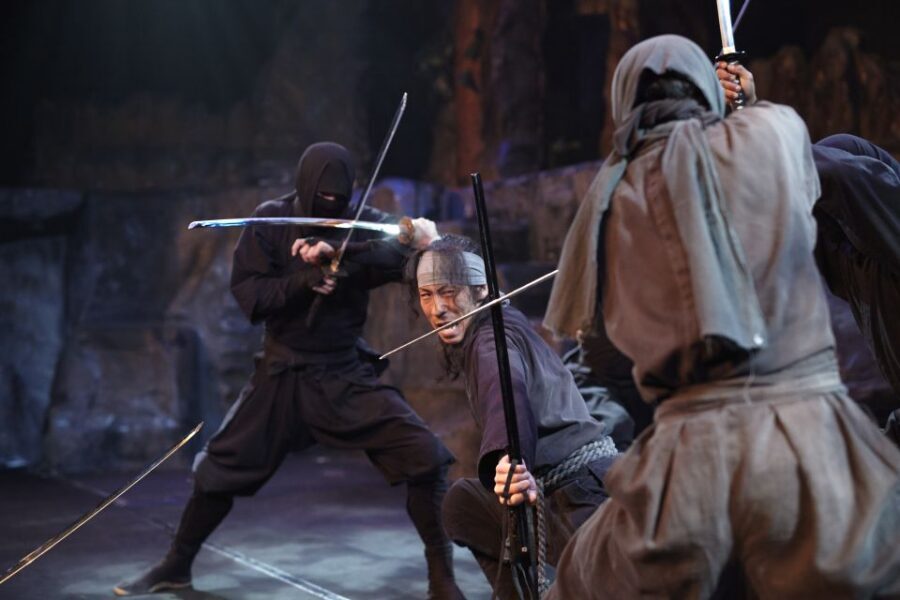
The two big draws for me are the live performance energy and the chance to become part of the scene with costume-style dressing. You’ll see staged stories and skills demonstrated throughout the day, including ninja action fights and an oiran cultural show. Even if you don’t speak Japanese, the physical comedy and clear stage action can still land.
One thing to keep your expectations realistic: you’re dealing with a theme park that runs mostly in Japanese. A lot is visual and performative, but you may miss finer details if you’re hoping for thorough English explanations everywhere.
Also, it’s not a cramped, high-speed tourist circuit. One review described a peaceful vibe in the mountain-side setting. That matters because you can slow down for photos and still catch the scheduled shows.
Tickets and Value: What That Approx. $35 Day Pass Really Buys
At around $35 per person for a one-day ticket, you’re paying for access to the whole park experience: entry, exhibits, theaters, and performances. The ticket also covers some free experiences, including the sword and the ninja training hall, plus kid-focused activities like Edo work experiences and the mechanical maze.
What’s not included is equally important. You’ll pay separately for kimono rental and for certain hands-on extras like woodblock printing, indigo dying, and Daruma painting. Food and drinks are also separate purchases, even though Edo-themed meals and sweets are available inside.
So is it good value? For most people, yes—if you want a full-day mix of staged history, activities, and photo moments. If your goal is only one or two shows, the ticket may feel pricey. If you want the whole day and you’ll take photos in costumes, it’s much easier to justify.
Timing can affect value too. If you arrive late and miss parts of the day, you lose some of the “everything is happening” feeling the park is built around.
Getting From Tokyo to Edo Wonderland Without Losing Your Day
Getting to Edo Wonderland takes planning. From Tokyo’s Shinjuku or Asakusa, expect roughly 2 to 3 hours one way, but you’ll still want to check your exact route.
The simplest approach described is taking Tobu limited express trains from Asakusa to Kinugawa Onsen station, then continuing to the park. If you’re using a JR Pass, the route described is Shinkansen to Utsunomiya, then changing to a local train at JR Nikko, and finally using the free shuttle bus to Edo Wonderland.
Here’s the part that can ruin your day if you’re not careful: the shuttle bus doesn’t run continuously. One visitor missed the 11:30 shuttle and had to wait about an hour for the next one, and another note says the bus runs every 2 hours. If your train connections are tight, you may end up getting up very early.
My practical advice: plan a “buffer window” for the shuttle bus, and consider staying near Nikko if you can. A review specifically suggested staying close to Nikko because the travel from Tokyo can be complicated with multiple train changes.
Entering Edo Wonderland: Town Streets, Edo Architecture, and Costume Options
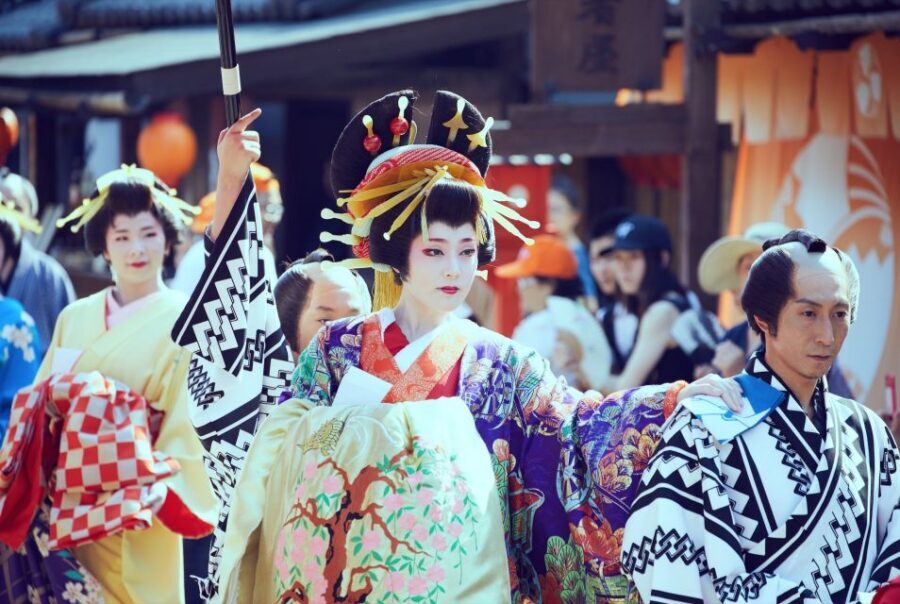
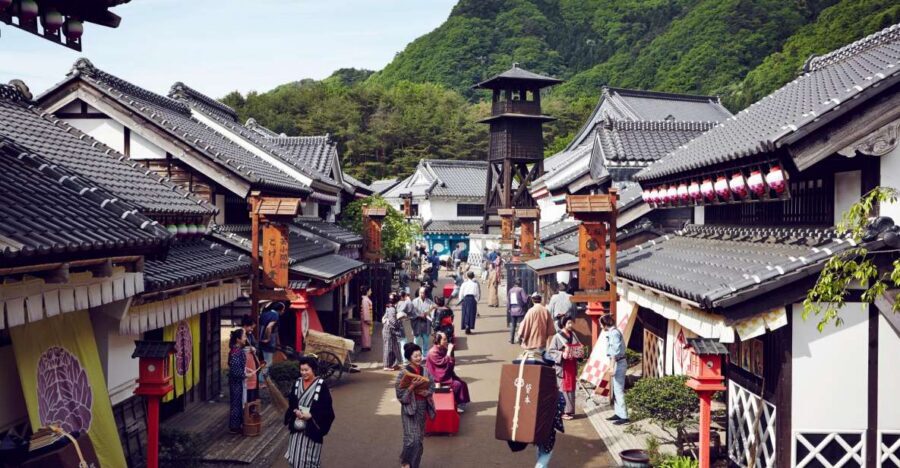
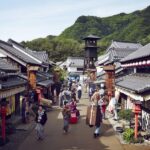
Once you’re inside, the park is set up to feel like you’ve stepped into Edo Japan. You’ll walk through Edo-style town streets and buildings, and the architecture is part of the show. The layout makes it easy to stop and frame shots, because many buildings and streets are designed as backdrops.
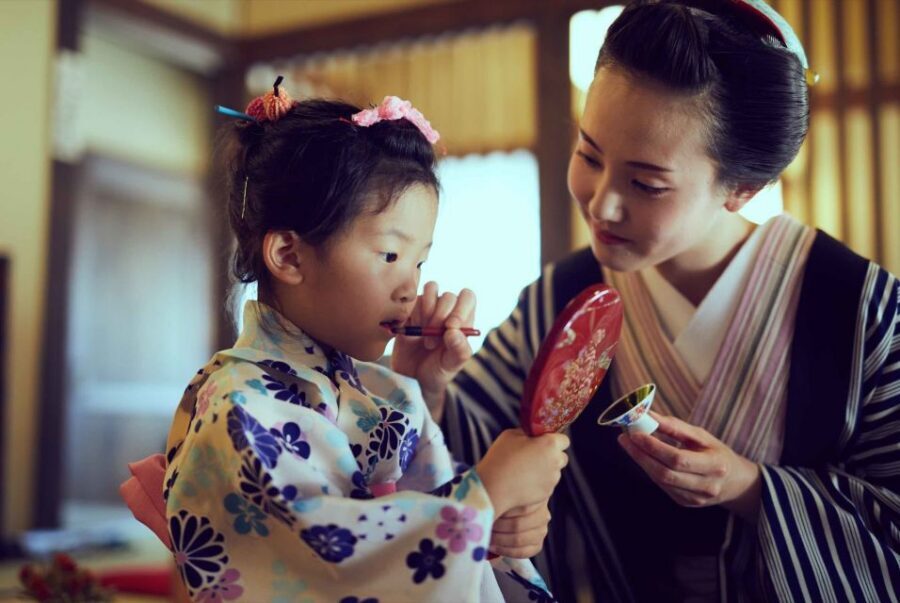
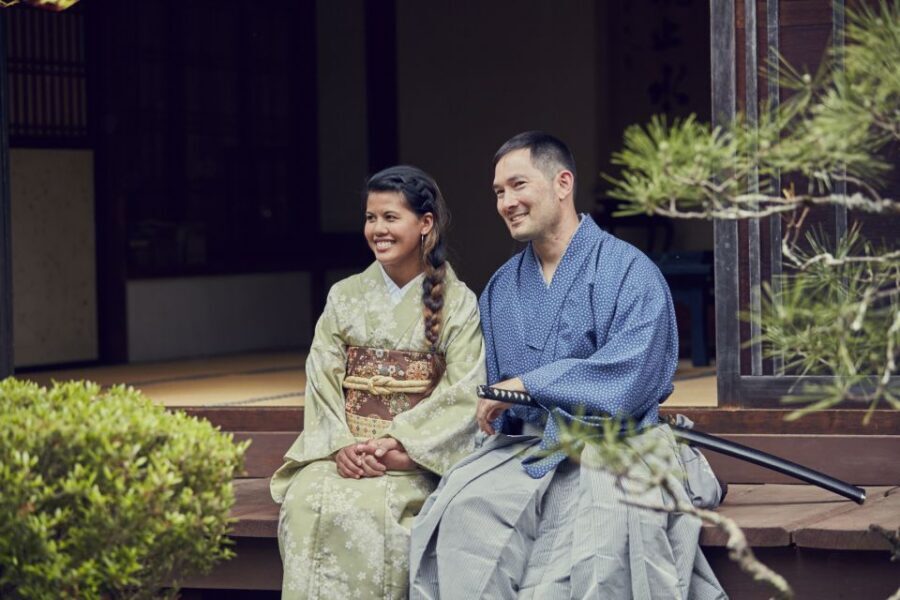
A major part of the experience is dressing up. You can choose a traditional-looking costume in different ranks, so you can look like you belong in the Edo world—lord, samurai, princess, farmer, and more. This is where the photo opportunities really happen.
Do note the detail that affects your budget: kimono rental is not included in the ticket price. If you want that full transformation look, price in the extra cost ahead of time. One visitor recommended renting a costume even in hot weather because it makes the experience feel more complete.
Also, wear shoes you can handle. You’ll be moving between multiple theaters and activity zones, and the day can add up in walking time.
Worth weighing up alongside this Tokyo pick:



The Shows That Make the Park Worth the Ticket: Ninja, Oiran, and Water Magic
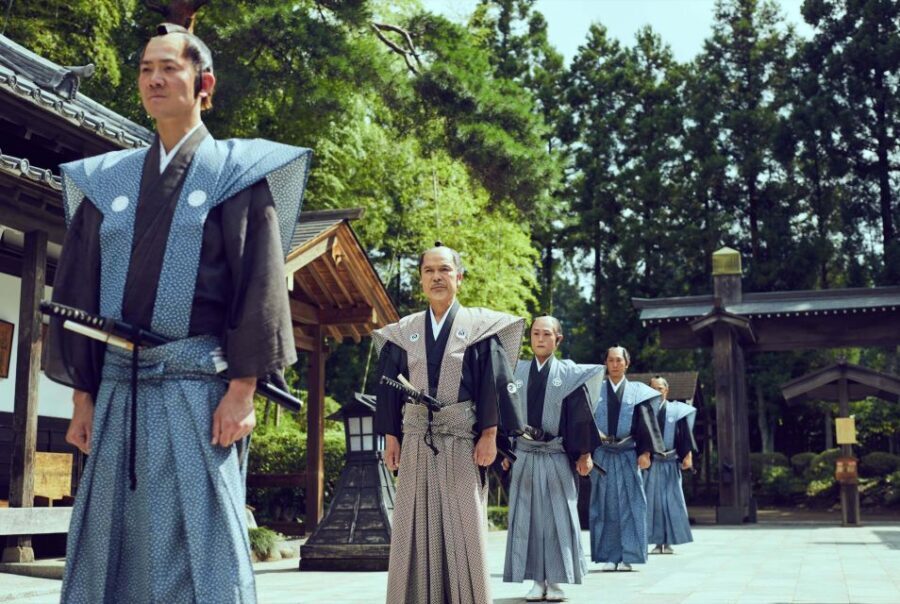
The park runs on performances, and this is where the value really shows. The most consistently praised moments include the ninja theater and the action-style ninja performances. One review called the Shinobi show one of the coolest things they’ve ever seen.
You’ll also see cultural performance styles, including an oiran cultural show. The oiran segment gives you a different Edo flavor than the ninja focus, and it helps balance the day so it’s not only sword-and-plot-action.
There are other theater-style programs too, including water magic shows and traditional plays. The key is schedule awareness. If you only catch one show, you miss what makes Edo Wonderland feel like a living Edo town.
Language can be a factor, but the performances are built to be readable. One review said the acting style and movement made it understandable even without Japanese. That’s a big deal. It means you aren’t stuck outside theaters hoping you’ll understand every word.
If your goal is family fun, performance variety helps. One review highlighted that the entertainment works for families, including kids, because the stage action stays easy to follow.
Workshops and Demonstrations: Samurai Sword Basics and Edo Arts
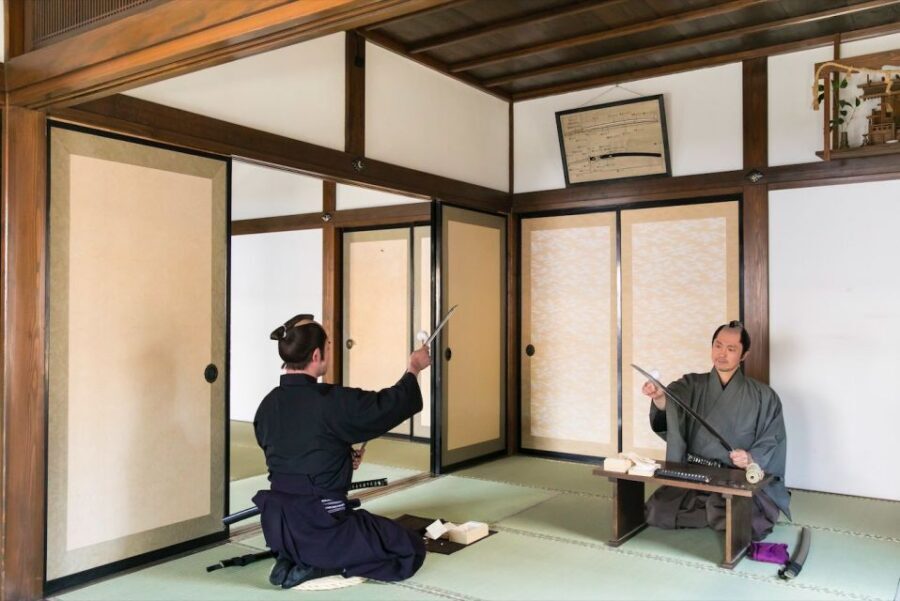
This is the “learn while you play” part of Edo Wonderland. The highlights include hands-on options for samurai sword and traditional skills, plus workshops and demonstrations that connect you to everyday Edo culture.
From the info you have, you can expect activities such as:
- Samurai sword basics and training-style learning
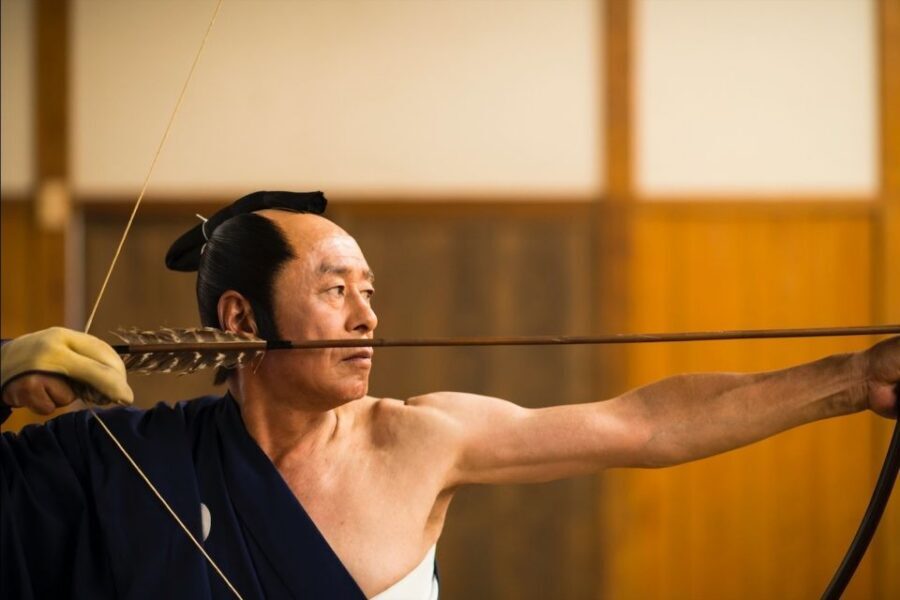
- Horseback archery instruction
- Shamisen music lessons
- Samurai etiquette-style learning
Some of these are described as workshops and lessons inside the park. The ticket includes access to exhibits and theaters, plus free experiences like the sword and the ninja training hall, but special art experiences are separately charged.
For example, woodblock printing, indigo dying, and Daruma painting are listed as additional experiences not included in the base ticket. So think of the day pass as covering the main show-and-tradecraft access, and treat the “featured art crafts” as optional add-ons.
One small planning tip: sessions can fill up. For children-only workshops (ninja, police, and samurai themes), sessions are limited and registration happens on the day. Even if you’re traveling as adults, it’s worth arriving with enough time to see what’s running and where you can join something hands-on.
And remember: some explanations may be in Japanese. The upside is that a lot of the learning is demonstrated, not just narrated.
Edo Exhibits: Firefighters, Swordsmithing, and Period Detail
Between theaters, you’ll find exhibits that expand the day beyond performance. These are the areas where you can slow down, read labels, and connect crafts and daily life to what you see in the shows.
Two exhibits called out specifically are:
- An Edo firefighters exhibition
- A swordsmith exhibit
This kind of detail matters because it makes the park feel less like pure entertainment and more like cultural storytelling. The exhibits provide context for the skills and roles you meet in costume—samurai, craftsmen, and the support roles that kept Edo life running.
That said, English support is uneven. One older review said there were hardly any explanations in English, and another visitor noted that activities are in Japanese. So if you rely on English text heavily, expect a mixed experience: you’ll likely understand more through visuals and demonstrations than through long written explanations.
The Ninja Training Hall, Secret Houses, and a Mechanical Maze
Not all activities are about sitting in a theater. Edo Wonderland also includes hands-on fun that works well when you want a break from shows.
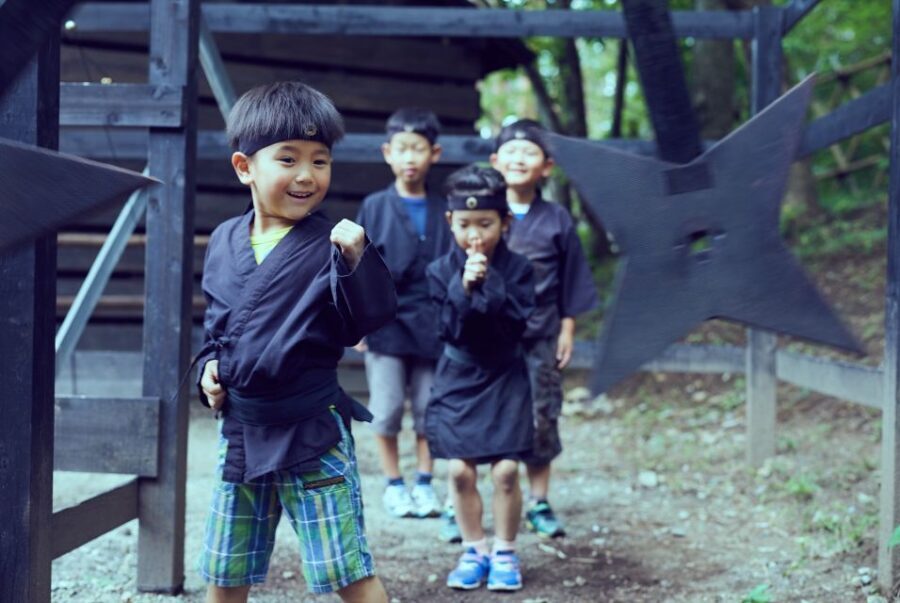
The park includes a ninja training hall (listed as a free experience with the ticket). There’s also a ninja house filled with secrets and a mysterious ninja training house where the physics seem to ignore the usual rules. Those sound like designed-for-photos, designed-for-laughing spaces, and they’re the kind of thing that keeps kids and adults moving together.
Don’t miss the mechanical maze either. It’s described as part of the free included activities. A maze is a simple idea, but it’s valuable here because it gives you downtime without breaking the Edo-theme. You can squeeze it in between show times without feeling like you’re losing the day.
This is also where you get those in-between “found moments” for photos: hiding places, corridors, and Edo-style interiors that don’t require a stage.
Edo Food Inside the Park: What You Can Expect to Pay and Find
Food at Edo Wonderland is fun, but you’ll pay separately. The ticket does not include food or drink, even though Edo-style cuisine is available at various restaurants inside the park.
Expect seasonal menus and Edo-themed sweets and drinks. One review mentioned eating ramen, shaved ice, and mochi at the park.
Two practical cautions from the info you have:
- Bring cash if you can. One visitor said there was no ATM in the park and had to walk about 20 minutes to find one.
- Vegetarian options might be limited. One visitor specifically mentioned no vegetarian food availability as an improvement area.
Also, budget for food timing. If you’re bouncing between shows and workshops, you can end up hungry and spending quickly on whatever is easiest to order. If you have kids, that can be a real comfort factor.
If you’re sensitive to costs, eat at a planned time rather than whenever hunger hits. Otherwise your spending can climb fast because it’s a full-day “everything is right here” setup.
Practical Planning: Timing, Language, and What to Pack
A good day here comes down to timing and expectations.
First, map your day around shows. The park offers a lot, but you won’t see everything. Pick the must-sees like the ninja show and the oiran cultural show, then fill gaps with workshops and exhibits.
Second, plan around language. Many activities run in Japanese. Even so, the acting and demonstrations can still make the experience understandable. Just don’t expect every exhibit card and workshop explanation to be fully English.
Third, pack for walking and for photos. You’ll be in costumes at least part of the day (if you choose to rent one), and you’ll want comfortable shoes and clothing that can handle outdoor walking.
Finally, bring cash for food and any add-on crafts. There’s also the possibility that credit card options are limited. One visitor said there was no option for credit card payments.
Who Should Book Edo Wonderland (and Who Might Prefer Another Plan)
Edo Wonderland is a strong fit if you want:
- Family-friendly fun with live performances and hands-on activities
- A day focused on ninja and samurai-themed entertainment
- A place to take serious photos in a historically themed environment
- A break from city sightseeing that’s still deeply cultural
It’s less ideal if:
- You need lots of English explanations to enjoy museums or workshops
- You hate travel complexity from Tokyo and don’t want to deal with shuttle timing
- You’re counting every yen and don’t plan to rent costumes or pay for add-on crafts
If you’re the kind of traveler who loves staged performances and interactive learning, you’ll probably enjoy how the day flows. If you want a quiet, self-guided historical site, you might find the structure too show-heavy.
Should You Book Edo Wonderland? My Practical Verdict
If your schedule allows a full day and you’re interested in Edo-themed performances, Edo Wonderland is an easy “yes.” The ticket gets you access to exhibits, theaters, and a packed day of activities, with the ninja theater and costume-based photo opportunities as major rewards.
Book it especially if you’re traveling with kids or you like entertainment that still teaches you something. Just plan for the practical friction: shuttle timing from Nikko, limited English support, and extra costs for costume rental and food.
If you’re willing to pay a bit more for the full experience—costume rental and at least one add-on craft—this day can feel like you got your money’s worth.
FAQ
What is the duration of the Edo Wonderland ticket?
The ticket is valid for 1 day, starting from the first activation.
Does the ticket include skipping the ticket line?
Yes. It’s listed as skip the ticket line.
What is included with the base ticket?
The entrance fee is included, along with access to all exhibits, theatres, and performances. You also get free experiences such as the sword and the ninja training hall, plus activities like Edo work experience for kids and the maze.
What is not included in the ticket price?
Not included: additional experiences such as woodblock printing, indigo dying, and Daruma painting; kimono rental; games; and food or drink.
Can adults join the children-only workshops?
Children-only workshops are listed for ninja, police, and samurai themes. Registration is on the day, and sessions are limited. The data does not state that adults can attend those specific sessions.
What shows and activities are a big part of the day?
The park includes live performances such as ninja action fights, an oiran cultural show, water magic shows, and other traditional plays. It also offers hands-on activities and demonstrations and exhibits like Edo firefighters and swordsmithing.
How long does it take to get there from Tokyo?
The travel time from Tokyo’s Shinjuku and Asakusa is between 2 to 3 hours, but you should check your route in advance.
What route is recommended from Asakusa?
The most direct route mentioned is on Tobu limited express trains from Asakusa to Kinugawa Onsen station.
What if I have a JR Pass?
JR pass holders can travel by Shinkansen from Tokyo to Utsunomiya station, then change to the local train at JR Nikko station, and take the free shuttle bus to Edo Wonderland.
Is there an ATM inside the park?
One review states there is no ATM in the park, and you may need to walk about 20 minutes to the next ATM in town.
More Tickets in Tokyo

More Tour Reviews in Tokyo





North Again: More Nikko Trips

Fresh reviews from around Tokyo






Nikko Day Trips, compared.
 ★ 4.6Nikko: Kegon Falls, Lake Chuzenji & Toshogu TempleFrom $891,577 reviews
 ★ 4.5Nikko Toshogu Shrine and Kegon Waterfall TourFrom $841,266 reviews
 ★ 5.0Nikko Full-Day Private Tour with Government-Licensed GuideFrom $155259 reviews
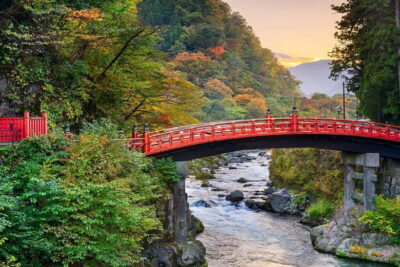 ★ 4.9From Tokyo: Nikko World Heritage Site Private Full-Day TripFrom $483243 reviews
From Tokyo: Nikko World Heritage Sight Full Day Private TourFrom $362127 reviews
★ 4.9From Tokyo: Nikko World Heritage Site Private Full-Day TripFrom $483243 reviews
From Tokyo: Nikko World Heritage Sight Full Day Private TourFrom $362127 reviews
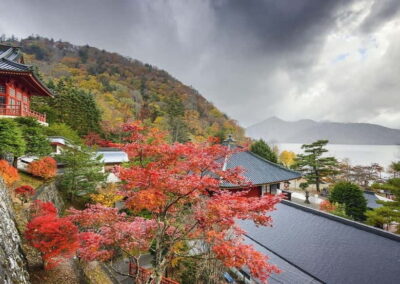 ★ 4.9Nikko – Beautiful Full-Day Personal and Private TourFrom $364119 reviews
 ★ 5.0Chartered Private Tour – Tokyo to Nikko, Toshogu, Edo WonderlandFrom $1,286105 reviews
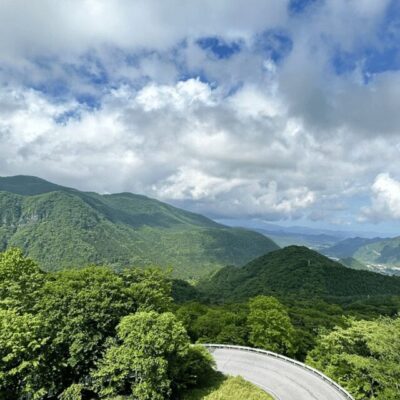 ★ 4.8Nikko Heritage & Nature Day Trip from TokyoFrom $39194 reviews
Browse the lists this tour appears in