
Tokyo in a kimono feels different fast. This Asakusa kimono rental at WARGO turns dressing up into an easy, photo-ready plan, with lots of choices and staff who keep things moving even when the shop is busy. You get the look, the fit help, and the basic gear so you can focus on walking and taking pictures.
Two things I especially like: the wide range of kimono styles (from classic patterns to more modern designs), and the fact that plus-size kimonos are available. One thing to watch: depending on the time slot and season, dressing can come with a wait—sometimes 30 to 90 minutes.
In This Review
- Key Points at a Glance
- What This Kimono Rental Really Changes in Asakusa
- How the Dressing Experience Works (and Why It Matters)
- What You Get for the Price: The Value Breakdown
- Choosing Your Kimono: Classic, Modern, and Plus-Size
- The Deluxe Plan: When Upgrades Make Sense
- What It Feels Like to Walk Out in Kimono
- Timing Tips: Avoid the Most Common Friction
- How Long You’ll Be Dressed vs. Out Exploring
- Photos, Lunch, and Your Own Asakusa Plan
- Service Quality: What the Staff Gets Right
- The Only Real Complaints to Take Seriously
- Practical Shopping-Style Advice Before You Go
- Should You Book WARGO Kimono Rental in Asakusa?
- FAQ
- What is the price of the Tokyo Asakusa kimono rental at WARGO?
- What’s included with the rental?
- How long does the dressing process take?
- Where do I meet the shop, and how do I find it?
- What time do they operate, and when do I have to return the kimono?
- Can I rent a kimono for the next day?
- Who should not book this experience?
Key Points at a Glance
- Asakusa area access: you’re set up to explore nearby sightseeing zones right after dressing.
- Kimono variety: traditional looks and more modern designs are both on offer.
- Comfort-focused options: plus-size kimono availability makes this easier for more people.
- Photo-friendly package: you get shoes and socks, plus a simple hairstyle with kanzashi.
- Upgrades exist: the Deluxe plan can upgrade kimono/obi and adds a woman’s hairstyle option.
More mornings around Senso-ji and the old town
- Tokyo: Japanese Dance Cabaret Theater Asakusa-Kaguwa Ticket★ 4.8 · 2,270 reviews
- Tokyo: Asakusa Walking Tour with Sensoji Temple Visit★ 4.8 · 1,583 reviews
- Tokyo Asakusa Rickshaw Tour★ 5.0 · 1,375 reviews
What This Kimono Rental Really Changes in Asakusa
Asakusa is already the kind of place where you slow down. Add a kimono and it changes your whole pace. Suddenly you’re walking like you’re part of the scene, not just passing through.
I like that this experience is straightforward: you arrive, select your outfit, get dressed, then head out. No complicated schedule of stops. The “tour” is really the moment you step onto the street in traditional clothing, with a practical base from which to explore.
And yes, the photos are a huge part of the value. One of the most common thrills is seeing compliments roll in while you’re out walking, which makes the whole day feel celebratory without you needing to plan anything fancy.
How the Dressing Experience Works (and Why It Matters)
Your visit starts when you arrive at the building and go up to the 4th floor to find the shop. From there, you’ll get help choosing your kimono and getting it on correctly. The process is designed to be efficient, and if it’s not too busy, dressing is typically under an hour.
That “under an hour” detail matters more than it sounds. If you’re in Tokyo and you’ve only got a limited window in Asakusa, you want your kimono time to translate into street time. A smooth dressing process helps you actually enjoy the outfit instead of just waiting for it.
When it gets busy, expect waiting time of about 30 to 90 minutes depending on season and your time slot. That doesn’t mean the experience is slow. It means you should build in some slack and aim for a time you’re comfortable waiting for.
What You Get for the Price: The Value Breakdown
The price is listed at $33 per person, but the final total can shift based on the specific kimono you select. That’s not a hidden trick—it’s just how rental outfits work. Some choices cost more, and the difference is settled at the store with cash or card.
Here’s what you should think about when judging value: you’re paying not only for the garment, but for the full “wearing setup.” Your package includes the kimono, the sash belt (obi), a Japanese satchel, traditional sandal-like footwear, and socks. There’s also an insurance fee included, and you get dressing support.
If you add hair styling, that’s typically an additional cost. But you may already receive a simple hair set included, described as a simple style with kanzashi (ornamental hairpin). If you care about a more polished look, the premium option is there—see the next section.
In short: for $33, you’re not just renting fabric. You’re renting an entire outfit system, which is exactly why this can feel like a day upgrade rather than a souvenir purchase.
Choosing Your Kimono: Classic, Modern, and Plus-Size
One of the best parts of WARGO in Asakusa is the selection style. You can choose from traditional patterns and also more modern designs. That matters because not every kimono experience locks you into one aesthetic.
If you love the classic look, you can go fully traditional with patterns that feel like they belong in old Tokyo. If you prefer something less “costume,” modern designs can give you the kimono shape without feeling too formal or themed.
Comfort is built in too. The shop offers plus-size kimonos, so you’re not stuck with whatever sizes happen to be easiest to find. This turns “kimono rental” from an activity that might be intimidating into one that feels genuinely doable.





The Deluxe Plan: When Upgrades Make Sense
If you want more than the basics, the WARGO Deluxe plan gives you extra flexibility. You can upgrade the grade of the kimono and obi up to a certain level. There’s also a standard hairstyle included (noted for women).
Two practical notes here. First, the exact kimono grade options can vary by store, so don’t assume every upgrade level will be available at every time slot. Second, upgrades are for people who care about finishing details—fabric quality, overall look, and how “put together” the outfit feels in photos.
Even without upgrades, the experience can still be worth it. But if you’re going to spend time in photos, and you really want your kimono to look top-tier in images, the premium plan is the simplest way to do that without piecing things together.
What It Feels Like to Walk Out in Kimono
After you’re dressed, you head back out into Asakusa streets with your satchel and footwear. The main activity is strolling through historical streets and taking photos. This is a flexible plan where you can pick your pace and what you want to photograph.
In practice, it helps to treat the first 60 to 90 minutes as your “photo + wander” window. Kimono photos tend to look best in good natural light, and you’re also more energetic early on. Plus, once you’ve found your spots, the outfit does a lot of the work for you.
One review theme shows up often: people get compliments while they walk. That social boost is part of the value. You’ll feel like your day has a story, not just a photo session.
Timing Tips: Avoid the Most Common Friction
Operating hours are 10:00 AM to 6:00 PM, and you need to return no later than 6:00 PM. So your best strategy is to treat the shop like your “home base” and build your kimono time around getting back before that deadline.
If you plan to reserve late in the day, note that the store may have you waiting longer if you make a reservation after 3 PM the day before. That doesn’t mean it will be terrible. It just means you should avoid booking when you’re tight on time.
If you’re dealing with a 30 to 90 minute wait for dressing, don’t fight it. Use the time to get your bearings and plan your route. Once you’re dressed, you’ll want to be ready to move quickly.
How Long You’ll Be Dressed vs. Out Exploring
The dressing step is often quick when things aren’t crowded—commonly under an hour. But if you arrive when it’s peak busy, your total “shop time” can stretch longer due to waiting.
Once you’re dressed, you can spend the afternoon exploring and then return. This is the kind of activity where you’re not locked into a guided group itinerary, so your experience will depend on how long you want to wear the outfit.
If you want to keep the kimono longer, there’s an option to return it the next day (an additional fee). That’s a nice alternative if you’re also doing evening plans in the area and you’d like the outfit to cover both daytime and a bit more atmosphere.
Photos, Lunch, and Your Own Asakusa Plan
A big reason people do kimono rentals in Asakusa is the photo opportunity. You’re close enough to sightseeing spots and tourist areas that you can walk to them and still manage lunch and pictures without rushing.
You don’t need to build a rigid schedule around exact stops. Instead, think in loops: get dressed, pick a direction, walk until you find the streets and angles you like, stop for food, then head back before 6 PM.
One useful trick: plan your hardest-to-get photo moments earlier. If you wait too long, you’ll be deciding between “one more picture” and “time to return.” With kimono rentals, the deadline is real.
Service Quality: What the Staff Gets Right
What stands out is how the staff handles the full look, not just helping you squeeze into clothing. People talk about professional, patient help with selecting the kimono and getting everyone set up.
When the shop is busy, service speed becomes a balancing act. The good news is that even during busy times, the dressing support is described as careful and thorough, not rushed.
Also, there’s a strong “let’s make it look right” vibe. That matters for photos because the difference between okay and great is often small adjustments: how the sleeves sit, how the obi sits, and how the outfit falls once you’re standing and walking.
The Only Real Complaints to Take Seriously
No experience is perfect, so here are the drawbacks worth factoring in:
First, wait time can be long. If you show up expecting a quick process, you might feel annoyed when it’s busy. Plan extra time.
Second, there can be mismatches in accessory expectations. One review specifically wished accessories were included in the hair styling. If you care about a very specific hair-and-accessory look, plan to pay attention to what’s actually included in the hair set you choose.
Third, this is not for everyone. It’s noted as not suitable for pregnant women, wheelchair users, and people with pre-existing medical conditions. Also, since you’ll be wearing footwear and managing kimono dressing, if you have mobility or health concerns, it’s worth reconsidering.
Practical Shopping-Style Advice Before You Go
If you want this to feel easy, do two small things: bring the right payment and go in with a flexible mindset.
You’ll need a credit card and cash. The final cost can vary based on the kimono selected, so you should be ready to settle the difference at the store.
Also, arrive early enough to reduce stress. Even if your dressing time ends up faster than expected, a little buffer helps you enjoy the experience rather than timing it like a train connection.
Should You Book WARGO Kimono Rental in Asakusa?
Book it if you want a simple, high-impact Tokyo experience. This is a strong choice for couples, groups of friends, and anyone who wants photos plus street time without complicated planning. If you care about comfort options like plus-size kimonos, this is especially worth considering.
Skip it or think hard if timing is your biggest challenge. Waiting time can be significant depending on your slot, and you must return by 6:00 PM. If you’re the type who hates schedules and lines, choose your arrival time carefully.
Finally, consider whether you want upgrades. If you’re treating this as a “main activity” day and you want the outfit to look extra special in photos, the Deluxe plan is a logical way to get more out of your kimono time.
FAQ
What is the price of the Tokyo Asakusa kimono rental at WARGO?
The price is listed at $33 per person, but the final cost can vary based on the kimono selected. Any additional amounts are settled at the store with cash or card.
What’s included with the rental?
Your package includes the kimono, the obi sash belt, a Japanese satchel, traditional sandal-like footwear, and socks. A dressing fee, insurance fee, and a hair set (simple hairstyle with kanzashi) are also included.
How long does the dressing process take?
If it’s not too busy, dressing should take less than an hour. If the store is crowded, you may wait about 30 to 90 minutes depending on the time slot and season.
Where do I meet the shop, and how do I find it?
When you arrive at the building, take the escalator or elevator to the 4th floor to find the store. The activity ends back at the meeting point.
What time do they operate, and when do I have to return the kimono?
Operating hours are 10:00 AM to 6:00 PM. You need to return the kimono no later than 6:00 PM.
Can I rent a kimono for the next day?
Yes, next-day return is possible if you want to wear the kimono in the evening, but it requires an additional fee.
Who should not book this experience?
It’s listed as not suitable for pregnant women, wheelchair users, and people with pre-existing medical conditions.
More Tour Reviews in Tokyo



Around Senso-ji: More Asakusa Picks

Fresh reviews from around Tokyo






Asakusa Tours, compared.
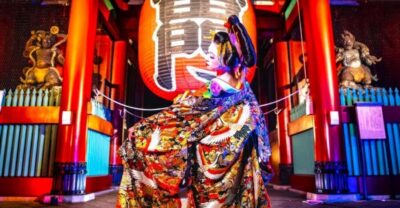 ★ 4.8Japanese Dance Cabaret Theater Asakusa-Kaguwa TicketFrom $492,270 reviews
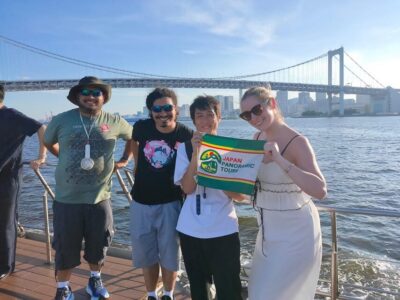 ★ 4.7Meiji Shrine, Asakusa, Skytree Bus Tour and CruiseFrom $1221,986 reviews
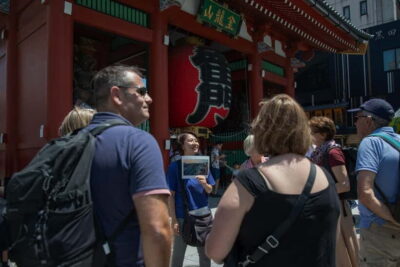 ★ 4.8Asakusa Walking Tour with Sensoji Temple VisitFrom $221,583 reviews
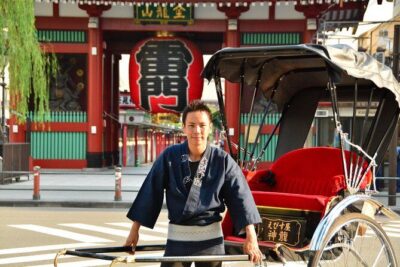 ★ 5.0Tokyo Asakusa Rickshaw TourFrom $421,375 reviews
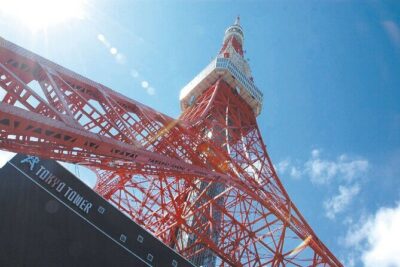 ★ 4.5Tokyo Panoramic 1 Day: Meiji Shrine, Asakusa, Odaiba and SKYTREE®From $851,222 reviews
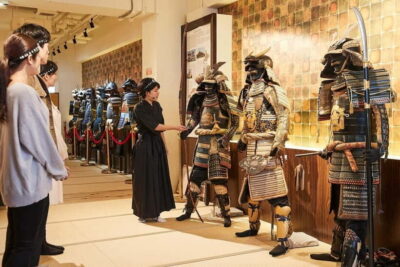 ★ 4.8Samurai Ninja Museum Asakusa: Samurai Sword Lesson & TourFrom $63306 reviews
Asakusa Sightseeing Tour by RickshawFrom $35195 reviews
Asakusa Kimono Dressing and Matcha ExperienceFrom $56173 reviews
★ 4.8Samurai Ninja Museum Asakusa: Samurai Sword Lesson & TourFrom $63306 reviews
Asakusa Sightseeing Tour by RickshawFrom $35195 reviews
Asakusa Kimono Dressing and Matcha ExperienceFrom $56173 reviews
Browse the lists this tour appears in