
Asakusa feels different when someone explains it. This 2-hour small-group walk puts you in the middle of Tokyo’s oldest temple district, with a local guide helping you read the place, not just photograph it. I like the mix of big landmarks and quieter corners, from the riverside start at Azumabashi Bridge to the tucked-away shrines inside the Sensō-ji area.
Two things I really love: you get hands-on practice with everyday rituals like temizu and omikuji, and the guide helps you handle temple etiquette (bowing, where to stand, and how Shinto and Buddhism sit side by side). One drawback: it’s a real walking tour, and it’s not a fit for wheelchair users or people with limited mobility, plus it can feel long on very hot days.
Key points before you go
- Temizu and omikuji hands-on: You’ll do the rituals, not just watch others do them
- Shinto and Buddhism, side by side: Sensō-ji and Asakusa Shrine are taught as two living systems
- Photo strategy built in: riverside angles, an elevated viewpoint, and the classic lantern-gate framing
- Etiquette coaching: you learn how to pray and how to move through gate spaces properly
- Small group of up to 8: easier questions and a more relaxed pace than big group tours
In This Review
- Entering Asakusa’s Temple World the Right Way
- Azumabashi Bridge Start: Riverside Views and the Local Nickname
- The Elevated Temple Viewpoint: See the Whole Grounds in Minutes
- Kaminarimon and the 700kg Lantern: The Story Behind Thunder Gate
- Nakamise Shopping Street: What to Try and How to Shop Smart
- Hōzōmon Gate and the Way In: Learning the Layout Before the Big Crowd
- Sensō-ji Temple: Prayer Basics You’ll Actually Use
- Asakusa Shrine: The Shinto Side of the Same Neighborhood
- Temizu, Omikuji, and Incense Healing: The Interactive Part That Makes It Stick
- Pace, Crowd Reality, and What to Bring
- Price and Value: Why $30 Can Feel Like a Deal
- Who Should Book This and Who Might Skip It
- Should You Book Sunrise Adventure’s Asakusa Tour?
- FAQ
- How long is the Asakusa Temple & Shrine Walking Tour?
- What group size is this tour?
- Where do we meet, and where does the tour end?
- What main places does the tour visit?
- What rituals will I be able to try during the tour?
- Is there a dress code or any rules about tattoos?
- Is there kimono rental nearby?
- Is the tour suitable for wheelchair users or limited mobility?
- Are there rules about smoking, drones, or alcohol, and can I cancel?
Entering Asakusa’s Temple World the Right Way
Asakusa is one of those places where you can spend hours walking and still miss the point. This tour works because it gives you the mental map early, then fills in the meaning as you go. You’re not just looking at temples. You’re learning how people behave here and why.
The best part is the way the guide connects the dots between the visual things and the spiritual routines. When you understand what temizu is for, or what omikuji is doing in daily life, the whole area starts clicking. You’ll also get practical support with translations and questions, which matters a lot when you’re standing in front of signs and ritual objects you don’t recognize.
If you’re traveling as a couple, a solo visitor, or with family, the small group size helps keep the experience human. People like Nicolas, Nico, Lino, Erik, Joe, and Nana are named in past groups, and the common thread is a friendly, patient style that makes the place feel approachable.
More mornings around Senso-ji and the old town
- Tokyo: Japanese Dance Cabaret Theater Asakusa-Kaguwa Ticket★ 4.8 · 2,270 reviews
- Tokyo: Asakusa Walking Tour with Sensoji Temple Visit★ 4.8 · 1,583 reviews
- Tokyo Asakusa Rickshaw Tour★ 5.0 · 1,375 reviews
Azumabashi Bridge Start: Riverside Views and the Local Nickname
The tour opens at Azumabashi Bridge with riverside views and a big Tokyo contrast: the skyline nearby, and the old temple district just ahead. You’ll also catch a look toward Tokyo Skytree, which is a fun orientation moment. It’s not just scenery. It sets up the geography of Asakusa so you feel less lost right away.
Then comes a memorable local detail. You’ll hear the playful nickname locals use for a golden feature connected to the area—yes, the locals have a humorous way of describing it. It’s the kind of line that makes the tour feel like it has local roots, not just textbook explanations.
Photo fans usually get a lot out of this first segment because the guide points you toward angles that show both the river and the temple zone. You’re also getting your bearings at the exact moment you’d otherwise be rushing toward the first gate.
The Elevated Temple Viewpoint: See the Whole Grounds in Minutes
Next, you head to an elevated spot at the Asakusa Culture Tourist Information Center area. This is where the tour earns its keep. Before you step into the busy lanes, you get a wider view of the temple complex and the surrounding layout.
That quick overview changes how you experience what follows. Once you can mentally picture the grounds, every gate you pass later feels like a step in a sequence rather than a random set of buildings. It’s also a handy crowd strategy. If you’re arriving during peak hours, even a short pause with a clear view helps you regroup.
The guide also uses this moment to prime you for what you’ll see at Kaminarimon and beyond. You’ll understand what to look for—like why certain structures are treated as key markers.
Kaminarimon and the 700kg Lantern: The Story Behind Thunder Gate
Kaminarimon is the moment most people recognize on a map. But recognition isn’t the same as understanding. Here, the guide explains the meaning behind the gate name and the famous red lantern, including the impressive fact that it’s 700kg.
This stop is short on paper and long in impact. You’ll learn that the gate functions as a kind of threshold—an entry into a space where rituals and everyday faith overlap. When you know the symbolism, the lantern stops being a photo prop and becomes a clue.
You’ll also get guidance on where to stand for pictures. That matters at Kaminarimon because the crowd flow can make your angles worse if you just wander in. The guide helps you slow down, frame well, and keep the walk feeling easy.
Nakamise Shopping Street: What to Try and How to Shop Smart
Nakamise Shopping Street is where Asakusa becomes instantly sensory. Snacks, souvenirs, and people moving in every direction. The tour helps here by turning shopping into a cultural lesson instead of a chaos test.
The guide explains cultural significance behind common treats and souvenirs, and points you toward places for better quality options. That’s a big deal because in a tourist-heavy street, not all stalls are equal, and not all items are explained clearly. If you want translation help, you can ask on the move.
One practical note: this is where you’ll likely want small spending flexibility for personal snacks and souvenirs. The tour doesn’t include purchases, so if there’s something you want to try, you’ll need to decide on the spot.
If you’re traveling with kids, this is often a favorite segment. You get movement, visual interest, and the guide can reframe the shopping as storytelling, which helps keep attention from drifting.
Tokyo at walking pace, a few more ways
Hōzōmon Gate and the Way In: Learning the Layout Before the Big Crowd
As you move past Hōzōmon Gate, the tour shifts from landmark-to-landmark into “how the complex works.” This is the point where you’ll start noticing the patterns: gates, courtyards, and the way different religious practices share space in the same neighborhood.
The guide takes you into areas that many visitors skip—smaller temples and tucked-away spots that show the complex spiritual life of the district. This is a major value of the tour. Asakusa can be overwhelming if you only chase the most famous shots. Here, you learn why those quieter sites matter.
There’s also a practical rhythm. You’re not rushing straight to the busiest photo points. You’re being routed so you can see more without feeling like you’re constantly pushing through walls of people.
Sensō-ji Temple: Prayer Basics You’ll Actually Use
Inside Sensō-ji, the tour focuses on the kind of etiquette that makes your visit smoother. You’ll learn how to pray in the Buddhist style practiced here, and the guide explains how it differs from the nearby Shinto shrine.
A few key things you’ll get coaching on:
- How to bow and show respect the way people do on-site
- How to move correctly through gate spaces (including which side to use)
- What the incense area represents, and how healing is tied to the ritual actions
If you’ve ever felt awkward standing in front of prayer items with no idea what to do, this is the fix. The guide gives you a script, in plain language, so you can follow along without turning it into guesswork.
Some guides even go beyond the standard explanations with small practical help, like offering small coins for you to use for offerings. That part may vary by guide, but the intent is the same: help you participate properly.
The stop also gives you solid sightseeing time to absorb the temple details without feeling rushed. You can take photos, but you’re also learning what the photos represent.
Asakusa Shrine: The Shinto Side of the Same Neighborhood
Asakusa Shrine sits right in the same general zone, but the experience is different. The guide explains how Shinto rituals and Buddhist practices coexist in daily life here, so you don’t treat each site like a repeat of the same rules.
You’ll learn etiquette specific to the shrine experience, including how to approach the torii gates and how walking paths and body language matter. The result is that you come away with a real sense of contrast, not just two sets of buildings.
This part is valuable even if you don’t plan to visit any other shrines during your Tokyo trip. Once you understand what changes between the two religions’ on-site behavior, you’ll recognize patterns elsewhere in Japan much faster.
Temizu, Omikuji, and Incense Healing: The Interactive Part That Makes It Stick
The heart of the tour is participation. You’ll do temizu, which is the hand-washing ritual used before entering sacred space. You’ll also try omikuji fortune telling, which is a fun, low-pressure way to experience a living tradition.
Then there’s incense. The guide explains why incense smoke is tied to healing, both physically and mentally. You might expect incense to be just a smell and a photo moment. Instead, you’ll understand the mental role it plays for people coming here with hopes and concerns.
This hands-on approach is why the experience can feel personal. You’re not only watching rituals. You’re doing the steps, learning what they mean, and getting your questions answered as you go.
It also helps you slow down. When you’re holding a small fortune paper or moving through temizu steps, you naturally spend more time paying attention to the details.
Pace, Crowd Reality, and What to Bring
This is a walking tour, and the pace is guided. If it’s hot or rainy, the tour still keeps going, and you’re expected to dress for the weather. Comfortable shoes matter more than you think, especially in crowded temple areas where footing can be uneven.
Bring water. Vending machines are available during the tour, but you don’t want to wait until you feel wiped out. The tour is designed for normal travelers, not for low-fitness situations. If you get tired easily or have limited mobility, this won’t feel good.
The rules are straightforward: no smoking, no drones, and no alcohol or drugs. It’s a respectful space, so keep it simple.
Good news: there’s no dress code. Tattoos are welcome too, which can reduce stress if you’re not ready for strict rules on day one.
Price and Value: Why $30 Can Feel Like a Deal
At $30 for about two hours, the real question is not the cost. It’s what you get for the cost. Here, you’re paying for a guide who translates the meaning of the place while you’re standing right where it matters.
You’re also getting:
- A small group capped at 8
- Photo guidance so you spend less time hunting for angles
- Ritual participation like temizu and omikuji
- Etiquette instruction so you don’t feel awkward inside active sacred space
Compared to a self-guided wander, the difference is time and confidence. Without a guide, you can see the buildings and still miss why people do certain actions. With this tour, you leave understanding the logic behind the steps—so your next shrine or temple visit feels easier.
Also, the guide can answer questions beyond the tour area. That’s useful in a place like Tokyo where simple language help can save time.
Who Should Book This and Who Might Skip It
Book this tour if you want your first Asakusa visit to feel structured and meaningful. It’s a strong fit for couples, families, and solo travelers, especially if you like learning how daily traditions work, not just collecting photos. If you’re also curious about Japanese spiritual life and the mix of Shinto and Buddhism, this format helps you make sense of it fast.
Skip it if you have limited mobility, use a wheelchair, or struggle with longer walking in crowded areas. Also skip if you only want a fast sightseeing checklist with no interest in rituals or etiquette. This tour is about participation and understanding.
Should You Book Sunrise Adventure’s Asakusa Tour?
If you’re on your first trip to Tokyo and Asakusa is on your must-see list, I’d lean yes. The combo of ritual participation, etiquette coaching, and photo help is a rare package for a short two-hour window.
Two final decision tips:
- If you want to feel comfortable praying and moving through sacred spaces, this is worth it.
- If you need step-free access or struggle with walking, choose a different plan.
FAQ
How long is the Asakusa Temple & Shrine Walking Tour?
The tour lasts about 2 hours.
What group size is this tour?
It’s a small group with a maximum of 8 participants.
Where do we meet, and where does the tour end?
The meeting point may vary depending on the option booked, but it lists Burger King Asakusa Azumabashi as a starting location. The tour also lists Burger King Asakusa Azumabashi as a drop-off location.
What main places does the tour visit?
You’ll see Sensō-ji Temple, Asakusa Shrine, and key gates and areas around them, including Kaminarimon, Nakamise Shopping Street, Hōzōmon Gate, and additional smaller temple spots.
What rituals will I be able to try during the tour?
The included interactive rituals are temizu (hand washing), omikuji (fortune telling), and incense smoke for healing.
Is there a dress code or any rules about tattoos?
There is no dress code, and tattoos are welcome.
Is there kimono rental nearby?
If you’re interested, you can ask about kimono rental because the tour partners with a local kimono store about 2 minutes from the meeting point.
Is the tour suitable for wheelchair users or limited mobility?
No. It is not suitable for people with mobility impairments or wheelchair users, and it’s also not recommended for people with low fitness.
Are there rules about smoking, drones, or alcohol, and can I cancel?
Smoking, drones, and alcohol and drugs are not allowed. The activity also offers free cancellation up to 24 hours in advance for a full refund, and it uses a reserve now & pay later option to keep plans flexible.
More Tours in Tokyo




More Tour Reviews in Tokyo




Around Senso-ji: More Asakusa Picks
Fresh reviews from around Tokyo






Asakusa Tours, compared.
 ★ 4.8Japanese Dance Cabaret Theater Asakusa-Kaguwa TicketFrom $492,270 reviews
 ★ 4.7Meiji Shrine, Asakusa, Skytree Bus Tour and CruiseFrom $1221,986 reviews
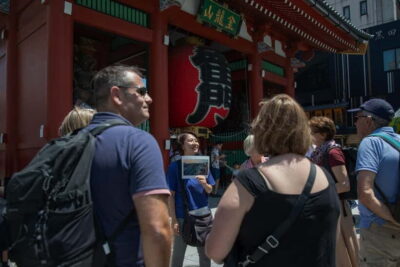 ★ 4.8Asakusa Walking Tour with Sensoji Temple VisitFrom $221,583 reviews
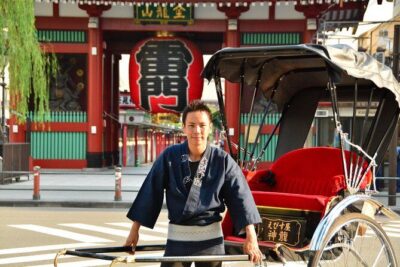 ★ 5.0Tokyo Asakusa Rickshaw TourFrom $421,375 reviews
 ★ 4.5Tokyo Panoramic 1 Day: Meiji Shrine, Asakusa, Odaiba and SKYTREE®From $851,222 reviews
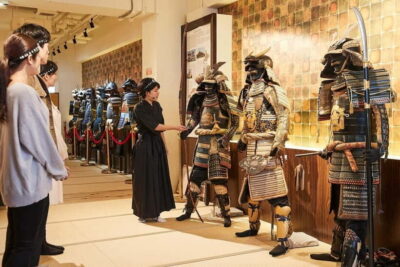 ★ 4.8Samurai Ninja Museum Asakusa: Samurai Sword Lesson & TourFrom $63306 reviews
Asakusa Sightseeing Tour by RickshawFrom $35195 reviews
Asakusa Kimono Dressing and Matcha ExperienceFrom $56173 reviews
★ 4.8Samurai Ninja Museum Asakusa: Samurai Sword Lesson & TourFrom $63306 reviews
Asakusa Sightseeing Tour by RickshawFrom $35195 reviews
Asakusa Kimono Dressing and Matcha ExperienceFrom $56173 reviews
Browse the lists this tour appears in