
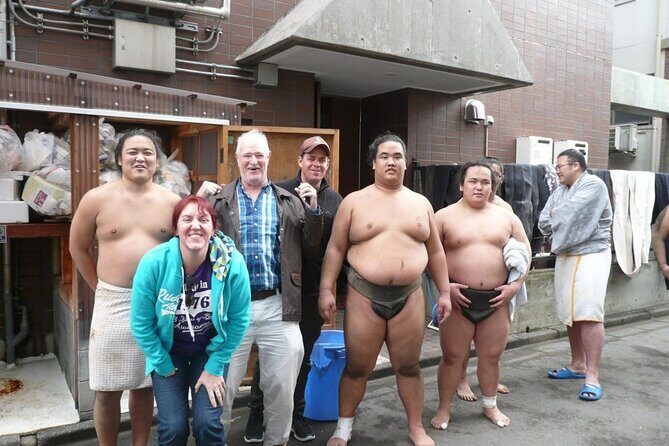
Reviewed · SUMO SHOWS
Sumo Morning Training Watch in Tokyo,Hotel-pickup w/English guide
This is sumo, up close. I love the behind-the-scenes access to a real sumo stable where you can watch training techniques up close, not from far-off seats. I also like the hotel pickup + English guide setup, because it removes the hardest part: figuring out where to go and what’s happening once you’re there.
You’re up early, though. The tour starts at 7:30 am, and getting to the stable can involve walking and public transit, so pack comfortable shoes (and yes, have a Suica or similar transit card handy). One more heads-up: you’ll want to plan for your own breakfast since no food and drink are included.
The experience is shaped by your guide. I’ve seen names like Hiromi, Koichiro, Midori, and Yuka come up again and again, and the common theme is clear: they keep things organized early and help you understand sumo without making it feel like a lecture.
In This Review
- Key Highlights You Should Care About
- A 7:30 Morning Start That Actually Works for Sumo
- Hotel Pickup, Mobile Ticket, and Getting to the Stable
- What You’ll See in the Stable: Exercises, Practice Matches, and Rituals
- Basic Sumo Exercises
- Practice Matches Between Two Wrestlers
- Quiet Time and Asking Questions
- Cultural Details You Actually Use, Not Just Random Facts
- Photo Timing and What to Do After Practice
- Price and Value: What $159.88 Buys You in Tokyo
- Who This Sumo Morning Training Visit Fits Best
- Dates to Watch: When This Tour Isn’t Running in 2025
- Should You Book This Sumo Morning Training Tour?
- FAQ
- What time does the sumo training tour start?
- Is hotel pickup included?
- Is an English-speaking guide provided?
- How long is the experience?
- What happens during the training session?
- Is food or drink included?
- When is the tour not available in 2025?
- Can I cancel for a refund?
Key Highlights You Should Care About
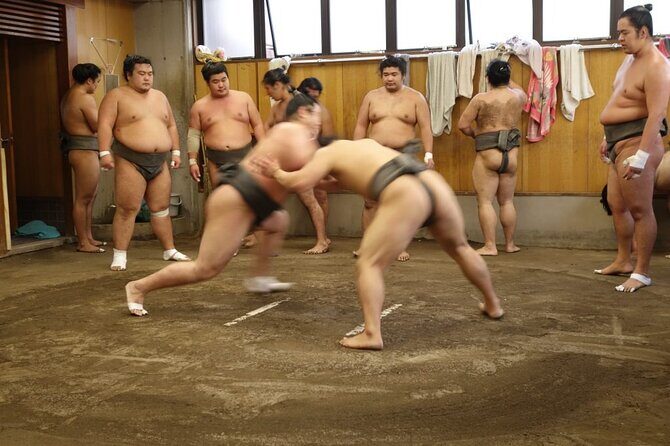
- Real training at a genuine stable: expect exercises, drills, and practice bouts between two wrestlers at a time
- Hotel pickup for a stress-free start: your guide meets you and gets you on the right path
- English explanations that match what you’re seeing: rules, rituals, and technique cues as the morning unfolds
- Quiet viewing, guided by smart tools: you may be able to ask questions using a dry-erase board approach
- Photo chance after training: timing depends on the session, but it can be a real perk
- Small group size (max 15): it feels more like a careful morning visit than a mass tour
More chances to sit ringside
- Tokyo: Sumo Show and Dining Experience★ 4.8 · 2,742 reviews
- the SUMO show★ 5.0 · 1,960 reviews
- Tokyo Shinjuku Sumo Show & Experience with Photo★ 5.0 · 1,750 reviews
A 7:30 Morning Start That Actually Works for Sumo
Sumo training happens early for a reason: the day’s schedule belongs to the wrestlers, not to your itinerary. This tour begins at 7:30 am, which means you’re trading sleep for something special—seeing pro athletes practice their craft in the place where they live and train.
I like that the timing matches the reality of sumo. You’re not just sightseeing around a famous venue. You’re watching routine, discipline, and repetition—plus the little rituals that help make the sport feel ceremonial even when it’s physically brutal.
And because it’s morning, the logistics are easier than you’d think. With hotel pickup included, you’re not standing around at some random station guessing which way is correct while everyone else disappears into Tokyo crowds.
Hotel Pickup, Mobile Ticket, and Getting to the Stable
Logistics are half the trip in Tokyo. This experience helps with that up front: you get a guide who picks you up at your hotel and brings you toward the stable using a mix of public transit.
The tour includes a nationally-licensed English-speaking guide, and you’ll also use a mobile ticket. Most riders can join, and the meeting point is near public transportation, which matters because Tokyo’s best plans still depend on trains running on time.
Here’s the practical part to plan for: even with pickup, you may walk and transfer. Some routes are by foot and subway, and that’s why wearing good shoes matters. One simple tip: load up transit money on your Suica (or equivalent) so you’re not trying to sort payments while half-awake.
What You’ll See in the Stable: Exercises, Practice Matches, and Rituals
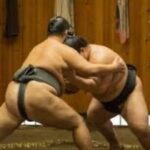
This is the core of the tour, and it’s not just a quick peek. You’ll watch a full training session in a real sumo stable, and your guide will point out what’s going on as it happens. Expect a mix of physical work and structured practice.
The training flow you should anticipate typically follows three phases:
Basic Sumo Exercises
This is the warm-up and strength-building portion. You can expect drills that work legs, hips, and upper body, with exercises aimed at muscle development and control. You’ll notice how much of sumo is about leverage and timing—how wrestlers move their weight as a unit rather than as separate body parts.
Also pay attention to how repetitive it looks. From the outside, sumo can seem like big dramatic collisions. In training, you see the “boring” parts that make those collisions possible.
More days made easy by a guide



Practice Matches Between Two Wrestlers
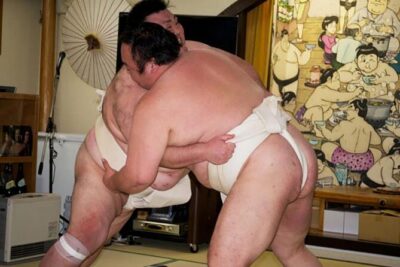
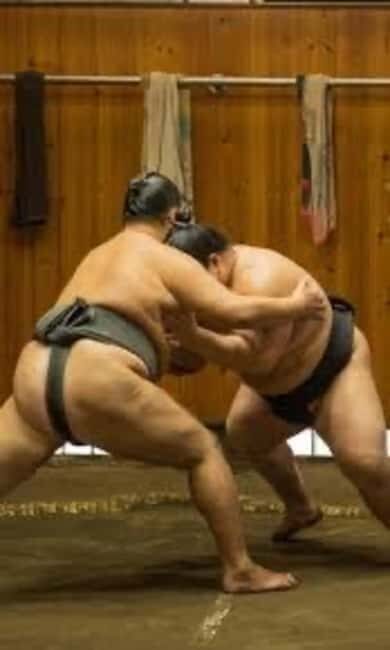
Then comes the part you came for: serious bouts performed between two wrestlers at a time. Even as training, these are real efforts—strong, focused, and hard-hitting. The advantage of watching here (instead of a stadium) is distance. You’re close enough to understand the rhythm of entry, the grip battle, and the way wrestlers reset and try again.
You’ll likely sit on cushions near the ring. Some stables may also bring in chairs, but they can be very low, so consider your comfort with getting down and up.
Quiet Time and Asking Questions
Inside the stable, talk is limited. I like that your guide builds in ways to keep you engaged without disrupting the wrestlers’ routines. Some guides use a dry-erase board so you can ask questions quietly and keep moving with what’s happening in the ring.
That means you’re not stuck nodding politely through confusing moments. You can ask things like what a specific movement signals, why certain routines happen, or how ranks and tournament pressure affect training tone.
Cultural Details You Actually Use, Not Just Random Facts
Sumo can feel mysterious at first: the rituals, the vocabulary, the rules, and why everyone does things in a very specific way. The best part of this tour is that cultural context shows up right alongside the action.
Your guide will explain traditions, history, and the rules of sumo in plain terms—then connect it to what you’re seeing. That connection matters. It turns a physical event into something you can interpret on the spot.
It also helps that your guide can answer questions. You’re not limited to one-way info. If you’re the type who keeps asking why, this tour is built for you. One frequent theme is that guides leave room after segments so you can make sense of what you watched during the quiet stretches.
Photo Timing and What to Do After Practice
At the end of the session, you may have an opportunity to take photos with wrestlers. Timing depends on the stable and the specific session, so treat it as a potential bonus rather than a guaranteed moment.
Still, when it happens, it’s a special payoff. You get to connect the athletes you watched training with real faces and real personalities. And yes, your guide will help coordinate what to do so you don’t end up frozen at the edge of the group.
After the main training, the tour continues with return transit. Depending on the stable and schedule, your guide might also include a quick cultural stop such as a small shrine on the way to or from the stable. Some mornings include additional small visits like a temple stop or a brief look at everyday neighborhood life.
This part is low-key, but it makes the morning feel more complete—like you’re seeing Tokyo beyond just a single fenced-off location.
Price and Value: What $159.88 Buys You in Tokyo
$159.88 per person isn’t a bargain price, but it’s also not just you paying for a seat. You’re paying for a full early-morning logistics package plus real access.
Here’s what you’re getting that justifies the cost for many people:
- Hotel pickup (the morning can be chaotic without it)
- A licensed English guide who helps interpret sumo while you’re watching
- Behind-the-scenes stable access, not an arena-only experience
- A small group size (up to 15), which often makes the experience feel more personal and easier to manage
- A tour length of about 3 hours, which is long enough to see the training rhythm, not just a sample
Also, compare this to the alternative: trying to find a stable visit on your own. That’s doable for the adventurous traveler, but it’s hard to do without local help—especially with early start times. This tour handles the planning so you can focus on the training.
If you love sports, rituals, and learning by watching, this price starts to feel fair. If you only want a quick photo moment, you might find it too structured for what you want.
Who This Sumo Morning Training Visit Fits Best
This tour fits best if you want more than a famous-view experience. You’ll enjoy it if you like:
- sports you can understand better through context
- cultural traditions that make physical action feel meaningful
- asking questions and learning as you go
- closeness—watching athletes at near-training distance
It’s also a good fit for first-time Japan visitors because the English-speaking guide removes common friction points. And it works well for people who don’t speak Japanese but still want a genuine local activity.
You might consider skipping if you:
- hate early mornings
- dislike walking and public transit transfers
- need frequent breaks for food or rest (since no food or drink is included)
Dates to Watch: When This Tour Isn’t Running in 2025
The schedule has blackout dates in 2025, so don’t assume it’s offered every day. The program is not available during these ranges:
- May 10 to June 5
- June 26 to August 6
- September 13 to October 8
- October 23 to December 3
If your trip lands inside one of those windows, you’ll need a different plan for sumo.
Should You Book This Sumo Morning Training Tour?
If your goal is to see real sumo training at a real stable—and you want English support so you understand what you’re watching—this is an easy yes. The mix of hotel pickup, a close viewing position, and guide-led explanations makes it feel like a smart shortcut to the best part of sumo culture.
Book it if you can handle an early start and you’re comfortable with transit and a bit of walking. Skip it if you want a lazy morning or a low-effort activity with no logistics.
One final nudge: bring patience and curiosity. The stable experience rewards attention. The quiet rules, the repetitive drills, and the way the guide frames what you see all add up to a morning that sticks with you long after you leave the stable.
FAQ
What time does the sumo training tour start?
The tour starts at 7:30 am.
Is hotel pickup included?
Yes. Hotel pickup is included, but hotel drop-off is not included.
Is an English-speaking guide provided?
Yes. The tour includes a nationally-licensed English-speaking guide.
How long is the experience?
The duration is approximately 3 hours.
What happens during the training session?
You’ll typically see basic sumo exercises, then practice matches between two wrestlers at a time. After the session, there may be a chance to take photos with the wrestlers depending on the schedule.
Is food or drink included?
No. Food and drink are not included.
When is the tour not available in 2025?
In 2025, the program isn’t available from May 10 to June 5, June 26 to August 6, September 13 to October 8, and October 23 to December 3.
Can I cancel for a refund?
Yes. You can cancel up to 24 hours in advance for a full refund. If you cancel less than 24 hours before the start time, the amount paid is not refunded.
Easier with a Guide
More Tour Reviews in Tokyo






More Mornings with the Wrestlers
Fresh reviews from around Tokyo






Sumo Shows, compared.
 ★ 4.8Sumo Show Experience with Chicken Hot Pot and a PhotoFrom $1036,678 reviews
 ★ 4.8Sumo Show and Dining ExperienceFrom $792,742 reviews
 ★ 5.0the SUMO showFrom $891,960 reviews
 ★ 5.0Tokyo Shinjuku Sumo Show & Experience with PhotoFrom $791,750 reviews
 ★ 4.8Sumo Show and Experience in ShinjukuFrom $691,001 reviews
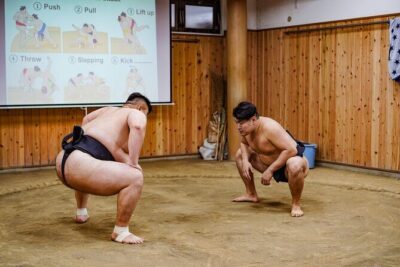 ★ 5.0Authentic Sumo Experience in Tokyo: Enter the SanctuaryFrom $171603 reviews
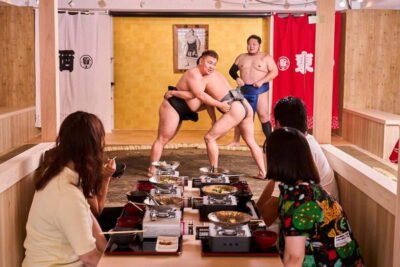 ★ 4.8Tokyo Sumo Experience: Chanko & Mochi with a Former ProFrom $103567 reviews
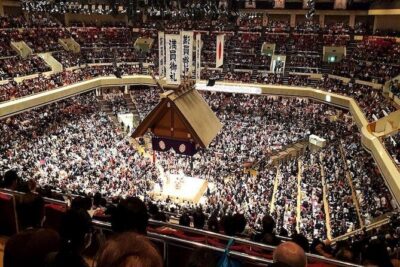 ★ 5.0Ultimate Sumo Tournament: Tokyo, Osaka, Nagoya, FukuokaFrom $184468 reviews
Browse the lists this tour appears in