
Reviewed · HAKONE DAY TRIPS
Private Tour – Hakone Day Trip! A Tour to Explore All Must-Sees!
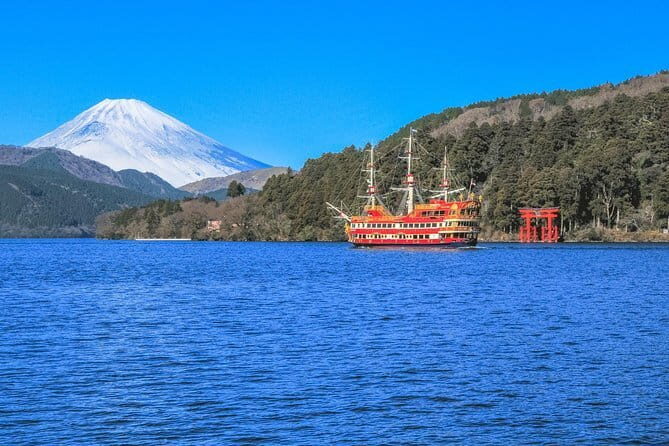
Hakone in one efficient day. This private tour strings together the exact stops that most people come to Hakone for, with Mount Fuji and Lake Ashi viewpoints built into the route. You get a guide who helps you connect the dots, so you spend less time figuring out trains and more time taking in the views.
I especially like the photo-ready flow: Ajisai Bridge first (simple, close, and easy), then shrines with that famous lake torii vibe, and finally the Lake Ashi cruise. The other big win for me is the way the day is paced around big scenery moments—ropeway smoke at Owakudani, then those elevated views afterward.
One thing to keep in mind: Hakone is weather-dependent. If it’s foggy or rainy, you may lose some views of Fuji, and the route can shift to match conditions.
In This Review
- Key highlights you’ll feel on the ground
- The big picture: why this Hakone day trip feels “complete”
- Starting strong at Ajisai Bridge near Hakone-Yumoto
- Hakone Shrine and Kuzuryu Shrine: 1,200 years plus a lake torii
- Lake Ashi cruise and Togendai views: the waterline portion of Hakone
- Ropeway to Owakudani: where the volcano finally takes over
- Cu-mo Hakone at ~757 meters: viewpoint break and foot baths
- Hakone Tozan Cable Car: a classic ride between Sounzan and Gora
- The Hakone Open-Air Museum time: art walking with a guide
- Guide experience: why names like Tatsu, Nanako, Akira, and others matter
- Price and value: what you’re paying for (and what you’re not)
- Should you book this Hakone private day trip?
- FAQ
- How long is the Hakone day trip?
- Where does the tour start and end?
- Is this a private tour?
- What is included in the price?
- What is not included?
- Does the tour include the Hakone Ropeway and Owakudani?
- Will I definitely see Mount Fuji?
- Is there a foot bath, and what should I bring?
- What if the weather is bad?
Key highlights you’ll feel on the ground
- Private, your party only: a flexible schedule built around how your group moves
- Hydrangea Bridge + lake shrine torii photos: quick wins near Hakone-Yumoto
- Lake Ashi by pirate ship: time on the water with great framing of the shoreline
- Hakone Ropeway into Owakudani’s smoke valley: dramatic contrast of steam and exposed rock
- Cu-mo Hakone at ~757 meters: a viewpoint break plus a chance to try foot baths
- Cable car history on the return: the Hakone Tozan Cable Car links you between Sounzan and Gora
The big picture: why this Hakone day trip feels “complete”
Hakone can be confusing on your own. You’ve got lake transport, a ropeway, cable cars, walking paths, and museum time. This is why I like this tour format: it’s built like a checklist, but run with a human guide who can react when reality shows up (rain, crowds, slower-than-expected connections).
The tour lasts about 7.5 hours, starts and ends at Hakone-Yumoto Station, and it’s private, meaning it’s only you and your group. That matters. In Hakone, the difference between a smooth day and a stressful one is often navigation speed. With a guide, you can keep moving without losing time each time you need to decide what to do next.
Price-wise, the base cost is $181.64 per person, which covers the guide and the guide’s required expenses—not the transport and admission at each stop. There’s also an estimated extra spend of about 6,900 JPY per person for transportation, admissions, and meals (with a breakdown of 5,000 JPY for transport/admission and 1,800 JPY for meals). For a one-day plan that includes the ropeway and boat, that extra spend is normal. The value comes from not having to piece together everything yourself, and from getting your time managed so the day feels full but not chaotic.
One more plus: feedback quality is high, with about 98% recommended and an average rating around 4.9. The recurring theme is that guides manage the day well and keep it enjoyable—even when weather doesn’t cooperate.
Starting strong at Ajisai Bridge near Hakone-Yumoto
You’ll begin at Ajisai Bridge, close to Hakone-Yumoto Station. It’s a vermilion bridge that’s especially popular for photos, and it’s nicknamed the Hydrangea Bridge because hydrangeas bloom in June. Even when hydrangeas aren’t in season, the bridge’s color and setting make it an easy, low-effort win.
Why this first stop works: it gets you oriented fast. Hakone can feel spread out, so starting with something close to the rail hub helps your day click into place. You get a quick scenic hit without burning time on travel yet.
The practical note here is timing. The stop is about 10 minutes, so you’ll want to be ready to shoot and then move. Wear comfortable shoes—Hakone is a walking day even when you’re taking vehicles between areas.
Admission is free at this stop, which helps you keep your spending in check early.
Hakone Shrine and Kuzuryu Shrine: 1,200 years plus a lake torii
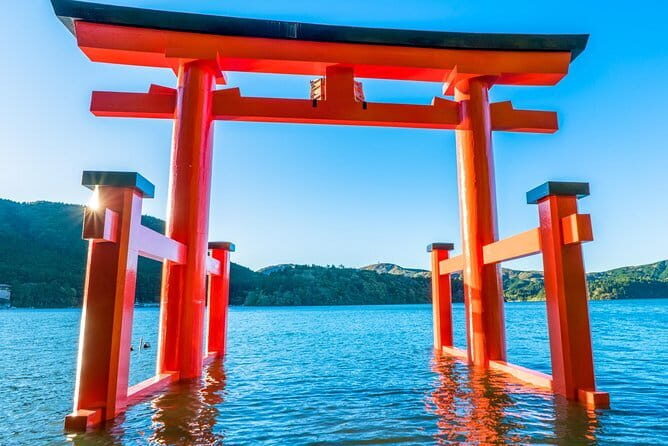
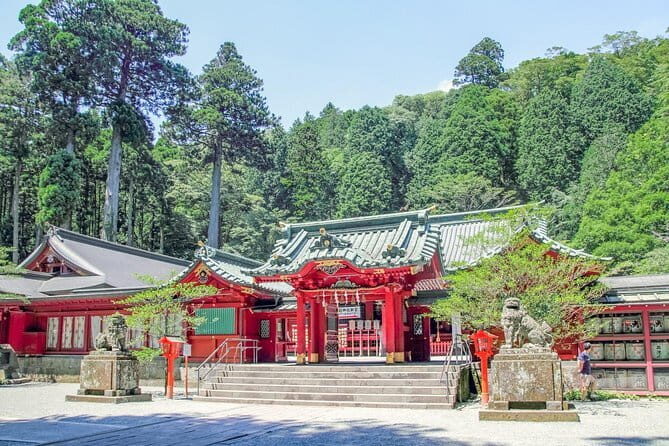
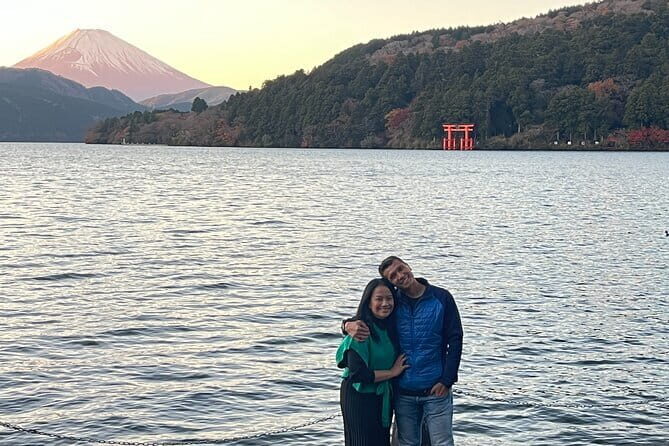
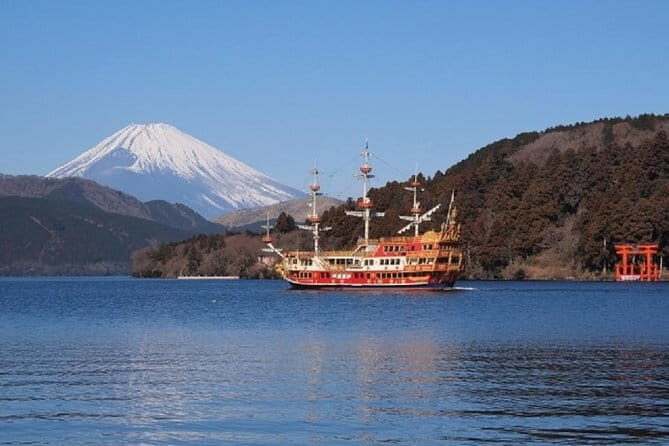
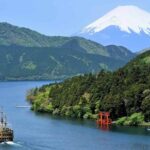
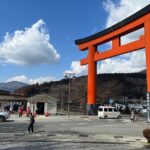
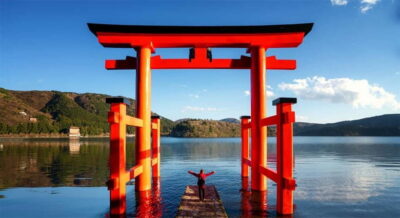
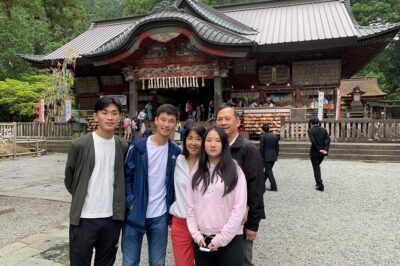
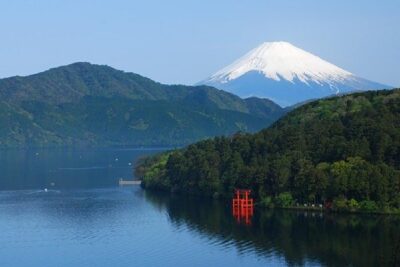
Next you’ll visit Hakone Shrine / Kuzuryu Shrine. This is the kind of stop that’s hard to “fake” with a quick selfie. The shrines have a history of 1,200 years or more, and there’s a particular photo spot people chase: a torii gate standing on the lake.
That lake torii is popular because it creates a different look than you get at most shrine gates. It’s one of those moments where the scenery is part of the symbolism. If you time it right and the water is calm, the reflections can be a nice bonus.
This stop runs about 45 minutes. That’s enough time to slow down, walk around, and not feel rushed. Also, admission is free, so you can spend your budget on the parts of the day that require paid transport (boat, ropeway, cable car).
Lake Ashi cruise and Togendai views: the waterline portion of Hakone
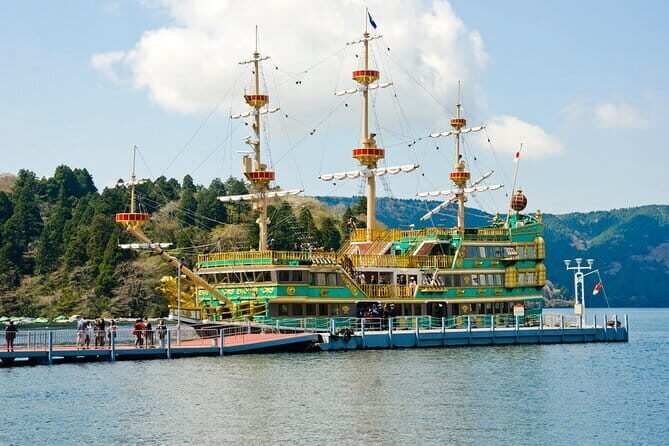
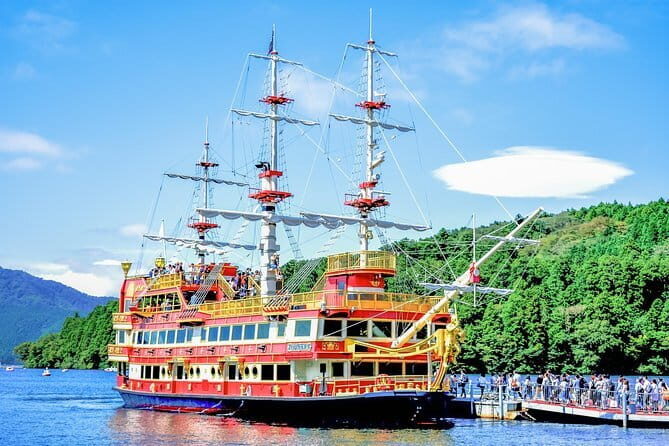
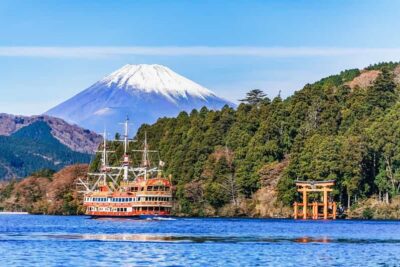
Then it’s off to the lake: you’ll board a cruise from Motohakone-ko Pier (often described as the Hakone Pirate Ship from Motohakone port). The cruise is about 50 minutes, and it’s not just “sit and look.” The boat experience is part of the fun.
One detail I like from the description: the onboard space is decorated with model ships connected to French, British, and Swedish ships. It gives the cruise a playful vibe, not just sightseeing-by-default.
You’ll also have a stop for lunch at Togendai View Restaurant, located inside Togendai Station. You get a view of Lake Ashi and the pirate ships, while you eat grilled dishes and other local-ingredient options. That’s a smart pairing because you’re already in the viewing zone. In Hakone, it’s easy to waste time switching locations just to eat—this keeps you in the right place.
Admission for these sections isn’t included, and the cruise and restaurant are listed as not included in the base price. This is where your estimated extra spend (the 6,900 JPY per person range) tends to land.
My advice: if you care about food, don’t wait until you’re starving. The day is tightly set, and lunch timing can affect how relaxed you feel after.
Ropeway to Owakudani: where the volcano finally takes over
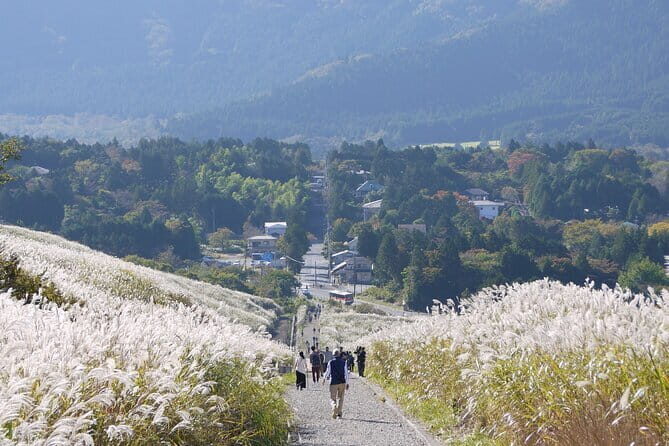
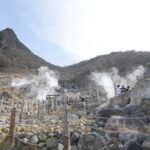
Now for the dramatic bit: Hakone Ropeway up to Owakudani. The ropeway ride is about 50 minutes in the plan, and the key moment happens right as you get near Owakudani—you see white smoke filling the valley. On clear days, you may even get standout views toward Mount Fuji, but you shouldn’t count on it.
Owakudani itself is about 45 minutes. This is where Hakone feels most volcanic. The area was created by a Hakone Volcano eruption roughly 3,000 years ago, and the place still releases steam and smoke. Compared with the greenery elsewhere in Hakone, Owakudani’s exposed rock and minimal vegetation make it look like a different world.
Why I think this stop is worth prioritizing: even if you’ve seen volcanoes before, Owakudani’s steam-and-rock contrast is the sort of scene that’s hard to replicate elsewhere in Japan in a single day. It’s also the kind of place where your guide’s timing matters—when conditions change, the best path and the best viewpoints can change too.
One caution: weather. If it’s rainy, the ropeway and valley can feel colder and more slippery than you expect. Bring layers and keep your footing in mind.
Cu-mo Hakone at ~757 meters: viewpoint break and foot baths
After the smoke valley, you’ll get a breather at cu-mo Hakone, around 757 meters altitude. This spot is about 20 minutes, and it’s described as a viewpoint area where you can enjoy the scenery of Hakone.
There’s also a fun add-on: foot baths. This is where your own comfort planning helps. The tour info recommends bringing your own towel because there’s an opportunity to try the foot bath and you may need something to dry off.
This stop is more “light and scenic” than the volcano, so it helps break up the day. In a perfect world (clear skies), this is often when you start to connect the visuals of Lake Ashi with the higher Hakone viewpoints. Even if the weather isn’t perfect, you’ll still get a calm moment to reset.
Hakone Tozan Cable Car: a classic ride between Sounzan and Gora
Next comes the Hakone Tozan Cable Car, connecting Sounzan to Gora. It runs about 25 minutes and is noted as the oldest cable car in the Kanto region, with service dating back to 1921.
So what’s the appeal? It’s a convenient link that also gives you a small dose of nostalgia and movement—enough to break up walking time without requiring extra planning. It also supports the overall route flow, helping you transition between the lake-side and higher sightseeing zones.
Since transport here isn’t included in the base price, plan for that portion in your budget. But if you’re doing a one-day Hakone hit list, you generally end up using most of the paid transport anyway.
The Hakone Open-Air Museum time: art walking with a guide
Your tour includes the Hakone Open-Air Museum as part of the day’s highlights. In practice, this usually means time to walk through open-air sculpture spaces and enjoy the museum without it feeling like a stuffy indoor stop.
One mixed point to watch for: if you’re a serious museum fan who wants extra time to slow down, ask your guide for that preference early. On busy days, some routes can feel rushed in museum time simply because the day includes several major transportation segments.
On the upside, having a guide helps you keep the museum visit connected to the surrounding viewpoints and transport windows, instead of losing time when a shuttle or connection runs behind.
If your priority is photos of Lake Ashi and Fuji viewpoints, the museum visit will likely feel like a satisfying bonus. If your priority is deep art time, you may want to nudge the schedule to protect your pace.
Guide experience: why names like Tatsu, Nanako, Akira, and others matter
Because this is private, your guide makes a real difference. I’m using the names only as examples from the strong feedback this experience has: people have praised guides including Koji, Tatsu, Nanako, Akira, Mike, Hori, and Max.
The common themes are practical and reassuring:
- guides communicate ahead of time
- guides tailor the schedule to interest levels
- guides answer questions and help with ticket buying when needed
- guides adjust plans when weather blocks certain views (like Mount Fuji)
That flexibility is huge in Hakone. Fuji isn’t guaranteed, and on bad visibility days, a good guide doesn’t just shrug. They redirect your attention to what you can still see and enjoy.
Price and value: what you’re paying for (and what you’re not)
Let’s break down value in plain terms. You pay $181.64 per person for the private guided structure. What you don’t pay through the base price includes transportation and most admissions, plus meals.
The estimated additional cost provided is 6,900 JPY per person, including:
- 5,000 JPY for Transportation & Admission Fees
- 1,800 JPY for meal costs
- plus a mention of optional experience costs around 100 JPY per person
So you’re not just paying for a guide—you’re buying a managed route that strings together pricey-but-famous parts of Hakone: a Lake Ashi cruise, a Ropeway ride, the Owakudani area, and the Cable Car.
If you’re comfortable navigating yourself and you only want one or two major stops, you might save money. But if you want the full Hakone “greatest hits” day without stress, the private format is doing real work for you.
Also, you should consider timing. On weekends and during congestion, waiting for transport can stretch. The plan notes that the day may shorten stays or skip spots to protect overall timing, especially when crowds pile up.
Should you book this Hakone private day trip?
I’d book it if:
- you want a one-day Hakone plan that covers the key sights instead of cherry-picking
- you don’t want to battle route planning across lake transport, ropeway, and cable car
- your group values views plus structure, not just wandering
- you like the idea of Owakudani’s smoke valley and a Lake Ashi cruise in the same day
I would think twice if:
- Mount Fuji views are your only goal and you’re traveling in a season or weather pattern that often blocks visibility
- your group needs lots of slow time at the Open-Air Museum (ask for pacing preferences early)
- you’re trying to hit Hakone on a strict budget and don’t want the extra 6,900 JPY per person range
If you do book, come ready to walk, bring layers for the ropeway and valley, and bring a towel for the cu-mo Hakone foot baths.
FAQ
How long is the Hakone day trip?
It’s about 7 hours 30 minutes (approx.).
Where does the tour start and end?
The meeting point is Hakone-Yumoto Station, and the tour ends back at the meeting point.
Is this a private tour?
Yes. It’s private and only your party participates.
What is included in the price?
The tour includes a tour guide, the private tour setup, and the necessary expenses for the guide during the tour.
What is not included?
Transportation and admission fees, plus meal costs and any other costs at the visited spots. The tour lists estimated costs of about 6,900 JPY per person (transportation & admissions 5,000 JPY, meals 1,800 JPY) plus optional experience costs.
Does the tour include the Hakone Ropeway and Owakudani?
Yes. The route includes a Hakone Ropeway ride and time at Owakudani.
Will I definitely see Mount Fuji?
No. The experience depends on good weather, and fog or bad conditions can affect what you see.
Is there a foot bath, and what should I bring?
There is a spot where you can try foot baths at cu-mo Hakone, and the tour recommends bringing your own towel.
What if the weather is bad?
If weather is bad, routes, transportation, and destinations may change. If it’s canceled due to poor weather, you’ll be offered a different date or a full refund.
More Tours in Hakone

More Tour Reviews in Hakone
Hakone, Three More Ways
Hakone Day Trips, compared.
 ★ 4.0Mt Fuji & Hakone Cruise, Drum Show Bullet Train 1 Day from TokyoFrom $1497,413 reviews
 ★ 4.4Tokyo Mt Fuji 5th St & Hakone Cruise Bus Tour w/Bullet TrainFrom $1545,024 reviews
 ★ 4.7Mt. Fuji Tour, Hakone Ropeway, Owakudani, Lake AshiFrom $544,002 reviews
 ★ 5.0Private Tour to Mt. Fuji and Hakone (Fully Licenced Operator)From $4971,910 reviews
 ★ 4.0Mt Fuji & Hakone Cruise, Drum Show Bus 1 Day from TokyoFrom $1221,287 reviews
 ★ 4.2From Tokyo: Mt. Fuji & Hakone Tour w/ Return by Bullet TrainFrom $1171,278 reviews
 ★ 4.5Mt. Fuji & Hakone Private Day Tour with English-Speaking DriverFrom $453824 reviews
 ★ 4.2Hakone Fuji Day Tour w/ Cruise, Cable Car, VolcanoFrom $98724 reviews
Browse the lists this tour appears in