
Reviewed · WORKSHOPS
Popular Sushi Making Class near Tokyo Tower
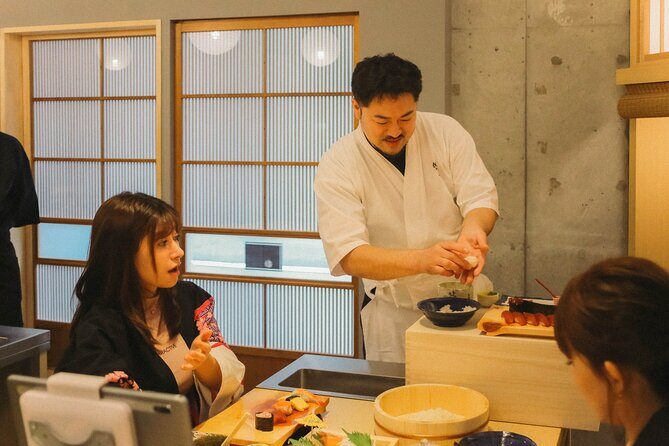
Tokyo Tower sushi, made with your own hands. This hands-on class in Higashiazabu turns a tourist sight stop into something you can actually do: you learn sushi basics in English, then eat what you make. I like the warm, patient teaching style (I’ve seen instructors such as Keiko and Yuki praised for clear steps), and I love the food quality people point out as fresh and tasty. The main drawback to consider is that at this price you may want realistic expectations about fish and rice quality.
The class runs about 1 hour 30 minutes, and it’s structured for small groups (up to 14). You also get helpful support like a short video instruction at your seat, plus costume and photo moments that make it feel like more than just a cooking demo.
One more thing: the experience is set in the Tokyo Tower area, and your day can naturally tie into nearby landmarks like Zojo-ji and Shiba Park. If you’re short on time or hate walking between sights, plan for a tight schedule so you don’t feel rushed.
In This Review
- Key things I’d plan for
- Sushi Garyu in Higashiazabu: convenient, compact, and fun
- What you’ll make in class: sushi basics you can actually use
- English lessons, step-by-step support, and costume chaos (in a good way)
- Price and logistics: is $87.55 a good value?
- Dietary needs: what you can get, and what you must request early
- The Tokyo Tower neighborhood route: how these stops fit your day
- Tokyo Tower
- Zojo-ji
- Azabujuban
- Shiba Park
- TeamLab Borderless Tokyo at Azabudai Hills
- Azabudai Hills
- Hamarikyu Wharf
- Tokyo City View Observation Deck (Roppongi Hills)
- The National Art Center, Tokyo
- Roppongi
- Who should book this sushi class near Tokyo Tower?
- My go/no-go advice
- FAQ
- How long is the sushi-making class?
- Where does the class start and end?
- Is the class taught in English?
- What dietary options are available?
- Are there any allergy considerations?
- How big are the groups?
- Is there a cost for children?
- What’s the cancellation policy?
- Should you book?
Key things I’d plan for
- Small group limit (14 max) means you’re not shouting over a crowd
- English instruction plus video support helps if your Japanese is still a work in progress
- You make and eat sushi right away, so you get both skills and a meal
- Dress-up photo moments (kimonos and fun props show up in the feedback)
- Dietary options are available only if you message ahead about what you need
- Near Tokyo Tower makes it easy to pair with night views afterward
More things to make with your own hands
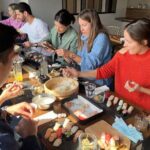
- Sushi Making Tokyo Roll and Authentic Japanese Sushi Class★ 5.0 · 3,971 reviews
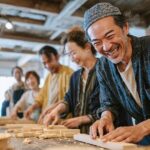
- Tokyo Shinjuku Chopsticks Making Class★ 5.0 · 1,763 reviews
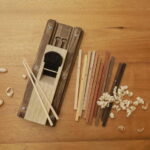
- Chopstick Making Workshop in Ginza★ 4.8 · 1,366 reviews
Sushi Garyu in Higashiazabu: convenient, compact, and fun
This class is based in Higashiazabu, not far from Tokyo Tower. The meeting point is listed at 1-chōme-6-8 Higashiazabu in Minato City, and the experience ends back there. That matters because you can keep your day simple: come in for the lesson, then head out to dinner or Tokyo Tower sightseeing without hauling luggage or dealing with complicated transfers.
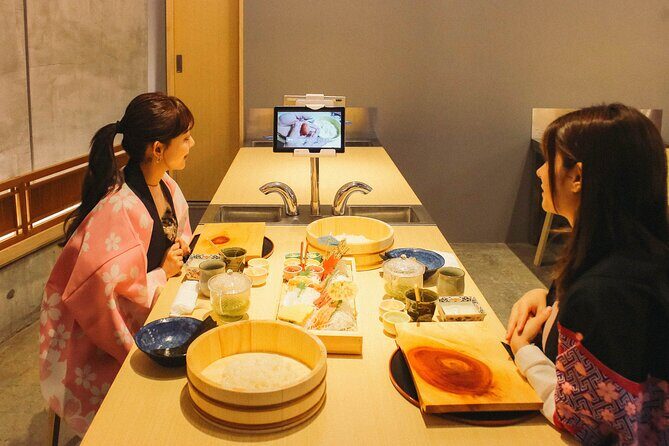
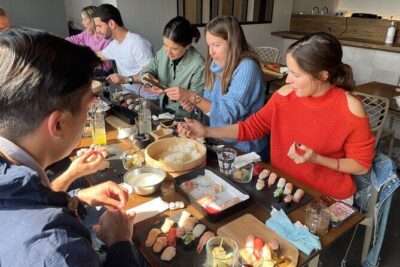
The setup is clearly designed for a hands-on workshop. Reviews highlight a clean, well-organized space with individualized workstations and helpers on site, which is exactly what you want when you’re learning rice handling and nigiri assembly. The group size cap at 14 also keeps the energy friendly instead of chaotic.
You’ll likely be seated with other customers depending on how busy things are, so if you’re the type who likes quiet and personal attention, consider booking when it’s less crowded (midday can be busy in Tokyo).
What you’ll make in class: sushi basics you can actually use
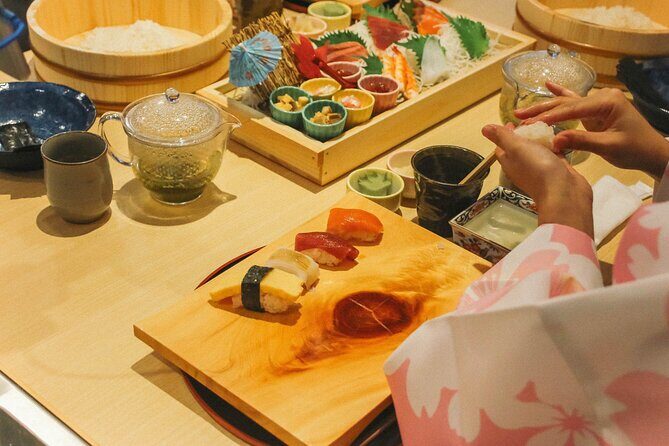
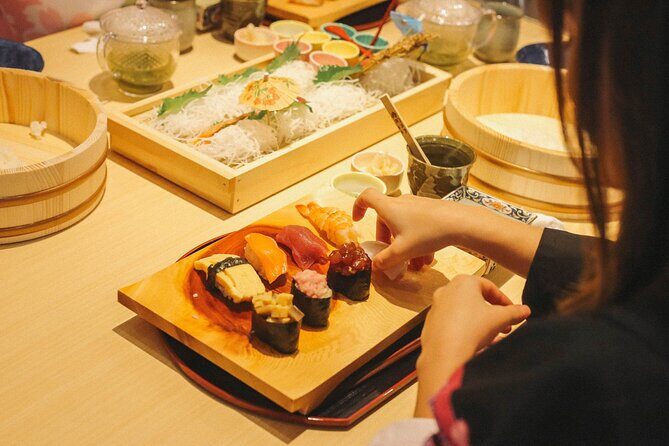
The core experience is straightforward: you learn to make sushi with a chef’s guidance and then eat your own creations. The lesson covers sushi techniques that are useful at restaurants too, especially if you want to order with confidence rather than guessing.
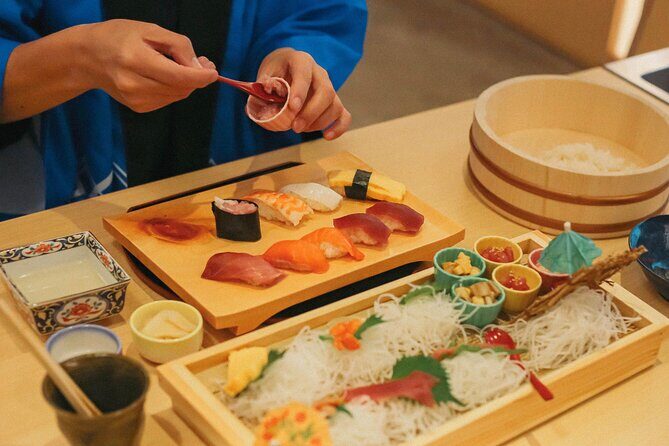
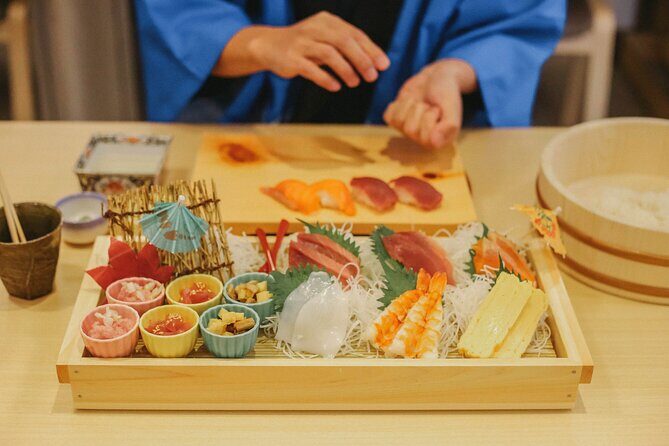
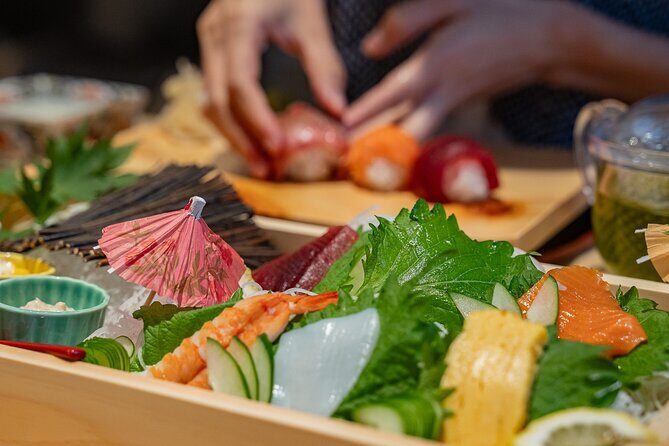
Ingredients mentioned include salmon, tuna, and other standard sushi components. The most repeated theme in the feedback is that the class teaches you how to work the rice and how to assemble each piece with care. That’s not just “cool food trivia.” Learning the rice texture and how fish is positioned helps you understand what makes a good nigiri feel right in your hands and taste right in your mouth.
In terms of what you get to eat: people describe a satisfying set of pieces they assembled, with some saying they ended up with roughly 8 to 12 pieces depending on the session and pacing. Either way, you’re not leaving hungry, because the meal is built into the activity.
Practical tip for your planning: this is not a tiny bite-size demo. If you show up light on food, you’ll have a much better time enjoying the sushi you make.
English lessons, step-by-step support, and costume chaos (in a good way)
One of the biggest strengths here is how accessible the instruction feels. The chef teaches in English, and there’s also video instruction at your seat so you can re-check steps while you work. That combination helps a lot, especially if you want to understand the why, not just copy the motions.
The class style also shows up in the way people talk about the teachers. Keiko is praised for a warm welcome and patient explanations. Yuki is called out for encouraging, friendly guidance. There’s also mention of staff who can talk with you about Japan while you practice, which turns the lesson from purely mechanical into something more human.
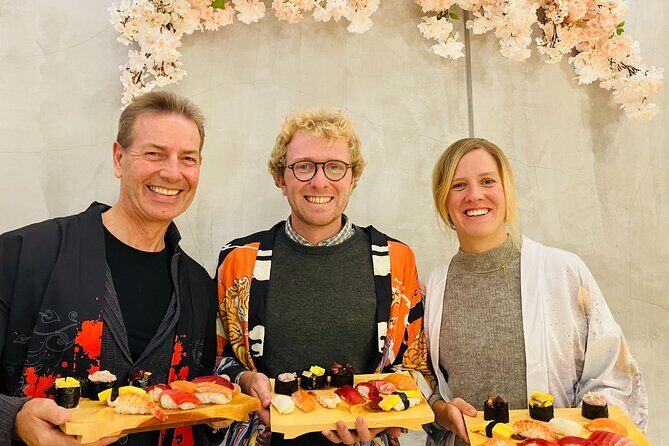
Then comes the fun part: dressing up. You might wear a chef costume to get into the spirit (the experience description calls for it), and the feedback also mentions kimonos, photo opportunities, and props like samurai swords, with instructors taking lots of pictures, sometimes using a bright ring light. If you like having real photos from your activity, this is a strong bonus.
The only caution: if you’re expecting a very formal “precision school” class, you might find the pacing more relaxed than that. One review flagged that instruction can be harder to follow when language barriers come up. If you’re sensitive to that, choose your expectations accordingly: you’re there to learn hands-on, not to pass a sushi-engineering exam.
Price and logistics: is $87.55 a good value?
At $87.55 per person, this isn’t a budget snack. But you’re not paying for a paper receipt and a quick taste. You’re paying for:
- A guided lesson (about 90 minutes)
- A small-group setup (max 14)
- Fresh ingredients used for what you assemble
- The fact that you eat what you make
- Added experience value through dress-up and photo support
So the “value” question is really: do you want sushi skill + a meal, in a structured setting, near Tokyo Tower? If yes, the price makes sense because you’re getting both entertainment and a learnable outcome. Some feedback even calls it “well run” and “memorable,” especially for first-time visitors.
The trade-off is that one person felt it was slightly overpriced and another thought the fish and rice didn’t hit their ideal. That tells me the quality is likely good and fresh for most people, but if you’re a sushi purist who benchmarks against the very highest-end omakase, you may judge it more strictly.





Dietary needs: what you can get, and what you must request early
If you eat vegetarian, vegan, or gluten-free, that’s a major plus. Options are listed as available, but the key condition is time: you need to message in advance. If you wait until the day of, they might not be able to accommodate you.
Food allergies also need advance notice. The guidance is simple: let them know any allergies in advance by message. That’s a smart rule for any cooking class, and it’s especially important with cross-contact risk.
My advice: message early with the exact wording you can handle (for example, gluten-free vs wheat-free is not the same thing). If you’re picky, be specific. You’ll get a much smoother experience.
The Tokyo Tower neighborhood route: how these stops fit your day
The experience is tied to the Tokyo Tower area and your day has a route through several Minato highlights. Even if the sushi class is the main event, the surroundings matter because they help you feel like you’re exploring Tokyo for real, not just checking a box.
Here’s how to think about the listed stops and what each adds:
Tokyo Tower
Starting near Tokyo Tower puts you in one of the easiest “anchor points” for visitors. After class, it’s also a natural place to aim your evening. If you’re into skyline views, this is a good base.
Zojo-ji
Zojo-ji is a classic Tokyo landmark with temple energy. It’s a nice contrast to the high-tech feel of nearby neighborhoods. The drawback for some people: temple areas can involve stairs and uneven walking, so wear comfortable shoes.
Azabujuban
Azabujuban is the kind of neighborhood that rewards slow wandering. You’re in Minato, so expect a mix of local streets and stylish storefronts. The main consideration is time: if you want to shop, leave a little buffer.
Shiba Park
Shiba Park gives you a breather in a city that doesn’t always slow down. It’s a good spot to reset your pace before you head to more structured stops. If weather’s bad, you may want to prioritize indoor moments later.
TeamLab Borderless Tokyo at Azabudai Hills
This is one of the bigger “wow” attractions on the route. The practical point is that it’s popular and can have lines. The data doesn’t spell out entry rules or timing, so treat this as a planned stop you should confirm for your exact day and session.
Azabudai Hills
Azabudai Hills is a modern hub, and it pairs well with TeamLab in the same area. If you like architecture and clean city design, this stop scratches that itch. If you prefer calmer streets, keep it short and move on.
Hamarikyu Wharf
This adds a more traditional edge. A wharf setting gives you a different kind of scenery than Tokyo Tower’s metalwork. If you’re the type who hates long transit, it’s still manageable because it’s on the route list for this activity, but you’ll want to pace yourself.
Tokyo City View Observation Deck (Roppongi Hills)
If Tokyo Tower is your “start the skyline,” this is your “double-check the view” option. Observation decks are best late afternoon into night when light shifts, but the main lesson is simple: you’ll want a clear schedule so you don’t end up sprinting from class to another viewing spot.
The National Art Center, Tokyo
This stop is for people who like culture breaks that don’t feel like a lecture. Art centers can also provide a welcome indoor reset. The drawback is unpredictable crowding depending on exhibitions, so don’t plan a tight chain if you hate waiting.
Roppongi
Roppongi is where your day’s energy often picks up again. It’s a practical finish because it has lots of food options nearby. The only warning: it’s popular, so you may find yourself competing for restaurant seating if you go at peak hours.
Who should book this sushi class near Tokyo Tower?
This class is best for:
- First-time sushi fans who want to learn how nigiri is built
- Couples and families who want a hands-on activity with an easy “we did something real” payoff
- People who want a structured lesson in English without needing fluent Japanese
- Anyone who likes photo moments and a little cosplay-style fun
It may be less ideal if:
- You’re chasing the absolute highest-end sushi standards and expect chef-grade omakase fish
- You dislike group settings (even with a small group cap, you may share space with others)
- You need very specific dietary accommodations and haven’t messaged ahead
My go/no-go advice
If you’re in Tokyo and you want sushi knowledge plus a meal, this is an easy win. The English instruction, the hands-on assembly work, and the fact that you get to eat what you craft make it feel like real value rather than a tourist performance.
Book it if you’re also planning to see Tokyo Tower and you like the idea of turning that area into a mini day of sights. Skip it or adjust expectations if you’re extremely picky about fish quality or you want a tightly scripted, ultra-formal class with zero ambiguity.
FAQ
How long is the sushi-making class?
It runs for about 1 hour 30 minutes.
Where does the class start and end?
It starts at 1-chōme-6-8 Higashiazabu, Minato City, Tokyo 106-0044, Japan and ends back at the meeting point.
Is the class taught in English?
Yes, a sushi chef teaches the class in English.
What dietary options are available?
Vegetarian, vegan, and gluten-free options are available if you message in advance. If you request on the day, they may not be able to accommodate you.
Are there any allergy considerations?
Yes. You should let them know about any food allergies in advance by message.
How big are the groups?
The experience has a maximum of 14 travelers.
Is there a cost for children?
Fees apply from 4 years old. Children under 4 should share a dish, and the exact child fee is referenced by the list.
What’s the cancellation policy?
You can cancel for free up to 24 hours in advance for a full refund. If you cancel less than 24 hours before the start time, the amount paid is not refunded.
Should you book?
Yes, especially if you want a hands-on sushi lesson near Tokyo Tower and you’d like to leave with both skills and a meal. Just message ahead about dietary needs, and keep expectations aligned with a fun, structured class rather than top-tier omakase.
Make Something to Take Home



More Tour Reviews in Tokyo



Fresh reviews from around Tokyo






Workshops, compared.
 ★ 5.0Sushi Making Tokyo Roll and Authentic Japanese Sushi ClassFrom $593,971 reviews
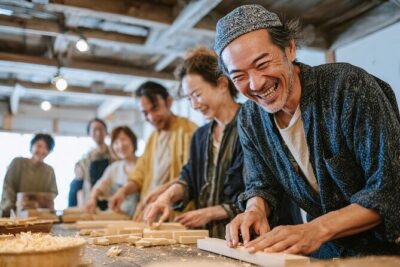 ★ 5.0Tokyo Shinjuku Chopsticks Making ClassFrom $201,763 reviews
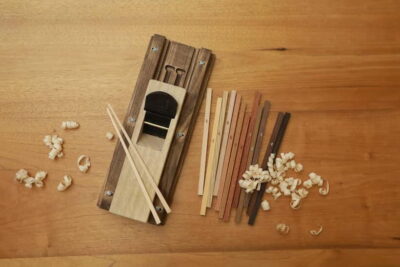 ★ 4.8Chopstick Making Workshop in GinzaFrom $251,366 reviews
 ★ 5.0Tokyo Sushi Making Class in Tsukiji with Professional ChefFrom $491,177 reviews
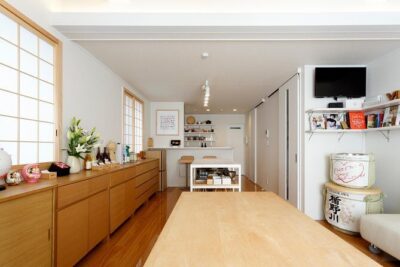 ★ 5.0Ramen & Gyoza Cooking Class in Tokyo with Local Supermarket VisitFrom $122823 reviews
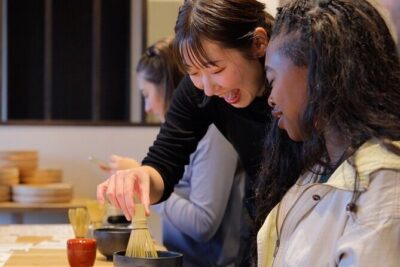 ★ 5.0Matcha Making Class in Tokyo with Authentic Japanese Sweets SetFrom $21744 reviews
 ★ 5.0Samurai Sword & Archery Class from Samurai DescendantFrom $193603 reviews
 ★ 4.9Tsukiji Fish Market Sushi Making Class with Pro ChefFrom $63506 reviews
Browse the lists this tour appears in