
Reviewed · SUMO SHOWS
Grand Sumo Tournament Tour w/an English Guide ,Tokyo January 2026
Sumo is better when you know the rules. This guided trip takes you into Tokyo’s Kokugikan arena and pairs the match with clear English explanations, so the action makes sense instead of feeling like random chaos. I like that it also includes the Sumo Museum, where you get context for the clothing, ceremonies, and etiquette you’ll see in the ring.
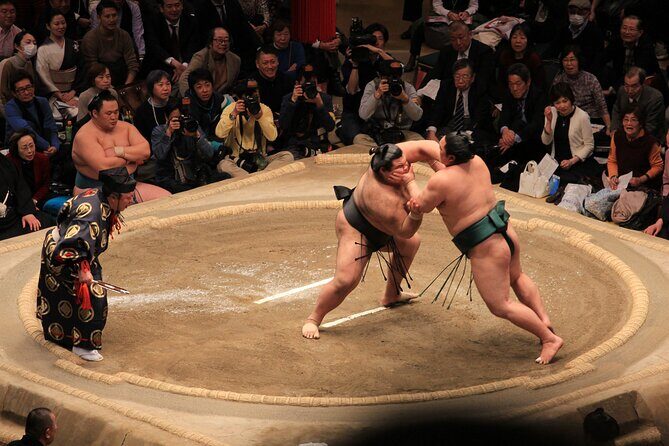
Two things I really liked: the reserved S Seat-style chair seating (the best chair option in this tour’s category) and the guide-led breakdown of pro sumo—divisions, rankings, and what the referee (gyoji) and announcer (yobidashi) are doing. The small group size also helps, so you can ask questions and get answers during the quieter museum moments.
One consideration: this tour is priced like a package, and it can feel a bit steep if you only compare it to the face value of a standard tournament ticket. Also, S Seat and A Seat options for January can be released later, so you’ll want to book early if those matter to you.
In This Review
- Grand Sumo at Kokugikan: What This Tour Actually Turns On
- Getting Oriented at Ryōgoku Station (Before the Noise)
- Reserved Seating: The Real Value of S/A/B Categories
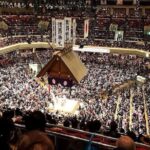
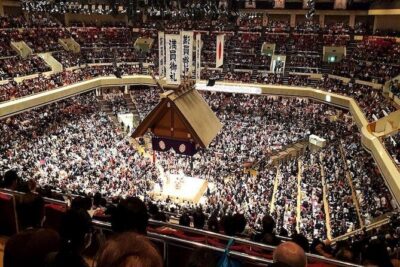
- Inside Kokugikan: What the Guide Helps You Catch
- How pro sumo is structured (and why it matters)
- Rankings: Yokozuna to makuuchi (so names mean something)
- The match action: kimarite and highlights
- Kokugikan’s Traditions and Etiquette: Not Just Style, Real Signals
- The Sumo Museum Stop: Context That Makes the Arena Click
- Group Day Tips: Make the Most of a 3h45 Slot
- Price and Value: $124.26 Isn’t Just a Seat
- Weather and Date Reality for January Sumo
- Who Should Book This Tour (and Who Might Skip It)
- Should You Book the Grand Sumo Tournament Tour with an English Guide?
- FAQ
- How long is the Grand Sumo Tournament Tour?
- Where do we meet, and when does the tour start?
- How many people are in the group?
- What seat options are available?
- Is there an admission fee?
- Do I get a ticket on my phone?
- Can I cancel for free?
Grand Sumo at Kokugikan: What This Tour Actually Turns On
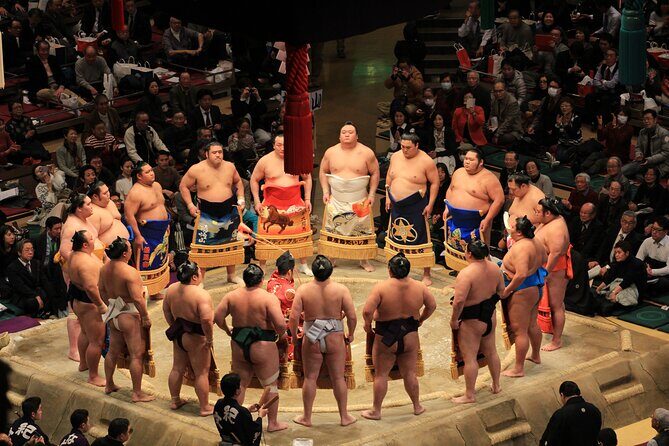
- Reserved chair seating helps you focus on the action, not seat-hunting.
- English guidance makes roles in the ring (gyoji and yobidashi) easier to understand.
- Match commentary with kimarite meaning gives structure to what you’re watching.
- Sumo Museum stop adds context for uniforms, etiquette, and traditions.
- Small group (max 10) keeps questions possible and the pace comfortable.
- Mobile ticket means less hassle the day of the tournament.
More chances to sit ringside
- Tokyo: Sumo Show and Dining Experience★ 4.8 · 2,742 reviews
- the SUMO show★ 5.0 · 1,960 reviews
- Tokyo Shinjuku Sumo Show & Experience with Photo★ 5.0 · 1,750 reviews
Getting Oriented at Ryōgoku Station (Before the Noise)
You start at RYŌGOKU STATION, with the tour running from 2:15 pm and ending back at the same meeting point. That meeting location matters because Ryōgoku is the natural launch point for sumo in Tokyo, so you’re not trying to navigate the last steps on your own while everyone else heads in.
This isn’t a huge group day: the cap is 10 travelers. In practice, that means your guide can escort you to your reserved seat without turning it into a crowded shuffle. You’ll also like the simple rhythm of the timing—3 hours and 45 minutes approx. is long enough to see both the arena and the museum context, without dragging.
Reserved Seating: The Real Value of S/A/B Categories
The tour’s core promise is that you’ll be escorted to your reserved seat inside the arena. That’s a big deal for sumo because the experience is very seat-dependent: being in the right chair setup lets you follow the pre-match tension and the quick momentum swings once they start.
Here’s how the categories are described:
- S Seat (Chair Seating) is stated as the best chair seating available.
- A Seat is another chair option (availability is listed as to be released soon).
- B Seat has specific January dates listed: Jan 11, 13, 15, 21, 22, 23.
If you’re price-shopping, don’t compare the tour to a standard ticket only by cost. Compare it to what you get alongside the ticket: an English guide escorting you to the seat, plus built-in explanations that help you interpret what’s happening. If you go in knowing almost nothing about pro sumo structure, the guide’s value tends to show up fast.
Inside Kokugikan: What the Guide Helps You Catch
Once you’re in Kokugikan, the arena becomes more than a place to watch. The tour is set up so your guide explains the setting and the flow—so you understand what you’re seeing as it unfolds.
How pro sumo is structured (and why it matters)
The guide walks you through the structure of professional sumo, including the different divisions and how early matches fit into the day’s big picture. Even if you only care about the highest-level bouts, knowing how the divisions connect gives you a cleaner map of the whole tournament.
You’ll also get help decoding the roles you see on match day:
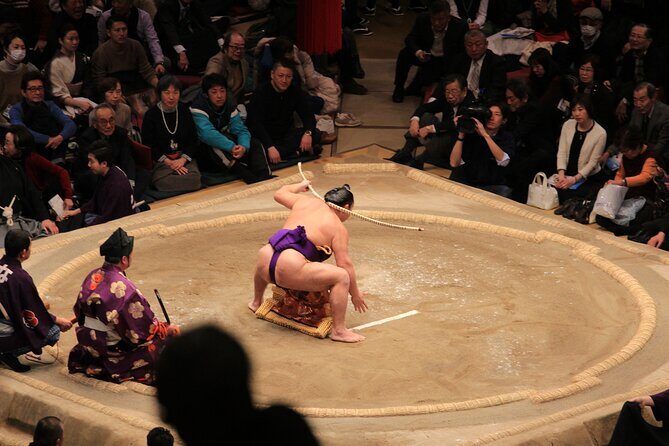
- The referee gyoji
- The announcer yobidashi
Their traditional attire isn’t just costume; the guide explains the meaning behind it, so you’re not stuck guessing what each official’s job is when they appear.
More days made easy by a guide



Rankings: Yokozuna to makuuchi (so names mean something)
A major reason sumo feels confusing at first is that you hear names without a ranking framework. This tour tackles that. You’ll learn the ranking ladder and what it implies about a wrestler’s status—covering terms like yokozuna and ozeki, plus other named groups you’ll hear during the tournament.
That matters because match results aren’t just wins and losses. They connect to status, expectations, and tournament momentum. When you understand the ranking system, the day feels more legible.
The match action: kimarite and highlights
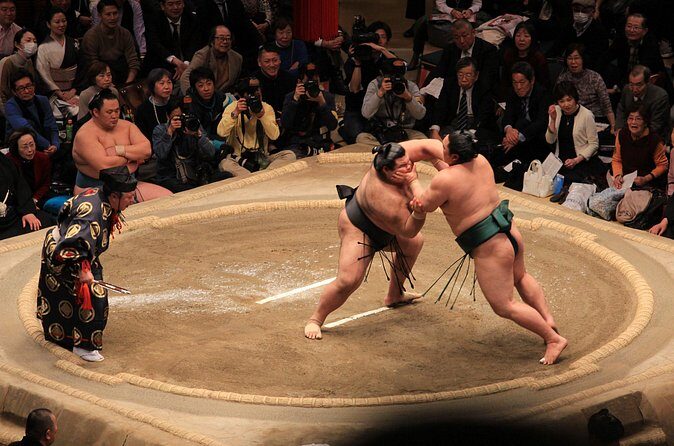
This is where the guided portion pays off in a very practical way. The guide discusses winning techniques using kimarite and points out match highlights, helping you recognize patterns instead of only watching impact.
Even when you can’t instantly identify the technique in real time, the explanations train your eye. You start noticing grip changes, footwork transitions, and the moments that decide who gets pushed out or forced into the ring boundary.
Kokugikan’s Traditions and Etiquette: Not Just Style, Real Signals
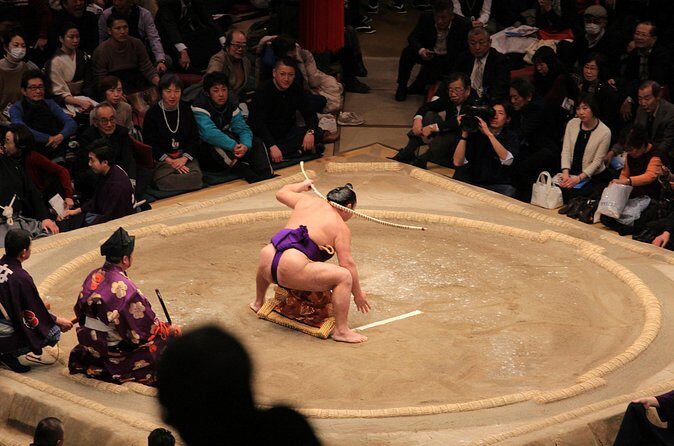
You’ll also learn about Japan’s unique arena architecture, traditional clothing, and etiquette as part of the Kokugikan visit. The goal isn’t to turn you into a sumo scholar; it’s to help you understand what’s going on around the match so you feel comfortable instead of lost.
In a sport like sumo, ceremony is not separate from the competition. The way officials enter, the way wrestlers prepare, and the rhythmic pacing before action all shape what you perceive as you watch. When a guide explains those signals, the experience stops feeling random and starts feeling like a system.
The arena is steeped in tradition, and the tour is designed to let you see those details without hunting them down yourself mid-bout.
The Sumo Museum Stop: Context That Makes the Arena Click
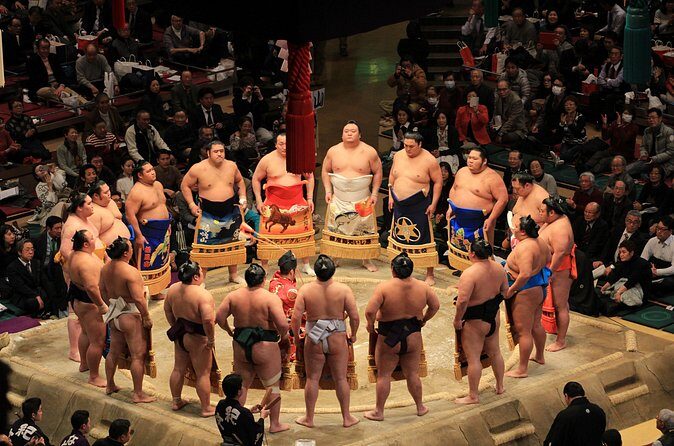
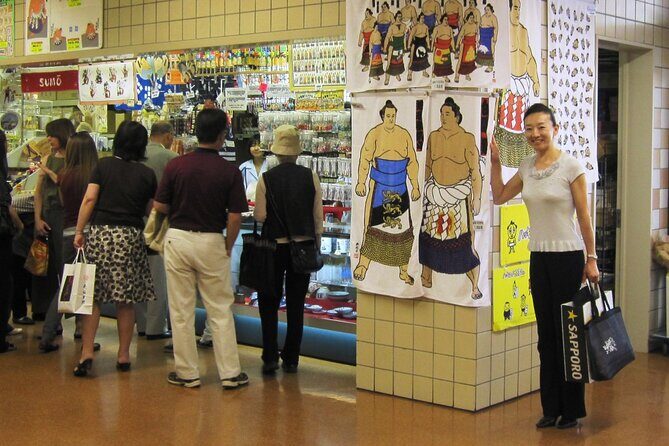
Between the arena and the ring action, the Sumo Museum gives you a breather with meaning. This stop is specifically valuable because it turns the spectacle into story: you’ll connect the clothing, rituals, and etiquette you saw at Kokugikan with the background behind them.
The tour description highlights that you’ll gain insight into:
- traditional clothing
- etiquette
- the deeper structure behind professional sumo
In my view, that museum context is what helps a first-timer walk out feeling like they understood something real. If you only watch matches, you might still have fun—but you’d likely miss why certain behaviors matter.
Also, museum stops are where a small group can ask questions without the arena noise swallowing everything. If your guide shares practical notes, this is often where they’ll be most usable while you’re still thinking in the same theme.
Group Day Tips: Make the Most of a 3h45 Slot
You’re on a tight, focused schedule: about 3 hours 45 minutes total, and it ends where you started. That structure is helpful in Tokyo, because you can plan the rest of your day without scrambling.
A few practical ways to get more out of it:
- Bring your attention to the explanations before the action gets loud. The guide’s early context helps later.
- If your guide provides extra info (one guide, Yuki, prepared an additional info sheet about the wrestlers), use it like a mini-program—scan it, then watch for those names and patterns during highlights.
- If you’re seat-sensitive, arrive ready for the escort. With reserved chair seating, your time in the arena should feel smooth once you’re guided in.
Price and Value: $124.26 Isn’t Just a Seat
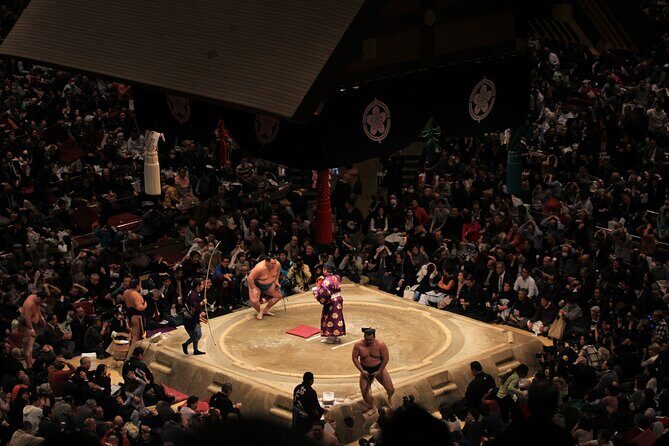
At $124.26 per person, this isn’t the cheapest way to see a tournament. One review point you should keep in mind is that people sometimes compare it to what they think a regular ticket would cost if they could get one. That comparison can miss the point.
You’re paying for:
- an English guide
- escort to your reserved seat
- structured explanations of rules, divisions, and roles
- a museum visit that adds context
So the value depends on your goal. If you just want to sit and watch, you may be able to do it cheaper on your own. If you want the match to feel meaningful—and you don’t want to spend your own time decoding sumo basics in the moment—this is the kind of package that tends to work well.
One more thing: availability can vary by seat type, and confirmation is within 48 hours of booking subject to availability. If you care about a specific chair tier, plan to lock it in rather than waiting.
Weather and Date Reality for January Sumo
This tour is tied to the January Grand Sumo Tournament. The data notes that the experience requires good weather, and if it’s canceled due to poor weather you’ll be offered a different date or a full refund.
That doesn’t mean you should panic. It just means you should treat it like a real event day with plans. If you have limited flexibility in your Tokyo itinerary, check your calendar carefully so you don’t schedule something critical right after.
Who Should Book This Tour (and Who Might Skip It)
This tour is a strong fit if:
- you’re new to sumo and want the structure explained in plain English
- you’d rather follow a guide than try to decode divisions and ceremony on your own
- you like small group days with up to 10 travelers
- you want reserved chair seating without worrying about last-minute seat logistics
You might consider skipping if:
- you’re very comfortable researching sumo basics on your own ahead of time
- you’re mainly interested in saving money and you don’t care about explanations
- you’re flexible and willing to handle more on-the-day problem solving for entry and seating
Should You Book the Grand Sumo Tournament Tour with an English Guide?
If your main goal is to leave Kokugikan feeling like you actually understood what you watched, I’d book it. The reserved-chair escort and the guide-led explanations of rankings, officials, and kimarite create a high “understanding per minute” day—especially for first-timers.
If you’re price-sensitive, think of this as paying for translation plus structure, not just a ticket. For many people, that turns an ordinary match view into a memorable cultural afternoon with far less confusion and more clarity.
FAQ
How long is the Grand Sumo Tournament Tour?
It runs for about 3 hours 45 minutes (approx.).
Where do we meet, and when does the tour start?
You meet at RYŌGOKU STATION, 1-chōme-3-20 Yokoami, Sumida City, Tokyo 130-0015, Japan. Start time is 2:15 pm, and the tour ends back at the meeting point.
How many people are in the group?
The maximum group size is 10 travelers.
What seat options are available?
Seat categories are S Seat (best chair seating), A Seat, and B Seat. S and A Seat for January are listed as to be released soon, while B Seat has specific January 2026 dates listed (Jan 11, 13, 15, 21, 22, 23).
Is there an admission fee?
Yes. An admission fee applies for guests aged 4 and above.
Do I get a ticket on my phone?
Yes. The tour includes a mobile ticket.
Can I cancel for free?
Yes. You can cancel up to 24 hours in advance for a full refund.
More Tours in Tokyo





More Tour Reviews in Tokyo




More Mornings with the Wrestlers
Fresh reviews from around Tokyo






Sumo Shows, compared.
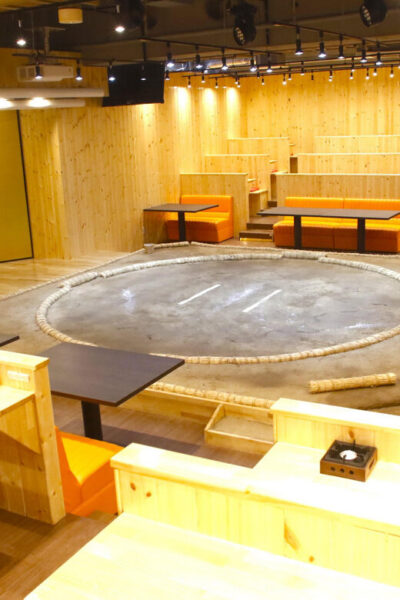 ★ 4.8Sumo Show Experience with Chicken Hot Pot and a PhotoFrom $1036,678 reviews
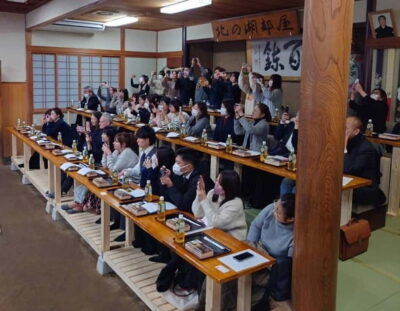 ★ 4.8Sumo Show and Dining ExperienceFrom $792,742 reviews
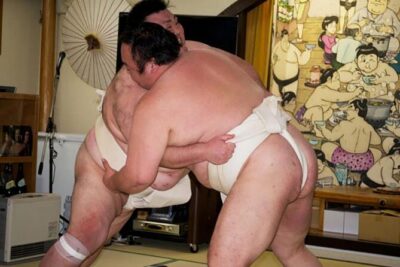 ★ 5.0the SUMO showFrom $891,960 reviews
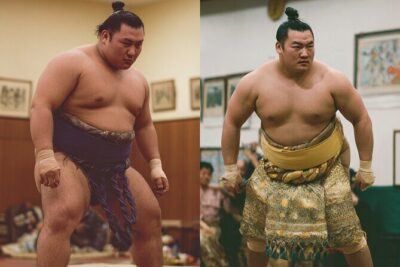 ★ 5.0Tokyo Shinjuku Sumo Show & Experience with PhotoFrom $791,750 reviews
 ★ 4.8Sumo Show and Experience in ShinjukuFrom $691,001 reviews
 ★ 5.0Authentic Sumo Experience in Tokyo: Enter the SanctuaryFrom $171603 reviews
 ★ 4.8Tokyo Sumo Experience: Chanko & Mochi with a Former ProFrom $103567 reviews
 ★ 5.0Ultimate Sumo Tournament: Tokyo, Osaka, Nagoya, FukuokaFrom $184468 reviews
Browse the lists this tour appears in