
Reviewed · MT FUJI DAY TRIPS
From Tokyo: Private Day Trip to Mount Fuji & Fuji Five lakes
Tokyo to Fuji sounds simple. It is not always.
This private full-day trip is built for you if you want Mount Fuji views without the stress of planning trains, buses, and transfers on your own. You’ll move through a string of classic photo spots—Kitaguchi Hongu Fuji Sengen Jinja Shrine, Oshino Hakkai, Lake Yamanaka, and the famous Chureito Pagoda—then slow down around the Fuji Five Lakes, including a Kawaguchiko boat cruise. The pacing feels designed for real sightseeing: enough time to enjoy each place, but not so rushed that every stop becomes a sprint.
My two big wins: the door-to-door private transportation (your time stays yours) and the way the day mixes well-known viewpoints with quieter lake moments for calmer photos. One thing to consider: visibility can be weather-dependent. When Mount Fuji disappears behind clouds, the day can shift, and sometimes key activities may be canceled if conditions don’t cooperate.
In This Review
- Key things that make this Fuji day trip work
- Private Tokyo-to-Fuji day: what you’re really buying
- The route starts at Kitaguchi Hongu Fuji Sengen Jinja
- Oshino Hakkai: eight ponds, postcard water
- Lake Yamanaka: a larger lake moment for calmer photos
- Chureito Pagoda at Arakura Sengen Shrine: the classic angle
- Lake Kawaguchiko with a boat cruise: the most relaxing stretch
- Oishi Park: gardens plus a big view frame
- Saiko Lake and Lake Shoji: the mirror-chasing game
- Motosuko Lake: chasing the iconic viewpoint
- Having an English-speaking driver really changes the day
- Weather reality: what happens when Fuji hides
- How to pack and prep for a 13-hour Fuji day
- Who this private Fuji & Five Lakes tour suits best
- Should you book this Mount Fuji & Fuji Five Lakes private day trip?
Key things that make this Fuji day trip work
- Private, chauffeured pickup: hotel pickup and drop-off in Tokyo keeps logistics out of your way
- Fuji by many viewpoints: shrines, ponds, pagodas, and lakes in one smooth route
- Kawaguchiko boat cruise included: a relaxing way to enjoy the scenery from the water
- Oshino Hakkai’s spring-water ponds: crystal-clear ponds fed by Mount Fuji’s water system
- Multiple lakes for reflection photos: Lake Saiko, Lake Shoji, and Lake Motosu help you chase the mirror effect
Other routes to the mountain, compared
- Mt Fuji & Hakone Cruise, Drum Show Bullet Train 1 Day from Tokyo★ 4.0 · 7,413 reviews
- Tokyo Mt Fuji 5th St & Hakone Cruise Bus Tour w/Bullet Train★ 4.4 · 5,024 reviews
- From Tokyo: Mount Fuji Full-Day Sightseeing Trip★ 4.5 · 4,970 reviews
Private Tokyo-to-Fuji day: what you’re really buying
You’re paying for simplicity. That sounds boring, until you’re the person trying to get from Tokyo to the Fuji area with limited Japanese. This is a private tour with an English-speaking driver, so you’re not decoding timetables while your group is waiting under a station sign.
The day runs about 13 hours, which is long, but that length is what makes this route possible. You’ll hit a lot of Mount Fuji-adjacent stops: shrines, village scenery, and several of the Five Lakes. If you were doing this on your own, you’d spend that time on transfers and re-planning. Here, the driver handles the flow, and you focus on the photos, the walking, and the quiet moments.
Price-wise, it’s listed as $696.16 per group (up to 3). For a private day with hotel pickup, a boat cruise included, and an English-speaking driver, that can pencil out well—especially if you’re traveling as a small family or a couple plus one friend. If you’re solo, it may feel steep compared with group bus tours, but privacy and reduced friction often justify it.
The vehicle can handle private groups of up to 10 people, so if your travel party is larger, the transport side may still be workable depending on availability. Just note that the tour price is structured per group up to 3.
The route starts at Kitaguchi Hongu Fuji Sengen Jinja
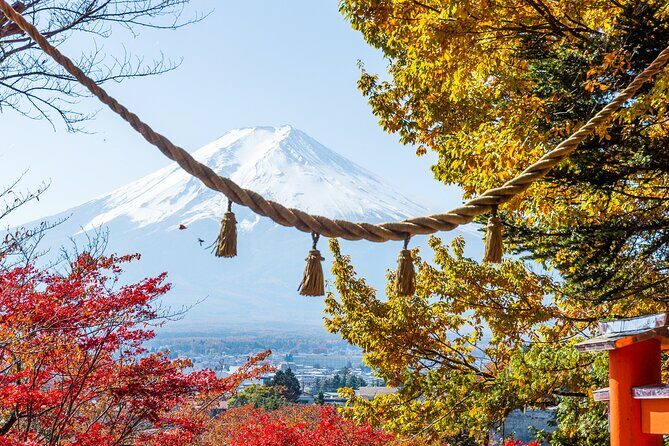
Your first stop is Kitaguchi Hongu Fuji Sengen Jinja, a historic shrine set among old cedar trees. Even if you’re not a shrine person, this one helps you set the tone: calm air, a sense of tradition, and Mount Fuji treated like something sacred rather than just a mountain for selfies.
You’ll have about 30 minutes here and admission is free. I like this kind of start because it gives you context before you chase viewpoints. You’re learning the Mount Fuji story while your brain is still fresh from Tokyo morning energy.
Possible drawback: early stops can feel slightly “quiet” compared with later photo-heavy locations. If you’re coming purely for the biggest Fuji view on the first hour, you might want to be mentally ready for a slower start.
Oshino Hakkai: eight ponds, postcard water
Next up is Oshino Hakkai, known for its ponds fed by Mount Fuji’s pure spring water. This is one of those places where the scenery looks staged—until you slow down and realize the ponds are the real show. The area also has traditional houses and small snack options, so it works as both a walk and a breather.
You’ll get about 30 minutes. I like using Oshino Hakkai as a reset because it’s visual, it’s easy to explore at walking pace, and you’re not constantly climbing stairs like you might be at a pagoda viewpoint.
One consideration: it can get crowded at peak times because it’s a classic stop. Plan for a bit of jostling around the best angles, and don’t let that steal your calm. Move a few steps sideways and you’ll often find a better view without the crowd.
Lake Yamanaka: a larger lake moment for calmer photos
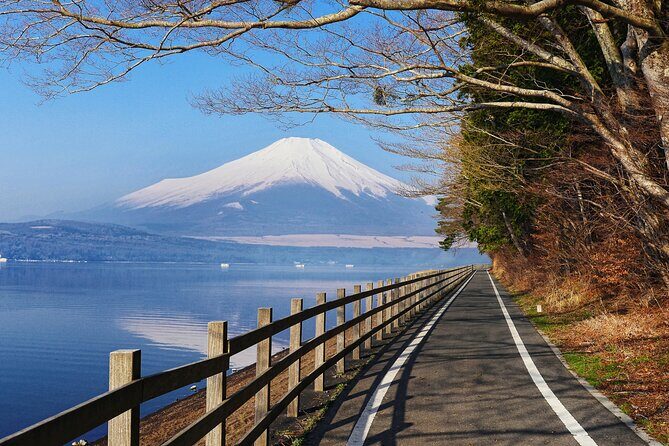
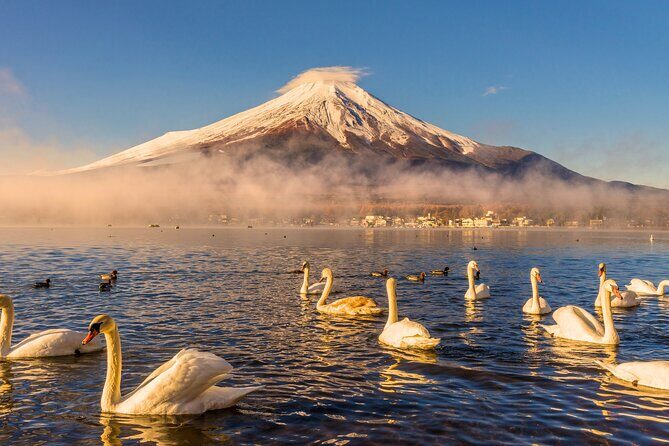
From Oshino Hakkai, you’ll head to Lake Yamanaka, the largest of the Fuji Five Lakes. You’ll have around 30 minutes to stroll its shores and try for reflection shots when conditions are right.
This stop is valuable because it shifts you from village charm to open water. If Fuji is cloudy, the lakes still give you strong composition—waterlines, shoreline textures, and the landscape that wraps around the mountain even when the peak is hiding.
Possible drawback: if you’re expecting Fuji to be crisp in every photo, Yamanaka may not deliver that every time. It’s more about the broader look and the calm mood.
More private options with your own guide

Chureito Pagoda at Arakura Sengen Shrine: the classic angle
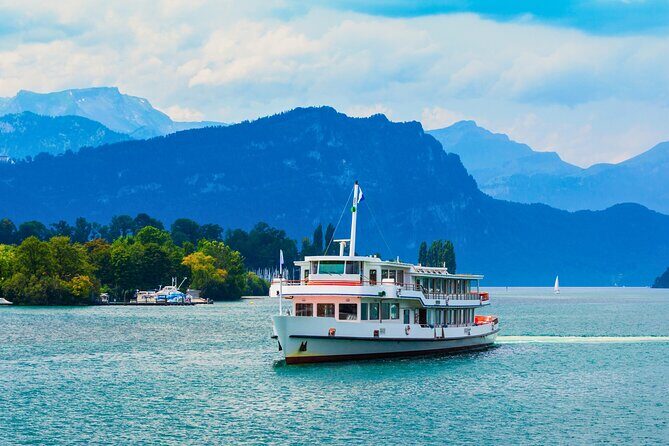
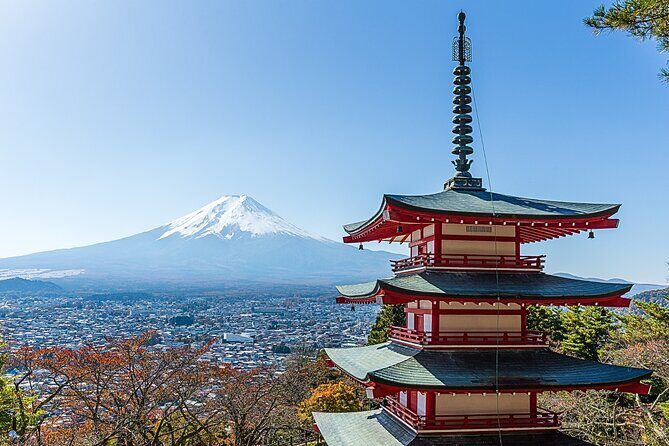
Then comes Chureito Pagoda at Arakura Sengen Shrine. This is the famous “pagoda with Mount Fuji behind it” view. The timing can be extra special in cherry blossom season, but even outside blossoms, it’s a strong, well-known viewpoint.
You’ll have about 40 minutes, which is just enough time to climb up, find a good spot, and let your camera breathe. The walk helps too. You don’t just arrive at a view—you earn it, which makes the payoff feel bigger.
Reality check: this viewpoint is popular, so be ready for a queue and a little crowd energy. The good news is that once you’re up there, the view is so iconic that everyone’s in the same focused mood. Take a minute to watch the light change; even 10 minutes can make a difference.
Lake Kawaguchiko with a boat cruise: the most relaxing stretch
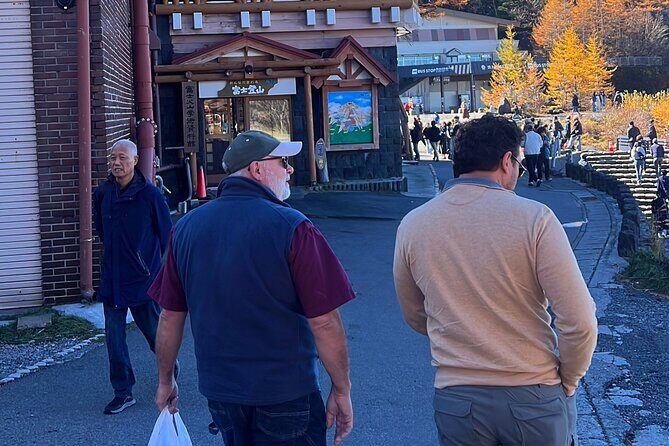
The highlight for many people is the Lake Kawaguchiko boat cruise, included in the tour. This is where the day slows down. You’re out on the water with Fuji views around you, and it feels like your camera finally gets a break from nonstop angles.
You’ll spend about 1 hour at this part. If you like photos, the cruise is a smart move because you’re changing your perspective without walking another step. And if you just want to enjoy the scenery, cruising does that too—less effort, more watching.
One note for your expectations: weather matters here. There’s at least one real-world scenario where the boat ride got canceled and some panoramic elements didn’t run when conditions were poor. That’s not unique to this tour; it’s just how outdoor plans work. If you’re traveling during a season known for changeable weather, bring layers and keep a flexible mindset.
Still, when the skies cooperate, this is the kind of included activity that makes the day feel like more than a checklist.
Oishi Park: gardens plus a big view frame
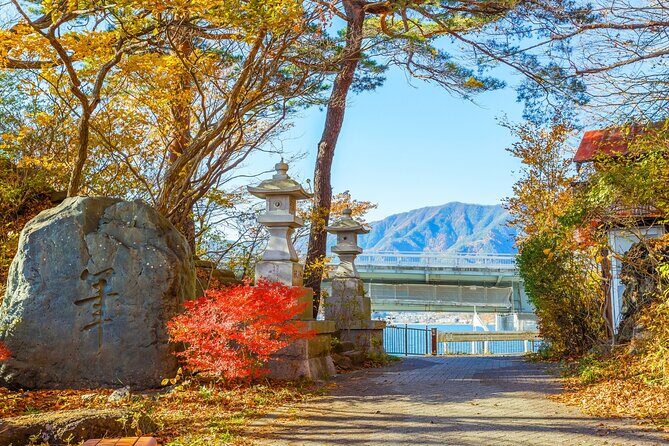
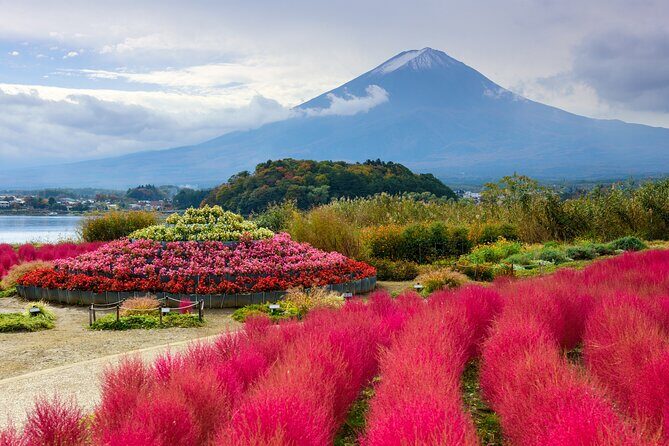
After the cruise, you’ll visit Oishi Park, famous for its gardens and panoramic Mount Fuji views. You’ll have about 30 minutes here. I like Oishi Park because it gives you variety: flowers and shaped garden areas that frame Fuji instead of just showing the mountain straight-on.
This stop works well if you want a “pretty picture” day, with color, texture, and a wide angle. It’s also a good place to stop thinking about the schedule and just enjoy the atmosphere for a bit.
Possible drawback: like many Fuji viewpoints, it’s weather-dependent. When clouds move in, you may get a partial view instead of a full postcard peak.
Saiko Lake and Lake Shoji: the mirror-chasing game
Next you’ll head to Lake Saiko for about 30 minutes, then the tour continues with Lake Shōji and Lake Motosu (included as part of a stop group), each offering quieter, reflective scenes when the wind cooperates.
I love these moments because they’re less about famous angles and more about mood. If you’re trying to photograph Mount Fuji reflections, these lakes are where you’re most likely to get that clean, still look. Even when the peak isn’t fully clear, the lake surface can still create a strong composition.
One consideration: the “perfect reflection” look takes calm conditions. So even if the tour includes these lakes, you may get different results depending on the day. That’s not a flaw; it’s just nature doing nature.
Motosuko Lake: chasing the iconic viewpoint
You’ll also spend time at Lake Motosuko with an iconic view that’s often associated with the Mount Fuji look used on the ¥1,000 bill. The idea here is straightforward: find the angle that makes Fuji feel like an illustration.
You’ll get about 30 minutes. This stop is great if you’re the kind of person who likes capturing a specific “I was there” shot, not just generic scenery. Even if Fuji is partially obscured, the viewpoint is worth using as part of your photo set.
Having an English-speaking driver really changes the day
The tour includes an English-speaking driver, and that matters more than you might expect. You’re not just getting transportation; you’re also getting clarity. Your driver helps keep the day running smoothly, and you’re not stuck wondering where to stand, when to move, or what’s most important at each stop.
In one standout example, the guide named Hoto was praised for friendly, great English, and for being helpful with photos. That kind of hands-on guidance can save you time and help you frame better shots faster—especially at viewpoints where the best angles can be crowded or confusing.
I also appreciate when the stops come with small notes that connect what you see to why it matters. Shrines, ponds, and lakes can look similar at first glance, but a short explanation can turn a quick look into a more meaningful visit.
Weather reality: what happens when Fuji hides
This tour is built around Mount Fuji views, but Mount Fuji is not a vending machine. Clouds, rain, and mist can reduce visibility.
If the mountain is obscured, you’ll still visit the scheduled spots, and some parts of the day may still deliver good scenery. But there’s also the chance that outdoor activities like a boat cruise can be canceled if conditions are unsafe or not workable.
If you’re the sort of traveler who needs a guaranteed clear peak, this is the big decision point. If you’re okay chasing the mountain while enjoying everything around it—shrines, ponds, gardens, and lake atmosphere—then you’ll still get a satisfying day.
How to pack and prep for a 13-hour Fuji day
You’ll be out most of the day, so treat it like a full hike day even if you’re mostly seated.
- Wear comfortable shoes for shrine grounds and lake walks.
- Bring a camera, but also bring patience. Fuji can change fast.
- Pack layers for cooler morning air and possible rain or wind.
- If you’re traveling with a small group, set expectations early about photo stops so you’re all moving together.
Also, this tour uses a mobile ticket, which usually makes entry smoother. Just make sure your phone battery stays alive if you’re taking lots of photos during the day.
Who this private Fuji & Five Lakes tour suits best
This is a strong fit if you want:
- A private, door-to-door day with minimal navigation stress
- A mix of well-known icons and lake scenery
- A built-in boat cruise instead of hoping you’ll find the right one on your own
- Photo help and clear guidance from an English-speaking driver like Hoto
It might be less ideal if you:
- Need guaranteed clear Mount Fuji in every shot
- Have mobility limits, since it’s not recommended for travelers with mobility impairments
- Want a very short outing (this is about a 13-hour day)
Should you book this Mount Fuji & Fuji Five Lakes private day trip?
I’d book it if Fuji is one of your top priorities and you value time. The route is designed to hit the big names and still leave room for calmer lake scenery. The private ride removes the biggest headache in Japan outside Tokyo: getting out to the Fuji area without turning your day into a commute.
I’d think twice if clear mountain views are your only goal and you’re traveling in a weather-sensitive time. Outdoor cancellations can happen, and one rough scenario can mean missing a planned cruise or panoramic element. If you can handle Plan B in your head—enjoy the ponds, shrines, gardens, and lakes even when the peak is hidden—then this tour can still feel like a win.
If you’re a couple, a family of three, or a small group who wants fewer decisions and more time in front of the scenery, this is one of the more practical ways to do Mount Fuji from Tokyo in a single day.
Just Your Group: Private Options
More Tour Reviews in Tokyo






The Fuji Shortlist: Other Days Out to the Mountain

Fresh reviews from around Tokyo






Mt Fuji Day Trips, compared.
 ★ 4.0Mt Fuji & Hakone Cruise, Drum Show Bullet Train 1 Day from TokyoFrom $1497,413 reviews
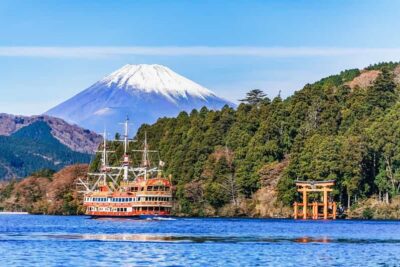 ★ 4.4Tokyo Mt Fuji 5th St & Hakone Cruise Bus Tour w/Bullet TrainFrom $1545,024 reviews
 ★ 4.5From Tokyo: Mount Fuji Full-Day Sightseeing TripFrom $684,970 reviews
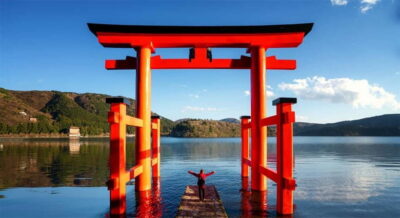 ★ 4.7Mt. Fuji Tour, Hakone Ropeway, Owakudani, Lake AshiFrom $544,002 reviews
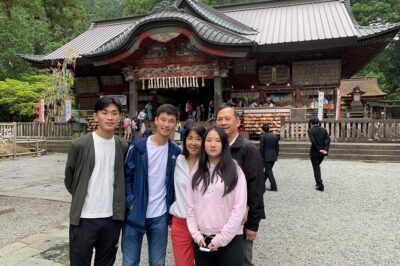 ★ 5.0Private Tour to Mt. Fuji and Hakone (Fully Licenced Operator)From $4971,910 reviews
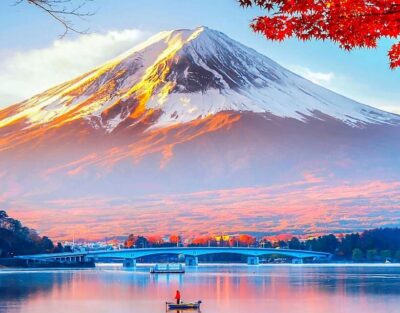 ★ 4.9Mount Fuji Full-Day Private Tour from Tokyo (Customizable)From $3931,470 reviews
 ★ 4.0Mt Fuji & Hakone Cruise, Drum Show Bus 1 Day from TokyoFrom $1221,287 reviews
 ★ 4.2From Tokyo: Mt. Fuji & Hakone Tour w/ Return by Bullet TrainFrom $1171,278 reviews
Browse the lists this tour appears in