
Reviewed · TOKYO
Tokyo: Sumo Experience and Chanko Nabe Lunch
That ring is closer than you expect.
This Tokyo sumo experience turns the complicated world of sumo rituals into something you can actually understand. You’ll learn from former professional wrestlers in English, get a chance to playfully spar during the demo, then fuel up with a hearty Chanko Nabe hot-pot lunch prepared by the wrestlers themselves.
I love the hands-on angle, especially the playful duel element that makes sumo feel human, not mythical. I also love that lunch is part of the story, not an afterthought, so you leave with both cultural context and real food. One consideration: the costume-and-crowd participation part can be requested, but only some people get picked for the funniest (and most visible) moments.
In This Review
- Key Highlights You Should Care About
- Sumo in Plain English: Meet the Ex-Wrestlers
- Asakusa on Mondays, Ryogoku on Thursdays: Choose the Right Day
- The 2-Hour Format: From Rituals to a Playful Bout
- The costume and crowd moments (and what to expect)
- Chanko Nabe Lunch: The Hot Pot the Wrestlers Stand By
- What to bring mindset-wise
- Price and Value at $95: What You’re Actually Buying
- Practical Tips for a Smooth Start (No Pickup, Fast Timing)
- Plan your arrival around the 1:00 PM start
- Meeting point is specific, and you’ll need the voucher map
- No pickup or drop-off
- Wheelchair accessibility
- Group size means listening is easy
- Who This Sumo Workshop Suits Best
- Should You Book This Tokyo Sumo Experience?
- FAQ
- FAQ
- Where does the activity take place in Tokyo?
- What time does the sumo and lunch start?
- How long is the experience?
- Is the workshop explained in English?
- Do I actually get to participate in sumo-style action?
- What is included with the $95 price?
- Can the lunch accommodate vegetarian or halal diets?
- Is the group small, and is it wheelchair accessible?
- Is there a cancellation option?
Key Highlights You Should Care About
- Former pro wrestlers teach in English, with explanations that make the sport make sense
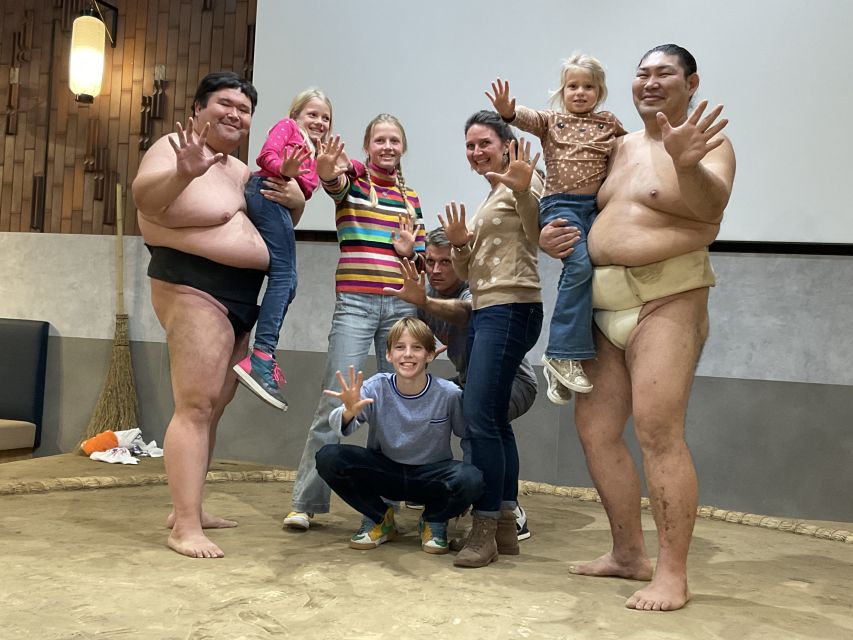
- A small group (max 6) means you’re not stuck watching from far away
- Playful ring duels help you feel how strong sumo wrestlers really are
- Chanko Nabe lunch is made by the wrestlers, giving you the “why” behind the meals
- Two Tokyo locations by day: Asakusa on Mondays, Ryogoku on Thursdays
- Fast, smooth pacing for a tight 2-hour experience
Before you commit, see how this one stacks up against a few Tokyo favourites:
- Mt Fuji and Hakone 1-Day Bus Tour Return by Bullet Train★ 5.0 · 26,383 reviews
- 1-Day Tokyo Bus Tour★ 5.0 · 14,250 reviews
- Tokyo: teamLab Planets TOKYO Digital Art Museum Entry Ticket★ 4.6 · 9,779 reviews
Sumo in Plain English: Meet the Ex-Wrestlers
Sumo looks simple from the stands: two wrestlers step in, push, and the match ends fast. But the real game is in the rituals, the training discipline, and the tiny rules that shape every bout. Here, you get the explanation side in straightforward English, led by former professional wrestlers who can translate what most people can only guess at.
What I like about this format is that it doesn’t ask you to “just watch.” You’re guided through why sumo is treated like a sacred national sport in Japan, and you learn how the rituals connect to the competition. Then you see the performance element up close, not as a lecture, but as something you can respond to.
In some sessions, the wrestlers on stage include names like Audrey and Jumbo, and that kind of personal presence matters. It makes the explanations feel less like a script and more like a real lesson from people who lived it.
Asakusa on Mondays, Ryogoku on Thursdays: Choose the Right Day
This experience runs in two classic Tokyo sumo areas. On Mondays, it takes place in Asakusa. On Thursdays, it happens in Ryogoku.
Why does that matter? Because Asakusa and Ryogoku have different “Tokyo vibes.” Asakusa feels like an old-school neighborhood where you can pair the sumo activity with walking, shopping, and sightseeing nearby. Ryogoku is more directly tied to sumo culture, so you’ll likely feel like you’re breathing the sport’s atmosphere even before you reach the ring.
If you’re planning your Tokyo days by theme, think of this workshop as a “sumo anchor.” Pick the day that best fits the rest of your schedule, especially if you’re already aiming to explore Asakusa or focus on the sumo belt-and-stadium area around Ryogoku.
The 2-Hour Format: From Rituals to a Playful Bout
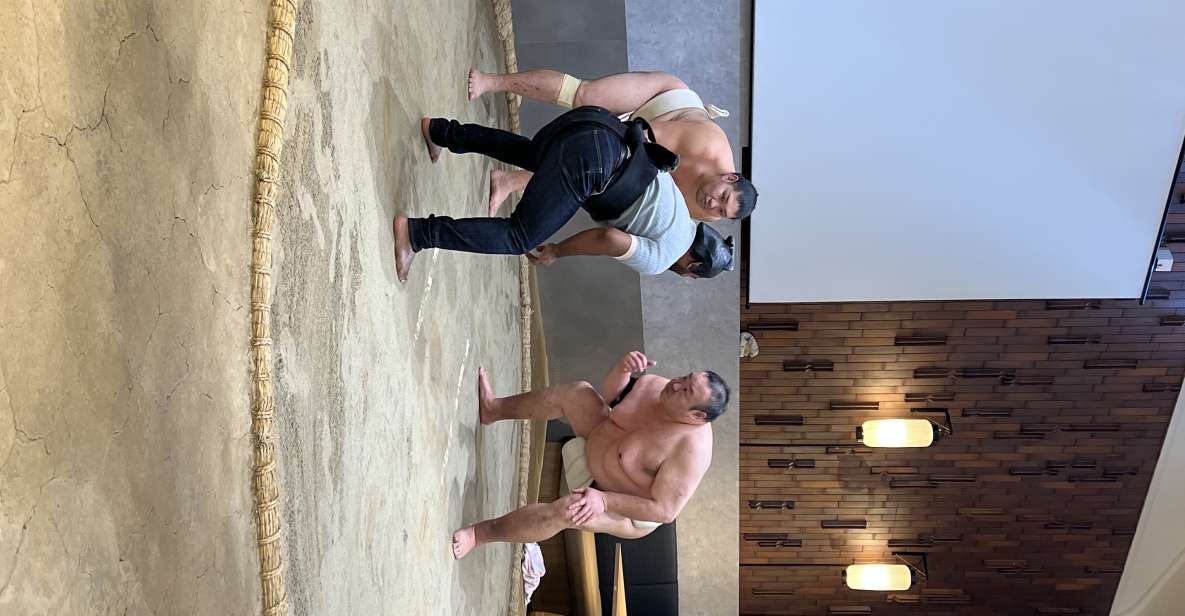
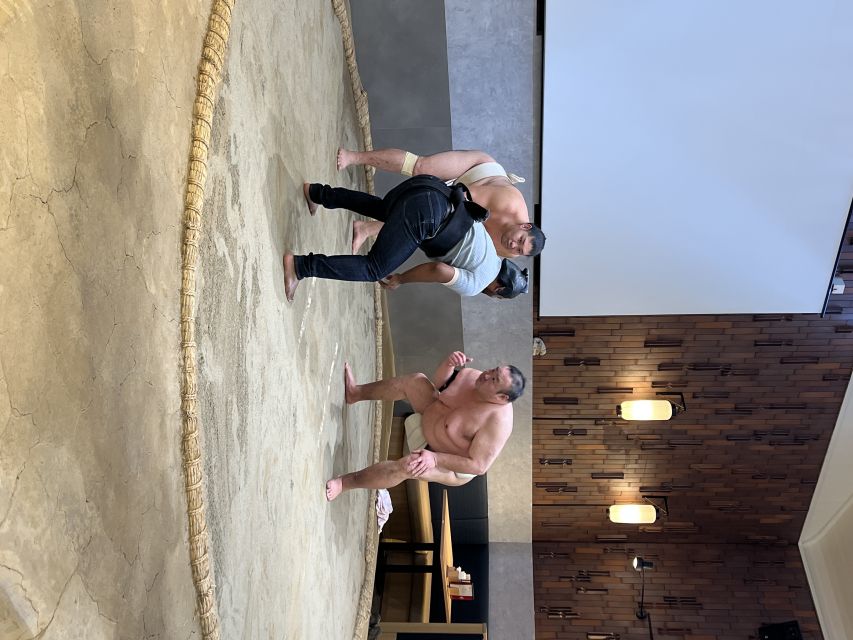
The whole experience runs about 2 hours, and it starts on time at 1:00 PM. The door time is listed as 12:40, so don’t treat that as optional. You want a little buffer for finding the exact spot.
Once you’re inside, you’ll move through a clear flow:
- an opening explanation of sumo’s meaning and key rituals
- a demonstration showing how wrestlers move, set themselves, and control the match
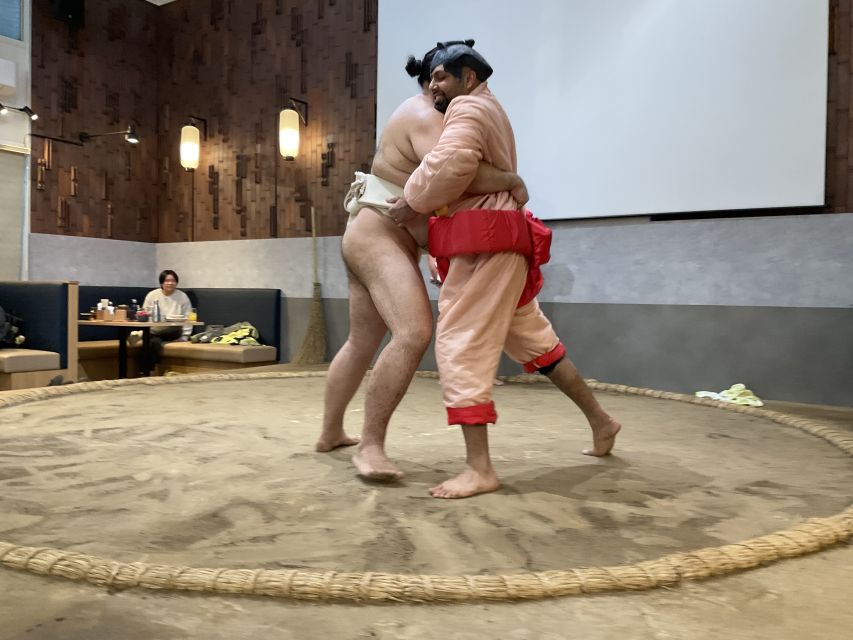
- a chance for you to get in and try the action in a playful, guided way
The vibe is serious about the sport, but not stiff. Expect plenty of laughs. The demonstration is designed so you can understand the mechanics without feeling like you’re being tested.
One big theme is perspective. When you’re new, sumo can look like pure strength. After the demo, you’ll notice it’s also timing, balance, and technique. And when you get that chance to go up against the wrestlers, you’ll quickly learn that “light contact” in sumo context is still powerful.
The costume and crowd moments (and what to expect)
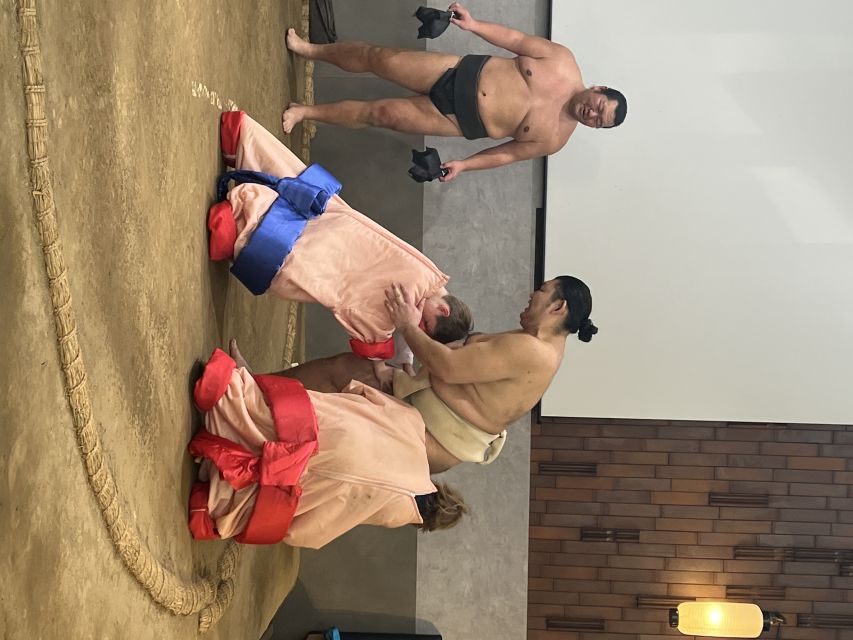
There’s an element where some people in the audience may be chosen to voluntarily help with the demonstration and to put on a sumo wrestler costume. Not everyone gets picked, so don’t base your whole enjoyment on being the person in the costume. If you’re lucky, it’s a great photo moment. If you’re not, you’ll still get the core interactive ring experience.





Chanko Nabe Lunch: The Hot Pot the Wrestlers Stand By
After the sumo part, lunch arrives: Chanko Nabe, a Japanese hot-pot style meal. This is one of those dishes that makes sense only after you understand what sumo training requires. You’re not just eating for taste. You’re eating for stamina, warmth, and the kind of filling nutrition that fits a highly physical routine.
A key detail: the hot pot is prepared by the wrestlers themselves. That gives the meal a “lesson” feel. You’re not just handed food; you’re eating as part of the cultural package.
Chanko Nabe is served hot, and people tend to comment on how satisfying it is. It also keeps the schedule tight. You’ll be able to eat without losing the momentum of the program, which is a big deal if your day already includes other Tokyo sights.
If you have dietary needs, flag them early. Vegetarian or Halal meals are possible with advance notice, and the requirement here is clear: request changes or accommodations when you reserve, or contact the organizer by email at least 2 days before the participation date.
What to bring mindset-wise
Come hungry, but don’t treat this like a fancy sit-down restaurant meal. The point is the sumo-meets-meal experience. You’ll likely sit in a setup close enough to feel part of the action rather than staring at a screen.
Price and Value at $95: What You’re Actually Buying
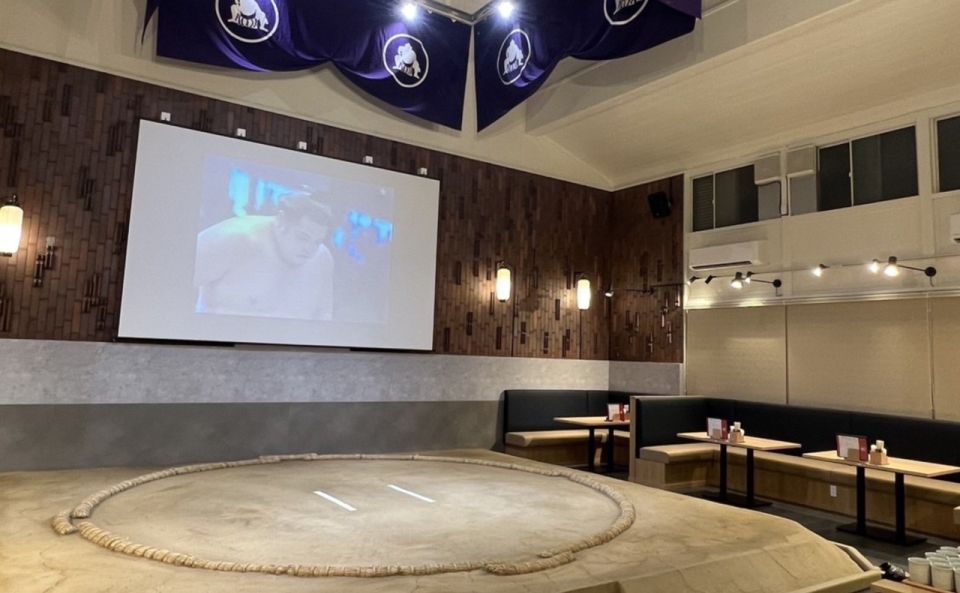
At $95 per person, this isn’t a budget “add-on.” So what do you get for the money?
You’re paying for three things that are hard to replicate on your own:
- Pro instruction in English from former professional wrestlers
- A structured, safe way to interact with the sport (including play-fighting elements)
- Lunch included via the wrestlers’ Chanko Nabe hot pot
The small group size (limited to 6 participants) is also part of the value. When a class is small, you spend less time waiting and more time learning and participating. It’s a big reason people leave feeling like they got real access, not just an entry ticket to a performance.
Also, you avoid common hassle. There’s no pickup/drop-off included, so you’ll handle your own transit. But once you’re there, the experience runs in a tight 2-hour window with entrance, participation, and lunch included in the price.
If your Tokyo trip is packed and you want one memorable “hands-on” cultural stop, this fits the bill: structured, short, and highly interactive.
Practical Tips for a Smooth Start (No Pickup, Fast Timing)
Here’s how to make this day feel easy.
Plan your arrival around the 1:00 PM start
The experience begins at 1:00 PM, and you’re expected to arrive before that. The door opening is listed as 12:40, so I’d treat it as a hard target for being ready.
Meeting point is specific, and you’ll need the voucher map
You won’t guess where to go. You’ll receive a voucher with a map of the exact meeting location, and the activity ends back at the meeting point. That means you should plan your route so you can easily get yourself there and then depart afterward.
No pickup or drop-off
The tour explicitly doesn’t include transportation. Build your day with transit time in mind, especially if you’re pairing this with other Tokyo stops.
Wheelchair accessibility
This experience is listed as wheelchair accessible, which is great news if mobility access matters. Since each venue layout can vary, it’s smart to confirm any specific needs ahead of time, but the activity itself is marked accessible.
Group size means listening is easy
With a small group, you’re less likely to lose details during the explanations. You’ll also get better chances for photos and interaction since space is controlled.
Who This Sumo Workshop Suits Best
This is the kind of activity that works well for a wide range of people because it’s both educational and playful.
It’s especially good if:
- you’re new to sumo and want the rules and rituals explained in English
- you want an activity that feels interactive, not passive
- you want a single Tokyo experience that mixes culture + food + short time commitment
- you’re traveling with family (the small group setup and the playful format tend to land well across ages)
It might be less ideal if:
- you hate any chance of being put into an interaction moment (even if it’s optional, there’s an audience participation element)
- you want a long, slow meal experience instead of a tight 2-hour workshop format
- you’re expecting a “museum-style” sumo talk with no physical component (this includes play-fighting)
Should You Book This Tokyo Sumo Experience?
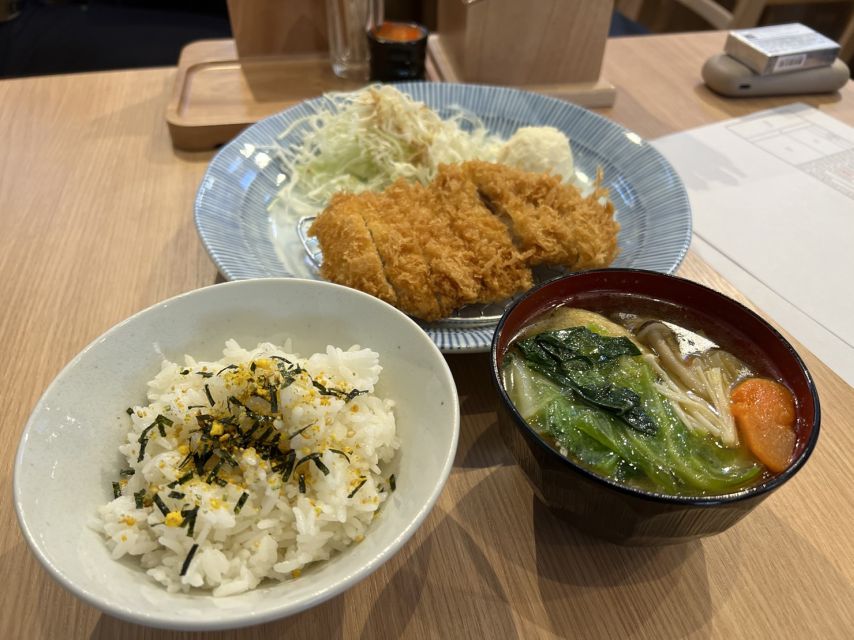
Yes, if you want a high-impact Tokyo activity that’s short, structured, and genuinely memorable. The biggest reason to book is the combo: English explanations by former pros plus an up-close, hands-on demonstration plus a real meal that connects to the sport’s training logic.
Skip it only if you’re looking for a purely observational sightseeing experience or if the timing and interaction elements will stress you out. Otherwise, this is one of those rare tours that leaves you understanding the sport a lot better—and walking away with food that feels earned.
FAQ
FAQ
Where does the activity take place in Tokyo?
It runs in two locations depending on the day: Asakusa on Mondays and Ryogoku on Thursdays. You’ll receive a voucher with a map of the exact meeting point.
What time does the sumo and lunch start?
The activity starts on time at 1:00 PM. You need to arrive before that, and the notice says the door opens at 12:40.
How long is the experience?
The duration is 2 hours.
Is the workshop explained in English?
Yes, the instructor provides explanations in English.
Do I actually get to participate in sumo-style action?
You’ll have a chance to playfully fight or duel the sumo wrestlers as part of the demonstration. Some audience members may also be chosen for costume help, but not everyone is selected.
What is included with the $95 price?
Entrance fee, participation fee, and lunch are included.
Can the lunch accommodate vegetarian or halal diets?
Yes, but you need to request it in your reservation or contact the organizer by email at least 2 days before the date.
Is the group small, and is it wheelchair accessible?
The group is limited to 6 participants, and the activity is listed as wheelchair accessible.
Is there a cancellation option?
Yes. You can cancel up to 10 days in advance for a full refund.
More Tour Reviews in Tokyo



Fresh reviews from around Tokyo






Tokyo, compared.
 ★ 5.0Mt Fuji and Hakone 1-Day Bus Tour Return by Bullet TrainFrom $16326,383 reviews
 ★ 5.01-Day Tokyo Bus TourFrom $12914,250 reviews
 ★ 4.6teamLab Planets TOKYO Digital Art Museum Entry TicketFrom $259,779 reviews
 ★ 4.0Mt Fuji & Hakone Cruise, Drum Show Bullet Train 1 Day from TokyoFrom $1497,413 reviews
 ★ 5.0Shinjuku Food Tour (13 Dishes at 4 Local Eateries)From $866,603 reviews
 ★ 4.4Tokyo Mt Fuji 5th St & Hakone Cruise Bus Tour w/Bullet TrainFrom $1545,024 reviews
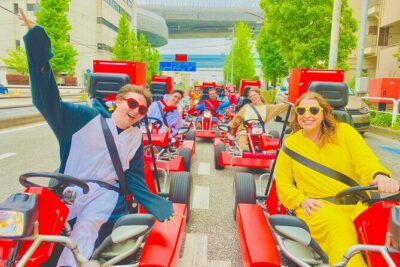 ★ 5.0Flagship 2-Hours Official Street Go-Kart Tour – Tokyo Bay ShopFrom $644,974 reviews
 ★ 4.5From Tokyo: Mount Fuji Full-Day Sightseeing TripFrom $684,970 reviews