
Reviewed · GUIDED
Edo Tokyo & Japanese Culture Tour with Government Licensed Guide
Tokyo’s old clues hide in plain sight. This Edo Tokyo and Japanese Culture Tour is built for history-minded wandering, with a licensed English guide who helps Tokyo feel logical instead of overwhelming. You’ll pick 3–4 stops from an Edo-focused menu and travel mostly on foot, with public transport used when it makes sense.
Two things I really like about this experience are the guide quality and the way the day mixes big themes. You get sumo culture in Ryogoku, art via the Hokusai museum, and real-world memory at the Great Kanto Earthquake memorial site. One consideration: entry fees, meals, and transport costs are extra, and the Imperial Palace stop is outside only, not inside the palace grounds.
In This Review
- Quick Hits: What Makes This Tour Work
- A Government-Licensed Guide That Keeps Tokyo Understandable
- How the Edo-Tokyo Mix Works in a 6-Hour Walk
- Imperial Palace Area: Edo Castle’s Site Without the Palace Interior
- Ryogoku and Sumo Culture at Kokugikan
- Art and Memory: Hokusai and the Kanto Earthquake Museum
- Eating Like Edo Tokyo at Ryogoku Edo Noren
- Nihonbashi and the Sumida River: Old Trade Routes and River Views
- Edo-Tokyo Open Air and Fukagawa: Streets, Shops, and Houses
- Price and What You Get for $154.37
- Practical Tips: IC Cards, Cash, and Weather-Proof Planning
- Should You Book This Edo Tokyo and Japanese Culture Tour?
- FAQ
- What sites do I visit on this tour?
- Is the Imperial Palace visit included inside the palace?
- Is this tour mostly walking?
- Are entrance fees and lunch included in the price?
- How does the tour handle transportation during the day?
- Is this a group tour or private?
- Are service animals allowed?
Quick Hits: What Makes This Tour Work
- Government-licensed English guide who can tailor the day to your interests
- Customizable 3–4 site plan from an Edo Tokyo–themed list
- Primarily walking with optional public transport for efficiency
- Practical help with transit so you don’t get stuck figuring out the system
- Edo-era atmosphere from food, streets, and museum reconstructions
More days made easy by a guide
- Tokyo 6hr Private Tour with Government-Licensed Guide★ 5.0 · 3,902 reviews
- Tokyo: Shinjuku Local Bar and Izakaya Guided Walking Tour★ 4.9 · 1,794 reviews
- Tokyo: Private City Highlights Tour with Local Guide★ 4.8 · 1,433 reviews
A Government-Licensed Guide That Keeps Tokyo Understandable
Tokyo can feel like a spreadsheet: clean, efficient, and hard to connect to stories. What makes this tour valuable is the guide’s job is interpretation, not just navigation. You’re not only seeing places; you’re learning what they meant in the Edo era and how that past shaped modern Tokyo.
A few guide details stand out from past tours. People praised Shinji for excellent communication and solid English, and another guide, Kei-san, was noted for architecture and aesthetics plus knowledge of Japanese history and philosophy. Andy was described as patient with questions and even doing extra research, then following up by text after the tour. That mix matters because it turns a museum visit or a street walk into something you can actually remember.
How the Edo-Tokyo Mix Works in a 6-Hour Walk
This runs about 6 hours, and it’s designed as a walking day with flexibility. The tour is private, so only your group participates, and the itinerary is customizable—usually 3–4 sites chosen from the options. You can also use public transport during the day, so you’re not forced into marathon walking just to keep the schedule moving.
You’ll meet the guide on foot within a designated pickup area. Even though pickup is offered, it’s still a on-foot meet, so you’ll want to plan to arrive a bit early and get your bearings. The tour also uses a mobile ticket, which helps keep the day smooth once you’re in motion.
One more practical point: the itinerary is structured to connect themes. Instead of scattering across Tokyo for the sake of variety, the stops tend to orbit Edo life—commerce, art, public culture, and major historical events that changed the city’s path.
Imperial Palace Area: Edo Castle’s Site Without the Palace Interior
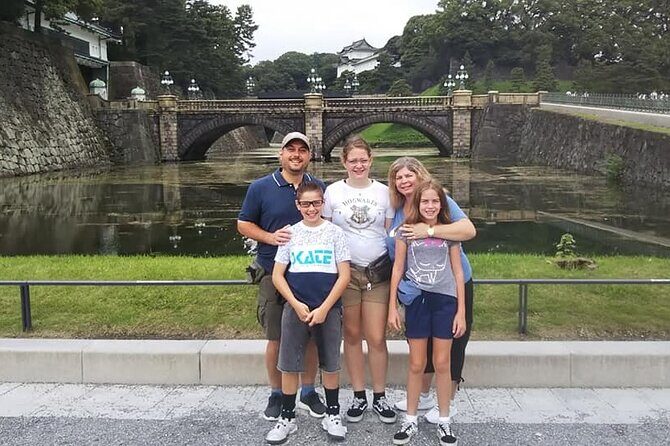
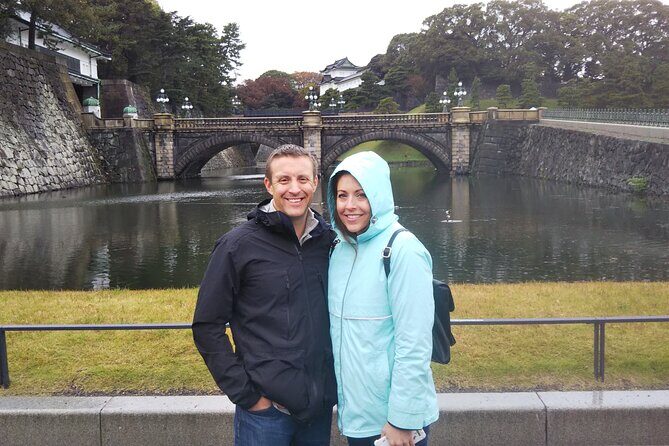
The tour can start at the Imperial Palace area (Kōkyo), located on the site of the former Edo Castle. The big value here is context. You’re standing where the center of power once was, and your guide helps connect the surrounding park and moats to what Edo Tokyo would have felt like.
Do note the limitation up front: this tour does not include access inside the Imperial Palace. You’ll be outside, observing the area and learning the history around it. If your main goal is photographing gates and walls, you’ll still get plenty. If you want interior access, you should plan on it not being part of this day.
Ryogoku and Sumo Culture at Kokugikan
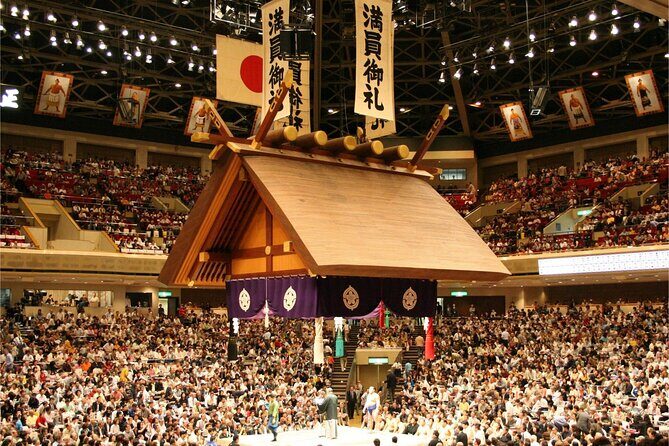
Next, Ryogoku is one of the most direct ways to understand Tokyo’s public culture. This district is the center of sumo life, with the stadium area, sumo stables, and the food culture that forms around matches. Even if you’re not a hardcore sumo fan, it’s a strong stop because sumo is part sport, part tradition, and part neighborhood identity.
The tour includes Ryogoku Kokugikan, where you can soak up the atmosphere of the sumo world. The stop is short (about 30 minutes), but it works well as a punchy change of pace after more “museum and meaning” style stops. Your guide can also help you connect what you see—arena setting, neighborhood layout, and the rhythm of match culture—to how sumo fits into Japanese social life.





Art and Memory: Hokusai and the Kanto Earthquake Museum
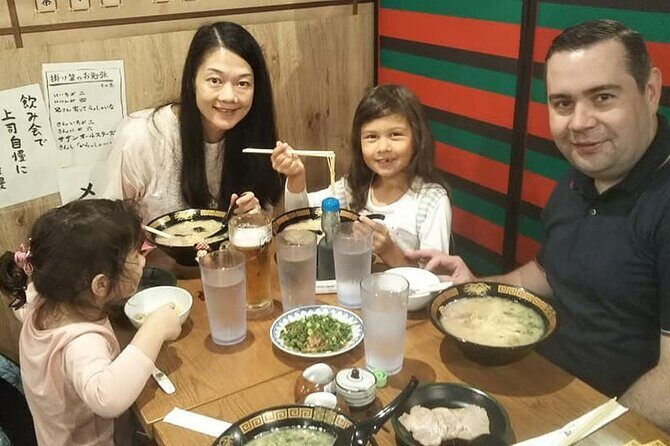
A very human part of this tour is the combination of art and survival history. The Sumida Hokusai Museum is dedicated to the ukiyo-e artist Katsushika Hokusai, famous for prints that shaped what everyday life looked like in Edo popular culture. This is the kind of stop where your guide can point out themes and artistic choices, so you don’t just walk through labels.
Then the day can shift into real-world tragedy at the Kanto Earthquake Memorial Museum. Learning about the Great Kanto earthquake and how Tokyo rebuilt gives you a different angle on the city’s layers. It also explains why Tokyo’s identity is not only built on what’s survived, but also on what was reconstructed after disaster.
If you’re choosing your sites, this pairing is a good bet. It balances beauty (Hokusai) with how cities actually change (earthquake memory). It’s also a calmer option than the most crowded shopping streets.
Eating Like Edo Tokyo at Ryogoku Edo Noren
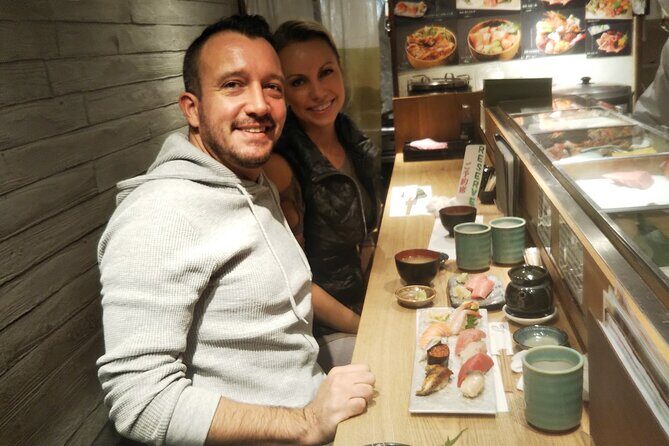
Tokyo has a way of turning history into something you can taste. The tour may include Ryogoku Edo Noren, styled like Edo period Japan and set up as a food court experience. It’s not a fine-dining stop, and that’s the point—it’s a casual way to get into the mood of the era.
Even though meals are not included in the price, this is a smart place to plan lunch or an early snack. Food courts can be hit or miss on foreign tourist days, so having a guide steer you here saves time and helps you choose something that fits what you’ve been seeing around Ryogoku.
Think of this as a “use your senses” stop. After museums and history talk, you’ll appreciate the reset.
Nihonbashi and the Sumida River: Old Trade Routes and River Views
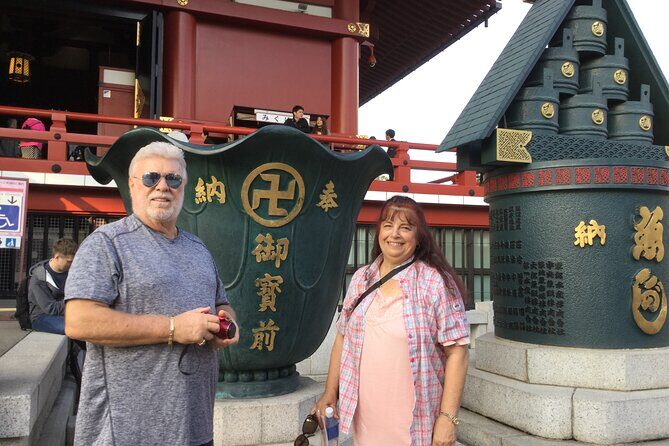
Nihonbashi is one of those Tokyo spots where the ground feels connected to the past. Historically, it was the starting point of major roads and a center of commerce in Edo. Today, walking here gives you an old-meets-new sense of what Tokyo was built on: movement, shipping, and trade.
The tour may also include time around the Sumida River (Sumidagawa). The river is one of Tokyo’s best-known waterways, and it’s a useful anchor point for understanding how the city developed around transportation and resources. Even when views are quick, a guide can help you see what you’re looking at and why it mattered.
If you’re trying to pick between “many tiny stops” and “fewer but meaningful ones,” this area is a strong contender. It ties together city planning and everyday life in a way that’s easy to understand while you’re walking.
Edo-Tokyo Open Air and Fukagawa: Streets, Shops, and Houses
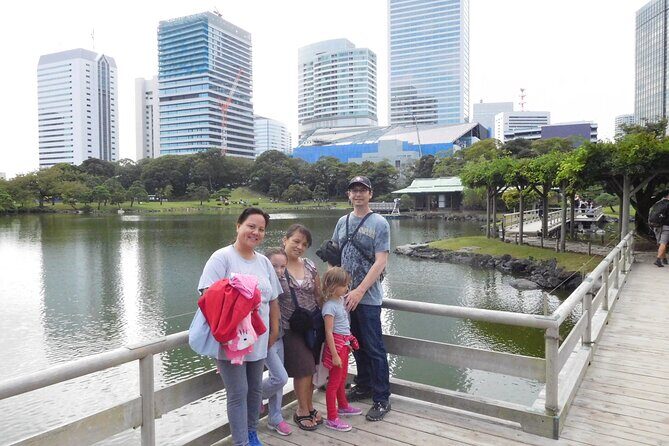
Two of the most memorable options on the menu are the open-air and neighborhood recreation styles of learning.
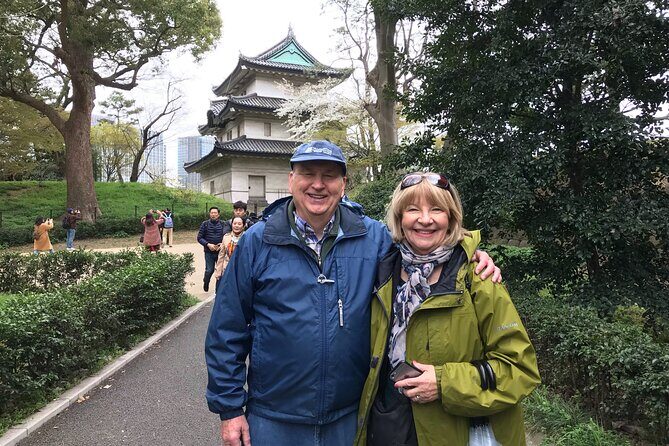
First is the Edo-Tokyo Open Air Architectural Museum in western Tokyo. This is built as a more off-the-beaten-track look at Japanese culture, using preserved and recreated environments. Even a short stop helps you visualize what Edo buildings and streets might have felt like, especially if your prior museum visits have been mostly indoor.
Then there’s the Fukagawa Edo Museum, which recreates an entire Edo-era neighborhood with streets, houses, and shops. This kind of experience works best when you let yourself slow down. Your guide can translate the layout into daily life—how people moved, what spaces were for, and why these recreated places matter for understanding Tokyo’s origin story.
If you love architecture or want something more tangible than dates and names, these two museums are where the value concentrates.
Price and What You Get for $154.37
At $154.37 per person for about 6 hours, you’re paying for more than entry tickets. The core value is the licensed local English guide and the time savings of having someone build a coherent day around Edo Tokyo themes.
Because entrance fees, lunch, and transport costs are extra, you should budget additional spending. That’s normal for Japan tours, but it’s worth planning for so the total cost doesn’t surprise you. Still, the guide can reduce waste: choosing the right stop order, helping you use transit efficiently, and steering you toward experiences that match your interests.
One reason this tour tends to rate so well is the “you’re not guessing” factor. People described guides helping with the IC card and guiding them through the public transport system, including how to use it without getting stuck. That kind of practical coaching is hard to replicate on your own.
Practical Tips: IC Cards, Cash, and Weather-Proof Planning
Here’s what you should know before you go, based on real on-the-ground issues.
Tokyo transport is mostly tap-and-go, but it can still require cash at certain points. One helpful caution: transport machines and systems can be cash-heavy, and credit cards aren’t always accepted for basic needs. Plan to carry some local money and don’t count on one payment method solving everything.
Second, it’s a walking tour. Even with public transport options, you’ll likely spend meaningful time on your feet. If weather is bad, your guide can help you stay flexible by choosing the best sequence among the selected stops.
Third, remember the Imperial Palace limitation. If you were hoping for a full palace interior visit, this tour won’t deliver that. Instead, treat it as a history-and-context stop tied to the former Edo Castle site.
Finally, bring patience for a private tour day. The itinerary can be tailored, which is great, but it also means your guide may adjust timing based on distance between chosen sites and conditions on the ground.
Should You Book This Edo Tokyo and Japanese Culture Tour?
Book it if you want an Edo-focused day that makes Tokyo feel connected. This is especially good for history and culture fans who want help turning neighborhoods and museums into a story, not just photos.
Skip it if your main goal is tick-box attractions with included admissions. Since entrance fees and meals aren’t included, you’ll pay more once you pick your exact 3–4 stops. Also, if Imperial Palace interior access is essential, this plan won’t satisfy that wish.
If you like guides who answer questions clearly and help you move around Tokyo without stress—especially using the local transit system and IC card—this tour is a strong fit. For $154.37, the best deal is when you let the guide do what you hired them for: connect the places, pick the right route, and keep the day coherent.
FAQ
What sites do I visit on this tour?
You choose 3–4 sites from the available Edo Tokyo and Japanese culture options, such as the Imperial Palace area, Ryogoku Kokugikan, the Sumida Hokusai Museum, the Kanto Earthquake Memorial Museum, Nihonbashi, the Sumida River area, Edo-Tokyo Open Air Architectural Museum, and Fukagawa Edo Museum.
Is the Imperial Palace visit included inside the palace?
No. The Imperial Palace stop does not include access to the inside of the palace.
Is this tour mostly walking?
Yes. It’s primarily a walking tour, and you may use public transport as needed. Pickup is on foot within a designated area.
Are entrance fees and lunch included in the price?
No. Entrance fees, lunch, and other personal expenses are not included, and transport fees are also extra.
How does the tour handle transportation during the day?
The tour is near public transportation, and you may take public transport during the day. Your guide can help you use the local transit system.
Is this a group tour or private?
It’s private. Only your group participates, and you can’t combine multiple tour groups.
Are service animals allowed?
Yes. Service animals are allowed on this experience.
Easier with a Guide

More Tours in Tokyo

More Tour Reviews in Tokyo



Fresh reviews from around Tokyo






Guided, compared.
 ★ 5.0Tokyo 6hr Private Tour with Government-Licensed GuideFrom $1553,902 reviews
 ★ 4.9Shinjuku Local Bar and Izakaya Guided Walking TourFrom $341,794 reviews
 ★ 4.8Private City Highlights Tour with Local GuideFrom $1061,433 reviews
 ★ 4.9Tsukiji Fish Market Guided Walking TourFrom $221,397 reviews
 ★ 5.0Tokyo 4hr Private Tour with Government-Licensed GuideFrom $1091,394 reviews
 ★ 5.0Tokyo Guided Small-Group Biking TourFrom $1061,250 reviews
 ★ 4.6Samurai Ninja Museum Guided tour and ExperienceFrom $271,010 reviews
 ★ 5.0Tsukiji Fish Market Guided Tour and Sushi Making with Pro ChefFrom $104775 reviews