
Reviewed · TOKYO
Tokyo Castle & Imperial PalaceーShogun Walking Tour
A palace walk can feel like a history class.
This tour turns Tokyo’s Imperial Palace area into a real-world map of Edo Castle defenses, samurai duty, and Japan’s 2,600-year imperial legacy. I especially liked the small-group size (up to 10), which makes it easy to ask questions, and the fact that guides like K, Ai, and Keiko bring the setting to life with clear stories and visual aids.
One thing to plan for: it’s English-only, and you’ll pass through an Imperial Palace security check. Also, the route includes steep slopes and stairs, so comfortable shoes matter.
In This Review
- Key moments I’d pencil into your Tokyo day
- Why this Imperial Palace walk feels different from a casual stroll
- Meeting at Kokyo Gaien and setting expectations for the walk
- Sakurada Tatsumi Yagura: a turret with a long memory
- Kokyo Otemon Gate: where gates explain power
- Guardhouses that teach rank: Constable, Hyakunin Bansho, Obansho
- Constable Guardhouse
- Hyakunin Bansho Guardhouse
- Obansho Guardhouse
- Fujimi-yagura: why a watchtower changes everything
- Kokyo Sannomaru Shozokan: the scale model shortcut
- The East Gardens: where Edo Castle’s main tower used to be
- Ninomaru Garden: calm koi and seasonal planting after the defense talk
- Heat, questions, and how to get the most out of your guide
- Price and value: $23.88 for context you can’t easily DIY
- Should you book the Tokyo Castle & Imperial Palace Shogun Walking Tour?
- FAQ
- How long is the Tokyo Castle & Imperial PalaceーShogun Walking Tour?
- How big is the group?
- Is the tour in English?
- Where do you meet for the tour?
- Where does the tour end?
- Do you need to pay admission for the stops?
- Can you see the Emperor?
- Is there security screening?
- Is the walk strenuous?
- What’s the cancellation policy?
Key moments I’d pencil into your Tokyo day
- Sakurada Tatsumi Yagura turret stop: see a surviving Edo-era structure and connect it to today’s palace security
- Kokyo Otemon Gate viewpoint: massive gates and stone walls tied to shogun-era protection
- Three guardhouse layers: Constable, Hyakunin Bansho, and Obansho spots explain rank and roles
- Fujimi-yagura watchtower views: learn why this kind of high point mattered in a fortress layout
- Kokyo Sannomaru Shozokan scale model: get the big-picture shape of former Edo Castle fast
- Ninomaru Garden koi pond pause: a calm break on former castle grounds with seasonal planting
Before you commit, see how this one stacks up against a few Tokyo favourites:
- Mt Fuji and Hakone 1-Day Bus Tour Return by Bullet Train★ 5.0 · 26,383 reviews
- 1-Day Tokyo Bus Tour★ 5.0 · 14,250 reviews
- Tokyo: teamLab Planets TOKYO Digital Art Museum Entry Ticket★ 4.6 · 9,779 reviews
Why this Imperial Palace walk feels different from a casual stroll
Tokyo can be overwhelming at first. This is the kind of walk that helps you get oriented fast, without rushing you. The focus isn’t just “pretty gates and trees.” You’re learning how a huge fortress city worked—then you’re watching how those same spaces became the Imperial Palace grounds you see today.
The best part is that the story is practical. You don’t just memorize dates. You learn why certain walls, gates, and guardhouses existed, and what that meant for people living and working inside Edo Castle’s perimeter. One guide (Keiko) even used flashcard-style visuals with old layouts and guard tower references, which is a smart way to keep the mental picture from slipping.
And because it’s built as a guided walk (small group up to 10), you’ll get straight answers. People have praised guides such as Tomo, Shin, Dai, and Yuuko for clear explanations and for staying engaged—especially when you ask follow-ups.
Meeting at Kokyo Gaien and setting expectations for the walk
The tour starts at Starbucks Coffee in Kokyo Gaien, at Wadakura Fountain Park. The address listed is 3-1 Kōkyogaien, Chiyoda City, Tokyo. It’s a convenient starting point if you’re spending your day around central Tokyo, and the tour ends back at the meeting point area while concluding near a ginkgo-lined avenue in front of Tokyo Station.
Before you set out, do two quick reality checks:
- You’re walking on paved paths and across areas that include steep slopes and stairs.
- You’ll face an Imperial Palace security check. Don’t bring knives or alcohol.
If you’re the type who likes to take photos, plan for it—but also know the tour is paced like a history walk, not like a wander. You’ll stop briefly at each point (often around 10 minutes), so the photos will be quick and focused.
Sakurada Tatsumi Yagura: a turret with a long memory
Stop one is Sakurada Tatsumi Yagura, where you can see a surviving turret from the Edo period. This is one of those spots that makes the whole tour click. Up close, it stops feeling like “a gate-and-garden area” and becomes what it actually is: evidence of a defensive system.
What I like here is the connection the guide makes between the turret’s original purpose and the idea of protection that still surrounds the Imperial Palace today. Even if you only catch a glimpse of fortress logic here and there, it builds a mindset you’ll carry to the next stops—especially when you reach the gate and guardhouse series.
This stop is short—about 20 minutes—but it’s the right opener. It gives you a starting point, so the rest of the walk doesn’t feel random.
Kokyo Otemon Gate: where gates explain power
Next comes Kokyo Otemon Gate. The highlight isn’t just the size (though it is dramatic). The key lesson is how gates and stone walls were designed to protect the shogun.
This is a good stop for anyone who likes architecture-as-story. The guide typically frames the gate as part of a system: you’re not looking at one structure in isolation. You’re seeing how entry points shaped movement, controlled access, and supported layered defense.
And since this stop is only about 10 minutes, it works well even if you’re jet-lagged or trying to keep your Tokyo day efficient.





Guardhouses that teach rank: Constable, Hyakunin Bansho, Obansho
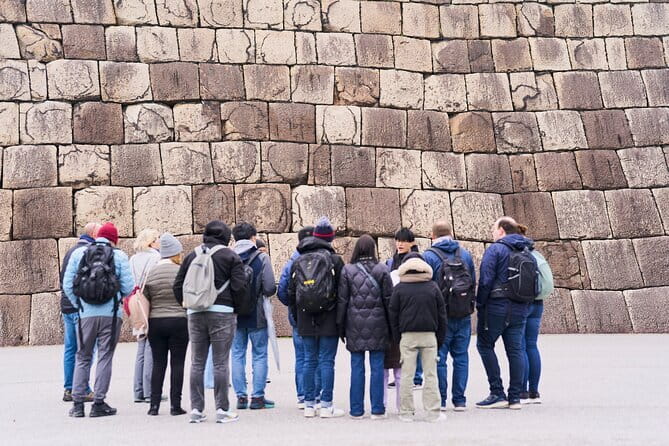
Then the tour moves into the guardhouse sequence. This part is a big reason the walking experience earns such high praise.
Constable Guardhouse
Here, you learn about lower-ranking samurai and why this spot mattered. The teaching style tends to be concrete: what did people do here, and how did that role fit into overall security?
Hyakunin Bansho Guardhouse
This stop shifts to a larger guardhouse where many samurai were stationed. The guide explains the role of that group in castle security. The effect is that you start seeing the “security workforce” behind the walls, not just the walls themselves.
Obansho Guardhouse
Finally, Obansho Guardhouse sits near the inner gate and is tied to higher-rank samurai duties. The same theme repeats: rank influenced responsibilities, and different posts helped control different layers of access.
If you remember only one theme from this tour, make it this: Edo Castle’s defense wasn’t only about walls. It was about people holding positions—at specific points—so the system worked under pressure.
These stops are each around 10 minutes, so you’ll get enough detail to follow the logic without getting stuck in long lectures.
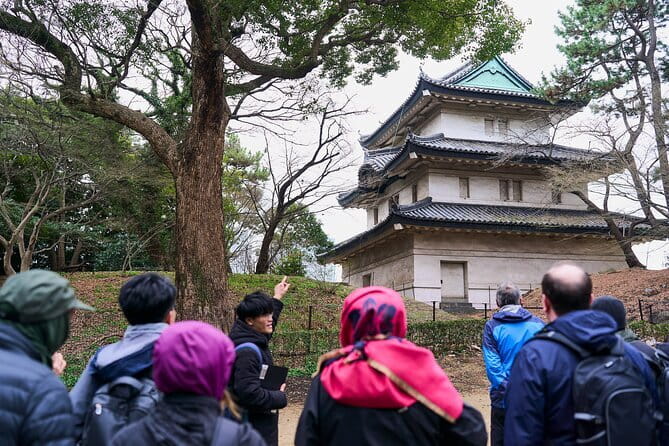
Fujimi-yagura: why a watchtower changes everything

Stop six is Fujimi-yagura, an old watchtower overlooking the area. This is where you learn to think upward, not only outward. A watchtower isn’t fancy just for views. It’s about visibility, early detection, and command.
In the tour’s framing, you’ll connect this elevated point with how defenders monitored movement and responded. It’s also a natural photo stop—one where you can pause and look for the lines the guide is describing.
Again, it’s brief (about 10 minutes), but it plays a strong role in completing the defensive picture.
Kokyo Sannomaru Shozokan: the scale model shortcut
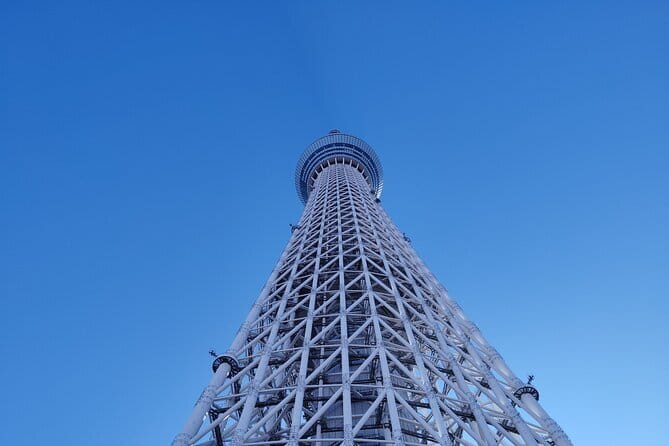
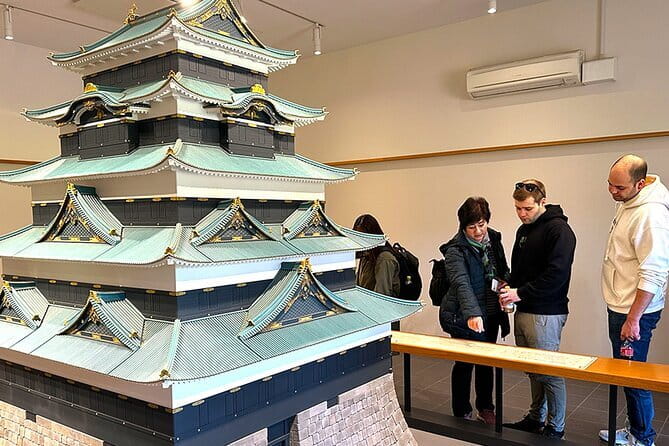
Now comes a smart pivot: Kokyo Sannomaru Shozokan. You can see a scale model of the former Edo Castle, and there’s also a souvenir shop with palace-related goods.
If you’ve ever felt lost trying to imagine the size of Edo Castle from just gates and walls, this is your fix. The model helps you translate the earlier guardhouse and turret stops into a larger layout. Even if you’re not a “museum person,” you’ll likely appreciate this stop because it turns scattered details into one coherent mental map.
This part takes about 10 minutes, which is just enough time to orient yourself without dragging your pace.
The East Gardens: where Edo Castle’s main tower used to be
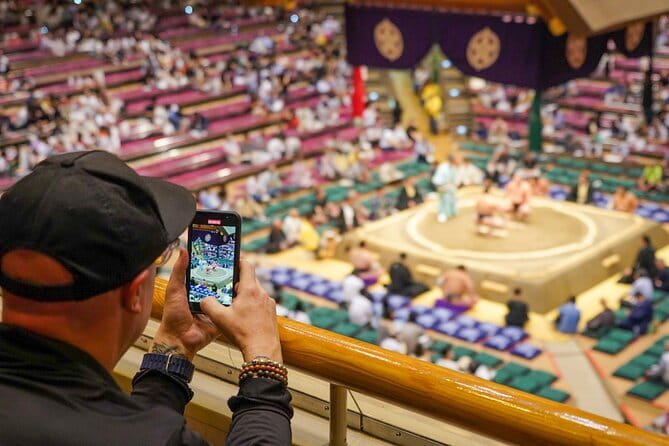
Stop eight is the East Gardens of the Imperial Palace—Edo Castle Ruin. You’re at the former site of Edo Castle’s main tower, and the guide explains why it’s no longer standing and what remains today.
This is one of the most emotional moments in the walk—not because it’s dramatic, but because it forces you to accept change. You’re looking at an absence that still shapes how the space feels and how people interpret the area.
What I like is that the guide ties the main tower’s role back to the rest of the defense story. If the earlier stops taught you about security posts, this one helps you understand the command-center concept behind them.
It’s about 15 minutes, and it’s a solid buffer before the final garden phase.
Ninomaru Garden: calm koi and seasonal planting after the defense talk
Stop nine is Ninomaru Garden, a traditional Japanese garden with seasonal plants and a pond with koi. After all the fortress talk, this feels like a breath of air. It’s not “random scenery.” It’s still part of the story of the former castle grounds—just from the calmer side.
You’ll get about 15 minutes here, which is usually enough time to slow down, enjoy the water, and take a few photos that don’t feel like you’re sprinting to the next stop.
If your Tokyo schedule is packed, this garden pause is a nice reminder that historic places can be peaceful, not only imposing.
Heat, questions, and how to get the most out of your guide
The reviews give a clear theme: the guide can make or break the experience. People have praised tours with guides like K, Ai, Tomo, Anju, Keiko, Shin, Dai, Yuuko, Nana, and others for being engaging and for answering questions with patience.
Here are a few practical ways to make it work for you:
- Bring water and use sun protection. One review notes it was a very hot day, and the guide even passed around sweets and menthol napkins.
- Wear comfortable shoes. The route includes steep slopes and stairs, so if your footwear is “cute but questionable,” switch it.
- Ask about rank and duties. The guardhouse stops become much clearer when you focus your questions on how responsibilities differed between lower and higher-ranking samurai.
If you’re visiting as a first-timer in Tokyo, this kind of guided context is especially useful. You’ll understand what you’re looking at later when you walk past other areas that connect to Japan’s political past.
Price and value: $23.88 for context you can’t easily DIY
At $23.88 per person for about 2 hours, the value is mostly about guided interpretation. Yes, many stops are listed as admission ticket free. But free entry doesn’t mean free understanding.
Without a guide, you’d likely see gates, guardhouse structures, a garden, and a model—but you might miss the “why.” The tour’s strength is translating those physical details into a story about Edo Castle’s defense system, samurai roles, and the emperor-focused legacy of Japan’s long imperial line.
Also, the small-group feel (up to 10) helps. In a crowded setting, you can’t hear details or ask questions without losing the thread. Here, that thread stays intact.
In other words: you’re paying for direction, not for entrance fees.
Should you book the Tokyo Castle & Imperial Palace Shogun Walking Tour?
Book it if you want:
- a structured, efficient 2-hour walk through the Imperial Palace grounds
- clear explanations of Edo Castle defenses and samurai security roles
- a calmer garden stop at the end (Ninomaru Garden with koi)
Skip it or rethink it if:
- you strongly prefer tours in Japanese (this one is English-only)
- you’re not comfortable with stairs and steep slopes
- you’d rather wander independently with zero structure
If you’re on a tight Tokyo schedule or you’re trying to connect multiple historical eras in one day, this is a smart use of time. It’s not just sight-seeing—it’s learning how the place works, then taking a quiet moment to enjoy what’s there now.
FAQ
How long is the Tokyo Castle & Imperial PalaceーShogun Walking Tour?
It runs for about 2 hours (approximately).
How big is the group?
The tour is described as small-group with up to 10 people. The activity listing also notes a maximum of 60 travelers.
Is the tour in English?
Yes. The tour is conducted in English only, with no Japanese language support.
Where do you meet for the tour?
You meet at Starbucks Coffee – Kokyo Gaien Wadakura Fountain Park, 3-1 Kōkyogaien, Chiyoda City, Tokyo 100-0002, Japan.
Where does the tour end?
It concludes back at the meeting point area. The itinerary also notes the conclusion in front of the ginkgo-lined avenue stretching out before Tokyo Station.
Do you need to pay admission for the stops?
The listed stops indicate admission tickets are free.
Can you see the Emperor?
The Emperor’s residence is not open to the public.
Is there security screening?
Yes. There is a security check to enter the Imperial Palace. Please do not bring knives or alcohol.
Is the walk strenuous?
There are no health restrictions listed, but you will need to walk up steep slopes and stairs.
What’s the cancellation policy?
You can cancel for free up to 24 hours in advance for a full refund. Canceling less than 24 hours before the start time won’t be refunded.
More Tour Reviews in Tokyo



Fresh reviews from around Tokyo






Tokyo, compared.
 ★ 5.0Mt Fuji and Hakone 1-Day Bus Tour Return by Bullet TrainFrom $16326,383 reviews
 ★ 5.01-Day Tokyo Bus TourFrom $12914,250 reviews
 ★ 4.6teamLab Planets TOKYO Digital Art Museum Entry TicketFrom $259,779 reviews
 ★ 4.0Mt Fuji & Hakone Cruise, Drum Show Bullet Train 1 Day from TokyoFrom $1497,413 reviews
 ★ 5.0Shinjuku Food Tour (13 Dishes at 4 Local Eateries)From $866,603 reviews
 ★ 4.4Tokyo Mt Fuji 5th St & Hakone Cruise Bus Tour w/Bullet TrainFrom $1545,024 reviews
 ★ 5.0Flagship 2-Hours Official Street Go-Kart Tour – Tokyo Bay ShopFrom $644,974 reviews
 ★ 4.5From Tokyo: Mount Fuji Full-Day Sightseeing TripFrom $684,970 reviews